
Spare Parts to Stock for Cream and Lotion Fillers
- Key Wear Components and Why They Matter
- Critical mechanical parts: pumps, pistons, and valves
- Contact parts and sanitary surfaces: gaskets, O-rings, and nozzles
- Wear plates, belts, and mechanical guides
- Electronics, Sensors, and Control Spares
- Sensors: level, photoelectric, and pressure sensors
- Human-machine interface and PLC components
- Motors, drives, and power supplies
- Inventory Strategy: Prioritizing Parts to Stock
- Assess downtime costs and criticality
- Use MTBF and historical failure data
- Regulatory and quality considerations
- Storage, Procurement, and Testing Best Practices
- Storage conditions, labeling, and shelf life
- Vendor management: OEM vs. aftermarket parts
- Bench testing and spares validation
- Practical Parts Lists and a Starter Inventory
- Starter spare parts checklist
- Starter kit examples by production scale
- FAQ: Frequently Asked Questions
- What are the single most important parts to stock for a cream and lotion filler?
- How many spare nozzles and seals should I keep on hand?
- Should I buy OEM parts or aftermarket equivalents?
- How do I make sure spare electronics will integrate with my automatic filling machine?
- Where can I find standards or guidance for GMP in cosmetics?
- How should spare parts be documented for audits?
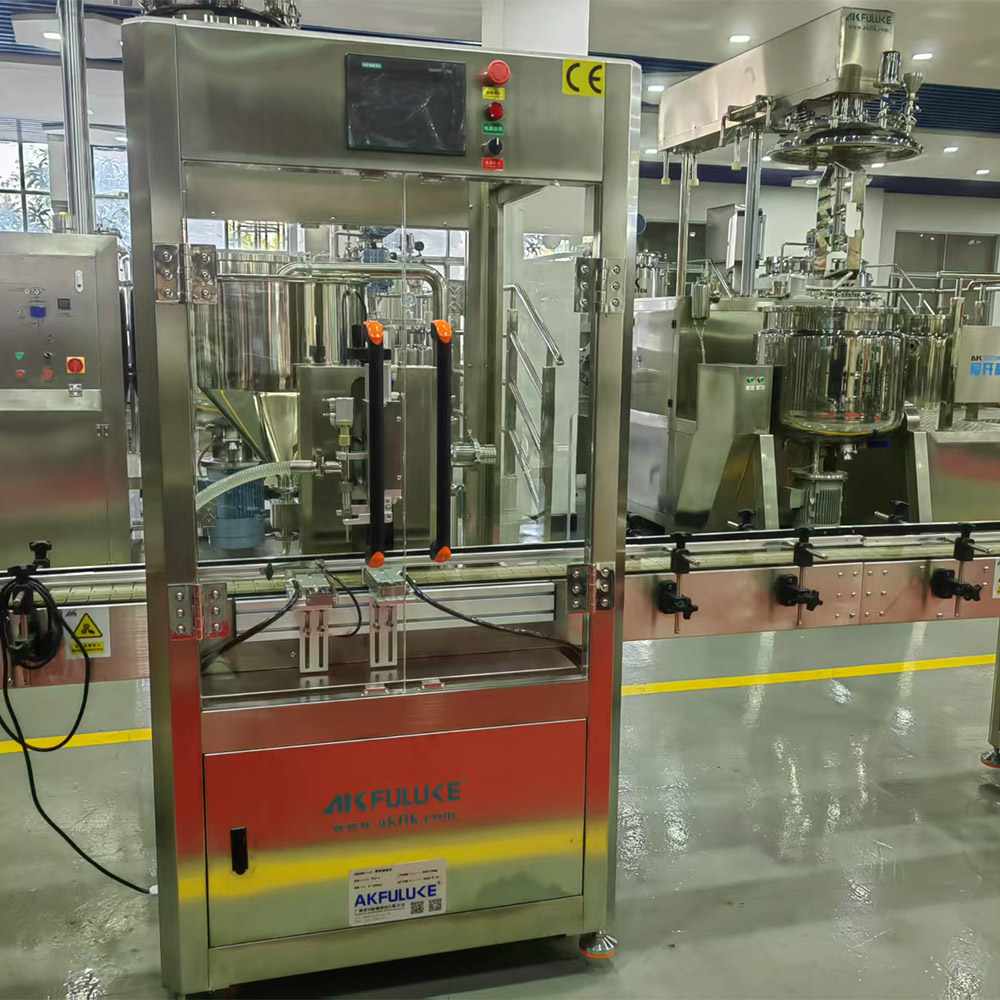
The optimal spare parts inventory for a cream and lotion production line balances cost with uptime. For manufacturers using an automatic filling machine — such as the Automatic Filling Machine Quantitative Liquid Bottle Filling Machine High-precision cream and lotion filling machine — stocking the right seals, pumps, nozzles, sensors, and control components prevents extended downtime, preserves product quality, and helps meet GMP and traceability requirements. This guide gives a prioritized, practical plan to reduce production interruptions, with procurement and storage best practices, regulatory considerations, and a starter parts list tailored to line size.
Key Wear Components and Why They Matter
Critical mechanical parts: pumps, pistons, and valves
The heart of any cream and lotion filling operation is the metering system: piston pumps, peristaltic pumps (if used), and dosing valves. On an automatic filling machine, these components determine volumetric accuracy and repeatability. Piston seals and valve seats wear predictably when handling viscous emulsions. Stocking a small number (2–5 sets) of pump seals and spare pistons can avoid multi-hour changeovers. For pharmaceutical or cosmetic-grade fills, use FDA- and ISO-compliant materials (e.g., PTFE, EPDM compatible with cosmetic formulations) to prevent contamination.
Contact parts and sanitary surfaces: gaskets, O-rings, and nozzles
Creams and lotions are emulsion-based and can clog or degrade soft seals over time. The automatic filling machine with 316L/304 stainless steel contact parts mitigates corrosion risk, but elastomeric seals still require periodic replacement. Keep multiple sizes of O-rings, gaskets, and nozzle tips on hand. For nozzles, keep both full-body and anti-drip variants if your line fills a range of viscosities — different geometries affect flow and drip-back. Replace seals proactively based on clean-in-place (CIP) cycles and visual inspection, not only on failure.
Wear plates, belts, and mechanical guides
Conveyors, star wheels, and infeed/outfeed guides experience friction and misalignment. Belts stretch, star-wheel cams develop wear, and guide rails accumulate residues. Keep spare conveyor belts, guide rail sections, and timing belts to avoid mechanical stoppages. Regular lubrication schedules and scheduled part swaps reduce catastrophic failures. For cost forecasting, refer to manufacturer MTBF recommendations and your own line-run data.
Electronics, Sensors, and Control Spares
Sensors: level, photoelectric, and pressure sensors
Sensors are frequent causes of unscheduled stops. Level sensors for hopper feeds, photoelectric sensors for bottle detection, and pressure transducers for pump feedback must be included in your spare kit. Ensure spares match the OEM specifications and, where possible, choose sensors rated for washdown environments. Calibration capabilities are essential; keep one calibrated spare sensor for quick swaps during validation or troubleshooting.
Human-machine interface and PLC components
A touchscreen HMI failure or PLC fault can halt an automatic filling machine entirely. Stock an HMI spare or at least spare communication modules (Ethernet, Profibus, etc.) and a backup PLC CPU module. Maintain current firmware images and a validated backup of ladder logic and parameters. The product’s touchscreen interface simplifies adjustments, but an HMI replacement will minimize downtime.
Motors, drives, and power supplies
Variable frequency drives (VFDs) and servo motors handle precise indexing and dosing. A burned-out motor or drive can sideline your line. Keep a spare VFD and at least one common servo motor model in inventory. Additionally, stock fuses, circuit breakers, and power-supply modules for the control cabinet. Label these spares and store them in an electrostatic-discharge (ESD) safe area to protect electronics.
Inventory Strategy: Prioritizing Parts to Stock
Assess downtime costs and criticality
To prioritize, calculate the cost of downtime (lost production, expedited shipping, labor overtime) versus the carrying cost of spare parts. For high-speed filling lines, an hour of downtime can be expensive, justifying stocking higher-cost spares. Use a criticality matrix: rank parts by frequency of failure and by impact on production. Parts with both high frequency and high impact (e.g., pump seals) should be stocked in larger quantities.
Use MTBF and historical failure data
Manufacturer Mean Time Between Failures (MTBF) figures combined with your plant’s historical data will guide reorder quantities. If your automatic filling machine runs three shifts, adjust the reorder point and safety stock upward. Implement simple tracking (spare parts ledger or basic CMMS) to record installations and part lifetimes — over a few months this provides a reliable reorder cadence.
Regulatory and quality considerations
Cosmetic production increasingly follows GMP-like practices. ISO 22716 provides guidance on Good Manufacturing Practices for cosmetics; align spare part traceability and material certificates with these standards to ensure compliance during audits (see ISO 22716 overview: https://www.iso.org/standard/36437.). Use documented change-control when swapping parts that contact product. For pharmaceutical-grade operations, follow WHO or FDA expectations on equipment qualification and documentation: see FDA Cosmetics information (https://www.fda.gov/cosmetics) and WHO GMP resources (https://www.who.int/teams/regulation-prequalification/regulation-and-safety/good-manufacturing-practices).
Storage, Procurement, and Testing Best Practices
Storage conditions, labeling, and shelf life
Store spares for an automatic filling machine in clean, dry, and temperature-controlled conditions to preserve elastomers and electronics. Implement a first-in-first-out (FIFO) system and label parts with model numbers, manufacturer part numbers, and date received. For O-rings and seals, note recommended shelf life and storage temperature to avoid degradation. Use sealed packaging for sanitary parts that contact product to prevent contamination.
Vendor management: OEM vs. aftermarket parts
OEM parts ensure fit and material compatibility, especially for contact parts made of 316L/304 stainless steel. However, high-quality aftermarket parts can reduce cost for non-critical items (belts, general fasteners). Maintain approved vendor lists and require material certificates (e.g., 3.1 or 2.2 certificates) for parts in contact with product. Where possible, negotiate consignment or vendor-managed inventory (VMI) for high-value, low-frequency items to reduce carrying costs. The Packaging Machinery Manufacturers Institute provides industry resources on procurement best practices (https://www.pmmi.org/).
Bench testing and spares validation
Before placing critical spares into storage, perform bench testing where applicable — for example, validate that replacement nozzles or sensors integrate with your PLC/HMI and that calibration offsets are known. Maintain a spare parts validation log as part of equipment qualification documentation. For sealed components, verify material certificates and, if applicable, clean parts before use to maintain GMP traceability.
Practical Parts Lists and a Starter Inventory
Starter spare parts checklist
Below is a prioritized starter list tailored to cream and lotion fillers running an automatic filling machine that handles emulsions and viscous products. Quantities are starting points and should be adjusted according to run-hours and criticality.
| Part | Why stock it | Starter Qty (Small / Med / Large Line) |
|---|---|---|
| Pump piston seals & rebuild kits | Wear item; affects fill accuracy | 3 / 6 / 12 |
| Nozzles (various diameters; anti-drip options) | Different viscosities require different tips | 5 / 10 / 20 |
| O-rings & gaskets (material-specific) | Frequent replacement; sanitary integrity | 50 / 100 / 200 |
| Photoelectric & level sensors | Common cause of stoppages | 2 / 4 / 6 |
| Spare HMI/PLC module or backup | Prevents long control-system downtime | 1 / 1 / 2 |
| VFD & common servo motor | Drives indexing and dosing motion | 1 / 2 / 3 |
| Belts, bearings, guide rails | Mechanical wear & alignment | 2 sets / 4 sets / 8 sets |
| Sanitary clamps, tri-clover ferrules | Ensure sanitary connections during swaps | 10 / 20 / 40 |
Starter kit examples by production scale
For a small artisan cosmetics line (single-shift), keep higher quantities of sanitary seals and a spare nozzle set. For medium operations (multi-shift, 1–2 automatic filling machine lines), increase sensor and electronic spares, and add a spare VFD. For large manufacturers, consider strategic consignment, local vendor support contracts, and redundant critical systems to ensure minimal single-point failures.
FAQ: Frequently Asked Questions
What are the single most important parts to stock for a cream and lotion filler?
Pump seals, nozzles, and O-rings/top-contact gaskets. These wear fastest and directly affect fill accuracy and product integrity.
How many spare nozzles and seals should I keep on hand?
Start with 5–20 nozzles and 50–200 seals/O-rings depending on production scale. Adjust based on run hours, CIP frequency, and observed wear rates.
Should I buy OEM parts or aftermarket equivalents?
Use OEM parts for product-contact components and items with strict material or dimension tolerances. For non-critical parts like general-purpose belts or fasteners, vetted aftermarket options can be cost-effective. Maintain certificates for product-contact materials.
How do I make sure spare electronics will integrate with my automatic filling machine?
Keep firmware backups and validated spare modules (HMI, PLC, communication cards). Document settings and perform bench testing before deployment. Label spares with firmware versions and revision dates.
Where can I find standards or guidance for GMP in cosmetics?
See ISO 22716 for cosmetics GMP guidance (https://www.iso.org/standard/36437.) and general regulatory information from the U.S. Food & Drug Administration on cosmetics (https://www.fda.gov/cosmetics).
How should spare parts be documented for audits?
Maintain a spare-parts inventory log, material certificates for product-contact parts, installation and calibration records, and change-control documentation when parts replace or alter validated equipment. These records support GMP and are useful during supplier audits.
Product highlight:
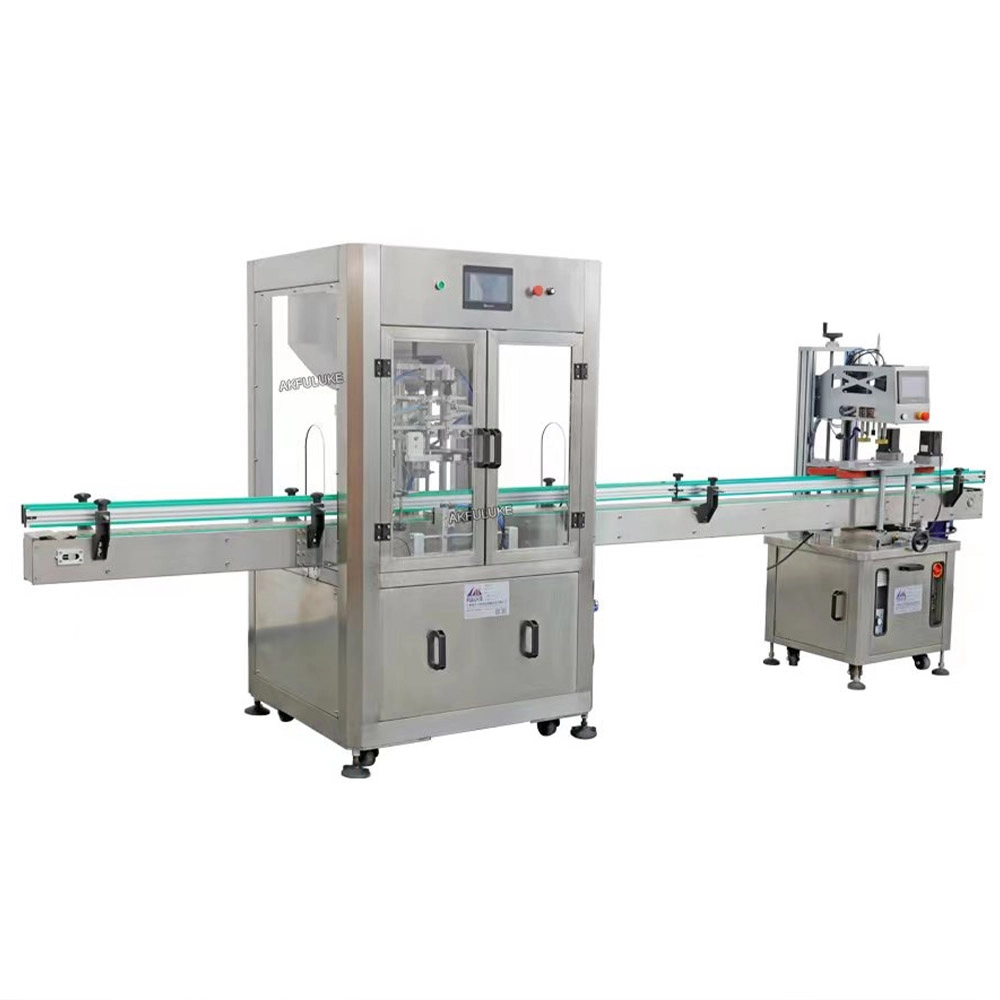
The Automatic Filling Machine Quantitative Liquid Bottle Filling Machine High-precision cream and lotion filling machine integrates automated conveying, precision filling, and intelligent control for packaging creams, lotions, and liquids. Suitable for a variety of containers, including glass and PET bottles, it can fill liquids, emulsions, and pastes with high precision.
Constructed with 316L/304 stainless steel contact components and compliant with GMP standards, it features a touchscreen interface for quick parameter adjustment and completes the entire process without manual intervention. Widely used in the cosmetics, food, daily chemical, pharmaceutical, and chemical industries, it helps companies reduce costs, increase efficiency, and ensure product standardization.
If you need a tailored starter spare-parts list for your Automatic Filling Machine Quantitative Liquid Bottle Filling Machine High-precision cream and lotion filling machine, or want to review compatible OEM parts and service contracts, contact our sales team to get a customized proposal and parts bundle. View the product page or reach out to request a spare-parts audit and quote.
Further reading on filling equipment and packaging machinery reliability is available on the Filling machine entry on Wikipedia (https://en.wikipedia.org/wiki/Filling_machine), and industry best practices from PMMI (https://www.pmmi.org/).
Energy Efficiency Strategies for High-Desalination RO Plants
Evaluating Machine Footprint and Factory Space Requirements
Benefits of Automatic Quantitative Liquid Bottle Filling Machines
Implementing CIP Systems with Cream Filling Machines
Vacuum Emulsifying Machine
What industries is the vacuum emulsifier suitable for?
It is widely applicable to the production needs of creams, lotions, gels, ointments, etc. in the cosmetics, pharmaceutical, food, chemical and other industries.
Automatic Filling Machine
Can we add heating, constant temperature, and stirring functions?
Of course, we can add heating, constant temperature, and stirring functions based on your material characteristics.
Film Packaging Machine
What industries is this film packaging machine suitable for?
This machine is widely used for packaging a variety of items in large single boxes or multiple small boxes (with gold drawstring) in industries such as pharmaceuticals, health products, food, cosmetics, stationery, and audio-visual products.
The Flip Cover Liquid Wash Mixing Homogenizing Tank
What can you buy from us?
RO Water Treatment、Vacuum Emulsifying Machine、Homogenizer Mixing Tank、Filling and Capping、labeling Machine、Packing Machine、Storage Tank,etc.
Storage Tank
How can I extend the life of my storage tank?
Avoid storing media that are incompatible with the material to prevent corrosion.
Perform maintenance according to specifications and promptly repair damaged anti-corrosion coatings or seals.
When the tank is idle for an extended period, empty the media and protect it from moisture and dust.
You May Also Like
Automatic Filling Machine Quantitative Liquid Bottle Filling Machine High-precision cream and lotion filling machine
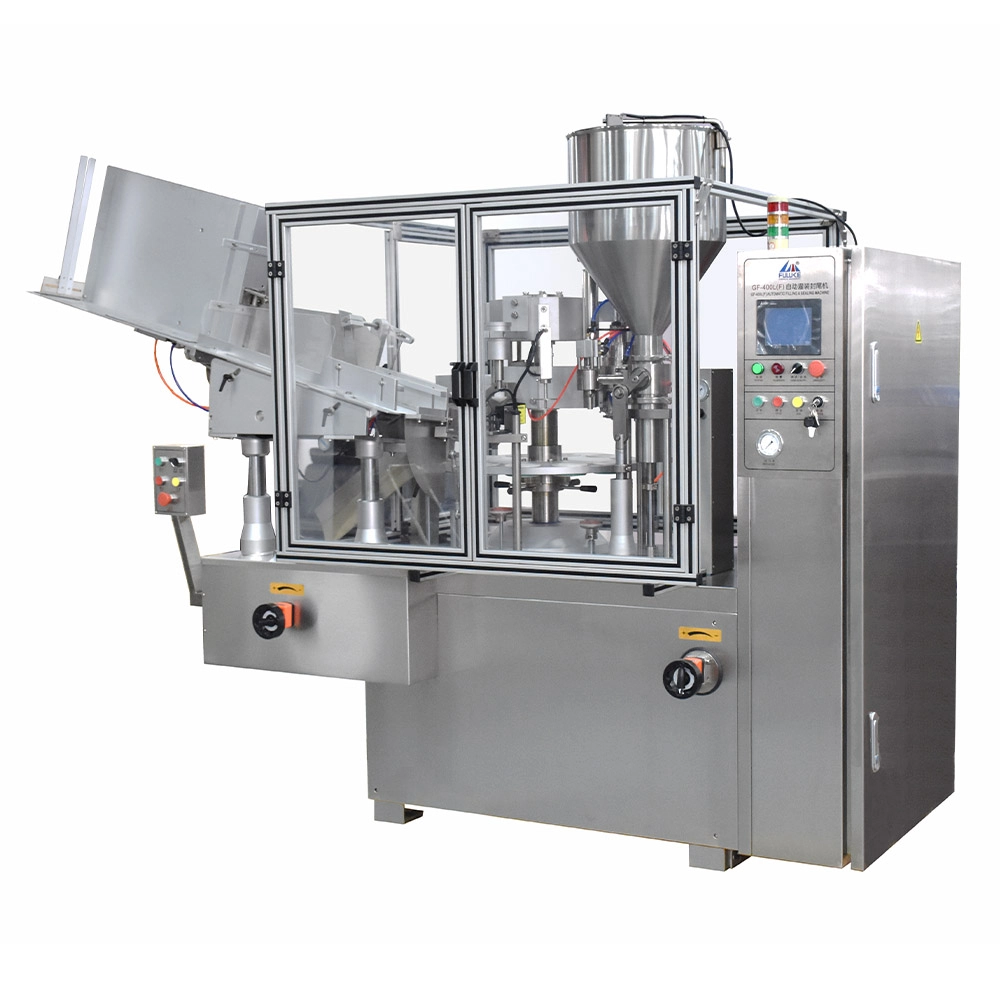
Automatic Tube Filling and Sealing Machine Toothpaste Sunscreen and Facial Cleanser Filling and Sealing Machine for Plastic and Aluminum-plastic Tube
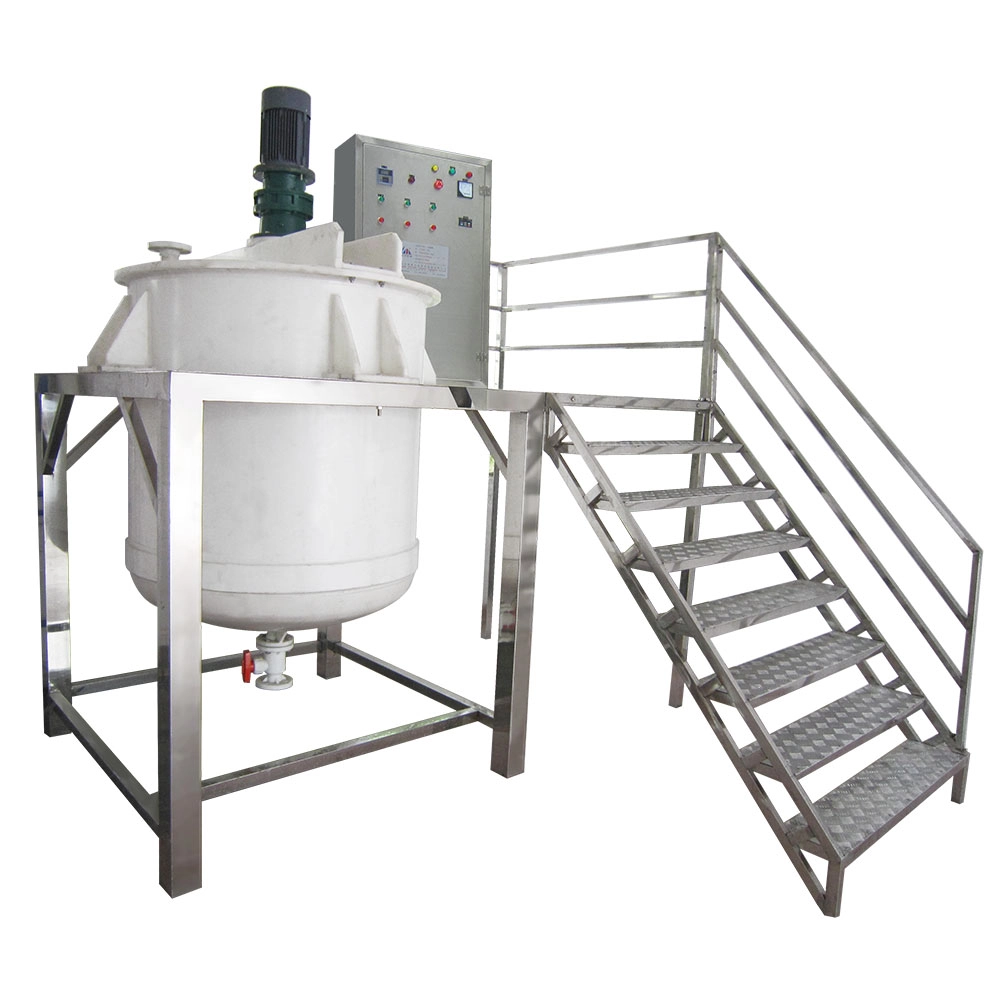
Polypropylene PP Mixing Tank Anti-Corrosion Mixer Reaction Kettle with Agitator Chemical Mixing Vessel
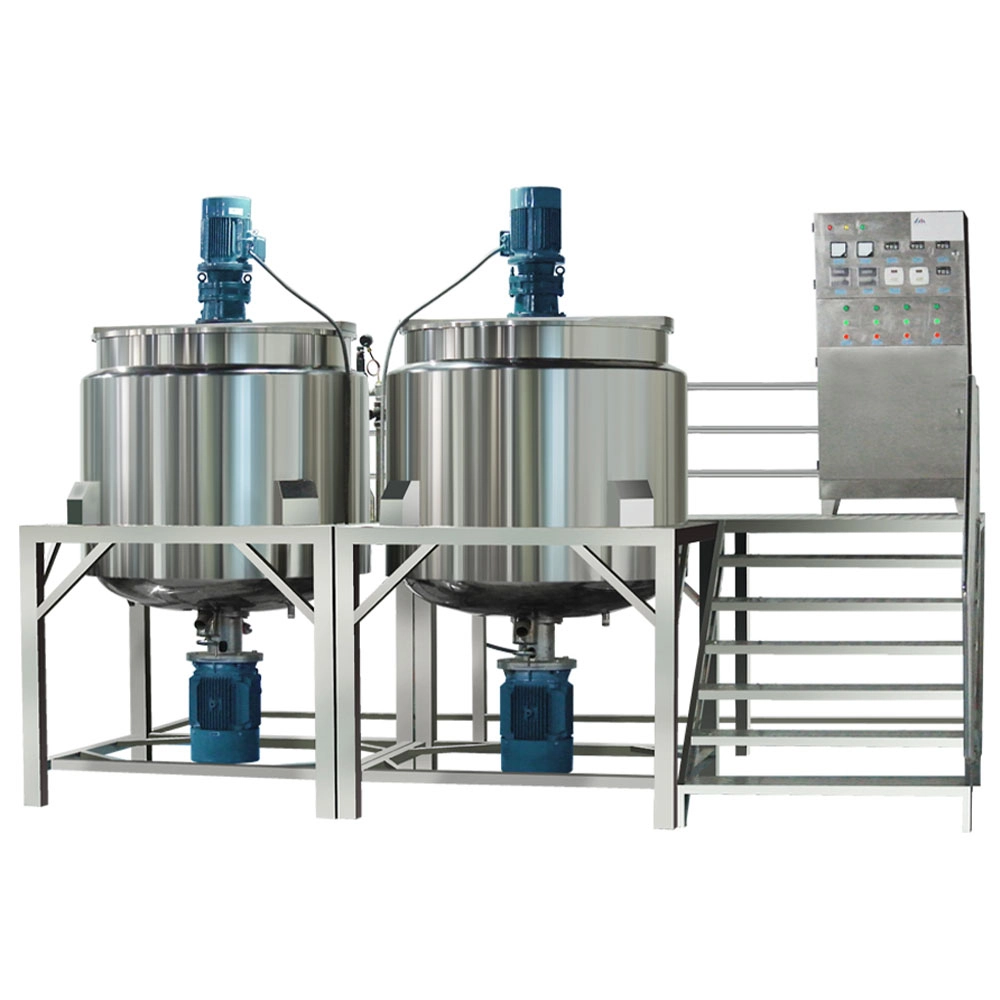
Flip Cover Multi-function Liquid Wash Mixing Tank Blender Liquid Detergent Mixer Homogenization Stirring Tank
Get in touch with FULUKE
If you have any comments or good suggestions, please leave us a message, later our professional staff will contact you as soon as possible.

A leading manufacturer specializing in advanced machinery and complete production lines for the cosmetics, food, pharmaceutical, and chemical industries worldwide.
Contact FULUKE
Facebook
Instagram
YouTube