
Speed vs Accuracy: Balancing Throughput in Filling Lines
- Throughput Trade-offs in Modern Filling Lines
- What determines speed versus accuracy
- Measuring throughput, accuracy and yield
- Common operational failure modes
- Design Strategies to Balance Speed and Accuracy
- Choosing the right filling principle
- Mechanical design and materials
- Smart control systems and sensors
- Operational Practices and Quality Assurance
- Set up and changeover optimization
- In-process controls and sampling
- Maintenance and calibration
- Case Study: Automatic Filling Machine Quantitative Liquid Bottle Filling Machine
- Product overview and capabilities
- Performance and throughput examples
- Return on investment and cost drivers
- Integrating Brand Advantages and Best Practices
- Why design and material choice matters
- Operator experience and ease of use
- Serviceability and lifecycle support
- Practical Checklist to Balance Speed and Accuracy
- Frequently Asked Questions (FAQ)
- Q: How do I choose between higher speed and tighter accuracy?
- Q: Can a single machine handle both lotions and creams?
- Q: How do I validate fill accuracy to meet GMP requirements?
- Q: What sensors are most effective for inline verification?
- Q: How much space and utilities should I expect this filling machine to need?
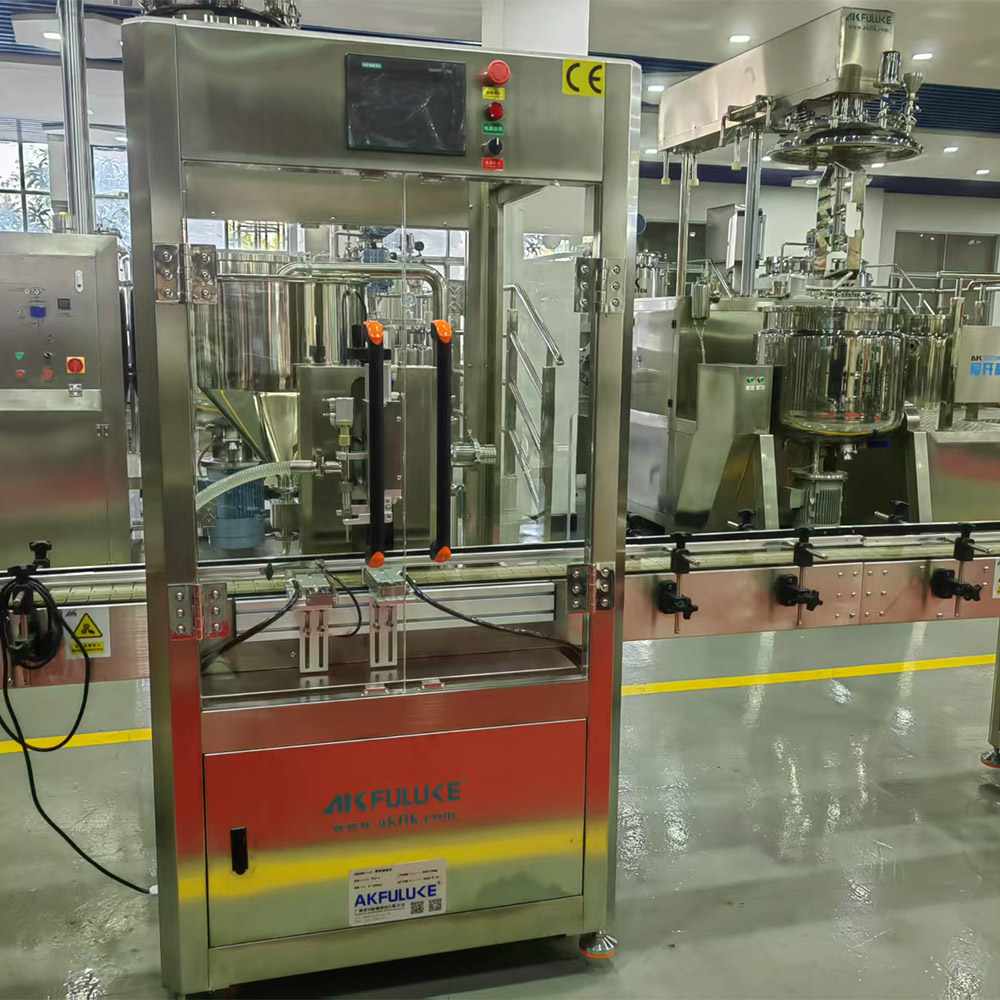
This article explores practical strategies to balance speed and accuracy on modern liquid filling lines. It provides measurable metrics, technology choices, operational practices, and return-on-investment considerations tailored for cosmetics, pharmaceutical, food and daily chemical producers that use a liquid filling machine. The guidance aligns with Good Manufacturing Practice and industry standards to help you increase throughput without compromising precision, product safety, or regulatory compliance.
Throughput Trade-offs in Modern Filling Lines
What determines speed versus accuracy
Throughput (bottles per minute or units per hour) is the product of cycle time, the number of simultaneous fill heads, and uptime. Accuracy is determined by the filling technology (piston, time-pressure, peristaltic, overflow), control precision, sensor feedback, and consistency of fluid properties. The core trade-off: running faster tends to amplify variability (foaming, splashing, vibration, misalignment) that reduces fill accuracy. A robust liquid filling machine design or control system can mitigate many of those effects, allowing higher speeds without sacrificing precision.
Measuring throughput, accuracy and yield
Key metrics you should track:
- Throughput (units/minute, units/hour)
- Fill accuracy (mean deviation from target volume, standard deviation, and % within tolerance)
- First-pass yield (% of units accepted without rework)
- Downtime and changeover time
Use regular sampling and statistical process control (SPC) charts to visualize drift. Industry references such as the Filling machine overview and Good Manufacturing Practice guidelines (GMP) provide context on measurement and compliance requirements.
Common operational failure modes
Identify frequent causes of accuracy loss at high speed: air entrainment, inconsistent viscosity, bottle variability, improper nozzle timing, and mechanical vibration. Preventive detection—flow sensors, load cells, and camera inspection—helps maintain accuracy under throughput pressure.
Design Strategies to Balance Speed and Accuracy
Choosing the right filling principle
Select the filling method based on product rheology and required precision. Typical choices:
| Filling Type | Best for | Typical Accuracy | Speed Characteristic |
|---|---|---|---|
| Piston (positive displacement) | High-viscosity creams, lotions, pastes | ±0.5% to ±1.5% | Moderate–High |
| Time-pressure | Thin, low-viscosity liquids | ±1% to ±3% | High |
| Peristaltic | Sanitary, abrasive or shear-sensitive fluids | ±1% to ±2% | Moderate |
| Overflow | Filled to a consistent level for bottles | Very high level consistency | High |
For cosmetics like creams and lotions, piston or specially designed volumetric systems often deliver the precision needed at higher speeds.
Mechanical design and materials
Robust frame stiffness, vibration damping, and precise container handling reduce variability at speed. Use hygienic materials—316L/304 stainless steel—for product-contact parts to meet GMP and simplify cleaning. The Automatic Filling Machine Quantitative Liquid Bottle Filling Machine High-precision cream and lotion filling machine is constructed with 316L/304 stainless steel contact components and complies with GMP standards, which directly supports repeatability and cleaning validation.
Smart control systems and sensors
Closed-loop control (flow meters, load cells, and encoder feedback) reduces drift. Modern machines use PLCs with recipe management, and HMI touchscreens for quick parameter adjustment, so operators can switch settings for different viscosities and container formats with minimal downtime.
Operational Practices and Quality Assurance
Set up and changeover optimization
Minimize manual intervention by using quick-change parts, guided recipes in the HMI, and jigs for bottle alignment. Reduced changeover time increases effective uptime and maintains higher average throughput without forcing speed increases that harm accuracy.
In-process controls and sampling
Combine automated inline checks—weight verification, vision inspection for fill level, cap presence—with periodic lab sampling. Automated rejection of out-of-tolerance units preserves downstream processes and brand quality.
Maintenance and calibration
Planned maintenance schedules for pumps, seals, valves, and sensors prevent gradual accuracy loss. Calibration of volumetric systems and load-cell based checkweighers should be documented in accordance with GMP. For regulatory context, the U.S. FDA cosmetics pages and industry bodies like the Personal Care Products Council provide guidance on manufacturing expectations.
Case Study: Automatic Filling Machine Quantitative Liquid Bottle Filling Machine
Product overview and capabilities
The Automatic Filling Machine Quantitative Liquid Bottle Filling Machine High-precision cream and lotion filling machine integrates automated conveying, precision filling, and intelligent control for packaging creams, lotions, and liquids. Suitable for a variety of containers, including glass and PET bottles, it can fill liquids, emulsions, and pastes with high precision.
Constructed with 316L/304 stainless steel contact components and compliant with GMP standards, it features a touchscreen interface for quick parameter adjustment and completes the entire process without manual intervention. Widely used in the cosmetics, food, daily chemical, pharmaceutical, and chemical industries, it helps companies reduce costs, increase efficiency, and ensure product standardization.
Performance and throughput examples
Typical performance when configured for cosmetics:
| Configuration | Fill Range | Accuracy (typical) | Throughput |
|---|---|---|---|
| 4-head piston, medium-viscosity lotion | 10–250 mL | ±0.8% | 120–240 bottles/min |
| 6-head piston, high-viscosity cream | 30–500 mL | ±1.0% | 80–160 bottles/min |
| Time-pressure, thin liquids | 5–1000 mL | ±1.5% | 200–500 bottles/min |
Actual throughput depends on bottle changeover, capper and labeler synchronization, and product rheology—so integrated line design is critical.
Return on investment and cost drivers
When evaluating ROI, include:
- Labor savings from automation and reduced manual filling
- Material savings due to better fill accuracy (reduced giveaway)
- Reduced rework and scrap from consistent fills
- Regulatory and quality cost avoidance (fewer recalls, complaints)
Manufacturers typically recover machine investment faster when switching from manual or semi-automatic filling to a fully automated quantitative liquid filling machine, especially when product variability and labor costs are high.
Integrating Brand Advantages and Best Practices
Why design and material choice matters
Using sanitary-grade 316L/304 stainless steel for product-contact parts reduces contamination risk, simplifies CIP/SIP, and increases the machine lifetime. Purchasing a machine built to GMP principles reduces time and cost in validation and audit preparation.
Operator experience and ease of use
Touchscreen interfaces with recipe storage and quick parameter adjustment reduce human error and shorten learning curves. The featured Automatic Filling Machine includes an HMI for fast changeovers, meaning operators can switch container formats or viscosities efficiently without heavy manual adjustments.
Serviceability and lifecycle support
Choose vendors that provide spare parts, calibration support, and remote diagnostics. This lowers mean time to repair (MTTR) and preserves stable throughput over the machine’s lifecycle.
Practical Checklist to Balance Speed and Accuracy
- Map your product rheology and match to filling principle (piston for creams; time-pressure for thin liquids).
- Define acceptable fill tolerance and monitor SPC charts daily.
- Invest in closed-loop sensors and inline weight verification.
- Optimize mechanical design: vibration damping, precise star wheels, and reliable conveyors.
- Reduce changeover with quick-change tooling and stored recipes in the HMI.
- Schedule preventive maintenance and calibration to GMP standards.
Frequently Asked Questions (FAQ)
Q: How do I choose between higher speed and tighter accuracy?
A: Start with your product and brand requirements. If product consistency and labeling claims require tight tolerances, prioritize accuracy and use a filling technology that guarantees it at moderate speed (e.g., piston). If you sell commodity products with wider tolerances, throughput may be prioritized with corrective inline checks.
Q: Can a single machine handle both lotions and creams?
A: Yes—many quantitative liquid filling machines are configurable with different pump heads, nozzles, and software recipes to accommodate a range of viscosities. The Automatic Filling Machine Quantitative Liquid Bottle Filling Machine High-precision cream and lotion filling machine is suitable for liquids, emulsions, and pastes and supports container variability like glass and PET.
Q: How do I validate fill accuracy to meet GMP requirements?
A: Use documented calibration procedures, traceable weight standards, and statistical sampling plans in line with GMP. Maintain records of adjustments, calibrations, and SPC outputs for audits. Refer to GMP guidance available via GMP and regulatory bodies such as the FDA for relevant expectations.
Q: What sensors are most effective for inline verification?
A: Load cells (for checkweighing), flow meters, capacitive/ultrasonic sensors for level detection, and vision systems for fill-level and cap verification. Closed-loop flow feedback provides precise volumetric control during filling.
Q: How much space and utilities should I expect this filling machine to need?
A: Space and utility requirements differ by model and configuration. Typical considerations: footprint for the machine plus conveyors, compressed air for actuators, electrical supply for PLC and motors, and CIP/SIP connections for hygienic models. Discuss specific site requirements with the supplier during technical evaluation.
If you would like assistance selecting the right configuration or a quote, contact our sales team to view product specifications, arrange a demo, or request a line layout tailored to your production needs.
Contact Sales / View Product: For more information about the Automatic Filling Machine Quantitative Liquid Bottle Filling Machine High-precision cream and lotion filling machine and to discuss line integration, please contact our sales team or view full product details.
Vacuum Sealed Mixer Machine: Compliance and Quality Control
Choosing Between Single and Multi-Head Filling Machines
Tips for Scaling Production with Modular Filling Machines
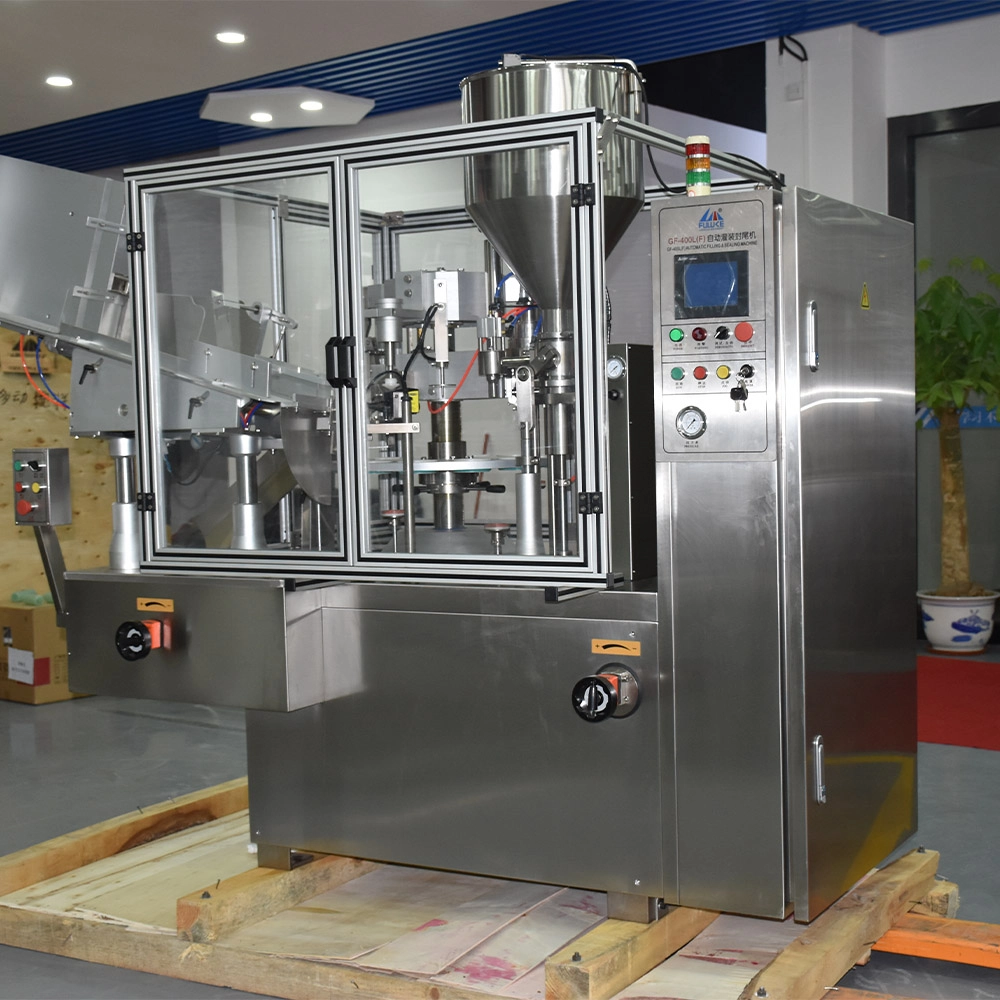
Selecting Filling Machines for Plastic and Aluminum-Plastic Tubes
Automatic Capping Machine
What can you buy from us?
RO Water Treatment、Vacuum Emulsifying Machine、Homogenizer Mixing Tank、Filling and Capping、labeling Machine、Packing Machine、Storage Tank,etc.
Automatic Tube Filling and Sealing Machine
Why are wrinkles, leaks, or uneven edges appearing after sealing? How can this be addressed?
These issues are often caused by three core factors, with corresponding solutions as follows:
Temperature mismatch: If the temperature is too low, the edge seal will not adhere well and leaks may occur; if the temperature is too high, it may burn and wrinkle. Adjust the sealing temperature using the PLC touch screen.
Insufficient pressure/time: The sealing cylinder pressure should be adjusted according to the hose material, and the sealing head pressing time should be ≥ 1.5 seconds to avoid a poor seal caused by insufficient pressure or short pressing time.
Mold wear/alignment deviation: Inspect the sealing mold for scratches and deformation. Replace if worn. If the label is misaligned with the seal, calibrate the photoelectric sensor position.
Does the equipment meet the hygiene standards of the pharmaceutical/food industry? What precautions should be taken during daily cleaning?
The equipment fully complies with GMP hygiene certification. All material contact parts (drums, filling heads, and piping) are made of 316L/304 stainless steel, ensuring no unhygienic corners.
Daily cleaning precautions:
Before each material change, flush the material piping with purified water or food-grade detergent and then dry it with compressed air. Disassemble the filling heads and valves weekly to remove any residual material to prevent bacterial growth. Never use water directly on components such as the electrical control cabinet and motor. Always disconnect the power cord during cleaning to prevent short circuits.
Sealed Homogenizing Mixing Tank
Is it possible to not have a heating function?
Of course, if your product's production process doesn't require heating and cooling functions, then you can just make it a single-layer pot.
Storage Tank
Can you make a design for us?
Yes, we can, we provide not only products, but also solutions and designs.
You May Also Like
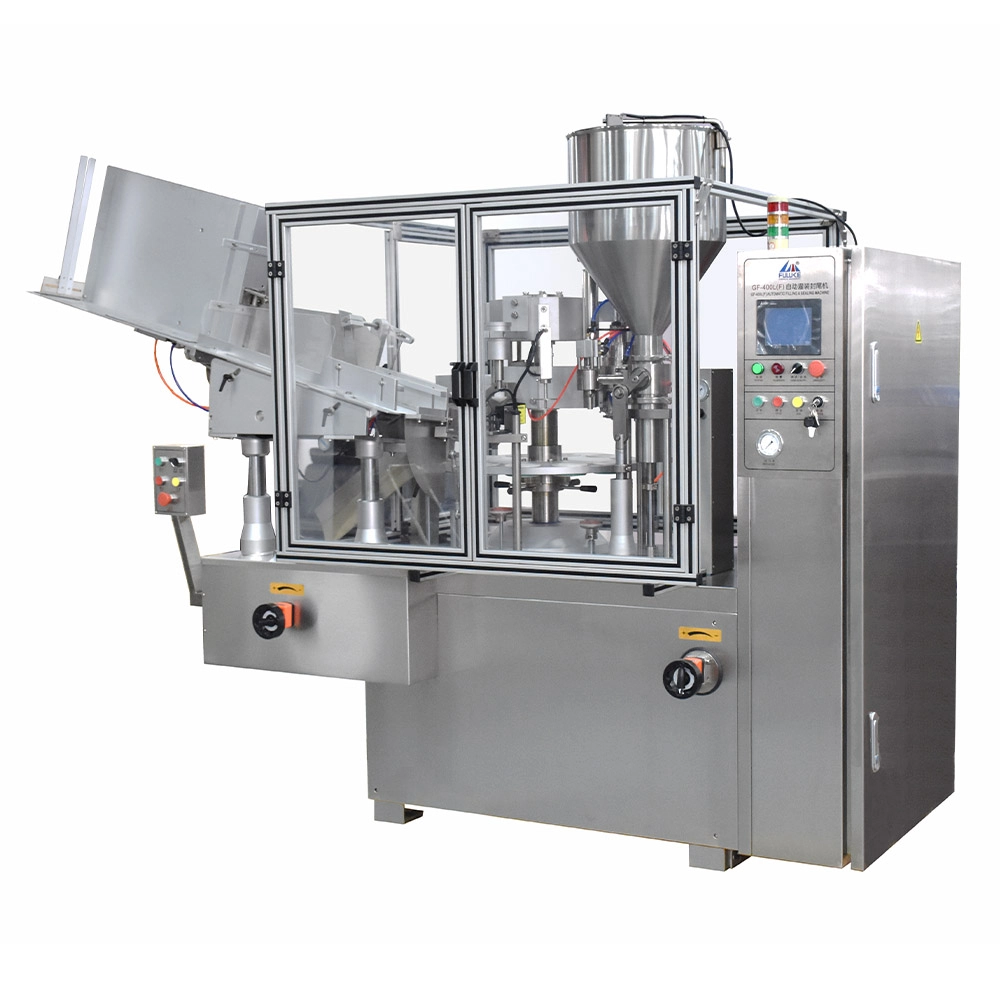
Automatic Tube Filling and Sealing Machine Toothpaste Sunscreen and Facial Cleanser Filling and Sealing Machine for Plastic and Aluminum-plastic Tube
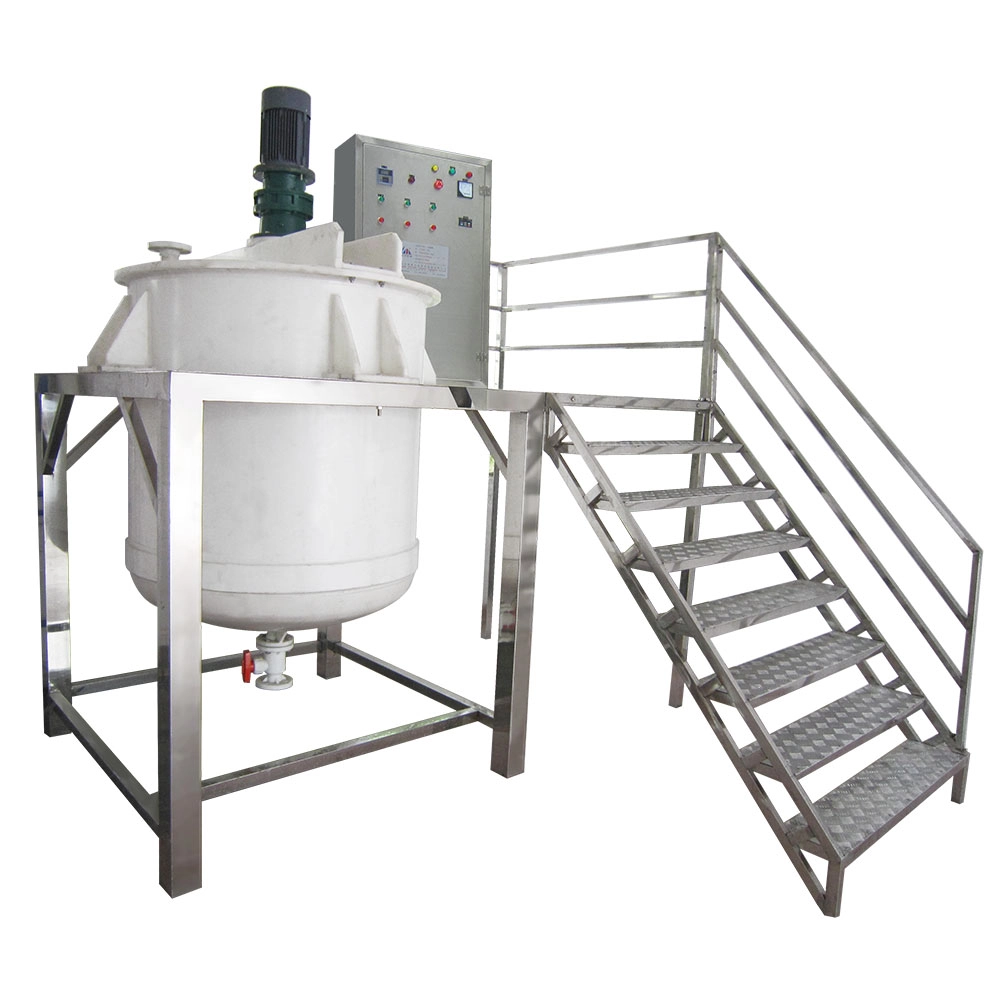
Polypropylene PP Mixing Tank Anti-Corrosion Mixer Reaction Kettle with Agitator Chemical Mixing Vessel
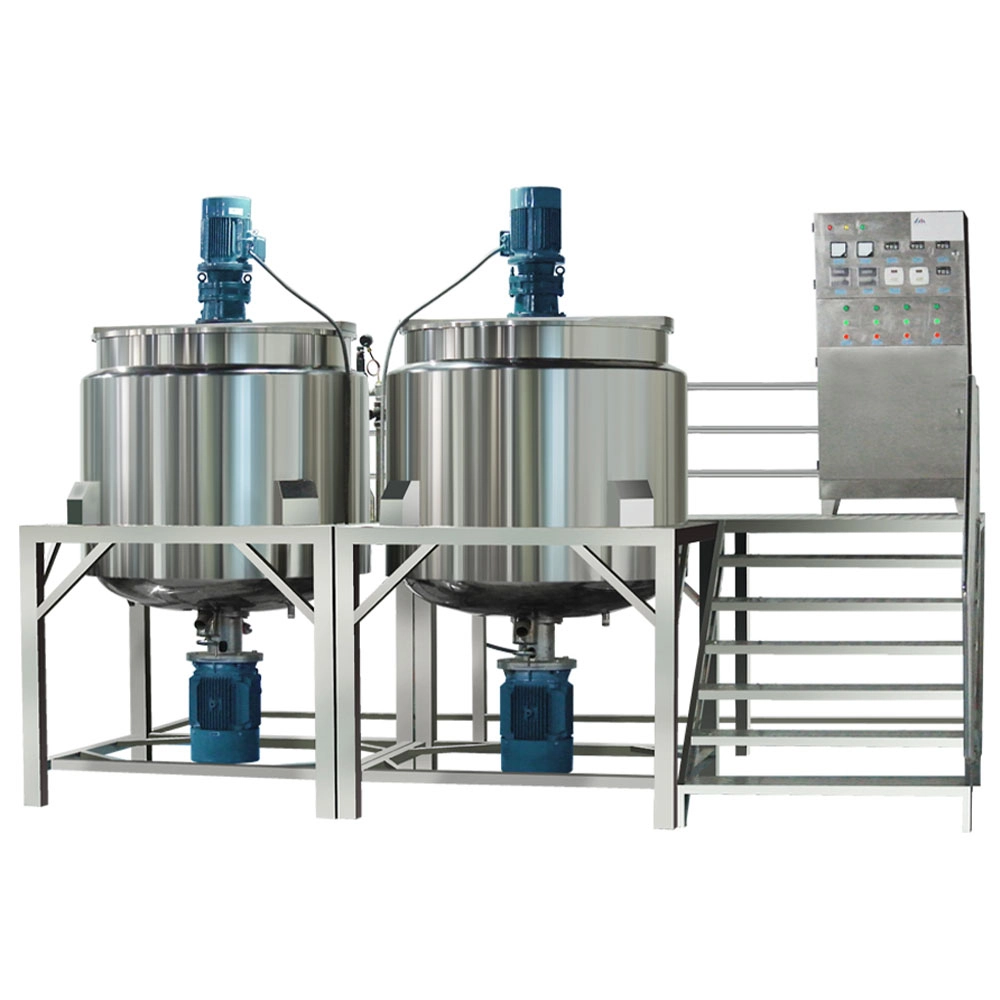
Flip Cover Multi-function Liquid Wash Mixing Tank Blender Liquid Detergent Mixer Homogenization Stirring Tank
Stainless Steel Mixer Liquid Mixing tank with Agitator Homogenizing Mixing tank Vacuum Sealed Mixer Machine
Get in touch with FULUKE
If you have any comments or good suggestions, please leave us a message, later our professional staff will contact you as soon as possible.

A leading manufacturer specializing in advanced machinery and complete production lines for the cosmetics, food, pharmaceutical, and chemical industries worldwide.
Contact FULUKE
Facebook
Instagram
YouTube