
Cost of Ownership: Stainless Steel Mixing Tank ROI Analysis
- Cost of Ownership: Why a Stainless Steel Mixing Tank with Agitator Deserves a Closer Look
- Overview and product introduction: mixing tank with agitator
- Why TCO and ROI Matter for a Mixing Tank with Agitator
- Components of Total Cost of Ownership for a Mixing Tank with Agitator
- 1) Capital and installation costs
- 2) Energy consumption
- 3) Maintenance and spare parts
- 4) Cleaning, sanitation and downtime
- 5) Quality, yield and rejects
- 6) Compliance and validation
- 7) Lifespan and salvage value
- Typical Cost Comparison: Stainless Steel Mixing Tank with Agitator vs Alternatives
- ROI Model: How to Calculate Payback for a Mixing Tank with Agitator
- Example assumptions (annual)
- Operational Savings from Vacuum Homogenizing and Sealed Design
- Maintenance, Compliance and Lifespan Considerations
- Choosing the Right Mixing Tank with Agitator: Practical Spec Checklist
- Brand Advantage: Why the Sealed Homogenizing Mixing Tank Stands Out
- Case Study: 5-Year ROI Example for a Cosmetic Cream Line
- Implementation Tips to Maximize ROI for Your Mixing Tank with Agitator
- FAQ: Common Questions on Cost of Ownership and ROI for Mixing Tanks
- Q: How long is the typical lifespan of a stainless steel mixing tank with agitator?
- Q: Will a homogenizing mixing tank reduce my production time?
- Q: Are there regulatory advantages for stainless tanks in cosmetics and pharma?
- Q: How do I estimate the energy cost of a mixing tank with agitator?
- Q: Does vacuum mixing significantly change product quality?
- Contact and Product CTA
- Authoritative References
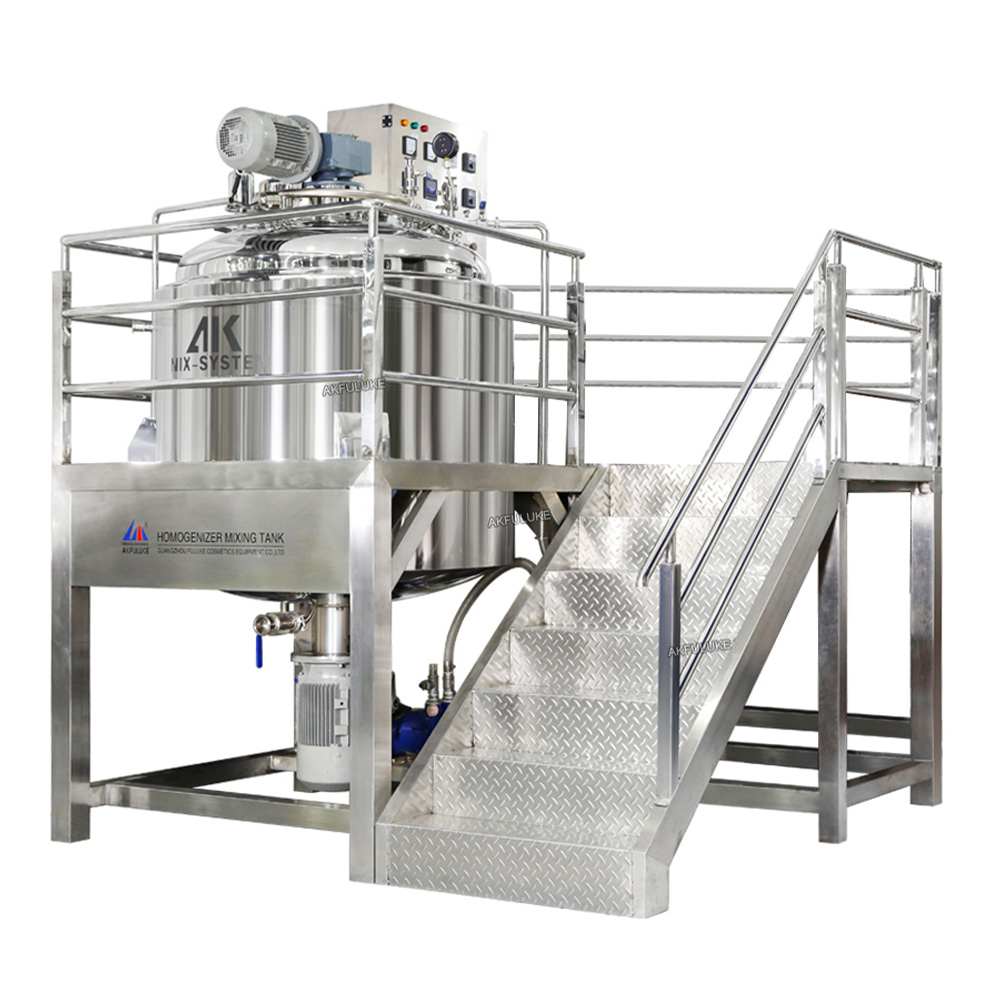
Cost of Ownership: Why a Stainless Steel Mixing Tank with Agitator Deserves a Closer Look
Overview and product introduction: mixing tank with agitator
The Sealed Homogenizing mixing tank is an industrial-grade material handling equipment that integrates four core functions: vacuum defoaming, high-speed homogenization, efficient stirring, and precise temperature control. It is widely used in the cosmetics, pharmaceutical, food, chemical and other industries.
It is specially designed to solve the mixing, emulsification, homogenization and degassing needs of high-viscosity, multi-phase (solid-liquid, liquid-liquid) materials. It can produce delicate, stable, bubble-free creams, lotions, gels, ointments, sauces and other products.
When procurement teams evaluate a mixing tank with agitator, the sticker price is only the starting point. True financial decisions require a full total cost of ownership (TCO) and return on investment (ROI) analysis that includes operating costs, quality impact, regulatory compliance, downtime, and resale/salvage value.
Why TCO and ROI Matter for a Mixing Tank with Agitator
Purchasing a stainless steel mixing tank with agitator is a capital investment that impacts margins and production capability. Businesses often compare initial cost differences (for example, stainless steel vs. painted carbon steel or outsourcing production), but this narrow view can miss multi-year benefits such as reduced contamination risk, lower chemical cleaning frequency, better batch yield, and regulatory compliance advantages.
ROI and TCO analysis helps answer these questions: How long until the equipment pays for itself? What are predictable yearly operating costs? Does the mixing tank with agitator reduce rework and reject rates? How does vacuum homogenizing capability affect product quality and market value?
Components of Total Cost of Ownership for a Mixing Tank with Agitator
To evaluate TCO for a stainless steel mixing tank with agitator, include the following cost buckets. Each item can materially change ROI projections.
1) Capital and installation costs
Initial purchase price, shipping, foundation or platform work, electrical and utilities hookup, piping and integration with upstream/downstream equipment, and validation costs (IQ/OQ/PQ for regulated industries). The Sealed Homogenizing Mixing Tank Vacuum Sealed Mixer Machine typically requires investment in vacuum lines, homogenizer drive power and temperature control loops.
2) Energy consumption
Electrical consumption for agitator motors, homogenizer high-speed systems, vacuum pumps, and thermal control. Energy costs vary by region; use actual kilowatt-hours for motors and pumps multiplied by local rates to estimate.
3) Maintenance and spare parts
Routine seals, bearing replacements, homogenizer rotors/stators, vacuum pump maintenance, and periodic inspection of welds and instrumentation. Stainless steel tanks reduce corrosion-related maintenance compared with non-stainless alternatives.
4) Cleaning, sanitation and downtime
Cleaning time (CIP or manual clean), cleaning chemicals, and associated downtime. Vacuum-defoaming and sealed homogenizing features can reduce required cleaning cycles and lower solvent or water usage.
5) Quality, yield and rejects
Higher-quality mixing reduces batch failures, rework and off-spec product. Homogenization and degassing improve product stability and extend shelf life, which influences returns and brand reputation.
6) Compliance and validation
Costs for meeting Good Manufacturing Practice (GMP), sanitary design and documentation. Stainless steel surfaces and polished finishes simplify validation for cosmetics and pharmaceuticals.
7) Lifespan and salvage value
Stainless steel tanks often last significantly longer than painted carbon steel or other cheaper materials and preserve resale value.
Typical Cost Comparison: Stainless Steel Mixing Tank with Agitator vs Alternatives
Below is an illustrative 5-year cost comparison of a stainless steel mixing tank with agitator (with vacuum homogenizing features) compared with a lower-cost carbon steel painted tank and outsourcing mixing operations. Numbers are example estimates for typical mid-size production; adjust for your local costs and actual equipment specs.
| Item | Stainless Steel Mixer (Sealed Homogenizing Tank) | Painted Carbon Steel Tank | Outsourcing (per year) |
|---|---|---|---|
| Initial capital | $80,000 | $40,000 | — |
| Installation & validation (year 0) | $10,000 | $8,000 | — |
| Annual energy & utilities | $6,000 | $5,500 | $0 (inc. in outsourcing) |
| Cleaning & consumables (annual) | $4,000 | $6,000 | $0 |
| Maintenance & spare parts (annual) | $3,000 | $5,000 | $0 |
| Downtime & lost output (annual) | $2,000 | $6,000 | $0 |
| Quality & rejects (annual) | $1,500 | $6,500 | $0 |
| 5-year total cost (incl. capital) | $117,500 | $110,500 | $300,000+ |
Notes: Outsourcing varies widely depending on volumes and margins and often appears low initial cost but accumulates higher recurring costs and less process control. The stainless option's higher initial expense can be offset by lower cleaning costs, fewer rejects, and longer lifespan.
ROI Model: How to Calculate Payback for a Mixing Tank with Agitator
Use this simplified ROI framework to estimate payback. Replace example inputs with your shop's actual numbers.
Example assumptions (annual)
- Incremental cost of stainless tank vs cheaper tank: $50,000
- Annual savings from lower rejects, cleaning and downtime: $12,000
- Increased revenue from higher product yield or High Quality quality: $8,000
- Annual maintenance differential: -$2,000 (stainless lower than alternative)
Annual net benefit = $12,000 + $8,000 + $2,000 = $22,000.
Payback period = Incremental cost / Annual net benefit = $50,000 / $22,000 ≈ 2.3 years.
This simplified model shows payback in roughly 2–3 years in a typical scenario; beyond payback, the equipment generates sustained operational savings and reduces business risk. For the Sealed Homogenizing Mixing Tank Vacuum Sealed Mixer Machine, additional intangible benefits include improved brand reputation due to consistent, bubble-free products and simpler regulatory audits.
Operational Savings from Vacuum Homogenizing and Sealed Design
Features such as high-speed homogenization, vacuum defoaming, and sealed construction deliver measurable operational savings:
- Reduced air entrainment: Lower product loss from trapped air reduces formulation weight variability and improves measured yield.
- Fewer cleaning cycles: Sealed systems minimize contamination and simplify cleaning, saving water, chemicals and labor.
- Faster batch times: High-shear homogenizers reduce time to target particle size distribution, increasing throughput.
- Better shelf life: More stable emulsions reduce returns and customer complaints.
Maintenance, Compliance and Lifespan Considerations
Stainless steel AISI 304 or 316 tanks resist corrosion, tolerate aggressive cleaning agents, and meet sanitary finish requirements (Ra finish levels) needed in cosmetics and pharmaceuticals. This reduces the frequency of tank refurbishing and lowers life cycle costs. For regulated manufacturers, stainless mixing tanks simplify validation documentation and support GMP audits (see FDA cosmetics and drug guidance).
Choosing the Right Mixing Tank with Agitator: Practical Spec Checklist
When specifying a stainless steel mixing tank with agitator, evaluate these key attributes to maximize ROI:
- Material grade: 316L for aggressive chemistries; 304 for general use.
- Agitator type: anchor, propeller, or high-shear homogenizer depending on viscosity and shear needs.
- Vacuum capability: for degassing and improved emulsions.
- Heating/cooling jackets: precise temperature control reduces cycle variability.
- Seals and mechanical design: ease of maintenance, CIP compatibility, and sanitary finishes.
- Instrumentation: torque, temperature, pressure and vacuum sensors for predictive maintenance and validation.
Brand Advantage: Why the Sealed Homogenizing Mixing Tank Stands Out
The Sealed Homogenizing Mixing Tank Vacuum Sealed Mixer Machine is purpose-built for multi-phase, high-viscosity formulas common in cosmetics and pharmaceuticals. Brand strengths include:
- Integrated vacuum homogenizer and agitator: reduces need for separate homogenizing passes or equipment.
- Sanitary stainless construction: lowers contamination risk and simplifies regulatory compliance.
- Precise temperature control: reduces batch variability for sensitive formulations.
- Lower total operating costs: fewer cleaning cycles and improved yields contribute to faster ROI.
Case Study: 5-Year ROI Example for a Cosmetic Cream Line
Scenario: A cosmetic manufacturer produces 1,200 batches/year of a mid-viscosity cream. They replaced an outsourced mixing arrangement with a stainless sealed homogenizing tank.
| Metric | Before (outsourced) | After (in-house stainless sealed tank) |
|---|---|---|
| Annual cost for mixing | $180,000 | $60,000 (operational) |
| Quality rejects | $25,000 | $5,000 |
| Annual net savings | — | $140,000 |
| Initial equipment & installation | — | $120,000 |
| Payback | — | ~0.9 years |
This realistic case highlights how process control and elimination of outsourcing can dramatically shorten payback. Results depend on volumes and margin structure, but they emphasize why mixing tank selection matters.
Implementation Tips to Maximize ROI for Your Mixing Tank with Agitator
Practical steps to ensure realized ROI:
- Run pilot batches and characterize cycle times and energy use to refine cost projections.
- Specify the mixing tank with agitator with serviceability in mind — easy access to seals and rotor/stator sets lowers maintenance downtime.
- Invest in instrumentation for predictive maintenance to avoid unexpected failures.
- Train operators on optimum recipes and vacuum/homogenizing settings to reduce trial-and-error and improve first-pass yield.
FAQ: Common Questions on Cost of Ownership and ROI for Mixing Tanks
Q: How long is the typical lifespan of a stainless steel mixing tank with agitator?
A: With proper maintenance, stainless tanks (304/316L) can last 15–25 years in non-corrosive environments. Lifetime shortens with aggressive chemistries unless 316L is chosen.
Q: Will a homogenizing mixing tank reduce my production time?
A: Yes. High-shear homogenizers can achieve target particle size and dispersion faster than low-shear agitation, increasing throughput and reducing cycle times.
Q: Are there regulatory advantages for stainless tanks in cosmetics and pharma?
A: Absolutely. Stainless surfaces are easier to sanitize and validate, which simplifies compliance with FDA GMP expectations and sanitary design best practices.
Q: How do I estimate the energy cost of a mixing tank with agitator?
A: Calculate total motor kW for agitator, homogenizer and vacuum pumps, estimate run hours/day, and multiply by local electricity rate (kWh). Include the duty cycle — homogenizers often run intermittently.
Q: Does vacuum mixing significantly change product quality?
A: Vacuum defoaming reduces entrained air and oxidation, producing smoother, more stable emulsions with longer shelf life and fewer cosmetic defects.
Contact and Product CTA
If you are evaluating a mixing tank with agitator for cosmetics, pharmaceuticals, food or chemicals, request a specification sheet or ROI consultation to model your exact numbers. Contact our sales team to see the Stainless Steel Mixer Liquid Mixing tank with Agitator Homogenizing Mixing tank Vacuum Sealed Mixer Machine in operation and review technical data, finishing options and validation documentation. ROI calculations must also factor in uptime and hygiene, making maintenance and sanitation best practices for mixer tanks essential for sustained operational efficiency.
Authoritative References
For further reading and regulatory context, consult these authoritative sources:
- Mixing (process engineering) — Wikipedia: https://en.wikipedia.org/wiki/Mixing_(process_engineering)
- U.S. FDA — Cosmetics Guidance: https://www.fda.gov/cosmetics
- ASME — Standards and boiler & pressure vessel info: https://www.asme.org/
- U.S. Energy Information Administration — Electricity data: https://www.eia.gov/
By using a data-driven TCO approach and including quality and compliance impacts, teams can make better long-term decisions about investing in stainless steel mixing tanks with agitator and integrated vacuum-homogenizing functions. The upfront investment in a Sealed Homogenizing mixing tank often yields faster payback, lower operational risk, and stronger product quality — all essential to maintaining competitive advantage in regulated manufacturing.
Automated vs. Semi-Automated Filling: Which Is Right?
How Vision Systems Improve Filling Line Quality Control
Spare Parts to Stock for Cream and Lotion Fillers
Training Staff to Operate High-Precision Fillers
Automatic Capping Machine
Who are we?
Our headquarters is located in Guangzhou, Guangdong, China, and our factory is located in Yangzhou, Jiangsu. Our products are sold all over the world. We have approximately 50 employees in our company and factory.
Automatic Facial Mask Filling Machine
We want to fill products in multiple volumes (e.g., 5ml, 20ml, 50ml). Do we need to purchase multiple filling machines?
No, most facial mask filling machines support multiple volume adjustments. When purchasing, please confirm the machine's "volume adjustment range" (e.g., 5ml-50ml) to ensure it covers your desired specifications. Changing volumes simply requires modifying the fill volume parameters on the touchscreen.
What can you buy from us?
RO Water Treatment、Vacuum Emulsifying Machine、Homogenizer Mixing Tank、Filling and Capping、labeling Machine、Packing Machine、Storage Tank,etc.
Vacuum Emulsifying Machine
What industries is the vacuum emulsifier suitable for?
It is widely applicable to the production needs of creams, lotions, gels, ointments, etc. in the cosmetics, pharmaceutical, food, chemical and other industries.
Film Packaging Machine
What industries is this film packaging machine suitable for?
This machine is widely used for packaging a variety of items in large single boxes or multiple small boxes (with gold drawstring) in industries such as pharmaceuticals, health products, food, cosmetics, stationery, and audio-visual products.
You May Also Like
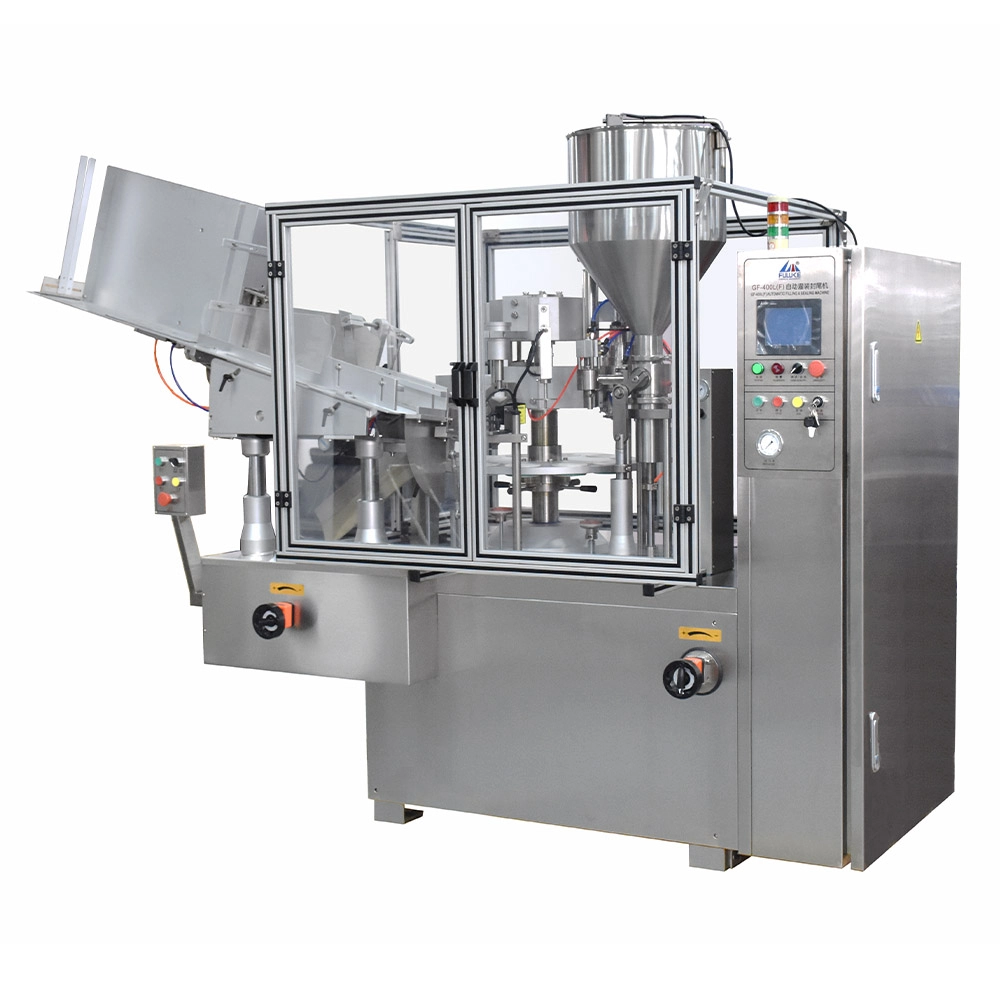
Automatic Tube Filling and Sealing Machine Toothpaste Sunscreen and Facial Cleanser Filling and Sealing Machine for Plastic and Aluminum-plastic Tube
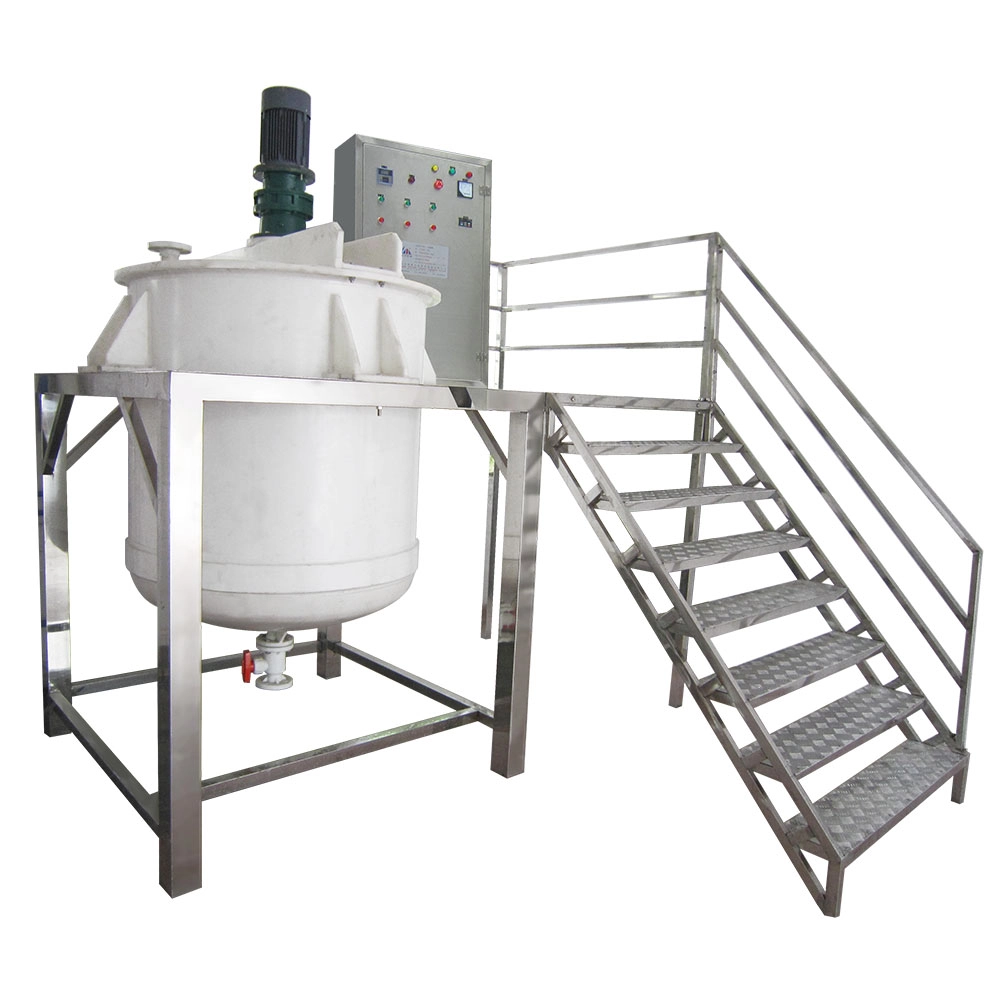
Polypropylene PP Mixing Tank Anti-Corrosion Mixer Reaction Kettle with Agitator Chemical Mixing Vessel
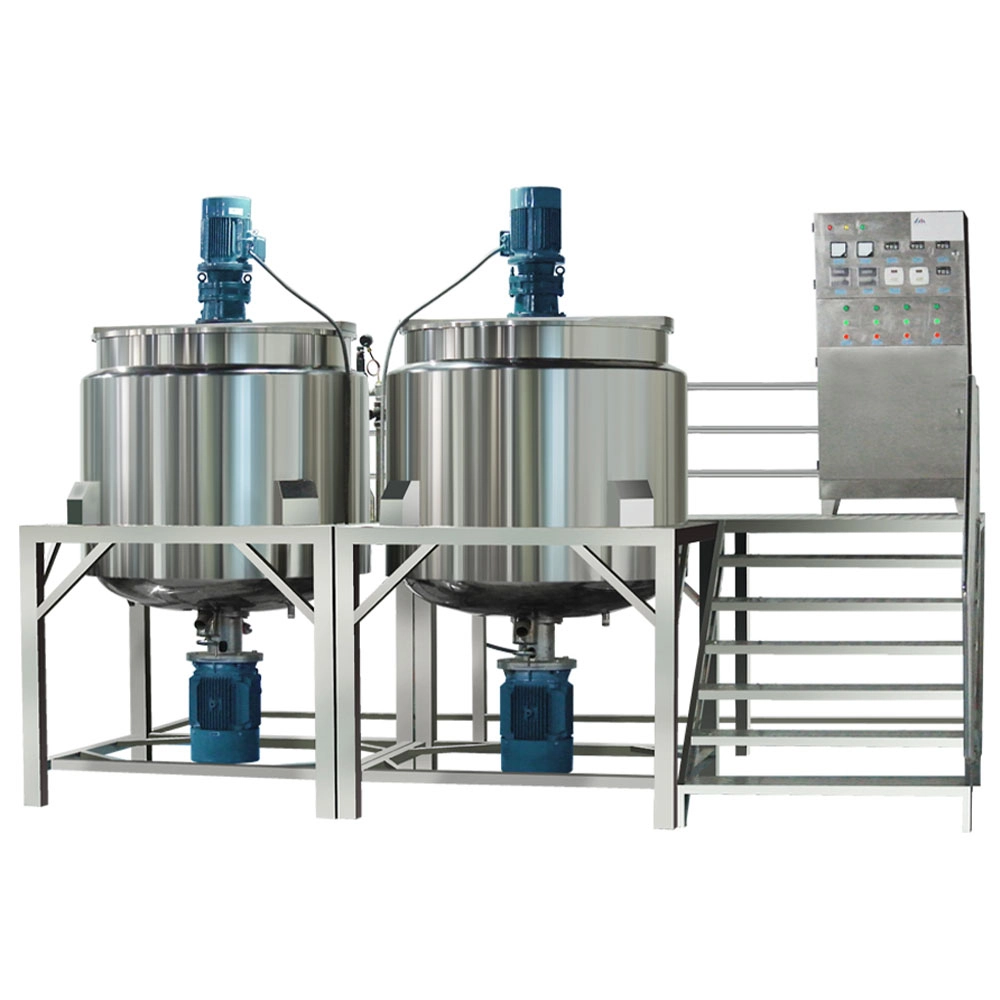
Flip Cover Multi-function Liquid Wash Mixing Tank Blender Liquid Detergent Mixer Homogenization Stirring Tank
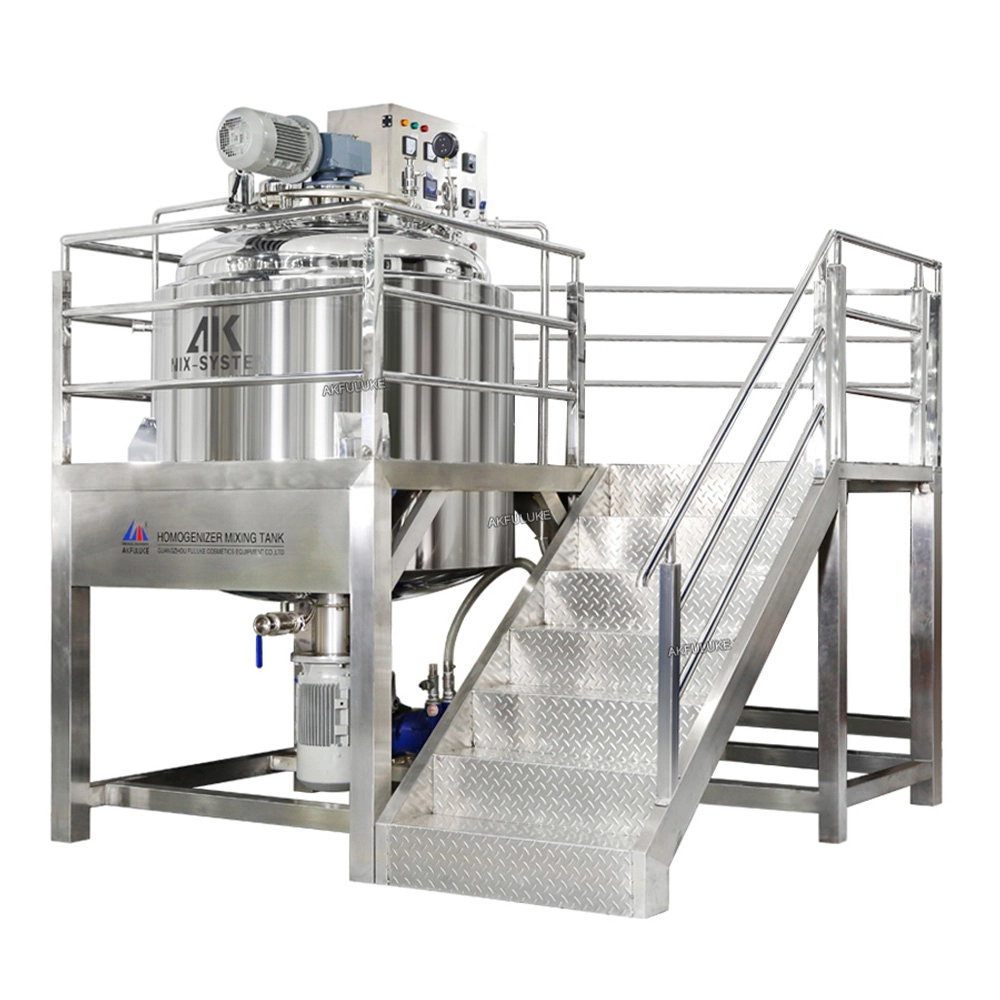
Stainless Steel Mixer Liquid Mixing tank with Agitator Homogenizing Mixing tank Vacuum Sealed Mixer Machine
Get in touch with FULUKE
If you have any comments or good suggestions, please leave us a message, later our professional staff will contact you as soon as possible.

A leading manufacturer specializing in advanced machinery and complete production lines for the cosmetics, food, pharmaceutical, and chemical industries worldwide.
Contact FULUKE
Facebook
Instagram
YouTube