
Stainless Steel Mixer: Key Specs Business Buyers Must Compare
- Stainless Steel Mixer: Key Specs Business Buyers Must Compare
- Introduction: Why the right mixing tank matters for your production
- Product overview: Sealed Homogenizing mixing tank capabilities
- 1. Capacity and scale: sizing your mixing tank for production needs
- 2. Agitator and homogenizer type: shear, flow pattern and product impact
- 3. Vacuum defoaming: why sealed vacuum mixing tanks improve product quality
- 4. Temperature control: jacketed tanks and precise thermal management
- 5. Materials, finish and sanitary design for regulatory compliance
- 6. Certifications and documentation: what buyers must verify
- 7. Control systems and automation: recipe control, data logging and integration
- 8. Cleanability, maintenance and total cost of ownership (TCO)
- 9. Safety features and ergonomics
- 10. Installation, footprint and utilities
- 11. Supplier reliability and after-sales support
- Quick comparison table: specs buyers should put side-by-side
- Selecting for specific industries: cosmetics, pharma, food
- Validation and acceptance testing: what to require from the supplier
- Return on investment: balancing cost vs performance
- Brand advantages: why choose a specialized supplier for sealed homogenizing mixing tanks
- Frequently Asked Questions (FAQ)
- Q: What stainless steel grade should I choose for a mixing tank used in cosmetics?
- Q: Do I need a vacuum for all emulsions?
- Q: How do I verify a supplier’s hygienic design claims?
- Q: Can mixing tanks be adapted for both lab and production use?
- Q: What routine maintenance is required for a vacuum-sealed homogenizing mixing tank?
- Contact us / View product
- Authoritative references and further reading
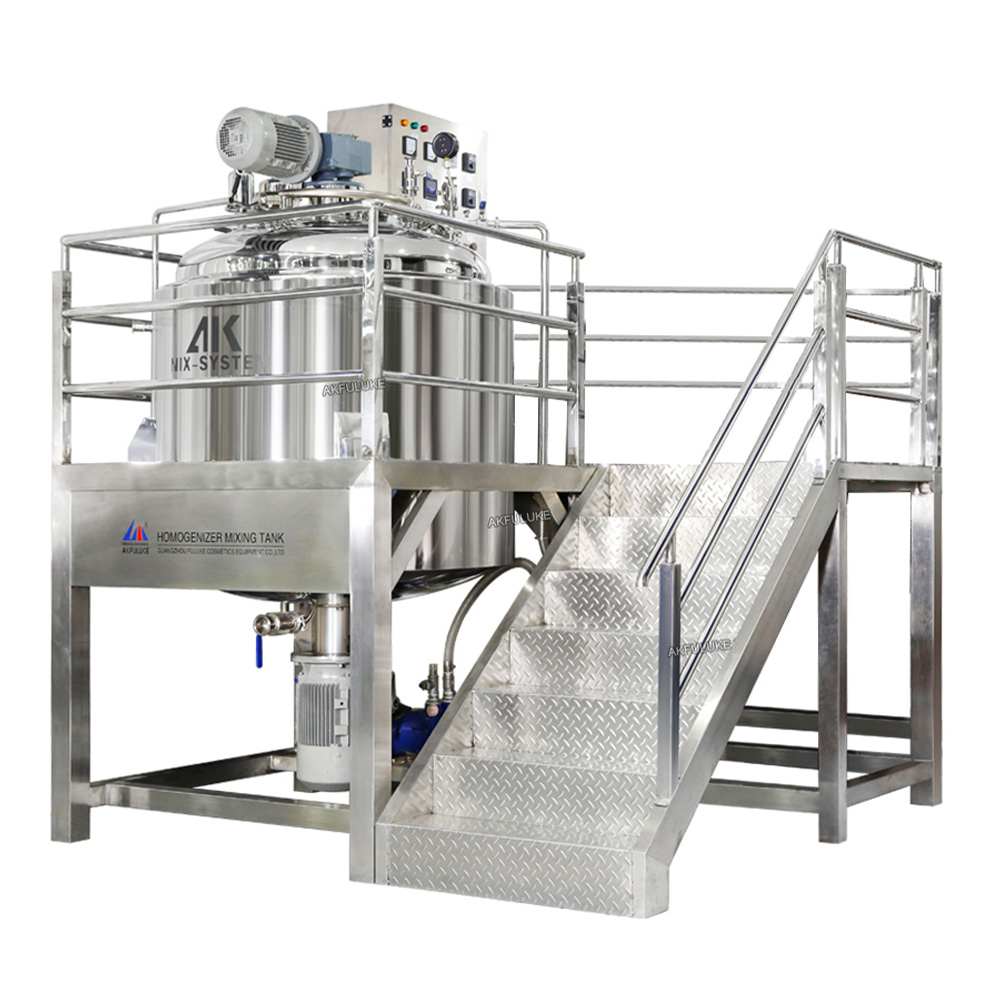
Stainless Steel Mixer: Key Specs Business Buyers Must Compare
Introduction: Why the right mixing tank matters for your production
Choosing the right mixing tank directly influences product quality, batch consistency, production uptime and regulatory compliance. For businesses in cosmetics, pharmaceuticals, food and specialty chemicals, a Stainless Steel Mixer Liquid Mixing tank with Agitator Homogenizing Mixing tank Vacuum Sealed Mixer Machine is more than a vessel — it is a precision processing system that must match your formulations, capacity needs, and sanitary requirements. Below we walk through the essential specifications commercial buyers must compare when evaluating mixing tank options, focusing on real-world implications for performance, cleaning, validation and total cost. After evaluating stainless steel mixer specifications, manufacturers handling temperature- or oxygen-sensitive products should explore vacuum sealed mixer machines benefits for sensitive formulations to protect product stability and formulation integrity.
Product overview: Sealed Homogenizing mixing tank capabilities
The Sealed Homogenizing mixing tank is an industrial-grade material handling equipment that integrates four core functions: vacuum defoaming, high-speed homogenization, efficient stirring, and precise temperature control. It is widely used in the cosmetics, pharmaceutical, food, chemical and other industries.
It is specially designed to solve the mixing, emulsification, homogenization and degassing needs of high-viscosity, multi-phase (solid-liquid, liquid-liquid) materials. It can produce delicate, stable, bubble-free creams, lotions, gels, ointments, sauces and other products.
1. Capacity and scale: sizing your mixing tank for production needs
Commercial buyers must match tank volume to batch sizes and production cadence. Key questions: Do you run single large batches or many small lots? Will you scale up in 12–36 months? Typical ranges for stainless steel mixing tanks run from 50 L lab units to several thousand liters for production. Choose a tank with 10–30% headroom above maximum batch volume to avoid overflow during high-agitator shear and to provide space for mixing and vacuum degassing. Consider modular or skid-mounted designs if future scale-out is expected.
2. Agitator and homogenizer type: shear, flow pattern and product impact
The agitator and homogenizer are the heart of any mixing tank. For cosmetics and high-viscosity emulsions, a combination of a low-speed anchor or spiral agitator (for bulk movement) and a high-speed rotor-stator homogenizer (for droplet size reduction) is common. Compare:
- Agitator geometry: turbine, propeller, anchor, ribbon — influences radial vs axial flow.
- Homogenizer speed and design: rotor-stator gap, max RPM, pressure capability — determines final particle/droplet size and texture.
- Drive power and torque: adequate for viscous loads and safe startup under load.
Match shear level to product needs: too much shear can denature proteins or over-aerate; too little yields unstable emulsions.
3. Vacuum defoaming: why sealed vacuum mixing tanks improve product quality
Vacuum-sealed mixers remove entrained air and volatile gases during or after emulsification. For creams, gels and sauces, degassing prevents bubbles that cause appearance defects, instability and downstream packaging issues. When comparing systems, check vacuum depth (mbar), pump type (rotary vane vs dry screw), and whether vacuum can be maintained during homogenization. Systems that allow homogenizing under vacuum produce finer, bubble-free emulsions and shorten settling time.
4. Temperature control: jacketed tanks and precise thermal management
Temperature control affects viscosity, reaction rates and product stability. Jacketed tanks with segmented jackets support heating and cooling cycles (steam, thermal oil, or glycol). Key specs to compare:
- Jacket type: single, half-pipe, or full jacket.
- Heat transfer medium: steam (fast heating), thermal oil (high temperature), or glycol (precise cooling).
- Temperature control accuracy: ±0.5–2 °C depending on process sensitivity.
Consider integrated heating/cooling on recirculation loops for faster temperature ramping and better control of sensitive formulations.
5. Materials, finish and sanitary design for regulatory compliance
Stainless steel grade and surface finish influence corrosion resistance and cleanability. For cosmetics and food contact, 316L stainless steel is a common minimum due to enhanced corrosion resistance. Compare polish level (Ra value) — typically Ra ≤ 0.8 μm for product contact surfaces, and electropolishing options for tougher residues. Evaluate sanitary features: smooth welds, full drainability, hermetic seals, CIP (clean-in-place) and SIP (sterilize-in-place) compatibility. Hygienic clamps and tri-clamp fittings simplify maintenance and reduce contamination risk.
6. Certifications and documentation: what buyers must verify
Certifications provide assurance that equipment meets safety, sanitary and quality standards. Relevant certificates include CE (safety), 3-A or EHEDG (hygienic design), and compliance with local regulatory requirements (FDA/EC for cosmetic and food contact). For pharmaceuticals, GMP documentation and material traceability (mill certificates for stainless steel) are essential. Verify manufacturer-provided IQ/OQ documentation, welding PQR/PQRs, and surface finish reports.
7. Control systems and automation: recipe control, data logging and integration
Modern mixing tanks often include PLC/HMI control with recipe management, PID temperature control, and data logging for traceability. Compare features: number of stored recipes, remote access, SCADA/ERP integration, batch reports and alarm handling. For regulated industries, audit trail and secure data storage are crucial. Automation reduces operator variability and speeds consistent batch production.
8. Cleanability, maintenance and total cost of ownership (TCO)
Evaluate CIP capability, accessibility of seals and bearings, spare parts availability and mean time between failures (MTBF). A lower initial price can be offset by higher maintenance and downtime. Consider TCO elements: spare parts cost, energy consumption, scheduled servicing, and the need for periodic repolishing. Ask suppliers for lifecycle cost estimates and service-level agreements (SLA).
9. Safety features and ergonomics
Assess safety interlocks, overpressure protection, emergency stops, fall protection for top access, and safe lifting points. Ergonomic loading and discharge height plus sight glasses/level sensors for operators reduce process errors and workplace incidents. For vacuum systems, ensure safe venting and compliant exhaust treatment for volatile solvents.
10. Installation, footprint and utilities
Review site impact: floor loading, footprint, ceiling height for manway access, and utility requirements (power, steam, chilled water, air). Modular skid systems reduce installation time and simplify validation. Confirm whether supplier offers factory acceptance testing (FAT) to validate key functions before shipment.
11. Supplier reliability and after-sales support
Beyond specs, supplier competence affects uptime. Verify OEM experience in cosmetic and pharmaceutical equipment, references, spare parts lead times and global service network. Ask for case studies, client contacts and response time commitments for emergency support.
Quick comparison table: specs buyers should put side-by-side
Use this table to compare shortlisted stainless steel mixing tanks at a glance.
| Spec | Why it matters | Suggested minimum for cosmetics/pharma |
|---|---|---|
| Material | Corrosion resistance & cleanability | 316L stainless steel, electropolish option |
| Surface finish (Ra) | Microbial build-up risk | ≤0.8 μm (≤0.4 μm for sensitive API contact) |
| Capacity | Match batch + headspace | Batch size + 10–30% headroom |
| Agitator types | Flow pattern and shear | Anchor + rotor-stator homogenizer |
| Vacuum | Deaeration & bubble-free product | Capable of ≤50 mbar with continuous degassing |
| Temperature control | Process stability and cycle time | Jacketed tank with ±1 °C control |
| Sanitary design | CIP/SIP and regulatory compliance | CIP-compatible, EHEDG/3-A guidance |
| Control | Reproducibility & traceability | PLC/HMI with recipe and data logging |
Selecting for specific industries: cosmetics, pharma, food
Cosmetics: prioritize homogenization quality, vacuum degassing and surface finish to ensure appearance, stability and shelf life. Pharmaceuticals: emphasize material traceability, GMP documentation, CIP/SIP, and validated control systems. Food: focus on food-grade certification, cleanability and materials compatible with acid/salt environments. Always validate with trial batches and stability testing for your exact formulation.
Validation and acceptance testing: what to require from the supplier
Request FAT and site acceptance testing (SAT) that include functional checks: agitator torque under load, homogenizer performance (particle/droplet size measurement), vacuum integrity, temperature control accuracy, and CIP effectiveness (swab/ATP tests if needed). Obtain as-built documentation, P&ID, wiring diagrams, and traceable material certificates for regulatory inspections.
Return on investment: balancing cost vs performance
Evaluate ROI across yield improvement (less product rejects), reduced cycle times, lower rework, energy usage and labor savings from automation. A High Quality homogenizer may justify higher upfront cost by improving product stability and reducing batch failures. Use a simple payback analysis considering increased throughput, reduced scrap and maintenance costs over expected equipment life.
Brand advantages: why choose a specialized supplier for sealed homogenizing mixing tanks
When you select a supplier with deep experience in stainless steel mixing tanks and sealed homogenizing systems, the likely advantages include:
- Application expertise — formulation guidance to select correct homogenizer/agitator pairing.
- Custom engineering — tailored jackets, ports, and automation to match your utilities and workflows.
- Regulatory support — supply of mill certificates, welding documentation, IQ/OQ protocols and FAT/SAT execution.
- After-sales network — spare parts availability, remote troubleshooting and scheduled maintenance programs to maximize uptime.
- Quality assurance — consistent fabrication tolerances, traceable materials, and optional electropolishing for demanding applications.
These strengths reduce validation time, speed scale-up, and lower the operational risk for sensitive product lines.
Frequently Asked Questions (FAQ)
Q: What stainless steel grade should I choose for a mixing tank used in cosmetics?
A: 316L is recommended for most cosmetics because it offers good corrosion resistance and is widely accepted for product contact. For very aggressive chemistries, consult materials experts about coatings or alternative alloys.
Q: Do I need a vacuum for all emulsions?
A: Not always. Vacuum is highly beneficial for high-viscosity, multi-phase emulsions where air entrainment causes visual defects or instability. For simple low-viscosity mixes, atmospheric homogenization may suffice.
Q: How do I verify a supplier’s hygienic design claims?
A: Request EHEDG/3-A guidance compliance evidence, surface finish reports (Ra values), weld inspection records and CIP validation results. Site visits and references from similar clients are also valuable.
Q: Can mixing tanks be adapted for both lab and production use?
A: Yes. Many suppliers offer scalable designs with similar mixing geometry and homogenization technology across sizes, facilitating scale-up and process transfer.
Q: What routine maintenance is required for a vacuum-sealed homogenizing mixing tank?
A: Regular checks include seal integrity, homogenizer rotor-stator wear parts replacement, vacuum pump service, motor bearings lubrication, and periodic verification of temperature control accuracy. Follow manufacturer’s maintenance schedule.
Contact us / View product
To discuss how a Stainless Steel Mixer Liquid Mixing tank with Agitator Homogenizing Mixing tank Vacuum Sealed Mixer Machine can fit your production, request technical datasheets, or schedule a factory acceptance test, contact our sales team. We provide application assessments, pilot trials and customization options to match your process and regulatory needs.
Authoritative references and further reading
- Mixing (process engineering) — Wikipedia: https://en.wikipedia.org/wiki/Mixing_(process_engineering)
- ASME Codes and Standards — ASME: https://www.asme.org/codes-standards
- FDA Cosmetics — U.S. Food & Drug Administration: https://www.fda.gov/cosmetics
- ISO 22716:2007 Cosmetics — Good Manufacturing Practices (summary) — ISO: https://www.iso.org/standard/36437.
- European Hygienic Engineering & Design Group (EHEDG): https://ehedg.org/
- 3-A Sanitary Standards: https://3-a.org/
- Code of Federal Regulations Title 21 — eCFR: https://www.ecfr.gov/current/title-21
- World Health Organization — Good Manufacturing Practices (overview): https://www.who.int/teams/health-product-and-policy-standards/standards-and-specifications/good-manufacturing-practice
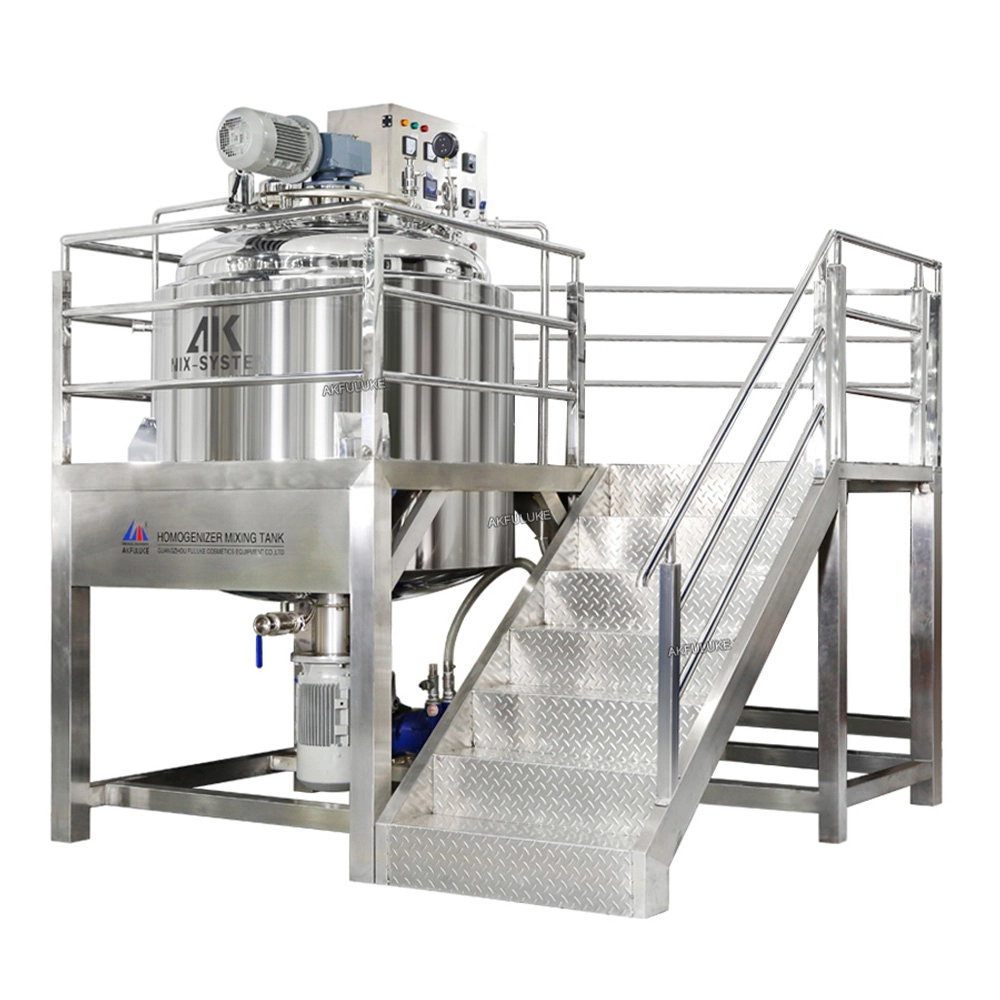
Vacuum Sealed Mixer Machine: Compliance and Quality Control
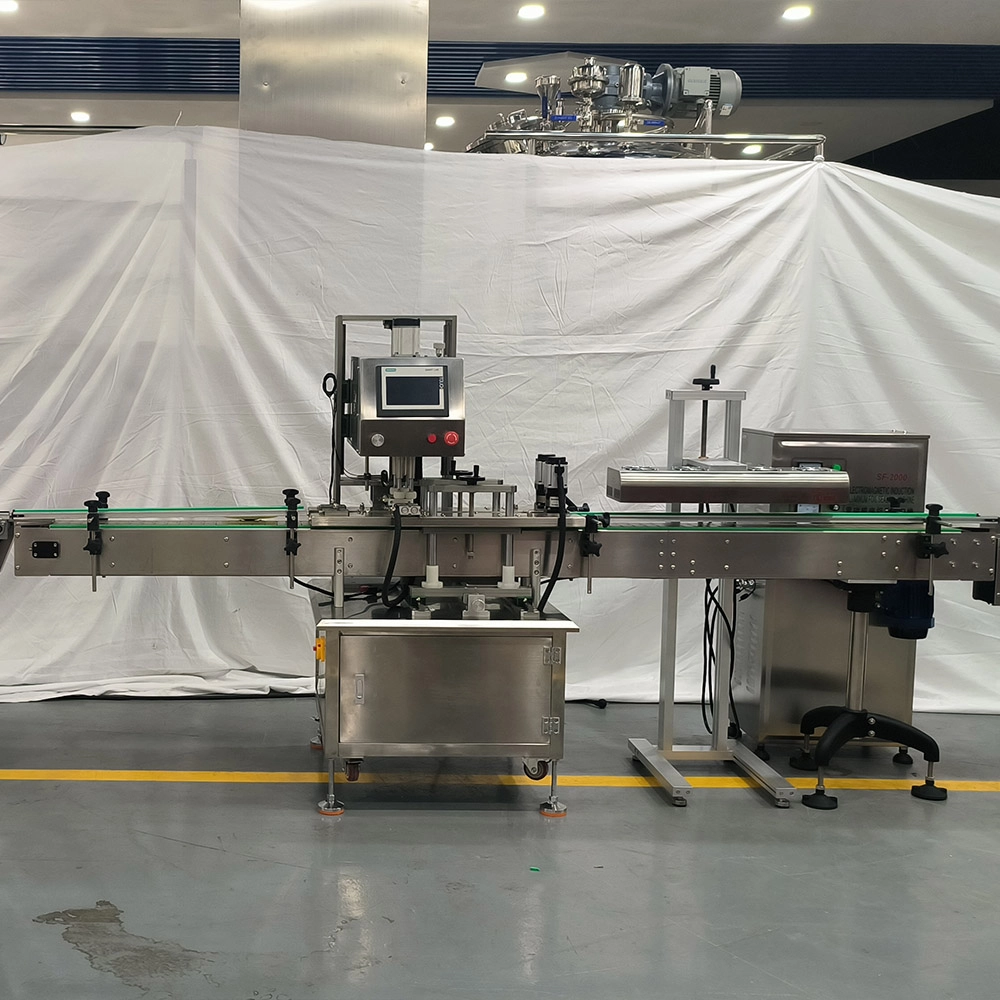
Cleaning and Sanitation Tips for Cream and Lotion Fillers
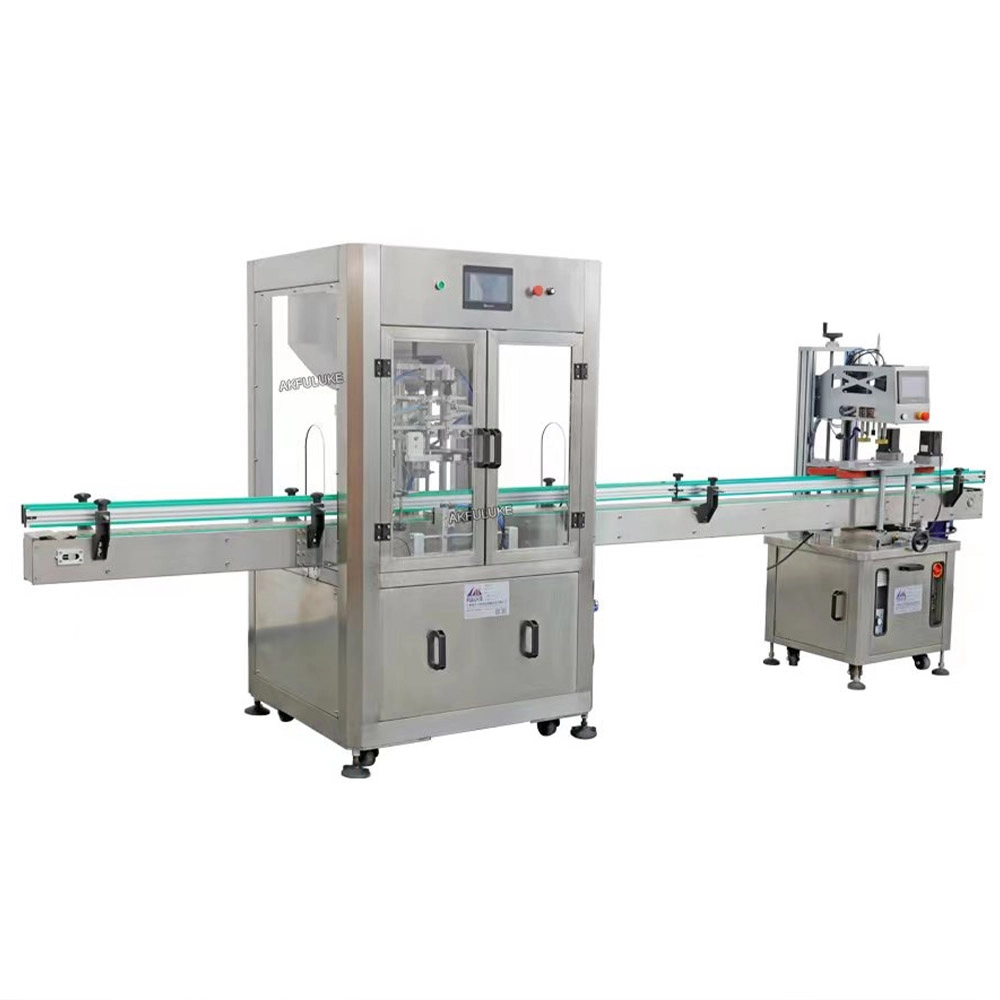
How to Calculate ROI for an Automatic Filling Machine
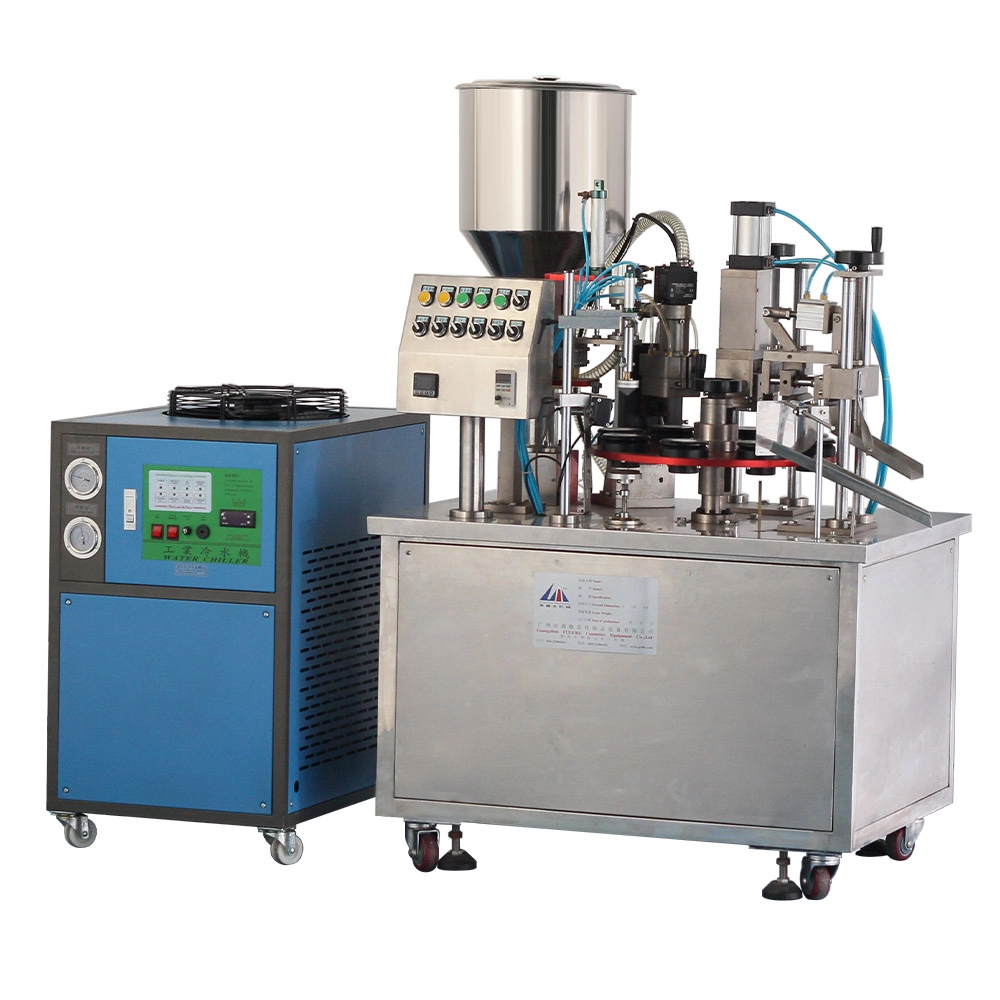
Integration Tips: Adding Tube Filling Machines to Production Lines
Film Packaging Machine
This device suddenly shuts down and displays "Abnormal Heat Seal Temperature." What should I do?
First, check the heat seal blade heater for damage. Next, check whether the temperature sensor is in poor contact or malfunctioning. If the hardware is normal, the temperature control module parameters may be abnormal. Restart the device and reset the heat seal temperature (refer to the film material's suitable temperature: BOPP film is typically 120-160°C). If the abnormality persists, contact after-sales service to inspect the temperature control system.
RO Water Treatment
Can you make a design for us?
Yes, we can, we provide not only products, but also solutions and designs.
Automatic Capping Machine
What causes leakage or loose caps after capping?
Most likely, the capping torque parameters do not match the product characteristics. You can recalibrate the torque through the touch screen. If the problem persists, check whether the bottle clamp is too loose or whether there is any dimensional deviation in the cap.
The Flip Cover Liquid Wash Mixing Homogenizing Tank
Can flip cover homogenizing mixing tank ensure hygienic safety when handling materials such as food and cosmetics?
Material Compliance: The equipment's pot, agitator, homogenizer, and other material-contacting components are all made of 316L stainless steel, which is corrosion-resistant and easy to clean, meeting food-grade and cosmetic-grade hygiene requirements.
Easy Cleaning: The open-top design allows direct access to corners within the pot, allowing for thorough cleaning by hand or with tools.
Operational Specifications: The equipment can be disinfected before use (e.g., hot water for food processing). After use, cleanup any remaining material promptly to avoid cross-contamination.
Perfume Filling Machine
Who are we?
Our headquarters is located in Guangzhou, Guangdong, China, and our factory is located in Yangzhou, Jiangsu. Our products are sold all over the world. We have approximately 50 employees in our company and factory.
You May Also Like
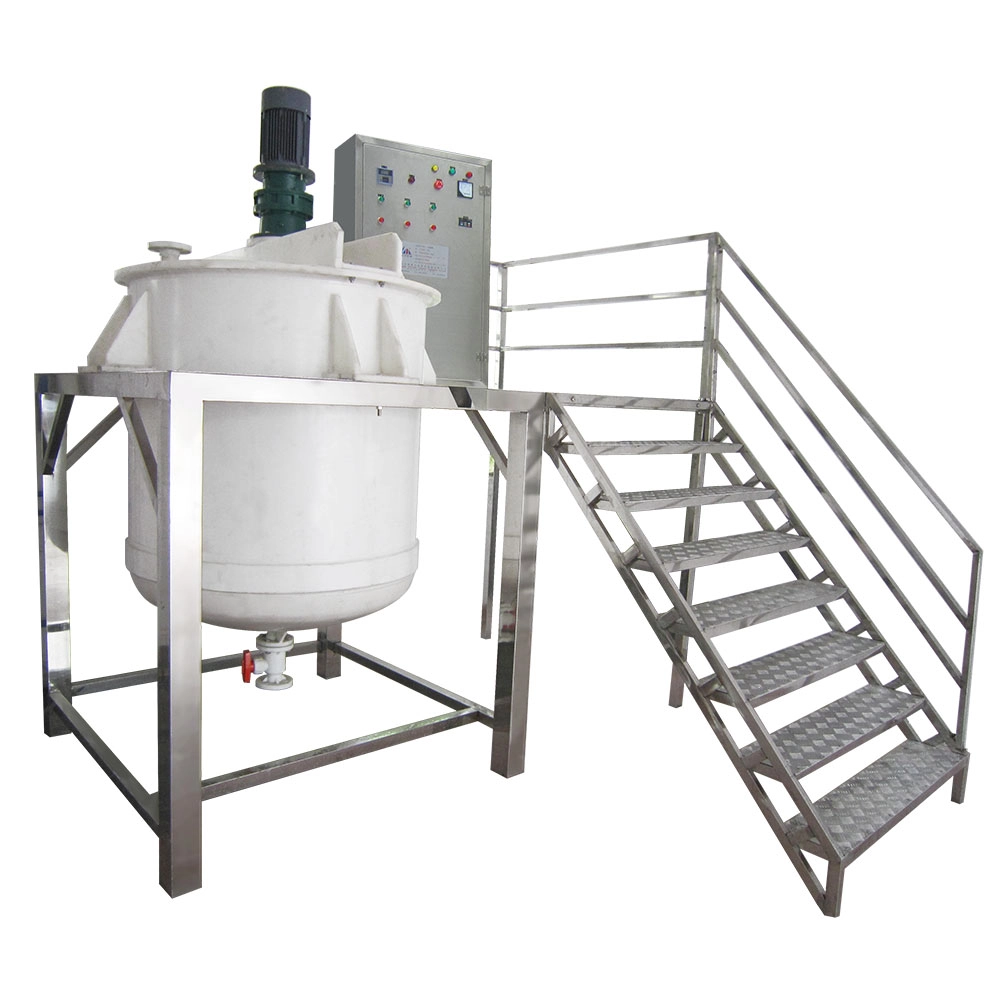
Polypropylene PP Mixing Tank Anti-Corrosion Mixer Reaction Kettle with Agitator Chemical Mixing Vessel
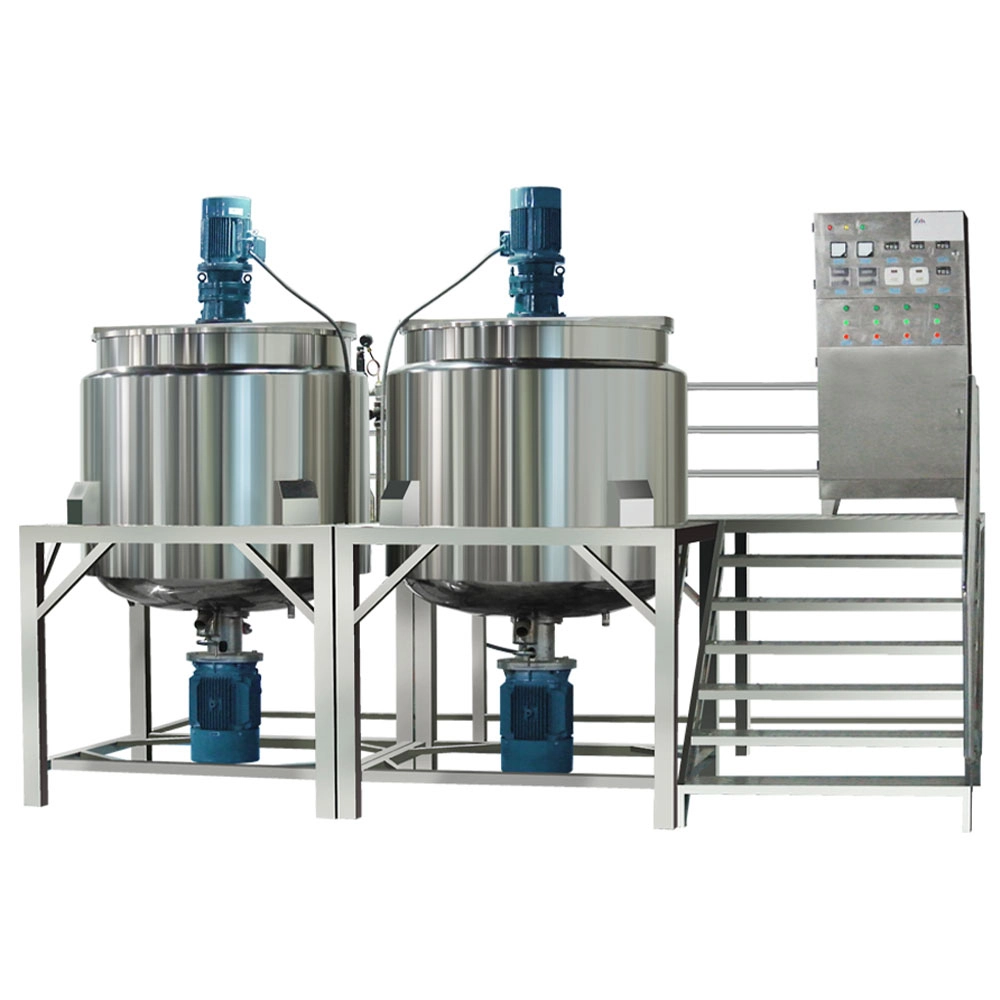
Flip Cover Multi-function Liquid Wash Mixing Tank Blender Liquid Detergent Mixer Homogenization Stirring Tank
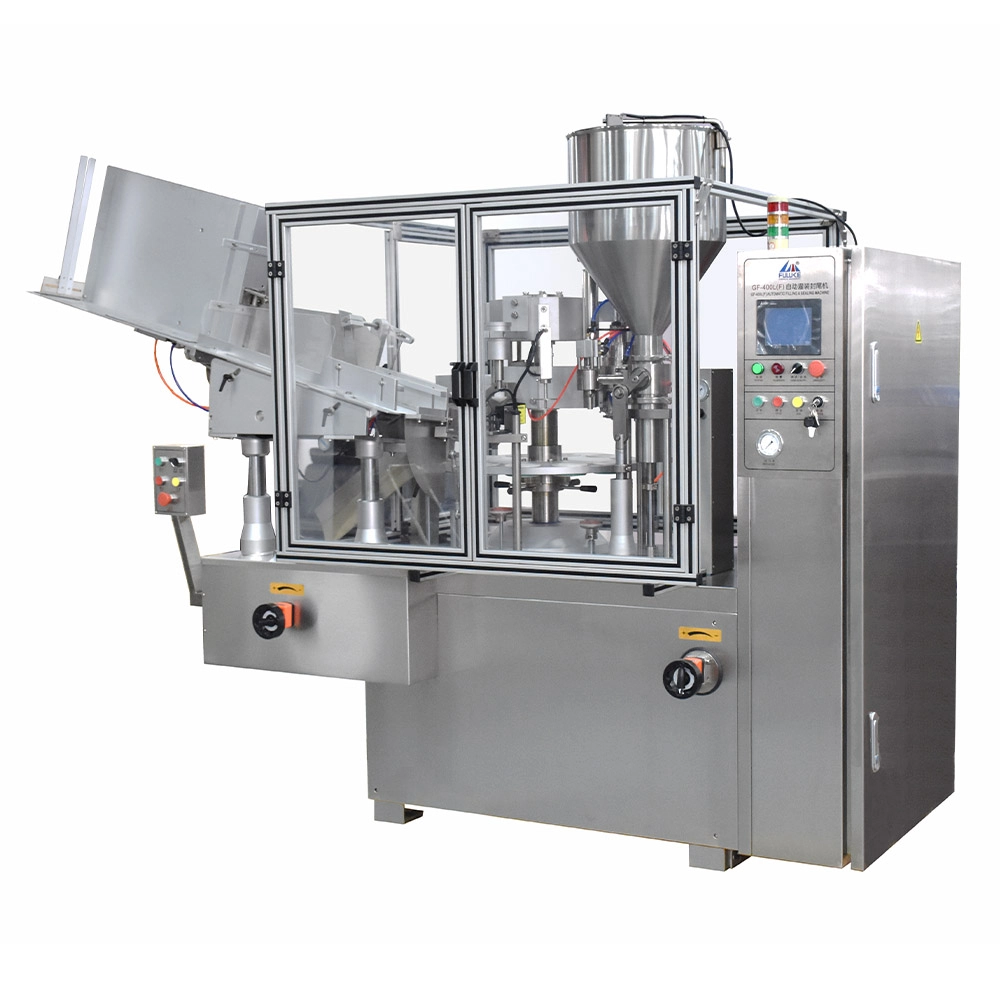
Automatic Tube Filling and Sealing Machine Toothpaste Sunscreen and Facial Cleanser Filling and Sealing Machine for Plastic and Aluminum-plastic Tube
Stainless Steel Mixer Liquid Mixing tank with Agitator Homogenizing Mixing tank Vacuum Sealed Mixer Machine
Get in touch with FULUKE
If you have any comments or good suggestions, please leave us a message, later our professional staff will contact you as soon as possible.

A leading manufacturer specializing in advanced machinery and complete production lines for the cosmetics, food, pharmaceutical, and chemical industries worldwide.
Contact FULUKE
Facebook
Instagram
YouTube