
The Definitive Guide to Automatic Labeling Machines: 2026 Performance & Buying Strategies
- Introduction
- Automatic Labeling Machine: Quick Summary & Key Takeaways
- What is an automatic labeling machine?
- The Anatomy of a High-Precision Labeler
- Types of Labeling Systems for 2026 Production Standards
- 2026 Trends: AI Vision and Sustainable Packaging
- Expert Tips: Avoiding Common Mistakes in Automation
Introduction
In the high-stakes world of industrial manufacturing, the efficiency of your packaging line often hinges on a single, critical component: the labeling system. As we move into 2026, industrial label applicator systems have evolved from simple mechanical devices into intelligent, data-driven nodes within the smart factory ecosystem.
With over 30 years of experience in the cosmetic and pharmaceutical equipment industry, Guangzhou Fuluke Cosmetic Equipment Co., Ltd. (FULUKE) has witnessed this transformation firsthand. Today's manufacturers demand not just speed but integration—systems that communicate with upstream fillers and downstream packers while maintaining 99.9% accuracy.
Automatic Labeling Machine: Quick Summary & Key Takeaways
An automatic labeling machine is a production-critical system that applies pressure-sensitive or shrink-sleeve labels to containers at speeds exceeding 300 units per minute.
For decision-makers pressed for time, here is the executive snapshot of the current landscape:
- Speed & Precision: Modern high-speed bottle labeling technology now achieves sub-millimeter placement accuracy, essential for premium brands.
- Smart Integration: Industry 4.0 connectivity allows for remote diagnostics, reducing unplanned downtime by up to 30%.
- Volume Threshold: Transitioning from semi-automatic to fully automatic is typically ROI-positive when daily production exceeds 5,000 units.
- Material Versatility: New sensors handle everything from clear-on-clear labels to eco-friendly, thinner biodegradable liners.
What is an automatic labeling machine?
An automatic labeling machine is a high-speed industrial system designed to apply labels to products, containers, or packaging without manual intervention, utilizing precise synchronization between product flow and label dispensing.
Unlike manual or semi-automatic methods where an operator must trigger the application, inline labeling automation integrates directly into your existing conveyor system. The machine detects the product via optical sensors, calculates the exact speed of the moving container, and dispenses the label at a matching velocity to ensure a wrinkle-free application.
At FULUKE, we integrate these systems into complete turnkey packaging lines for creams and lotions. The seamless handoff from our vacuum emulsifying mixers to the filling and capping stations, and finally to the labeler, ensures that the bottle surface is clean and dry—a prerequisite for perfect adhesion.
Key Functions of Modern Systems:
- Web Unwinding: Maintains constant tension on the label roll to prevent snapping.
- Product Sensing: Identifying the exact leading edge of a bottle or box.
- Peeling: Separating the label from its backing liner using a sharp "peel plate."
- Application: Using air-blow, tamp-blow, or wipe-on methods to adhere the label.
The Anatomy of a High-Precision Labeler
A high-precision labeler consists of four primary subsystems: the unwind station, the drive unit (stepper or servo motor), the peel plate assembly, and the programmable logic controller (PLC).
The difference between a mediocre machine and a high-performance unit often lies in the quality of the PLC and drive motors. For instance, pressure-sensitive labeling equipment relies heavily on the torque and stopping precision of the drive motor. If the motor drifts even a fraction of a millimeter after the stop signal, the label placement will drift on the bottle.

Critical Components Breakdown:
- Unwinding Station: Features a "dancer arm" to absorb tension fluctuations as the label roll diameter decreases.
- Optical Sensors: High-frequency sensors (often ultrasonic for clear labels) that detect the gap between labels.
- PLC Control Unit: The "brain" that synchronizes the conveyor speed with the label dispensing speed. Our systems use advanced PLCs to allow for "on-the-fly" speed adjustments.
- Applicator Head: The mechanism that physically touches (or blows) the label onto the product.
- Human-Machine Interface (HMI): A touchscreen panel that allows operators to save recipes for different bottle sizes, drastically reducing changeover time.
Types of Labeling Systems for 2026 Production Standards
Labeling systems are primarily categorized by the container shape and label application method, with the most common being wrap-around, front/back, and top/bottom labelers.
Selecting the right machine architecture is critical for handling the diverse packaging shapes found in the cosmetics and food industries. According to recent market analysis, pressure-sensitive labeling equipment currently holds approximately 45% of the market share due to its versatility and cleanliness compared to wet glue systems.
Common Configurations:
- Vertical Wrap-Around: The industry workhorse for cylindrical vessels (vials, jars, bottles). It spins the bottle against a foam pad to wrap the label 360 degrees.
- Front and Back (Dual-Side): Essential for oval or rectangular containers (common in shampoo and detergent bottles). It uses a top-hold belt to stabilize the bottle while two independent heads apply labels simultaneously.
- Top and Bottom Labelers: Used for clamshells, boxes, or recessed lids.
- Sleeve Applicators: Utilizes heat-shrink technology to cover the entire container contour. While effective for branding, it requires a separate heat tunnel.
- Print and Apply Systems: Integrates a thermal transfer printer to add variable data (expiration dates, lot codes, serialization) immediately before application.
2026 Trends: AI Vision and Sustainable Packaging
The dominant trends for 2026 are the integration of AI-driven vision systems for real-time quality control and the adaptation of machinery to handle sustainable, thinner label materials.
As manufacturers strive for sustainability, label liners are becoming thinner (down to 20 microns) to reduce waste. Older machines often tear these fragile webs. Modern high-speed bottle labeling technology utilizes servo-driven tension control to handle these eco-friendly materials delicately.
Emerging Technologies:
- AI-Driven Vision Systems: Cameras linked to AI processors can now detect skewed labels or air bubbles and reject the specific bottle without stopping the line. This is becoming standard for GMP compliance in pharmaceuticals.
- Predictive Maintenance: IoT sensors monitor motor temperature and vibration, alerting maintenance teams before a component fails. Data suggests this can reduce maintenance costs by 15%.
- Modular Design: The ability to swap applicator heads allows a single machine to handle both wipe-on and tamp-blow applications, future-proofing the investment.
- Energy Efficiency: Transitioning to brushless DC motors reduces power consumption by approximately 25%, aligning with global carbon reduction goals.
Expert Tips: Avoiding Common Mistakes in Automation
The most frequent cause of labeling failure is not mechanical breakdown but rather improper setup of the web path tension and sensor calibration.
Drawing from FULUKE's 30 years of engineering turnkey solutions, we have seen that operator training is just as important as the hardware. A machine capable of 300 units/minute will yield zero output if the sensor cannot distinguish the label from the liner.
Troubleshooting & Best Practices:
- Mistake: Ignoring Label Web Tension.
- Solution: Ensure your machine has an active dancer arm. If the tension is too high, the web snaps; too low, and the label drifts.
- Mistake: Sensor Blindness with Clear Labels.
- Solution: Standard photoelectric sensors fail on transparent labels (
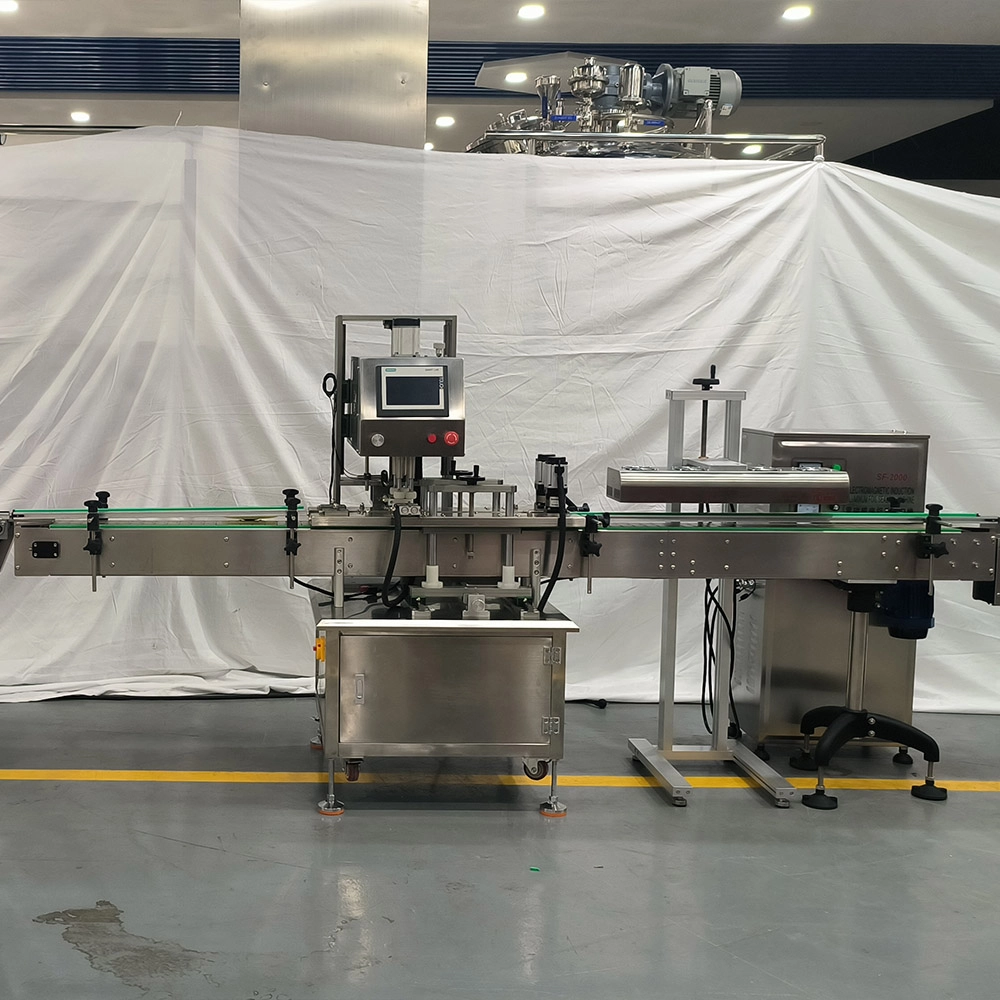
Integrating Automatic Filling Machines into Production Lines
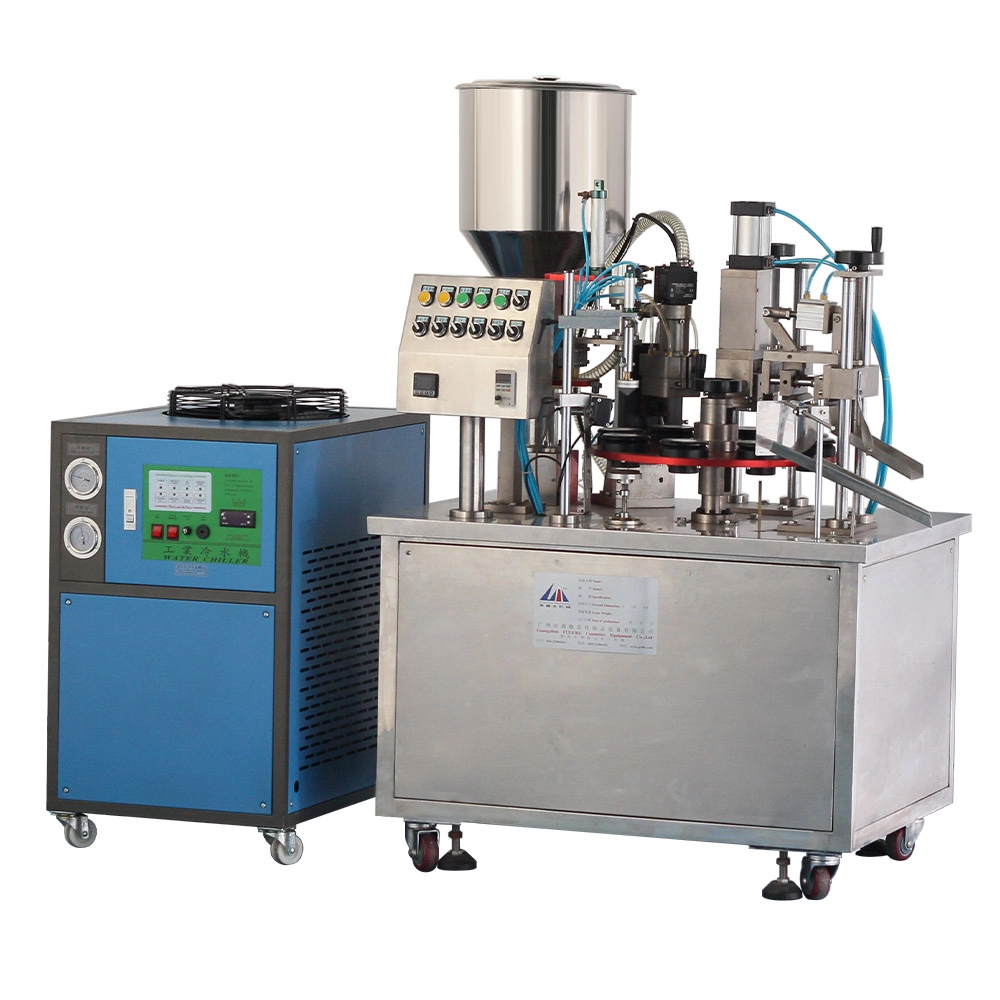
Sealing Integrity: Ensuring Quality in Toothpaste and Sunscreen Tubes
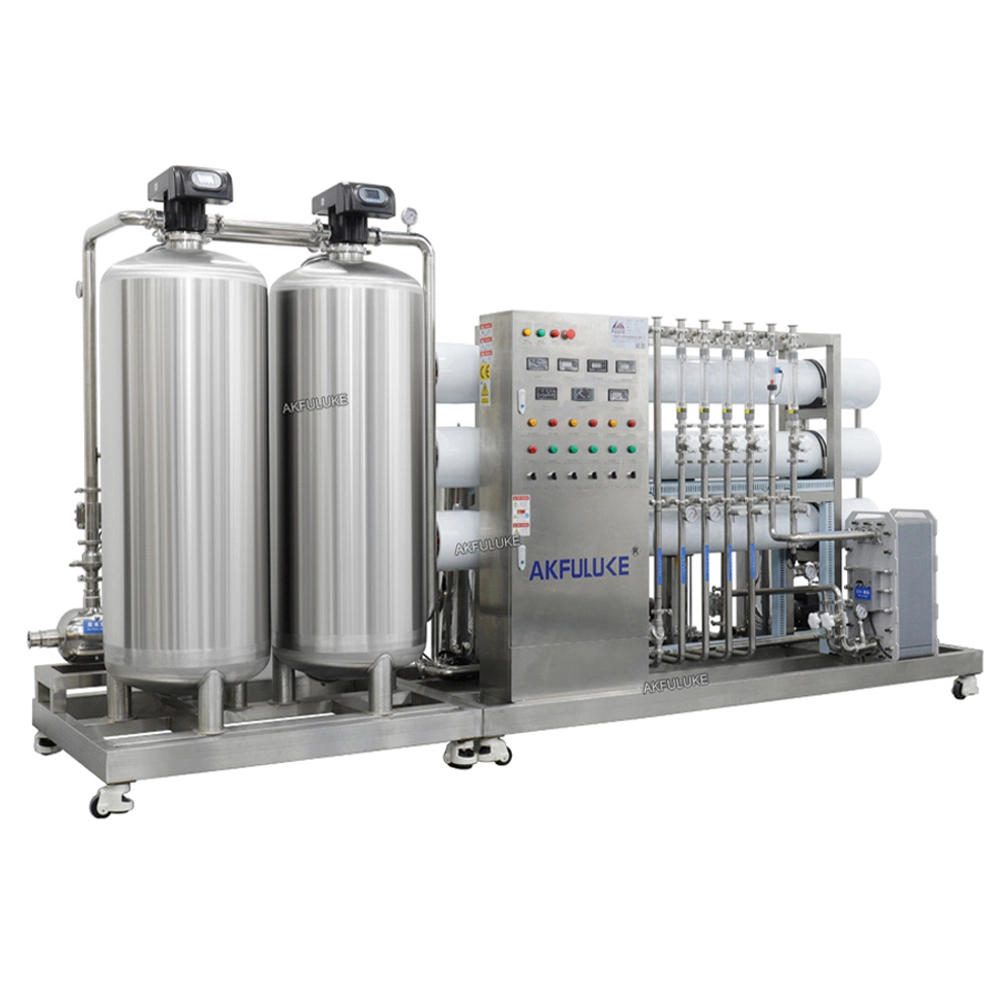
Energy Efficiency Strategies for High-Desalination RO Plants
Top 10 reverse osmosis water treatment systems Manufacturers and Supplier Brands
Sealed Homogenizing Mixing Tank
Who are we?
Our headquarters is located in Guangzhou, Guangdong, China, and our factory is located in Yangzhou, Jiangsu. Our products are sold all over the world. We have approximately 50 employees in our company and factory.
Storage Tank
How do I choose the right storage tank material?
Select based on the characteristics of the storage medium. For example, 316L stainless steel is preferred for food storage, while 304 or PE can be used for general water storage.
Automatic Labeling Machine
Can you customize the machine?
Of course, we provide customized services according to customer needs.
Automatic Filling Machine
How many filling nozzles does your automatic filling machine have?
We have single-, dual-, quad-, six-, eight-, and ten-head filling machines. We can customize the number of filling nozzles to meet your needs.
Inkjet Printing Machine
Can you customize the machine?
Of course, we provide customized services according to customer needs.
You May Also Like
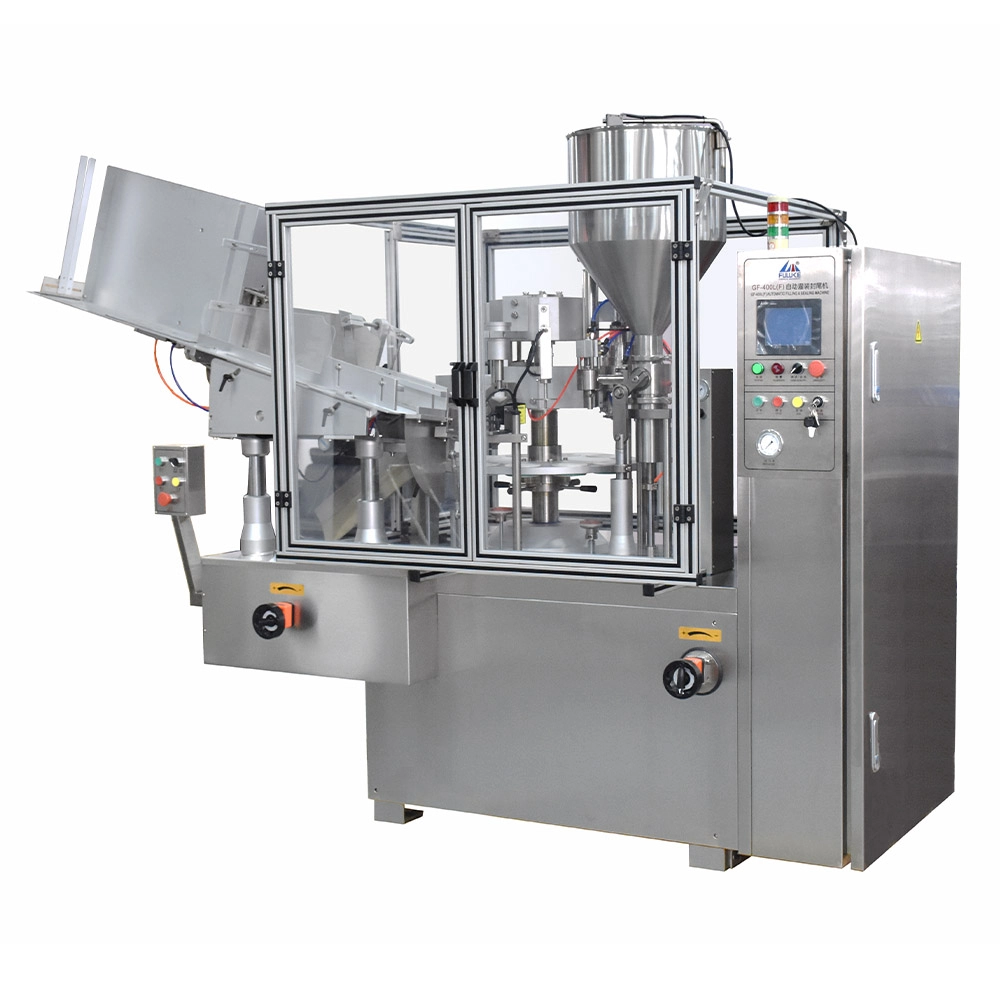
Automatic Tube Filling and Sealing Machine Toothpaste Sunscreen and Facial Cleanser Filling and Sealing Machine for Plastic and Aluminum-plastic Tube
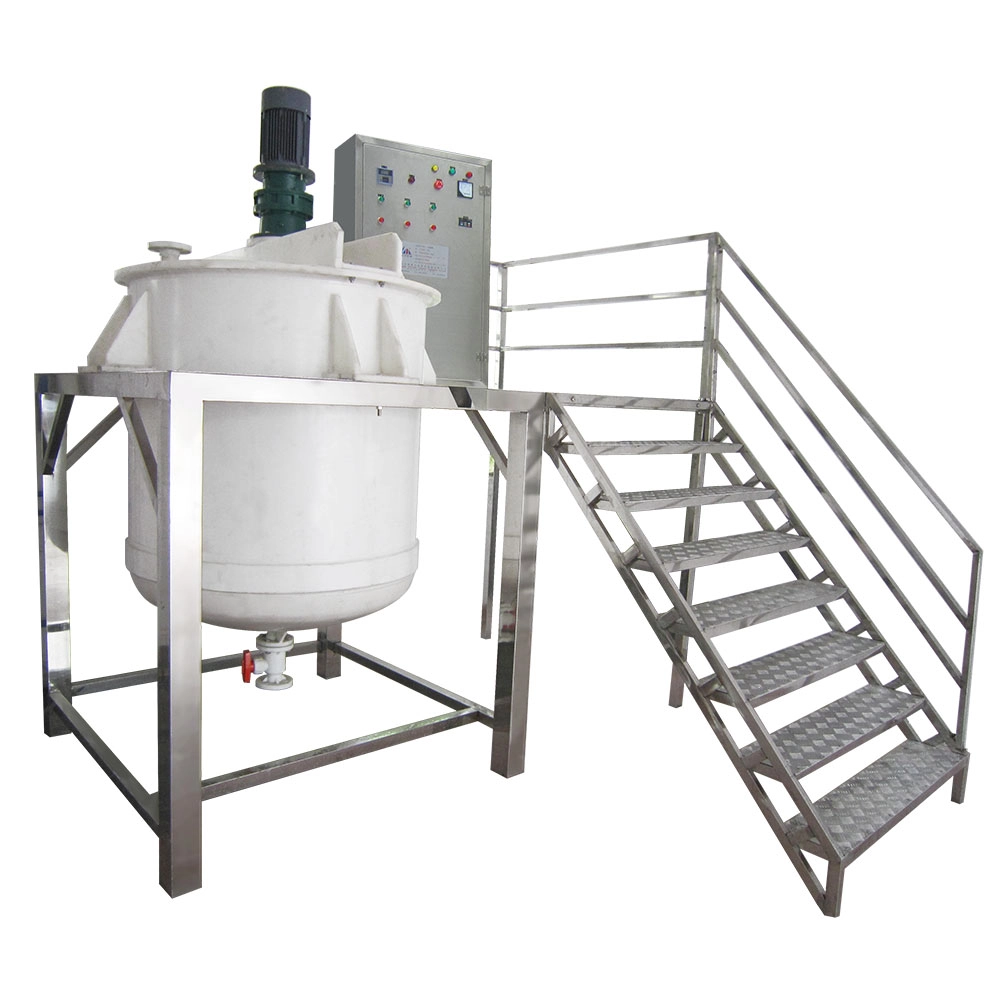
Polypropylene PP Mixing Tank Anti-Corrosion Mixer Reaction Kettle with Agitator Chemical Mixing Vessel
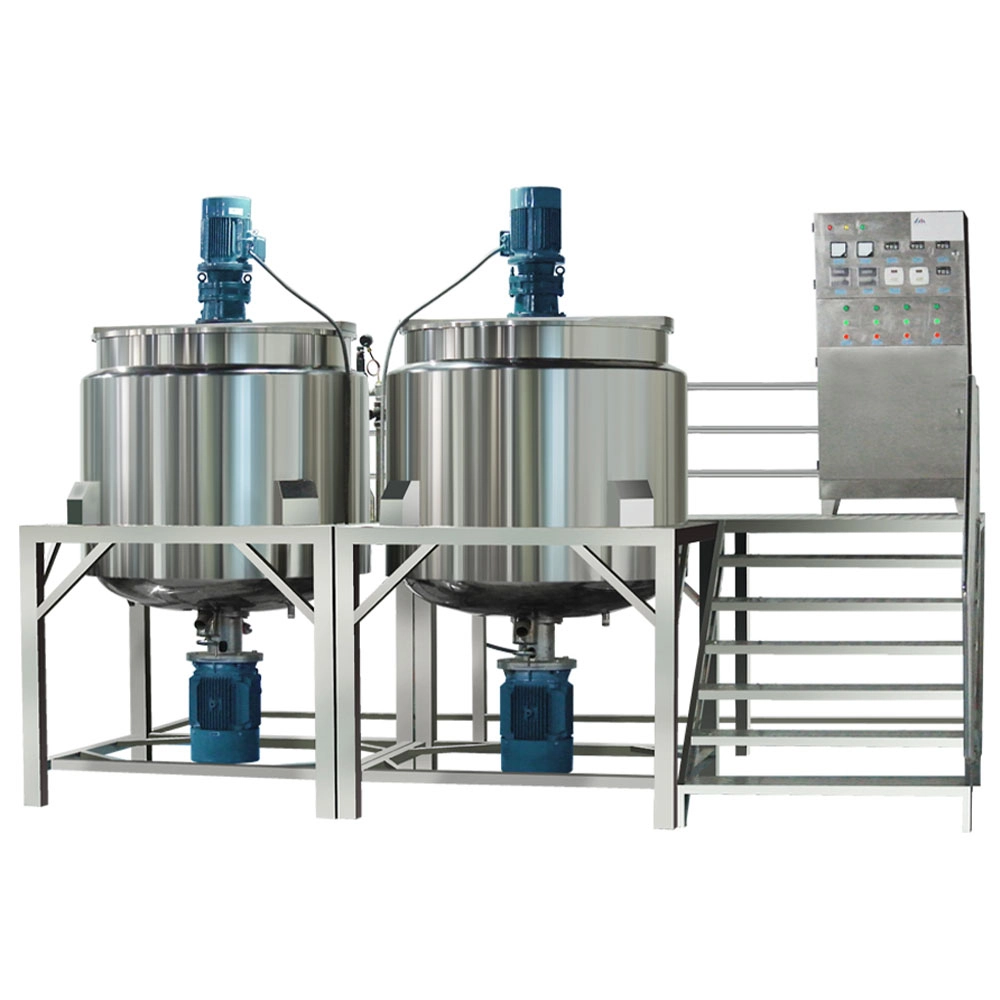
Flip Cover Multi-function Liquid Wash Mixing Tank Blender Liquid Detergent Mixer Homogenization Stirring Tank
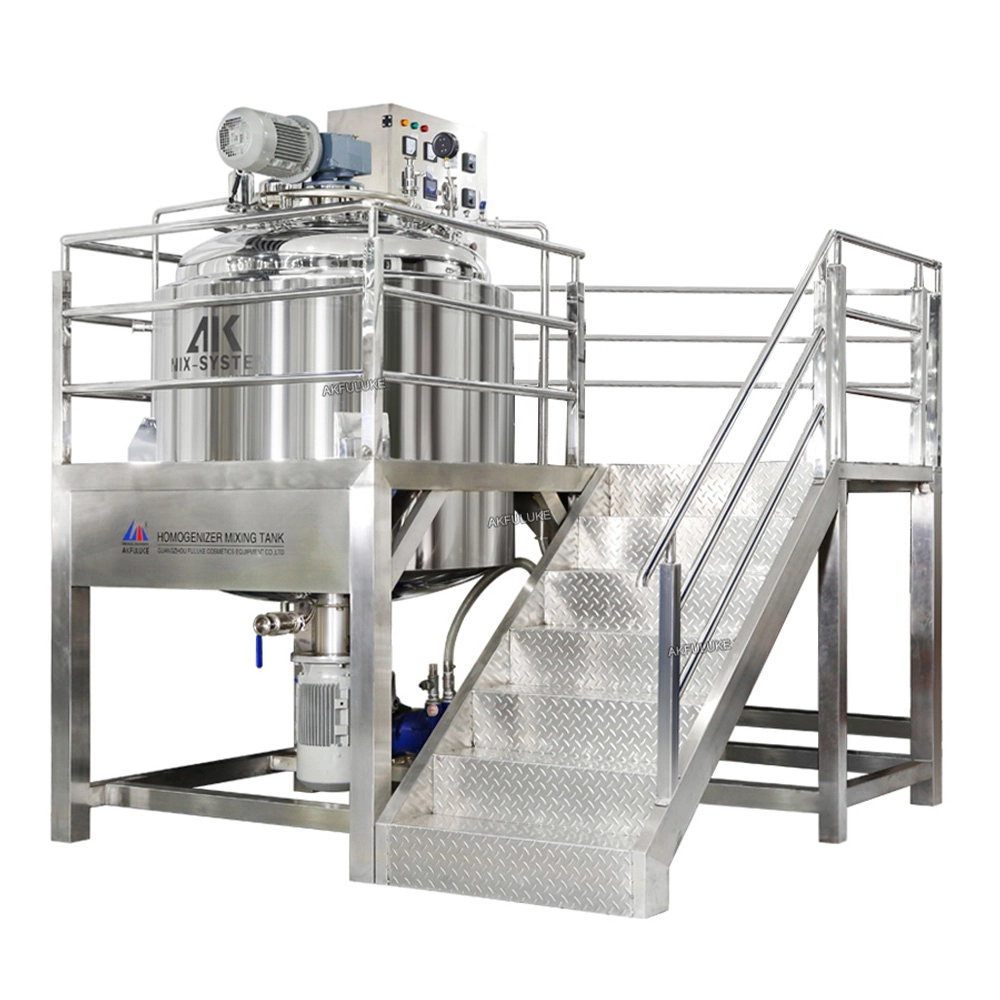
Stainless Steel Mixer Liquid Mixing tank with Agitator Homogenizing Mixing tank Vacuum Sealed Mixer Machine
Get in touch with FULUKE
If you have any comments or good suggestions, please leave us a message, later our professional staff will contact you as soon as possible.

A leading manufacturer specializing in advanced machinery and complete production lines for the cosmetics, food, pharmaceutical, and chemical industries worldwide.
Contact FULUKE
Facebook
Instagram
YouTube