
Top 10 ro water treatment system Manufacturers and Supplier Brands in 2026
- Top 10 RO Water Treatment System Manufacturers and Supplier Brands in 2026
- Introduction: Why cosmetic manufacturers search for ro water treatment system
- About FULUKE (Guangzhou Fuluke Cosmetic Equipment Co., Ltd.) — Manufacturer and supplier of integrated RO solutions
- DuPont (FilmTec) — Membrane leader and system components for industrial RO
- Toray — High-performance RO membranes and system modules
- Nitto Denko / Hydranautics — Specialized membranes for demanding RO applications
- Koch Membrane Systems — Modular RO systems and engineered solutions
- Pentair — Packaged RO systems and commercial water treatment
- Evoqua Water Technologies — Industrial RO systems and service agreements
- Culligan — Commercial/industrial RO systems and local support
- Veolia Water Technologies — End-to-end RO plants and industrial integration
- SUEZ Water Technologies & Solutions — Comprehensive membrane and RO services
- How each supplier fits cosmetic production needs: water quality, GMP and integration
- Key selection criteria when buying an RO water treatment system
- Typical RO system configurations for cosmetics manufacturing
- Operational considerations: maintenance, validation and cost drivers
- Comparison: Top 10 RO suppliers — product focus and practical specs
- How to shortlist suppliers for cosmetic-grade RO water
- Procurement checklist: technical and commercial questions to ask suppliers
- Conclusion: Choosing the right RO partner for cosmetic production in 2026
- References (sources and further reading)
- Appendix: Quick buyer tips
- Frequently Asked Questions
Top 10 RO Water Treatment System Manufacturers and Supplier Brands in 2026
Introduction: Why cosmetic manufacturers search for ro water treatment system
The behind ro water treatment system for many readers—especially cosmetic manufacturers and equipment buyers—is commercial and decision-oriented. They want reliable supplier options, product comparisons, and practical buying criteria to ensure purified water meets cosmetic-grade requirements (microbial control, low conductivity, consistent quality). This article gives a vendor-focused, audit-ready overview of the top 10 suppliers in 2026, helping procurement teams shortlist systems for cleanrooms, formulation, and packaging lines.
About FULUKE (Guangzhou Fuluke Cosmetic Equipment Co., Ltd.) — Manufacturer and supplier of integrated RO solutions
FULUKE is a global cosmetic equipment manufacturer with 30+ years serving cosmetics, food and pharma. In 2026 FULUKE offers integrated RO water treatment systems as part of turnkey production lines—combining pretreatment, RO, and polishing stages to deliver water suitable for cosmetic formulation and filling. Their RO systems are engineered to integrate with vacuum emulsifying mixers, homogenizers and automated filling lines, supporting GMP and ISO-aligned production workflows. FULUKE emphasizes custom system design, intelligent control upgrades, and after-sales commissioning and maintenance for cosmetic plants.
DuPont (FilmTec) — Membrane leader and system components for industrial RO
DuPont’s FilmTec membranes are among the most widely used elements in industrial RO systems. Cosmetic equipment OEMs and system integrators commonly choose FilmTec spiral-wound RO elements for reliability, predictable flux, and chemical resistance. DuPont supports both membrane components and guidance for system selection; many full-line suppliers pair DuPont membranes with packaged RO units to meet cosmetic water specifications.
Toray — High-performance RO membranes and system modules
Toray offers a broad portfolio of RO membranes and complete module solutions used in pharmaceuticals, cosmetics and beverage processing. Toray membranes are known for consistent salt rejection and long operational life, making them a frequent choice for cosmetic laboratories and production lines that require low TDS and stable conductivity.
Nitto Denko / Hydranautics — Specialized membranes for demanding RO applications
Hydranautics (a Nitto Denko company) produces RO and NF membranes optimized for high-rejection and fouling-resistant operations. Hydranautics components are used by system fabricators for cosmetics and pharmaceutical water systems where trace contaminants and microbial control are concerns.
Koch Membrane Systems — Modular RO systems and engineered solutions
Koch offers modular RO skids and engineered solutions for industrial processes. Their packaged RO systems include pretreatment, automated controls and standardized maintenance plans—beneficial for cosmetic manufacturers seeking scalable, maintainable RO plants with predictable lifecycle costs.
Pentair — Packaged RO systems and commercial water treatment
Pentair supplies a range of packaged RO systems for commercial and industrial applications, including skid-mounted units suitable for cosmetics, personal care and small-scale pharmaceutical production. Pentair’s focus is on turnkey units that are easy to deploy with available service networks in many regions.
Evoqua Water Technologies — Industrial RO systems and service agreements
Evoqua provides industrial-scale RO plants and lifecycle services (monitoring, service contracts, spare parts). For cosmetics producers needing robust service-level agreements and performance guarantees, Evoqua is a strong candidate—particularly for large-capacity facilities and municipal pretreatment integration.
Culligan — Commercial/industrial RO systems and local support
Culligan is known for commercial to light-industrial RO systems, plus a global dealer network for installation and maintenance. Cosmetic contract manufacturers and small-to-medium brands often choose Culligan for localized support, flexible financing and packaged RO units that meet GMP-adjacent cleanliness demands.
Veolia Water Technologies — End-to-end RO plants and industrial integration
Veolia designs and delivers large-scale RO plants, including pretreatment, advanced membrane solutions and post-treatment polishing. Cosmetic manufacturers scaling production or operating multiple sites may choose Veolia for engineered, high-capacity RO plants and integrated wastewater treatment options.
SUEZ Water Technologies & Solutions — Comprehensive membrane and RO services
SUEZ (formerly part of GE Water) provides RO membranes, packaged systems and service programs. SUEZ’s strength is comprehensive lifecycle support and technology options—helpful for cosmetic producers that need certified, validated water systems aligned with regulatory audits.
How each supplier fits cosmetic production needs: water quality, GMP and integration
When cosmetic manufacturers search for an ro water treatment system, their key requirements typically include: consistent low TDS, low particulate load, microbial control, reproducible batch water for formulation, and ease of integration with existing mixers and filling lines. Suppliers on this list either provide core RO membranes (DuPont, Toray, Hydranautics), packaged skids and automation (Koch, Pentair, Culligan), or full-scale engineered plants and services (Veolia, Evoqua, SUEZ) — while FULUKE focuses on integration with cosmetic processing equipment and turnkey line delivery.
Key selection criteria when buying an RO water treatment system
Choose a supplier based on these practical, commercially oriented criteria: certification and validation support (ISO, GMP), membrane brand and model (reliable salt rejection & lifespan), system capacity and scalability, pretreatment compatibility (softening, antiscalant, sediment/activated carbon), automation and data logging, local service and spare parts availability, and total cost of ownership (energy, consumables, cleaning frequency). These criteria directly affect uptime and regulatory readiness in cosmetic manufacturing.
Typical RO system configurations for cosmetics manufacturing
Common cosmetic production RO configurations include: 1) small laboratory RO (100–1,000 L/day) for R&D and small-batch labs; 2) medium packaged RO skids (1–10 m3/day) for small production sites; 3) large industrial RO plants (10–500+ m3/day) for large-scale contract manufacturers. Many systems add DI polishers, UV sterilization, and ozone or hot water sanitization to meet cosmetic-grade microbial requirements.
Operational considerations: maintenance, validation and cost drivers
Operationally, RO systems require monitoring of feed water quality, periodic membrane cleaning (CIP), antiscalant dosing, replacement of prefilters and monitoring conductivity. Major cost drivers are energy for high-pressure pumps, membrane replacement intervals and labor for validation and maintenance. Supplier service packages often reduce these risks by offering scheduled maintenance and warranty-backed membrane performance.
Comparison: Top 10 RO suppliers — product focus and practical specs
| Company | Product Focus (RO-related) | Typical Capacity Range | Membrane Brands/Types | Notable Strengths for Cosmetics |
|---|---|---|---|---|
| FULUKE (Guangzhou Fuluke) | Integrated RO skids + turnkey integration with emulsifying & filling lines | 0.1–50 m3/day (custom) | Commercial spiral-wound membranes (partner brands) | Customized integration with cosmetic production, GMP-oriented delivery |
| DuPont (FilmTec) | High-performance RO membranes & components | Membranes for systems 0.5–500+ m3/day | FilmTec spiral-wound | Proven membrane chemistry and predictable performance curves |
| Toray | RO membranes, modules and system components | Membranes for small labs to industrial plants | Toray polyamide membranes | High rejection and durability |
| Hydranautics (Nitto Denko) | RO & NF membranes for demanding applications | Membranes for 0.5–500+ m3/day systems | Hydranautics spiral-wound | Fouling resistance and specialty chemistries |
| Koch Membrane Systems | Modular RO skids, engineered solutions | 1–500+ m3/day | Uses multiple membrane brands | Modularity, turnkey engineering |
| Pentair | Packaged RO systems and filtration | 0.1–100+ m3/day | Pentair-specified membranes | Commercial units with strong support networks |
| Evoqua | Industrial RO plants & service contracts | 10–1000+ m3/day | Multiple membrane partners | Service-focused, performance guarantees |
| Culligan | Commercial/industrial packaged RO systems | 0.1–50 m3/day | Culligan-configured membranes | Local dealer support, financing options |
| Veolia | Engineering, large RO plants, integrated water solutions | 50–10000+ m3/day | Works with global membrane suppliers | Large-scale engineering and wastewater integration |
| SUEZ | Membranes, packaged systems, lifecycle services | 1–1000+ m3/day | SUEZ membranes and partner brands | Comprehensive lifecycle and validation support |
Notes: Capacities are approximate and represent common market offerings (lab to industrial scale). Many suppliers build bespoke solutions with other ranges available.
How to shortlist suppliers for cosmetic-grade RO water
Begin by defining target water quality (resistivity or conductivity, endotoxin/microbial criteria if required), daily and peak usage, available footprint, and integration needs. Request from each supplier: performance datasheet, site references in cosmetics/pharma, validation documentation, spare parts lead times, and a total cost of ownership estimate (including energy and consumables). Insist on factory FAT and on-site SAT procedures to ensure delivered water quality meets your specs.
Procurement checklist: technical and commercial questions to ask suppliers
Technical and commercial questions to ask every shortlisted vendor include: Which RO membrane model do you use and what is expected flux decline over 12 months? What pretreatment is required for our feed water? Can you supply FAT/SAT protocols and validation support? What warranties and service SLAs are offered? What are typical operating pressures and energy consumption per m3? What is the expected membrane lifetime and replacement cost? These answers will reveal real lifecycle costs and operational risks.
Conclusion: Choosing the right RO partner for cosmetic production in 2026
Selecting the right ro water treatment system supplier depends on scale, service needs and integration requirements. For integrated cosmetic production lines, suppliers like FULUKE offer turnkey RO integration paired with emulsifying and filling equipment. For membrane reliability, DuPont, Toray and Hydranautics are top component choices. For packaged skids and modular units, Koch, Pentair and Culligan are practical; for large engineered plants and service-first contracts, Veolia, Evoqua and SUEZ are leading options. Follow the procurement checklist, validate claims with FAT/SAT and prioritize suppliers offering robust service and validation support to ensure consistent, compliant cosmetic-grade water.
References (sources and further reading)
- DuPont FilmTec — Product pages and membrane information. Accessed December 10, 2025. https://www.dupont.com/water
- Toray Water — RO membrane solutions. Accessed December 10, 2025. https://www.toraywater.com
- Nitto Denko / Hydranautics — RO and NF membrane technologies. Accessed December 10, 2025. https://www.nitto.com
- Koch Separation Solutions — Membrane systems and packaged RO. Accessed December 10, 2025. https://www.kochmembrane.com
- Pentair — Commercial and industrial RO offerings. Accessed December 10, 2025. https://www.pentair.com
- Evoqua Water Technologies — Reverse osmosis and service programs. Accessed December 10, 2025. https://www.evoqua.com
- Culligan Commercial & Industrial — Packaged RO systems and dealer network. Accessed December 10, 2025. https://www.culligan.com
- Veolia Water Technologies — Industrial RO plants and integration. Accessed December 10, 2025. https://www.veolia.com
- SUEZ Water Technologies & Solutions — Membranes and lifecycle services. Accessed December 10, 2025. https://www.suez.com
- FULUKE (Guangzhou Fuluke Cosmetic Equipment Co., Ltd.) — Company profile and product focus provided by company background (company materials). Accessed December 10, 2025.
Appendix: Quick buyer tips
Start with a feed-water analysis, set target water specs for formulation, request component-level details (membrane brand/model), and require FAT/SAT documentation and a clear service plan. Consider energy-efficient pumps and automation to reduce labor and validation burden.
Frequently Asked Questions
Q: What minimum water quality should a cosmetic manufacturer require from an RO water treatment system?A: Cosmetic manufacturers typically aim for low TDS (<10–50 ppm depending on local spec), low particulate levels (filtered to 1 micron or better before RO), and controlled microbiological counts. Final specification depends on product type (leave-on vs rinse-off) and local regulations; include DI, UV or ozone polishers if required.
Q: How often do RO membranes need replacing in cosmetic production?A: Typical membrane life is 3–5 years under good pretreatment and proper CIP regimes. Actual replacement intervals depend on feed water quality, cleaning frequency and operating pressures.
Q: Can a cosmetic OEM integrate RO systems directly into a turnkey production line?A: Yes. Many equipment manufacturers (including FULUKE) provide integrated RO skids designed to interface with mixers, homogenizers and filling lines—ensuring synchronized controls and validated quality checks.
Q: What additional treatments are recommended after RO for cosmetic grade water?A: Common post-treatments include mixed bed deionizers (DI) for ultra-pure water, UV irradiation for microbiological control, sub-micron filtration, and periodic ozone or hot-water sanitization depending on microbial risk.
Q: Should I prioritize membrane brand or full-system supplier?A: Both matter. Membrane brand affects performance and lifespan; the full-system supplier affects integration, validation and service. For best long-term outcomes, choose a reputable membrane (DuPont/Toray/Hydranautics) and a system integrator who provides FAT/SAT and local service support.
Q: How to validate an RO water system for cosmetic regulatory audits?A: Require supplier-provided FAT/SAT protocols, system IQ/OQ/PQ documentation where applicable, traceable calibration for conductivity meters, and documented cleaning/maintenance procedures. Keep water quality logs and microbial test reports for audit trails.
Q: What is the typical lead time for a packaged RO skid vs. a full engineered plant?A: Packaged RO skids can be delivered in weeks to a few months depending on customization. Large engineered plants typically require 3–12+ months for design, fabrication and commissioning depending on scale and site work.
Q: Are there energy-saving options for RO systems?A: Yes. Consider energy recovery devices for high-recovery, large RO plants, efficient variable-frequency drives (VFDs) for high-pressure pumps, and optimized recovery setpoints. Supplier energy specifications will show kWh/m3 for typical operations.
Q: Can RO remove preservatives or cosmetic actives if system leaks into water supply?A: RO is effective at removing many dissolved organics but not all trace volatile compounds. Good feed-water control, monitoring and proper waste handling are required to avoid cross-contamination.
Q: How do I get started with a pilot RO system for a cosmetic production trial?A: Contact shortlisted suppliers for a pilot skid or rental unit, provide feed water analysis and target specs, schedule a site visit for placement and utility review, and perform FAT followed by a short SAT period to confirm water meets formulation needs.
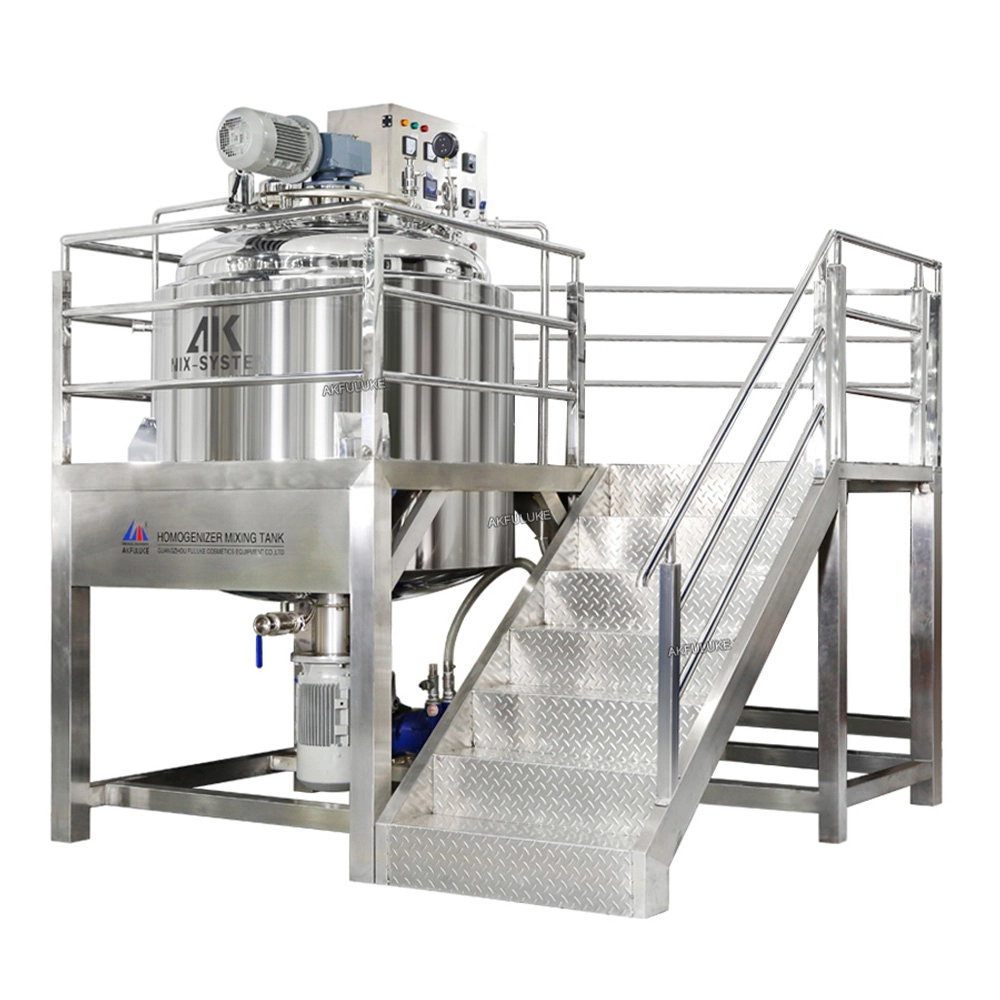
Agitator Homogenizing Tanks: Ensuring Consistent Product Quality
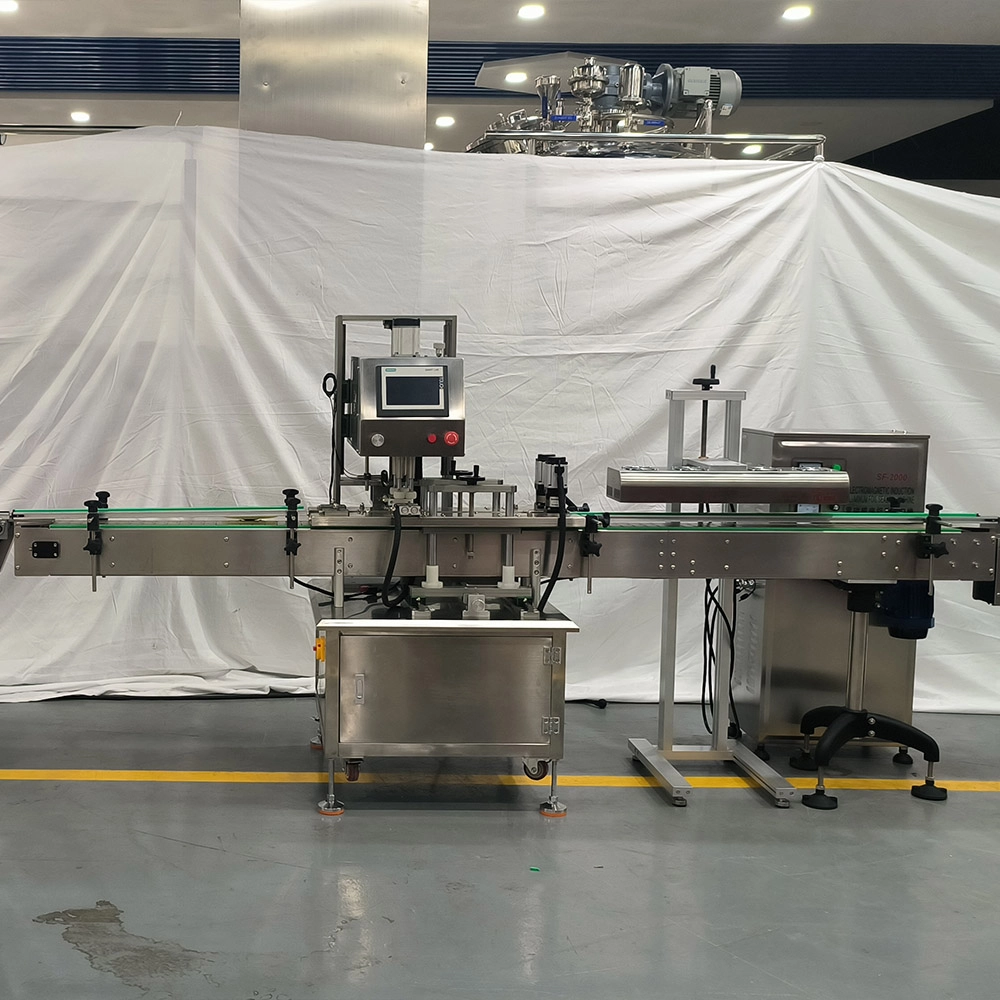
Quantitative Bottle Filling: Improve Accuracy for Creams
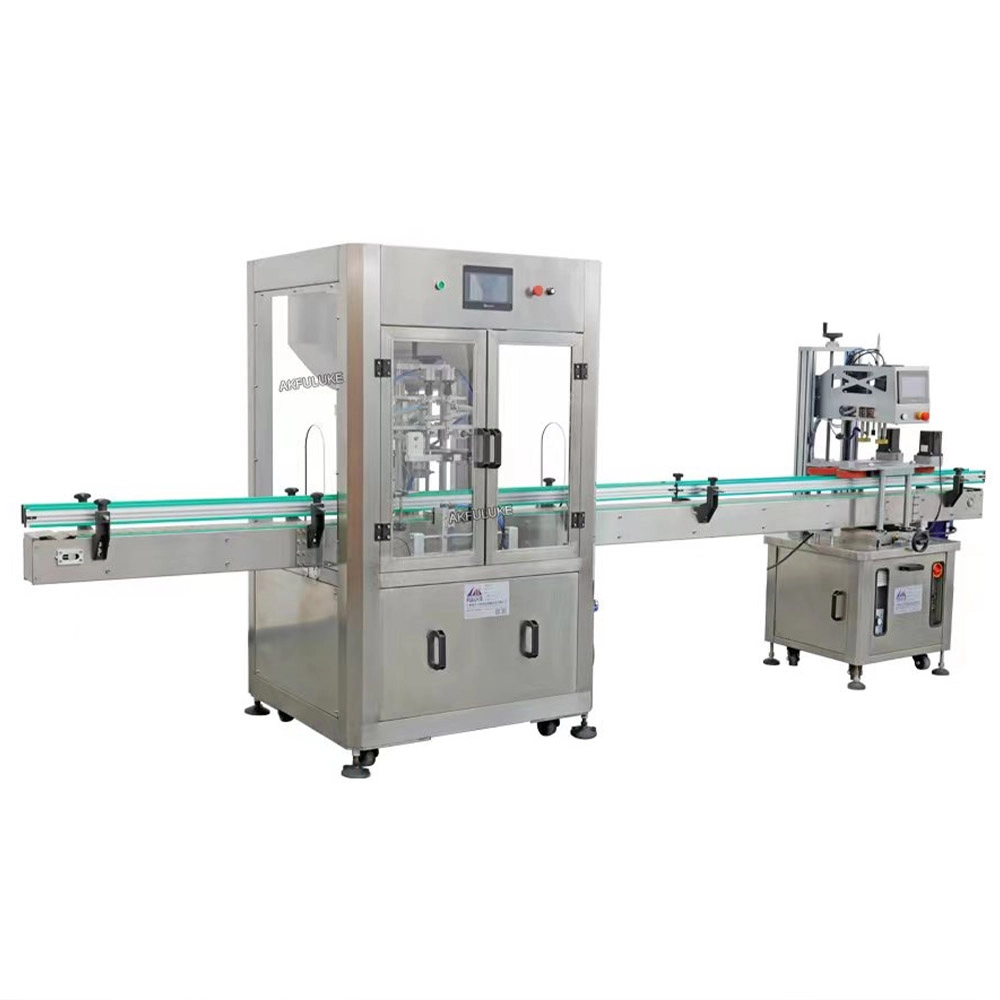
Benefits of Automatic Quantitative Liquid Bottle Filling Machines
Advanced Controls for Multi-Product Filling Lines
Perfume Freezing Filter Making Machine
Does the filtration process cause loss of fragrance components?
High-quality equipment uses a gradient filtration design (such as a 0.22μm precision filter membrane) to capture only condensed impurities and avoid adsorbing active fragrance molecules.
Can you make a design for us?
Yes, we can, we provide not only products, but also solutions and designs.
Film Packaging Machine
Who are we?
Our headquarters is located in Guangzhou, Guangdong, China, and our factory is located in Yangzhou, Jiangsu. Our products are sold all over the world. We have approximately 50 employees in our company and factory.
Automatic Filling Machine
What special safety features are required for equipment used to fill medical disinfectants (containing alcohol)?
An explosion-proof automatic filling machine is essential. Key safety features include: ① The motor and electrical components must be explosion-proof to prevent sparks from igniting alcohol vapors; ② The tanks and piping must be made of anti-static materials and grounded to prevent static electricity accumulation; The workshop must also be well-ventilated and equipped with an explosion-proof exhaust system.
Vacuum Emulsifying Machine
What can you buy from us?
RO Water Treatment、Vacuum Emulsifying Machine、Homogenizer Mixing Tank、Filling and Capping、labeling Machine、Packing Machine、Storage Tank,etc.
You May Also Like
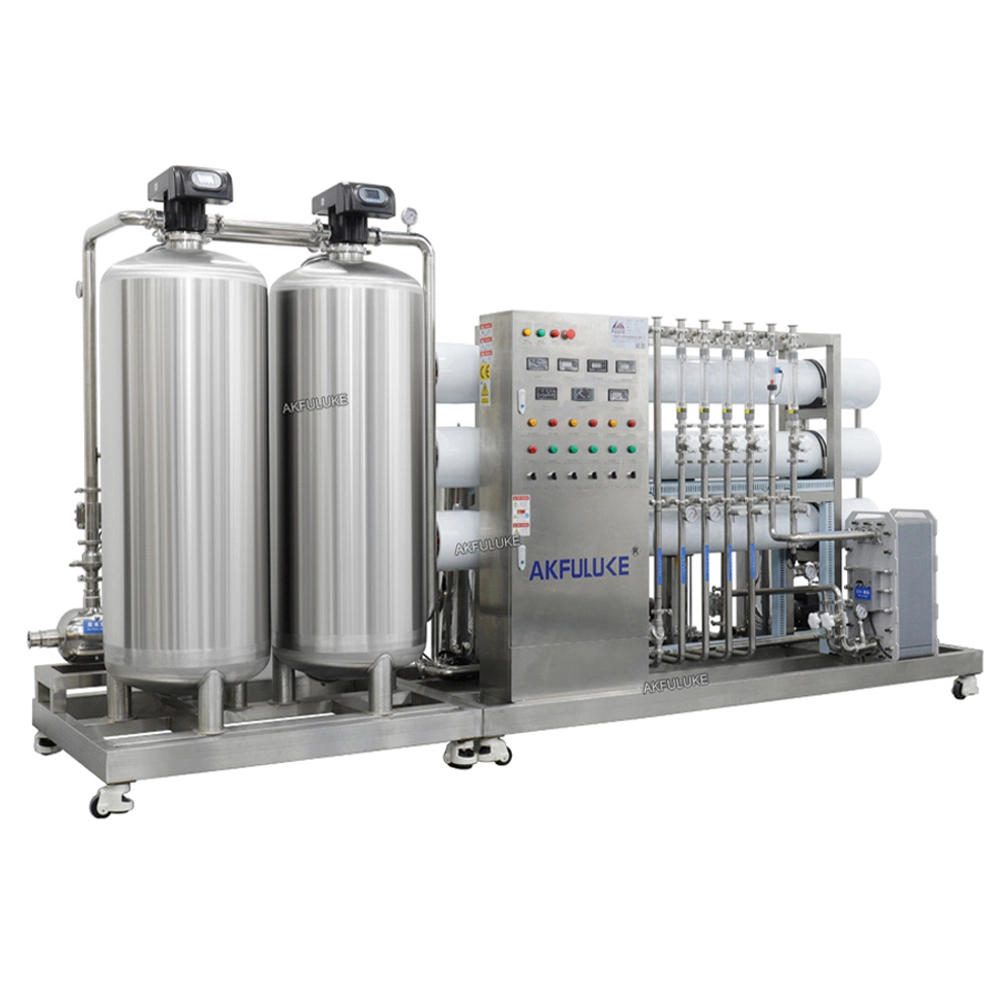
Reverse Osmosis / RO Water Treatment Water Filter System 99% Desalination Rate Industrial Purification Filtration Water treatment Machine
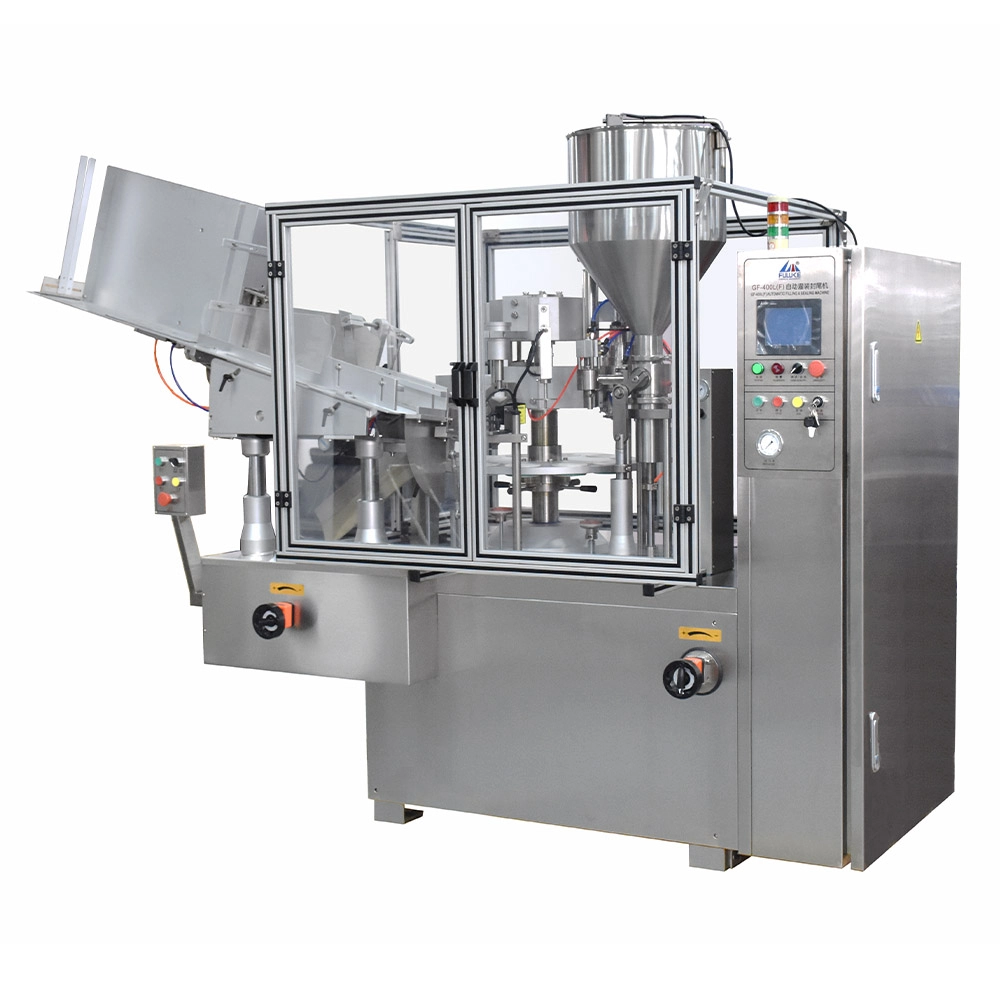
Automatic Tube Filling and Sealing Machine Toothpaste Sunscreen and Facial Cleanser Filling and Sealing Machine for Plastic and Aluminum-plastic Tube
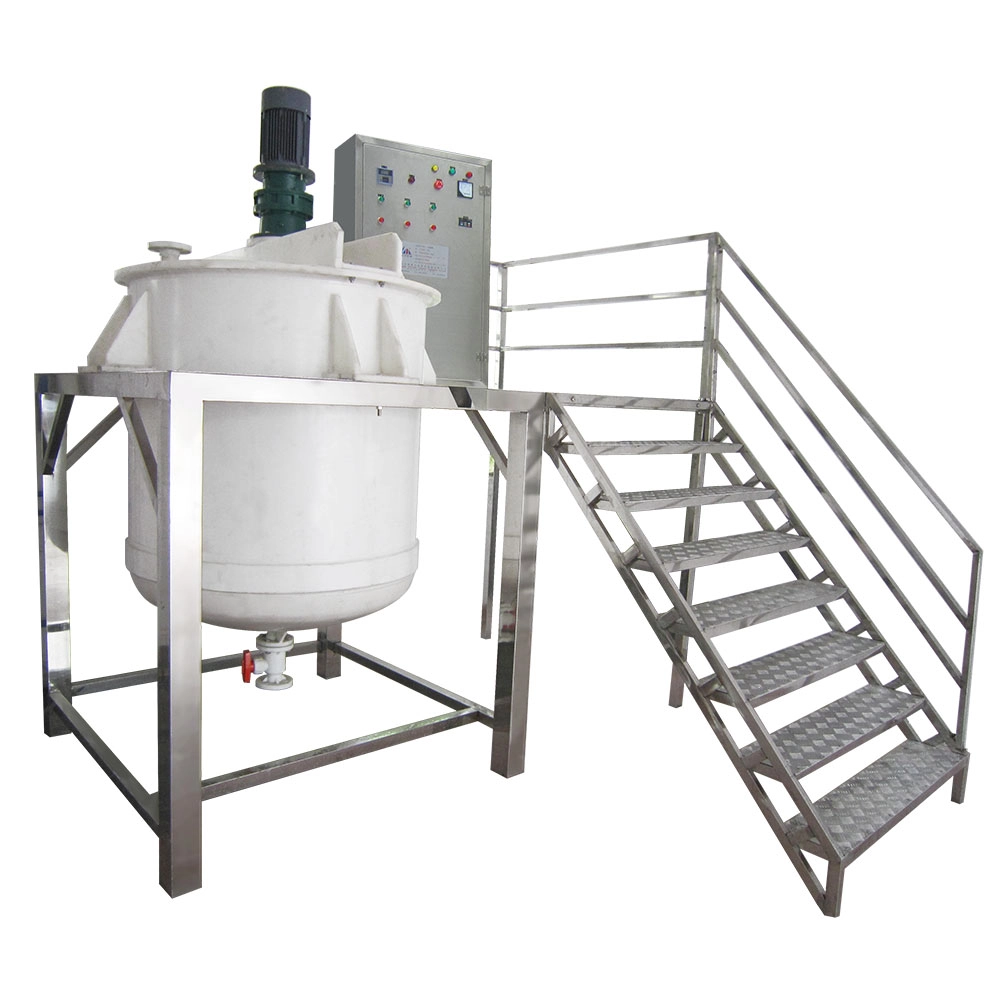
Polypropylene PP Mixing Tank Anti-Corrosion Mixer Reaction Kettle with Agitator Chemical Mixing Vessel
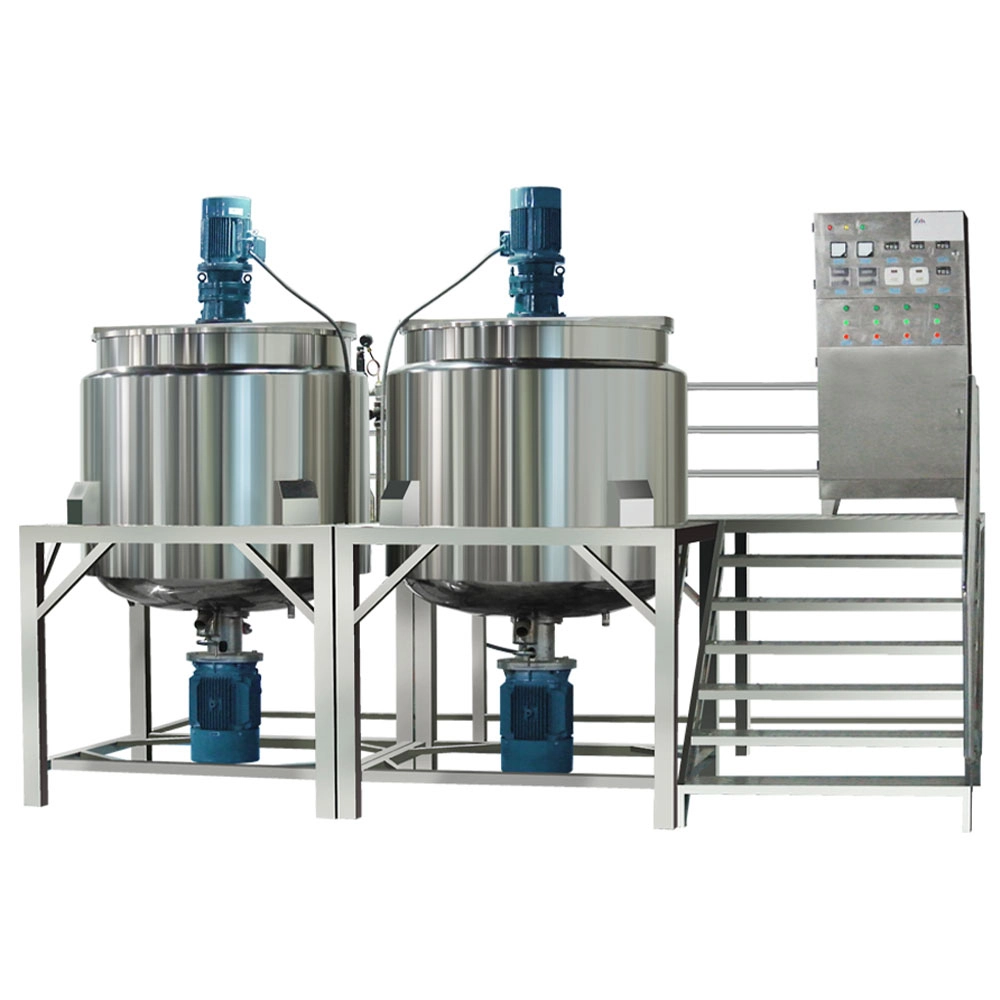
Flip Cover Multi-function Liquid Wash Mixing Tank Blender Liquid Detergent Mixer Homogenization Stirring Tank
Get in touch with FULUKE
If you have any comments or good suggestions, please leave us a message, later our professional staff will contact you as soon as possible.

A leading manufacturer specializing in advanced machinery and complete production lines for the cosmetics, food, pharmaceutical, and chemical industries worldwide.
Contact FULUKE
Facebook
Instagram
YouTube