
Training Staff to Operate High-Precision Fillers
- Building a Competent Filling Line Team
- Define Roles and Competencies
- Create Role-Based Training Paths
- Use Competency Matrices and Certification
- Operational Protocols and Machine Familiarization
- SOPs: Start-Up, Changeover, and Shutdown
- Hands-On Machine Walkthroughs
- Simulation and Dry-Runs
- Maintenance, Calibration and Quality Control
- Calibration Procedures and Frequency
- Preventive Maintenance and GMP Compliance
- Quality Control and In-Process Monitoring
- Assessment, Documentation and Continuous Improvement
- Assessment, Testing and Requalification
- Root Cause Analysis and Troubleshooting Workflow
- KPIs, Reporting and Continuous Improvement
- Practical Training Plan and Timeline
- Integrating Standards and External Guidance
- Regulatory and Industry Standards
- Technical References and Further Reading
- Digital Tools to Support Training
- FAQ
- What is the minimum training time to operate a high-precision automatic filling machine safely?
- How often should calibration be performed?
- Can non-technical staff be trained to perform basic maintenance?
- How do you minimize product loss during changeovers?
- What documentation is needed to demonstrate training compliance?
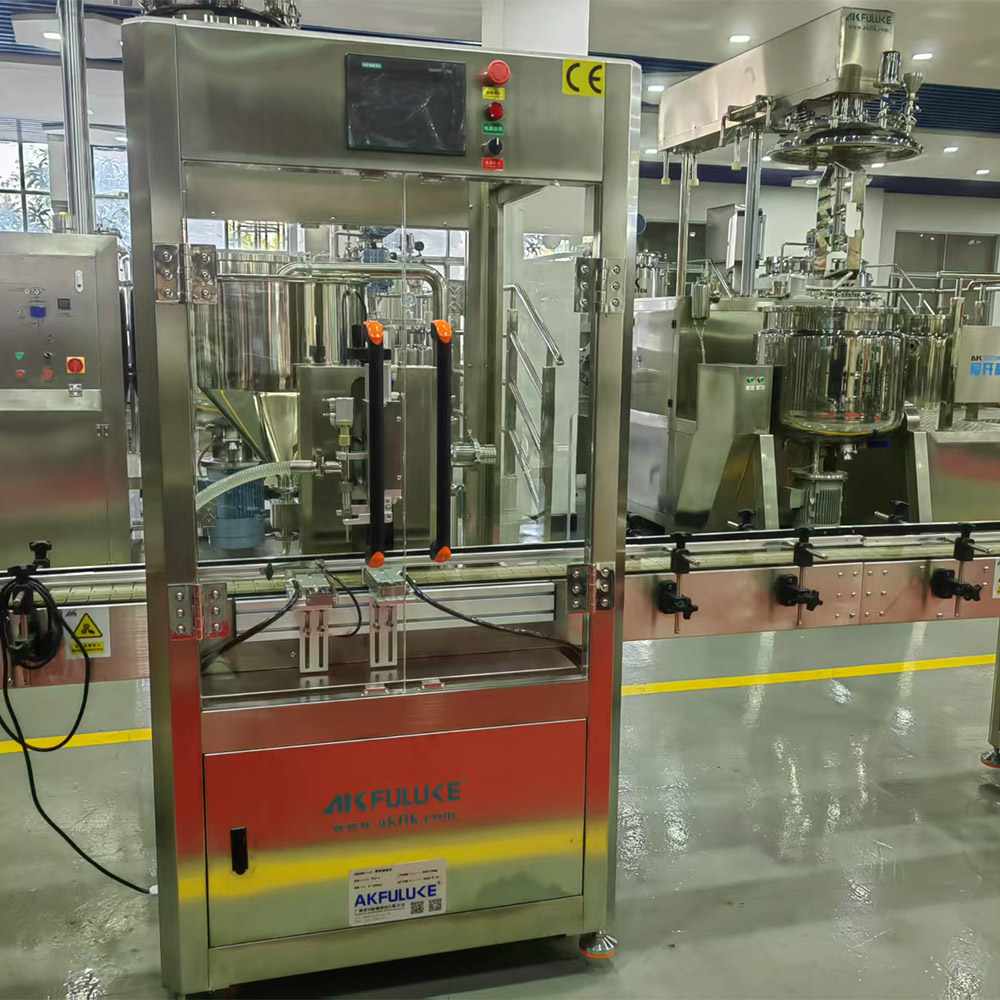
Operators trained to run high-precision filling equipment significantly reduce downtime, minimize product waste, and ensure consistent compliance with GMP and industry standards. This guide focuses on practical, role-based training for teams working with the Automatic Filling Machine Quantitative Liquid Bottle Filling Machine High-precision cream and lotion filling machine, integrating best practices drawn from ISO, FDA, and GMP guidelines to meet production, safety, and quality objectives.
The automatic filling machine integrates automated conveying, precision filling, and intelligent control for packaging creams, lotions, and liquids. Suitable for a variety of containers, including glass and PET bottles, it can fill liquids, emulsions, and pastes with high precision.
Constructed with 316L/304 stainless steel contact components and compliant with GMP standards, it features a touchscreen interface for quick parameter adjustment and completes the entire process without manual intervention. Widely used in the cosmetics, food, daily chemical, pharmaceutical, and chemical industries, it helps companies reduce costs, increase efficiency, and ensure product standardization.
Building a Competent Filling Line Team
Define Roles and Competencies
Begin by mapping the roles required to run an automated filling line: line operator, line leader/supervisor, maintenance technician, quality inspector, and packaging technologist. For each role, list core competencies: machine startup/shutdown, recipe selection, touchscreen navigation, basic electrical/mechanical fault recognition, GMP awareness, and quality sampling methods. This reduces overlap and clarifies responsibility for the automatic filling machine and related peripherals.
Create Role-Based Training Paths
Design training modules that progress from foundational knowledge to advanced troubleshooting. For example:
- Level 1 (Operator): machine overview, safety, basic touchscreen operations, refill procedures, and simple changeovers.
- Level 2 (Advanced Operator): parameter adjustments, in-process checks, minor mechanical adjustments, and sampling procedures for creams and lotions.
- Level 3 (Technician/Supervisor): calibration, preventive maintenance, mechanical/electrical troubleshooting, CIP (clean-in-place) procedures, and validation support.
Use Competency Matrices and Certification
Implement a competency matrix to track who is trained and certified for which tasks. Require both written and practical assessments for certification. Documented competency supports compliance with GMP and audit readiness, and provides traceability for any production deviations.
Operational Protocols and Machine Familiarization
SOPs: Start-Up, Changeover, and Shutdown
Develop simple, visual standard operating procedures (SOPs) for each key operation: start-up, product changeover, cleaning, and shutdown. SOPs should include safety checks (guards and E-stops), hygiene steps for handling creams and lotions, and environmental controls. Visual SOPs improve retention and reduce human error when operating an automatic filling machine.
Hands-On Machine Walkthroughs
Schedule hands-on sessions on the Automatic Filling Machine Quantitative Liquid Bottle Filling Machine High-precision cream and lotion filling machine. Walk trainees through the HMI (touchscreen) menus: selecting recipes, adjusting fill volumes, setting conveyor speeds, verifying filling nozzles, and monitoring alarms. Emphasize the importance of reading the machine state and understanding alarm differentiation for foam, air pockets, or inconsistent fill weights.
Simulation and Dry-Runs
Before live production, conduct dry-runs using water or non-production materials. Use these runs to practice changeovers, recipe selection, and sample taking. Dry-runs allow staff to learn how the machine responds to parameter changes without risking product loss.
Maintenance, Calibration and Quality Control
Calibration Procedures and Frequency
High-precision fillers require regular calibration of volumetric/weight systems and verification of nozzle performance. Establish a calibration schedule tied to production volume or time (e.g., weekly checks for high-use lines, monthly for lower-use). Calibration should include:
- Validation of fill accuracy against traceable weights.
- Verification of piston/cylinder or pump flowrates.
- Recording of acceptable tolerances based on product type (liquid vs. emulsion vs. paste).
Referencing ISO standards for measurement and calibration practices helps ensure traceability and robustness of procedures (ISO/IEC 17025).
Preventive Maintenance and GMP Compliance
Implement preventive maintenance (PM) checklists that cover lubrication, seal inspection (especially for creams and lotions), conveyor alignment, and sensor cleaning. Use GMP-aligned checklists to document cleaning and sanitization steps for product-contact parts made from 316L/304 stainless steel. For detailed GMP expectations, see guidance from regulatory bodies like the FDA (FDA) and international pharmacopeia references.
Quality Control and In-Process Monitoring
Operators should be trained to perform in-process checks: random weight sampling, visual inspections for fill level consistency, nozzle drip checks, and label/closure integrity. Define acceptance criteria and escalation paths when out-of-spec conditions are detected. Use statistical process control (SPC) charts to monitor trends rather than reacting only to individual failures.
Assessment, Documentation and Continuous Improvement
Assessment, Testing and Requalification
After initial training, conduct practical assessments that simulate typical production challenges: rapid product changeover, dealing with a foaming product, or a clogged nozzle. Require periodic requalification (e.g., annually or after major equipment upgrades) to maintain certification. Documentation of assessments is crucial for audits and continuous improvement.
Root Cause Analysis and Troubleshooting Workflow
Teach teams a standardized troubleshooting workflow: identify symptom, isolate variable (mechanical/electrical/process), run controlled test, implement corrective action, and document results. Use tools like 5 Whys or fishbone diagrams for systematic root cause analysis. For example, unstable fill weight may originate from air entrainment in product, worn pump seals, or incorrect recipe parameters on the touchscreen—each requires different corrective steps.
KPIs, Reporting and Continuous Improvement
Track KPIs that reflect both machine performance and training effectiveness: OEE (Overall Equipment Effectiveness), first-pass yield, changeover time, number of quality holds, and operator error rate. Regularly review KPI trends in cross-functional meetings and adjust training content when repetitive issues are identified.
Practical Training Plan and Timeline
The table below provides a sample 4-week training timeline for new operators to become competent on an automatic filling machine used for creams and lotions.
| Week | Focus | Activities | Assessment |
|---|---|---|---|
| Week 1 | Introduction & Safety | Classroom GMP, machine layout, safety, HMI basics, SOP reading | Written quiz + basic HMI demo |
| Week 2 | Hands-on Operation | Start-up/shutdown, dry-runs, product handling, sampling | Practical dry-run checklist |
| Week 3 | Maintenance & QC | PM tasks, basic troubleshooting, calibration checks, sanitation | PM and calibration practical test |
| Week 4 | Advanced Scenarios & Assessment | Changeover under time pressure, root cause drills, audit prep | Final competency assessment + certification |
Integrating Standards and External Guidance
Regulatory and Industry Standards
Training and machine operation must align with GMP principles to ensure product safety and traceability. For cosmetics and topical products, consider regional cosmetic GMP guides and consult relevant sections of international guidance such as WHO and FDA resources. The WHO provides general quality assurance principles for health-related manufacturing (WHO), and FDA guidance pages are useful for facility and process expectations (FDA).
Technical References and Further Reading
Use authoritative technical resources for deep-dive training content: ISO documents for measurement and calibration practices, peer-reviewed papers on filling accuracy and rheology of emulsions, and industry association guidance for cosmetic manufacturing. For a general overview on filling machines, the Wikipedia page provides contextual background (Filling machine — Wikipedia).
Digital Tools to Support Training
Leverage digital platforms for blended learning: video walkthroughs of the Automatic Filling Machine Quantitative Liquid Bottle Filling Machine High-precision cream and lotion filling machine, interactive e-learning modules on GMP, and a digital logbook for maintenance entries. Digital evidence of training and digital SOPs improve audit readiness and speed up onboarding.
FAQ
What is the minimum training time to operate a high-precision automatic filling machine safely?
Typical minimum is 2–4 weeks of blended learning (classroom + hands-on) depending on operator experience and product complexity. Certification requires both written and practical assessments.
How often should calibration be performed?
Calibration frequency depends on throughput and product type; a common practice is weekly verification for high-volume lines and monthly for lower-volume lines, with full calibration after major repairs or when trend data suggests drift. Maintain traceable calibration records.
Can non-technical staff be trained to perform basic maintenance?
Yes. Level 1 and 2 training should empower operators to perform routine PM tasks (cleaning, seal inspection, sensor cleaning). More advanced mechanical or electrical repairs should be reserved for trained technicians.
How do you minimize product loss during changeovers?
Use well-defined SOPs, run a rinse/dry-run protocol, minimize fill-in-place volumes, and schedule changeovers with experienced staff. Train teams in quick but thorough cleaning and recipe pre-loading on the touchscreen.
What documentation is needed to demonstrate training compliance?
Keep training records, competency matrices, signed SOPs, assessment results, calibration logs, and maintenance records. These form the evidence set for GMP audits.
If you would like to evaluate the Automatic Filling Machine Quantitative Liquid Bottle Filling Machine High-precision cream and lotion filling machine for your line or schedule hands-on training for your team, contact our sales and technical support to arrange a demo or request a quote. Visit our product page or contact customer service to learn more.
Contact us / View product: View product details and request a demo
Top 10 perfume making machine Manufacturers and Supplier Brands in 2026
Choosing Servo vs Pneumatic Systems in Tube Filling & Sealing
Implementing CIP Systems with Cream Filling Machines
Top 10 Perfume Filling Machine Manufacturers for Bulk Production
Automatic Facial Mask Filling Machine
We want to fill products in multiple volumes (e.g., 5ml, 20ml, 50ml). Do we need to purchase multiple filling machines?
No, most facial mask filling machines support multiple volume adjustments. When purchasing, please confirm the machine's "volume adjustment range" (e.g., 5ml-50ml) to ensure it covers your desired specifications. Changing volumes simply requires modifying the fill volume parameters on the touchscreen.
Automatic Tube Filling and Sealing Machine
What can you buy from us?
RO Water Treatment、Vacuum Emulsifying Machine、Homogenizer Mixing Tank、Filling and Capping、labeling Machine、Packing Machine、Storage Tank,etc.
Perfume Filling Machine
After purchasing the equipment, what after-sales services does the supplier typically provide?
General services include on-site installation and commissioning (including workshop layout planning), operator training (theoretical and practical training to ensure workers can operate independently), a one-year full machine warranty, and lifetime technical support (24-hour telephone and video troubleshooting).
Vacuum Emulsifying Machine
What industries is the vacuum emulsifier suitable for?
It is widely applicable to the production needs of creams, lotions, gels, ointments, etc. in the cosmetics, pharmaceutical, food, chemical and other industries.
Automatic Filling Machine
We want to fill products in multiple volumes (e.g., 100ml, 250ml, 500ml). Do we need to purchase multiple filling machines?
No, most automatic filling machines support multiple volume adjustments. When purchasing, please confirm the machine's "volume adjustment range" (e.g., 50ml-2000ml) to ensure it covers your desired specifications. Changing volumes simply requires modifying the fill volume parameters on the touchscreen. If the volume difference is significant (e.g., from 100ml to 1000ml), minor adjustments to the filling head height or feed rate may be necessary, without replacing the machine.
You May Also Like
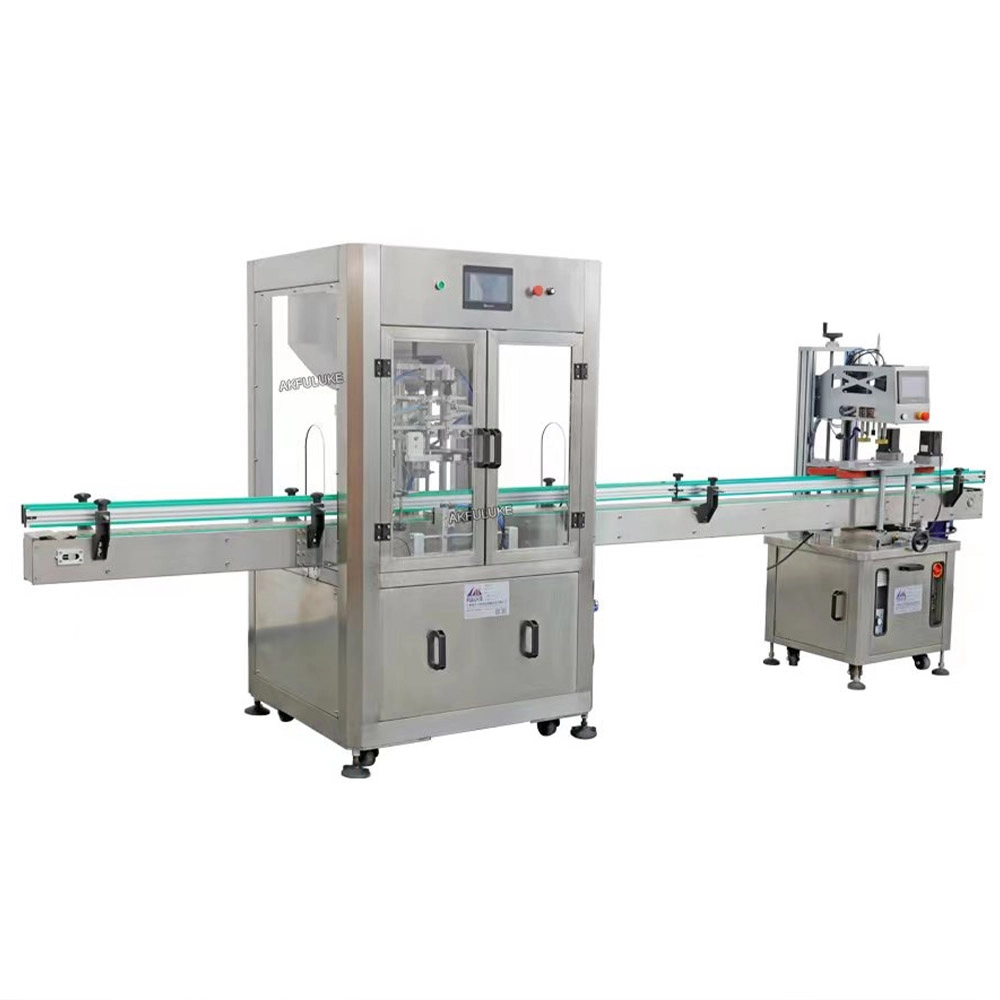
Automatic Filling Machine Quantitative Liquid Bottle Filling Machine High-precision cream and lotion filling machine
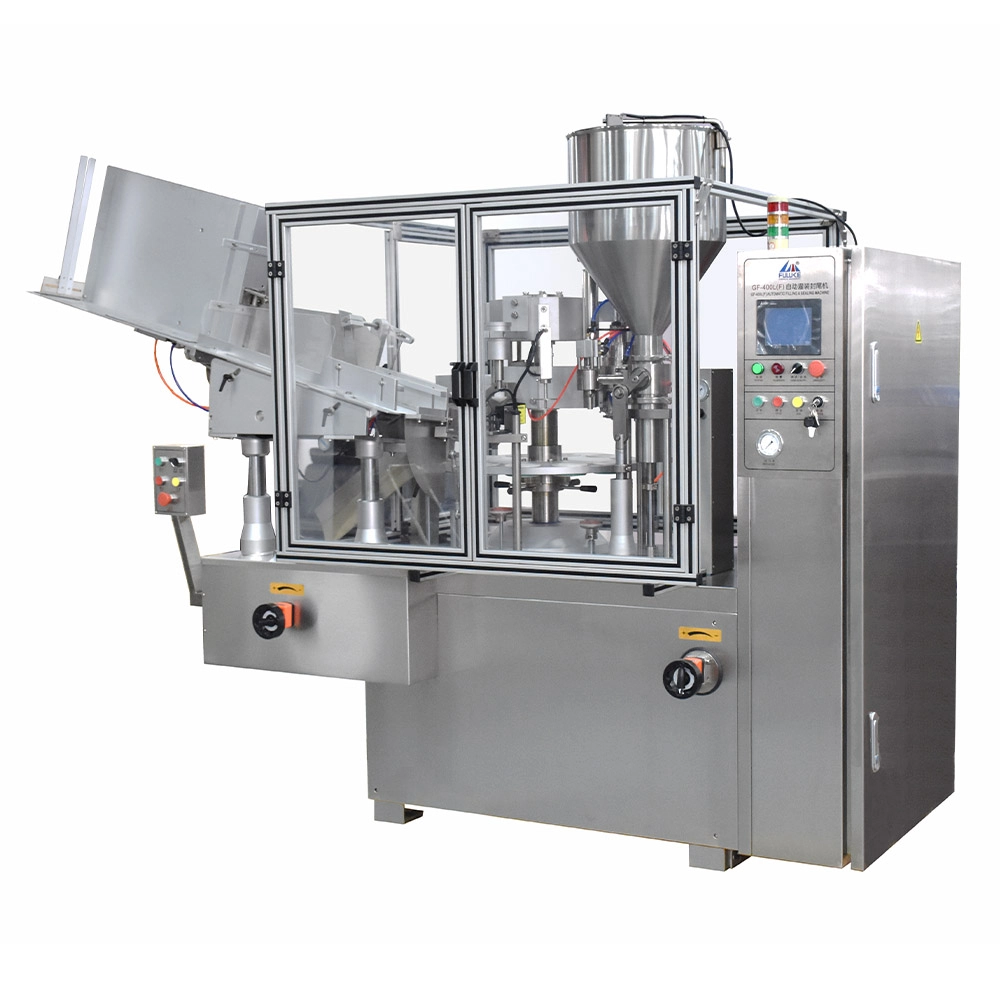
Automatic Tube Filling and Sealing Machine Toothpaste Sunscreen and Facial Cleanser Filling and Sealing Machine for Plastic and Aluminum-plastic Tube
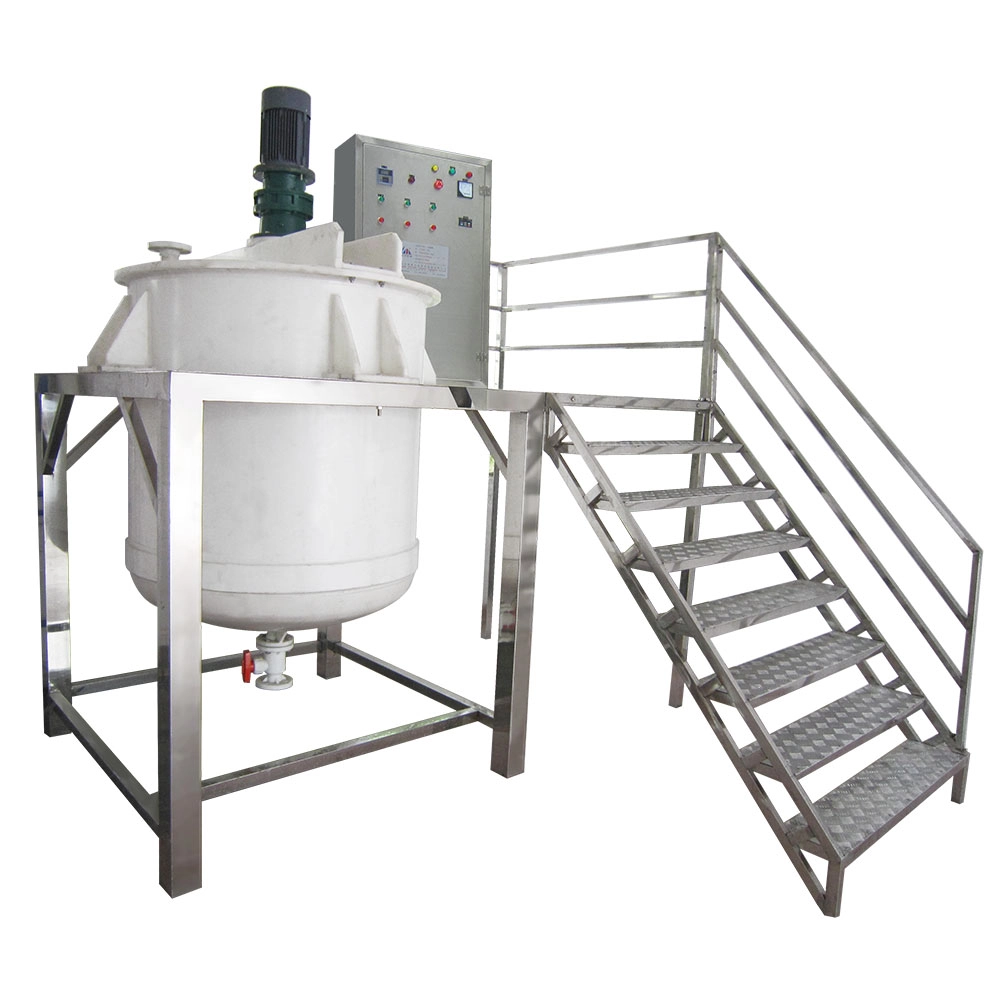
Polypropylene PP Mixing Tank Anti-Corrosion Mixer Reaction Kettle with Agitator Chemical Mixing Vessel
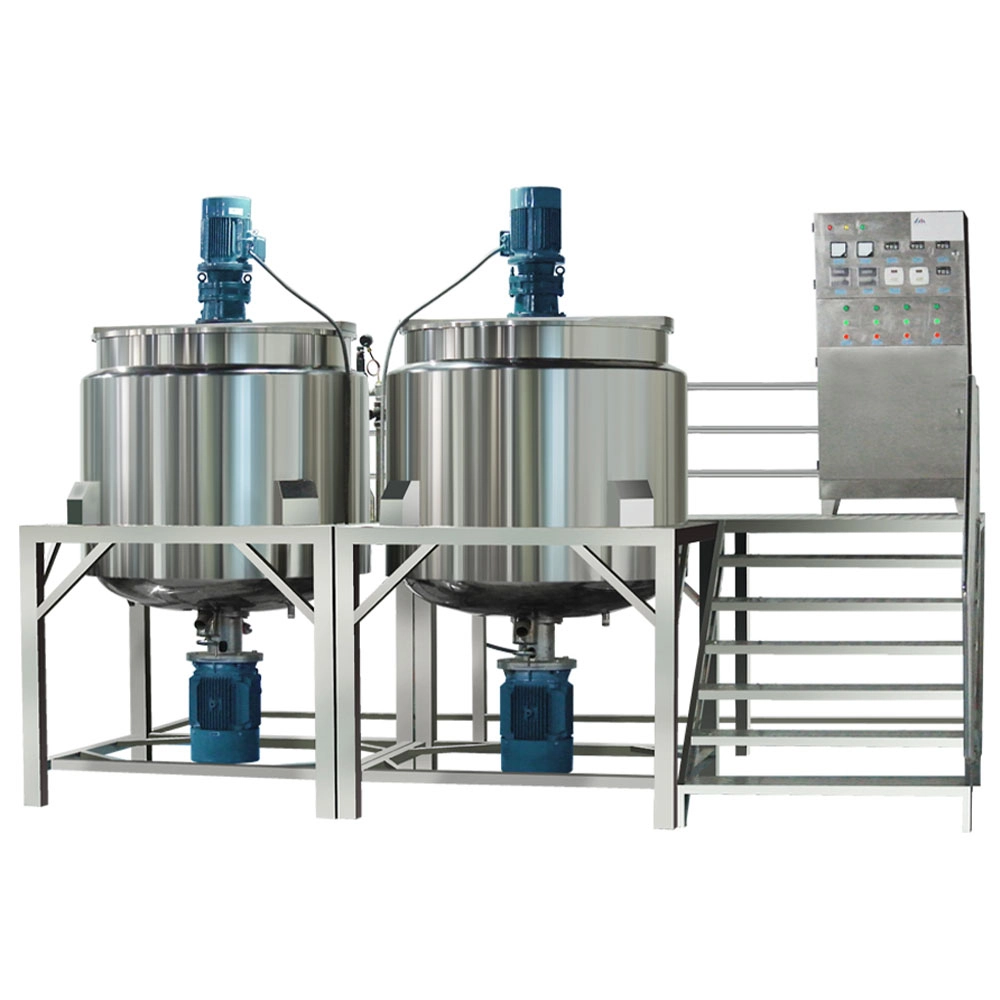
Flip Cover Multi-function Liquid Wash Mixing Tank Blender Liquid Detergent Mixer Homogenization Stirring Tank
Get in touch with FULUKE
If you have any comments or good suggestions, please leave us a message, later our professional staff will contact you as soon as possible.

A leading manufacturer specializing in advanced machinery and complete production lines for the cosmetics, food, pharmaceutical, and chemical industries worldwide.
Contact FULUKE
Facebook
Instagram
YouTube