
Troubleshooting Common Issues in Liquid Filling Equipment
- Identifying and Solving Filling Accuracy Problems
- Symptoms: Underfill, Overfill, and Volume Variation
- Common Causes and Diagnostic Steps
- Remedies and Best Practices
- Addressing Leakage, Dripping, and Product Waste
- Where Leakage Occurs
- Root Causes and How to Inspect
- Fixes and Design Considerations
- Mechanical and Conveyor Issues That Cause Downtime
- Conveyor Misalignment and Bottle Jams
- Diagnostics and Quick Fixes
- Preventive Measures
- Electrical, Control, and HMI Errors
- PLC, HMI, and Sensor Faults
- Troubleshooting Steps for Control Issues
- Best Practices for Control Reliability
- Product Compatibility and Material Handling Concerns
- Viscosity, Shear Sensitivity, and Foam
- Selecting the Right Pump and Nozzle
- Cleaning and CIP Considerations
- Case Study Table: Common Issues, Causes, and Fixes
- Regulatory and Quality Considerations
- GMP Compliance and Documentation
- Material Traceability and Cleanability
- Why Choose the Automatic Filling Machine Quantitative Liquid Bottle Filling Machine High-precision cream and lotion filling machine
- Brand Advantages and Practical Benefits
- Field-Proven Reliability
- Maintenance Schedule and Troubleshooting Checklist
- Daily
- Weekly
- Monthly
- Frequently Asked Questions (FAQ)
- Q: What is the fastest way to correct inconsistent fills?
- Q: How often should I replace seals and O-rings?
- Q: Can the machine handle both creams and thin lotions without hardware changes?
- Q: What records are recommended for GMP compliance?
- Q: Where can I find technical documentation for troubleshooting PLC/HMI errors?
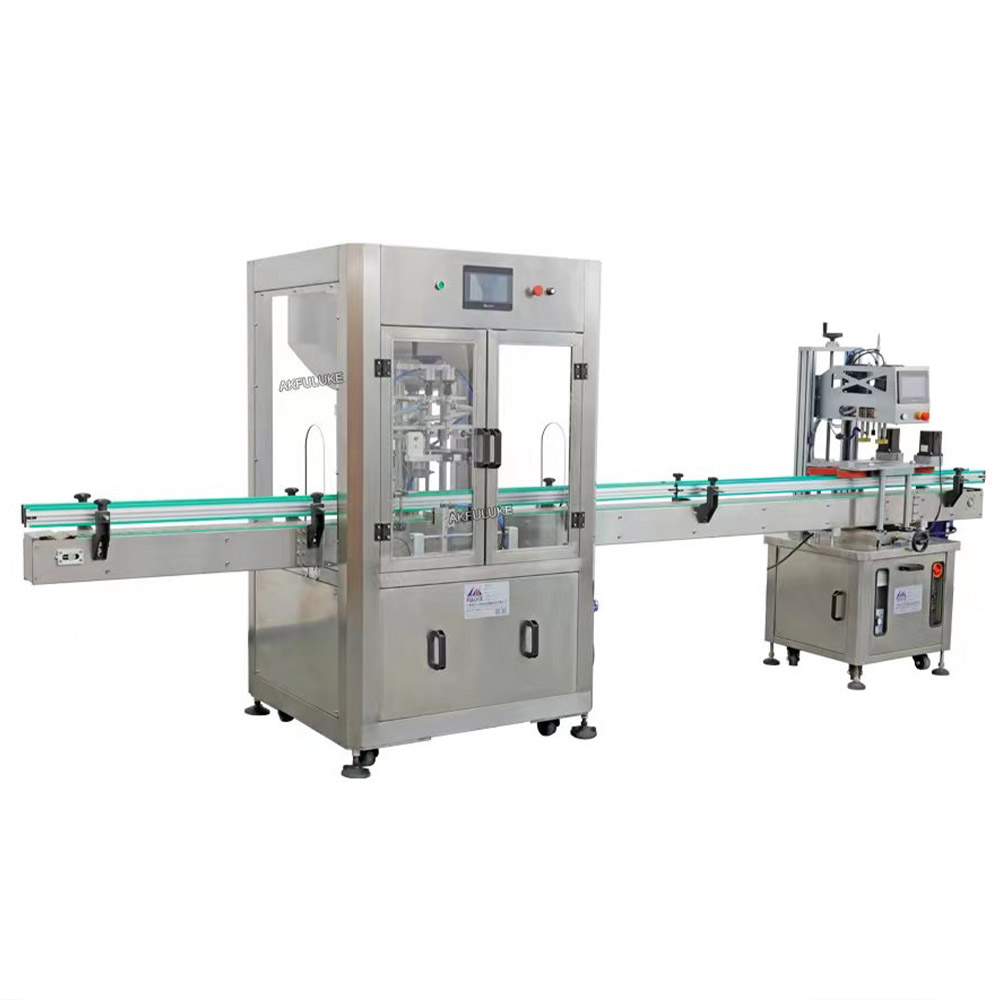
Reliable operation of a liquid filling machine is critical for cosmetics, pharmaceuticals, food, and daily chemical manufacturers. This guide helps technicians, production managers, and quality engineers quickly diagnose root causes and implement fixes for common faults — from inconsistent fill volumes and leakage to electrical errors and product contamination. It also explains preventative maintenance and how using a high-quality automated solution, such as the Automatic Filling Machine Quantitative Liquid Bottle Filling Machine High-precision cream and lotion filling machine, reduces downtime and ensures compliance with GMP principles.
Identifying and Solving Filling Accuracy Problems
Symptoms: Underfill, Overfill, and Volume Variation
Variation in fill weight or volume is one of the most frequent complaints. Symptoms include bottles repeatedly below the target fill, occasional overfills, or fluctuating fills across the same production run. These issues reduce yield, increase rework, and can violate labeling claims.
Common Causes and Diagnostic Steps
Investigate in the following order to find the root cause efficiently:
- Calibration drift: Check the machine's calibration settings and verify the volumetric or gravimetric calibration with certified test weights or a calibrated volumetric cylinder.
- Air in pump or lines: For piston or peristaltic systems, trapped air changes displacement per stroke. Prime lines and check for leaks at hose clamps or fittings.
- Viscosity changes: Temperature shifts or batch variability can change viscosity, affecting fill time and volume. Record product temperature and compare with process limits.
- Worn pump seals or plungers: Mechanical wear reduces delivered volume. Inspect pump components for scoring or leaks.
- Inconsistent container positioning: Misaligned bottles lead to partial fills or splashing. Verify star wheel and conveyor indexing accuracy.
Remedies and Best Practices
Implement the following corrective actions:
- Recalibrate regularly and after any maintenance that affects flow path. Use the touchscreen interface on modern liquid filling machines to adjust parameters quickly.
- Install in-line deaeration or degassing for foaming products and ensure suction lines are airtight.
- Control product temperature in the feed tank and specify viscosity acceptance criteria with production teams.
- Replace worn pump components as part of preventive maintenance rather than waiting for failure.
Addressing Leakage, Dripping, and Product Waste
Where Leakage Occurs
Leakage can occur at nozzles, pump seals, tubing connections, or the transition between filler and container. Drips after fill completion create contamination risks and production losses.
Root Causes and How to Inspect
Common root causes include worn nozzle valves, incorrect nozzle immersion depth, damaged O-rings, clogged vent lines causing backpressure, and improper cycle timing that leaves valves partially open.
Fixes and Design Considerations
To eliminate leaks:
- Use anti-drip nozzle designs or timed cut-off valves. The Automatic Filling Machine Quantitative Liquid Bottle Filling Machine High-precision cream and lotion filling machine supports precise valve control to minimize drips.
- Replace O-rings and seals with food-/pharma-grade materials and keep spare parts on-hand.
- Adjust nozzle immersion and dwell times via the touchscreen to match container height and product behavior.
- Implement catch trays and automated nozzle blow-back cycles to clear residual product between fills.
Mechanical and Conveyor Issues That Cause Downtime
Conveyor Misalignment and Bottle Jams
Misfeeds, jams, and dropped containers are frequent mechanical complaints that stop production and require manual clearing — increasing contamination risk, especially for open cosmetics containers.
Diagnostics and Quick Fixes
Walk the line with the machine stopped and inspect the following:
- Guides and rails for wear or foreign objects. Small debris or hardened product can alter bottle spacing.
- Conveyor belt tension and motor current. A slipping belt reduces indexing precision.
- Sensor alignment. Photoelectric sensors for star wheels or infeed guides can be misaligned or contaminated with product residue.
Preventive Measures
Prevent jams with routine tasks:
- Create a shift-based checklist for conveyor cleaning and sensor validation.
- Use modular guides adjustable for different bottle sizes to reduce changeover time and misalignment risk.
- Monitor motor currents and vibration to detect early signs of bearing or gearbox wear.
Electrical, Control, and HMI Errors
PLC, HMI, and Sensor Faults
Modern liquid filling machines rely on PLC logic, HMI touchscreens, and multiple sensors. Faulty wiring, software faults, and improper parameter entry are common causes of stoppages or erratic behavior.
Troubleshooting Steps for Control Issues
Follow a systematic approach:
- Check error logs via the touchscreen and PLC status indicators. Many systems log fault codes that point to the failed module or sensor.
- Verify all cable connections and examine for wear or rodent damage in conduit runs.
- Perform sensor bump tests. Temporarily simulate the sensor signal (if safe) to confirm PLC logic is correct.
- Confirm firmware and software versions match validated releases for regulated environments.
Best Practices for Control Reliability
To reduce control-related downtime:
- Keep spare PLC modules, power supplies, and HMI panels on-site where critical production depends on single machines.
- Document validated parameter sets for each SKU and use recipe management to avoid incorrect entries during changeover.
- Implement UPS backup for control cabinets to allow safe shutdown during power disturbances.
Product Compatibility and Material Handling Concerns
Viscosity, Shear Sensitivity, and Foam
Not all liquids behave the same. Creams, lotions, emulsions, and pastes each have distinct handling requirements. Incorrect pump design or nozzle choice can shear emulsions, introduce air, or cause foaming.
Selecting the Right Pump and Nozzle
Match pump type to product rheology:
- Peristaltic pumps are good for shear-sensitive or corrosive fluids but can have pulsation and limited pressure capability.
- Piston or volumetric pumps offer precision for high-viscosity creams and lotions.
- Progressive cavity pumps handle abrasive or high-solid products but require robust cleaning strategies.
Cleaning and CIP Considerations
Residue buildup affects hygiene and accuracy. For multi-product facilities, designing for clean-in-place (CIP) or quick-change parts reduces contamination risk and downtime. The machine's 316L/304 stainless steel contact parts support GMP-compliant cleaning; learn more about stainless steel properties at the Wikipedia stainless steel page: https://en.wikipedia.org/wiki/Stainless_steel.
Case Study Table: Common Issues, Causes, and Fixes
| Issue | Likely Cause | Immediate Fix | Preventive Action |
|---|---|---|---|
| Inconsistent fill volumes | Air in pump, worn seals, variable viscosity | Prime lines, recalibrate, replace seals | Scheduled calibrations, temperature control |
| Nozzle dripping | Valve timing, worn valve seat, incorrect nozzle | Adjust dwell/cutoff time, clean/replace nozzle | Anti-drip nozzles, timed blow-back |
| Bottle jams | Guide wear, sensor misalignment, debris | Clear jam, realign sensors, clean line | Routine cleaning, guide inspections |
| PLC fault codes | Power spikes, failed module, wiring issue | Check power, replace module, repair wiring | UPS, spare modules, documented procedures |
Regulatory and Quality Considerations
GMP Compliance and Documentation
Filling equipment in cosmetics and pharmaceutical environments must conform to Good Manufacturing Practices. Use documented validation, calibration, and maintenance records in line with GMP guidance such as that provided by the World Health Organization: WHO GMP guidance. Proper documentation supports product safety and regulatory audits.
Material Traceability and Cleanability
316L and 304 stainless steel are industry standards for contact parts because they resist corrosion and are cleanable; see stainless steel properties at Wikipedia. Ensure all seals and tubing are certified for cosmetic or pharmaceutical contact and retain certificates of compliance.
Why Choose the Automatic Filling Machine Quantitative Liquid Bottle Filling Machine High-precision cream and lotion filling machine
The automatic filling machine integrates automated conveying, precision filling, and intelligent control for packaging creams, lotions, and liquids. Suitable for a variety of containers, including glass and PET bottles, it can fill liquids, emulsions, and pastes with high precision.
Constructed with 316L/304 stainless steel contact components and compliant with GMP standards, it features a touchscreen interface for quick parameter adjustment and completes the entire process without manual intervention. Widely used in the cosmetics, food, daily chemical, pharmaceutical, and chemical industries, it helps companies reduce costs, increase efficiency, and ensure product standardization.
Brand Advantages and Practical Benefits
- High-precision metering reduces giveaway and improves margin control.
- Touchscreen recipe management speeds SKU changeovers and reduces operator error.
- GMP-focused construction materials and hygienic design simplify cleaning and validation for regulated industries.
- Modular design supports multiple pump and nozzle options for compatibility with a broad range of viscosities and product types.
Field-Proven Reliability
Users report lower mean time to repair (MTTR) because of accessible components and standardized spare parts. Keeping an inventory of wear items (O-rings, valves, seals) at the site is recommended to restore production quickly in case of failure.
Maintenance Schedule and Troubleshooting Checklist
Daily
- Inspect nozzles and wipe clean to avoid clogging.
- Check conveyor for debris and confirm sensor operation.
- Verify product temperature and level in feed tank.
Weekly
- Run calibration check samples and log results.
- Inspect pump seals for early wear signs and check tubing clamps.
- Back up PLC/HMI recipes and controller logs.
Monthly
- Perform belt tension checks, motor current reviews, and vibration inspections.
- Review maintenance records and update parts replacement forecasts.
- Conduct a full line clean and inspect all contact surfaces for corrosion or pitting.
Frequently Asked Questions (FAQ)
Q: What is the fastest way to correct inconsistent fills?
A: Start with a calibration check and then prime the pump lines to remove air. If variance persists, check pump wear and viscosity changes. Use recipe recall on the HMI to revert to validated parameters.
Q: How often should I replace seals and O-rings?
A: Replacement intervals depend on product chemistry and usage, but a preventive schedule every 3–6 months is common for high-use lines. Inspect seals during weekly checks and replace if any deformation or swelling is observed.
Q: Can the machine handle both creams and thin lotions without hardware changes?
A: The machine is designed for versatility, but best practice is to switch pumps or nozzles optimized for the viscosity range. Use recipe management to store correct parameters for each SKU and perform clean-down between incompatible products.
Q: What records are recommended for GMP compliance?
A: Maintain calibration logs, maintenance records, cleaning and CIP logs, production batch records, and deviation reports. These support traceability and audit readiness.
Q: Where can I find technical documentation for troubleshooting PLC/HMI errors?
A: Start with the machine's technical manual and error code appendix. Keep the supplier's support contact available for firmware-specific faults. For general understanding of filling machinery, consult the Wikipedia filling machine overview: https://en.wikipedia.org/wiki/Filling_machine.
If you need assistance diagnosing a persistent fault, our technical team can help: support@example.com. To view detailed specifications and request a quote, visit our product page: Automatic Filling Machine Quantitative Liquid Bottle Filling Machine.
Contact us for a preventive maintenance plan tailored to your production volumes and product types, or to schedule an on-site inspection. Quick, practical troubleshooting and preventive care will keep your liquid filling machine running efficiently and in compliance with industry standards.
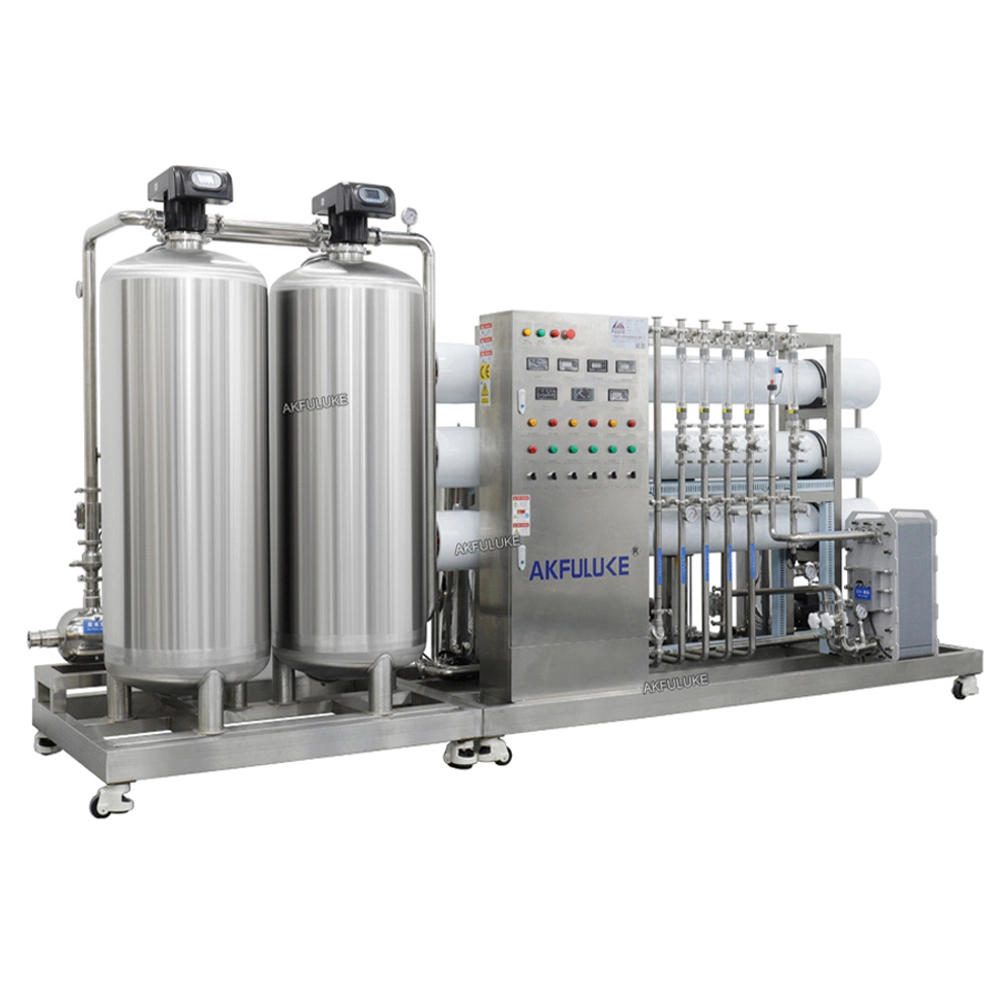
Supplier Evaluation: Warranties, Service, and Spare Parts Support
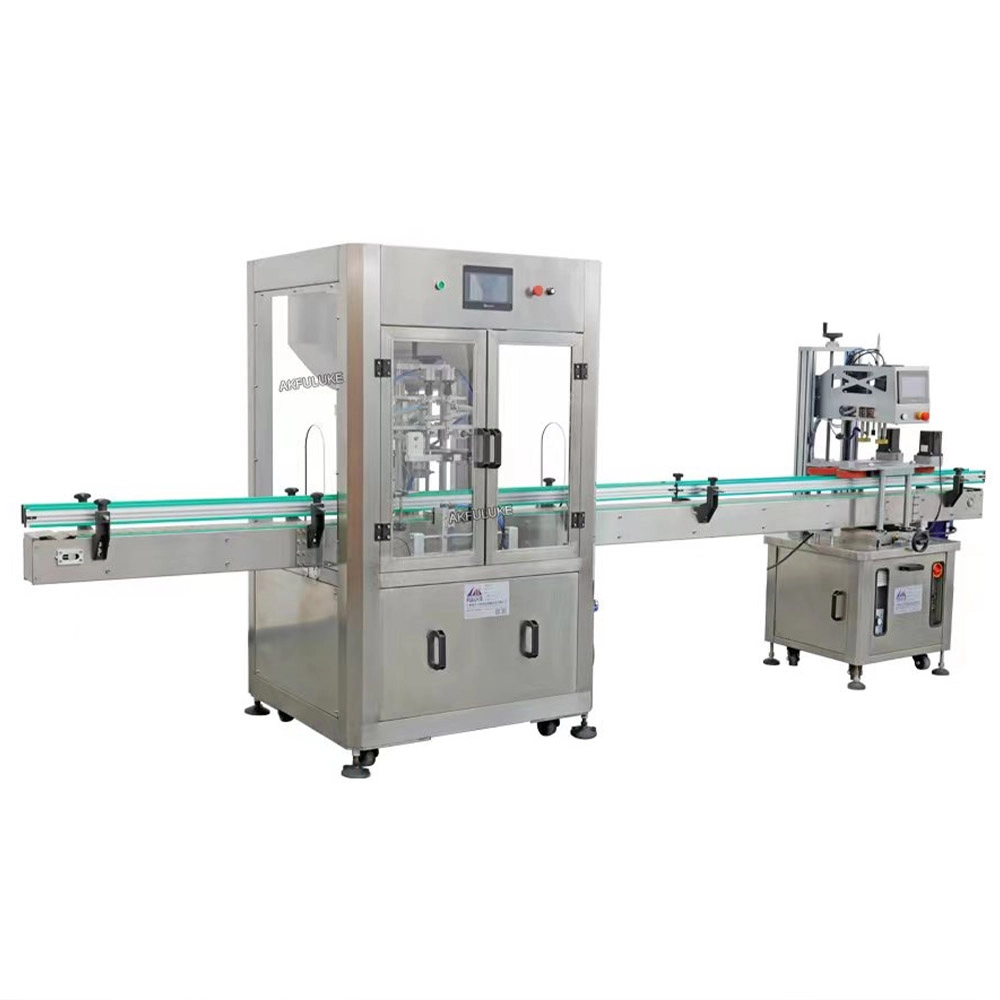
Choosing Conveyor and Starwheel Systems for Bottle Handling
Top 10 filling capping machine Manufacturers and Supplier Brands in 2026
Top 10 perfume making equipment Manufacturers and Supplier Brands
RO Water Treatment
What can you buy from us?
RO Water Treatment、Vacuum Emulsifying Machine、Homogenizer Mixing Tank、Filling and Capping、labeling Machine、Packing Machine、Storage Tank,etc.
Who are we?
Our headquarters is located in Guangzhou, Guangdong, China, and our factory is located in Yangzhou, Jiangsu. Our products are sold all over the world. We have approximately 50 employees in our company and factory.
Automatic Capping Machine
Who are we?
Our headquarters is located in Guangzhou, Guangdong, China, and our factory is located in Yangzhou, Jiangsu. Our products are sold all over the world. We have approximately 50 employees in our company and factory.
Film Packaging Machine
This device suddenly shuts down and displays "Abnormal Heat Seal Temperature." What should I do?
First, check the heat seal blade heater for damage. Next, check whether the temperature sensor is in poor contact or malfunctioning. If the hardware is normal, the temperature control module parameters may be abnormal. Restart the device and reset the heat seal temperature (refer to the film material's suitable temperature: BOPP film is typically 120-160°C). If the abnormality persists, contact after-sales service to inspect the temperature control system.
Vacuum Emulsifying Machine
How does the vacuum homogenizer work?
The vacuum homogenizer's operating process revolves around four core steps: vacuum degassing, high-speed homogenization and emulsification, stirring and mixing, and temperature control. Through the coordinated operation of multiple systems, it achieves refined material processing. The following is its specific operating principle and process:
1. Pretreatment: Material feeding and vacuum environment establishment
Material preparation: First, add the basic materials, such as the oil phase (such as oils and waxes) and the aqueous phase (such as water and water-soluble ingredients), to their corresponding batching tanks or directly into the main emulsifier in sequence.
Evacuation: Activate the vacuum system (consisting of a vacuum pump, vacuum valve, etc.) to evacuate the interior of the emulsifier, creating a negative pressure environment (typically up to -0.09 MPa).
2. Core Process: Temperature Control (Heating/Cooling)
3. Core Process: Agitation and Mixing
Agitation Structure: Typically uses a "frame agitator + scraper" combination (for high-viscosity materials):
Through shearing, folding, and convection, the different materials are initially mixed and their stratification is broken down.
The PTFE scraper rotates closely against the pot wall, thoroughly scraping away any sticky material adhering to the pot wall, preventing localized overheating and residue, and ensuring zero dead zones.
4. Core Process: High-Speed Homogenization and Emulsification
Homogenizer Structure: A high-speed rotating homogenizer is installed at the bottom (or side) of the emulsifier, consisting of a rotor (with sharp teeth) and a stator (with fixed teeth). Working Principle: The rotor rotates at an extremely high speed, generating a strong centrifugal force that draws the material into the gap between the rotor and the stator. In this gap, the material is subjected to the triple effects of shear force, impact force, and turbulent force. The teeth of the rotor and stator quickly cut the material and generate high-frequency vibrations.
You May Also Like
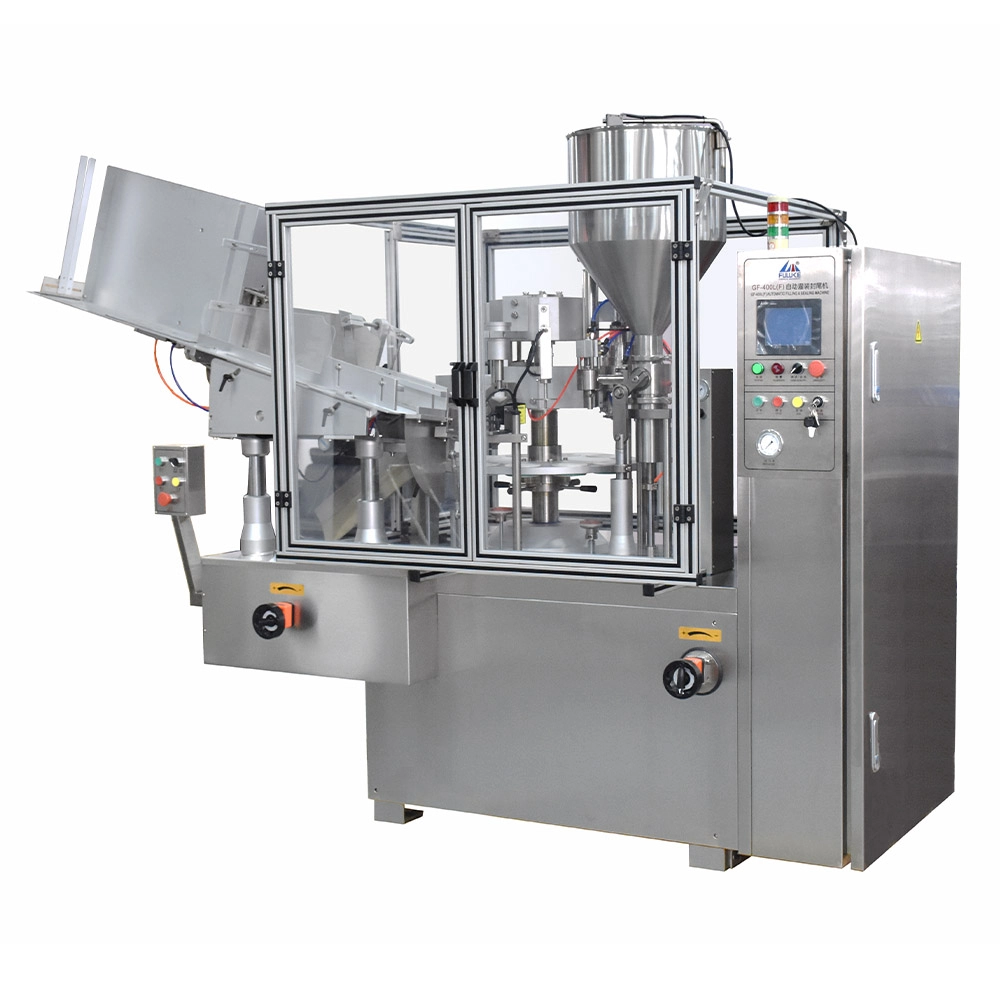
Automatic Tube Filling and Sealing Machine Toothpaste Sunscreen and Facial Cleanser Filling and Sealing Machine for Plastic and Aluminum-plastic Tube
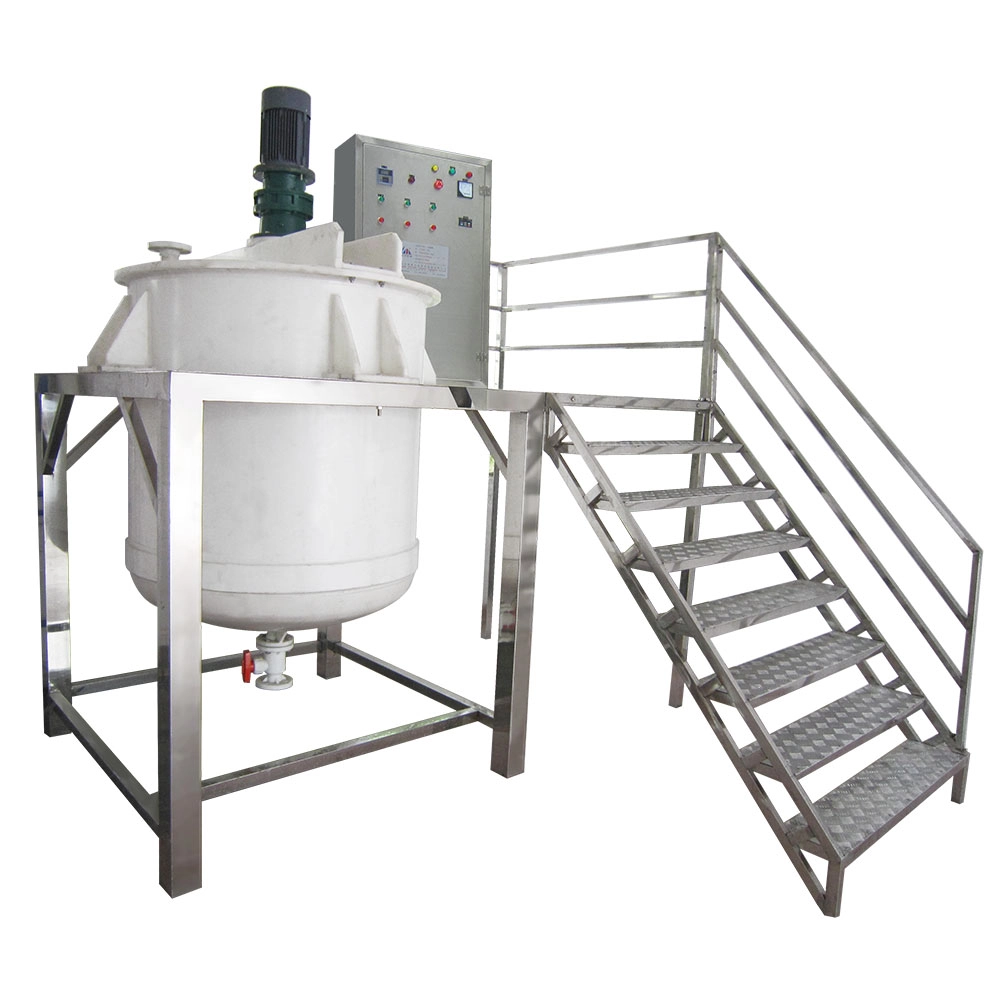
Polypropylene PP Mixing Tank Anti-Corrosion Mixer Reaction Kettle with Agitator Chemical Mixing Vessel
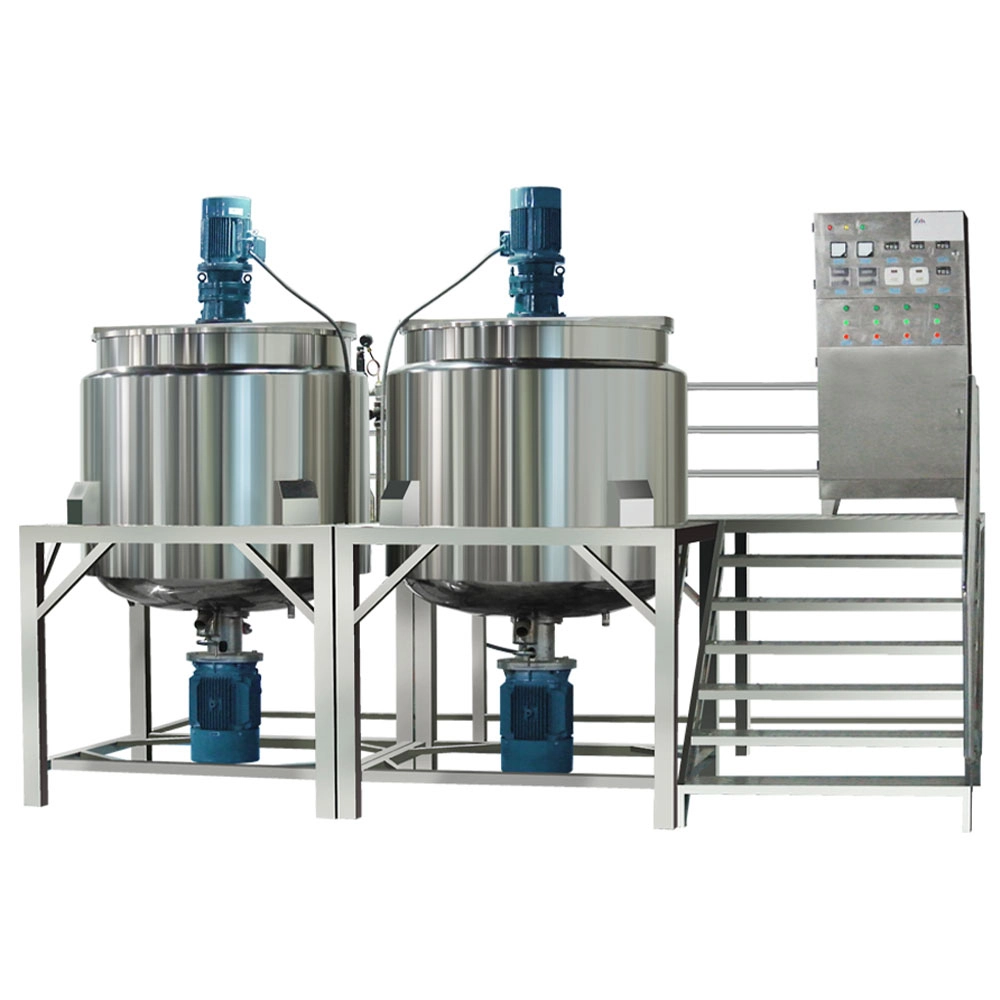
Flip Cover Multi-function Liquid Wash Mixing Tank Blender Liquid Detergent Mixer Homogenization Stirring Tank
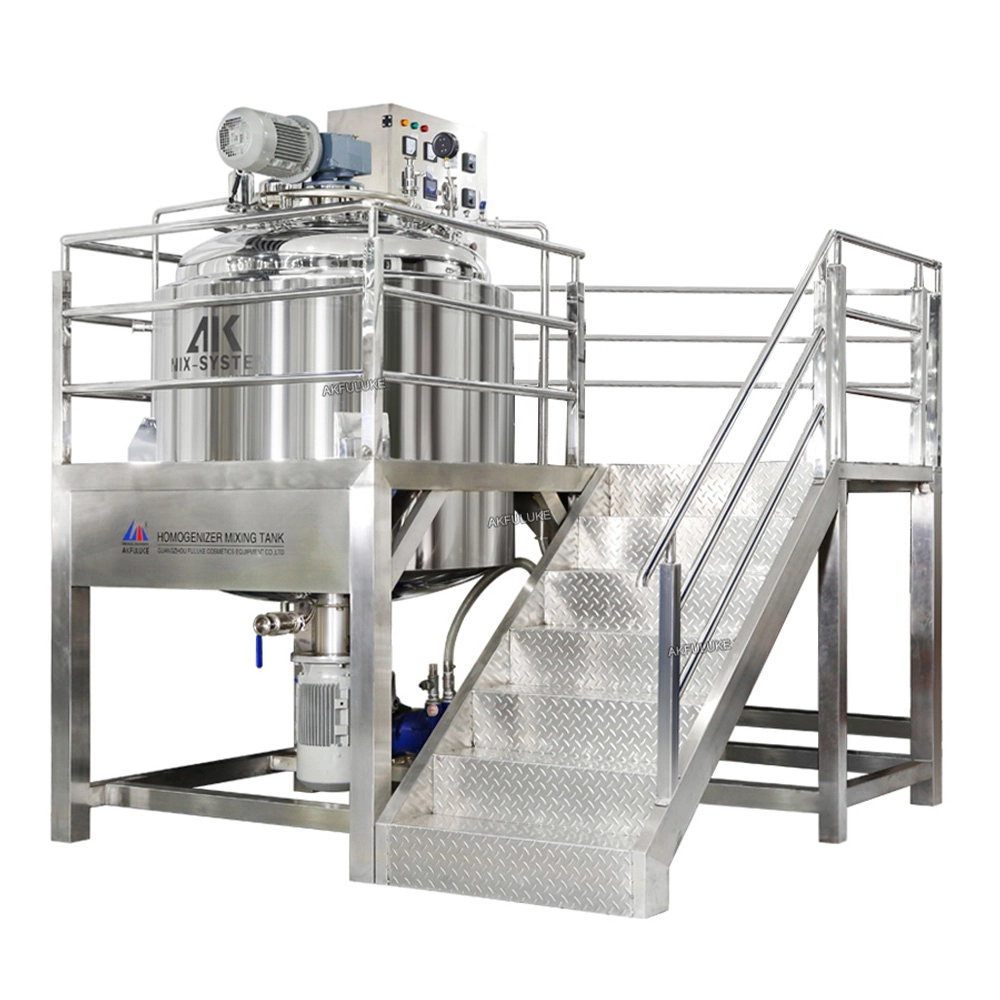
Stainless Steel Mixer Liquid Mixing tank with Agitator Homogenizing Mixing tank Vacuum Sealed Mixer Machine
Get in touch with FULUKE
If you have any comments or good suggestions, please leave us a message, later our professional staff will contact you as soon as possible.

A leading manufacturer specializing in advanced machinery and complete production lines for the cosmetics, food, pharmaceutical, and chemical industries worldwide.
Contact FULUKE
Facebook
Instagram
YouTube