
Troubleshooting Common Issues with Liquid Filling Machines
- Root-Cause Diagnostics: Where to Start
- Initial Safety and Inspection Checklist
- Use a Systematic Diagnostic Flow
- Key Measurement Tools and Methods
- Common Mechanical Problems and Practical Fixes
- Nozzle Clogging and Dripping
- Inconsistent Fill Volumes
- Conveyor and Container Handling Faults
- Electrical, Control, and Process-Level Troubleshooting
- PLC, HMI and Communication Errors
- Calibration Drift and Fill Accuracy
- Product Viscosity and Temperature Effects
- Advanced Repairs, Spare Parts, and Maintenance Strategy
- When to Escalate to Component Replacement
- Planned Preventive Maintenance (PPM) and Documentation
- Cleaning, Sanitization and Product Changeover
- Selecting the Right Equipment and Brand Advantages
- Machine Selection: Matching Technology to Product
- Brand Advantages: Why Choose Our Automatic Filling Machine
- Integration and After-Sales Support
- Frequently Asked Questions (FAQ)
- Q: What is the fastest way to verify a filling machine's accuracy?
- Q: How often should nozzles and seals be replaced?
- Q: Can filling issues caused by viscosity be solved without changing the machine?
- Q: Where can I find regulatory guidance for sanitation and GMP?
- Q: What preventive steps minimize downtime for cosmetic filling lines?
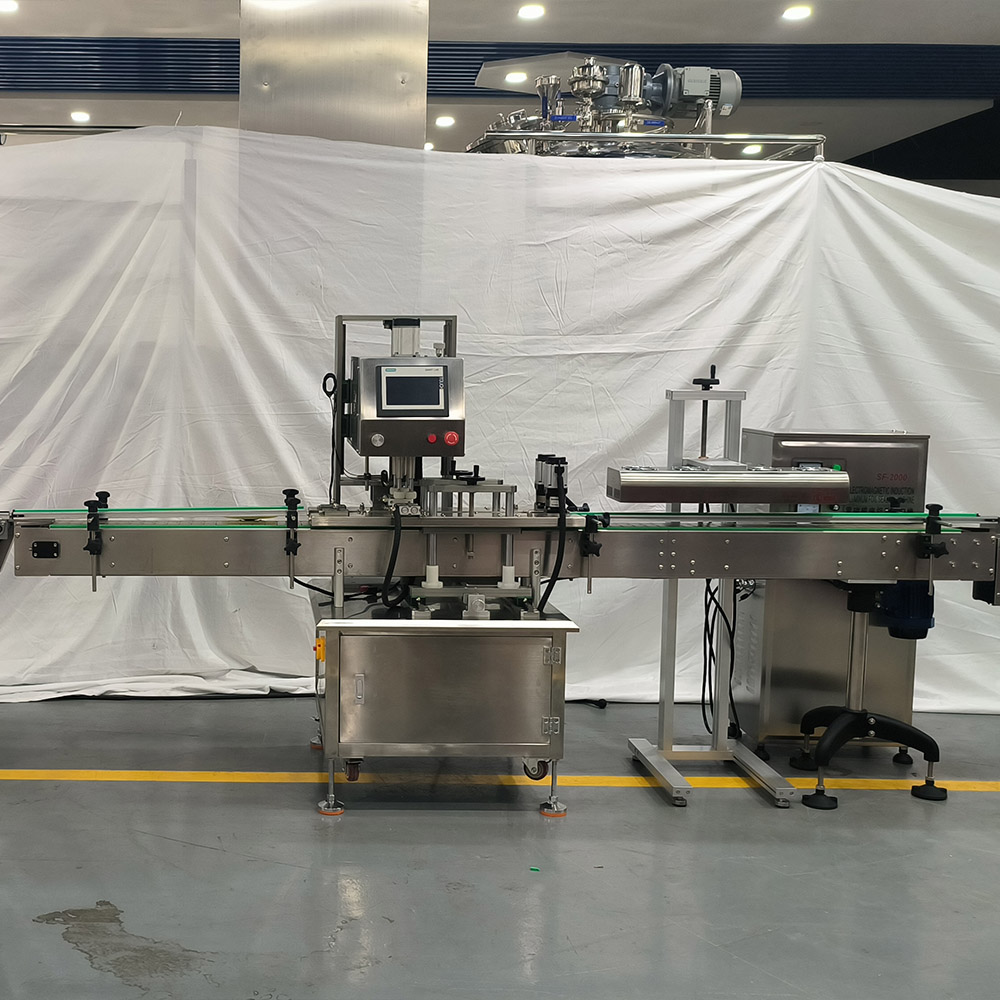
Efficient operation of a liquid filling machine is critical for cosmetics manufacturers who must meet strict quality, hygiene, and throughput targets. This guide provides concise, actionable troubleshooting steps for common mechanical, electrical, and process issues found on automated filling lines — from nozzle clogging and inconsistent fill volumes to PLC errors and conveyor misfeeds. Designed for production engineers, maintenance technicians, and quality managers, the content emphasizes safe diagnostics, measurement-based calibration, and preventive maintenance for high-precision cream and lotion filling machines used in GMP-compliant facilities. Many filling problems stem from dispensing accuracy, which is why exploring customizable nozzle options for precise liquid filling can significantly improve consistency and reduce product waste.
Root-Cause Diagnostics: Where to Start
Initial Safety and Inspection Checklist
Before troubleshooting, follow a safety-first routine: power down or isolate the filling machine according to lockout/tagout procedures; wear appropriate PPE; and consult the machine manual. Visually inspect the filling line for obvious signs: leaks, product buildup, misplaced guards, damaged hoses, or loose electrical connections. Keep a checklist and photograph anomalies to support a root-cause audit trail.
Use a Systematic Diagnostic Flow
Approach problems methodically. Start with the process boundaries: is the product supply adequate? Are environmental conditions (temperature, humidity) within specified ranges for creams and lotions? Then check mechanical subsystems (conveyor, pumps, nozzles), sensors and control systems (PLC, touchscreen), and finally packaging interactions (bottle positioning, capping). Document each test and measurement to avoid chasing intermittent faults.
Key Measurement Tools and Methods
Effective troubleshooting depends on the right tools: calibrated scales for fill verification, a tachometer for motor speeds, a pressure gauge for pumps, and a multimeter for electrical checks. For fill-accuracy checks use the gravimetric method (weighing filled bottles) and calculate mean fill and standard deviation to confirm whether the machine meets target tolerance (high-precision machines commonly achieve ±0.5–1% depending on viscosity and container variability).
Common Mechanical Problems and Practical Fixes
Nozzle Clogging and Dripping
Nozzle issues are frequent with viscous creams or lotions. Symptoms: intermittent low fills, stringing, or post-fill dripping. Causes include dried product at the tip, inadequate nozzle diameter for viscosity, or poor product recirculation. Remedies:
- Perform routine nozzle cleaning using appropriate solvents or cleaning-in-place (CIP) cycles. For petroleumbased or oil-rich creams, use compatible solvents; for water-based lotions, warm water and mild detergent can help.
- Install anti-drip valves or vacuum break systems at the nozzle if dripping persists.
- Increase nozzle diameter or change nozzle geometry when product shear or particulates cause blockage.
Inconsistent Fill Volumes
Variable fills often result from air entrainment, worn pump components, or container mispositioning. Troubleshooting steps:
- Confirm supply tank level and make sure suction lines are free of leaks or air pockets.
- Inspect piston seals, diaphragm conditions, or peristaltic tubing for wear; replace per the maintenance schedule.
- Verify servo and stepper motor commands through the HMI and check for encoder feedback errors on servo-driven fillers.
- Run a batch of 20–30 samples and compute fill statistics; if variability exceeds spec, isolate mechanical sources (pump, valves) and sensor accuracy.
Conveyor and Container Handling Faults
Misfeeds, tipping bottles, or jams can cause downtime and inaccurate fills. Common fixes include:
- Adjust infeed guides and star wheels to match bottle dimensions; regulate conveyor speed to maintain synchronization with filling cycles.
- Check and replace worn belts, guide rails, and pneumatic actuators.
- Ensure photoelectric sensors are clean, properly aligned, and correctly configured for the container’s material (glass vs PET can reflect light differently).
Electrical, Control, and Process-Level Troubleshooting
PLC, HMI and Communication Errors
When the touchscreen interface displays faults or the PLC reports I/O errors, follow these steps:
- Review error codes on the HMI and consult the machine manual for specific fault trees.
- Check power supplies and fuses. Ensure stable voltage to control cabinets and confirm proper grounding.
- Validate communication links between PLC, servo drives, and HMI; look for loose connectors, transformer issues, or noisy environments that can cause intermittent errors.
- When in doubt, capture fault logs (many modern liquid filling machines offer event logs) and contact the OEM technical support with the logs.
Calibration Drift and Fill Accuracy
Over time, calibration can drift due to mechanical wear or changes in product properties. Best practices:
- Establish a regular calibration schedule using gravimetric tests and adjust filler parameters (stroke length for piston fillers, pump timing for time-pressure systems) to match target volumes.
- Document calibration adjustments and maintain traceability for GMP audits; WHO and FDA guidance on Good Manufacturing Practice underscore the importance of calibration records (Wikipedia: Good manufacturing practice, FDA: Drug manufacturing).
Product Viscosity and Temperature Effects
Creams and lotions often change viscosity with temperature, affecting pump flow and fill accuracy. Troubleshooting tips:
- Control product temperature in the supply tank with jacketed vessels or inline heaters to keep viscosity within the machine’s operating range.
- For highly thixotropic or shear-sensitive formulations, use fillers designed for pastes/emulsions (piston or gear pumps) rather than simple gravity or time-pressure systems.
Advanced Repairs, Spare Parts, and Maintenance Strategy
When to Escalate to Component Replacement
Replace components when preventive maintenance checks show wear beyond tolerance or when troubleshooting identifies irreparable damage. Typical parts to stock as spares include peristaltic tubing, piston seals, nozzle assemblies, proximity sensors, and drive belts. Keep a prioritized parts list and mean time to repair (MTTR) goals to minimize downtime.
Planned Preventive Maintenance (PPM) and Documentation
A well-structured PPM program reduces failures and supports regulatory compliance. Key elements:
- Daily: visual checks, sanitation cycles, sensor wipes.
- Weekly: belt tension, pump leak checks, nozzle inspection.
- Monthly/Quarterly: calibration checks, motor bearing lubrication, PLC backups.
Maintain maintenance logs and change histories to demonstrate compliance during audits. Industry guidance on hygienic design and GMP practices is useful; see WHO GMP resources for context (WHO: GMP).
Cleaning, Sanitization and Product Changeover
Rapid and reliable changeovers are crucial when moving between product colors, scents, or formulations. Implement standardized SOPs for rinsing, CIP, and drying. For cosmetic products, avoid cross-contamination by validating changeover procedures and keeping a swab test log where applicable.
Selecting the Right Equipment and Brand Advantages
Machine Selection: Matching Technology to Product
Choosing the correct filling technology reduces troubleshooting frequency. The following table summarizes common filler types and their suitability for creams, lotions, and liquids:
| Filler Type | Best For | Pros | Cons |
|---|---|---|---|
| Piston Filler | Thick creams, lotions, emulsions | High accuracy, good for viscous products | More moving parts, requires seal maintenance |
| Peristaltic Pump | Shear-sensitive liquids, small runs | Gentle, easy to clean, minimal contamination risk | Tubing wear; limited for particulate-laden products |
| Time-Pressure / Gravity | Low-viscosity liquids | Simple, low cost | Poor performance with viscous creams |
| Gear / Rotary Pumps | Medium viscosity, continuous flow | Durable, stable flow | May shear sensitive formulations |
Brand Advantages: Why Choose Our Automatic Filling Machine
The Automatic Filling Machine Quantitative Liquid Bottle Filling Machine High-precision cream and lotion filling machine integrates automated conveying, precision filling, and intelligent control for packaging creams, lotions, and liquids. Suitable for a variety of containers, including glass and PET bottles, it can fill liquids, emulsions, and pastes with high precision.
Constructed with 316L/304 stainless steel contact components and compliant with GMP standards, it features a touchscreen interface for quick parameter adjustment and completes the entire process without manual intervention. Widely used in the cosmetics, food, daily chemical, pharmaceutical, and chemical industries, it helps companies reduce costs, increase efficiency, and ensure product standardization.
Key brand strengths:
- Hygienic design with 316L/304 stainless steel contact parts for corrosion resistance and easy sanitation.
- Touchscreen HMI for fast recipe changes and storage of batch parameters to minimize human error during changeovers.
- High-precision metering suitable for creams and lotions, reducing giveaway and improving yield.
- PLC-based control architecture with diagnostic logs to accelerate remote troubleshooting and spare-part identification.
- GMP-oriented documentation and validation support to simplify audits and regulatory compliance.
Integration and After-Sales Support
Machines that integrate conveyors, cappers, and labelers reduce integration headaches. Choose suppliers who provide clear electrical and pneumatic diagrams, spare-part kits, and remote support options. For GMP-regulated environments, ensure the vendor supports IQ/OQ/PQ documentation and can provide references from cosmetic or pharmaceutical clients.
Frequently Asked Questions (FAQ)
Q: What is the fastest way to verify a filling machine's accuracy?
A: Use the gravimetric method—fill and weigh a statistically meaningful sample (20–30 units), compute the mean and standard deviation, and compare to target volume. For high-precision fillers, aim for ±0.5–1% depending on product viscosity.
Q: How often should nozzles and seals be replaced?
A: Replace per the OEM schedule or sooner if visual wear or product quality issues appear. High-usage lines may require weekly or monthly replacement of peristaltic tubing and periodic seal checks during quarterly maintenance.
Q: Can filling issues caused by viscosity be solved without changing the machine?
A: Sometimes. Controlling product temperature, optimizing recirculation, changing nozzle size, or adjusting pump speed can mitigate viscosity-related issues. However, for very high-viscosity pastes, a different filler technology (e.g., piston filler) may be required.
Q: Where can I find regulatory guidance for sanitation and GMP?
A: Authoritative resources include the World Health Organization on Good Manufacturing Practice (WHO: GMP) and FDA pharmaceutical manufacturing guidance (FDA: Drug manufacturing).
Q: What preventive steps minimize downtime for cosmetic filling lines?
A: Implement a documented PPM schedule, maintain critical spares on site, perform regular calibration and cleaning cycles, and train operators on quick diagnostics and safe lockout/tagout procedures.
If you need help diagnosing a specific fault or want to evaluate the Automatic Filling Machine Quantitative Liquid Bottle Filling Machine High-precision cream and lotion filling machine for your line, please contact our technical team or view the full product specifications and case studies: View Product • Contact Sales/Support.
Top 10 filling capping machine Manufacturers and Supplier Brands in 2026
Choosing the Right Pump Type for Cream and Lotion Filling
Best Perfume Filling and Capping Machines for Aromatics Production
Choosing the Right Control Panel Layout for Operators
Automatic Labeling Machine
After a few years of use, the equipment's labeling accuracy has decreased. What could be the problem?
Decreased accuracy is often related to component wear. Focus on inspecting three areas.
Inspect the labeling roller: Surface wear or adhesive buildup can cause unstable label feeding and require replacement.
Inspect the servo motor: Motor aging can cause unstable speed. Contact maintenance personnel to inspect the motor's performance.
Inspect the photoelectric sensor: Dust accumulation or reduced sensitivity on the lens can affect positioning. Clean the lens or recalibrate it.
Polypropylene PP Mixing Tank
Which mixing pot should I choose between a PP and a stainless steel mixing pot?
When the material is corrosive, a PP mixing pot is more advantageous. Stainless steel (such as 304) has poor resistance to acids and alkalis (easily corroded by hydrochloric acid and sodium hydroxide). For corrosion protection, upgrading to 316L stainless steel is necessary, which costs 2-3 times more than PP. PP, on the other hand, can withstand low- to medium-concentration corrosive media and offers low maintenance (no rust removal required, and low scaling).
When the material is non-corrosive, a stainless steel mixing pot is more advantageous. Stainless steel offers higher temperature resistance (up to 200°C), greater strength (suitable for high-viscosity materials), and a higher hygienic grade (easy to clean aseptically), making it suitable for non-corrosive but demanding applications such as food and pharmaceuticals.
Automatic Filling Machine
How many filling nozzles does your automatic filling machine have?
We have single-, dual-, quad-, six-, eight-, and ten-head filling machines. We can customize the number of filling nozzles to meet your needs.
Perfume Filling Machine
After purchasing the equipment, what after-sales services does the supplier typically provide?
General services include on-site installation and commissioning (including workshop layout planning), operator training (theoretical and practical training to ensure workers can operate independently), a one-year full machine warranty, and lifetime technical support (24-hour telephone and video troubleshooting).
Automatic Capping Machine
What types of bottle caps and bottles does the automatic capping machine support?
Mainstream models are compatible with screw caps, duckbill caps, pump caps, spray caps, and other threaded caps. They are also suitable for round, square, and oval bottles made of glass, PET, and HDPE.
You May Also Like
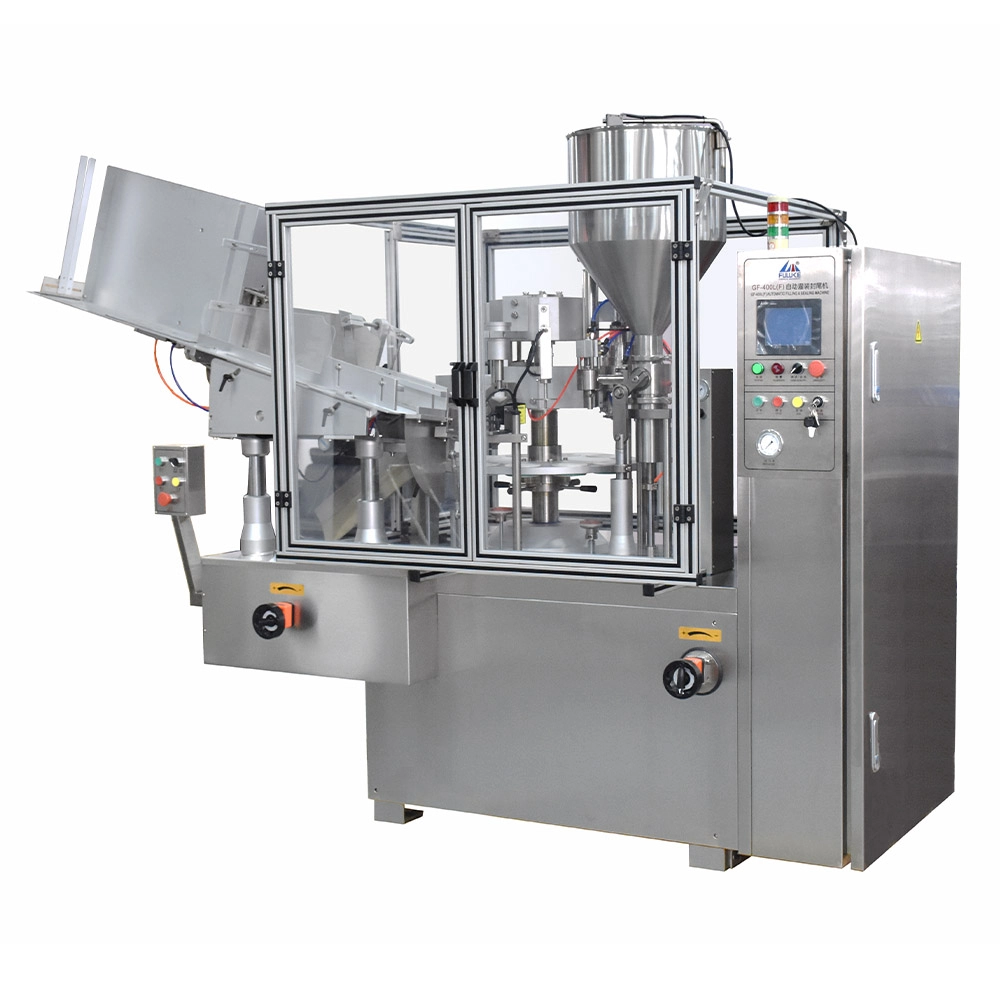
Automatic Tube Filling and Sealing Machine Toothpaste Sunscreen and Facial Cleanser Filling and Sealing Machine for Plastic and Aluminum-plastic Tube
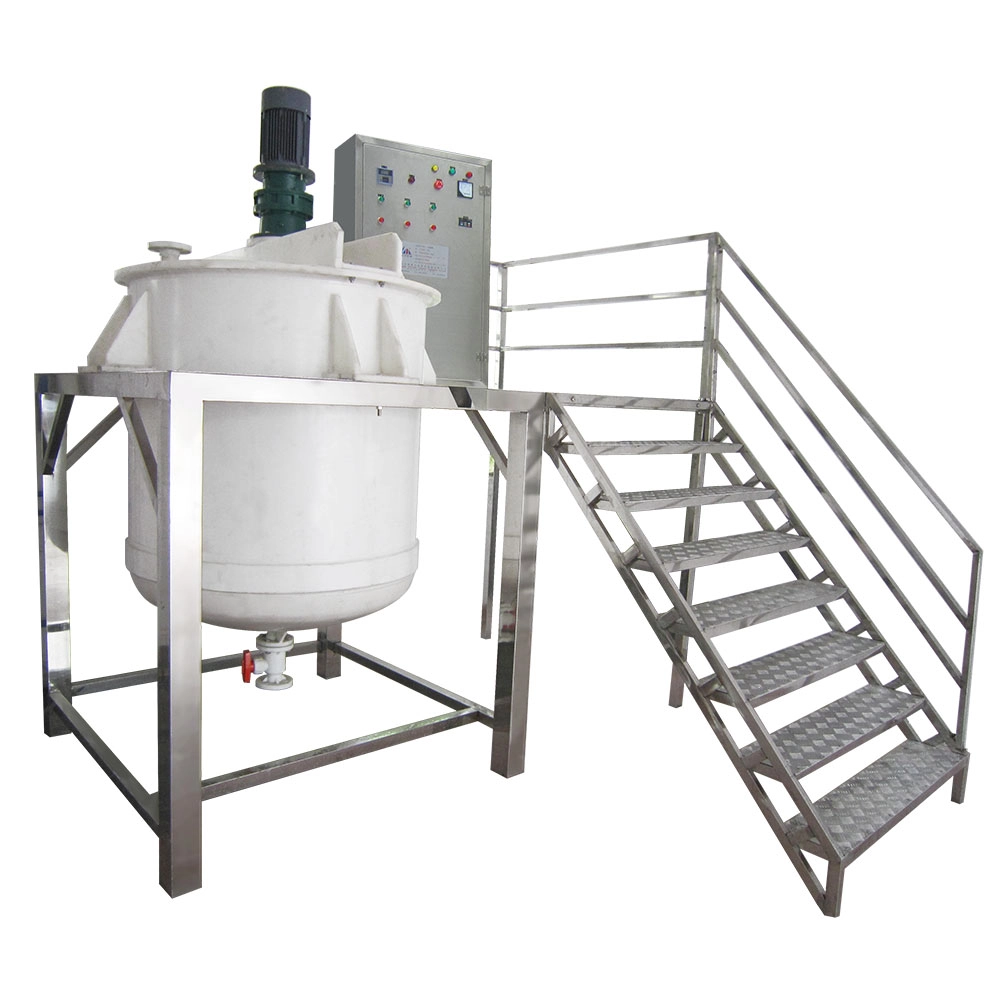
Polypropylene PP Mixing Tank Anti-Corrosion Mixer Reaction Kettle with Agitator Chemical Mixing Vessel
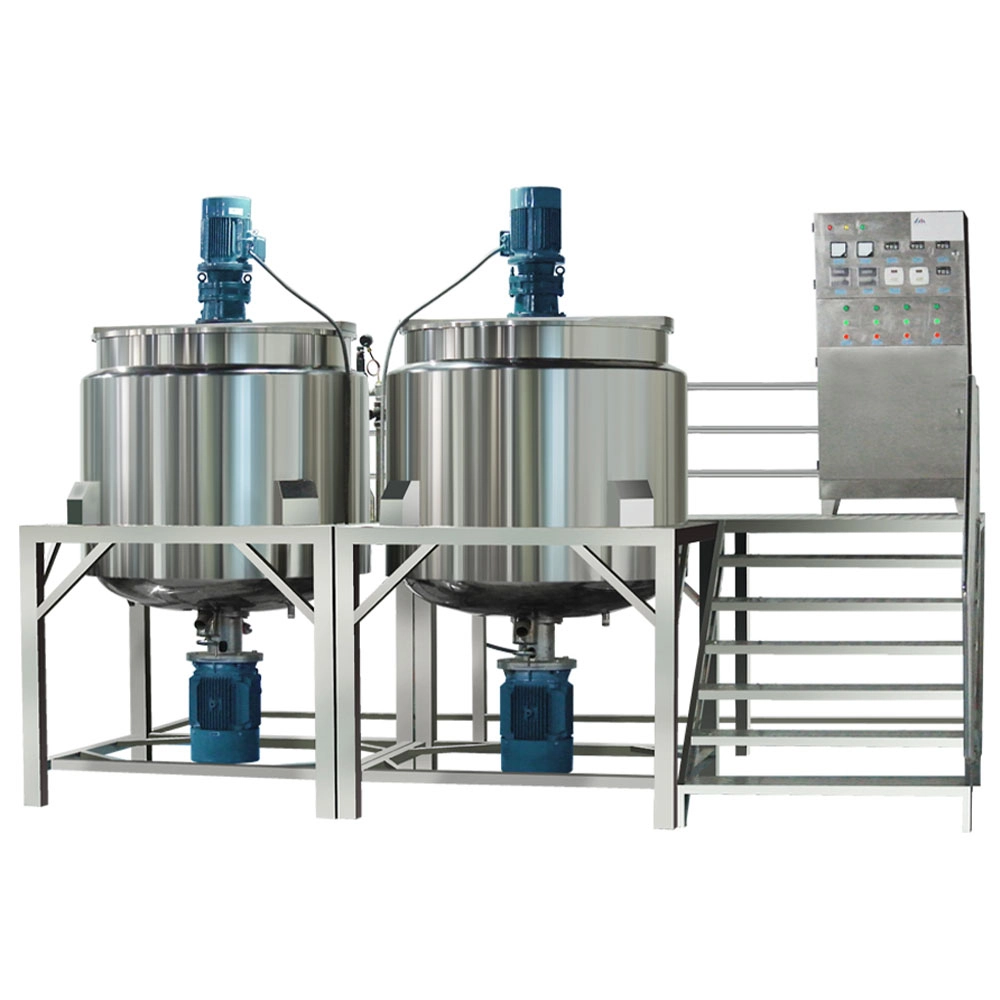
Flip Cover Multi-function Liquid Wash Mixing Tank Blender Liquid Detergent Mixer Homogenization Stirring Tank
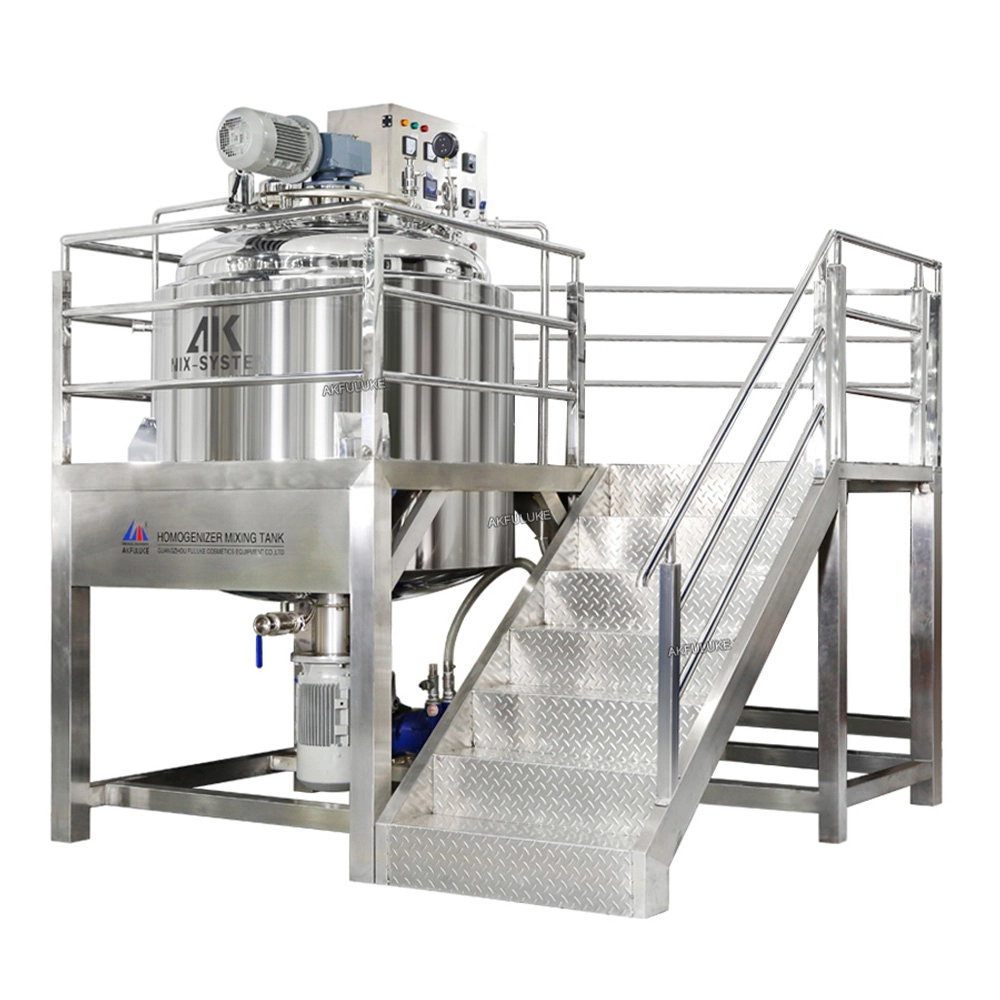
Stainless Steel Mixer Liquid Mixing tank with Agitator Homogenizing Mixing tank Vacuum Sealed Mixer Machine
Get in touch with FULUKE
If you have any comments or good suggestions, please leave us a message, later our professional staff will contact you as soon as possible.

A leading manufacturer specializing in advanced machinery and complete production lines for the cosmetics, food, pharmaceutical, and chemical industries worldwide.
Contact FULUKE
Facebook
Instagram
YouTube