
Filling Machine Buyers' Guide for Toothpaste, Sunscreen & Cleanser Tubes
- Filling Machine Buyers' Guide for Toothpaste, Sunscreen & Cleanser Tubes
- Why the right filling machine matters for toothpaste, sunscreen and facial cleanser
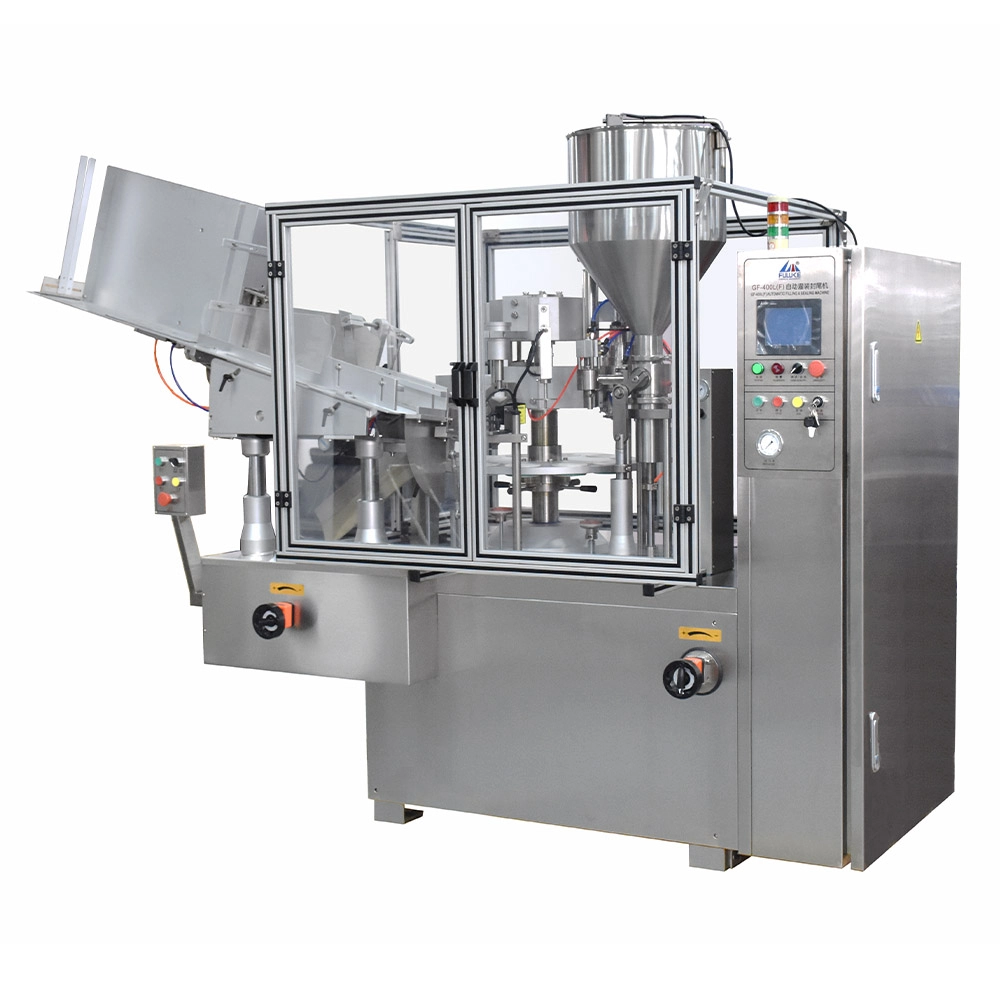
- Product overview: Automatic Tube Filling and Sealing Machine for Plastic and Aluminum-plastic Tube
- Key machine features to evaluate when buying a filling machine
- Tube types and material compatibility: plastic vs aluminum-plastic composite
- Filling technologies and heads: selecting for viscosity and accuracy
- Sealing methods, the importance of temperature control and eye-mark orientation
- Throughput, speed and line balancing (with comparison table)
- Maintenance, cleaning and hygiene considerations
- Regulatory compliance: cosmetics, medical and food sectors
- Cost considerations and simple ROI framework
- Selecting a supplier: what to ask and verify
- Checklist for buyers before purchase
- Brand advantages — why choose this Automatic Tube Filling and Sealing Machine
- Frequently Asked Questions (FAQ)
- Q: Can one machine handle both plastic and aluminum-plastic laminated tubes?
- Q: What filling system is best for toothpaste?
- Q: How accurate are filling volumes?
- Q: How often should heaters and sealing belts be replaced?
- Q: Can the machine print lot codes or expiration dates?
- Q: What is typical lead time for delivery and commissioning?
- Contact sales / view product
- Authority references and further reading
Filling Machine Buyers' Guide for Toothpaste, Sunscreen & Cleanser Tubes
Why the right filling machine matters for toothpaste, sunscreen and facial cleanser
Choosing the correct filling machine determines product quality, production efficiency, regulatory compliance and long-term cost of ownership. For products like toothpaste, sunscreen and facial cleanser, manufacturers must control fill accuracy for viscous formulations, ensure robust sealing for shelf life, and maintain hygiene to meet cosmetics or medical standards. A poorly chosen machine increases waste, leads to inconsistent seals or contamination risks, and can harm brand reputation. After reviewing a comprehensive filling machine buyers' guide for toothpaste, sunscreen & cleanser tubes, manufacturers often explore how tube filling & sealing machines boost production efficiency in real production environments.
Product overview: Automatic Tube Filling and Sealing Machine for Plastic and Aluminum-plastic Tube
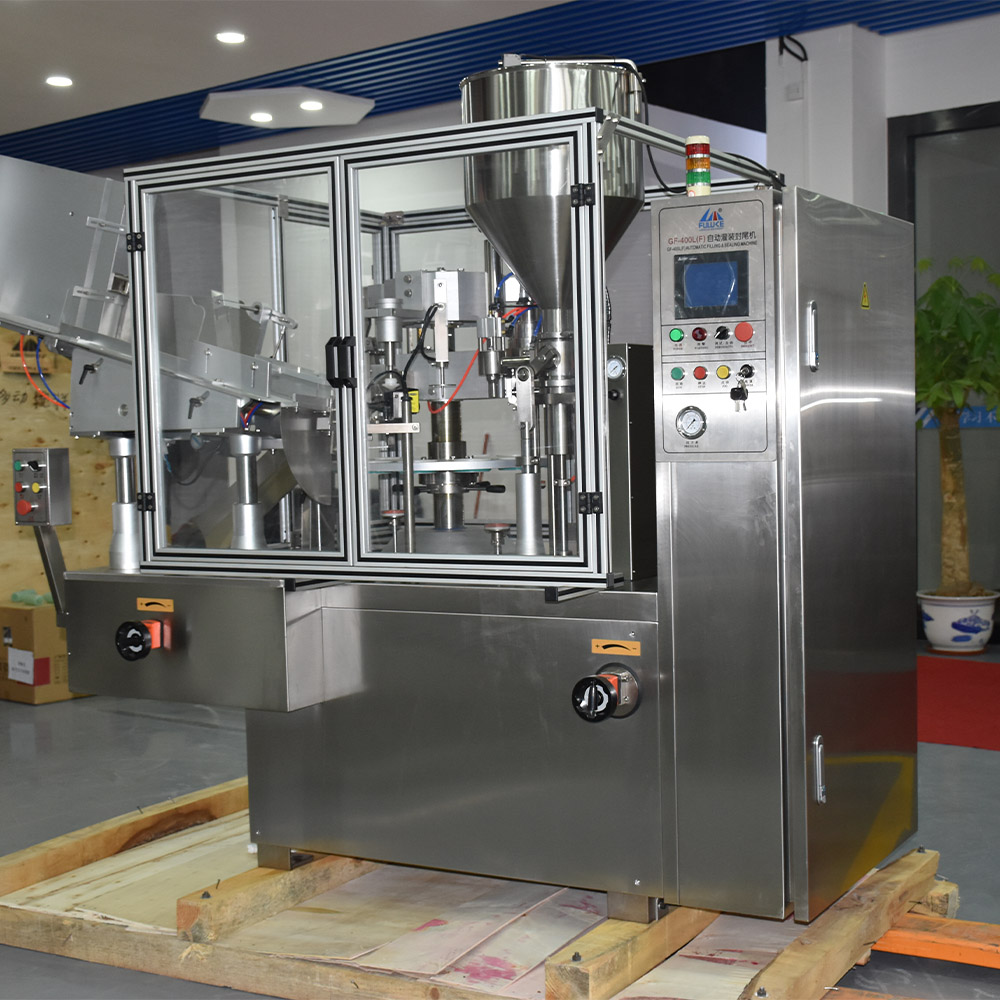
This automatic tube filling and sealing machine is suitable for automatic orientate eye marks, filling, sealing, date printing, and tail cutting of various plastic tubes and aluminum-plastic composite tubes. It is widely used in daily chemical, medical, food, and other industries (for example, toothpaste, facial cleanser, sunscreen, etc.). Features: This machine uses touch screen and PLC control, automatic tube loading and positioning, and a heat phoenix heating system formed by imported fast and efficient heaters and high-stable flow needles.
It has a firm seal, fast speed, no damage to the seal surface, and a beautiful and neat seal. The machine can be equipped with a variety of filling heads of different specifications to meet the filling requirements of different viscosity, and is equipped with organic glass anti-seal.
Key machine features to evaluate when buying a filling machine
When assessing a filling machine for toothpaste, sunscreen or cleansers, focus on these performance and design attributes:
- Filling accuracy and dosing range — For High Quality products you need filling accuracy typically ±0.5%–±1.5% depending on volume. Check capability across the full volume range you plan to run.
- Compatibility with tube materials — Machines should support plastic (PE, PP) and aluminum-plastic laminate tubes; confirm mandrel/clamping adjustments and sealing temperature control for each material.
- Sealing method and quality — Reliable impulse/continuous heat sealing with uniform temperature control prevents underseal or overburning (especially important for aluminum-laminate tubes).
- Viscosity handling — Toothpaste is high-viscosity; sunscreens and cleansers vary. Choose filling heads and pumps (gear/piston/servo) designed for target viscosities.
- Automation level — Features like automatic tube loading, eye-mark orientation, PLC & touch-screen control, date printing and tail cutting reduce labor and error.
- Hygiene and cleanability — Food/medical-grade materials, easy-to-clean flow paths and splash protection are essential for cosmetics and healthcare products.
- Modularity & changeover — Quick-change parts and adjustable heads minimize downtime when switching tube sizes or formulations.
- After-sales support & spare parts — Local service, training and spare parts stocking reduce risk in production ramp-up.
Tube types and material compatibility: plastic vs aluminum-plastic composite
Understand tube construction because it affects sealing, forming, and filling settings:
- Plastic tubes (single-layer PE/PP) — Flexible, lower sealing temperatures, forgiving with heat. Ideal for many cleansers and some sunscreens; cap types vary.
- Aluminum-plastic laminate tubes — Offer barrier properties needed for formulations sensitive to air/moisture (e.g., some sunscreens, medicated creams). Require higher, more controlled sealing energy and are sensitive to overheat which can cause wrinkling.
Verify the machine's sealing roller material and temperature control range to ensure a firm, cosmetically acceptable finish on both tube types.
Filling technologies and heads: selecting for viscosity and accuracy
Common filling systems include piston, gear pump, and peristaltic or servo-driven volumetric fillers:
- Piston fillers — Excellent for high-viscosity products like toothpaste. Provide high accuracy and repeatability when calibrated correctly.
- Gear pumps — Good for medium- to high-viscosity formulations and continuous flow processes; sensitive to shear and composition.
- Peristaltic pumps — Best for low- to medium-viscosity and corrosive liquids; easy clean but less suited to abrasive or high-viscosity pastes.
The Automatic Tube Filling and Sealing Machine supports multiple filling head specifications and high-stable flow needles, which gives flexibility to handle toothpaste-grade pastes as well as creams and lotions.
Sealing methods, the importance of temperature control and eye-mark orientation
Reliable sealing involves even heating, correct pressure and speed. Key items to check:
- Sealing temperature range and stability — especially for aluminum-laminate tubes, where consistent heat avoids wrinkling or poor seals.
- Heating source quality — imported fast and efficient heaters (as in this machine’s heat phoenix system) improve response and reduce cycle time.
- Eye-mark orientation and automatic alignment — essential for printed tubes so filling aligns with graphics and date printing is accurate.
Throughput, speed and line balancing (with comparison table)
Production throughput depends on product viscosity, fill volume, tube size, and machine configuration (number of filling heads). Use the table below as a guideline for typical outputs — actual output depends on your specific product and settings.
| Product Type | Typical Fill Volume | Recommended Filling System | Indicative Output (tubes/min) |
|---|---|---|---|
| Toothpaste (high-viscosity paste) | 50–200 g | Piston filler with high-stability needles | 10–30 (single head); 30–120 (multi-head) |
| Sunscreen (cream, medium viscosity) | 15–150 g | Gear pump or piston | 20–80 (depending on heads) |
| Facial cleanser (gel / lotion) | 10–200 g | Peristaltic or gear pump | 30–150 |
Maintenance, cleaning and hygiene considerations
Routine maintenance reduces downtime and product contamination. Important considerations:
- Sanitary design and materials — food-grade stainless steel contact parts and easy-to-remove filling heads.
- Clean-in-place (CIP) options or quick disconnects for frequent changeovers.
- Spare parts kit — sealing belts, heating elements, needles and gaskets should be stocked.
- Training — supplier should provide operator and maintenance training to preserve accuracy and reliability.
Regulatory compliance: cosmetics, medical and food sectors
If producing sunscreen (which may be regulated as an OTC drug in some jurisdictions), medicated cleansers or products for sensitive use, you must comply with regional regulations. The machine should support GMP-level production with traceable settings, date printing and tamper-evident seals. For cosmetics, ensure the plant and machine processes adhere to local cosmetics regulations (e.g., labeling and ingredient control).
Cost considerations and simple ROI framework
Buying decisions should balance capital expenditure, operating cost, throughput gains, scrap reduction and labor savings. Use a simple calculation to estimate payback:
| Item | Example Monthly Value |
|---|---|
| Increased throughput revenue | $10,000 |
| Reduced scrap & giveaway | $1,500 |
| Labor savings | $2,000 |
| Total monthly benefit | $13,500 |
| Estimated machine CAPEX | $80,000 |
| Estimated payback (months) | ~6 months |
Customize with your actual product margins, planned operational days and staffing to estimate ROI more accurately.
Selecting a supplier: what to ask and verify
When evaluating vendors, confirm the following:
- Proof of similar installations — references and case studies for toothpaste and sunscreen clients.
- Service network and average response time for breakdowns.
- Availability and lead time for critical spare parts.
- Warranty terms and what is covered (electronics, seals, heaters).
- Training and commissioning support included in price.
- Customization capability — can the machine be fitted with specific filling heads, date printers, or anti-seal protection?
Checklist for buyers before purchase
Use this practical checklist before placing an order:
- Confirm tube types, sizes and materials to be used.
- Define product viscosities and temperature sensitivity.
- Decide required throughput (tubes/min) and future growth plans.
- Check sealing quality on sample tubes from vendor testing.
- Obtain a FAT (factory acceptance test) and SAT (site acceptance test) plan.
- Verify software/PLC language and integration compatibility with your line.
- Confirm documentation: manuals, wiring diagrams, spare parts lists.
Brand advantages — why choose this Automatic Tube Filling and Sealing Machine
The Automatic Tube Filling and Sealing Machine for Plastic and Aluminum-plastic Tube offers several advantages aligned to the buyer concerns highlighted above:
- Versatility: Supports both plastic and laminate tubes and multiple filling head specs to handle toothpaste, sunscreens and cleansers.
- Automation: PLC and touch screen control with eye-mark orientation, automatic tube loading/positioning, date printing and tail cutting reduce labor and improve consistency.
- Sealing quality: Heat phoenix heating system using imported fast heaters provides stable and attractive seals for sensitive tube materials.
- Hygiene & safety: Organic glass anti-seal and easy-to-clean flow systems support hygiene requirements for cosmetics and medical-adjacent products.
- Scalability: Options for multiple filling heads let you expand throughput without a full line replacement.
Frequently Asked Questions (FAQ)
Q: Can one machine handle both plastic and aluminum-plastic laminated tubes?
A: Yes — provided the machine has adjustable mandrels, a sealing system with precise temperature control and appropriate pressure settings. Confirm with the supplier that the machine has been tested on both tube types.
Q: What filling system is best for toothpaste?
A: Piston filling systems are typically best for high-viscosity toothpastes because they deliver high dosing accuracy and repeatability.
Q: How accurate are filling volumes?
A: Modern machines can typically achieve ±0.5%–±1.5% accuracy depending on volume and product. Accuracy depends on pump type, calibration and product consistency.
Q: How often should heaters and sealing belts be replaced?
A: Replacement intervals depend on usage and maintenance. As a rule, inspect sealing belts and heaters periodically (monthly checks under heavy use) and replace when wear or uneven heating appears. Maintain a spare parts kit for rapid swaps.
Q: Can the machine print lot codes or expiration dates?
A: Yes — the machine supports integrated date printing. Ensure the chosen coder integrates with the PLC and respects your traceability and regulatory requirements.
Q: What is typical lead time for delivery and commissioning?
A: Lead time varies by configuration. Standard models are faster (weeks), customized machines can take several months including FAT, shipping and on-site commissioning. Confirm timeline with the supplier and include FAT/SAT milestones in the contract.
Contact sales / view product
If you are ready to evaluate this Automatic Tube Filling and Sealing Machine for your toothpaste, sunscreen or facial cleanser line, contact our sales team for a consultation, sample testing and a customized quote. We provide FAT support, commissioning, operator training and spare parts packages to ensure rapid production ramp-up.
Authority references and further reading
- Toothpaste — Wikipedia: https://en.wikipedia.org/wiki/Toothpaste
- Sunscreen — Wikipedia: https://en.wikipedia.org/wiki/Sunscreen
- U.S. Food & Drug Administration — Cosmetics: https://www.fda.gov/cosmetics
- U.S. Food & Drug Administration — Sunscreen (OTC): https://www.fda.gov/drugs/over-counter-drug-products/sunscreen
- European Commission — Cosmetic legislation and GMP overview: https://ec.europa.eu/growth/sectors/cosmetics/cosmetic-legislation_en
- ISO — Quality management systems (ISO 9001): https://www.iso.org/iso-9001-quality-management.
- PMMI — Packaging industry resources: https://www.pmmi.org/
Note: For machine demonstrations, sample testing with your specific formula and full technical specifications, please contact our product team so we can provide validated performance data tailored to your production needs.
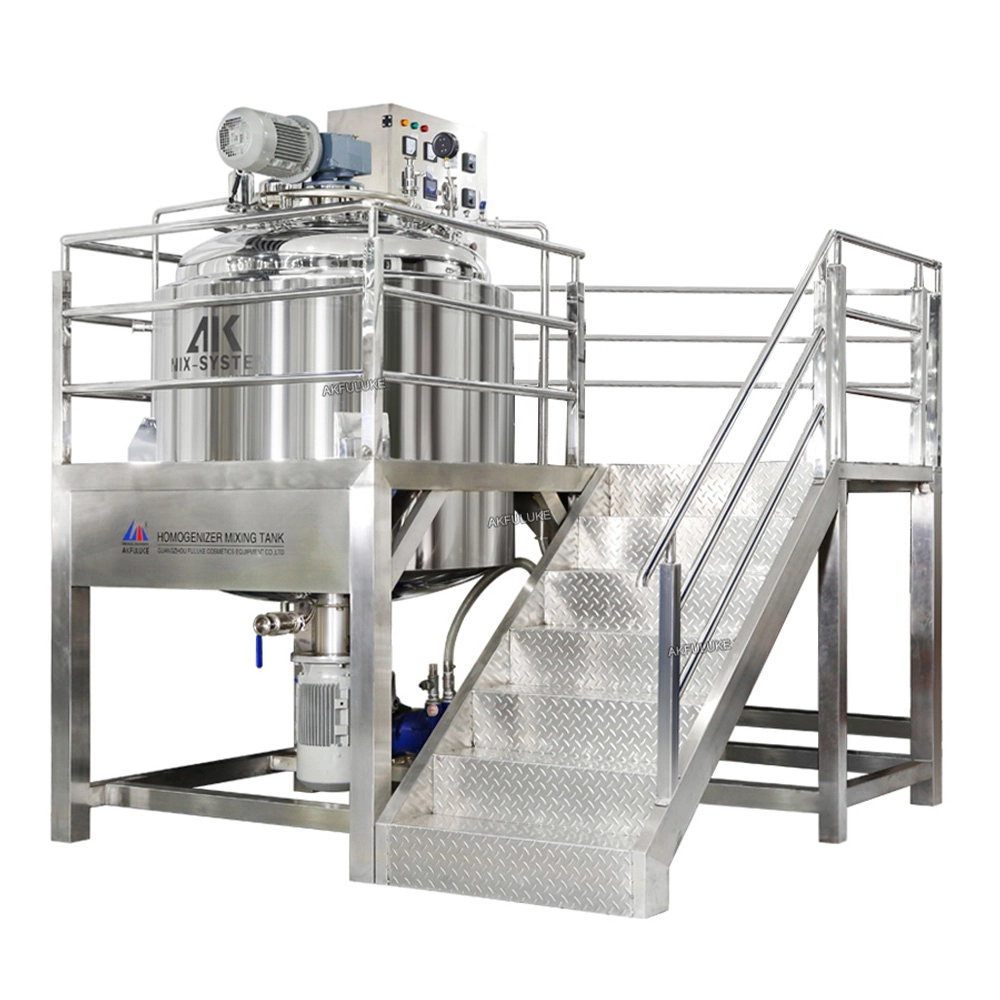
Integrating Mixer Tanks with Agitators into Automated Lines
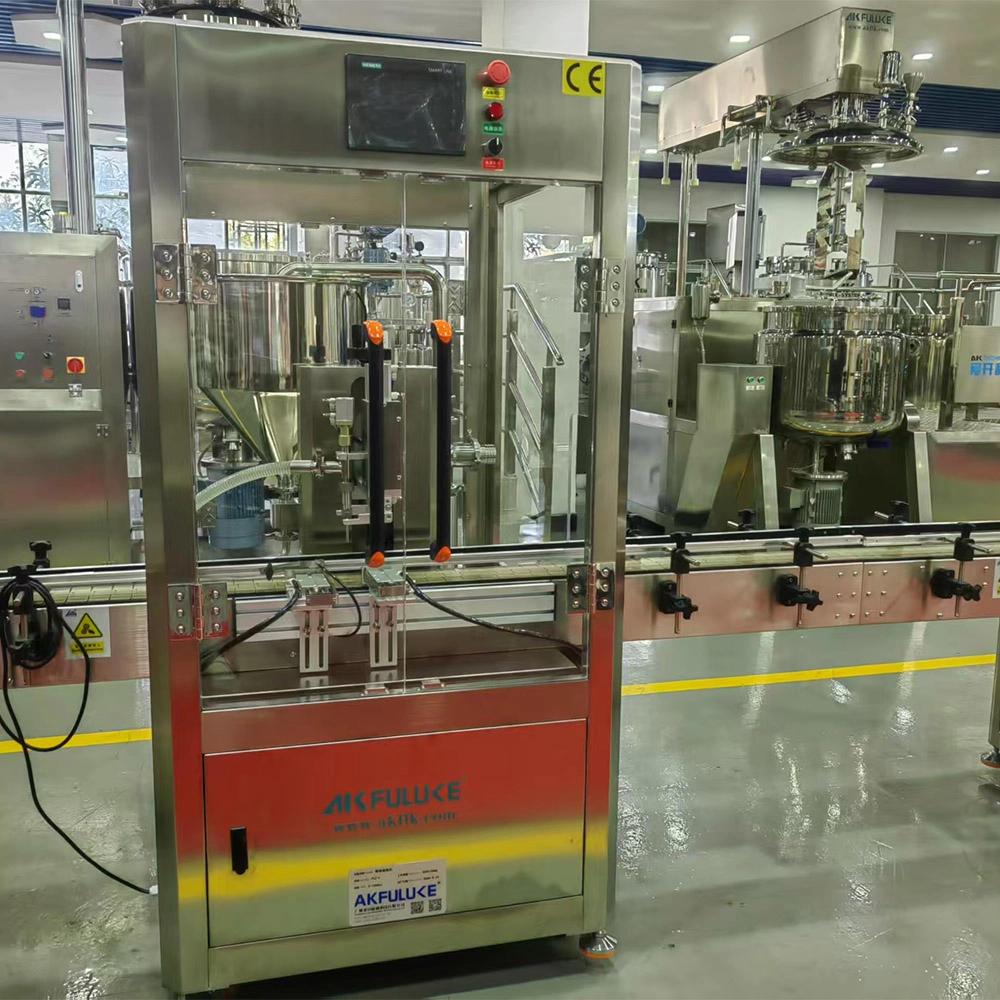
How to Handle Thick Creams in Automatic Fillers
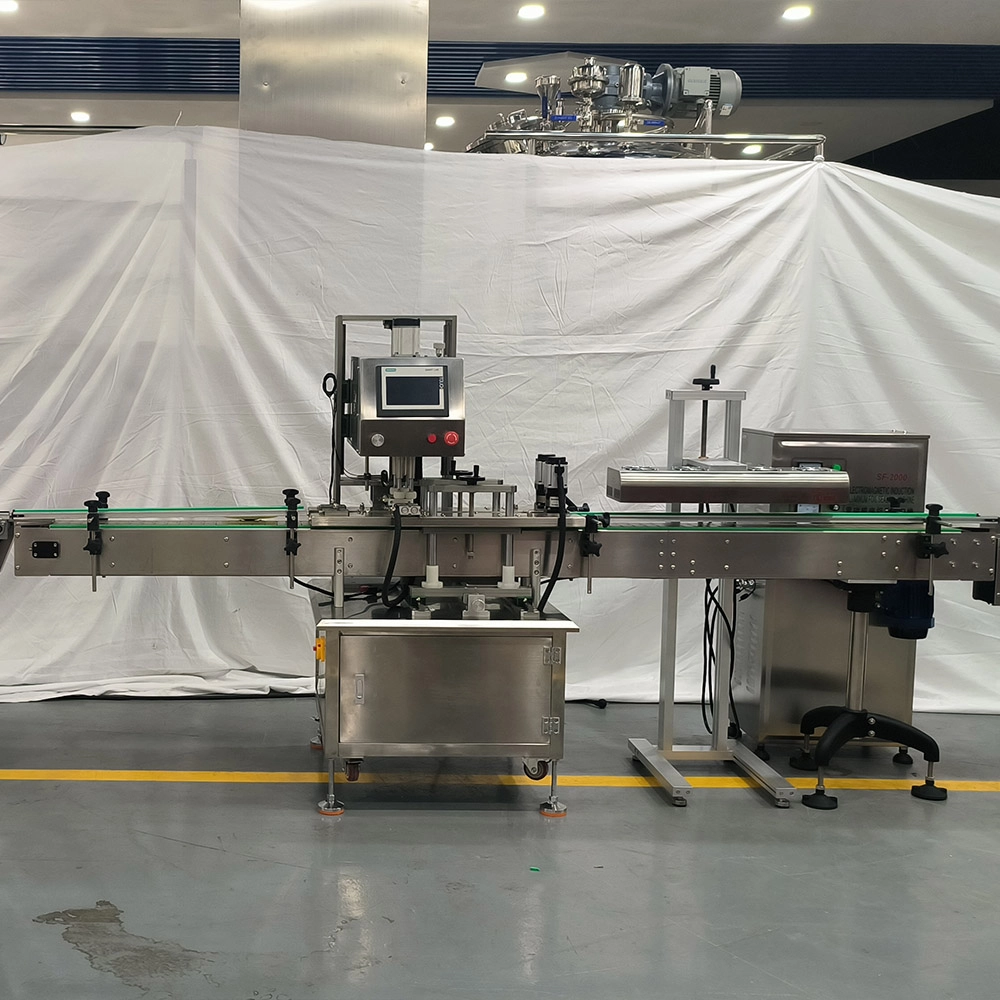
Choosing Between Single and Multi-Head Filling Machines
Filling Accuracy Testing Methods for Cosmetic Products
The Flip Cover Liquid Wash Mixing Homogenizing Tank
Is it possible to not have a heating function?
Of course, if your product's production process doesn't require heating and cooling functions, then you can just make it a single-layer pot.
Can flip cover homogenizing mixing tank ensure hygienic safety when handling materials such as food and cosmetics?
Material Compliance: The equipment's pot, agitator, homogenizer, and other material-contacting components are all made of 316L stainless steel, which is corrosion-resistant and easy to clean, meeting food-grade and cosmetic-grade hygiene requirements.
Easy Cleaning: The open-top design allows direct access to corners within the pot, allowing for thorough cleaning by hand or with tools.
Operational Specifications: The equipment can be disinfected before use (e.g., hot water for food processing). After use, cleanup any remaining material promptly to avoid cross-contamination.
Sealed Homogenizing Mixing Tank
Can you customize the machine?
Of course, we provide customized services according to customer needs.
RO Water Treatment
Can the water produced by an RO water purifier be drunk directly? Why?
The water produced by a qualified RO water purifier (i.e., "purified water") is generally drinkable directly.
This is because the high-precision filtration of the RO membrane removes harmful microorganisms (bacteria, viruses), heavy metals, pesticide residues, and other contaminants from the raw water, resulting in a water quality that meets the requirements for direct drinking. However, it is important to regularly replace the filter cartridge to ensure proper operation of the device.
Storage Tank
What can you buy from us?
RO Water Treatment、Vacuum Emulsifying Machine、Homogenizer Mixing Tank、Filling and Capping、labeling Machine、Packing Machine、Storage Tank,etc.
You May Also Like
Automatic Tube Filling and Sealing Machine Toothpaste Sunscreen and Facial Cleanser Filling and Sealing Machine for Plastic and Aluminum-plastic Tube
Polypropylene PP Mixing Tank Anti-Corrosion Mixer Reaction Kettle with Agitator Chemical Mixing Vessel
Flip Cover Multi-function Liquid Wash Mixing Tank Blender Liquid Detergent Mixer Homogenization Stirring Tank
Stainless Steel Mixer Liquid Mixing tank with Agitator Homogenizing Mixing tank Vacuum Sealed Mixer Machine
Get in touch with FULUKE
If you have any comments or good suggestions, please leave us a message, later our professional staff will contact you as soon as possible.

A leading manufacturer specializing in advanced machinery and complete production lines for the cosmetics, food, pharmaceutical, and chemical industries worldwide.
Contact FULUKE
Facebook
Instagram
YouTube