
Choosing Compatible Tubing and Hoses for Product Safety
- Understanding Risks and Requirements for Tubing in Filling Systems
- Contamination risks and why material matters
- Regulatory and hygienic requirements
- How tubing choice affects machine performance
- Material Options: Properties, Pros and Cons
- Common tubing materials and their characteristics
- Selecting by product chemistry
- When to prefer stainless steel and sanitary fittings
- Design and Cleanability: Reducing Microbial and Residual Risks
- Sanitary design principles
- Clean-in-place (CIP) and sterilize-in-place (SIP) compatibility
- Surface finish and lumen geometry
- Testing, Validation and Practical Selection Strategy
- Required tests and documentation
- Validation steps for production
- Maintenance, replacement intervals and traceability
- Practical Recommendations for the Automatic Filling Machine
- Best tubing choices for creams and lotions
- Integration tips to preserve filling accuracy
- Supplier and documentation checklist
- Appendix: Quick Compatibility Matrix and Lifecycle Cost
- FAQ — Frequently Asked Questions
- Q: How do I know if tubing is compatible with my lotion formulation?
- Q: Can I use the same tubing for multiple products?
- Q: How often should tubing be replaced?
- Q: Are there industry standards I should follow?
- Contact / View Product
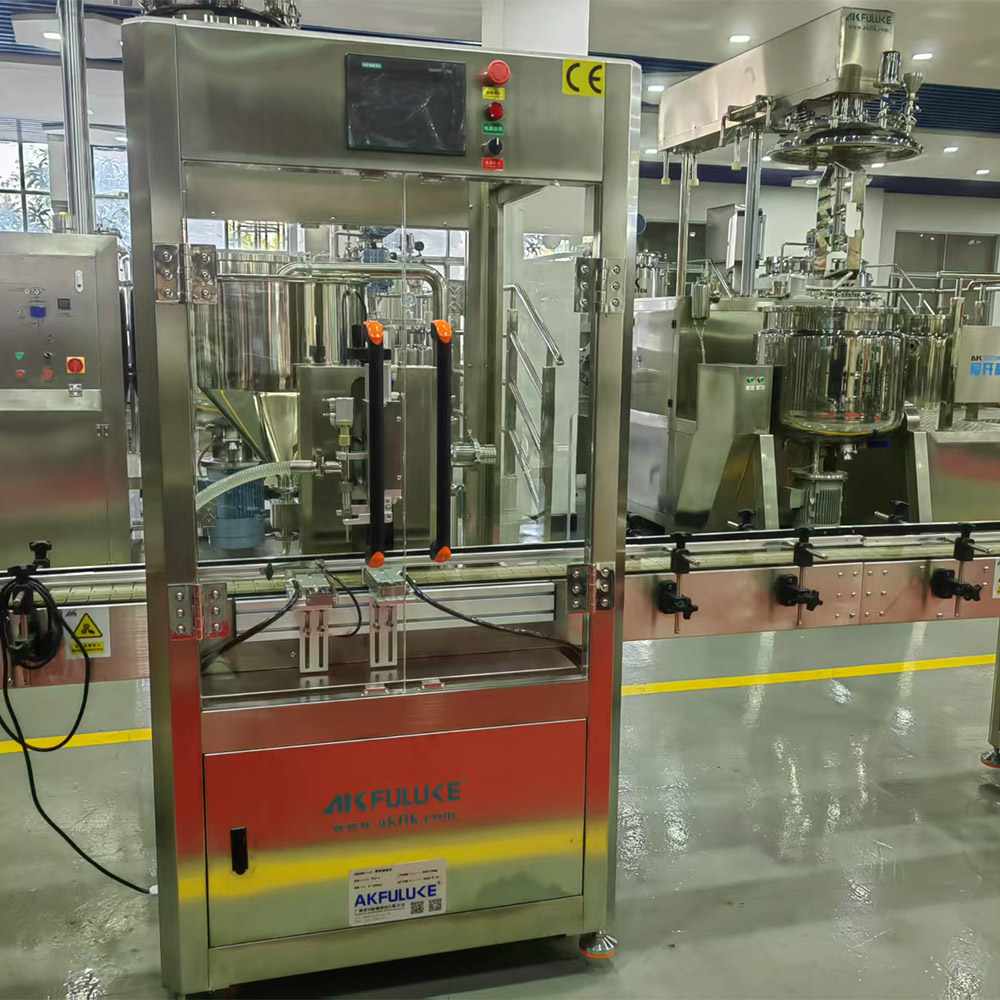
Choosing compatible tubing and hoses for your liquid filling machine directly affects product safety, shelf life, batch consistency, and regulatory compliance across cosmetics, pharmaceuticals, food and chemical production. This guide explains how material selection, surface finish, design features and validation practices reduce contamination risks and ensure stable dosing when using equipment like the Automatic Filling Machine Quantitative Liquid Bottle Filling Machine High-precision cream and lotion filling machine. We reference internationally recognized standards and provide practical, actionable recommendations.
Understanding Risks and Requirements for Tubing in Filling Systems
Contamination risks and why material matters
Tubing and hose materials can introduce extractables, leachables, microbial harboring points, and particulates that compromise creams, lotions and liquid products. For a liquid filling machine handling emulsions or high-viscosity creams, incompatible polymers may swell, degrade, or adsorb active ingredients, altering formulation stability and dosing accuracy. Selecting materials that resist chemical attack and maintain surface integrity is essential for product safety and consistent operation.
Regulatory and hygienic requirements
Manufacturers must meet Good Manufacturing Practice (GMP) and other regulatory expectations for product-contact materials. Guidance from organizations such as the World Health Organization (WHO) GMP and applicable regional authorities defines cleanliness, traceability and material documentation requirements for equipment used with consumer and medical products. Choose tubing with certifications or test data that demonstrate suitability for cosmetic and pharmaceutical use when necessary.
How tubing choice affects machine performance
The Automatic Filling Machine Quantitative Liquid Bottle Filling Machine High-precision cream and lotion filling machine integrates automated conveying, precision filling, and intelligent control. Tubing that is too stiff can strain pump systems and reduce dosing accuracy; tubing that is too soft may collapse or expand under pressure, affecting volume control. Balancing flexibility, internal surface smoothness and dimensional stability is key for maintaining high-precision filling performance.
Material Options: Properties, Pros and Cons
Common tubing materials and their characteristics
Below are common materials used for product-contact tubing and hoses in liquid filling contexts, and practical notes for creams and lotions:
| Material | Chemical Compatibility | Temperature Range | Key Advantages | Limitations for creams/lotions |
|---|---|---|---|---|
| PTFE (Teflon) | Excellent—high chemical resistance | -200°C to +260°C | Non-stick, low extractables | Expensive, less flexible |
| Silicone | Good for many formulations; poor with some solvents | -60°C to +200°C | Very flexible, biocompatible | Permeable to some vapors, can absorb oils |
| EPDM | Good for aqueous & alkaline systems | -50°C to +150°C | Good mechanical resilience | Poor resistance to hydrocarbon oils |
| PVC (Plasticized) | Broad compatibility; plasticizers may leach | -20°C to +60°C | Low cost, flexible | Not ideal for long-term oil/cream contact |
| Stainless steel (rigid piping) | Excellent chemical and sanitary performance | -200°C to +800°C (varies by grade) | Cleanable, durable; 316L/304 common | Less flexible—needs fittings for motion |
Selecting by product chemistry
Match tubing to the formulation chemistry. Water-based lotions often perform well with EPDM or certain silicones, while oil-rich creams can swell or plasticize standard PVC—PTFE-lined or fluoropolymer tubing can be safer for aggressive oils or solvents. When in doubt, consult chemical compatibility charts and conduct small-scale soak tests replicating formulation temperature and contact times.
When to prefer stainless steel and sanitary fittings
For stringent hygiene and minimal extractables, use 316L or 304 stainless steel piping and sanitary connections in critical sections (filling nozzles, valves, manifolds). Stainless contact surfaces are easy to clean and are standard for GMP-compliant equipment; see general material properties at Stainless steel — Wikipedia. The Automatic Filling Machine model referenced uses 316L/304 contact components to meet GMP requirements.
Design and Cleanability: Reducing Microbial and Residual Risks
Sanitary design principles
Follow sanitary design principles: minimize dead legs, avoid textured interiors, use smooth bends with large radii, and implement hygienic clamps and tri-clamp fittings where possible. A seamless inner surface reduces places for residue buildup and microbial harboring, improving cleanability between runs.
Clean-in-place (CIP) and sterilize-in-place (SIP) compatibility
If your production requires frequent product changes or strict microbial control, select hoses and tubing rated for CIP/SIP. Ensure materials can tolerate cleaning agents (alkaline cleaners, caustics, peroxides) and sterilization temperatures. The WHO GMP guidance highlights cleaning validation as part of quality assurance; see WHO GMP.
Surface finish and lumen geometry
Specify surface finishes (Ra) for metallic and polymeric components—smoother finishes reduce fouling and make sterilization more effective. For viscous creams, larger internal diameters and gentle transitions prevent clogging and maintain flow. The Automatic Filling Machine provides adjustable parameters and precision filling that benefit from consistent, low-resistance fluid paths.
Testing, Validation and Practical Selection Strategy
Required tests and documentation
Before deploying tubing in production, require suppliers to provide material data sheets, extractables & leachables (E&L) testing, and compatibility statements for your product class. Perform: visual and microscopic inspections, flow/pressure drop testing on the liquid filling machine, and accelerated soak tests at production temperatures. Regulatory bodies such as the U.S. FDA recommend a risk-based approach to container and contact material evaluation.
Validation steps for production
1) Prototype testing: run full production cycles with candidate tubing on your liquid filling machine to observe accuracy, cycle time and residue. 2) Cleaning validation: demonstrate CIP/SIP effectiveness and quantify residuals. 3) Stability checks: monitor filled product over shelf-life intervals for any signs of contamination or chemical interaction.
Maintenance, replacement intervals and traceability
Implement preventive maintenance schedules for hoses and tubing. Replace flexible tubing at defined intervals or when inspection reveals wear, discoloration or loss of elasticity. Maintain lot-level traceability for all product-contact materials so you can investigate and isolate issues if quality deviations occur.
Practical Recommendations for the Automatic Filling Machine
Best tubing choices for creams and lotions
For most cosmetic creams and lotions filled by the Automatic Filling Machine Quantitative Liquid Bottle Filling Machine High-precision cream and lotion filling machine, consider the following approach:
- Use 316L stainless steel for manifolds, valves and nozzle assemblies where feasible to minimize extractables and ease cleaning.
- For flexible connections, choose PTFE-lined or FDA-compliant silicone tubing rated for oil contact when formulations contain significant lipids. PTFE lining gives chemical resistance while an outer silicone layer retains flexibility.
- For water-based emulsions, high-quality EPDM or peroxide-cured silicone (platinum-cured) often performs well, with good cleanability and lower extractables.
Integration tips to preserve filling accuracy
1) Keep flexible tubing lengths minimal and consistent across production lines to reduce volume variability. 2) Use support clamps to prevent sagging that can change internal volumes. 3) Match inner diameters across pump tubing and nozzle connections to avoid pressure drops and flow disturbances that affect dosing accuracy.
Supplier and documentation checklist
Require from suppliers: material certification (e.g., FDA or EU food contact where applicable), E&L reports, recommended cleaning agents and maximum CIP/SIP conditions. Verify that tubing is compatible with the Automatic Filling Machine’s pump and valve specifications and that the supplier provides dimensional tolerances.
Appendix: Quick Compatibility Matrix and Lifecycle Cost
| Selection Factor | Recommended Material(s) | Typical Lifecycle Cost |
|---|---|---|
| High purity, low extractables | PTFE, 316L stainless steel | Higher upfront, lower risk cost |
| Flexible connection for pumps | Silicone (platinum-cured), PTFE-lined silicone | Medium |
| Cost-sensitive, short runs | PVC (quality grade) | Low upfront, higher risk of replacement |
FAQ — Frequently Asked Questions
Q: How do I know if tubing is compatible with my lotion formulation?
A: Start with the supplier’s chemical compatibility chart and E&L data. Conduct a soak test at production temperature for an extended period and inspect for swelling, softening, discoloration and odor transfer. Run the tubing in a pilot filling cycle on your liquid filling machine to verify dosing accuracy and residue behavior.
Q: Can I use the same tubing for multiple products?
A: Only if cleaning validation demonstrates acceptable removal of residues between batches and there is no risk of cross-contamination affecting safety or product claims. For cosmetics with active ingredients or colorants, it is often safer to dedicate lines or use effective CIP/SIP validated procedures.
Q: How often should tubing be replaced?
A: Replacement depends on material, usage, and inspection findings. Establish replacement intervals based on pressure cycles, chemical exposure and visual inspection (e.g., every 6–12 months for demanding formulations or sooner if wear is evident). Maintain records for traceability.
Q: Are there industry standards I should follow?
A: Follow GMP principles from the WHO, and consider guidance on container-closure and contact materials such as the FDA documentation. For general machine and filling technology background, refer to the Filling machine overview.
Contact / View Product
For tailored recommendations, validation support, or to request a demonstration of the Automatic Filling Machine Quantitative Liquid Bottle Filling Machine High-precision cream and lotion filling machine, please contact our sales team or view the product page. Our experts can help you select compatible tubing and hoses, run compatibility tests on your formulations, and configure the liquid filling machine for optimal safety and performance.
References: WHO GMP (link), FDA guidance on container-closure systems (link), Filling machine overview (Wikipedia), Stainless steel properties (Wikipedia).
Product Brief:
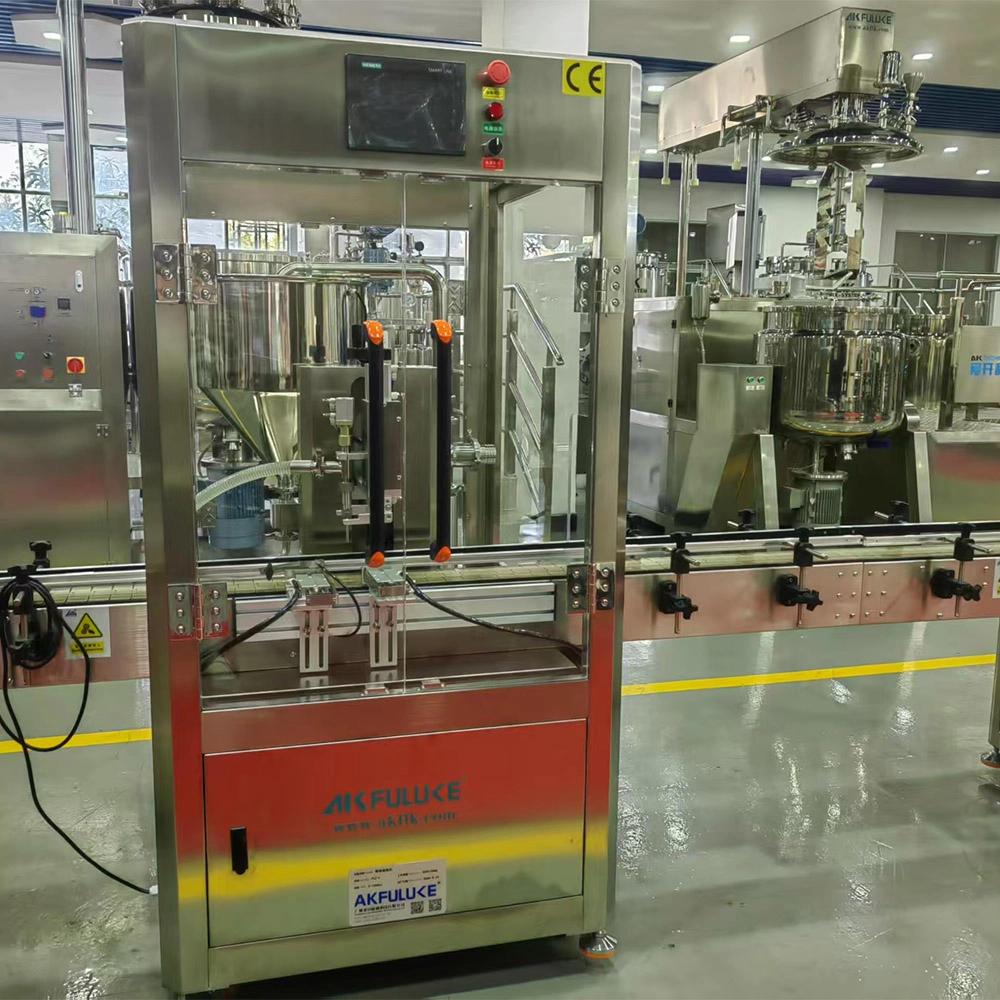
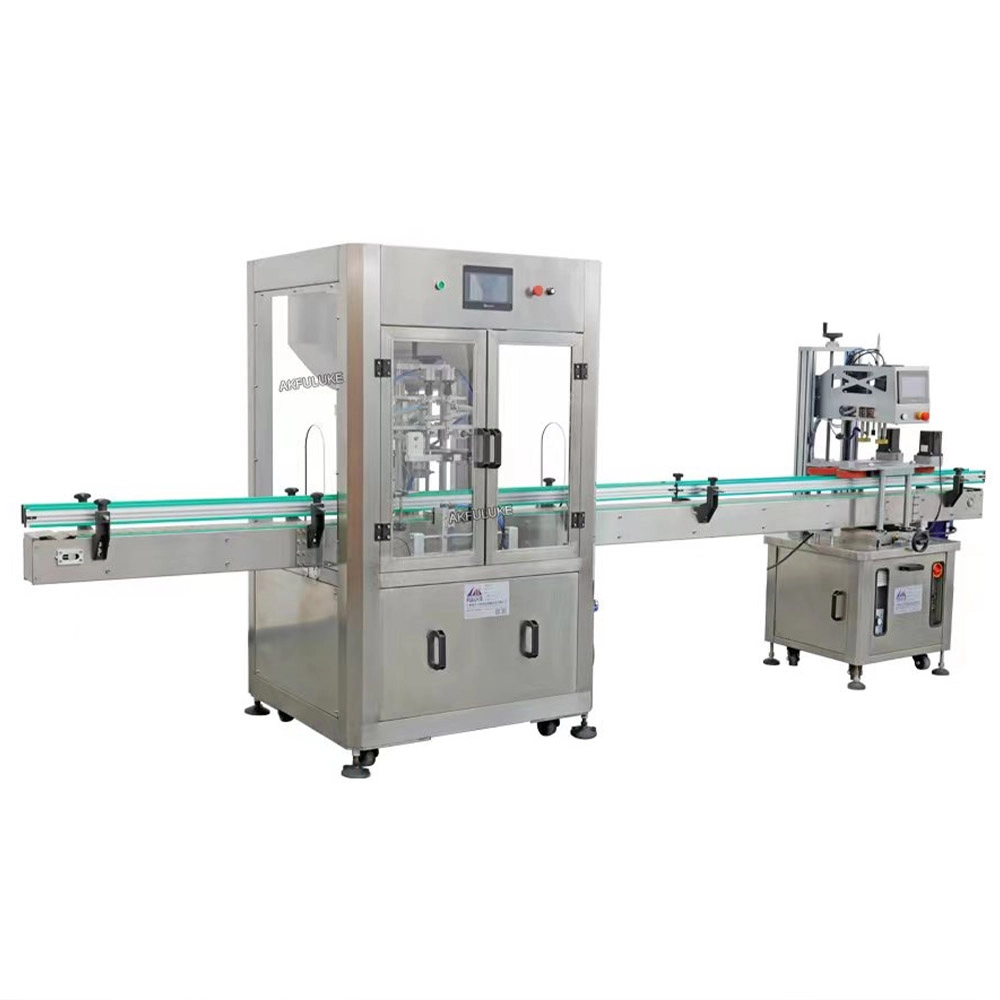
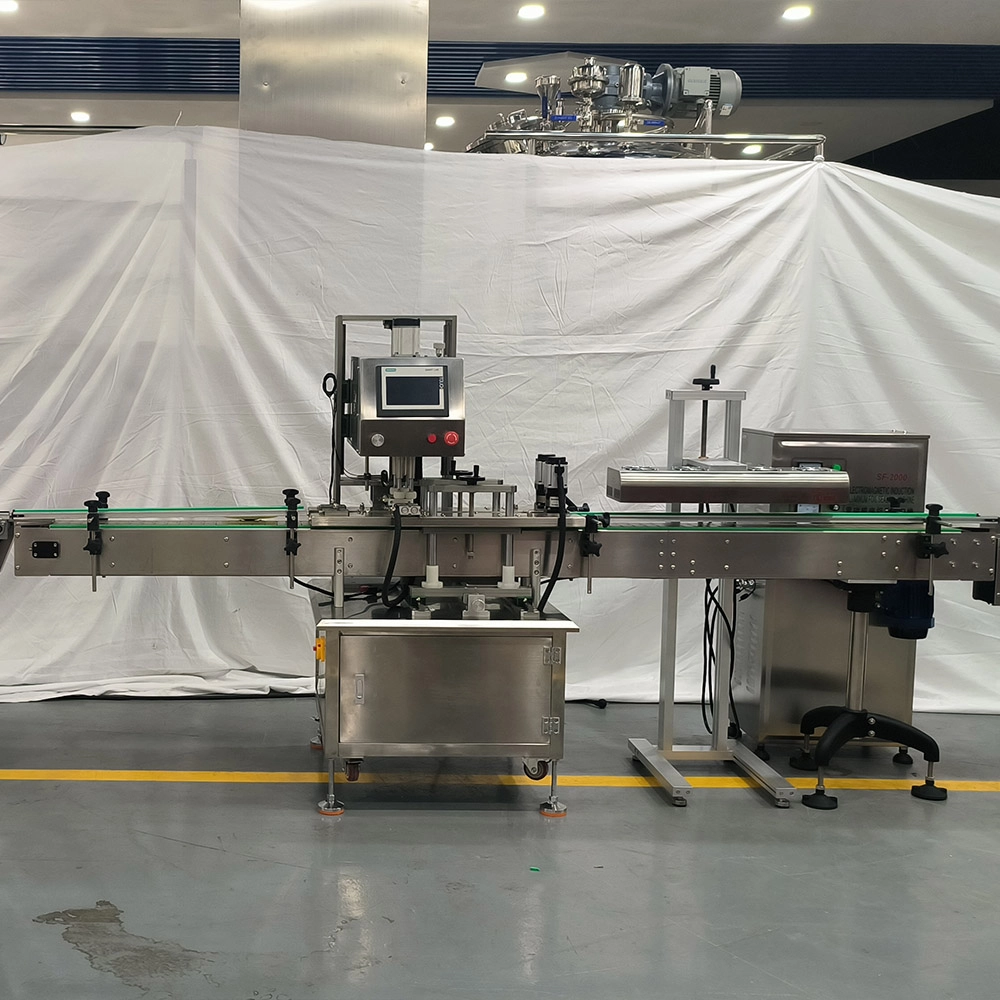
The automatic filling machine integrates automated conveying, precision filling, and intelligent control for packaging creams, lotions, and liquids. Suitable for a variety of containers, including glass and PET bottles, it can fill liquids, emulsions, and pastes with high precision.
Constructed with 316L/304 stainless steel contact components and compliant with GMP standards, it features a touchscreen interface for quick parameter adjustment and completes the entire process without manual intervention. Widely used in the cosmetics, food, daily chemical, pharmaceutical, and chemical industries, it helps companies reduce costs, increase efficiency, and ensure product standardization.
Comparing Piston and Peristaltic Liquid Filling Technologies
How to Validate Filling Accuracy for Regulatory Compliance
How to Customize Fill Volumes for Different Product SKUs
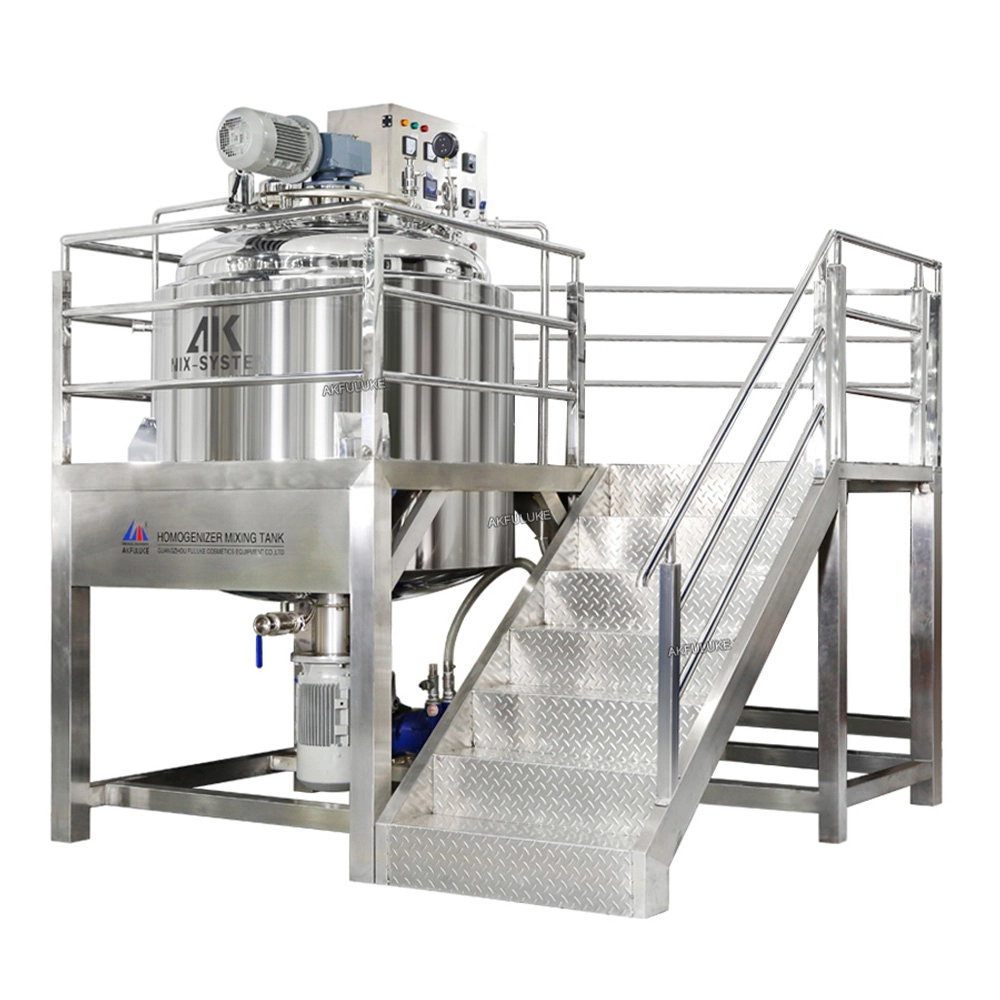
CIP and SIP Design Considerations for Industrial Mixing Tanks
Automatic Labeling Machine
Can you customize the machine?
Of course, we provide customized services according to customer needs.
FAQs
What sets FULUKE apart from other cosmetics machinery manufacturers?
Automatic Facial Mask Filling Machine
Can you customize the machine?
Of course, we provide customized services according to customer needs.
What can you buy from us?
RO Water Treatment、Vacuum Emulsifying Machine、Homogenizer Mixing Tank、Filling and Capping、labeling Machine、Packing Machine、Storage Tank,etc.
Polypropylene PP Mixing Tank
What is the structure of an agitator?
The agitator usually consists of enamel anchor agitator.
You May Also Like
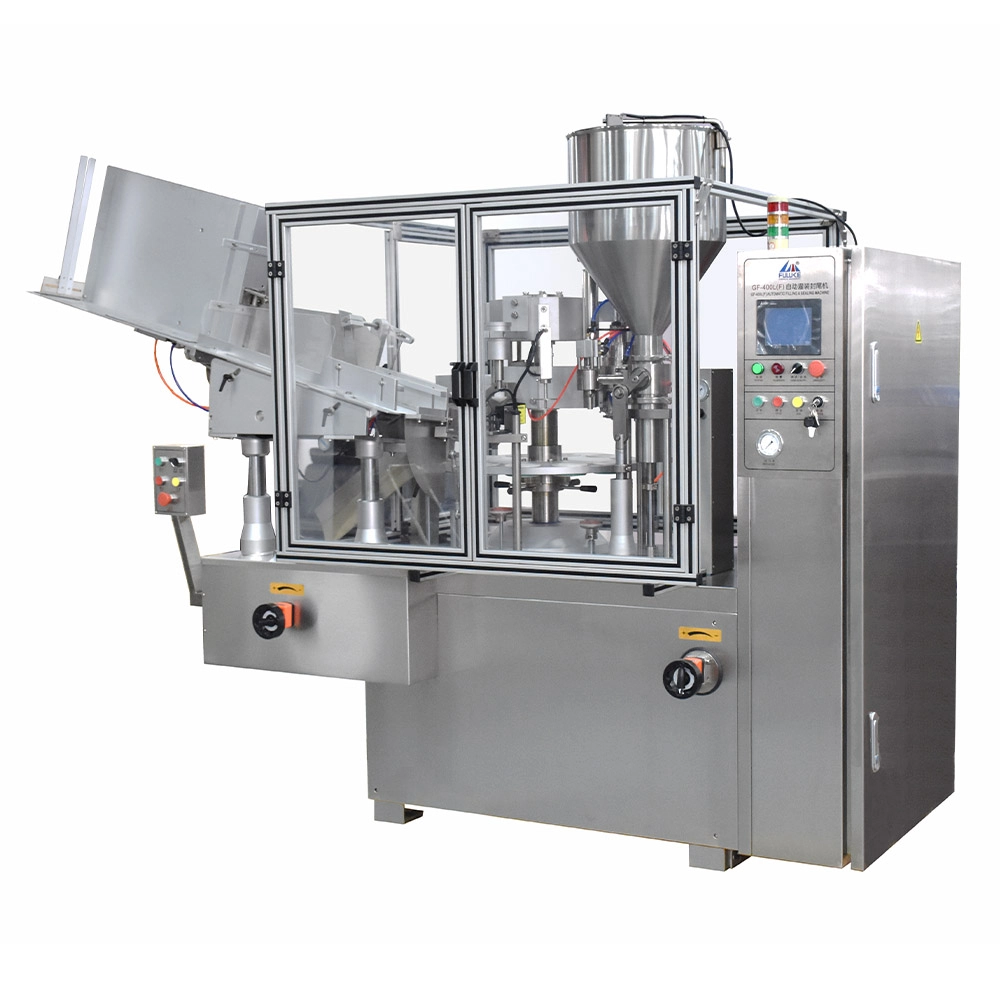
Automatic Tube Filling and Sealing Machine Toothpaste Sunscreen and Facial Cleanser Filling and Sealing Machine for Plastic and Aluminum-plastic Tube
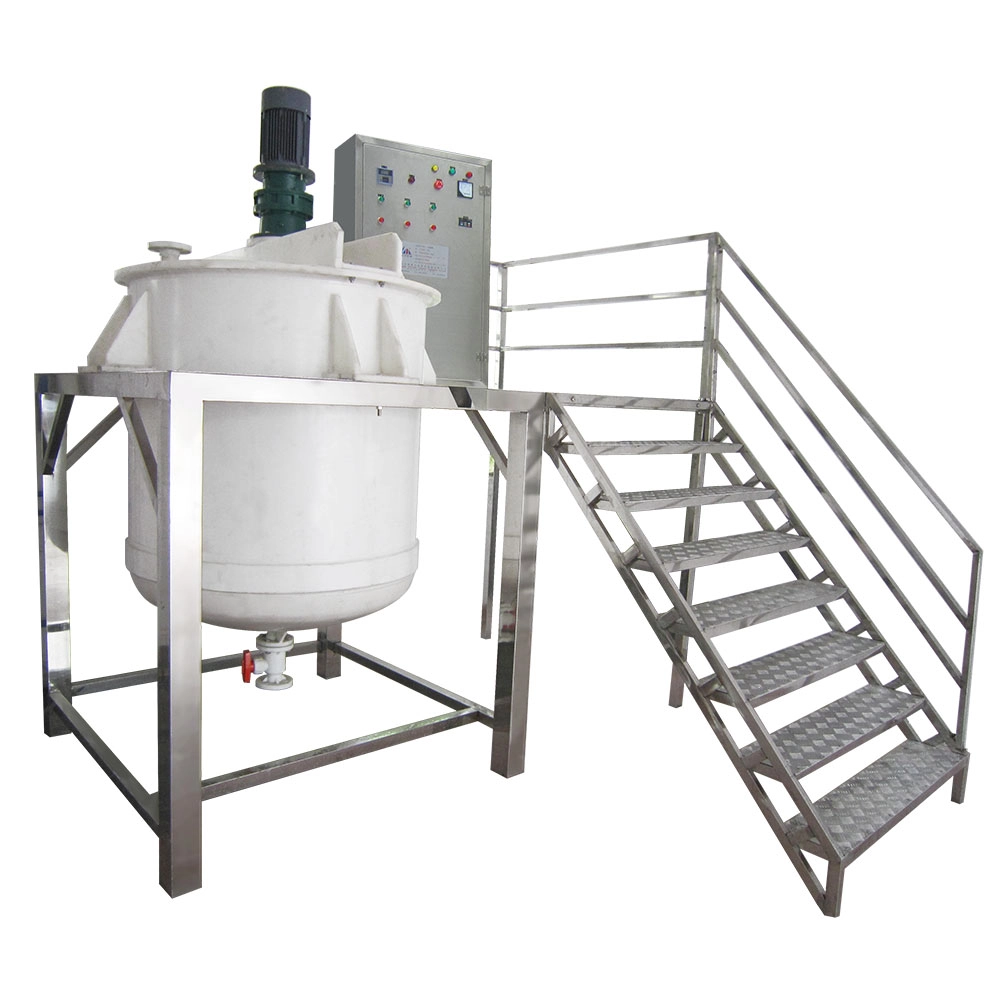
Polypropylene PP Mixing Tank Anti-Corrosion Mixer Reaction Kettle with Agitator Chemical Mixing Vessel
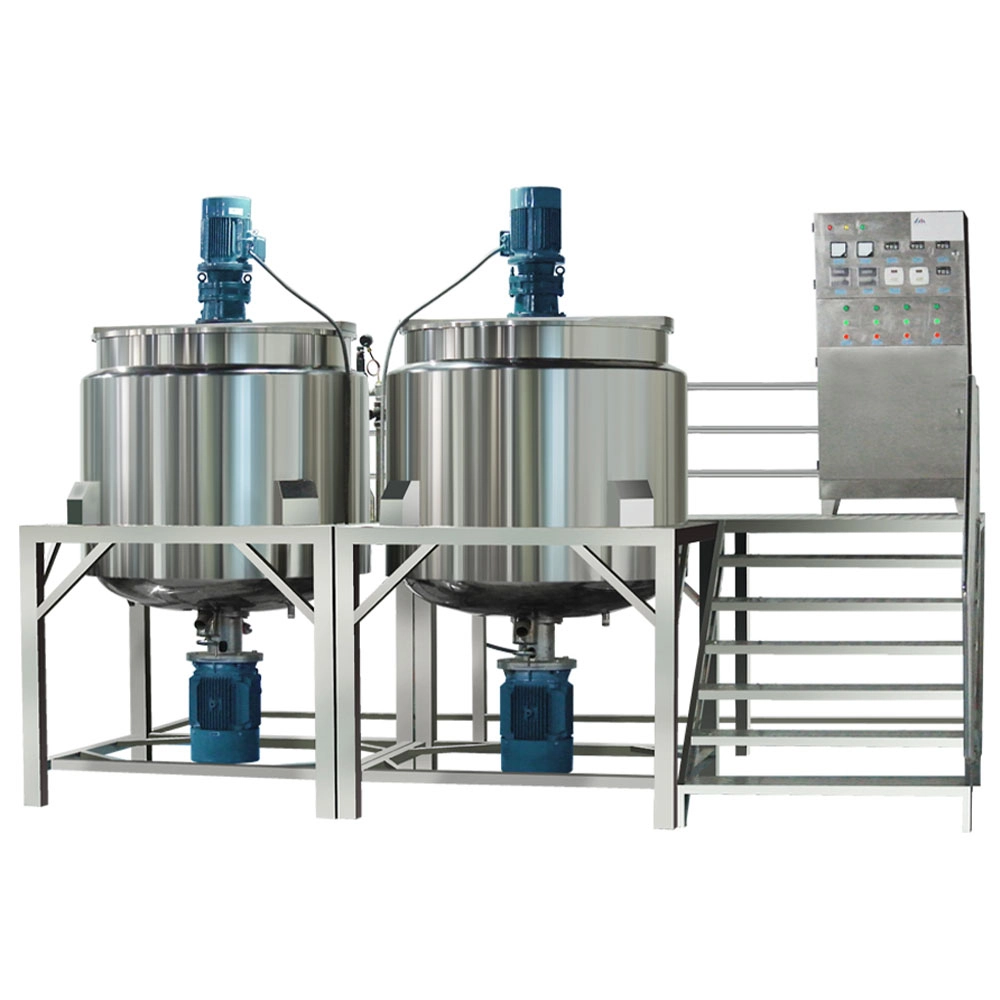
Flip Cover Multi-function Liquid Wash Mixing Tank Blender Liquid Detergent Mixer Homogenization Stirring Tank
Stainless Steel Mixer Liquid Mixing tank with Agitator Homogenizing Mixing tank Vacuum Sealed Mixer Machine
Get in touch with FULUKE
If you have any comments or good suggestions, please leave us a message, later our professional staff will contact you as soon as possible.

A leading manufacturer specializing in advanced machinery and complete production lines for the cosmetics, food, pharmaceutical, and chemical industries worldwide.
Contact FULUKE
Facebook
Instagram
YouTube