
Vacuum Sealed Mixer Machine: Compliance and Quality Control
- Vacuum Sealed Mixer Machine: Compliance and Quality Control for a Mixing Tank with Agitator
- Product Overview: What the Sealed Homogenizing Mixing Tank Does
- Why Vacuum Sealed Mixing Tanks Matter for Quality Control
- Key Design Features That Support Regulatory Compliance
- Validation and Qualification: IQ, OQ, PQ for a Homogenizing Mixing Tank
- Cleaning, Sanitization and Contamination Control for Mixing Tanks with Agitator
- In-Process Controls and Real-Time Monitoring
- Risk Management: Common Failure Modes and Mitigations
- Comparing Vacuum Sealed vs Atmospheric Mixing Tanks (Quick Reference)
- Regulatory Frameworks and Standards to Consider
- Documentation and Traceability: Batch Records, Certificates and Change Control
- Practical Implementation: Best Practices for Commissioning a Homogenizing Mixing Tank
- Brand Advantages: Why Choose This Stainless Steel Vacuum Sealed Mixer Machine
- FAQ — Common Questions About Vacuum Sealed Mixer Machines and Compliance
- Q: What are the primary compliance concerns when installing a vacuum sealed mixing tank with agitator?
- Q: How is cleaning validated on a homogenizing mixing tank?
- Q: Can vacuum sealed mixers reduce oxidation-sensitive product degradation?
- Q: What sensors are essential for process control?
- Q: Are these machines suitable for multi-product lines?
- Contact Us / View Product
- References and Authoritative Sources
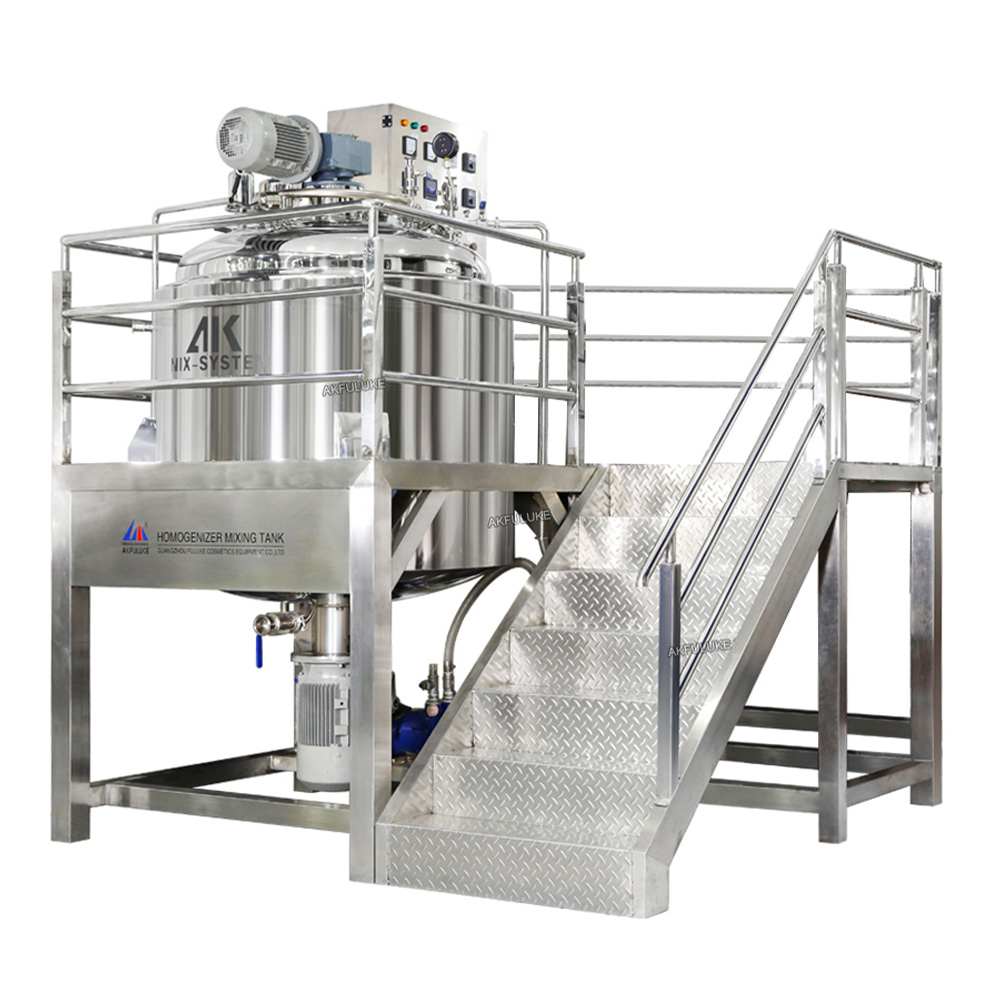
Vacuum Sealed Mixer Machine: Compliance and Quality Control for a Mixing Tank with Agitator
The following guide helps manufacturers, QA/QC engineers and procurement specialists evaluate the compliance and quality-control implications of adopting a mixing tank with agitator—specifically the Stainless Steel Mixer Liquid Mixing tank with Agitator Homogenizing Mixing tank Vacuum Sealed Mixer Machine. It explains how the equipment’s functional features (vacuum defoaming, homogenization, agitation and temperature control) interact with regulatory frameworks and good manufacturing practices to produce safe, stable and consistent products. With compliance addressed, operational efficiency depends heavily on mixing performance, which is why buyers must compare agitator types for high-viscosity liquid mixing before final equipment selection.
Product Overview: What the Sealed Homogenizing Mixing Tank Does
The Stainless Steel Mixer Liquid Mixing tank with Agitator Homogenizing Mixing tank Vacuum Sealed Mixer Machine is an industrial-grade material handling equipment that integrates four core functions: vacuum defoaming, high-speed homogenization, efficient stirring, and precise temperature control. It is widely used in the cosmetics, pharmaceutical, food, chemical and other industries.
It is specially designed to solve the mixing, emulsification, homogenization and degassing needs of high-viscosity, multi-phase (solid-liquid, liquid-liquid) materials. It can produce delicate, stable, bubble-free creams, lotions, gels, ointments, sauces and other products.
Why Vacuum Sealed Mixing Tanks Matter for Quality Control
Using a vacuum sealed mixer machine significantly improves control over air entrapment, oxidation, and contamination—three factors that directly impact product quality and shelf life. For products such as creams, ointments and emulsions, air bubbles reduce uniformity and accelerate spoilage. A mixing tank with agitator equipped with vacuum capability allows degassing during or after homogenization so the finished product meets visual, rheological and microbial specifications.
Key Design Features That Support Regulatory Compliance
When assessing a mixing tank for regulated production, focus on these design and material attributes that facilitate compliance with GMP, EU Cosmetics Regulation, FDA expectations and ISO standards:
- Material of Construction: 316L stainless steel interior for corrosion resistance and cleanability; sanitary welds and electropolish options to achieve Ra surface finishes ≤0.8 μm where required.
- Sealing and Vacuum Integrity: Robust sanitary seals (e.g., PTFE, EPDM according to formulation compatibility) and vacuum-rated manways with pressure-relief protection to meet safety and process control needs.
- Agitator Types: Anchor, turbine, high-shear homogenizer/nozzle assemblies integrated with the tank; variable speed drives and torque measurement for reproducible mixing profiles.
- Temperature Control: Jacketed tanks or coil systems with PID-controlled heating/cooling for precise thermal processing and stability during emulsification or cooling phases.
- CIP/SIP Compatibility: Clean-In-Place and Steam-In-Place design options to support validated cleaning and sterilization cycles, which reduce contamination risk and facilitate faster line changeovers.
- Instrumentation and Data Logging: Integrated sensors (temperature, vacuum, pressure, torque, RPM) and SCADA/PLC logging to support process monitoring, batch records and traceability.
Validation and Qualification: IQ, OQ, PQ for a Homogenizing Mixing Tank
Regulatory agencies and auditors expect documented evidence that equipment performs as intended. The typical qualification pathway for a vacuum sealed mixing tank with agitator includes:
- Installation Qualification (IQ): Verify correct installation, material certificates (e.g., 316L), heater/cooler and motor ratings, piping layout, and sanitary weld inspection.
- Operational Qualification (OQ): Test and document the operational range of agitator speeds, homogenizer pressures, vacuum levels, temperature control, safety interlocks and alarms.
- Performance Qualification (PQ): Run representative product batches to demonstrate consistent product quality (sampling for rheology, particle size distribution, homogeneity, microbial limits and visual appearance) under production conditions.
Templates for test protocols and acceptance criteria should be developed during project planning and included in the validation master plan (VMP).
Cleaning, Sanitization and Contamination Control for Mixing Tanks with Agitator
Cleaning validation is critical for multi-product facilities and for meeting cross-contamination limits. Effective cleaning and sanitization practices include:
- Establishing validated CIP/SIP cycles with defined temperatures, detergents, contact times and flow rates.
- Designing the tank and agitator to minimize dead legs and crevices where material can accumulate (rounded manways, port placement, smooth welds).
- Using swab and rinse sampling, ATP testing, and microbial enumeration methods to confirm cleanliness.
- Documenting cleaning procedures in SOPs and maintaining logs linked to batch records for traceability.
In-Process Controls and Real-Time Monitoring
Real-time process control reduces variability and supports regulatory compliance by creating auditable data trails:
- Torque and Power Consumption: Track agitator torque to infer viscosity changes during mixing and detect off-spec batches.
- Vacuum and Pressure Curves: Monitor vacuum levels and their stability to ensure effective degassing and to detect leaks or seal degradation.
- Temperature Profiles: Log temperature ramps and holds; use PID loops tuned to avoid thermal overshoot that can destabilize emulsions.
- Particle Size and Homogeneity Checks: In-line or at-line particle size analyzers and simple sampling for microscope checks ensure homogenization targets are met.
Risk Management: Common Failure Modes and Mitigations
Adopt a risk-based approach (FMEA) to identify likely failure modes and mitigation strategies for a mixing tank with agitator:
- Air Entrainment: Incomplete vacuum or poor valve sequencing can trap bubbles—mitigate with redundant vacuum sensors and clear SOPs for vacuum hold times.
- Cross-Contamination: Ineffective cleaning between runs—use validated CIP/SIP, dedicated product lines or robust cleaning verification protocols.
- Material Incompatibility: Seal or gasket degradation—specify seal materials compatible with APIs, solvents or acids in the process.
- Overheating/Undercooling: Temperature control failure—implement alarms, redundant sensors and automatic shutdown interlocks.
Comparing Vacuum Sealed vs Atmospheric Mixing Tanks (Quick Reference)
| Feature | Vacuum Sealed Mixer Machine | Atmospheric Mixing Tank |
|---|---|---|
| Air entrainment | Minimal — built-in degassing during/after homogenization | Higher risk of trapped bubbles requiring secondary operations |
| Oxidation risk | Lower (reduced O2 exposure) | Higher (exposed to ambient air) |
| Suitability for high-viscosity products | Excellent with high-shear homogenizers and strong agitators | Limited; may require longer mixing times or batch transfers |
| Cleaning complexity | Moderate–high (CIP/SIP needed but supports validation) | Lower design complexity but may be harder to sanitize thoroughly |
| Cost | Higher upfront cost, lower waste & higher product quality | Lower initial cost, potentially higher rework and scrap |
Regulatory Frameworks and Standards to Consider
Manufacturers of cosmetics, pharmaceuticals and food should map their processes to applicable frameworks and standards. Key examples:
- GMP for Cosmetics: ISO 22716 (Cosmetics — Good Manufacturing Practices) — describes quality management, personnel, facilities and documentation.
- FDA Cosmetics Guidance (United States): While FDA does not pre-approve cosmetics, facilities are expected to follow safety practices and accurate labeling (see FDA Cosmetics page).
- Pharmaceutical GMP: 21 CFR parts applicable to pharmaceuticals and relevant region-specific GMPs (EMA, WHO) if the equipment is used for drug products.
- Food Safety: HACCP and local food safety regulations if used for sauces or edible products.
- Industry Standards: ASME-BPE for bioprocess equipment where applicable, and CE marking/ATEX if operation involves explosive atmospheres.
Documentation and Traceability: Batch Records, Certificates and Change Control
Complete documentation is essential for audits and investigations. Recommended documentation items include:
- Material certificates for stainless steel, seals and gaskets.
- IQ/OQ/PQ protocols and executed reports with raw data.
- Standard Operating Procedures (SOPs) for assembly, operation, cleaning, maintenance and emergency actions.
- Batch records with time-stamped data logs from PLC/SCADA systems, sampling records and QC test results.
- Maintenance and calibration logs for sensors, valves, mixers and homogenizers.
- Change control records for any modifications to equipment or process parameters.
Practical Implementation: Best Practices for Commissioning a Homogenizing Mixing Tank
- Start with a process risk assessment and draft the VMP, including acceptance criteria for IQ/OQ/PQ.
- Specify sanitary design and material compatibility up front; insist on electropolish and certified welding where product contact matters.
- Integrate instrumentation for key process parameters and ensure data logging meets ALCOA+ principles (Attributable, Legible, Contemporaneous, Original, Accurate, plus Complete, Consistent, Enduring, Available).
- Define cleaning cycles and test them with worst-case soils for each product family.
- Run pre-production validation batches and perform full analytical testing for stability, particle size and microbiology before commercial release.
Brand Advantages: Why Choose This Stainless Steel Vacuum Sealed Mixer Machine
When selecting a supplier, consider these advantages commonly associated with high-quality Stainless Steel Mixer Liquid Mixing tank with Agitator Homogenizing Mixing tank Vacuum Sealed Mixer Machine designs:
- Integrated Functionality: Vacuum degassing, homogenizing and jacketed temperature control in a single unit reduce transfer steps and contamination risks.
- Sanitary Construction: 316L stainless steel, sanitary fittings, and electropolish options minimize microbial harborage and simplify cleaning validation.
- Data-Ready Controls: PLC/SCADA-ready systems with secure data logging and user-level access that support traceability and audit readiness.
- Scalability: Configurable from lab-to-pilot to production scales with consistent mixing geometries to reduce scale-up risk.
- After-Sales Support: Validation assistance (IQ/OQ/PQ), spare parts availability and training to shorten ramp-up time and reduce operational risk.
FAQ — Common Questions About Vacuum Sealed Mixer Machines and Compliance
Q: What are the primary compliance concerns when installing a vacuum sealed mixing tank with agitator?
A: Primary concerns include material certification (e.g., 316L stainless), sanitary design for cleanability, validated CIP/SIP procedures, documented IQ/OQ/PQ, appropriate instrumentation for process monitoring and adherence to applicable GMP or regulatory frameworks (ISO 22716, FDA, WHO, etc.).
Q: How is cleaning validated on a homogenizing mixing tank?
A: Cleaning validation uses worst-case soil selection, defined cleaning cycles (temperature, detergent concentration and time), and verification via swab/rinse testing, total organic carbon (TOC), ATP assays or microbial enumeration. Acceptance criteria must be predefined and justified.
Q: Can vacuum sealed mixers reduce oxidation-sensitive product degradation?
A: Yes. Operating under vacuum or inert atmosphere reduces dissolved oxygen and surface oxidation, extending product stability for oxidation-prone ingredients (e.g., vitamins, essential oils).
Q: What sensors are essential for process control?
A: Temperature probes, vacuum/pressure transducers, torque/RPM sensors and data logging for homogenizer pressure are essential. Consider at-line particle size measurement for critical emulsions.
Q: Are these machines suitable for multi-product lines?
A: Yes, but multi-product operations require robust cleaning validation, dedicated SOPs, documented changeover procedures and potentially dedicated gaskets or seals for incompatible chemistries.
Contact Us / View Product
If you would like technical specifications, validation support or a custom quotation for the Stainless Steel Mixer Liquid Mixing tank with Agitator Homogenizing Mixing tank Vacuum Sealed Mixer Machine, please contact our sales and engineering team: sales@yourcompany.com or visit our product page: /products/vacuum-sealed-mixer.
References and Authoritative Sources
For further reading and regulatory context, consult the following authoritative resources:
- Homogenizer — Wikipedia
- Mixing (process engineering) — Wikipedia
- U.S. Food and Drug Administration — Cosmetics
- European Commission — Cosmetics (EU Regulation)
- WHO — Good Manufacturing Practices
- ISO 22716 — Cosmetics — Good Manufacturing Practices (overview)
Note: Ensure any final equipment selection is validated against your specific product formulations, regional regulatory requirements and in-house quality policies.
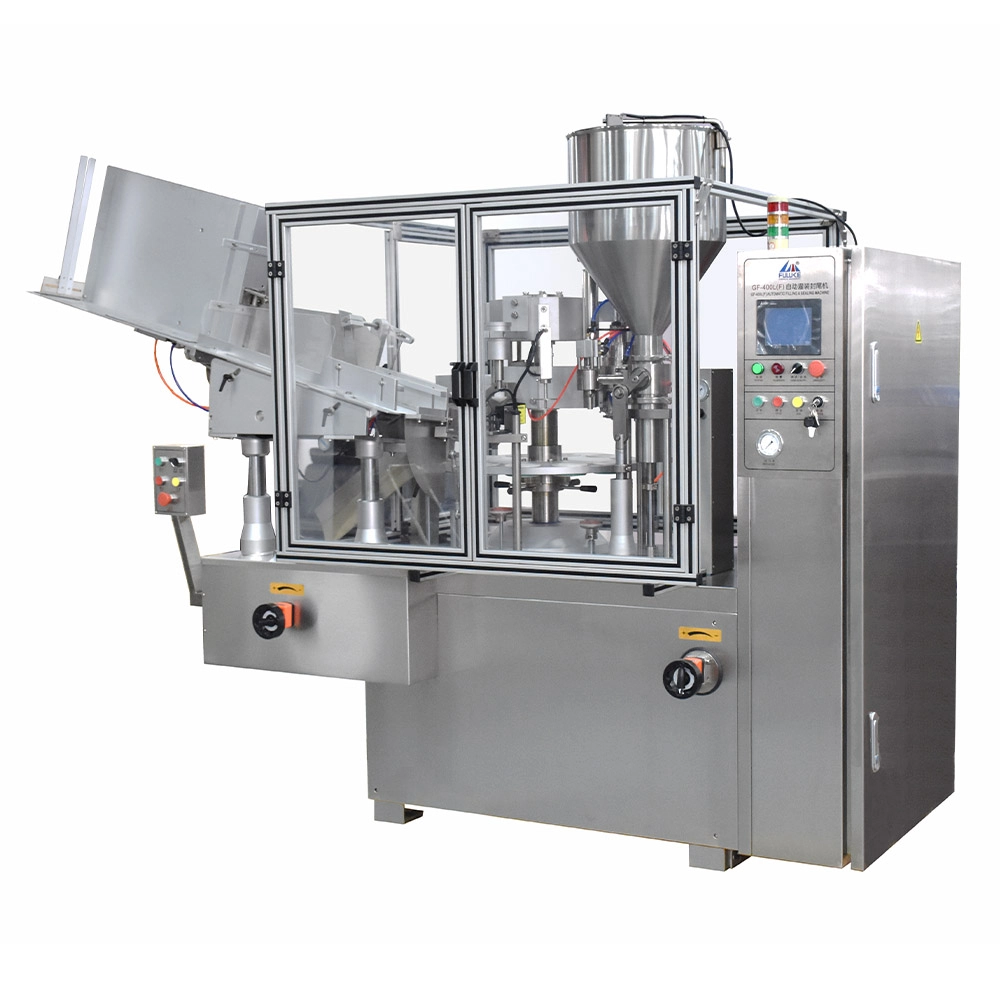
How Tube Filling & Sealing Machines Boost Production Efficiency
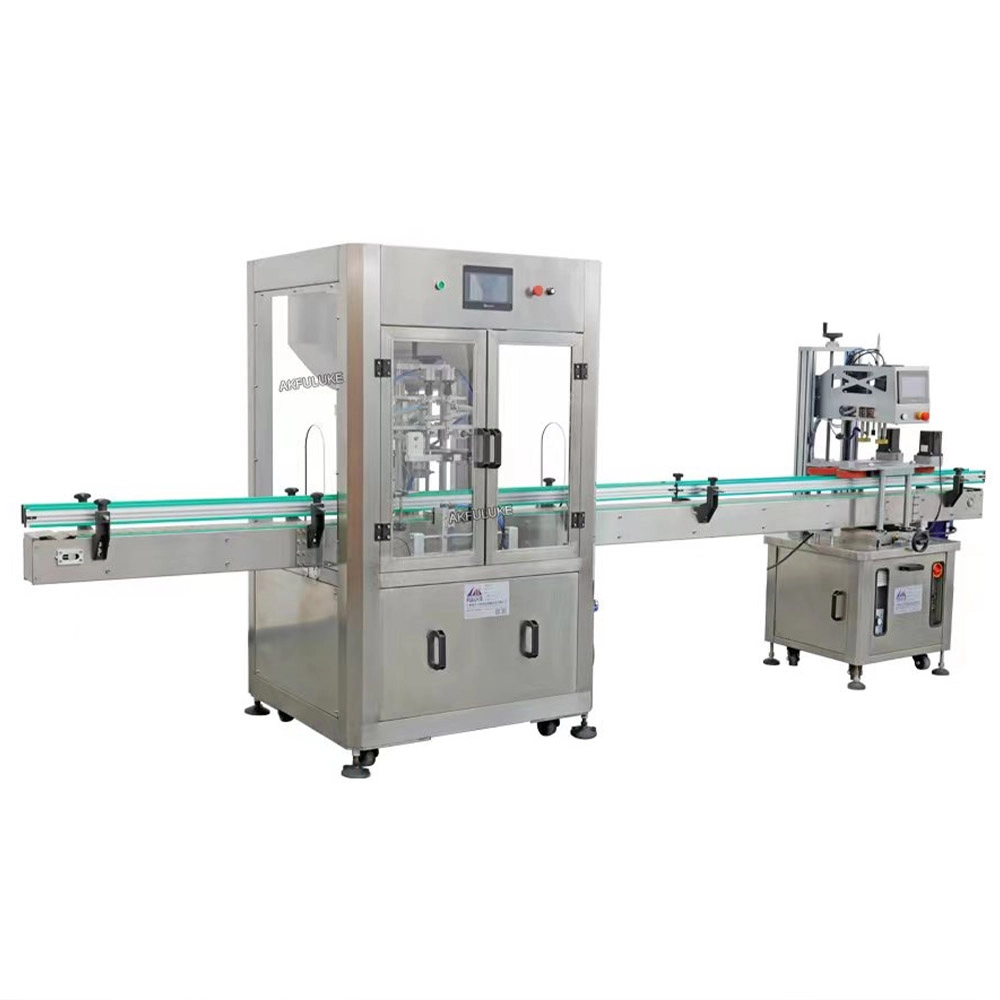
How to Calculate ROI for an Automatic Filling Machine
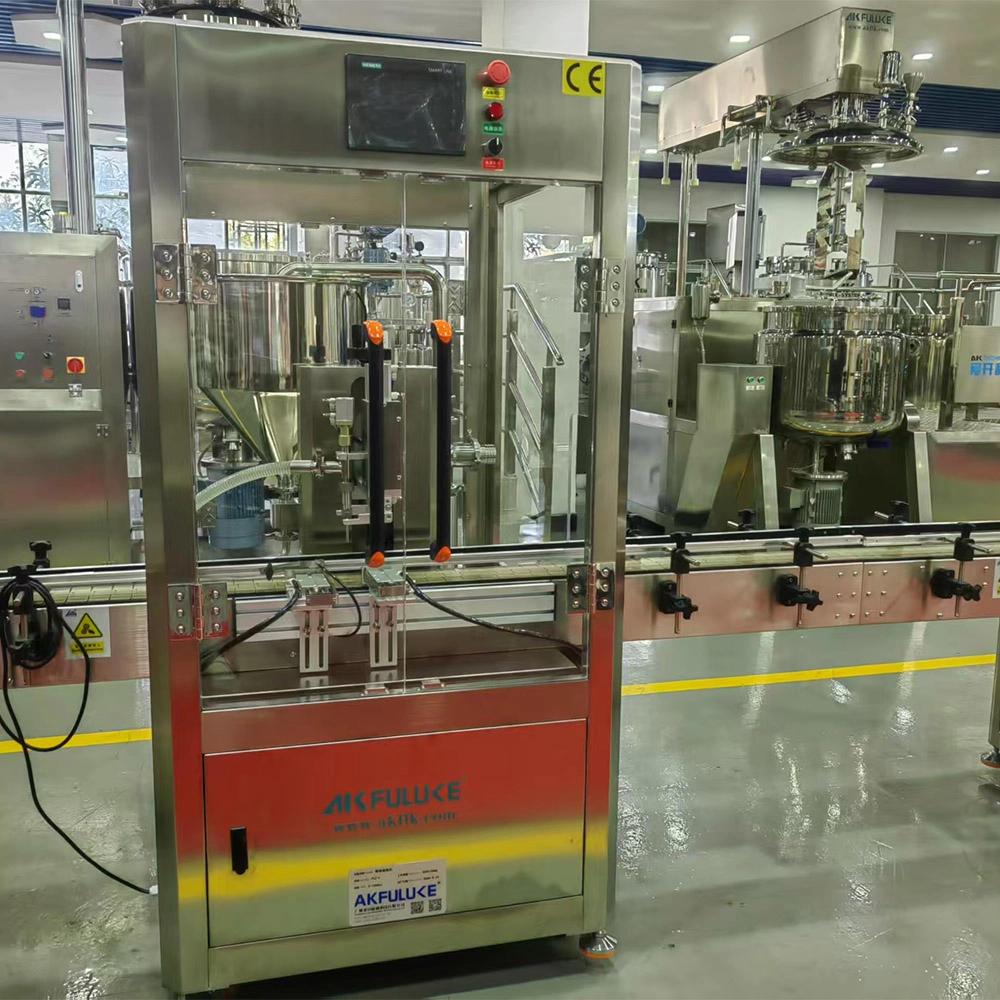
Compare Filling Technologies: Piston vs Peristaltic vs Pump
Evaluating Fill Repeatability Across Production Runs
FAQs
How can customers contact FULUKE for inquiries or support?
Storage Tank
Can tank capacities be customized?
Yes, we can. We offer custom capacities ranging from tens of liters to tens of thousands of cubic meters. Please provide us with the media type, storage environment, and site dimensions in advance so we can find the optimal design.
How do I choose the right storage tank material?
Select based on the characteristics of the storage medium. For example, 316L stainless steel is preferred for food storage, while 304 or PE can be used for general water storage.
Inkjet Printing Machine
Can you customize the machine?
Of course, we provide customized services according to customer needs.
Sealed Homogenizing Mixing Tank
Can you customize the machine?
Of course, we provide customized services according to customer needs.
You May Also Like
Automatic Tube Filling and Sealing Machine Toothpaste Sunscreen and Facial Cleanser Filling and Sealing Machine for Plastic and Aluminum-plastic Tube
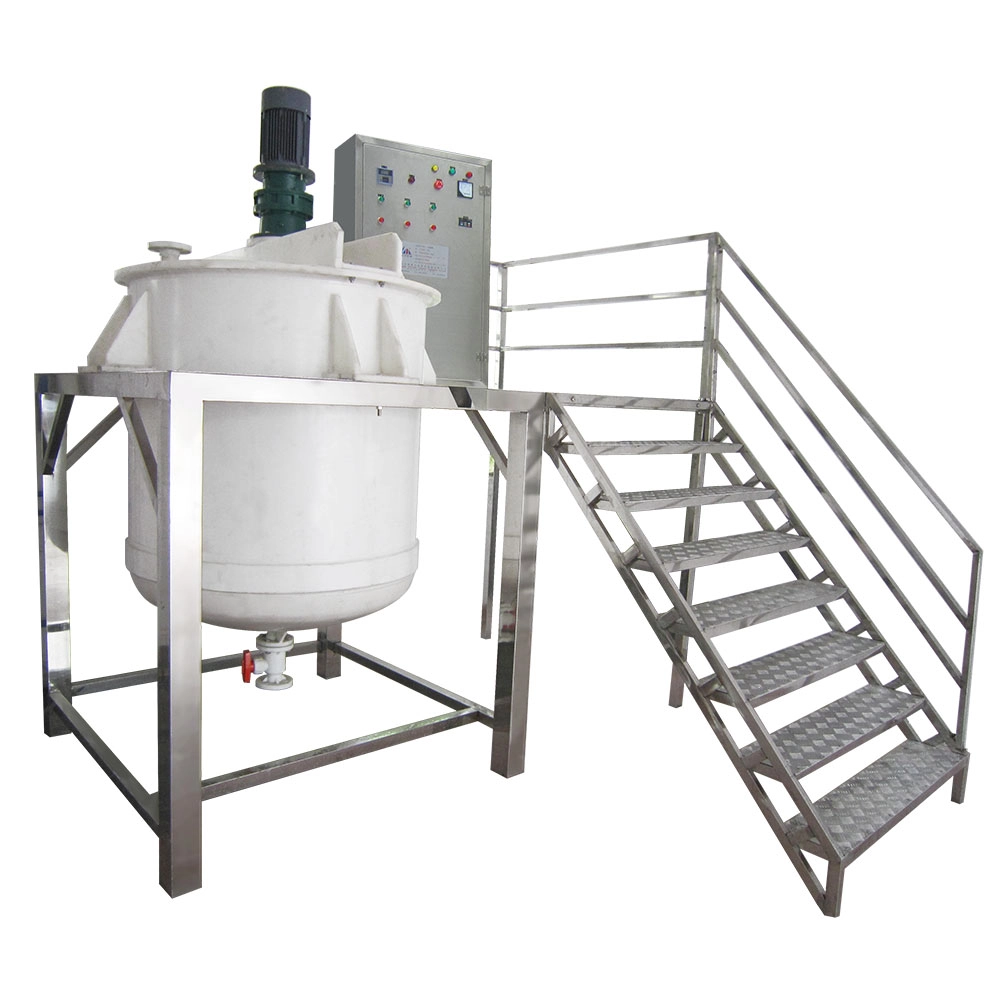
Polypropylene PP Mixing Tank Anti-Corrosion Mixer Reaction Kettle with Agitator Chemical Mixing Vessel
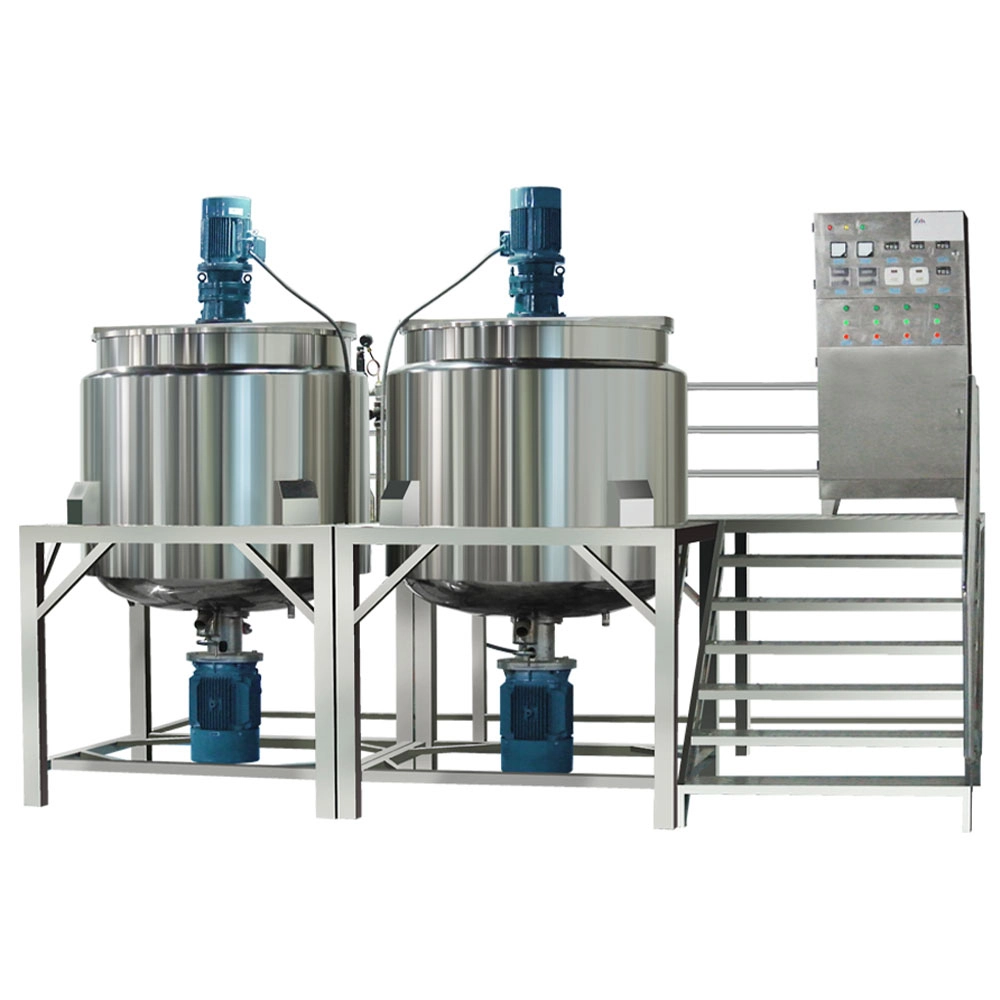
Flip Cover Multi-function Liquid Wash Mixing Tank Blender Liquid Detergent Mixer Homogenization Stirring Tank
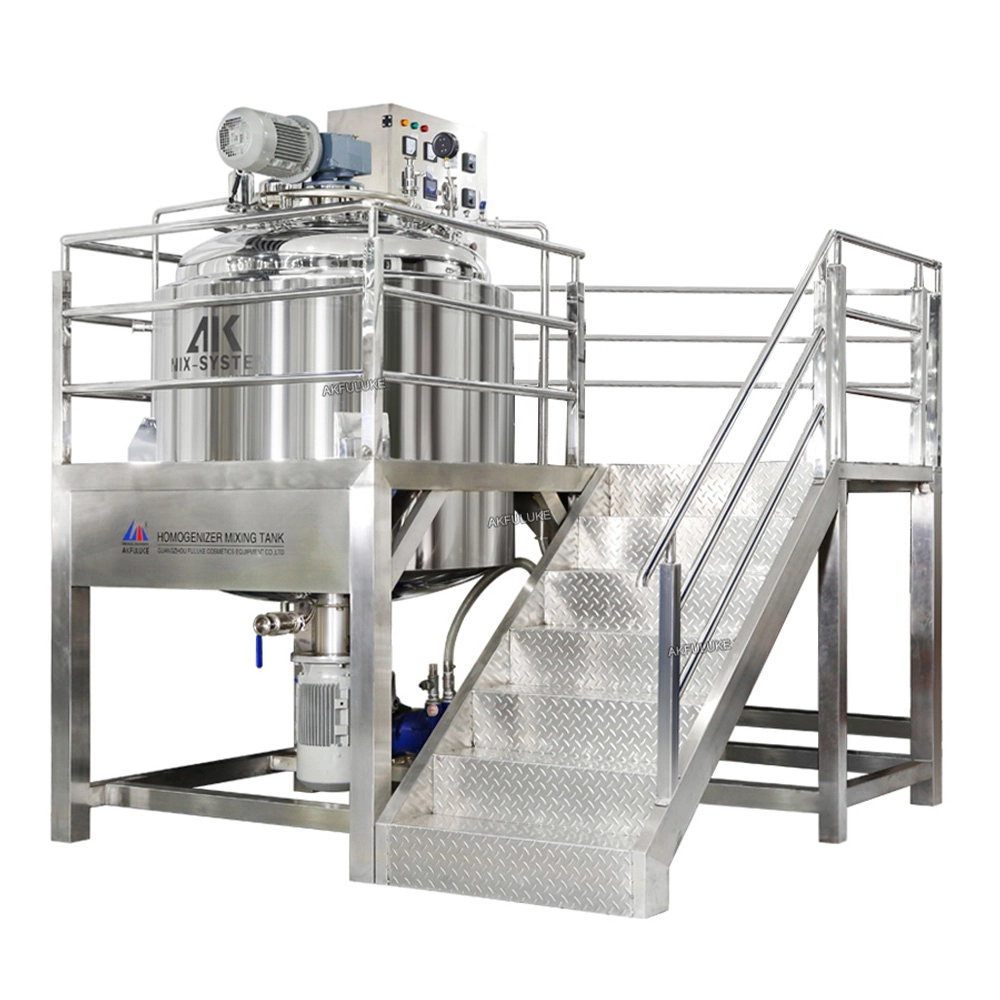
Stainless Steel Mixer Liquid Mixing tank with Agitator Homogenizing Mixing tank Vacuum Sealed Mixer Machine
Get in touch with FULUKE
If you have any comments or good suggestions, please leave us a message, later our professional staff will contact you as soon as possible.

A leading manufacturer specializing in advanced machinery and complete production lines for the cosmetics, food, pharmaceutical, and chemical industries worldwide.
Contact FULUKE
Facebook
Instagram
YouTube