
Vacuum Sealed Mixer Machines: Benefits for Sensitive Formulations
- Vacuum Sealed Mixer Machines: Benefits for Sensitive Formulations
- Why sensitive formulations need specialized mixing tank solutions
- How a Vacuum Sealed Mixer Machine works: core functions of a modern mixing tank
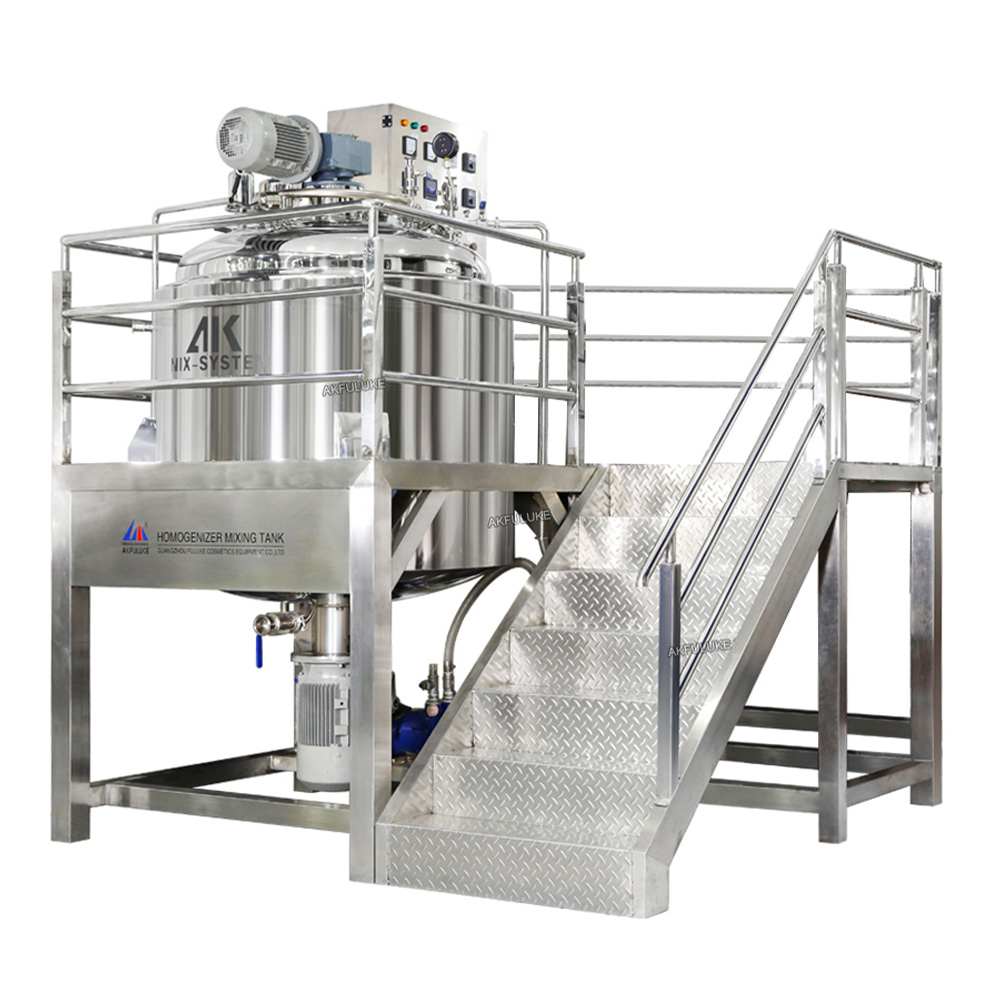
- Product Spotlight: Stainless Steel Mixer Liquid Mixing tank with Agitator Homogenizing Mixing tank Vacuum Sealed Mixer Machine
- Primary benefits for sensitive formulations
- Comparison: Vacuum Sealed Mixer vs Conventional mixing tank
- Design considerations when choosing a vacuum mixing tank
- Regulatory, quality and hygiene implications for cosmetics and pharmaceuticals
- Scale-up: from lab mixing tank to production line
- Cleaning, maintenance and lifecycle costs of a vacuum sealed mixing tank
- Troubleshooting common issues in vacuum sealed mixers
- Brand advantages: why choose our Stainless Steel Mixer Liquid Mixing tank with Agitator Homogenizing Mixing tank Vacuum Sealed Mixer Machine
- Best-practice recommendations for formulators using vacuum mixing tanks
- FAQs (Frequently Asked Questions)
- Q: Can a vacuum sealed mixer handle both low- and high-viscosity products?
- Q: Will vacuum processing remove volatile fragrances or actives?
- Q: How do vacuum sealed mixers support regulatory compliance?
- Q: What droplet sizes can be achieved with vacuum homogenizing mixing tanks?
- Q: How should I maintain the homogenizer components?
- Contact us / View the product
- Authoritative references and further reading
Vacuum Sealed Mixer Machines: Benefits for Sensitive Formulations
Why sensitive formulations need specialized mixing tank solutions
Sensitive formulations—creams, lotions, serums, pharmaceutical suspensions, high-viscosity gels and certain food emulsions—are easily affected by air entrainment, oxidation, temperature spikes and inconsistent particle size. Traditional mixing tanks often introduce air bubbles, fail to achieve uniform micro-emulsions, or cannot tightly control temperature and shear for high-viscosity materials. For manufacturers who must deliver stable, reproducible, bubble-free products, a Vacuum Sealed Mixer Machine provides a targeted set of capabilities to meet these needs. While vacuum protection safeguards delicate ingredients, achieving batch-to-batch uniformity depends on proper mixing dynamics, which is why agitator homogenizing tanks ensuring consistent product quality are critical for scalable production.
How a Vacuum Sealed Mixer Machine works: core functions of a modern mixing tank
A vacuum sealed mixer integrates four core functions into a single mixing tank system: vacuum defoaming, high-speed homogenization, efficient stirring, and precise temperature control. Under vacuum, trapped air expands and escapes, enabling efficient degassing. High-speed homogenizers reduce droplet size and produce fine emulsions. Mechanical agitators ensure uniform bulk mixing while jackets and internal coils enable precise thermal control. The coordination of these systems—often under automated PLC control—ensures repeatable batches and minimizes manual interventions.
Product Spotlight: Stainless Steel Mixer Liquid Mixing tank with Agitator Homogenizing Mixing tank Vacuum Sealed Mixer Machine
The Sealed Homogenizing mixing tank is an industrial-grade material handling equipment that integrates four core functions: vacuum defoaming, high-speed homogenization, efficient stirring, and precise temperature control. It is widely used in the cosmetics, pharmaceutical, food, chemical and other industries.
It is specially designed to solve the mixing, emulsification, homogenization and degassing needs of high-viscosity, multi-phase (solid-liquid, liquid-liquid) materials. It can produce delicate, stable, bubble-free creams, lotions, gels, ointments, sauces and other products.
Primary benefits for sensitive formulations
Using a vacuum sealed mixer yields multiple, measurable benefits for sensitive formulations:
- Stable, bubble-free products: Vacuum degassing removes entrained air during and after homogenization. This is essential for cosmetic creams and pharmaceutical suspensions where visible bubbles compromise appearance, texture and stability.
- Reduced oxidation and improved shelf life: Removing oxygen during mixing reduces oxidation of active ingredients (e.g., vitamins, fragrances, natural extracts), preserving potency and color.
- Consistent droplet/particle size: High-shear homogenizers under vacuum produce finer, more uniform emulsions and dispersions, improving bioavailability and sensory properties.
- Precise temperature control: Jackets, coils and sensors maintain stable processing temperatures. Sensitive actives and thermolabile ingredients are less likely to degrade.
- Faster de-aeration and shorter processing times: Vacuum accelerates bubble removal compared with atmospheric settling, increasing throughput and batch yield.
- Improved scale-up predictability: Systems designed for levelling shear and controlled energy input make lab-to-production scaling more reliable.
Comparison: Vacuum Sealed Mixer vs Conventional mixing tank
| Feature | Conventional mixing tank | Vacuum Sealed Mixer Machine (mixing tank) |
|---|---|---|
| Air entrainment / degassing | Often needs static settling or separate vacuum step; slower; residual bubbles common | Integrated vacuum defoaming; quick, effective removal of entrained air |
| Oxidation risk | Higher due to exposure to ambient air | Lower—reduced oxygen exposure during processing |
| Emulsion quality | Dependent on mixer design; variable droplet size | High-shear homogenization under vacuum yields finer, more uniform droplets |
| Temperature control | Basic jackets or external heat exchangers; less precise | Precision jackets/coils and thermostatic control for sensitive actives |
| Cleaning and compliance | Varies; may need disassembly for thorough CIP | Designed for CIP/SIP compatibility and hygienic finishes (stainless steel) |
| Suitable products | Low- to mid-viscosity products; non-sensitive formulations | High-viscosity, multi-phase and oxygen-sensitive formulations |
Design considerations when choosing a vacuum mixing tank
Selecting the right Vacuum Sealed Mixer Machine (mixing tank) requires attention to these technical factors:
- Material of construction: 316L stainless steel is standard for cosmetics and pharmaceuticals due to corrosion resistance and cleanability.
- Homogenizer type and capacity: Rotor–stator homogenizers, high-pressure homogenizers and dual-stage systems have different shear profiles—choose based on target droplet size and viscosity.
- Agitator configuration: Anchor, helical ribbon or planetary agitators are preferable for high-viscosity batches; combination systems allow efficient bulk mixing and surface scrubbing.
- Vacuum rating and pump type: Ensure the vacuum pump and vessel design can achieve required vacuum levels for degassing without cavitation of the product.
- Heating/cooling control: Integrated jacket, internal coils and precise PID control protect thermolabile ingredients and improve reproducibility.
- Cleaning and validation: CIP/SIP capability, sanitary welds, and surface finish (≤0.8 Ra often required) simplify validation in regulated environments.
- Instrumentation & automation: Pressure, temperature, torque and homogenizer speed sensors linked to PLC/HMI help standardize batches and capture data for quality records.
Regulatory, quality and hygiene implications for cosmetics and pharmaceuticals
Manufacturing sensitive formulations often requires compliance with GMP, local cosmetic regulations, and, for pharmaceuticals, regulatory guidance (e.g., ICH). A vacuum sealed mixing tank built from the appropriate stainless steel and equipped with CIP/SIP capabilities supports hygienic processing and simplifies validation. Closed systems also reduce contamination risk, enabling cleaner rooms and aseptic workflows when necessary. For food products, compliance with local food safety standards (e.g., FDA 21 CFR for the U.S.) and hygienic design (EHEDG guidance) should be considered.
Scale-up: from lab mixing tank to production line
Scaling a formulation from bench-top to production is often unsuccessful if mixing energy, shear rate and vacuum conditions are not reproduced. When using a vacuum homogenizing mixing tank for scale-up:
- Match tip speeds, energy per volume and residence time rather than simply rpm.
- Preserve the order and rate of ingredient addition; vacuum conditions during charging can change solubility and dispersion behaviour.
- Use pilot-scale trials that include full vacuum and temperature control to predict batch performance.
Cleaning, maintenance and lifecycle costs of a vacuum sealed mixing tank
Hygienic design reduces contamination risk but requires proper maintenance:
- CIP cycles should be validated for chemical compatibility and efficacy; design spray patterns to reach dead zones.
- Regular inspection of seals, gaskets and vacuum pump maintenance prevents vacuum loss and product leakage.
- Homogenizer rotor–stator wear is a predictable maintenance cost; establish a replacement schedule based on operating hours and abrasive loads.
While initial CAPEX for a vacuum sealed mixer may be higher than a basic mixing tank, OEE (overall equipment effectiveness), reduced rework, longer shelf life and higher yield often produce lower total cost of ownership.
Troubleshooting common issues in vacuum sealed mixers
Common problems and mitigations include:
- Incomplete degassing: Check vacuum pump capacity, ensure proper vacuum level, and verify homogenizer timing—sometimes a short post-homogenization vacuum step helps.
- Over-shearing of sensitive actives: Lower homogenizer speed or reduce residence time; consider multi-stage homogenization with gentler first stage.
- Seal or gasket failure: Use FDA/USP-grade materials and inspect regularly; design for easy replacement.
- Temperature spikes: Verify heat input from motors and homogenizers and improve jacket efficiency or add external heat exchangers.
Brand advantages: why choose our Stainless Steel Mixer Liquid Mixing tank with Agitator Homogenizing Mixing tank Vacuum Sealed Mixer Machine
When selecting equipment, brand-level qualities matter. Our vacuum sealed mixer product line emphasizes:
- Industry-grade hygienic design: 316L stainless steel construction, sanitary welds, and surface finishes suitable for cosmetic and pharmaceutical use.
- Integrated, validated processes: Pre-engineered vacuum, homogenization and jacket control assemblies reduce commissioning time and support reproducible results.
- Customization and scalability: Modular homogenizer and agitator options to match viscosity ranges and production capacities from pilot to full-scale.
- Service and validation support: On-site commissioning, training, and IQ/OQ/PQ protocols to help customers meet regulatory requirements.
- Data-ready automation: PLC/HMI with batch recipes and batch data logging to support traceability and QA/QC review.
Best-practice recommendations for formulators using vacuum mixing tanks
To maximize results:
- Define product-critical quality attributes (pCQAs): target droplet/particle size, viscosity, appearance and microbial limits.
- Document and control the sequence of addition and vacuum timing in batch recipes.
- Perform pilot runs with instrumented sampling to verify scale-up assumptions.
- Validate CIP cycles and maintain a preventive maintenance schedule for homogenizer parts and vacuum systems.
FAQs (Frequently Asked Questions)
Q: Can a vacuum sealed mixer handle both low- and high-viscosity products?
A: Yes. With appropriate agitator selection (anchor, helical ribbon, planetary) and homogenizer configuration, the same mixing tank can process low-viscosity emulsions and high-viscosity creams. Specify intended viscosity range when selecting equipment so the manufacturer can match motor power and agitator design.
Q: Will vacuum processing remove volatile fragrances or actives?
A: Vacuum can accelerate the loss of volatiles if the vacuum level and temperature are not controlled. Use gentle vacuum levels, low temperature, and minimize vacuum hold times for volatile-containing formulations. Some processes use partial vacuum rather than deep vacuum to balance degassing with volatile retention.
Q: How do vacuum sealed mixers support regulatory compliance?
A: The closed-system design reduces contamination risk; stainless steel construction, CIP/SIP compatibility, and validation documentation (IQ/OQ/PQ) support GMP and food safety requirements. Automation with batch records aids traceability required by regulatory bodies.
Q: What droplet sizes can be achieved with vacuum homogenizing mixing tanks?
A: Typical rotor–stator systems can achieve droplet sizes in the 1–10 µm range depending on formulation and process energy. High-pressure homogenizers can reach sub-micron sizes for specialized applications. Actual results depend on formulation composition and processing parameters.
Q: How should I maintain the homogenizer components?
A: Follow manufacturer guidelines for inspection and replacement intervals. Monitor torque, temperature and sound for early signs of wear. Keep a stock of critical wear parts to reduce downtime.
Contact us / View the product
To discuss how the Stainless Steel Mixer Liquid Mixing tank with Agitator Homogenizing Mixing tank Vacuum Sealed Mixer Machine can improve your product quality and manufacturing efficiency, contact our sales team for a consultation, pilot trials, or a quotation. Request product documentation, CAD drawings and validation support from our engineers.
Authoritative references and further reading
For regulatory guidance and technical background referenced in this
- U.S. Food & Drug Administration (FDA) — Current Good Manufacturing Practice (CGMP) guidelines: https://www.fda.gov
- International Council for Harmonisation (ICH) — Quality guidelines: https://www.ich.org
- European Hygienic Engineering & Design Group (EHEDG) — Hygienic design guidance: https://www.ehedg.org
- Wikipedia — Homogenizer: https://en.wikipedia.org/wiki/Homogenizer
- ISO — Standards for stainless steel and hygienic design: https://www.iso.org
References provided to help validate claims and support further technical reading.
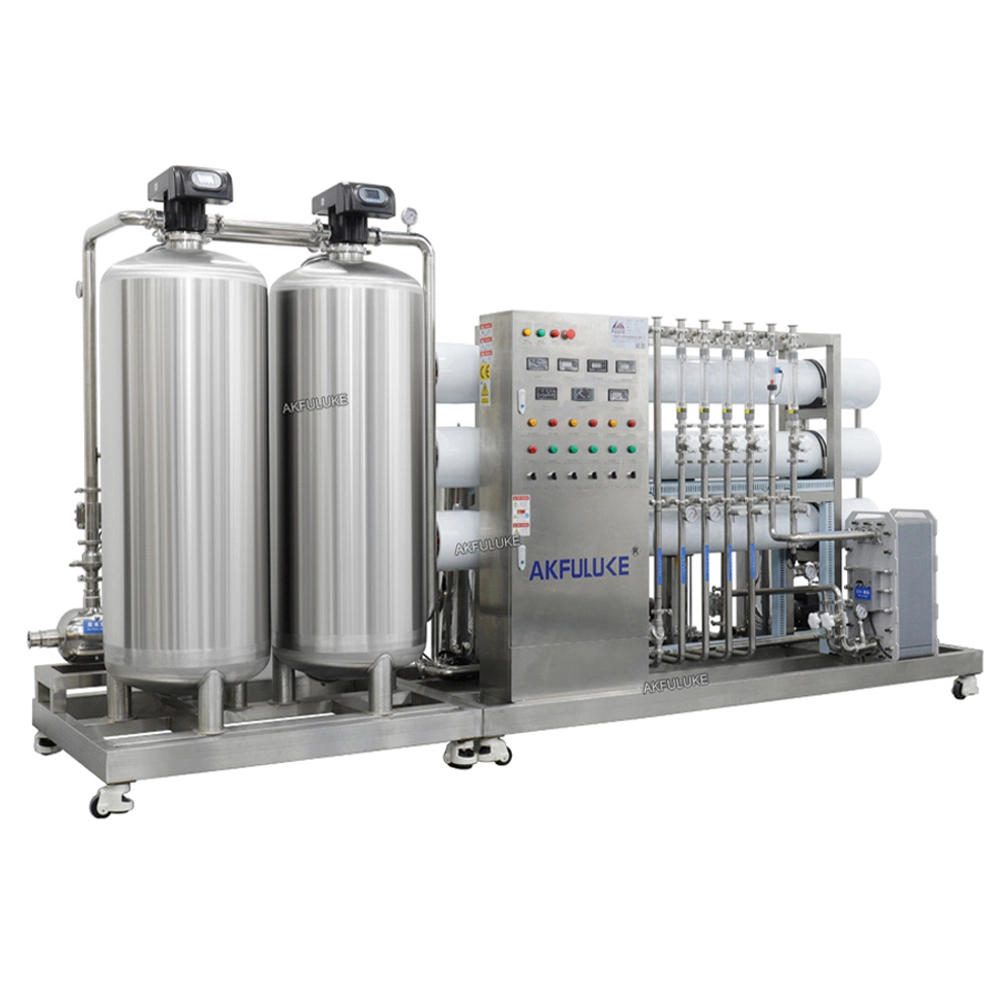
Maintenance Plan to Maximize Uptime of Industrial RO Units
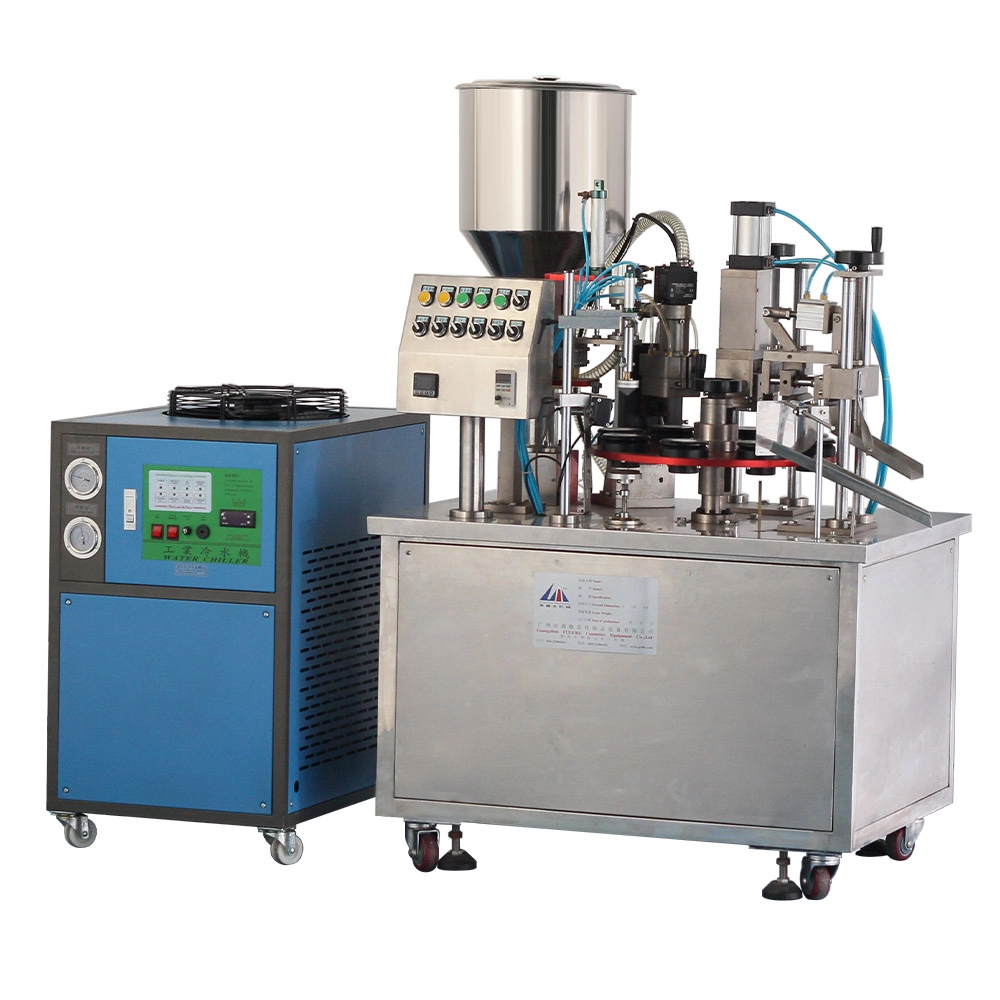
Integration Tips: Adding Tube Filling Machines to Production Lines
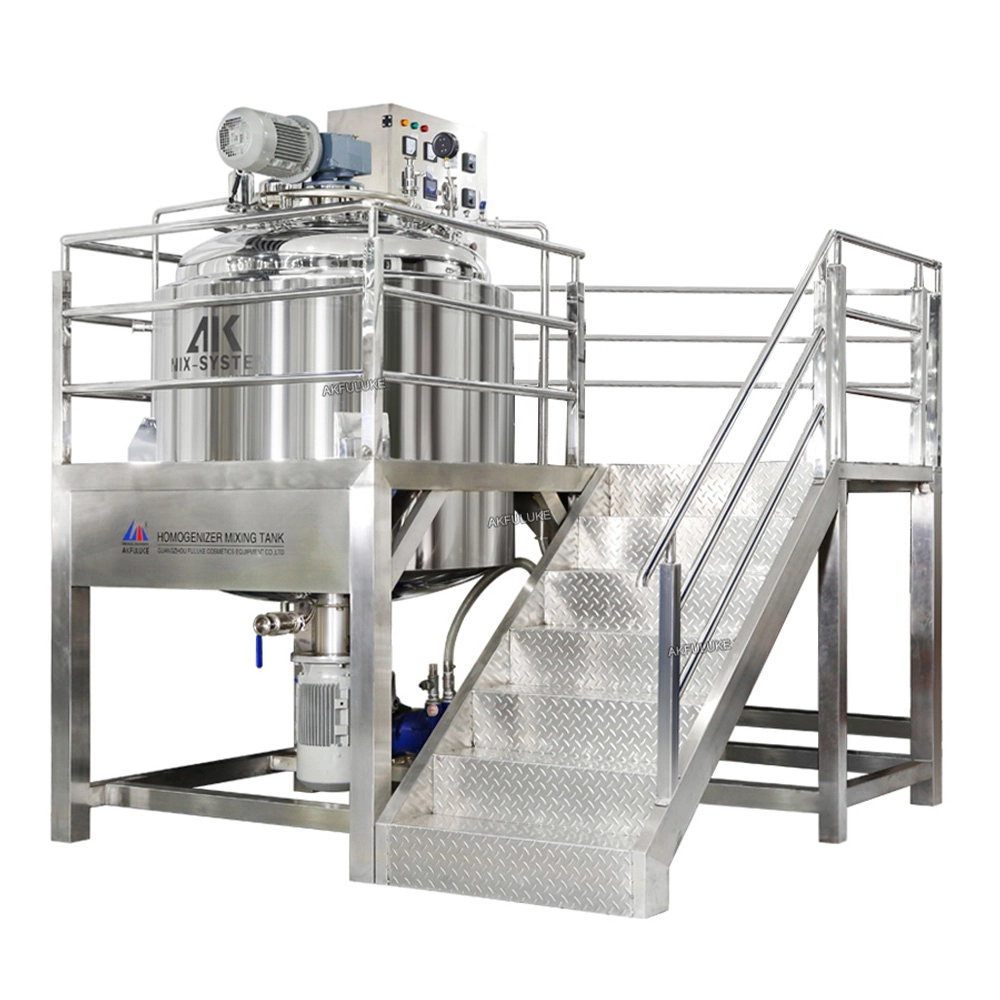
Integrating Mixer Tanks with Agitators into Automated Lines
Top 10 vacuum emulsifying machine Manufacturers and Supplier Brands
Polypropylene PP Mixing Tank
Can you customize the machine?
Of course, we provide customized services according to customer needs.
Sealed Homogenizing Mixing Tank
What is the structure of an agitator?
The agitator usually consists of a "frame agitator (SUS316L material) + scraper (PTFE)" or an anchor agitator.
Lift-type Homogenizing Disperser
Why is the equipment suddenly noisier during operation?
There are three common causes: First, the disperser disc is colliding with the container wall, requiring the machine to be stopped and adjusted for lift height or container position; second, the motor bearings are worn, requiring inspection and replacement if wear is severe; and third, hard impurities (such as metal particles) may be mixed into the material, requiring the machine to be stopped and cleaned to prevent damage to the disperser disc.
Film Packaging Machine
Who are we?
Our headquarters is located in Guangzhou, Guangdong, China, and our factory is located in Yangzhou, Jiangsu. Our products are sold all over the world. We have approximately 50 employees in our company and factory.
Perfume Filling Machine
Can you make a design for us?
Yes, we can, we provide not only products, but also solutions and designs.
You May Also Like
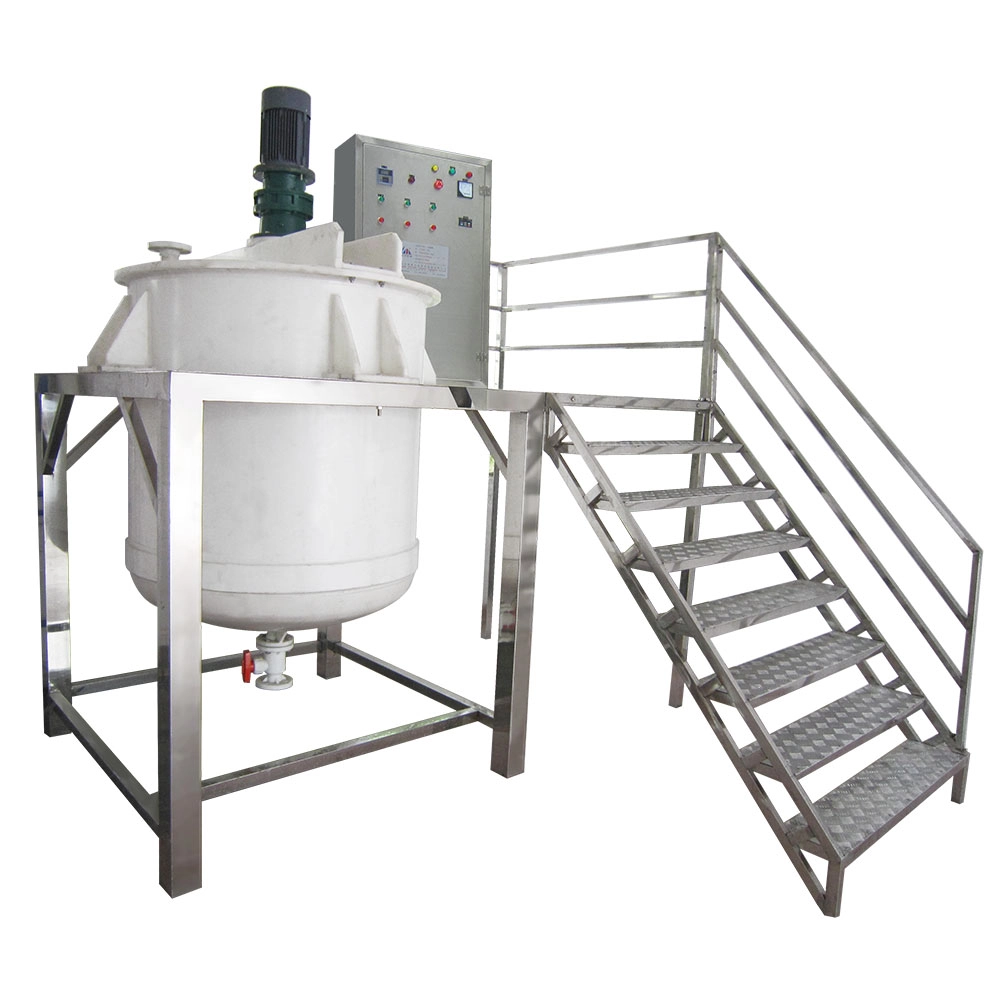
Polypropylene PP Mixing Tank Anti-Corrosion Mixer Reaction Kettle with Agitator Chemical Mixing Vessel
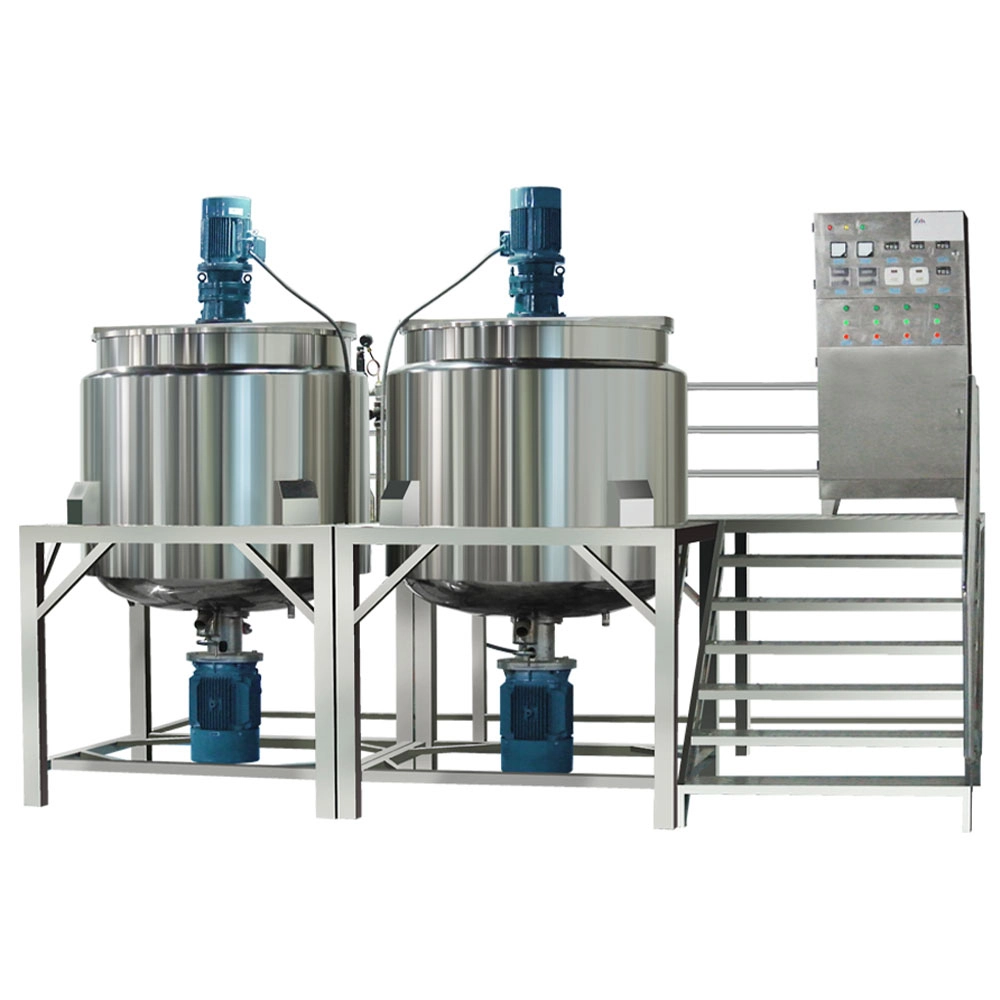
Flip Cover Multi-function Liquid Wash Mixing Tank Blender Liquid Detergent Mixer Homogenization Stirring Tank
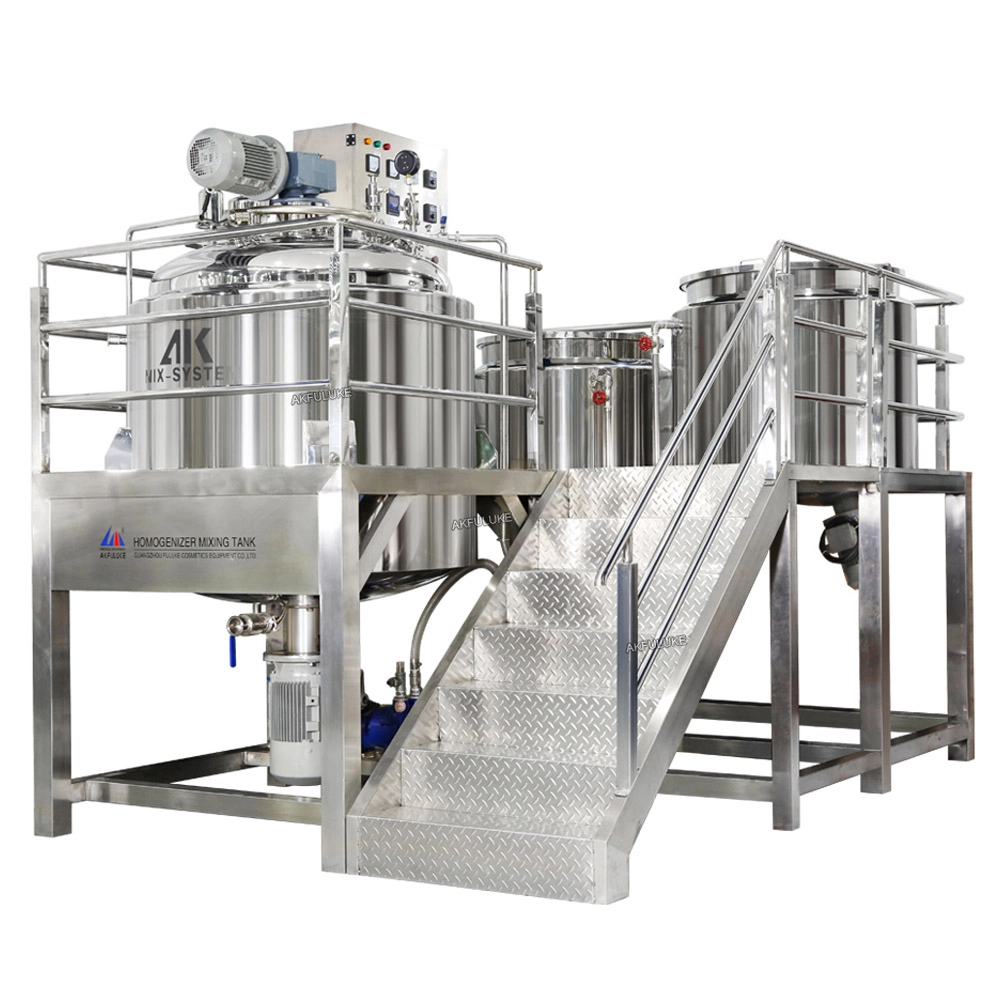
Fixed Type Vacuum Mixing Emulsifying Equipment for Cosmetic Cream Ointment Lotion Vacuum Homogenizer Mixer
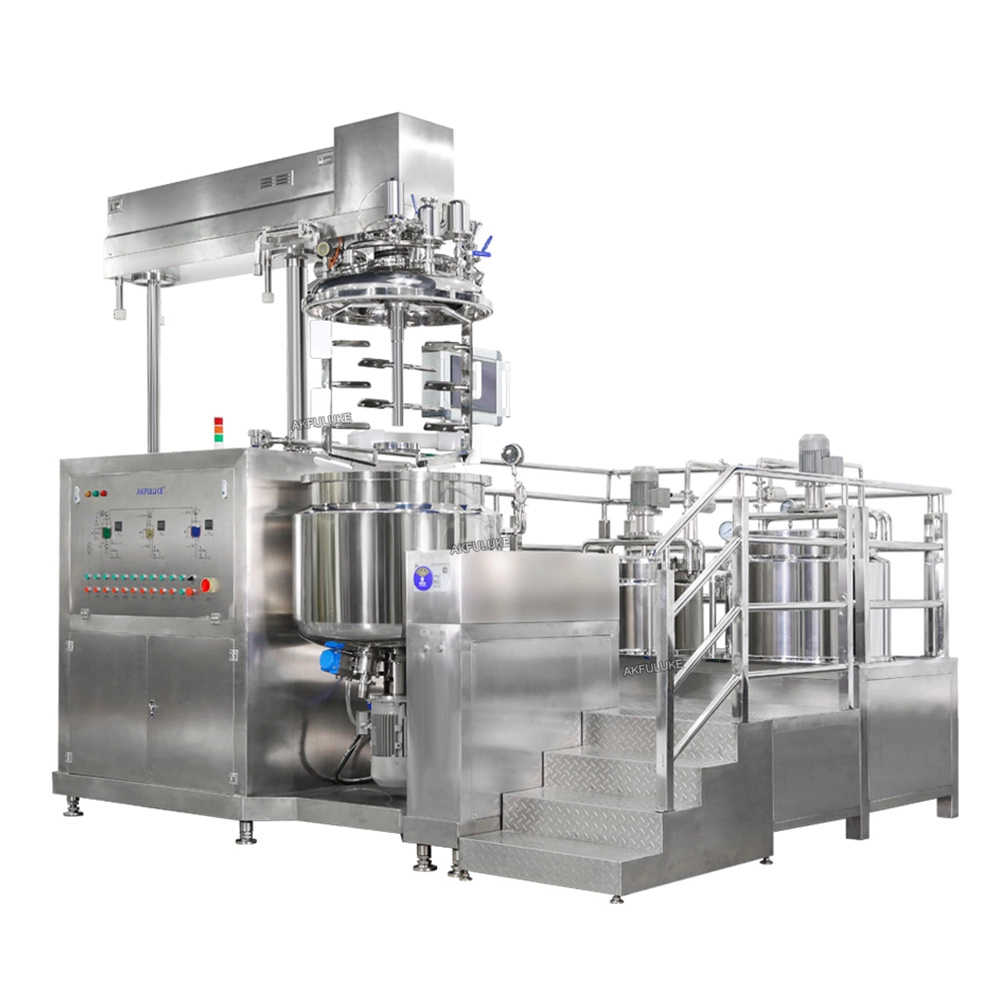
Hydraulic lift Cosmetic Vacuum Homogenizer Emulsifying Mixer for Making Cream and Lotion Mayonnaise Mixing Machine
Get in touch with FULUKE
If you have any comments or good suggestions, please leave us a message, later our professional staff will contact you as soon as possible.

A leading manufacturer specializing in advanced machinery and complete production lines for the cosmetics, food, pharmaceutical, and chemical industries worldwide.
Contact FULUKE
Facebook
Instagram
YouTube