
How to Validate Filling Accuracy for Regulatory Compliance
- Regulatory Context and Why Fill Accuracy Matters
- Applicable standards and guidance
- Consequences of poor filling accuracy
- A risk-based approach
- Practical Methods to Validate Filling Accuracy on a Liquid Filling Machine
- Gravimetric testing: the industry workhorse
- Volumetric and flow-based verification
- Choosing the right method
- Designing a Validation Protocol for Automatic Filling Machine Quantitative Liquid Bottle Filling Machine High-precision cream and lotion filling machine
- IQ / OQ / PQ explained and applied
- Sampling plans and statistical acceptance
- Acceptance criteria and documentation
- Troubleshooting, Continuous Control, and Maintaining Compliance
- Common sources of inaccuracy and corrective actions
- Automation, data integrity and audit trails
- Continuous monitoring and recalibration
- Comparing Filling Technologies and When to Use Them
- FAQ
- Q: How often should I perform gravimetric validation on my liquid filling machine?
- Q: Is gravimetric testing necessary if my machine has a flow meter?
- Q: What acceptance criteria should I use for cream and lotion fills?
- Q: Do I need IQ/OQ/PQ for cosmetic products?
- Q: How do I handle products with high particulate or abrasive fillers?
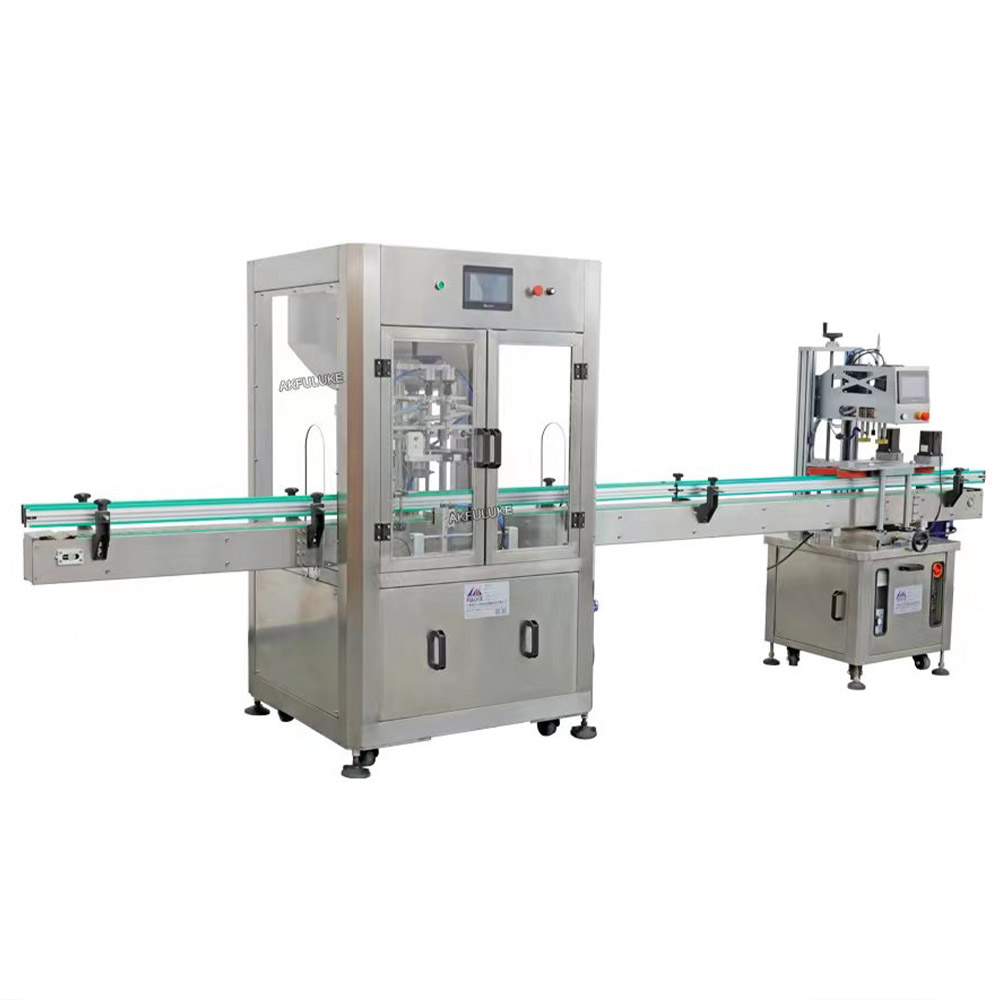
Accurate fill volume is a core requirement for regulatory compliance across cosmetics, pharmaceuticals, food and daily chemical manufacturing. Validating filling accuracy for a liquid filling machine requires a combination of risk-based planning, repeatable test methods, documented acceptance criteria, and traceable calibration. This article explains how to design and execute a validation program for automatic filling equipment, including gravimetric testing, IQ/OQ/PQ steps for an Automatic Filling Machine Quantitative Liquid Bottle Filling Machine High-precision cream and lotion filling machine, and how to maintain records that satisfy auditors and regulators.
The product in scope for many of the validation examples below is described as follows:
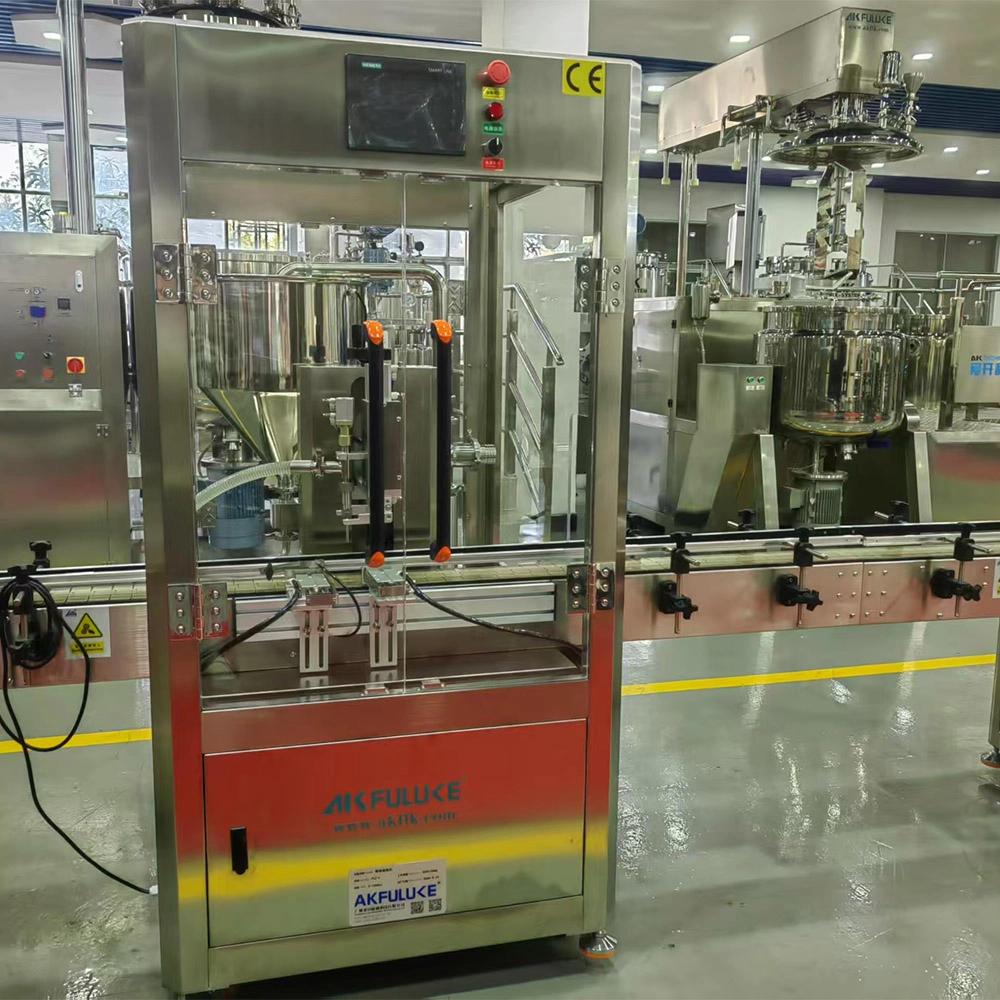
The automatic filling machine integrates automated conveying, precision filling, and intelligent control for packaging creams, lotions, and liquids. Suitable for a variety of containers, including glass and PET bottles, it can fill liquids, emulsions, and pastes with high precision.
Constructed with 316L/304 stainless steel contact components and compliant with GMP standards, it features a touchscreen interface for quick parameter adjustment and completes the entire process without manual intervention. Widely used in the cosmetics, food, daily chemical, pharmaceutical, and chemical industries, it helps companies reduce costs, increase efficiency, and ensure product standardization.
Regulatory Context and Why Fill Accuracy Matters
Applicable standards and guidance
Regulatory expectations for fill accuracy are grounded in Good Manufacturing Practice (GMP) principles and risk-based process validation. Relevant authoritative resources include the FDA's guidance on process validation, which outlines principles for establishing and maintaining validated processes: FDA Process Validation Guidance. WHO guidance on GMP further clarifies packaging and filling expectations across global markets: WHO Good Manufacturing Practices. For equipment category context, consult a general overview of filling machines: Filling machine (Wikipedia). Quality management frameworks such as ISO 9001 also support process control and continuous improvement: ISO 9001.
Consequences of poor filling accuracy
Inaccurate fills lead to regulatory non-compliance, customer complaints, financial loss from underfills or overfills, and potential product recalls. For regulated sectors, underfilling can be seen as misbranding or failure to meet declared contents and may attract enforcement actions. Therefore, validating filling accuracy is both a quality and compliance necessity.
A risk-based approach
Adopt a risk-based approach to validation: categorize products by risk (e.g., high-value serums vs. water-based lotions), assess container variability, and define more stringent validation for higher-risk combinations. Document that the chosen validation level is commensurate with the product's regulatory and commercial risk.
Practical Methods to Validate Filling Accuracy on a Liquid Filling Machine
Gravimetric testing: the industry workhorse
Gravimetric testing is the most direct and widely accepted method to validate fill weight and volume. The method involves weighing filled containers on calibrated balances and converting mass to volume using product density. A repeatable gravimetric protocol typically includes:
- Calibrate the balance according to a written schedule and record calibration certificates.
- Establish product density at the target fill temperature (use a calibrated density meter or validated table).
- Run a minimum number of production fills (see sampling below) and record net weight per sample.
- Convert weight to volume using density and compare to target fill and acceptance criteria (e.g., +/- 2% or specific mL tolerance).
- Investigate out-of-specification (OOS) results and perform corrective action plus revalidation if necessary.
Gravimetric testing directly demonstrates that the liquid filling machine is dispensing the correct net mass and is preferred for emulsions and creams where volumetric sensors may read inconsistently.
Volumetric and flow-based verification
Some modern machines use flow meters, mass flow sensors, or precision piston pumps to control fill volume. Validation of these systems should include corroborative checks against gravimetric results. Typical steps are:
- Install and calibrate flow measurement devices per manufacturer recommendations.
- Correlate the flow or stroke settings to mass-based results across the operating range.
- Include dynamic checks (short runs, full-speed runs, and worst-case conditions such as low temperature or higher viscosity) to ensure accuracy under production stresses.
Choosing the right method
For low-viscosity liquids, volumetric methods with positive displacement pumps can achieve high accuracy. For viscous creams and lotions, gravimetric or piston-based verification is usually required. In all cases, use gravimetric testing as a gold-standard verification at defined intervals.
Designing a Validation Protocol for Automatic Filling Machine Quantitative Liquid Bottle Filling Machine High-precision cream and lotion filling machine
IQ / OQ / PQ explained and applied
A standard equipment validation lifecycle includes Installation Qualification (IQ), Operational Qualification (OQ), and Performance Qualification (PQ).
IQ: Verify that the automatic filling machine was delivered per specification, that 316L/304 stainless steel contact parts and other materials match the purchase specification, utilities are correct, and the touchscreen interface and controls are installed.
OQ: Demonstrate that machine functions perform within specified limits — verify control logic, alarm setpoints, repeatability at different settings, and calibration of sensors (flow, pressure, level).
PQ: Demonstrate satisfactory performance on representative production runs using the actual product (cream, lotion, liquid) and containers (glass, PET) at normal production speeds. PQ relies heavily on gravimetric testing and statistical sampling.
Sampling plans and statistical acceptance
Sampling plans define how many units to test and when. Common approaches include:
- Fixed sample sets during PQ, such as 30 samples across production shifts to assess variability.
- Attribute sampling for in-line monitoring (accept/reject) using standards such as ANSI/ASQ Z1.4 or ISO 2859-1 for attribute inspection, and ISO 3951 for variable inspection. Choose a statistically justified plan and document the rationale.
- Control charts (e.g., X-bar and R charts) to monitor ongoing performance and detect process drift early.
Acceptance criteria and documentation
Define acceptance criteria in the validation protocol. Examples include:
- Mean fill within +/- X% of nominal (e.g., +/- 2% or predetermined mL).
- No more than Y% of samples outside secondary limits.
- Individual sample tolerances that align with label claims and regulatory tolerances.
All test results, raw data, balance calibration certificates, density measurements, and signed reports must be archived as part of the validation package.
Troubleshooting, Continuous Control, and Maintaining Compliance
Common sources of inaccuracy and corrective actions
Typical root causes and fixes include:
- Pump wear or piston seal leakage — replace worn components and revalidate.
- Air entrainment in product lines — implement degassing procedures or adjust feed tank designs.
- Temperature and viscosity variability — control fill temperature or use viscosity compensation in control algorithms.
- Container variation (neck size, weight) — confirm container specifications and adjust guides or change parts as necessary.
- Poor balance calibration — establish tighter calibration intervals and traceable standards.
Automation, data integrity and audit trails
The Automatic Filling Machine Quantitative Liquid Bottle Filling Machine High-precision cream and lotion filling machine includes a touchscreen interface and intelligent control. Use the machine's HMI/SCADA logging capabilities to capture setpoints, recipes, batch IDs, operator sign-ons, and alarms. Ensure that electronic records meet regulatory expectations for audit trails, version control, and secure access. Periodic review of archived runs helps demonstrate sustained control.
Continuous monitoring and recalibration
Implement ongoing checks such as end-of-shift gravimetric spot checks, weekly volumetric correlations, and scheduled preventive maintenance. Maintain a calibration schedule for balances, flow meters, and pressure sensors. Re-qualify after significant maintenance, software updates, or process changes.
Comparing Filling Technologies and When to Use Them
| Technology | Typical Accuracy | Best For | Limitations |
|---|---|---|---|
| Piston/Positive Displacement | High (+/- 0.5–2%) | Viscous creams, lotions, pastes | Requires maintenance; shear-sensitive products |
| Gravimetric (weigh-based verification) | Gold standard (depends on balance) | All products for validation checks and audits | Not continuous in-line measurement; batch sampling |
| Volumetric/Time-pressure | Medium (+/- 1–3%) | Low-viscosity liquids | Less accurate for high viscosity or foaming products |
| Peristaltic | Good (+/- 1–3%) | Hygienic fluids, clean-changeover | Tube wear affects accuracy over time |
FAQ
Q: How often should I perform gravimetric validation on my liquid filling machine?
A: Perform full PQ gravimetric validation during initial qualification and after major changes. For routine monitoring, daily or shift-based spot gravimetric checks are common; weekly or monthly trending and periodic full re-validation depend on production risk and historical stability.
Q: Is gravimetric testing necessary if my machine has a flow meter?
A: Yes. Flow meters should be correlated to gravimetric measurements. Gravimetric testing remains the definitive verification because it measures net mass actually delivered to the container and accounts for fluid density variations.
Q: What acceptance criteria should I use for cream and lotion fills?
A: Acceptance criteria depend on label claims and risk. Typical ranges are +/- 1–3% by weight or a fixed mL tolerance. Use a risk-based rationale and document justification in your validation protocol. Always consider regulatory tolerances applicable to your market.
Q: Do I need IQ/OQ/PQ for cosmetic products?
A: Yes, a documented qualification lifecycle (IQ/OQ/PQ) is best practice for demonstrating control and repeatability and is often expected by auditors and customers even in cosmetic and personal care manufacturing.
Q: How do I handle products with high particulate or abrasive fillers?
A: Use robust pump technologies (piston or progressive cavity) and frequent maintenance. Incorporate higher-frequency checks in PQ to detect wear-related drift and maintain spare parts inventory for quick replacement.
For specific help validating your equipment or to view technical specifications and datasheets for the Automatic Filling Machine Quantitative Liquid Bottle Filling Machine High-precision cream and lotion filling machine, please contact our technical team or view the product page. Our specialists can provide validation templates, sampling plans, and on-site commissioning to support compliance and production goals.
References
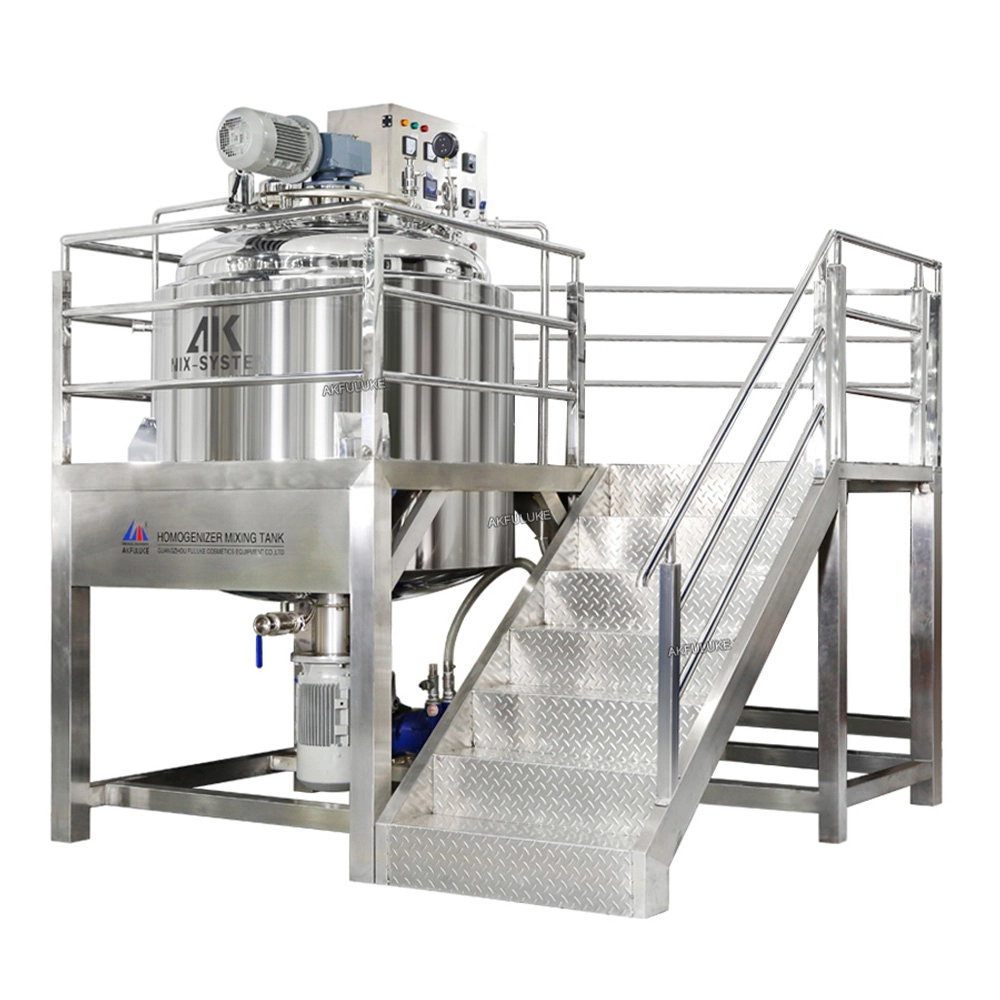
Agitator Homogenizing Tanks: Ensuring Consistent Product Quality
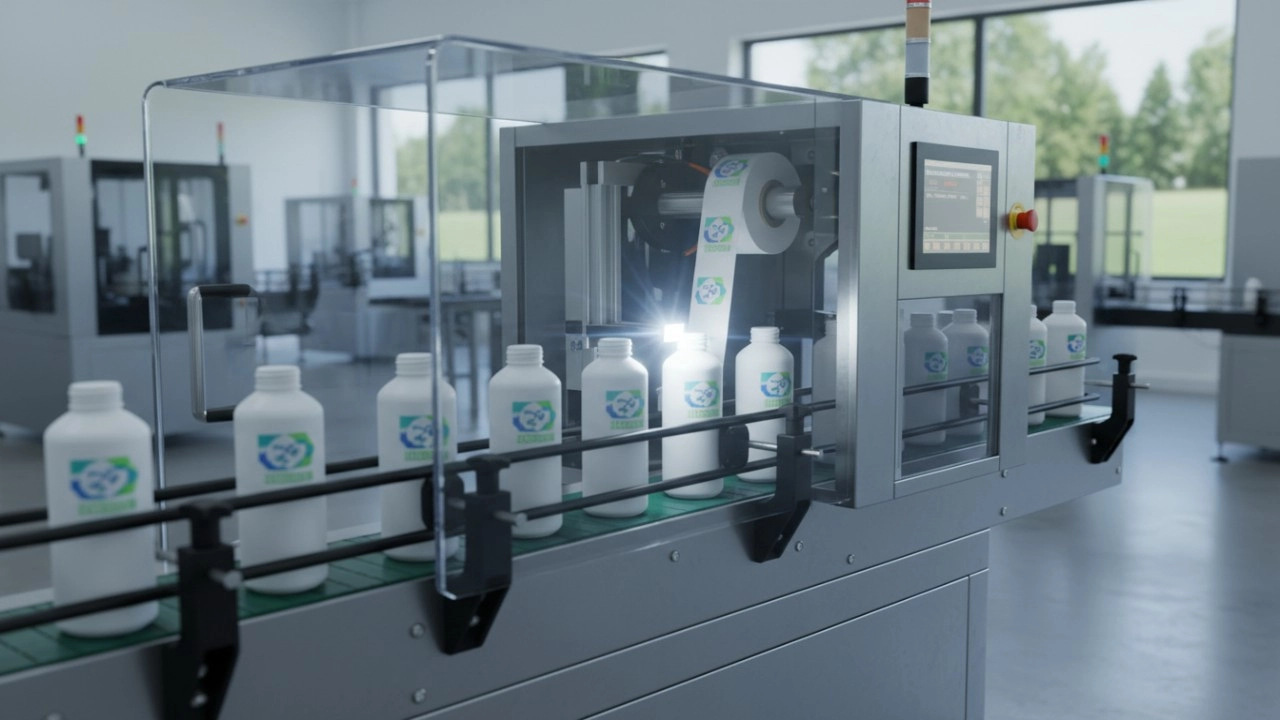
The Definitive Guide to Automatic Labeling Machines: 2026 Performance & Buying Strategies
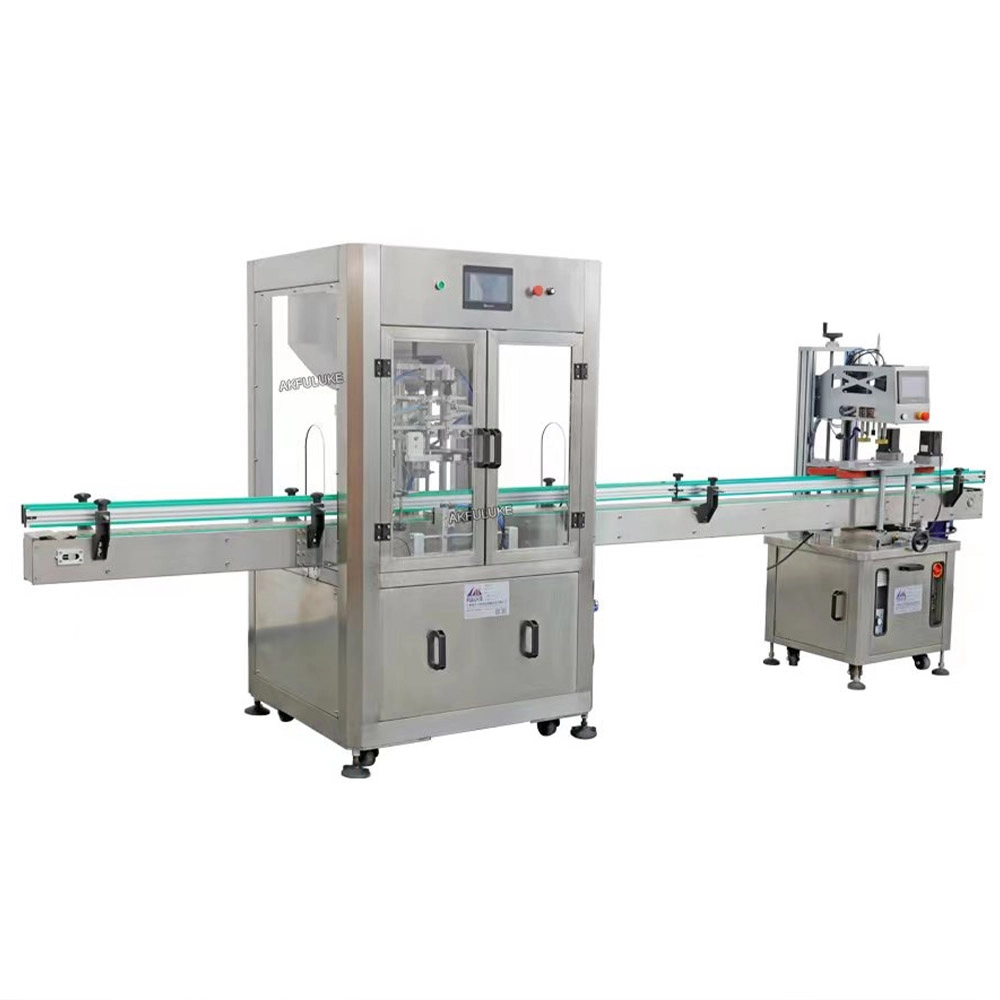
Customization Options for Bottle Filling Equipment
How to Implement CIP on Lotion and Cream Filling Machines
Automatic Capping Machine
What types of bottle caps and bottles does the automatic capping machine support?
Mainstream models are compatible with screw caps, duckbill caps, pump caps, spray caps, and other threaded caps. They are also suitable for round, square, and oval bottles made of glass, PET, and HDPE.
Vacuum Emulsifying Machine
Can you customize the machine?
Of course, we provide customized services according to customer needs.
Automatic Labeling Machine
What types of bottles can this automatic labeling machine label?
It can label flat, round, and square bottles on one side, two sides, or even all around.
Polypropylene PP Mixing Tank
Can you customize the machine?
Of course, we provide customized services according to customer needs.
Storage Tank
Do special operating conditions (such as high temperature or high pressure) require special customization?
Yes. High-temperature applications require the use of heat-resistant materials and additional insulation. High-pressure applications require enhanced tank wall thickness and sealing structures. Both require individual designs according to corresponding industry standards.
You May Also Like
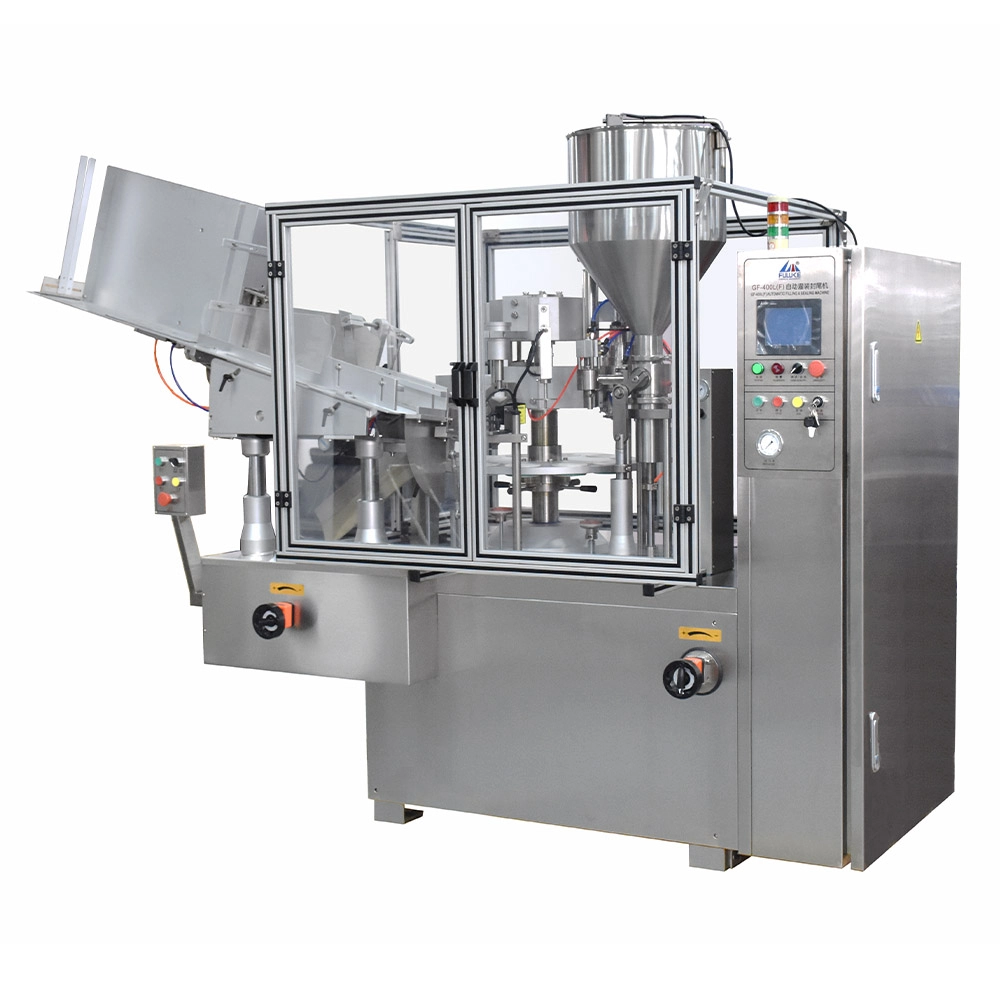
Automatic Tube Filling and Sealing Machine Toothpaste Sunscreen and Facial Cleanser Filling and Sealing Machine for Plastic and Aluminum-plastic Tube
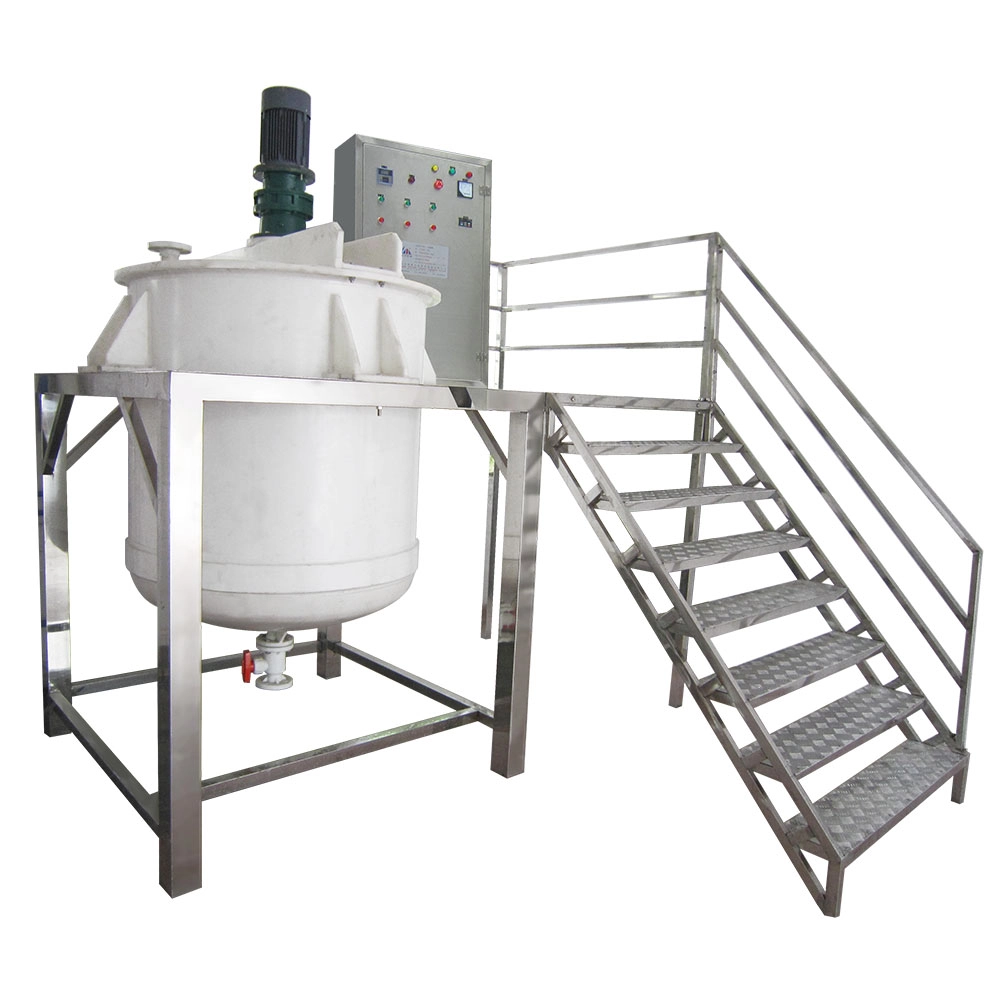
Polypropylene PP Mixing Tank Anti-Corrosion Mixer Reaction Kettle with Agitator Chemical Mixing Vessel
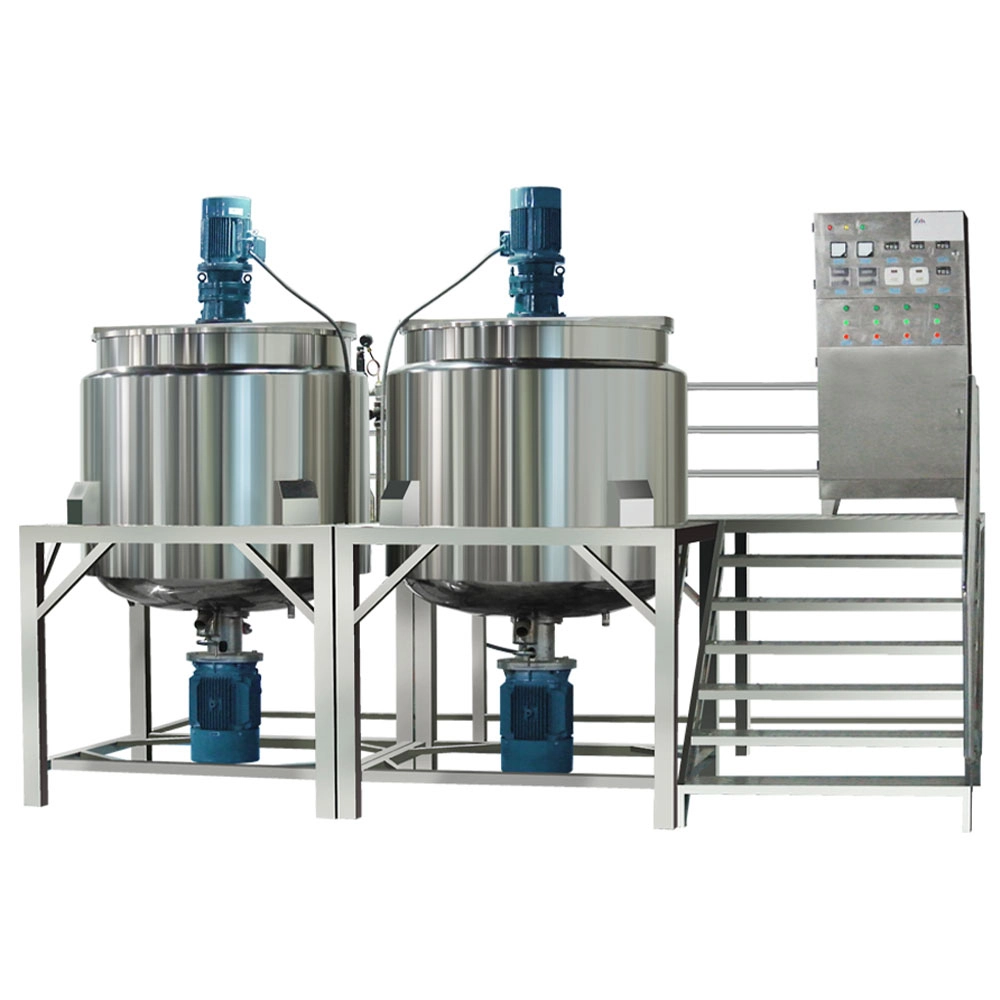
Flip Cover Multi-function Liquid Wash Mixing Tank Blender Liquid Detergent Mixer Homogenization Stirring Tank
Stainless Steel Mixer Liquid Mixing tank with Agitator Homogenizing Mixing tank Vacuum Sealed Mixer Machine
Get in touch with FULUKE
If you have any comments or good suggestions, please leave us a message, later our professional staff will contact you as soon as possible.

A leading manufacturer specializing in advanced machinery and complete production lines for the cosmetics, food, pharmaceutical, and chemical industries worldwide.
Contact FULUKE
Facebook
Instagram
YouTube