
Managing Viscous Liquids: Best Practices for Cream Fillers
- Understanding the Challenges of Viscous Cream Filling
- Why viscosity and rheology matter
- Common production problems with creams and lotions
- Key process variables to monitor
- Best Practices for High-precision cream and lotion filling machine Setup
- Machine selection: why choice of liquid filling machine matters
- Nozzle and manifold design
- Temperature and product conditioning
- Operation, Maintenance and Quality Control for Cream Fillers
- Standard operating procedures and parameter control
- Cleaning, CIP and material contact considerations
- Inspection, calibration and quality checks
- Comparing Filling Technologies: Choose the Right Method for Your Product
- Brand Advantages and How This Machine Delivers Value
- Hygienic construction and regulatory compliance
- Automation, touch controls and reduced labor
- Cross-industry versatility and ROI
- Practical Troubleshooting and Optimization Tips
- Minimizing stringing and drips
- Addressing air entrainment and foam
- Improving fill consistency across containers
- Frequently Asked Questions (FAQ)
- Q: Can this machine handle very thick pastes?
- Q: How often should I perform calibration and maintenance?
- Q: Is the machine suitable for small-batch cosmetic manufacturers?
- Q: What cleaning protocols are recommended for cosmetic fills?
- Q: How does temperature control affect fill accuracy?
- Contact and Next Steps
- References
- Get in Touch
Viscous creams, emulsions and lotions present unique challenges for automated filling lines: inconsistent flow, air entrapment, stringing, and dosing variation. Using an appropriate liquid filling machine and predictable process controls dramatically reduces waste while improving fill accuracy and product quality. Below we explain proven methods—mechanical, material and procedural—to optimize production with high-precision cream and lotion filling systems. Handling viscous products also places higher demands on equipment durability, so selecting the right components starts with selecting materials and seals for cosmetic filling equipment to ensure chemical compatibility and long service life.
Understanding the Challenges of Viscous Cream Filling
Why viscosity and rheology matter
Viscosity directly affects the behavior of creams and lotions in a filling system. High-viscosity products resist flow, causing slow dispenses, incomplete fills, and stringing. Emulsions may show shear-thinning or thixotropic behavior; they become less viscous under shear (during pumping or piston action) and recover viscosity at rest. These non-Newtonian properties require machines and settings designed for variable flow behavior. For background on viscosity and non-Newtonian fluids, see Wikipedia: Viscosity.
Common production problems with creams and lotions
Typical issues on production lines include air bubbles introduced during transfer, inconsistent fill volumes due to delayed flow, product leakage or stringing at nozzle exit, and cross-contamination when cleaning poorly designed contact parts. Understanding the root cause (mechanical vs. material) is essential before adjusting machine parameters.
Key process variables to monitor
Monitor line temperature, product viscosity, pump/piston cycle profile, nozzle geometry, and container positioning. Small changes—temperature rise of a few degrees, or a worn piston seal—can shift fill accuracy outside acceptable tolerance. Implementing real-time monitoring helps meet target fills reliably.
Best Practices for High-precision cream and lotion filling machine Setup
Machine selection: why choice of liquid filling machine matters
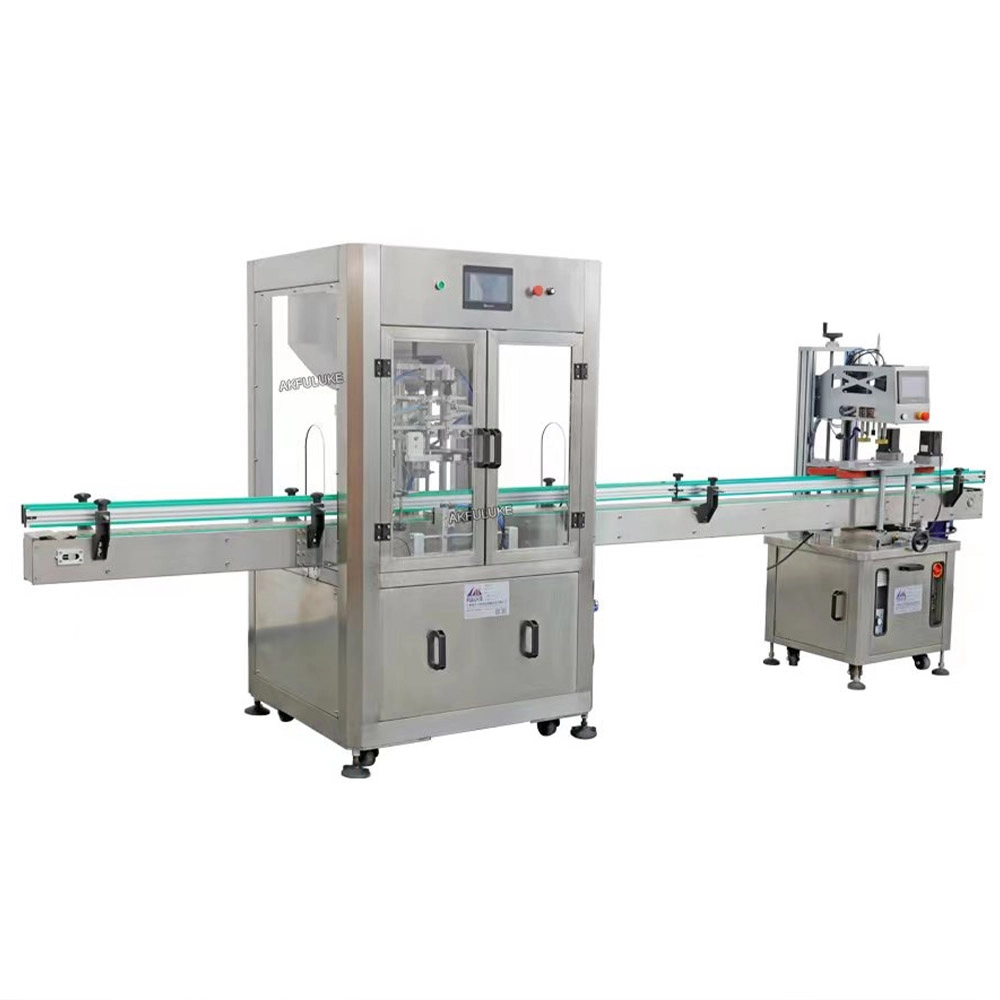
For creams and lotions, volumetric piston fillers and positive-displacement pumps are often best because they deliver accurate, repeatable doses independent of product viscosity. The Automatic Filling Machine Quantitative Liquid Bottle Filling Machine High-precision cream and lotion filling machine integrates automated conveying, precision filling, and intelligent control; it supports 316L/304 stainless steel contact parts and GMP design, making it suitable for cosmetic production where hygiene and traceability matter.
Nozzle and manifold design
Select nozzles with anti-drip features and large-bore manifolds to minimize shear and reduce stringing. A short, wide flow path lowers backpressure and helps viscous products flow more predictably. Consider heated manifolds for very high-viscosity products—with temperature control to avoid product degradation.
Temperature and product conditioning
Maintain product temperature within a controlled range to stabilize viscosity. For many lotions, 25–40°C (77–104°F) is used in filling to achieve predictable flow; always validate with stability data. Gentle recirculation prevents settling or phase separation without introducing excessive air. For more on emulsions and handling, see Wikipedia: Emulsion.
Operation, Maintenance and Quality Control for Cream Fillers
Standard operating procedures and parameter control
Document fill parameters: piston stroke volume, dwell times, nozzle retraction speed, pump RPM, and temperature setpoints. The touchscreen interface on the Automatic Filling Machine allows quick parameter adjustment and recipe recall—important for fast changeovers across product SKUs. Use recipe management to prevent operator error and ensure repeatability.
Cleaning, CIP and material contact considerations
316L and 304 stainless steel contact components resist corrosion and are easier to clean—important for GMP-compliant cosmetic production. Define Clean-in-Place (CIP) or Clean-out-of-Place (COP) cycles that remove residual product from pistons, valves and nozzles. Validate cleaning effectiveness to prevent microbiological growth and cross-contamination.
Inspection, calibration and quality checks
Regularly calibrate volumetric systems and perform weight-based verification sampling at defined intervals. Use in-line checkweighers or vision systems for container presence and fill level detection. Maintain logs for traceability and regulatory audits.
Comparing Filling Technologies: Choose the Right Method for Your Product
Different filling technologies behave differently with viscous products. The table below summarizes common technologies and their suitability for creams, lotions and emulsions.
| Method | How it works | Viscous product suitability | Pros | Cons |
|---|---|---|---|---|
| Piston / Positive-displacement | Volume metering via pistons or gear pumps | Excellent — handles high viscosity and non-Newtonian fluids | High accuracy, repeatability, low dependency on viscosity | Requires seals/maintenance; higher initial cost |
| Peristaltic pump | Flexible tube squeezed to move product | Good for moderate viscosity; gentle handling | Clean; minimal contact parts | Tube wear; less suited for high solids or very thick creams |
| Gravity / Overflow | Relies on product head; fills until set level | Poor for thick creams | Simple, low cost for low-viscosity liquids | Inaccurate for viscous products; slow |
| Pump (rotary gear) | Positive displacement via intermeshing gears | Good for moderate to high viscosity | Robust, continuous flow | Can shear sensitive products; requires maintenance |
Overall recommendation: for creams and viscous emulsions, choose a high-precision liquid filling machine based on volumetric piston or positive-displacement technology. The Automatic Filling Machine Quantitative Liquid Bottle Filling Machine High-precision cream and lotion filling machine is designed with these principles—precision dosing, suitable contact materials, and automation for consistent throughput.
Brand Advantages and How This Machine Delivers Value
Hygienic construction and regulatory compliance
The machine's use of 316L/304 stainless steel contact components and GMP-compliant design reduces contamination risk and simplifies regulatory inspections. For general GMP guidance, see the WHO GMP information page: WHO: Good Manufacturing Practices.
Automation, touch controls and reduced labor
A touchscreen interface enables operators to store multiple product recipes and recall precise parameters instantly. Fully automated conveying and filling minimize manual intervention, helping companies reduce labor costs while improving standardization. Automated fault detection and alarms shorten downtime and reduce human errors.
Cross-industry versatility and ROI
Designed for cosmetics but adaptable to food, daily chemical, pharmaceutical and chemical industries, the machine supports glass and PET containers and handles liquids, emulsions and pastes. Faster changeovers, higher first-pass yield, and lower product giveaway translate to measurable ROI. Typical payback in medium-volume cosmetic lines often comes from material savings and labor reduction within months; conduct a line-specific ROI calculation considering throughput improvements and scrap reduction.
Practical Troubleshooting and Optimization Tips
Minimizing stringing and drips
Use anti-drip nozzles and tune retraction speed. Shorten nozzle-to-container distance and use gentle backflow (vacuum or tip-off) to break the liquid filaments. If stringing persists, evaluate nozzle geometry and product formulation (surfactant level and thickeners can affect surface tension).
Addressing air entrainment and foam
Implement gentle priming and slow recirculation to avoid introducing air. Add deaeration steps upstream if product formulation tolerates them. For foaming products, reduce pump shear and consider inline deaeration equipment.
Improving fill consistency across containers
Calibrate per-container recipe offsets when container geometry affects fill level. Use vision systems to confirm neck positioning and automated rejection for misaligned containers. Maintain consistent feed height and conveyor speed.
Frequently Asked Questions (FAQ)
Q: Can this machine handle very thick pastes?
A: Yes—when configured with appropriate positive-displacement pistons or gear pumps and large-bore nozzles. For extremely thick pastes, heated manifolds and validated pump specifications may be required.
Q: How often should I perform calibration and maintenance?
A: Calibrate volume/weight performance weekly under production conditions and perform daily visual checks. Replace seals and wear parts per manufacturer schedules or sooner if variability is detected.
Q: Is the machine suitable for small-batch cosmetic manufacturers?
A: Yes. The touchscreen recipe management, quick-change nozzles and versatile container handling make it suitable for small to mid-size production runs, improving consistency and reducing manual labor.
Q: What cleaning protocols are recommended for cosmetic fills?
A: Implement validated CIP/COP cycles using appropriate detergents and sanitizers for your formulation. Verify by swab tests and visual inspection. Maintain records for GMP compliance.
Q: How does temperature control affect fill accuracy?
A: Temperature changes alter viscosity; maintain stable product temperature through insulated tanks, recirculation and, if needed, heated manifolds to ensure consistent dosing.
Contact and Next Steps
If you're ready to upgrade your line or need guidance selecting the right liquid filling machine for viscous creams and lotions, contact our sales team to discuss line requirements, request a demo or view technical specifications for the Automatic Filling Machine Quantitative Liquid Bottle Filling Machine High-precision cream and lotion filling machine. Our machines are built to GMP standards with 316L/304 stainless steel contact parts and touchscreen recipe control to minimize downtime and maximize consistency.
Contact Sales | View Product Details
References
Product: Automatic Filling Machine Quantitative Liquid Bottle Filling Machine High-precision cream and lotion filling machine
The automatic filling machine integrates automated conveying, precision filling, and intelligent control for packaging creams, lotions, and liquids. Suitable for a variety of containers, including glass and PET bottles, it can fill liquids, emulsions, and pastes with high precision.
Constructed with 316L/304 stainless steel contact components and compliant with GMP standards, it features a touchscreen interface for quick parameter adjustment and completes the entire process without manual intervention. Widely used in the cosmetics, food, daily chemical, pharmaceutical, and chemical industries, it helps companies reduce costs, increase efficiency, and ensure product standardization.
Get in Touch
For personalized recommendations, line audits, or a live demonstration, please contact our product specialist team. We can evaluate your product rheology, container types and throughput targets to specify the optimal configuration and calculate ROI.
Choosing the Right Control Panel Layout for Operators
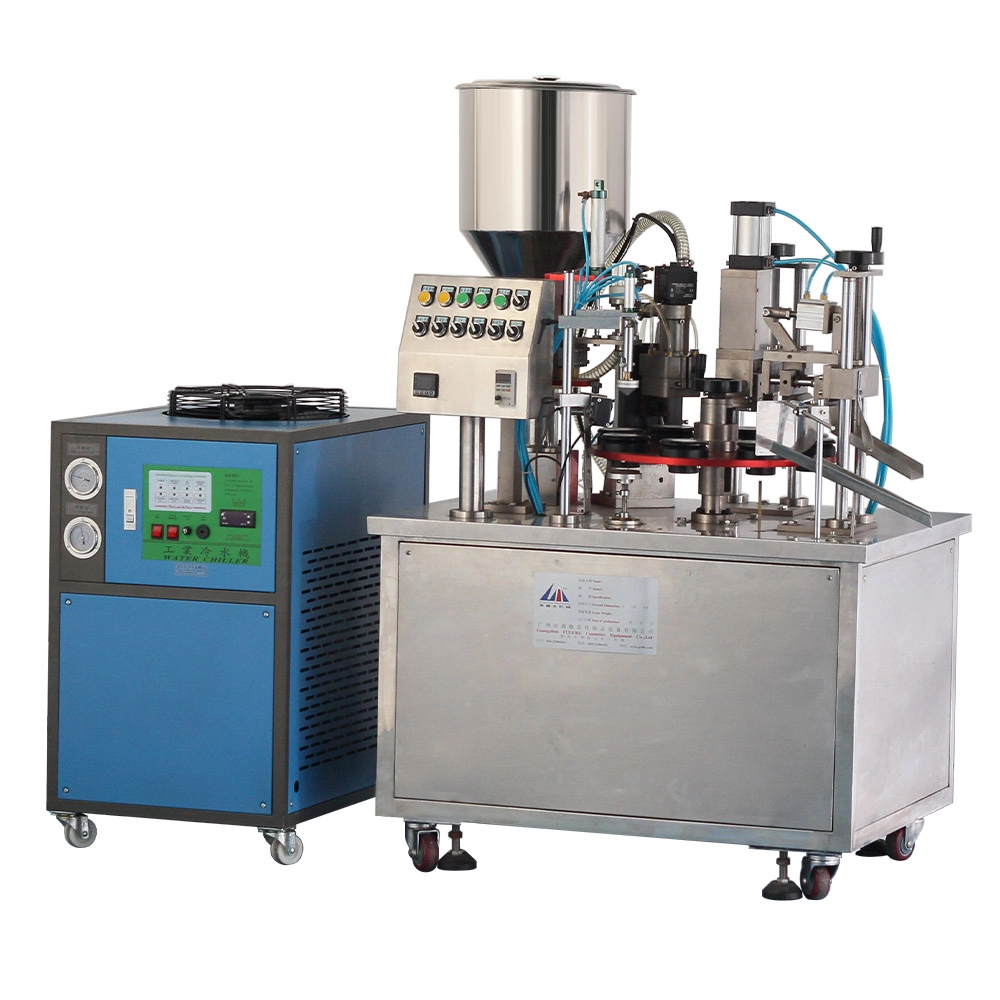
Sealing Integrity: Ensuring Quality in Toothpaste and Sunscreen Tubes
Implementing Safety Interlocks on Filling Equipment
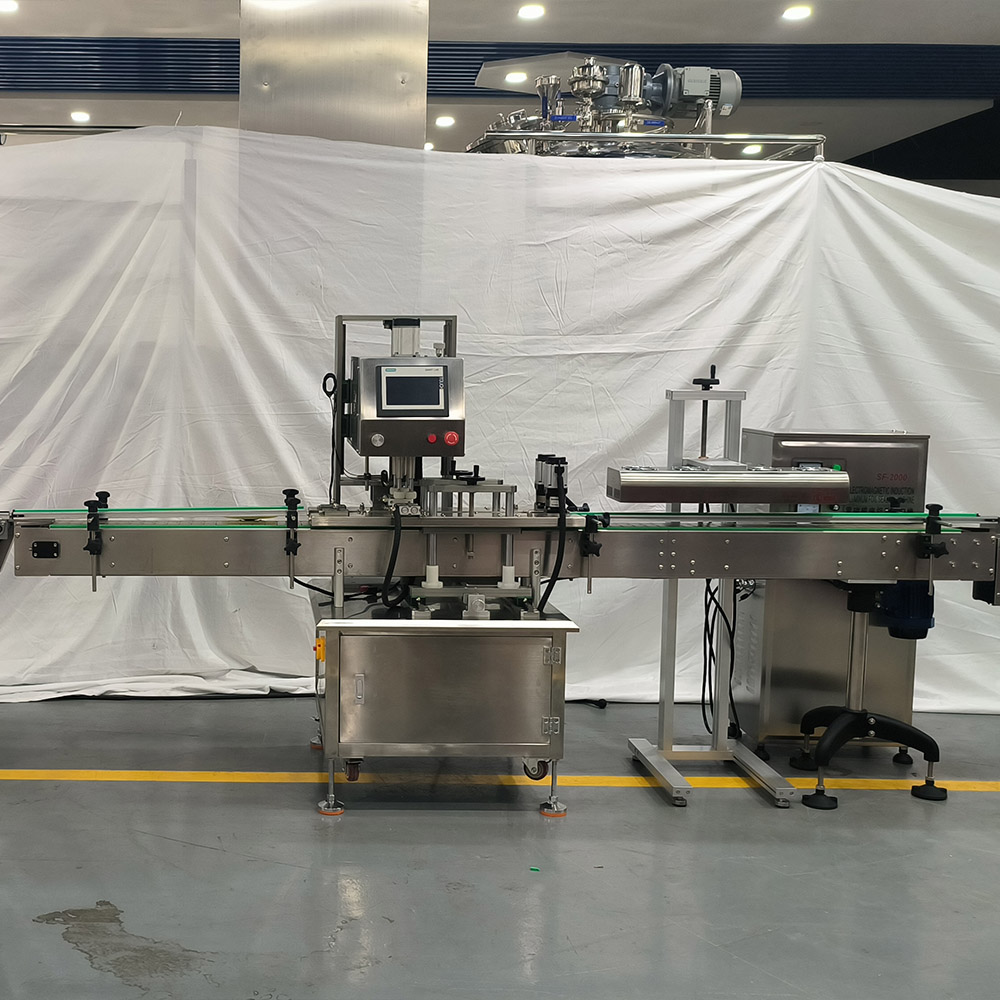
Quantitative Bottle Filling: Improve Accuracy for Creams
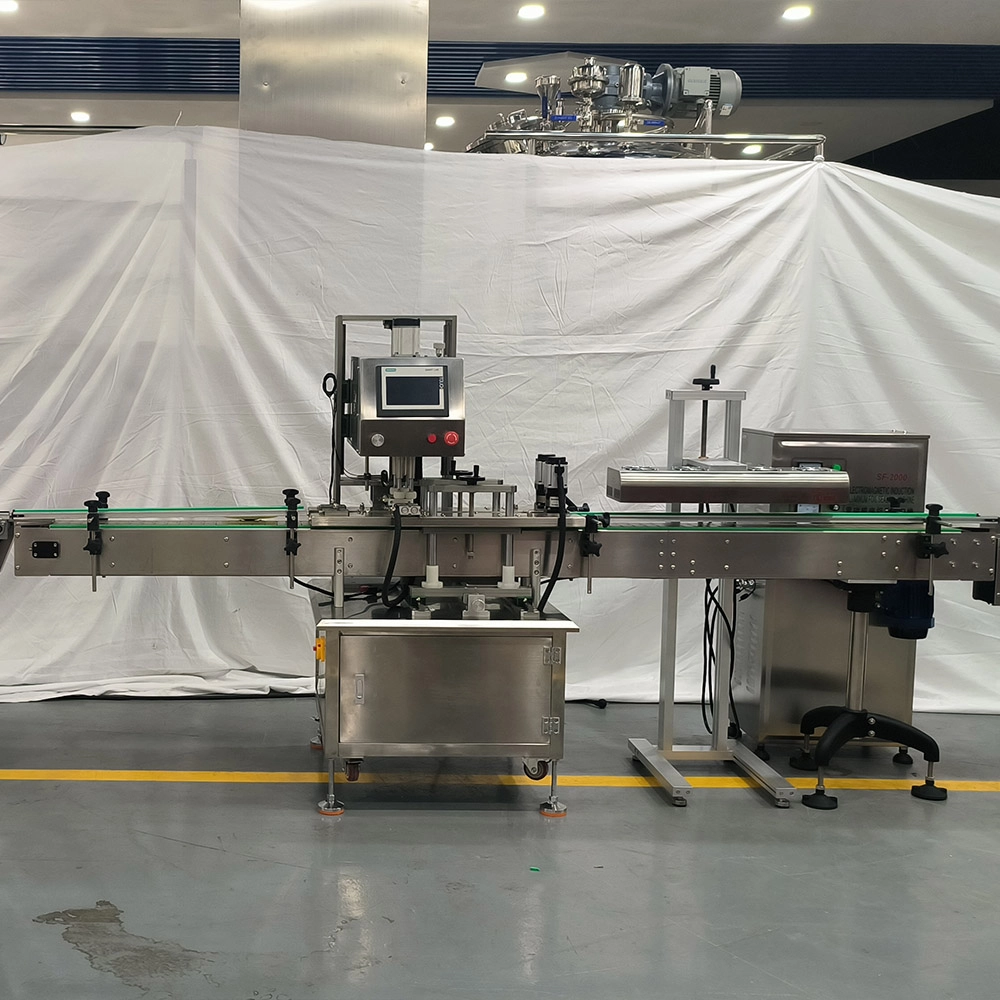
Automatic Capping Machine
Can this machine be directly integrated into my production line? Does it require any additional modifications?
Most models have standard conveyor belt interfaces, allowing them to be directly connected to filling machines, labeling machines, and other production line equipment without requiring major modifications. Simply fine-tune the conveyor speed based on the production line height and speed to synchronize.
Automatic Tube Filling and Sealing Machine
Can you make a design for us?
Yes, we can, we provide not only products, but also solutions and designs.
Perfume Filling Machine
Can you customize the machine?
Of course, we provide customized services according to customer needs.
RO Water Treatment
Can the water produced by an RO water purifier be drunk directly? Why?
The water produced by a qualified RO water purifier (i.e., "purified water") is generally drinkable directly.
This is because the high-precision filtration of the RO membrane removes harmful microorganisms (bacteria, viruses), heavy metals, pesticide residues, and other contaminants from the raw water, resulting in a water quality that meets the requirements for direct drinking. However, it is important to regularly replace the filter cartridge to ensure proper operation of the device.
Can you make a design for us?
Yes, we can, we provide not only products, but also solutions and designs.
You May Also Like
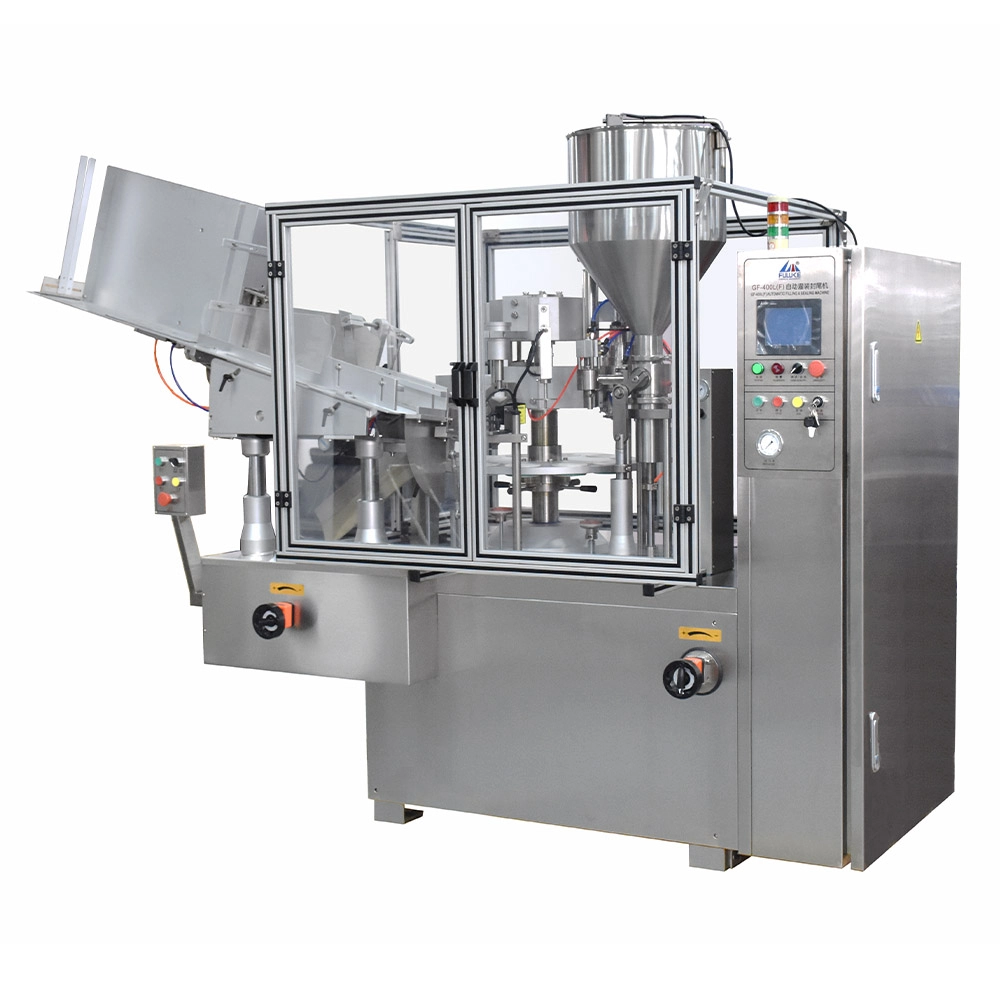
Automatic Tube Filling and Sealing Machine Toothpaste Sunscreen and Facial Cleanser Filling and Sealing Machine for Plastic and Aluminum-plastic Tube
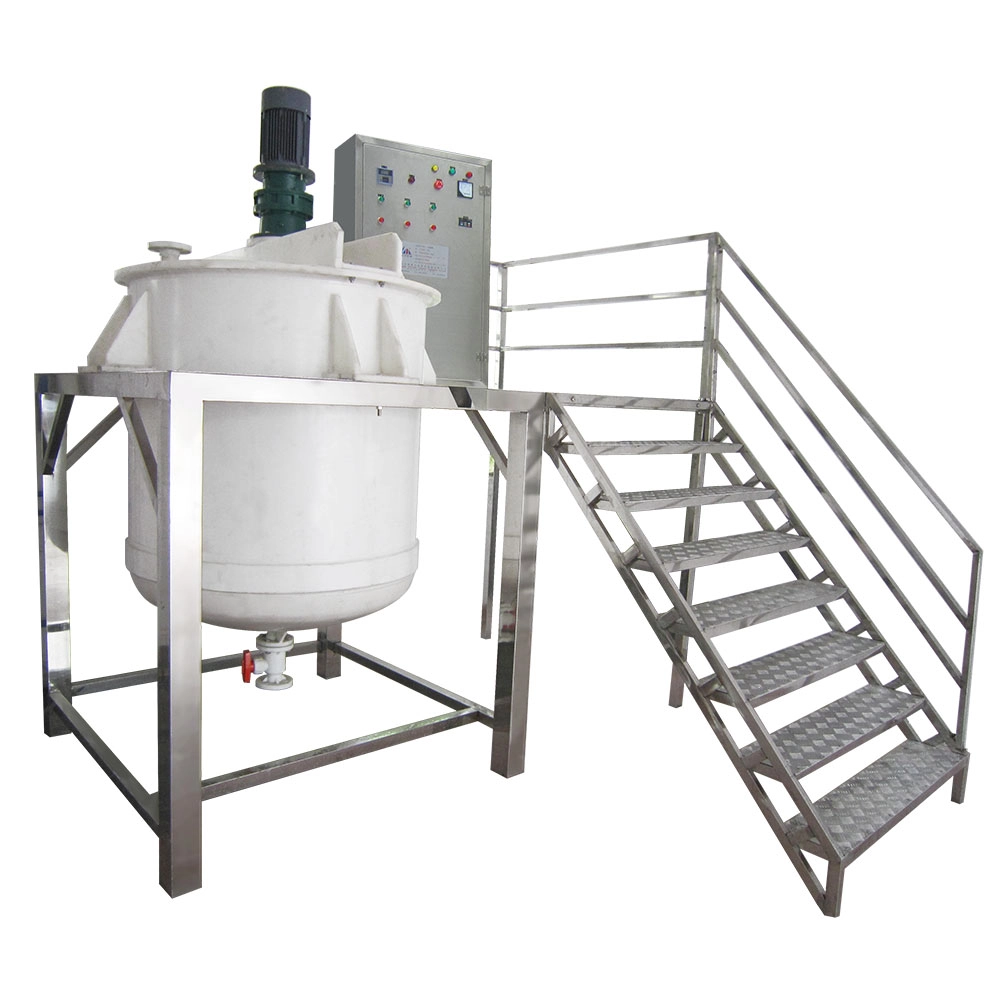
Polypropylene PP Mixing Tank Anti-Corrosion Mixer Reaction Kettle with Agitator Chemical Mixing Vessel
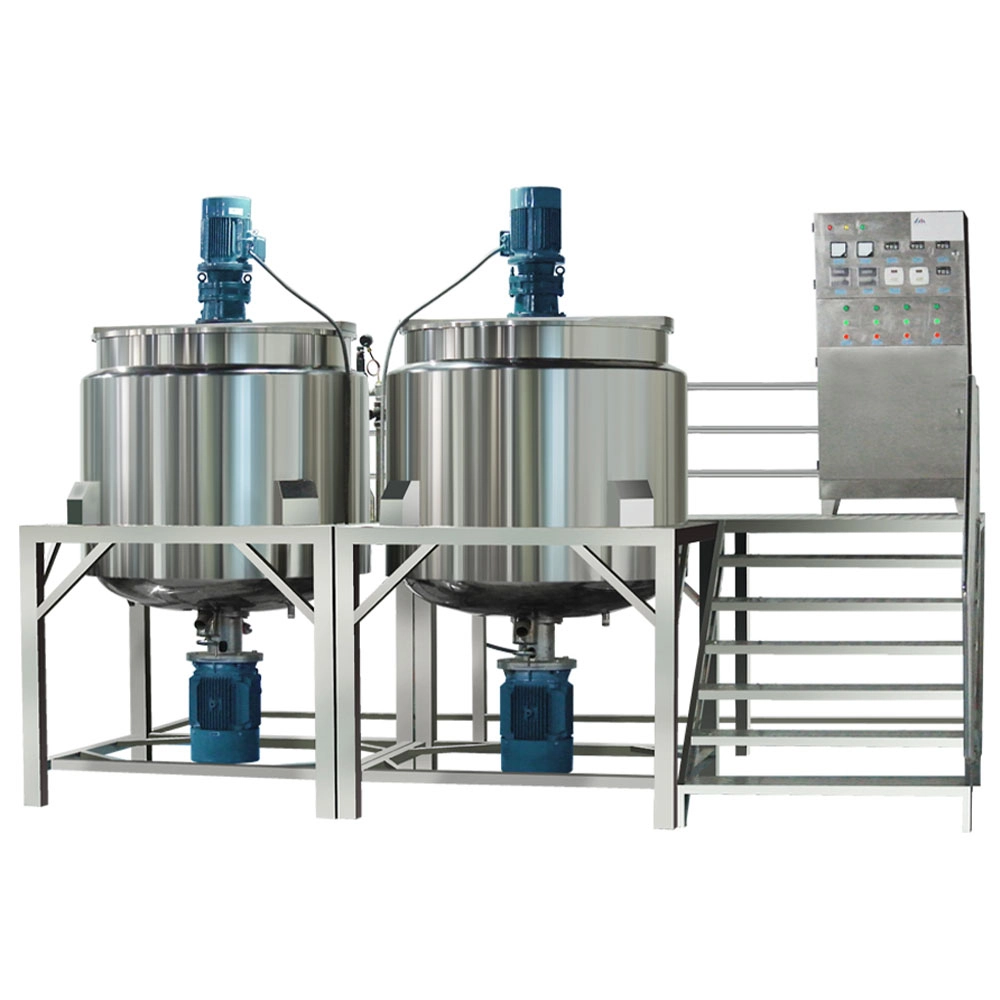
Flip Cover Multi-function Liquid Wash Mixing Tank Blender Liquid Detergent Mixer Homogenization Stirring Tank
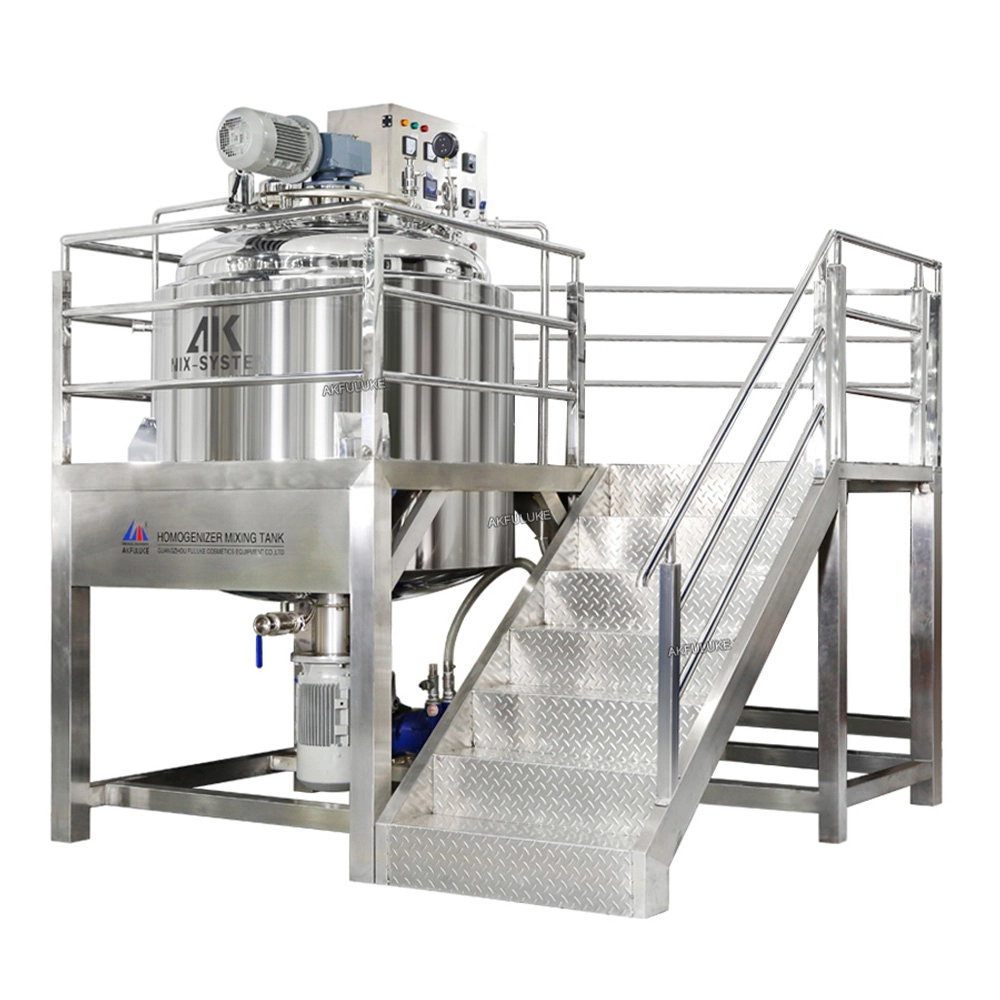
Stainless Steel Mixer Liquid Mixing tank with Agitator Homogenizing Mixing tank Vacuum Sealed Mixer Machine
Get in touch with FULUKE
If you have any comments or good suggestions, please leave us a message, later our professional staff will contact you as soon as possible.

A leading manufacturer specializing in advanced machinery and complete production lines for the cosmetics, food, pharmaceutical, and chemical industries worldwide.
Contact FULUKE
Facebook
Instagram
YouTube