
What is tank mixer? | FULUKE Ultimate Insight
- Why efficient mixing matters in cosmetics manufacturing
- Problem: inconsistent batches, long cycle times, and waste
- Pain: brand risk and regulatory scrutiny
- Solution: selecting the right tank mixer for the process
- Definition and why tank mixers are critical
- What is a tank mixer?
- Why it matters for cosmetics, food and pharma
- Core principles and main types of tank mixers
- How mixing works: key physical mechanisms
- Main tank mixer types and typical uses
- Comparative table: selecting the correct mixer type
- How to evaluate and select a tank mixer
- Key decision criteria
- Performance metrics to request from vendors
- Validation, documentation and lifecycle support
- Implementation tips, operation best practices, and troubleshooting
- Startup and commissioning best practices
- Operation and process control tips
- Common problems and fixes
- Frequently Asked Questions (FAQ)
- Q1: What is the difference between a vacuum emulsifying mixer and a high-shear homogenizer?
- Q2: What materials and surface finishes are recommended for cosmetic tank mixers?
- Q3: How do I scale up a lab formula to production capacity?
- Q4: Are there regulatory standards for cosmetic manufacturing equipment?
- Q5: How much does a production-grade vacuum emulsifying mixer cost?
- Conclusion
A tank mixer (mixing tank) is the backbone of cosmetic, pharmaceutical, food and chemical production—used to blend, suspend, emulsify and homogenize raw materials into stable, repeatable products. Whether you are scaling a pilot cream formula to production, optimizing batch time, or upgrading equipment for GMP compliance, understanding tank mixers—vacuum emulsifying mixers, high-shear systems, and conventional agitator tanks—is essential to ensure product consistency, safety and profitability.
Why efficient mixing matters in cosmetics manufacturing
Problem: inconsistent batches, long cycle times, and waste
Manufacturers commonly face problems such as phase separation, uneven particle dispersion, entrapped air (foam), long processing times, and sanitation headaches. These issues cause rejected batches, extra labor, and unstable product performance on the shelf.
Pain: brand risk and regulatory scrutiny
Inconsistent products damage consumer trust and can trigger regulatory reviews. Cosmetic manufacturers are expected to follow Good Manufacturing Practices—ISO 22716 provides guidance for cosmetic GMP—so mixing equipment that ensures repeatable processes and hygienic design is not optional. See ISO 22716 guidance: ISO 22716.
Solution: selecting the right tank mixer for the process
By matching mixer type (vacuum emulsifying mixer, high-shear homogenizer, agitator tank) to the formulation, validating parameters (shear, temperature, vacuum level, mixing time), and selecting hygienic materials (316L stainless steel, sanitary seals), manufacturers can drastically reduce defects, speed up cycles, and meet GMP expectations.
Definition and why tank mixers are critical
What is a tank mixer?
A tank mixer (or mixing tank) is a vessel equipped with internal or top-mounted agitators, impellers, blades, or high-shear devices designed to combine two or more ingredients into a homogeneous mixture. For cosmetics, tank mixers often include heating/cooling jackets, vacuum systems for de-aeration, and integrated homogenizers to achieve stable emulsions such as creams and lotions.
Why it matters for cosmetics, food and pharma
Mixing determines final product texture, stability, particle size distribution, and microbial safety. Proper mixing lowers batch variance, improves sensory properties (feel, viscosity), and enables scale-up from lab to full production without reformulation. Regulatory expectations (e.g., FDA cosmetic information: FDA Cosmetics) emphasize controlled, documented manufacturing processes—where equipment capability is pivotal.
Core principles and main types of tank mixers
How mixing works: key physical mechanisms
Mixing relies on convection, diffusion, and shear. Agitators create bulk flow (convection) to move materials; turbulence enhances diffusion (mass transfer), and shear forces break droplets or particles to achieve the desired dispersion. For stable oil-in-water emulsions, both controlled shear (to reduce droplet size) and vacuum (to remove air and volatile odors) are frequently used. Details on mixing principles are summarized in engineering literature and reference sources like Mixing (process engineering).
Main tank mixer types and typical uses
Below are common types used in cosmetics and their roles:
- Vacuum emulsifying mixer — Integrates a jacketed tank, high-shear homogenizer and vacuum system to de-aerate and produce fine, stable emulsions. Ideal for creams, lotions, serums.
- High-shear homogenizer — Produces intense shear to reduce droplet or particle size, often installed in-line or top-mounted. Used when sub-micron to micron-scale dispersion is required.
- Standard agitator mixing tank — Uses impellers or anchor agitators for low- to medium-viscosity blending or dissolution tasks (e.g., aqueous phases, suspensions).
- Planetary or vacuum planetary mixer — Provides efficient mixing for very high-viscosity pastes, gels, or thick creams where scraping and kneading are needed.
Comparative table: selecting the correct mixer type
| Mixer Type | Typical Capacity | Shear Level | Best For | Vacuum Capable |
|---|---|---|---|---|
| Vacuum emulsifying mixer | 20 L – 5,000 L (typical industrial ranges) | Medium to high | Creams, lotions, emulsions requiring de-aeration | Yes |
| High-shear homogenizer | Lab units to 2,000 L inline | High to ultra-high | Fine emulsions, uniform particle sizes | Optional (inline vacuum) |
| Standard agitator tank | 50 L – 20,000 L+ | Low to medium | Mixing, dissolving, low-viscosity blends | Usually optional |
| Planetary mixer | 5 L – 1,000 L | Low to medium (mechanical kneading) | High-viscosity pastes, gels, adhesives | Often available |
How to evaluate and select a tank mixer
Key decision criteria
When choosing a tank mixer, evaluate the following:
- Product properties — viscosity range, phase types (oil/water), solids loading, heat sensitivity.
- Required shear and particle size — does your formulation need high-shear homogenization to achieve droplet sizes <5 µm, or will a low-shear anchor suffice?
- Capacity and scalability — choose a tank size that supports current batches and projected scale-up while maintaining similar mixing dynamics.
- Hygienic design and materials — 316L stainless steel, polished surfaces, CIP (clean-in-place) friendly geometry, and sanitary seals reduce contamination risk and ease validation.
- Process controls and automation — programmable PLC control for repeatability: speed ramps, timed homogenization, vacuum setpoints, and data logging for quality records.
- Certifications and standards — compliance with GMP, CE (if in EU), and traceability to ISO practices are important. See industry guidance: Personal Care Products Council.
Performance metrics to request from vendors
Ask suppliers for empirical data and testing support:
- Shear rate (s^-1) or tip speed (m/s) ranges at given rpm
- Homogenization pressure or rotor–stator specifications (for homogenizers)
- Temperature control capacity (heating/cooling duty, °C/min)
- Vacuum level achievable (mbar or kPa) and degassing efficiency
- Cleanability metrics: CIP cycle validation, particulate retention
- Powder/liquid addition methods (e.g., vacuum powder feeder) to avoid wet lumps
Validation, documentation and lifecycle support
Procure equipment with FAT/SAT (Factory/ Site Acceptance Test) documentation, IQ/OQ/PQ protocols, and service support including spare parts availability and training. Suppliers should provide traceable material certificates and welding documentation for sanitary vessels. These documents support compliance with ISO 22716 and internal quality systems.
Implementation tips, operation best practices, and troubleshooting
Startup and commissioning best practices
Perform trials with your actual formulation before final purchase or scale-up. Validate mixing times, temperature profiles, vacuum levels and final viscosity. Conduct a FAT with your standard operating procedures to verify control sequences and data logging.
Operation and process control tips
Sequence often matters: typically pre-mix aqueous and oil phases separately, heat to target temperatures, introduce active ingredients under controlled shear, homogenize under vacuum to remove air, and cool under controlled agitation. Use slow ramp-up of speed to avoid air entrainment and implement online monitoring where possible (torque, temperature, in-line particle measurement).
Common problems and fixes
- Entrained air / foaming: Use vacuum degassing, slower ingress of powders, antifoam agents or gentle mixing until viscosity rises enough to trap fewer bubbles.
- Poor homogenization: Increase shear (speed or change rotor/stator), or use a dedicated inline high-shear unit.
- Uneven heating/cooling: Ensure jacket design provides uniform heat transfer and consider external heat exchangers for precision.
- Cleaning difficulty: Optimize tank geometry for CIP spray coverage and specify sanitary valves and drainable designs.
Frequently Asked Questions (FAQ)
Q1: What is the difference between a vacuum emulsifying mixer and a high-shear homogenizer?
A vacuum emulsifying mixer is a complete system: a jacketed mixing tank with impellers, heating/cooling, vacuum degassing, and a built-in high-shear homogenizing head (or an inline homogenizer). A high-shear homogenizer refers specifically to the rotor–stator device that creates intense shear—sometimes used independently (inline) or integrated into a tank. For many creams and lotions, an integrated vacuum emulsifier provides a turnkey solution for both emulsification and de-aeration.
Q2: What materials and surface finishes are recommended for cosmetic tank mixers?
316L stainless steel is standard for wetted parts due to corrosion resistance and cleanability. Internal finishes typically are 0.4 µm Ra (electropolished) or better for products with high purity demands. Sanitary welds and polished surfaces reduce microbial harborage and ease CIP validation.
Q3: How do I scale up a lab formula to production capacity?
Maintain geometric similarity where possible (impeller type, tank aspect ratio) and match key dimensionless numbers (Reynolds number for turbulent mixing; tip speed) to reproduce mixing conditions. Practical scale-up often requires pilot trials—suppliers should offer pilot or rental mixers for process development.
Q4: Are there regulatory standards for cosmetic manufacturing equipment?
While cosmetics are not regulated the same as drugs in many jurisdictions, manufacturers are expected to follow Good Manufacturing Practices. ISO 22716 provides internationally recognized cosmetic GMP guidance (ISO 22716). Additionally, industry bodies such as the Personal Care Products Council publish best practices. In the U.S., the FDA provides oversight and guidance for cosmetics: FDA Cosmetics.
Q5: How much does a production-grade vacuum emulsifying mixer cost?
Costs vary widely based on capacity, customization, and automation level. Bench or lab units may start in the low tens of thousands USD, while fully automated production systems with large capacities and sophisticated control/homogenization can range from mid-six figures upward. Total cost of ownership should account for energy, maintenance, spare parts, certification, and lifecycle support.
Conclusion
Choosing the right tank mixer is a strategic decision that affects product quality, production efficiency and regulatory compliance. Understand your product’s viscosity and shear requirements, prioritize hygienic design and automation, and validate performance with pilot testing and supplier documentation. For cosmetics—where texture, stability and consistent sensory experience define brand value—vacuum emulsifying mixers and properly specified homogenizers are frequently the most effective solutions.
FULUKE (Guangzhou Fuluke Cosmetic Equipment Co., Ltd.) brings over 30 years of industry experience designing vacuum emulsifying mixers, mixing tanks and turnkey packaging lines that meet GMP and ISO expectations. We support engineering design, FAT/SAT, IQ/OQ documentation and long-term service to ensure your mixing process scales reliably. Learn more at FULUKE or contact us at flk09@gzflk.com to discuss a tailored solution.
Contact us today to discuss the right tank mixer for your product and process.
References: Mixing principles and equipment basics: Wikipedia: Mixing (process engineering); Homogenization fundamentals: Wikipedia: Homogenizer; Cosmetic GMP guidance: ISO 22716; Regulatory information: FDA Cosmetics; Industry guidance: Personal Care Products Council.
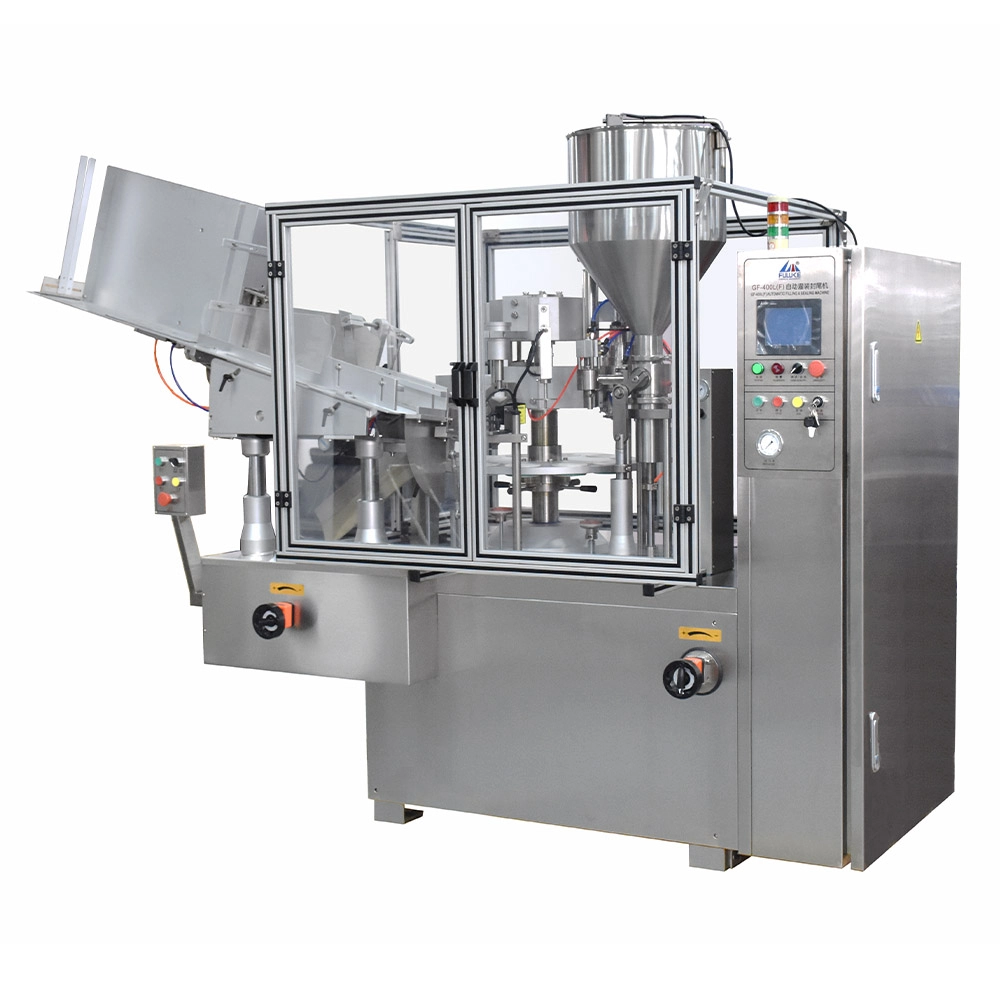
Minimizing Product Waste with Accurate Tube Filling Technology
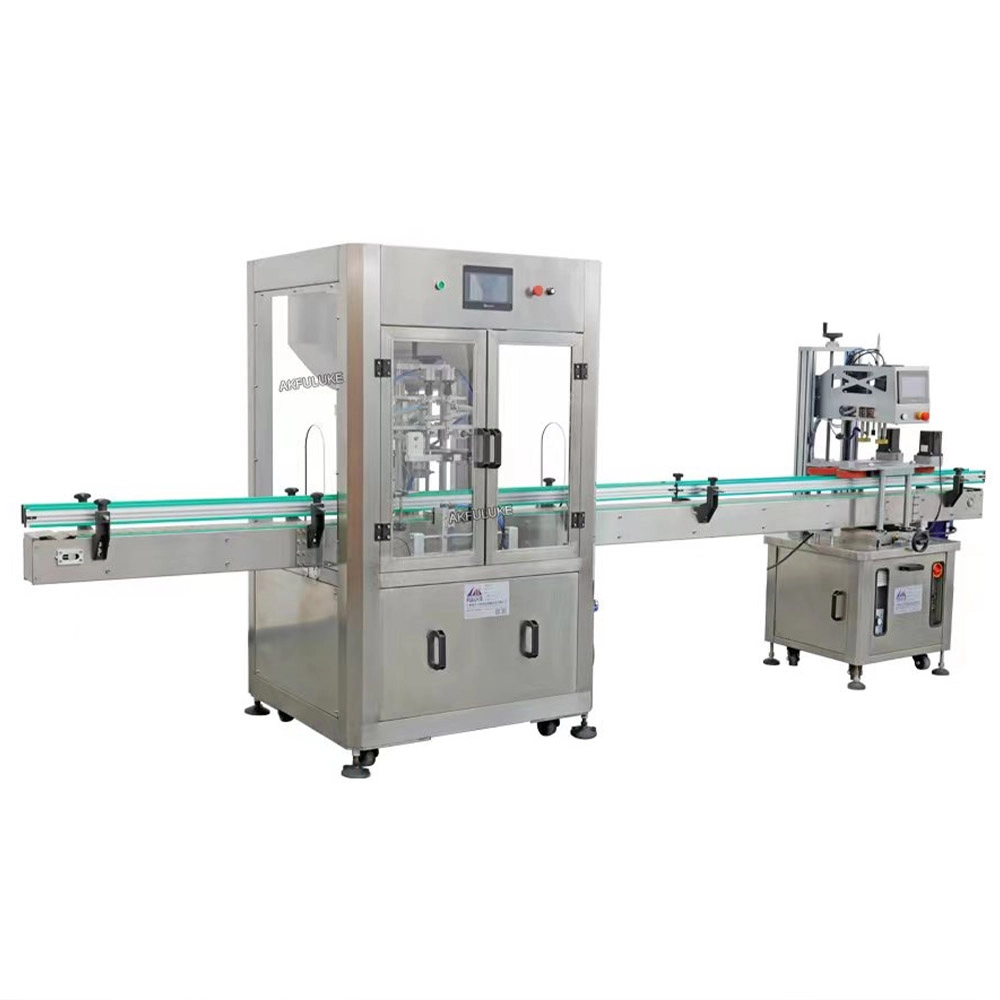
Advanced Controls for Multi-Product Filling Lines
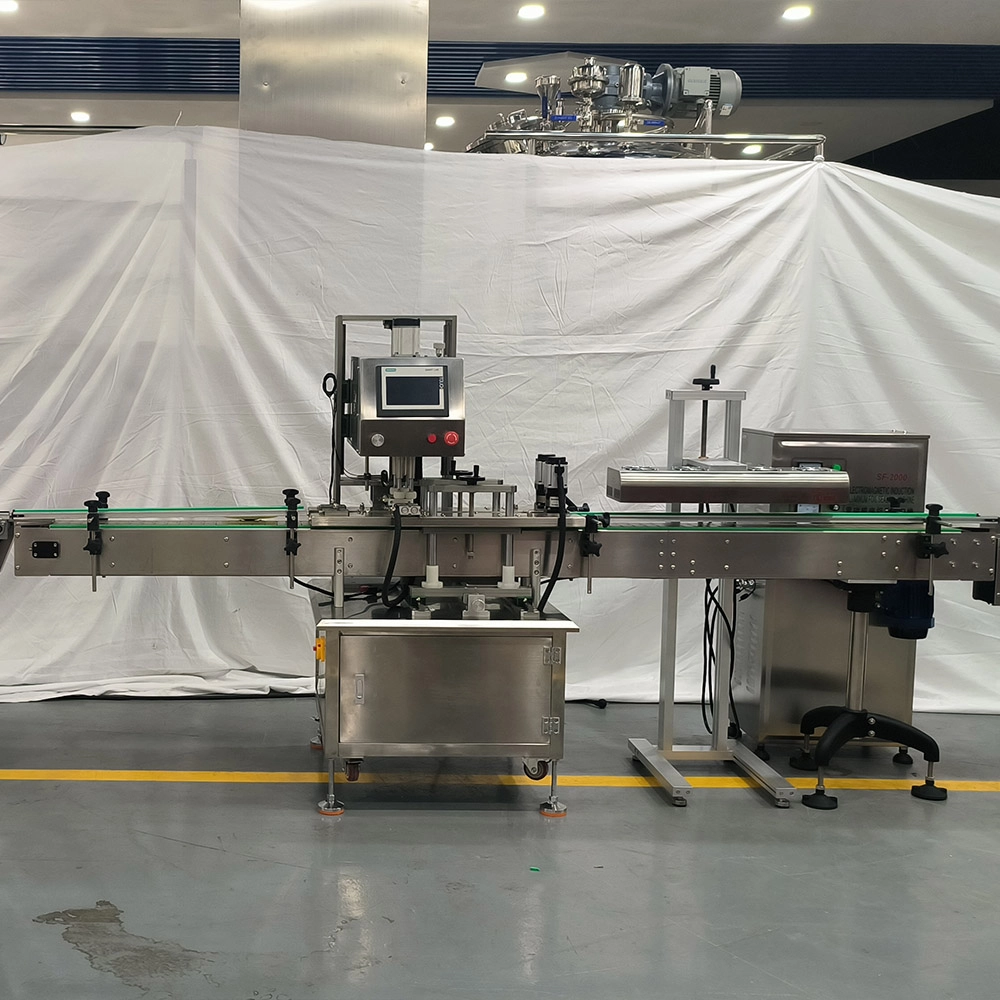
Integration of Filling Machines with Bottle Cappers and Labelers
Modular Filling Systems for Flexible Production Needs
RO Water Treatment
Can you customize the machine?
Of course, we provide customized services according to customer needs.
Inkjet Printing Machine
Who are we?
Our headquarters is located in Guangzhou, Guangdong, China, and our factory is located in Yangzhou, Jiangsu. Our products are sold all over the world. We have approximately 50 employees in our company and factory.
Automatic Filling Machine
Can you make a design for us?
Yes, we can, we provide not only products, but also solutions and designs.
Automatic Tube Filling and Sealing Machine
Does the equipment meet the hygiene standards of the pharmaceutical/food industry? What precautions should be taken during daily cleaning?
The equipment fully complies with GMP hygiene certification. All material contact parts (drums, filling heads, and piping) are made of 316L/304 stainless steel, ensuring no unhygienic corners.
Daily cleaning precautions:
Before each material change, flush the material piping with purified water or food-grade detergent and then dry it with compressed air. Disassemble the filling heads and valves weekly to remove any residual material to prevent bacterial growth. Never use water directly on components such as the electrical control cabinet and motor. Always disconnect the power cord during cleaning to prevent short circuits.
Why are wrinkles, leaks, or uneven edges appearing after sealing? How can this be addressed?
These issues are often caused by three core factors, with corresponding solutions as follows:
Temperature mismatch: If the temperature is too low, the edge seal will not adhere well and leaks may occur; if the temperature is too high, it may burn and wrinkle. Adjust the sealing temperature using the PLC touch screen.
Insufficient pressure/time: The sealing cylinder pressure should be adjusted according to the hose material, and the sealing head pressing time should be ≥ 1.5 seconds to avoid a poor seal caused by insufficient pressure or short pressing time.
Mold wear/alignment deviation: Inspect the sealing mold for scratches and deformation. Replace if worn. If the label is misaligned with the seal, calibrate the photoelectric sensor position.
You May Also Like
Automatic Tube Filling and Sealing Machine Toothpaste Sunscreen and Facial Cleanser Filling and Sealing Machine for Plastic and Aluminum-plastic Tube

Automatic Glass Bottle Washing Machine High Quality Glass Bottle Cleaning Washer
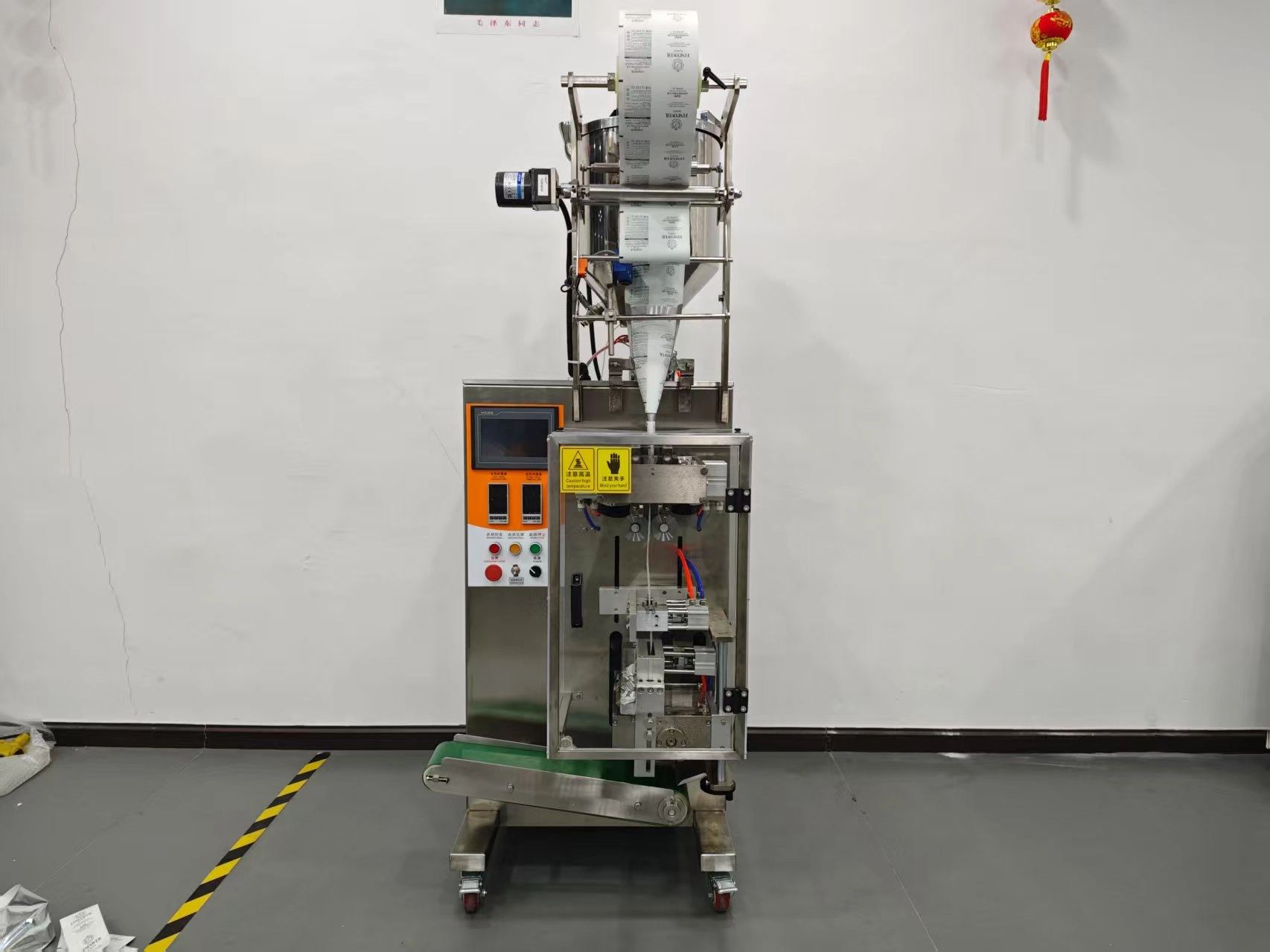
Three-side/four-side sealing bag packaging machine Liquid Paste Jam Cream Sachet Vertical Filling Pouch Packing Machine
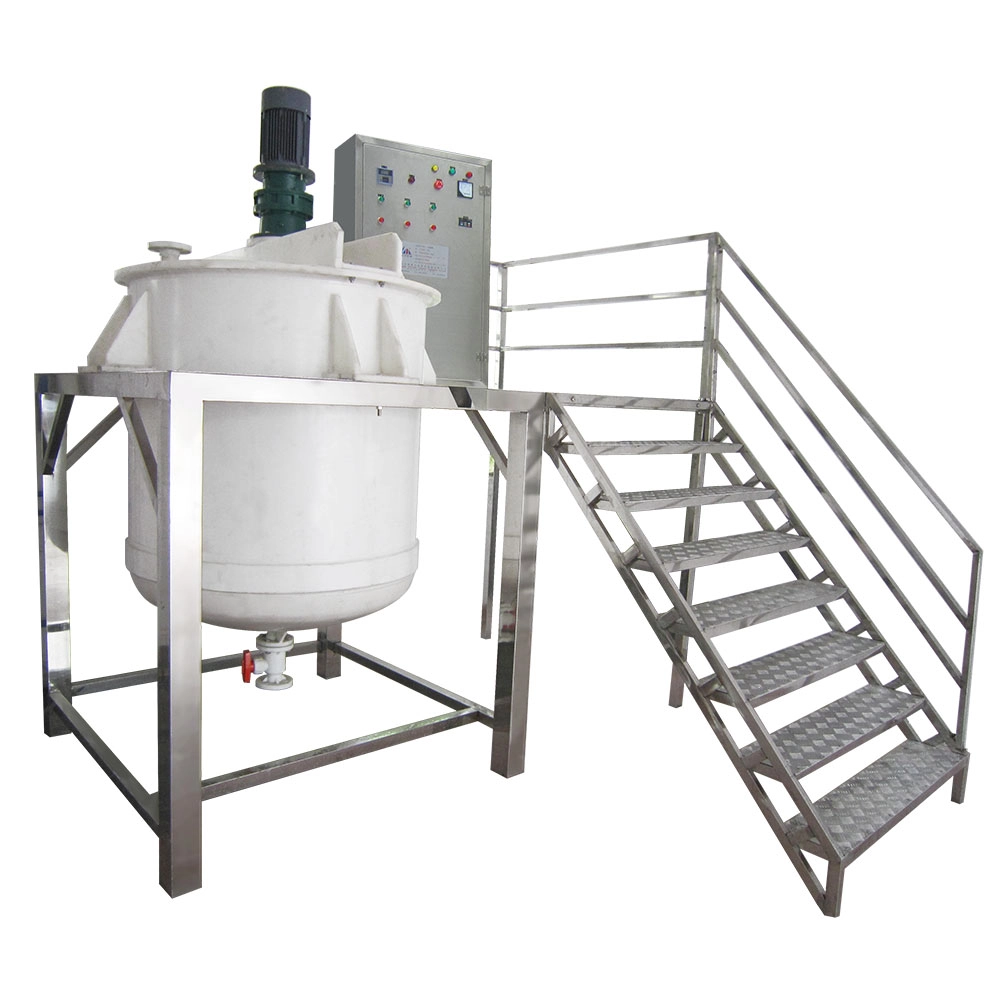
Polypropylene PP Mixing Tank Anti-Corrosion Mixer Reaction Kettle with Agitator Chemical Mixing Vessel
Get in touch with FULUKE
If you have any comments or good suggestions, please leave us a message, later our professional staff will contact you as soon as possible.

A leading manufacturer specializing in advanced machinery and complete production lines for the cosmetics, food, pharmaceutical, and chemical industries worldwide.
Contact FULUKE
Facebook
Instagram
YouTube