
5 Revolutionary Methods to Mix Oil and Water: A Deep Dive into Advanced Emulsification (2026 Guide)
- Why Don't Oil and Water Mix? The Science Behind Immiscibility
- Key Takeaways: The Oil Water Emulsification Process
- Method 1: Chemical Surfactants and Emulsifiers
- Method 2: High-Shear Mechanical Homogenization
- Method 3: Ultrasonic Emulsification
- Method 4: The Phase Inversion Temperature (PIT) Technique
- Method 5: Advanced Vacuum Emulsification (Industry Leading Solution)
- Data Comparison: Emulsification Methods at a Glance
- Expert Tips & Common Mistakes in Emulsification
- Scaling Up: How FULUKE Empowers Production Lines
- Conclusion
- FAQs About why dont oil and water mix、oil water emulsification process
- What is an emulsion in chemistry?
- Why does oil float on water?
- How do surfactants help oil and water mix?
- What is the difference between oil-in-water (O/W) and water-in-oil (W/O) emulsions?
- What causes an emulsion to break or separate?
- Why is vacuum emulsification important in cosmetics?
- Can you mix oil and water permanently?
- What equipment is needed for industrial emulsification?
Have you ever wondered exactly why dont oil and water mix、oil water emulsification process protocols are so critical in modern manufacturing? From the silkiest cosmetic creams to life-saving pharmaceuticals, combining these two stubborn liquids is the foundation of countless industries. In 2026, the technology behind this science has evolved far beyond basic stirring. This comprehensive guide explores the thermodynamic challenges of immiscibility and reveals five revolutionary methods to achieve perfect industrial emulsion stability.
Why Don't Oil and Water Mix? The Science Behind Immiscibility

Oil and water do not mix because of differing molecular polarities. Water molecules are polar and form strong hydrogen bonds with each other, while oil molecules are non-polar. This creates a thermodynamic phenomenon known as the hydrophobic effect, causing the two liquids to separate naturally.
The fundamental rule of chemistry is that "like dissolves like." Because polar water molecules are highly attracted to one another, they actively squeeze out the non-polar oil molecules. This energetic mismatch results in immiscible liquids and polarity conflicts. To overcome this natural barrier, we must introduce specialized forces and agents to lower the interfacial tension. According to Britannica's definition of emulsions, creating a stable mixture requires both mechanical means and stabilizing agents to form protective films at the surface of the droplets. Without these interventions, the high surface tension will always force the liquids back into two distinct layers.
Key Takeaways: The Oil Water Emulsification Process
The oil water emulsification process forces two immiscible liquids into a stable suspension using surfactants and mechanical energy. Surfactants lower interfacial tension, while mechanical force breaks droplets down, ensuring permanent, kinetic stability when scaling from lab to industrial production.
To successfully blend these elements, modern manufacturers must master a few core principles. Emulsification is not a one-size-fits-all procedure; it is a delicate balancing act of chemistry and physics.
- Surfactant Integration: Chemical agents must act as a bridge between the oil and water phases.
- Mechanical Shearing: Equipment must rip droplets apart into microscopic or nanoscopic sizes to prevent them from floating or sinking.
- Kinetic Stability: The final formulation must prevent the droplets from coalescing (merging back together) over time.
Understanding how emulsification actually happens in industrial mixing systems is essential for anyone looking to scale their formulations without compromising quality or shelf life.
Method 1: Chemical Surfactants and Emulsifiers
Chemical surfactants and emulsifiers are molecules containing both a hydrophilic (water-loving) head and a hydrophobic (oil-loving) tail. By positioning themselves at the oil-water boundary, they drastically reduce interfacial tension and prevent droplets from coalescing into larger pools.
Selecting the right chemical agent is the first line of defense against phase separation. Formulators rely heavily on the hydrophilic-lipophilic balance (HLB) scale. As detailed by Wikipedia's HLB system overview, this scale (typically ranging from 0 to 20) calculates the percentage of molecular weights for the hydrophilic and lipophilic portions of the surfactant molecule.
- Low HLB (3-6): These emulsifiers are highly lipophilic (oil-loving) and are ideal for creating Water-in-Oil (W/O) emulsions, such as heavy night creams or butter.
- High HLB (8-16): These are highly hydrophilic (water-loving) and are perfect for creating Oil-in-Water (O/W) emulsions, such as light body lotions or milk.
Without calculating the correct HLB for your specific ingredients, even the most advanced machinery will fail to maintain long-term stability. The chemistry must be perfectly aligned before mechanical force is applied.
Method 2: High-Shear Mechanical Homogenization
High-shear mechanical homogenization uses intense physical force to break liquids into micro-droplets. High-speed rotor-stator mixers pull the mixture into a workhead, applying extreme hydraulic shear that guarantees kinetic stability for commercial manufacturing.
Chemicals alone cannot produce the ultra-fine droplet sizes required for modern cosmetics and pharmaceuticals. The high-shear homogenization process is the industrial engine of emulsification. Inside the mixing tank, rotor blades spin at incredibly high speeds (often exceeding 3000 RPM), forcing the liquid out through a precision-machined stator.
This creates a mechanical tearing effect that pulverizes oil droplets until they are small enough to remain permanently suspended in the water phase. For commercial manufacturing in 2026, this method is the gold standard for ensuring that products do not separate on store shelves.
Method 3: Ultrasonic Emulsification
Ultrasonic emulsification utilizes high-frequency sound waves to induce acoustic cavitation within the liquid. The rapid implosion of microscopic vacuum bubbles generates localized shockwaves, efficiently breaking oil and water down into highly stable nano-emulsions.
As we push through 2026, ultrasonic technology has become a game-changer for delicate, high-value formulations. Unlike traditional mechanical mixing, which generates significant heat through friction, ultrasonic cavitation can be strictly temperature-controlled.
This makes it the premier choice when working with heat-sensitive active ingredients, such as advanced anti-aging peptides, vitamins, or volatile essential oils in the pharmaceutical and cosmetic sectors. The resulting nano-emulsions are so fine that they often appear completely transparent and offer vastly improved skin absorption rates.
Method 4: The Phase Inversion Temperature (PIT) Technique
The Phase Inversion Temperature (PIT) method manipulates the thermodynamic properties of surfactants via temperature changes. Heating shifts surfactant solubility from water to oil, inverting the emulsion, while rapid cooling locks the ultra-fine droplets into place.
The PIT technique is a highly sophisticated, low-energy method for creating stable microemulsions. By exploiting the temperature-dependent nature of specific ethoxylated surfactants, formulators can force an O/W emulsion to temporarily become a W/O emulsion.
At the exact inversion point, the interfacial tension drops to near zero, creating exceptionally small droplet sizes without the need for massive mechanical energy. Rapidly cooling the mixture then "freezes" this state, resulting in a product with outstanding long-term stability. This method is highly favored in 2026 for creating energy-efficient, eco-friendly cosmetic lines.
Method 5: Advanced Vacuum Emulsification (Industry Leading Solution)
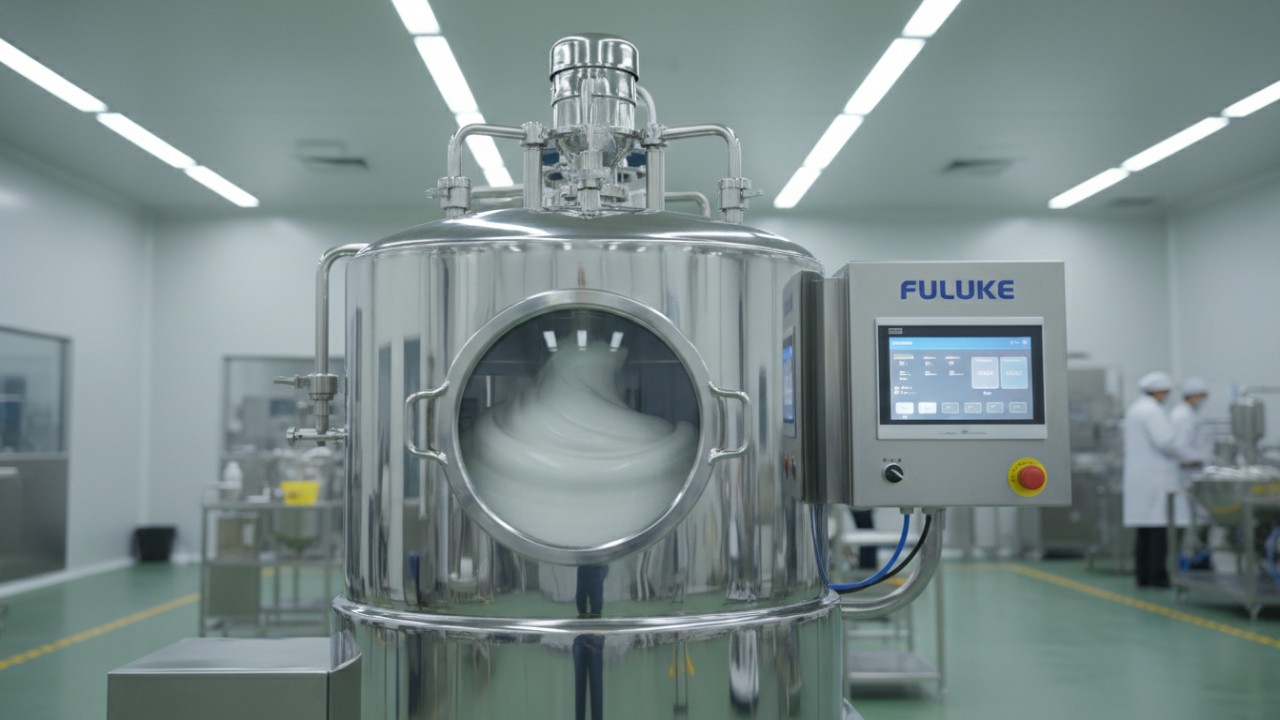
Advanced vacuum emulsification removes all air from the mixing chamber during homogenization. This prevents oxidation, eliminates trapped bubbles, and ensures a smooth, glossy, and highly stable final product, making it essential for high-grade cosmetics.
When producing premium creams, lotions, and sauces, trapped air is the ultimate enemy. Air bubbles cause oxidation, promote bacterial growth, and lead to structural instability. Vacuum emulsifying mixers solve this critical issue by operating in a completely sealed, negative-pressure environment.
At FULUKE (Guangzhou Fuluke Cosmetic Equipment Co., Ltd.), our vacuum emulsifying machines are engineered to deliver flawless, GMP-compliant results. By integrating precision engineering with strict vacuum controls, our equipment ensures that every batch is perfectly consistent, glossy, and free of microscopic air pockets. This technology is the premier choice for modern manufacturers looking to elevate their product quality to international standards.
Data Comparison: Emulsification Methods at a Glance
Choosing the right emulsification technique depends on your formulation requirements, scale, and budget. The table below compares the five primary methods, highlighting their mechanisms, core advantages, and ideal industrial applications for 2026.
| Method | Primary Mechanism | Key Advantage | Best Industrial Application |
|---|---|---|---|
| Chemical Surfactants | Interfacial tension reduction (HLB) | Fundamental baseline stabilization | All standard formulations |
| High-Shear Homogenization | Mechanical rotor-stator shearing | Rapid, scalable droplet reduction | Commercial lotions & sauces |
| Ultrasonic | Acoustic cavitation & shockwaves | Nano-sizing, low heat generation | Pharmaceuticals, active serums |
| PIT Technique | Thermodynamic phase inversion | Ultra-fine microemulsions | Energy-efficient cosmetics |
| Vacuum Emulsification | Airless, high-shear homogenization | Zero oxidation, high-gloss finish | Premium cosmetics & GMP pharma |
Expert Tips & Common Mistakes in Emulsification
Achieving industrial emulsion stability requires avoiding common pitfalls like miscalculating HLB values or applying inadequate mechanical energy. Experts recommend strict temperature control during cooling and continuous particle size analysis during the homogenization phase.
Even seasoned formulators encounter phase separation issues like creaming, flocculation, or Ostwald ripening. Here are the top expert tips to ensure flawless production:
- Mistake: Miscalculating the required HLB value. This leads to rapid phase separation because the surfactant cannot adequately bridge the oil and water phases.
- Mistake: Inadequate mechanical energy input. If your rotor-stator mixer lacks the power to reach the required shear rate, droplets remain too large to stay suspended.
- Expert Tip: Always control the cooling rate. Shocking an emulsion with rapid temperature drops can shatter the delicate surfactant structures, leading to immediate breakdown.
- Expert Tip: For true industrial emulsion stability, utilize continuous inline particle size analysis during the homogenization phase to catch inconsistencies before the batch is finalized.
Scaling Up: How FULUKE Empowers Production Lines
Transitioning from lab-scale mixing to industrial production requires specialized engineering. FULUKE brings over 30 years of global expertise, offering comprehensive solutions from mixing tanks to turnkey packaging lines that ensure seamless scaling and efficiency.
Scaling up a delicate emulsion from a 1-liter lab beaker to a 1000-liter commercial batch is notoriously difficult. The fluid dynamics change, heating and cooling times extend, and shear rates must be perfectly calibrated. This is where FULUKE (Guangzhou Fuluke Cosmetic Equipment Co., Ltd.) excels.
With over three decades of experience, we provide advanced, customized solutions tailored to the cosmetics, food, pharmaceutical, and chemical industries. Our product portfolio—ranging from multifunctional mixing tanks to state-of-the-art vacuum emulsifying machines—integrates intelligent automation control and strict ISO/GMP standards. Whether you need a standalone high-shear mixer or a complete turnkey packaging line covering filling, labeling, and sealing, FULUKE equipment reduces energy consumption while guaranteeing flawless product consistency for global brands.
Conclusion
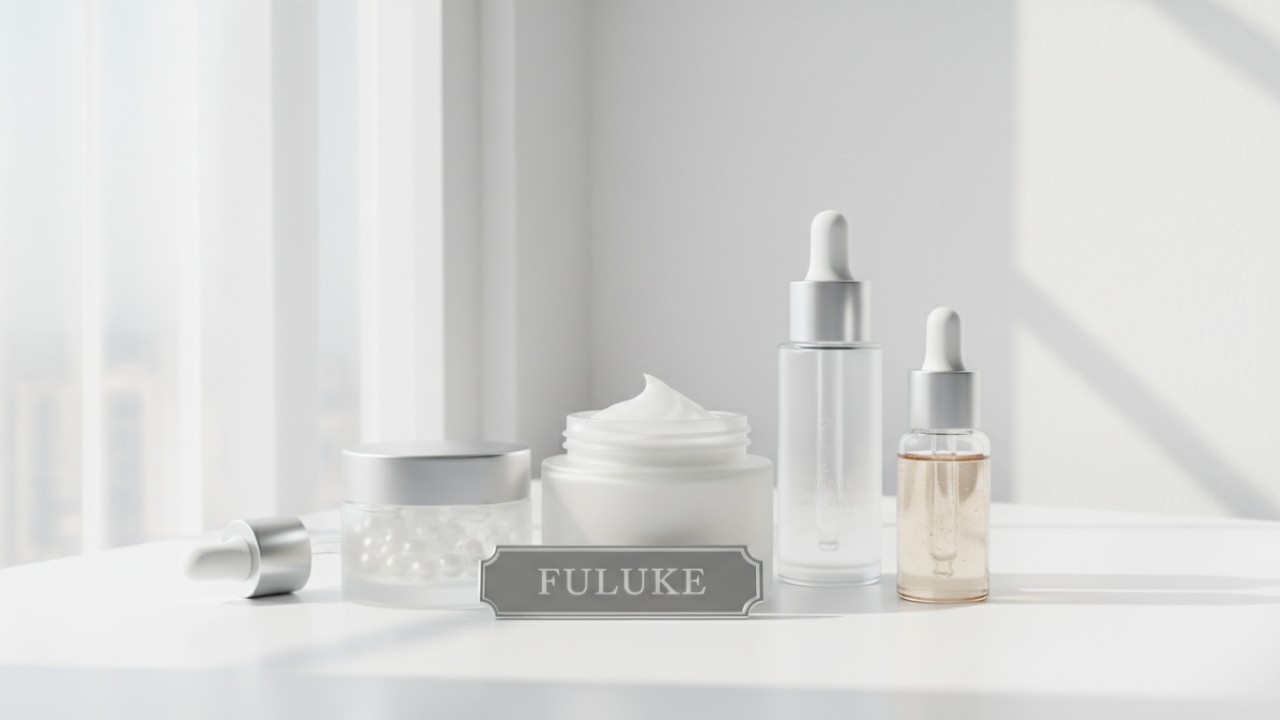
Understanding why oil and water don't mix is the first step toward mastering the advanced emulsification process. From the precise chemistry of surfactants and the raw power of high-shear homogenization to the revolutionary benefits of vacuum mixing, achieving a perfectly stable emulsion requires the right blend of chemistry and mechanical engineering. By leveraging the right techniques and state-of-the-art equipment, manufacturers in 2026 can produce flawless, high-quality products at scale.
FAQs About why dont oil and water mix、oil water emulsification process
What is an emulsion in chemistry?
An emulsion is a colloid consisting of two or more immiscible liquids where one liquid is dispersed as tiny droplets within the other. Common examples include milk, mayonnaise, and cosmetic lotions.
Why does oil float on water?
Oil floats on water because it is less dense than water. Additionally, the differing polarities (polar water vs. non-polar oil) prevent them from dissolving into one another, keeping the oil layer strictly on top.
How do surfactants help oil and water mix?
Surfactants have a dual molecular structure: a hydrophilic (water-attracting) head and a hydrophobic (oil-attracting) tail. They bridge the gap between the two liquids, lowering the interfacial tension and preventing the droplets from reforming into separate layers.
What is the difference between oil-in-water (O/W) and water-in-oil (W/O) emulsions?
In an O/W emulsion, oil droplets are dispersed throughout a continuous water phase (e.g., milk, light lotions). In a W/O emulsion, water droplets are dispersed in a continuous oil phase (e.g., butter, heavy night creams).
What causes an emulsion to break or separate?
Emulsions can break down due to factors like extreme temperature changes, incorrect HLB emulsifier selection, or insufficient mechanical mixing. Common breakdown mechanisms include creaming, flocculation, coalescence, and Ostwald ripening.
Why is vacuum emulsification important in cosmetics?
Vacuum emulsification occurs in a sealed, airless environment. This prevents air bubbles from being trapped in the mixture, which stops oxidation, improves shelf life, and ensures a smooth, glossy texture for cosmetic creams.
Can you mix oil and water permanently?
While thermodynamically unstable over an infinite timeline, oil and water can be mixed 'permanently' for practical commercial shelf life (years) through kinetic stabilization. This requires the correct combination of powerful mechanical homogenization and precise chemical emulsifiers.
What equipment is needed for industrial emulsification?
Industrial emulsification requires specialized machinery such as high-shear mixers, high-pressure homogenizers, and vacuum emulsifying tanks. Equipment providers like FULUKE supply these advanced machines alongside full turnkey lines for filling and packaging.
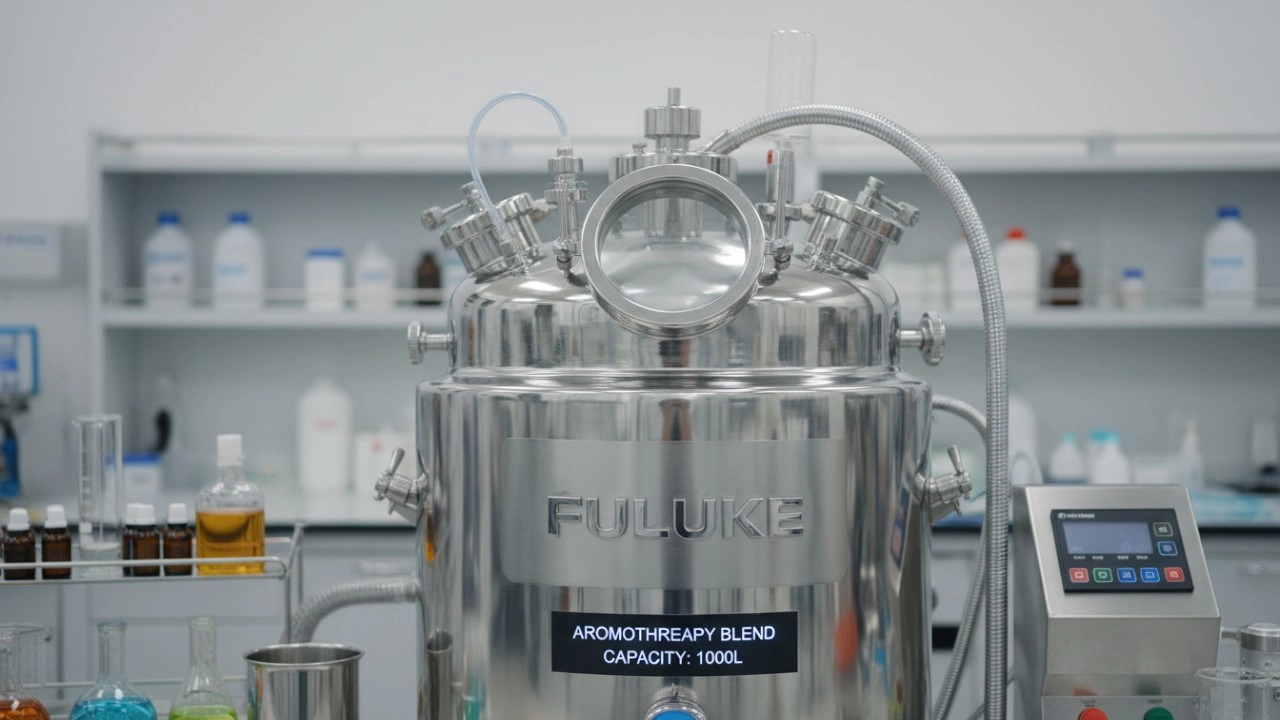
How Mixing Tanks Are Used in Aromatherapy & Cosmetics: The 2026 Guide
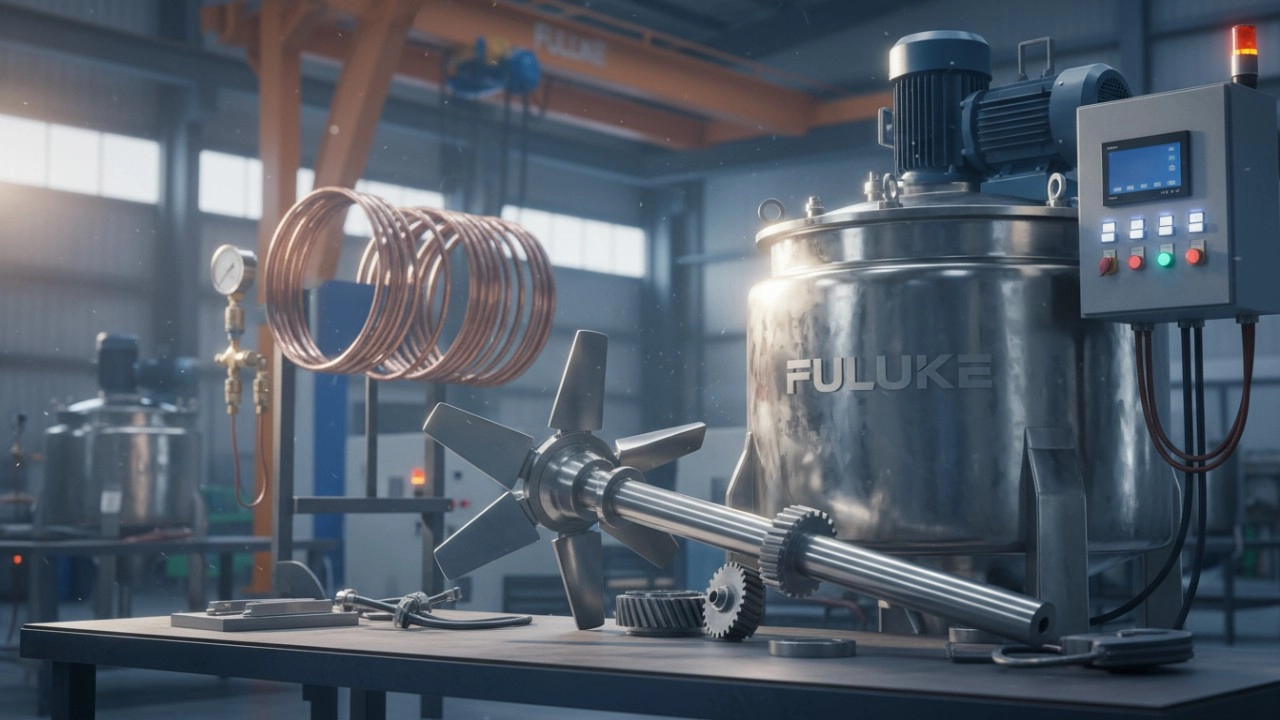
Top 7 Mixing Tank Component Failures (And How to Prevent Costly Downtime) in 2026
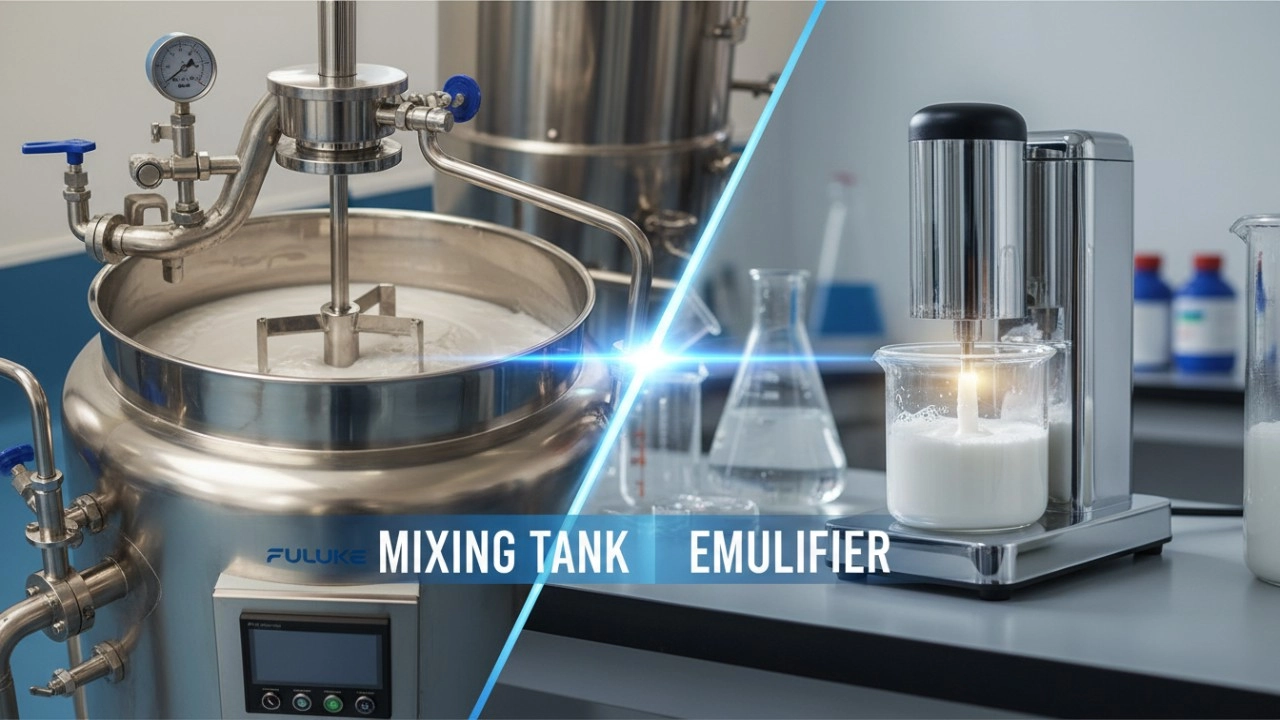
High-Shear Emulsifier vs. Standard Mixing Tank: A Deep Dive into Process Efficiency
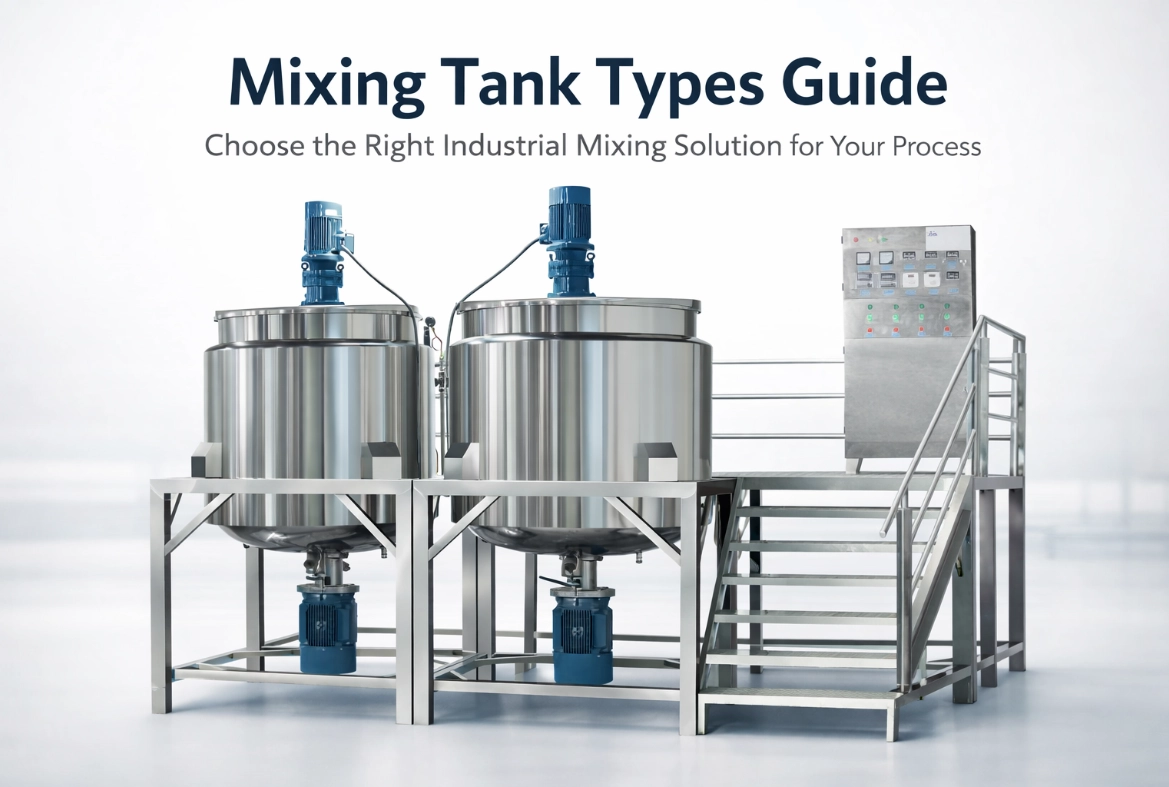
Advanced Mixing Tank Types: How to Optimize Your Production Line for 2026
Automatic Facial Mask Filling Machine
Can you customize the machine?
Of course, we provide customized services according to customer needs.
We want to fill products in multiple volumes (e.g., 5ml, 20ml, 50ml). Do we need to purchase multiple filling machines?
No, most facial mask filling machines support multiple volume adjustments. When purchasing, please confirm the machine's "volume adjustment range" (e.g., 5ml-50ml) to ensure it covers your desired specifications. Changing volumes simply requires modifying the fill volume parameters on the touchscreen.
Automatic Capping Machine
Who are we?
Our headquarters is located in Guangzhou, Guangdong, China, and our factory is located in Yangzhou, Jiangsu. Our products are sold all over the world. We have approximately 50 employees in our company and factory.
Automatic Tube Filling and Sealing Machine
Why are wrinkles, leaks, or uneven edges appearing after sealing? How can this be addressed?
These issues are often caused by three core factors, with corresponding solutions as follows:
Temperature mismatch: If the temperature is too low, the edge seal will not adhere well and leaks may occur; if the temperature is too high, it may burn and wrinkle. Adjust the sealing temperature using the PLC touch screen.
Insufficient pressure/time: The sealing cylinder pressure should be adjusted according to the hose material, and the sealing head pressing time should be ≥ 1.5 seconds to avoid a poor seal caused by insufficient pressure or short pressing time.
Mold wear/alignment deviation: Inspect the sealing mold for scratches and deformation. Replace if worn. If the label is misaligned with the seal, calibrate the photoelectric sensor position.
Automatic Labeling Machine
Can you customize the machine?
Of course, we provide customized services according to customer needs.
Get in touch with FULUKE
If you have any comments or good suggestions, please leave us a message, later our professional staff will contact you as soon as possible.
You May Also Like
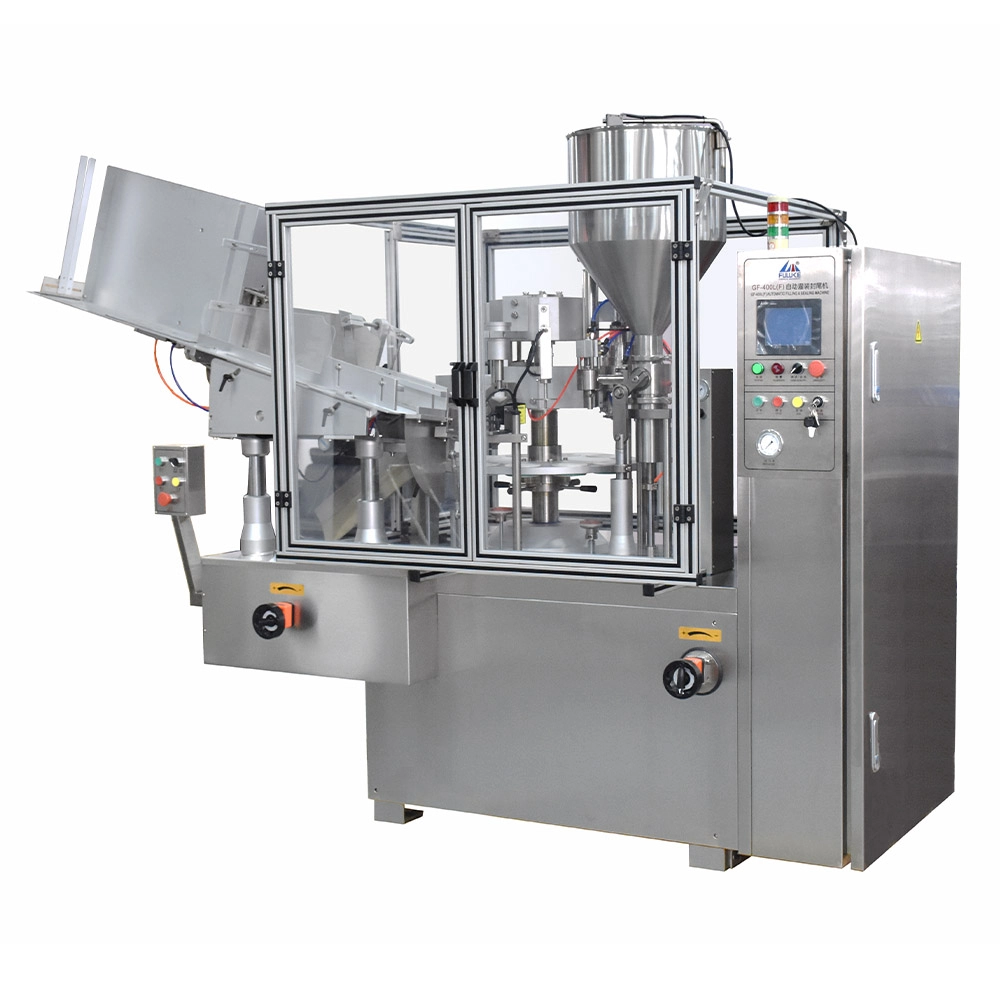
Automatic Tube Filling and Sealing Machine Toothpaste Sunscreen and Facial Cleanser Filling and Sealing Machine for Plastic and Aluminum-plastic Tube
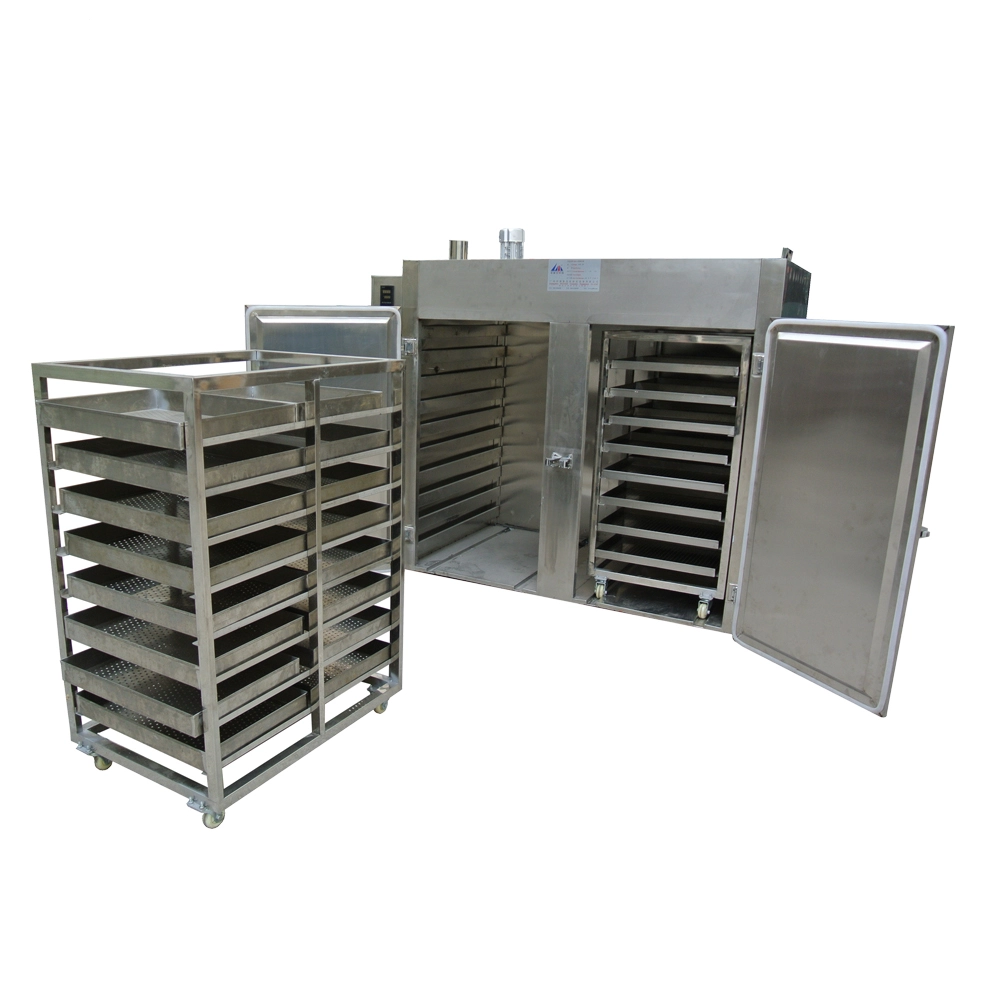
Over for Bottles High Temperature Sterilizer Tray Dryer Large Hot Air Circle Drying Oven for Glass Bottle Jar Cup Can

Automatic Glass Bottle Washing Machine High Quality Glass Bottle Cleaning Washer
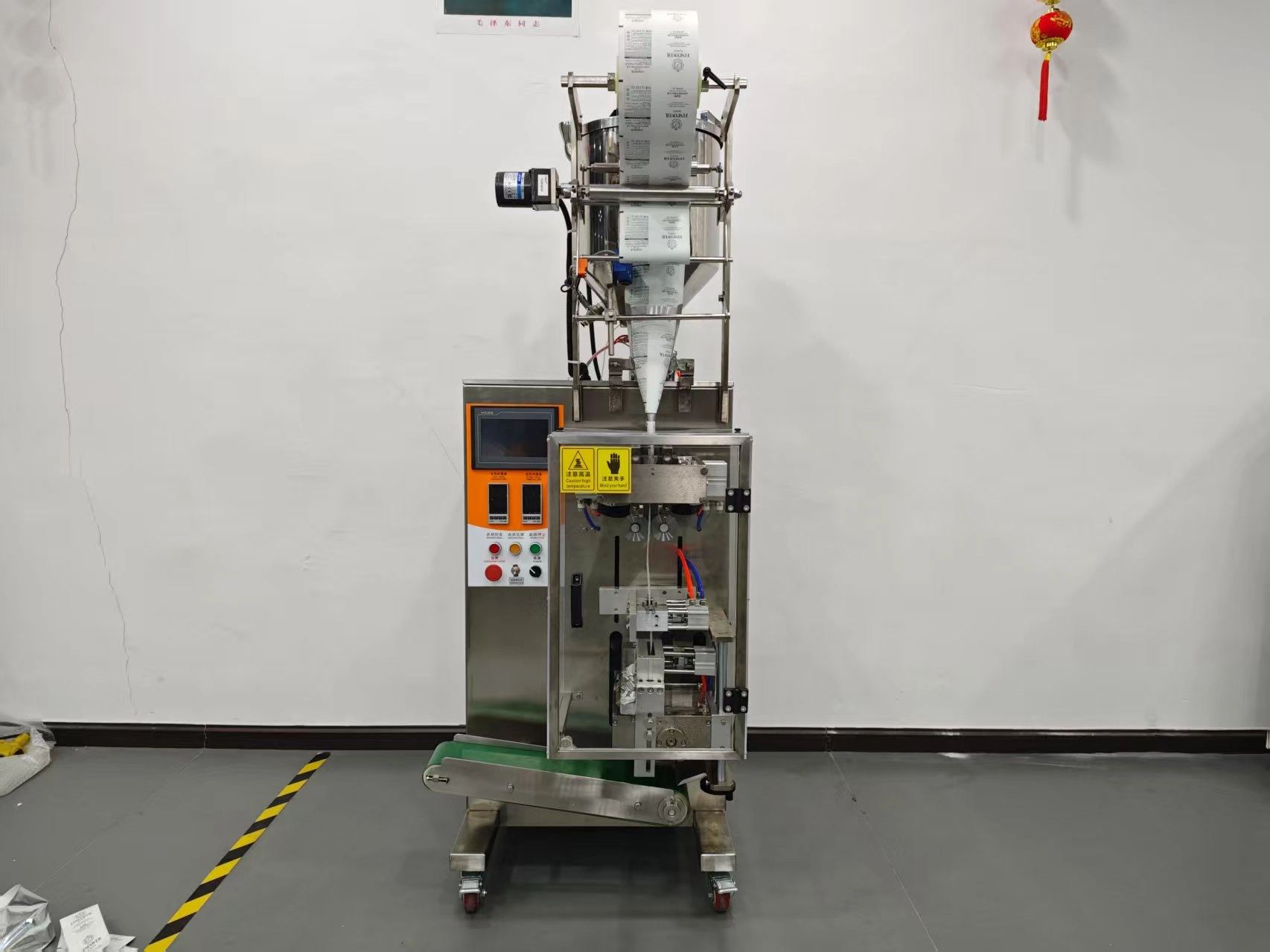
Three-side/four-side sealing bag packaging machine Liquid Paste Jam Cream Sachet Vertical Filling Pouch Packing Machine

A leading manufacturer specializing in advanced machinery and complete production lines for the cosmetics, food, pharmaceutical, and chemical industries worldwide.
Contact FULUKE
Facebook
Instagram
YouTube