
FULUKE reverse osmosis equipment empowers the pharmaceutical and cosmetics industries to achieve compliant production.
In the pharmaceutical and cosmetics industries, water is not only a raw material but also the core foundation of product safety and quality. Pharmaceutical preparations require the elimination of microbial and endotoxin contamination to ensure medication safety, while cosmetics need to avoid heavy metals and impurities that affect product stability and skin feel. Reverse osmosis (RO) technology, as a core solution for high-precision water treatment, is becoming crucial for both industries to maintain compliance and enhance product competitiveness. FULUKE deeply understands industry needs and develops customized reverse osmosis water treatment systems that precisely meet the stringent standards of the pharmaceutical and cosmetics industries.
The pharmaceutical industry has stringent water quality requirements throughout the entire production process, from the preparation of purified water to water for injection, all of which must strictly adhere to the Chinese Pharmacopoeia, GMP standards, and international USP and EP standards. FULUKE's reverse osmosis system, designed specifically for the pharmaceutical industry, utilizes a core process of "enhanced pretreatment + double-stage RO + EDI" to create multiple water quality protection barriers. The pretreatment stage, through multi-media filtration, activated carbon adsorption, and 5-micron security filtration, thoroughly removes suspended solids, residual chlorine, and colloids from the raw water, preventing oxidative damage to the RO membrane. The double-stage reverse osmosis unit achieves a stable desalination rate of ≥99%, reducing the inlet water conductivity from hundreds of μS/cm to ≤1 μS/cm. Combined with pre-alkalization technology before the second-stage RO (pH adjusted to 8.5-9.0), it efficiently removes CO₂ and total organic carbon (TOC), ensuring that TOC is stably controlled below 500 ppb.
In the cosmetics industry, the quality of water directly determines the texture and stability of the products. Whether it's liquid formulations like serums and toners, or emulsified products like creams and lotions, low-hardness, impurity-free pure water is required as the base. FULUKE's customized reverse osmosis equipment for the cosmetics industry utilizes RO membranes to achieve molecular-level filtration at room temperature, with a heavy metal (lead, arsenic, etc.) removal rate of ≥98% and a calcium and magnesium ion removal rate of 96%-98%. This prevents product stratification, particle formation, and discoloration due to metal ion oxidation from the source. Addressing the differentiated needs of small-batch R&D and large-scale mass production. Combined with a CIP online cleaning system, residual contaminants after cleaning are ≤10 ppm, meeting the microbiological limit standards for cosmetic production.
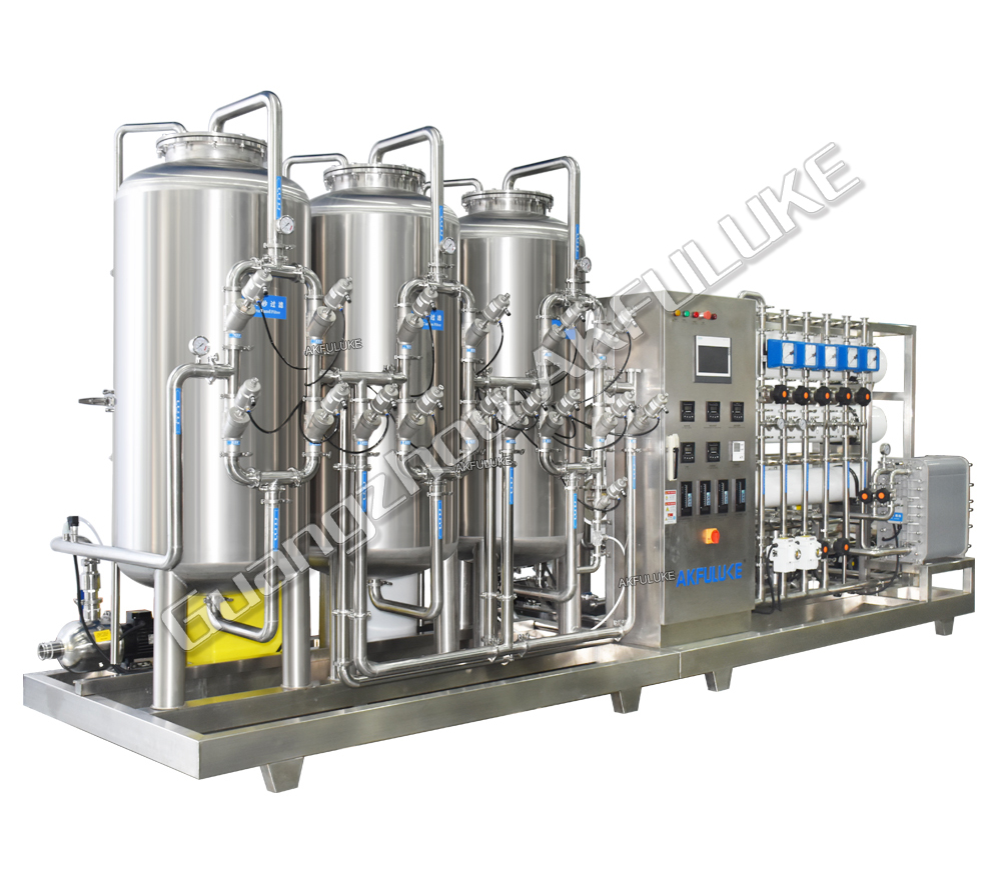
From sterile preparation in pharmaceutical workshops to precise formulations in cosmetics factories, FULUKE reverse osmosis equipment, guided by the design philosophy of "compliance first, performance paramount," not only helps companies establish water quality systems that meet industry regulatory requirements but also reduces energy consumption and operating costs through intelligent operation, becoming a core partner in quality upgrades for these two highly sophisticated industries.

Understanding Servo Capping Machines: The Core Logic of Precise Capping – Understand the Entire Working Process in Seconds
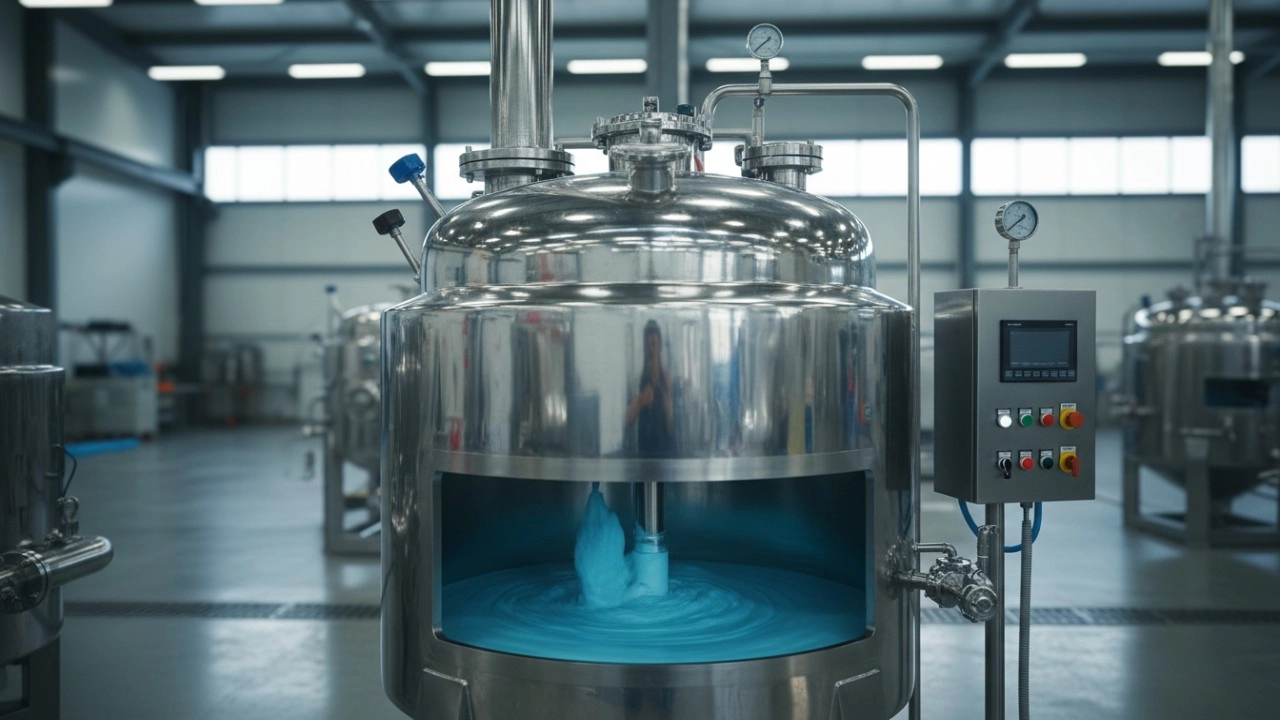
The Future of Industrial Agitation: 5 Smart Mixing Tank Technologies Changing the Game
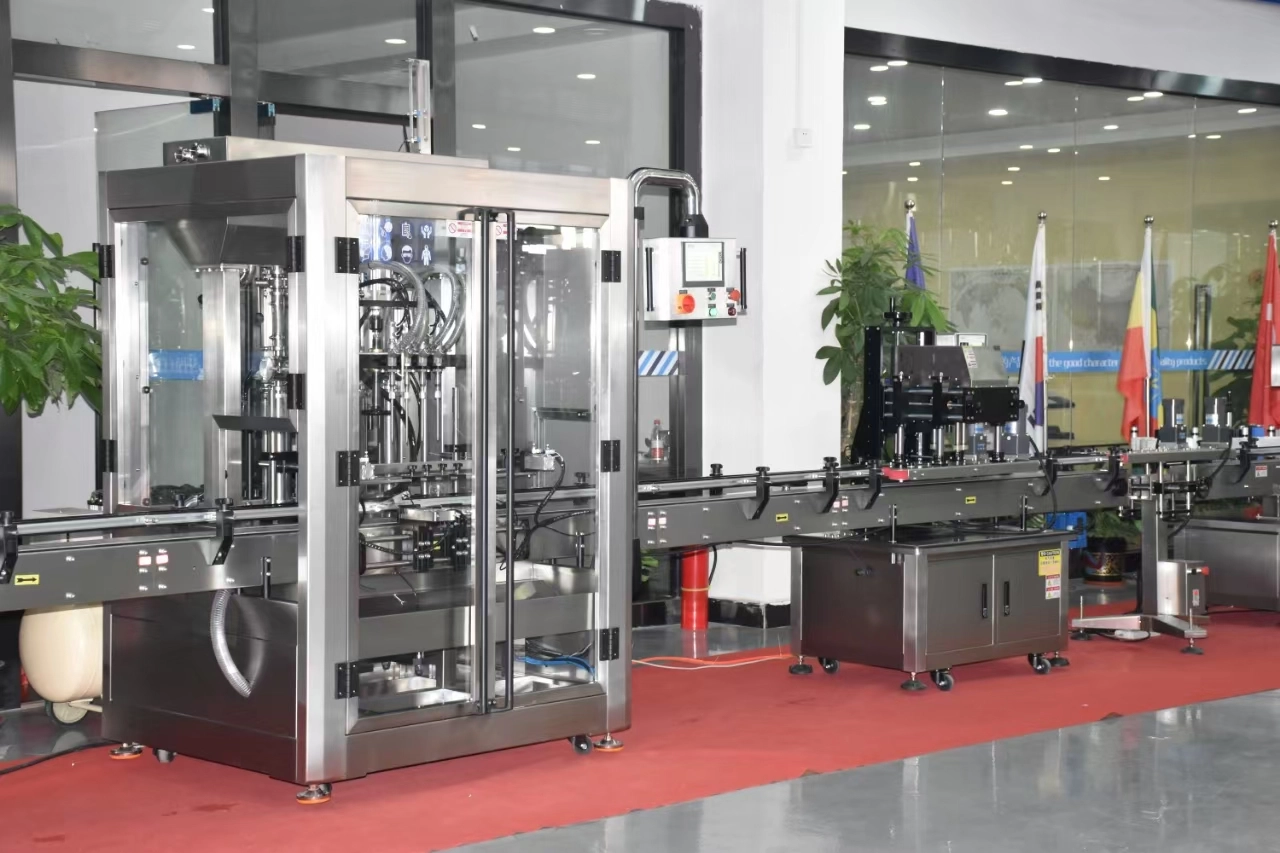
Gear pump filling machine vs. piston filling machine: Key differences broken down to avoid pitfalls in selection.
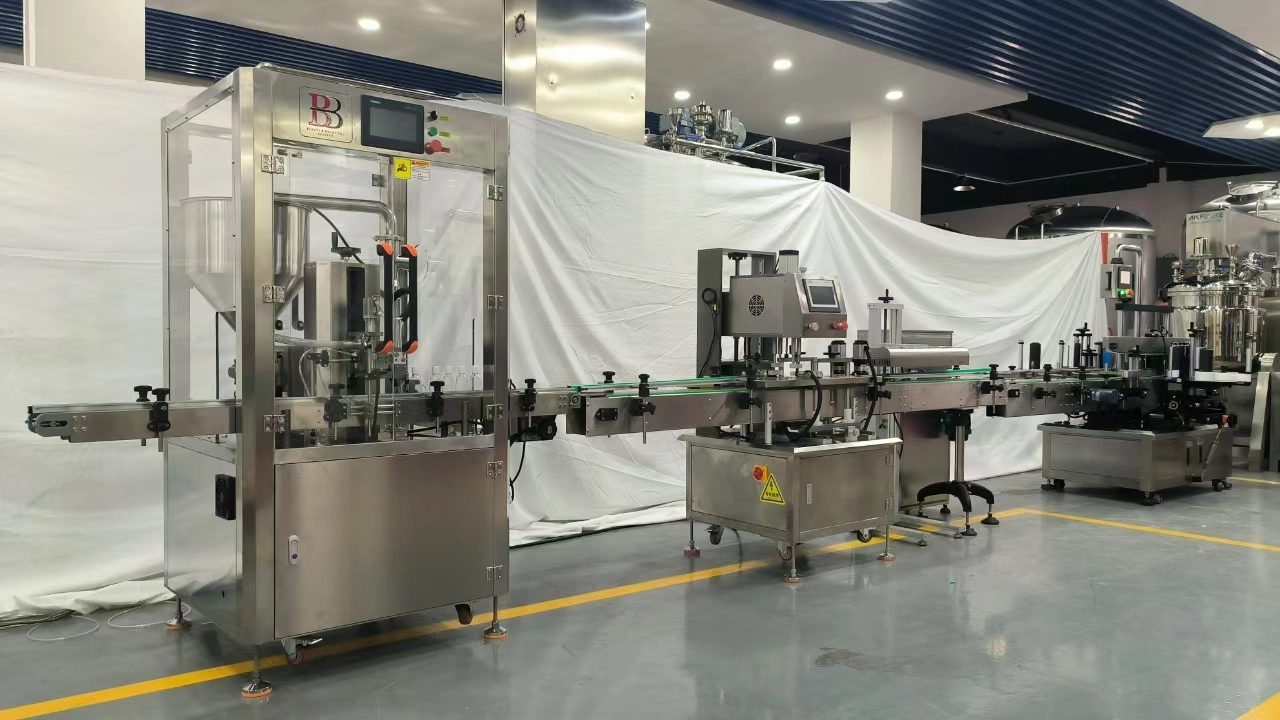
Understand the working principle of a servo gear pump filling machine!
Polypropylene PP Mixing Tank
Which mixing pot should I choose between a PP and a stainless steel mixing pot?
When the material is corrosive, a PP mixing pot is more advantageous. Stainless steel (such as 304) has poor resistance to acids and alkalis (easily corroded by hydrochloric acid and sodium hydroxide). For corrosion protection, upgrading to 316L stainless steel is necessary, which costs 2-3 times more than PP. PP, on the other hand, can withstand low- to medium-concentration corrosive media and offers low maintenance (no rust removal required, and low scaling).
When the material is non-corrosive, a stainless steel mixing pot is more advantageous. Stainless steel offers higher temperature resistance (up to 200°C), greater strength (suitable for high-viscosity materials), and a higher hygienic grade (easy to clean aseptically), making it suitable for non-corrosive but demanding applications such as food and pharmaceuticals.
Automatic Labeling Machine
What types of bottles can this automatic labeling machine label?
It can label flat, round, and square bottles on one side, two sides, or even all around.
Vacuum Emulsifying Machine
What industries is the vacuum emulsifier suitable for?
It is widely applicable to the production needs of creams, lotions, gels, ointments, etc. in the cosmetics, pharmaceutical, food, chemical and other industries.
Is it possible not to configure the oil and water pot?
Of course, if you have other containers to pre-treat and heat the materials, then you only need to configure an emulsifying pot.
Lift-type Homogenizing Disperser
What can you buy from us?
RO Water Treatment、Vacuum Emulsifying Machine、Homogenizer Mixing Tank、Filling and Capping、labeling Machine、Packing Machine、Storage Tank,etc.
Get in touch with FULUKE
If you have any comments or good suggestions, please leave us a message, later our professional staff will contact you as soon as possible.
You May Also Like
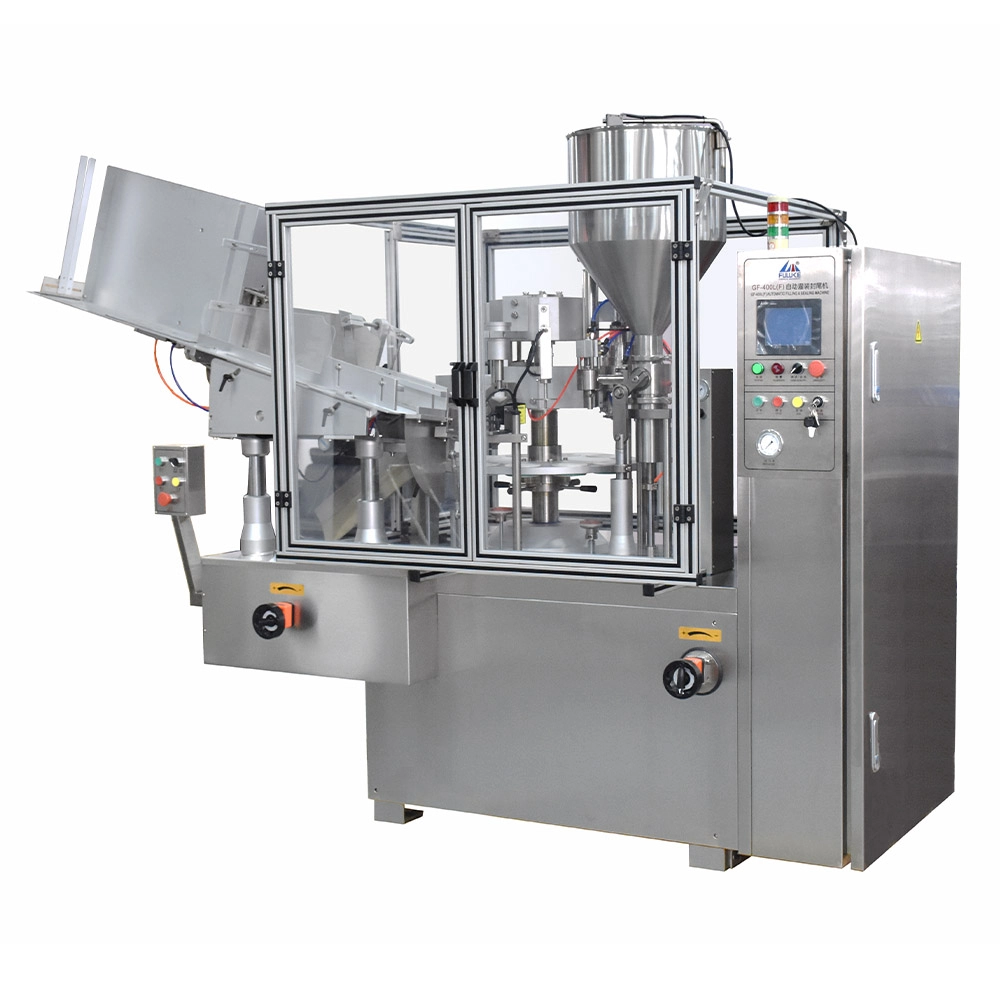
Automatic Tube Filling and Sealing Machine Toothpaste Sunscreen and Facial Cleanser Filling and Sealing Machine for Plastic and Aluminum-plastic Tube
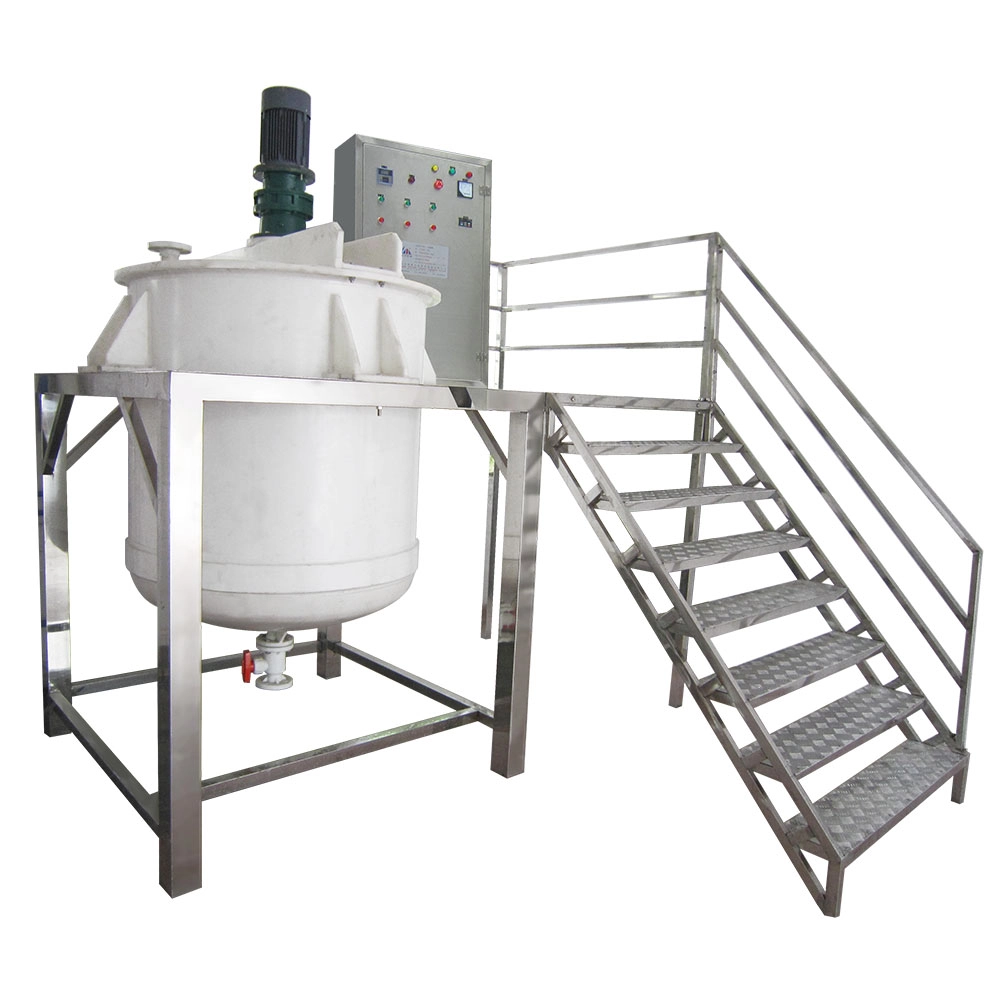
Polypropylene PP Mixing Tank Anti-Corrosion Mixer Reaction Kettle with Agitator Chemical Mixing Vessel
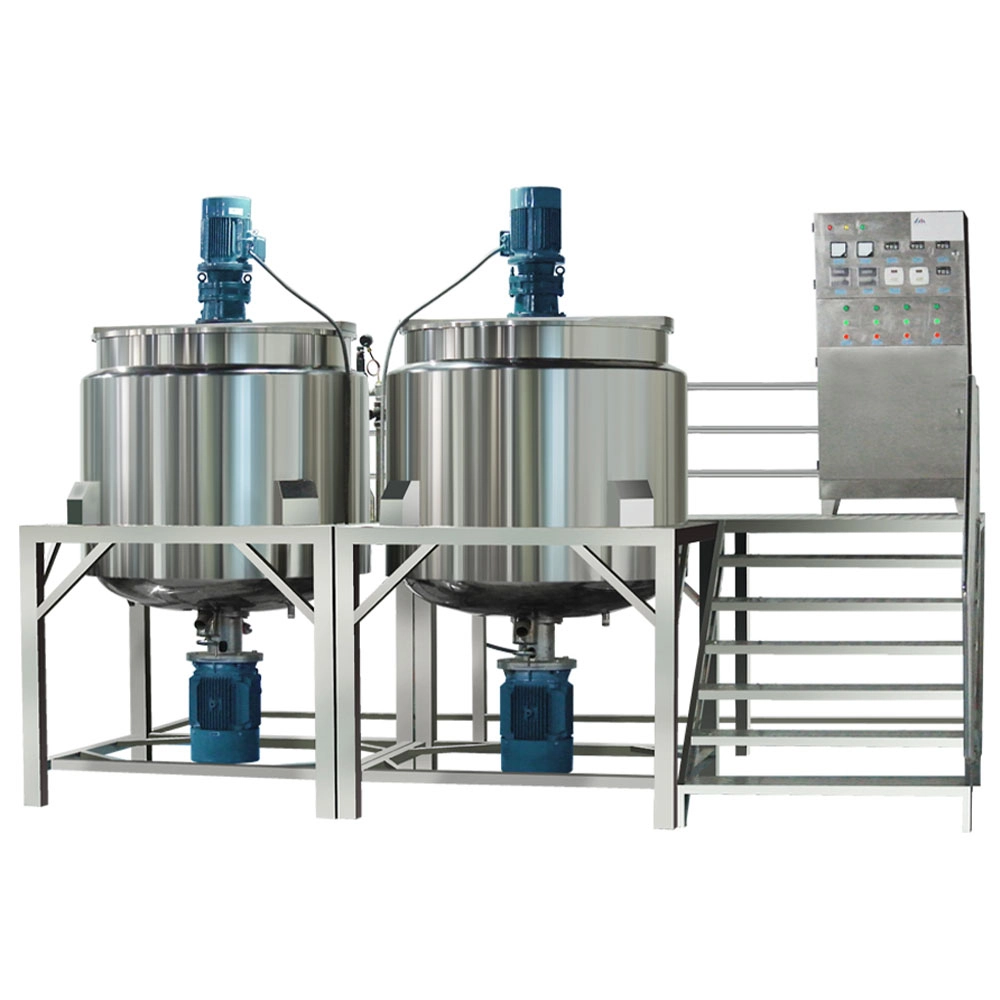
Flip Cover Multi-function Liquid Wash Mixing Tank Blender Liquid Detergent Mixer Homogenization Stirring Tank
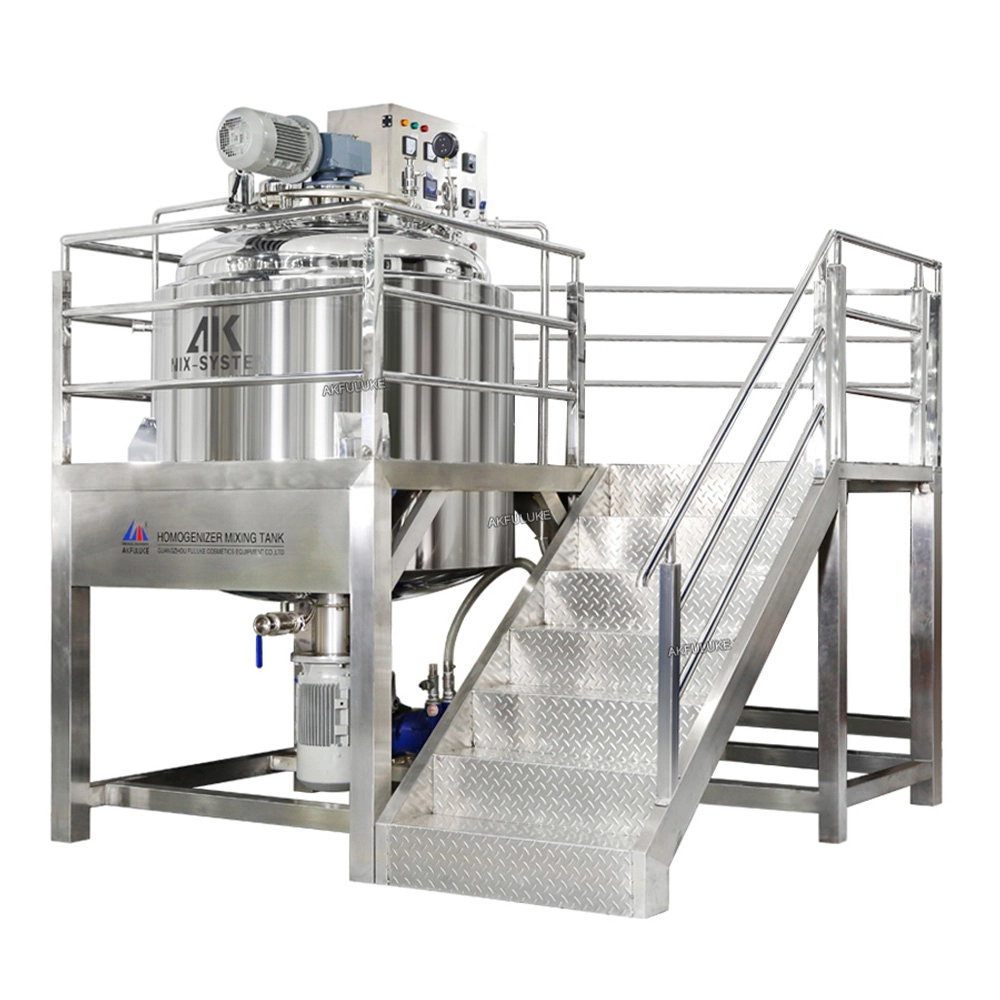
Stainless Steel Mixer Liquid Mixing tank with Agitator Homogenizing Mixing tank Vacuum Sealed Mixer Machine

A leading manufacturer specializing in advanced machinery and complete production lines for the cosmetics, food, pharmaceutical, and chemical industries worldwide.
Contact FULUKE
Facebook
Instagram
YouTube