
Gear pump filling machine vs. piston filling machine: Key differences broken down to avoid pitfalls in selection.
In the packaging process of industries such as food, pharmaceuticals, chemicals, and cosmetics, the selection of filling machines directly determines production efficiency, product qualification rate, and long-term operating costs. Among them, gear pump filling machines and piston filling machines are the two most widely used volumetric filling machines, often causing purchasers to struggle with the choice—both offer quantitative filling, but which one is more suitable for their production needs?
I. Understand the core: their "operating logic" is completely different.
Whether it is a gear pump or a piston filling machine, the core function is to "quantitatively fill the container with materials", but their "power method" and "metering logic" are like two different "transportation tools", with significant differences.
1. Gear Pump Filling Machine: Continuous Delivery via Gear Meshing
The core component of a gear pump filling machine is a pair of meshing gears. Its working principle is very simple: the motor drives the gears to rotate; when the gears disengage, a vacuum is created, drawing material from the hopper into the gear grooves. As the gears continue to rotate, the meshing parts compress the material in the grooves, continuously and smoothly delivering it to the filling nozzle, and finally filling it into the container.
Its metering logic is based on "controlling flow rate by gear speed"—flow rate is directly proportional to gear speed. By adjusting the speed, the filling volume can be precisely controlled. This is a "continuous filling" system, with uninterrupted material delivery, suitable for large-scale continuous production.
2. Piston Filling Machine: Quantitative Extraction via Piston Reciprocating Motion
The core components of a piston filling machine (also often called a plunger filling machine) are the piston and piston cylinder. Its working principle is similar to a syringe: a valve first connects the hopper and the piston cylinder. When the piston moves backward, a negative pressure is created inside the piston cylinder, drawing material into the cylinder. Then, the valve switches direction, connecting the piston cylinder and the filling nozzle. The piston moves forward, pushing out the measured amount of material from the cylinder and filling it into the container.
Its metering logic is based on "fixed metering by piston cylinder volume"—the internal volume of the piston cylinder is fixed, and the amount of material filled with each reciprocating motion is constant. This is "intermittent filling," with a brief pause in material intake after each filling cycle.
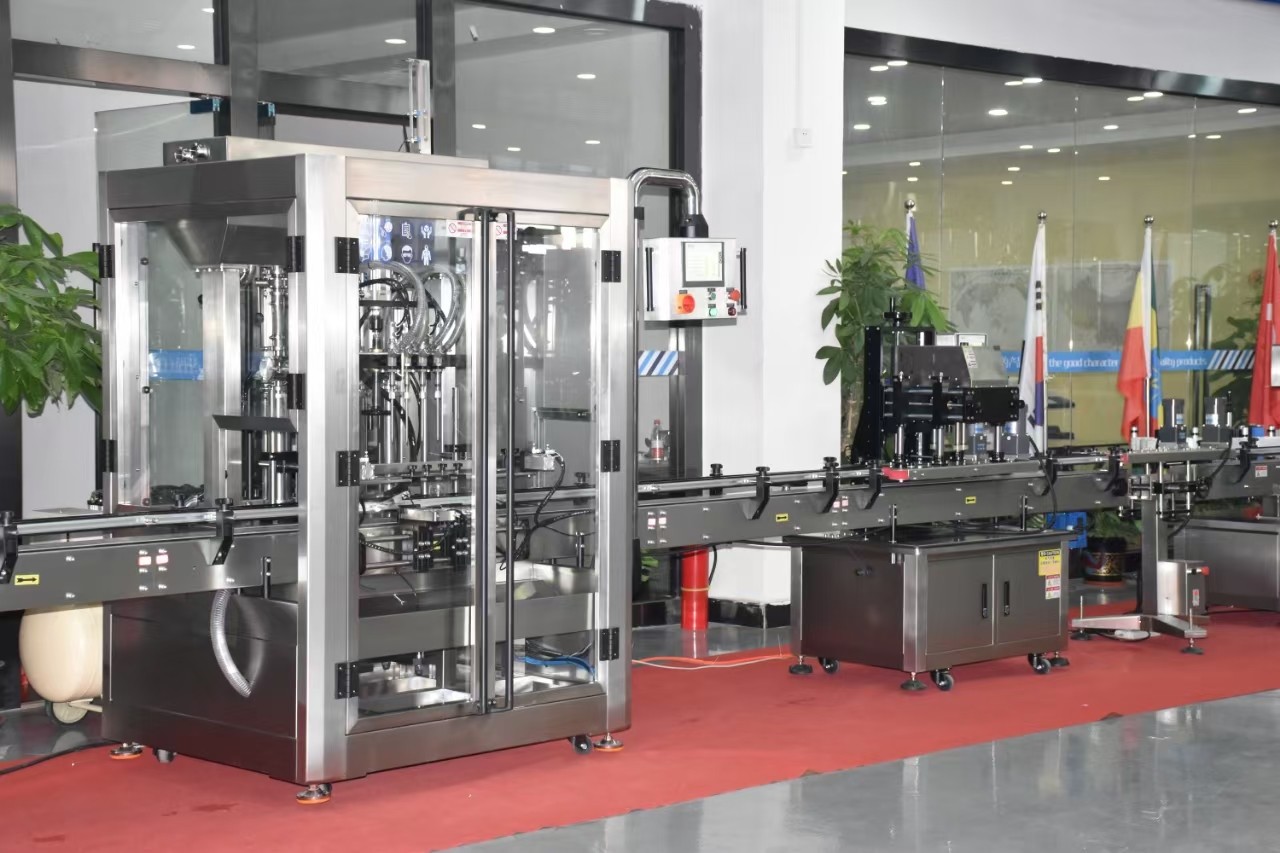
II. Key Differences Comparison: 5 Dimensions to Understand Compatibility
The different operating logics directly determine the differences in applicable scenarios and performance between the two. Below is a comparison across 5 core dimensions to help you quickly distinguish them:
Dimension 1: Applicable Materials – Viscosity and Particle Content are Key
This is the most crucial difference between the two and the primary factor to consider when selecting a machine:
Gear Pump Filling Machine: Adapts to an extremely wide viscosity range, from low-viscosity laundry detergent and dish soap to medium-to-high viscosity honey, lubricating oil, ointments, and even extremely high viscosity silicone grease and butter, all of which can be stably conveyed. However, it has a weakness – it is susceptible to hard particles. Due to the small gear meshing clearance, hard particles can jam the gears, causing equipment malfunction. Therefore, it is more suitable for materials with "no particles or containing a small amount of soft, fine particles" (such as jam with a small amount of fruit pulp), and requires a certain level of material cleanliness.
Piston Filling Machine: Also adaptable to materials from low to high viscosity, its advantage lies in "handling materials containing particles" – such as juice with fruit pulp, sesame paste, and ointments with particles. This is because the piston cylinder has a relatively wide channel, preventing particles from clogging the machine, and the reciprocating thrust of the piston is sufficient to smoothly push materials containing particles. However, for materials with extremely high viscosity and very poor flowability (such as building sealant), the delivery efficiency will be slightly lower.
Dimension 2: Filling Accuracy – Piston Pumps are Superior, Gear Pumps Meet Standard Needs
Filling accuracy directly impacts product yield, especially in industries like pharmaceuticals and high-end cosmetics, where extremely high precision is required:
Gear Pump Filling Machines: Medium accuracy, with a typical error of around ±1%, and some high-end models reaching ±0.5%. Because it controls flow rate by rotational speed, even slight fluctuations in speed or changes in material viscosity can slightly affect filling accuracy. Suitable for industries with lower precision requirements, such as daily chemicals, general food, and chemicals (e.g., laundry detergent, lubricating oil, general sauces).
Piston Pump Filling Machines: Extremely high accuracy, with a typical error controllable within ±0.5%, and high-end models even reaching ±0.1%~0.2%. Because it relies on piston cylinder volume for metering, as long as the piston and cylinder are well-sealed, the filling volume remains constant regardless of material viscosity changes. Perfectly suited for scenarios with stringent precision requirements, such as pharmaceuticals (pharmaceuticals, oral liquids), high-end cosmetics (essences, concentrates), and precision chemicals.
Dimension 3: Production Efficiency – Continuous vs. Intermittent, Batch Size Determines Choice
Efficiency differences primarily stem from the distinction between "continuous filling" and "intermittent filling":
Gear Pump Filling Machine: Continuous filling, with uninterrupted material transport and faster filling speed, especially suitable for "large-batch, single-specification" production scenarios. For example, in a daily chemical factory producing 5L bottles of laundry detergent in batches, a gear pump filling machine can achieve continuous, uninterrupted filling, with an hourly output far exceeding that of a piston pump.
Piston Filling Machine: Intermittent filling, requiring a pause for material suction after each filling cycle, resulting in a slower single-head filling speed compared to a gear pump. However, its advantage lies in "easy switching between multiple specifications." By simply changing the piston cylinder to a different volume, it can quickly adapt to different filling volumes (e.g., switching from 10ml serum to 50ml lotion), making it suitable for "small to medium-batch, multi-specification" production scenarios, such as small cosmetic factories and pharmaceutical laboratories.
Dimension 4: Maintenance Difficulty and Cost – Gear Pumps are More Worry-Free, Piston Pumps Require Meticulous Maintenance
Maintenance costs and difficulty directly impact long-term operating costs, especially for small and medium-sized enterprises (SMEs). Worry-free equipment is more practical:
Gear Pump Filling Machines: Simple structure, with core components only being gears and the pump body. There are no complex valve switching mechanisms, resulting in fewer wear parts and lower maintenance difficulty. Routine maintenance only requires periodic checks of gear wear and lubrication changes. Cleaning is also relatively simple (avoiding material residue clogging the gear grooves), leading to lower maintenance costs.
Piston Pump Filling Machines: More complex structure, including pistons, piston cylinders, seals, switching valves, and other precision components. High manufacturing precision is required, making maintenance slightly more difficult. Routine maintenance requires periodic checks of seal wear (aging seals can lead to leakage and affect accuracy), piston stroke calibration, and disassembly of multiple components during cleaning to prevent material residue clogging the piston cylinder. Maintenance costs are slightly higher than gear pumps.
Dimension 5: Equipment Cost – Gear Pumps Offer High Cost-Effectiveness, Piston Fillers Offer Significant Precision Premium
Initial purchase cost is also a crucial consideration when selecting equipment:
Gear Pump Filling Machines: Simple structure, low manufacturing cost. For the same specifications, the purchase cost is 20%~50% lower than piston filling machines, offering higher cost-effectiveness. Suitable for small and medium-sized enterprises with limited budgets and a focus on mass production.
Piston Filling Machines: Due to their precise structure and high precision, manufacturing costs are high, resulting in relatively higher purchase costs, especially for high-precision models, which offer a significant price premium. Suitable for companies with sufficient budgets and high requirements for precision and material compatibility (such as pharmaceutical and high-end cosmetic companies).
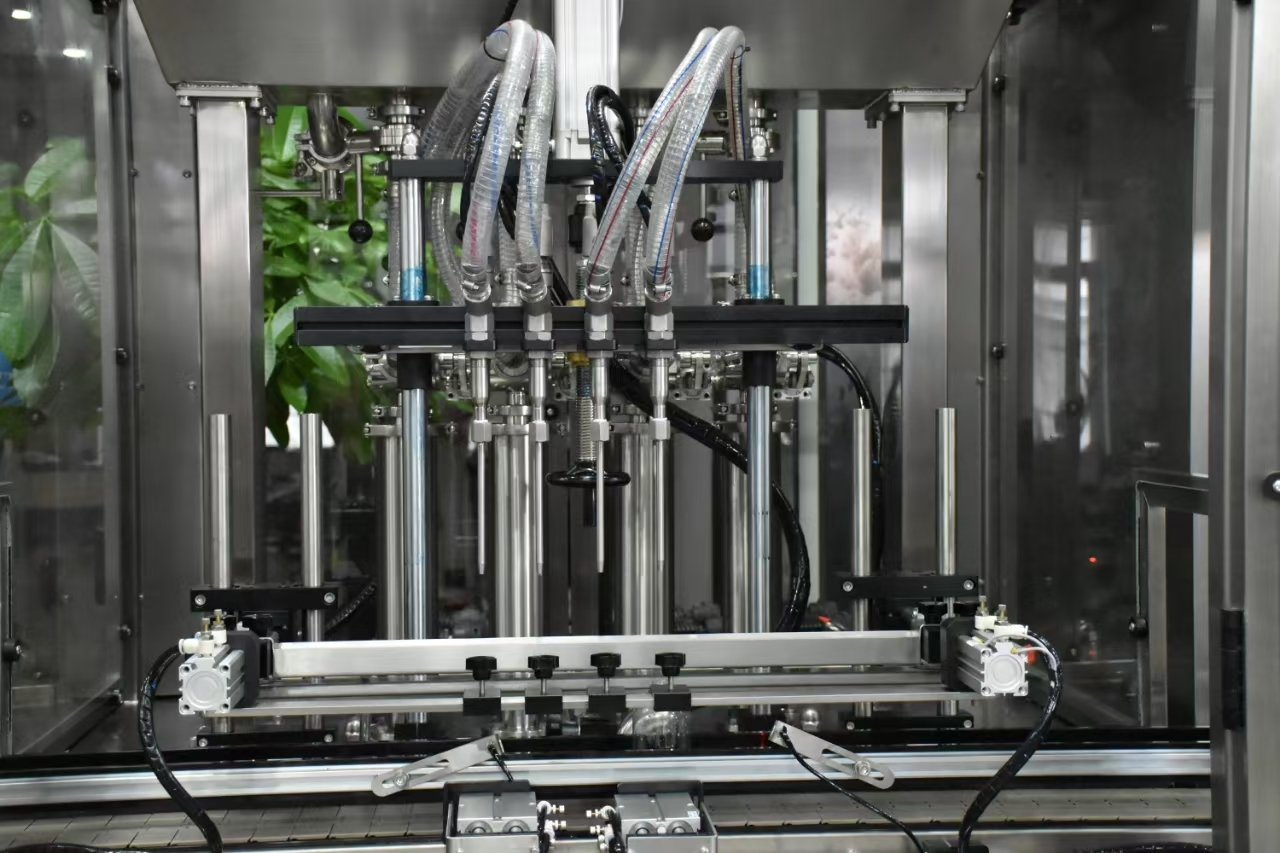
III. Selection Guide: 3 Steps to Find the Right Filling Machine for You
After reviewing the comparisons above, you should have a preliminary understanding. Based on industry selection experience, here are 3 steps to quickly narrow down your choices and avoid common pitfalls:
1. Consider the material: Contains hard particles, requires extremely high precision → Piston pump preferred; No particles, high viscosity, mass production → Gear pump preferred;
2. Consider production needs: Single specification, large batch → Gear pump more efficient; Multiple specifications, small to medium batch → Piston pump for easier switching;
3. Consider your budget: Limited budget, standard precision requirements → Gear pump offers better value; Ample budget, high precision/material compatibility requirements → Piston pump is a more worthwhile investment.
Additional Tip: Regardless of the model chosen, it is recommended to provide the supplier with actual material samples for on-site testing to observe filling accuracy, speed, material residue, etc. Seeing is believing to ensure the equipment truly meets your needs.
IV. Conclusion: There is no best, only the most suitable.
In fact, there is no absolute superiority or inferiority between gear pump filling machines and piston filling machines. The key is to "suit your production scenario": Gear pump filling machines are the cost-effective choice for "high-volume, high-viscosity, and conventional precision" scenarios. They are worry-free, efficient, and low-cost, suitable for industries such as daily chemicals, general food, and conventional chemicals. Piston filling machines are the essential choice for "high-precision, multi-specification, and particulate materials" scenarios. They are precise, flexible, and highly adaptable, suitable for industries such as pharmaceuticals, high-end cosmetics, and precision chemicals. If you are still unsure about the selection, feel free to leave a message describing your material characteristics (viscosity, whether it contains particles), filling volume, and production batch size so we can help you further refine your machine selection.

Understanding Servo Capping Machines: The Core Logic of Precise Capping – Understand the Entire Working Process in Seconds
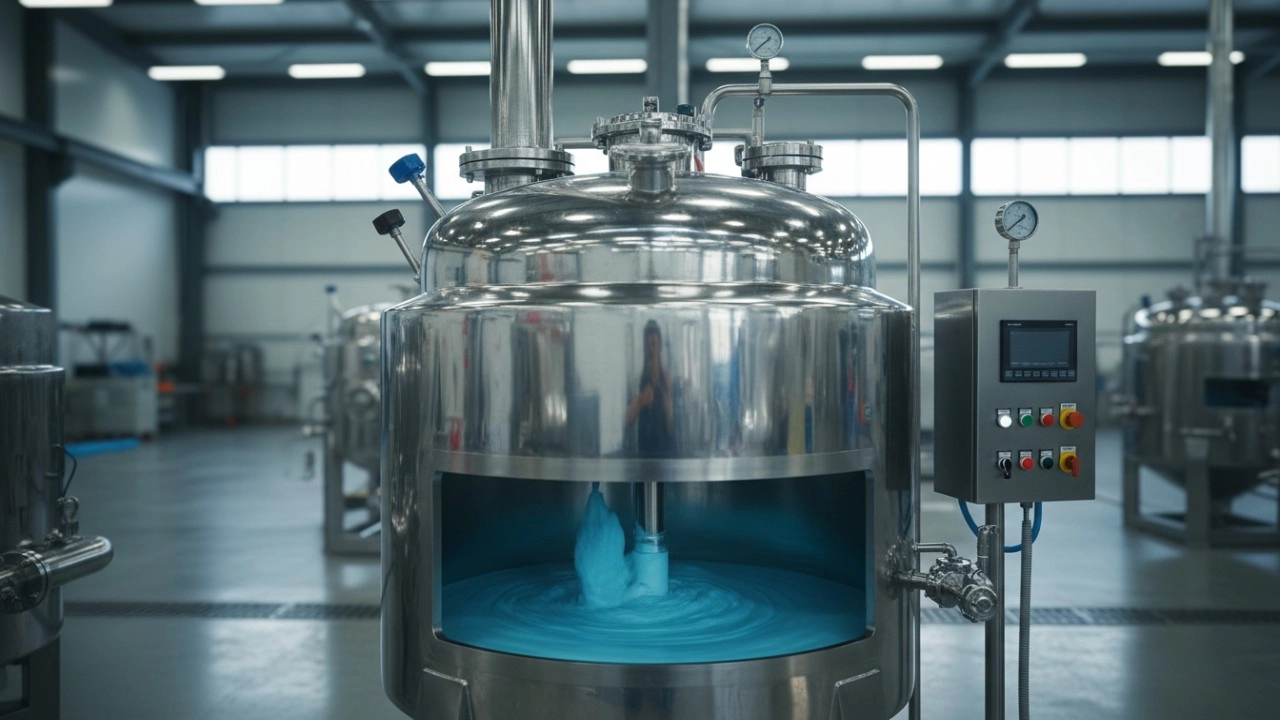
The Future of Industrial Agitation: 5 Smart Mixing Tank Technologies Changing the Game
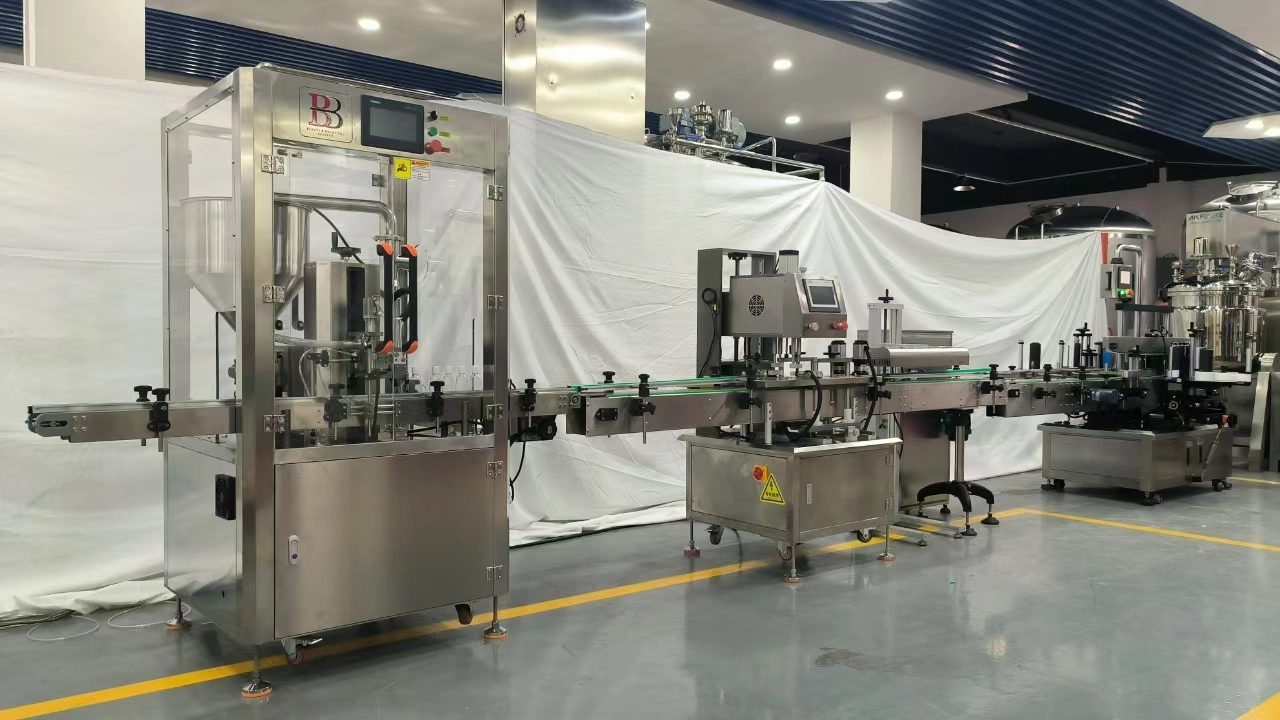
Understand the working principle of a servo gear pump filling machine!
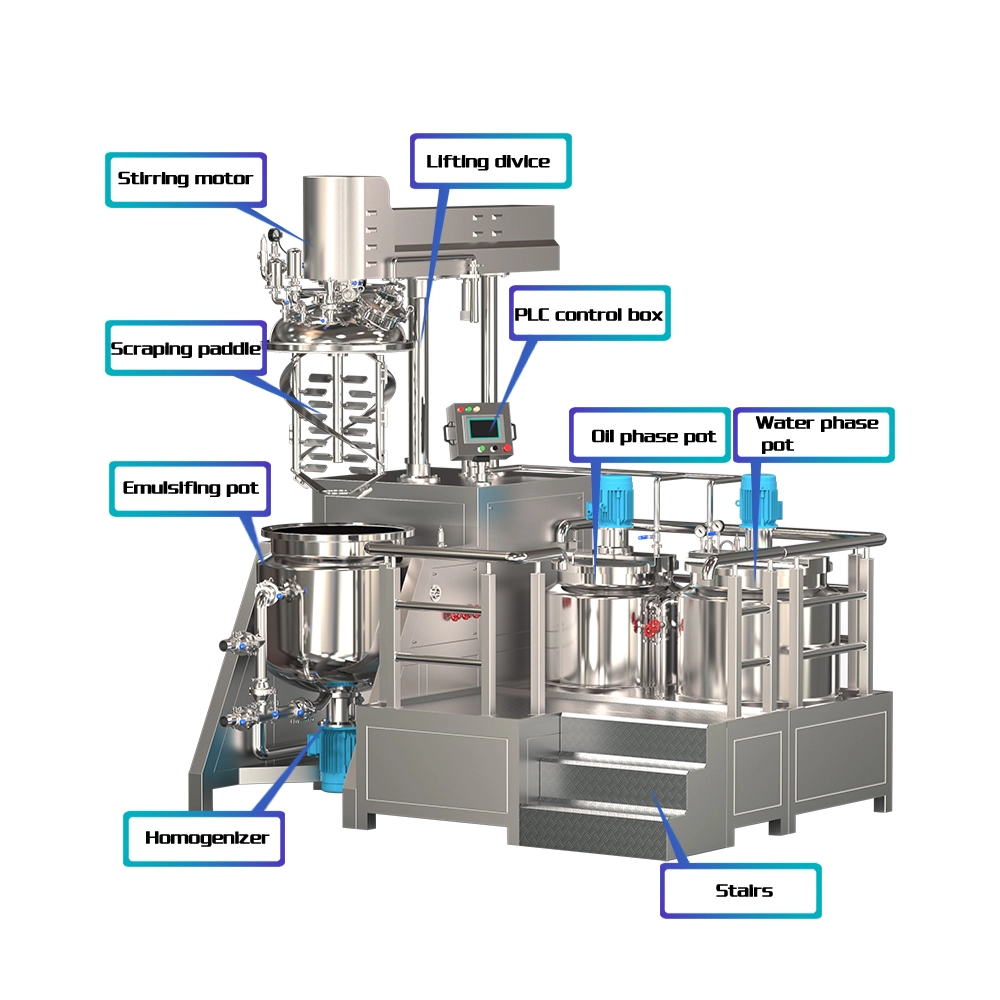
Unveiling the Working Principle of High-Shear Homogenizers: The Core Logic from "Rough Mixing" to "Fine Homogenization"
Storage Tank
What can you buy from us?
RO Water Treatment、Vacuum Emulsifying Machine、Homogenizer Mixing Tank、Filling and Capping、labeling Machine、Packing Machine、Storage Tank,etc.
Automatic Labeling Machine
After a few years of use, the equipment's labeling accuracy has decreased. What could be the problem?
Decreased accuracy is often related to component wear. Focus on inspecting three areas.
Inspect the labeling roller: Surface wear or adhesive buildup can cause unstable label feeding and require replacement.
Inspect the servo motor: Motor aging can cause unstable speed. Contact maintenance personnel to inspect the motor's performance.
Inspect the photoelectric sensor: Dust accumulation or reduced sensitivity on the lens can affect positioning. Clean the lens or recalibrate it.
FAQs
Where is FULUKE headquartered?
Perfume Filling Machine
Can the perfume filling machine accommodate perfume bottles of varying materials and shapes?
Yes. The machine utilizes adjustable mold positions and a PLC control system that allows for one-touch parameter switching, allowing it to accommodate a wide range of bottle shapes, including round, square, and special-shaped ones. The filling capacity range can be flexibly adjusted, and format changeovers take as little as 10 minutes, meeting diverse production needs.
Inkjet Printing Machine
Who are we?
Our headquarters is located in Guangzhou, Guangdong, China, and our factory is located in Yangzhou, Jiangsu. Our products are sold all over the world. We have approximately 50 employees in our company and factory.
Get in touch with FULUKE
If you have any comments or good suggestions, please leave us a message, later our professional staff will contact you as soon as possible.
You May Also Like
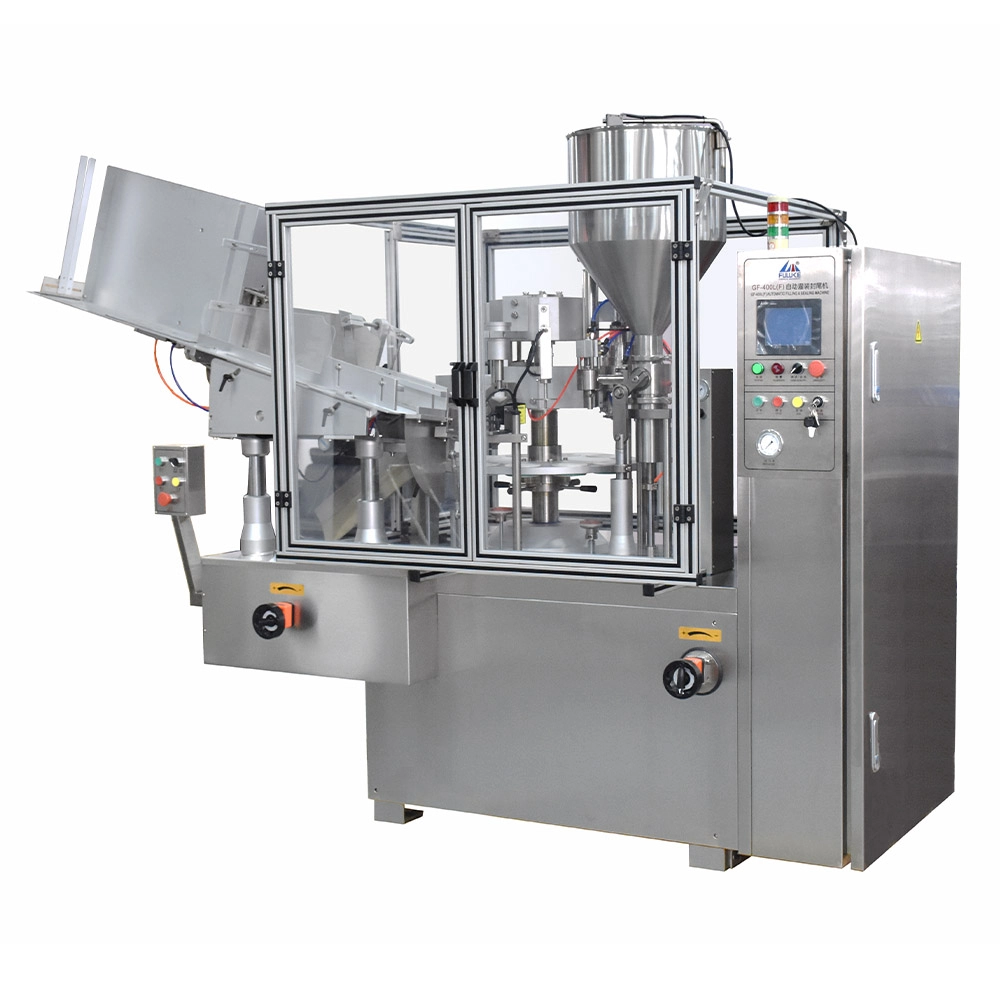
Automatic Tube Filling and Sealing Machine Toothpaste Sunscreen and Facial Cleanser Filling and Sealing Machine for Plastic and Aluminum-plastic Tube
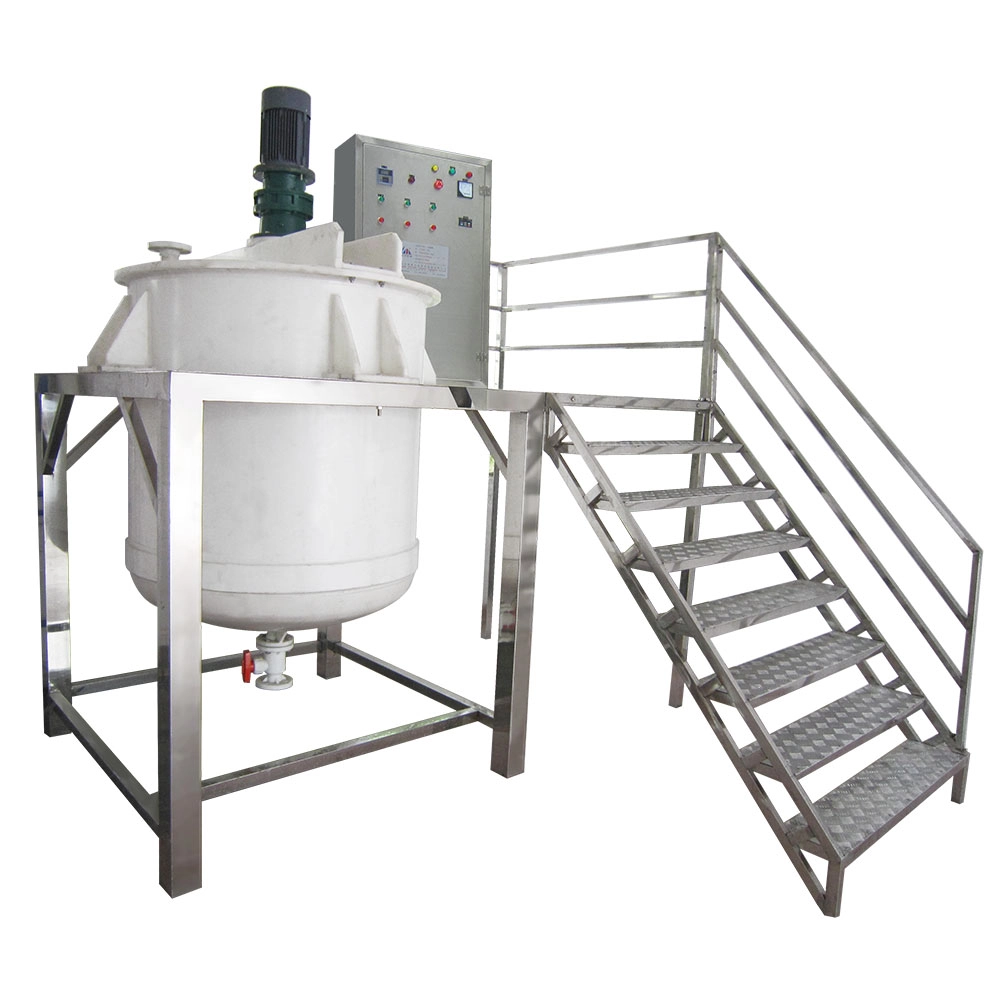
Polypropylene PP Mixing Tank Anti-Corrosion Mixer Reaction Kettle with Agitator Chemical Mixing Vessel
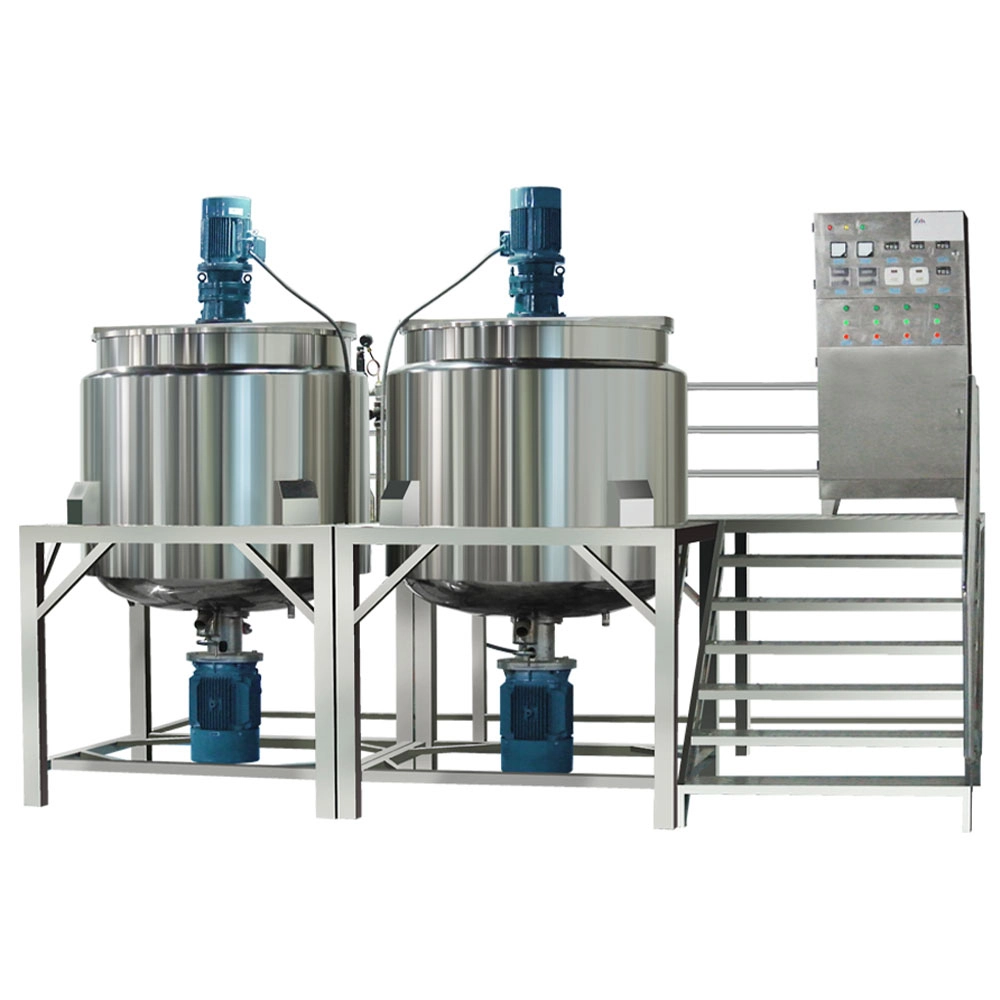
Flip Cover Multi-function Liquid Wash Mixing Tank Blender Liquid Detergent Mixer Homogenization Stirring Tank
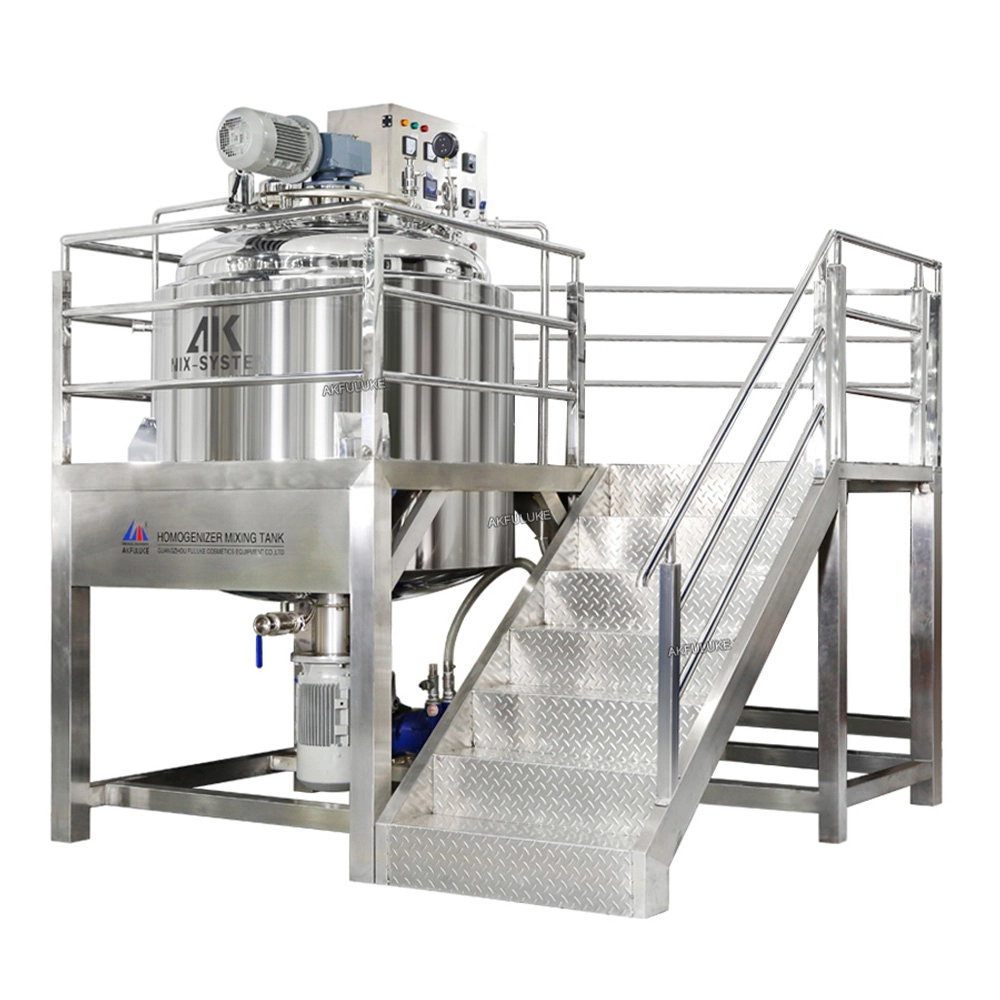
Stainless Steel Mixer Liquid Mixing tank with Agitator Homogenizing Mixing tank Vacuum Sealed Mixer Machine

A leading manufacturer specializing in advanced machinery and complete production lines for the cosmetics, food, pharmaceutical, and chemical industries worldwide.
Contact FULUKE
Facebook
Instagram
YouTube