
How to quickly resolve issues such as blurry text, broken lines, scattered dots, and non-printing of ink?
Common problems encountered during the daily use of marking equipment (such as inkjet printers and coding machines) include blurry text, broken marking lines, scattered dots, and even complete lack of marking. These issues not only affect product appearance and brand image but can also lead to production line shutdowns and increased operating costs. This article will systematically explain how to efficiently solve marking problems, from cause analysis and quick troubleshooting methods to preventative measures, helping companies stabilize production and improve efficiency.
- I. Common Inkjet Printing Problems and Manifestations
- II. Core Causes of Inkjet Printing Problems
- III. Quick Solutions (Practical Troubleshooting Steps)
- IV. Quick Reference Table for Solutions to Different Problems
- V. How to Prevent Inkjet Printing Problems?
- VI. Advanced Recommendations for Improving Coding Stability
- VII. Conclusion
I. Common Inkjet Printing Problems and Manifestations
In the production field, inkjet printing anomalies typically manifest in the following ways:
Blurred Characters: Characters are unclear, and edges are blurred.
Broken Lines: Character strokes are discontinuous.
Scattered Ink (Ink Splatter): Ink dots deviate from their trajectory, resulting in speckled areas.
No Printing: Equipment is running but there is no printing output.
These problems are often sudden and recurring, requiring rapid identification of the cause.
II. Core Causes of Inkjet Printing Problems
1. Printhead Clogging or Contamination
The printhead is the most critical component of an inkjet printer. Clogging directly leads to broken lines, blurry printing, or even complete failure to print.
Common Causes:
Dried ink
Long-term lack of cleaning
Environmental dust ingress
2. Ink or Solvent Issues
Ink quality and condition directly affect printing results.
Possible problems:
Expired or deteriorated ink
Abnormal viscosity (too thick or too thin)
Using non-original consumables
3. Improper Equipment Parameter Settings
Incorrect settings of inkjet printer parameters (such as voltage, frequency, and printing speed) can lead to unstable coding.
4. Environmental Factors
The production environment also affects the coding effect:
Excessively high or low temperature
Excessively high humidity
Static interference
5. Hardware Failure
Damage to components such as circuit boards, pumps, or filters can also cause abnormal coding.
III. Quick Solutions (Practical Troubleshooting Steps)
The following methods are applicable to most inkjet printing problems. It is recommended to troubleshoot in the following order:
Step 1: Check printhead condition
Clean the printhead with cleaning solution
Observe for blockages or ink residue
Use ultrasonic cleaning if necessary
Step 2: Replace or Test the Ink
Check if the ink is expired
Confirm if the viscosity is normal
Replace with the manufacturer's recommended ink.
Step 3: Adjust Equipment Parameters
Calibrate Printing Voltage
Adjust Printing Speed and Frequency
Check Character Settings
Step 4: Check the filtration system
Replace the filter
Check the ink path for blockages
Step 5: Check environmental conditions
Control workshop temperature and humidity
Increase dust control measures
Eliminate static interference
Step 6: Equipment Maintenance or Repair
If the above methods are ineffective, it is recommended to:
Check if the pump is functioning properly
Test the electrical system
Contact a professional technician
IV. Quick Reference Table for Solutions to Different Problems
| Problem Type | Main Cause | Quick Solution |
| Blurry Text | Ink Problem / Incorrect Parameters | Replace Ink + Adjust Parameters |
| Broken Line | Printhead Clog | Clean Printhead |
| Scattered Marks | Environmental or Static Interference | Control Environment + Grounding |
| No Printing | Ink Path Clog or Hardware Failure | Check Ink Path + Repair Equipment |
V. How to Prevent Inkjet Printing Problems?
Regular Equipment Maintenance
Clean printheads daily
Replace filters regularly
2. Use High-Quality Consumables
Avoid using inferior or incompatible inks
3. Establish Operating Procedures
Train operators to prevent misoperation
4. Control the Production Environment
Maintain a clean workshop and stable temperature and humidity
5. Conduct Regular Equipment Inspections
Detect problems early to avoid downtime losses
VI. Advanced Recommendations for Improving Coding Stability
Select industrial-grade, high-stability coding equipment
* Configure automatic cleaning function
* Introduce an intelligent monitoring system (real-time monitoring of coding status)
* Integrate with production line automation systems
VII. Conclusion
While inkjet printing issues may seem complex, most can be quickly resolved through systematic troubleshooting. Mastering the five core factors—printhead, ink, parameters, environment, and equipment—is crucial for effectively addressing problems such as blurry text, broken lines, scattered dots, and no printing. For businesses, establishing standardized maintenance procedures is key to ensuring stable production and improving efficiency.
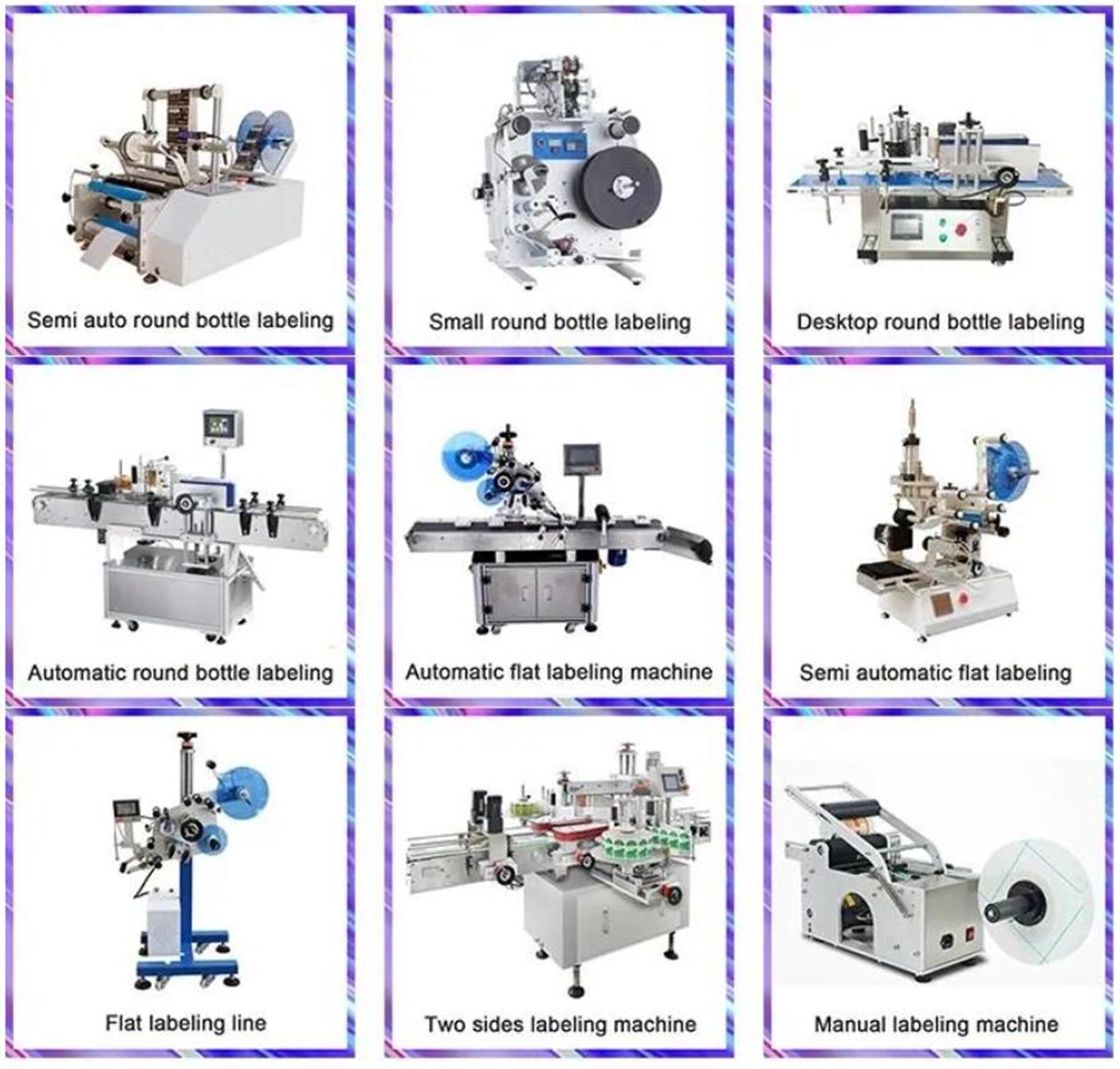
Improving Packaging Efficiency: Applications and Advantages of Fully Automatic Labeling Machines in Production Lines

Understanding Servo Capping Machines: The Core Logic of Precise Capping – Understand the Entire Working Process in Seconds
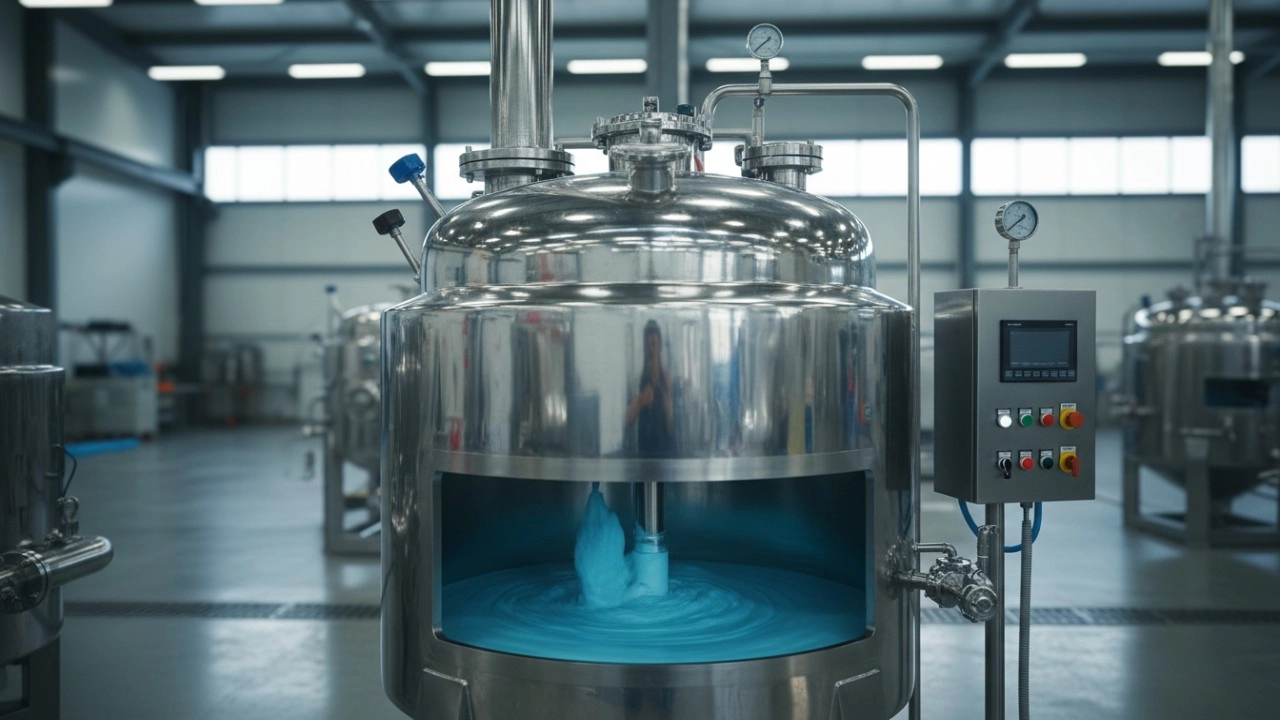
The Future of Industrial Agitation: 5 Smart Mixing Tank Technologies Changing the Game
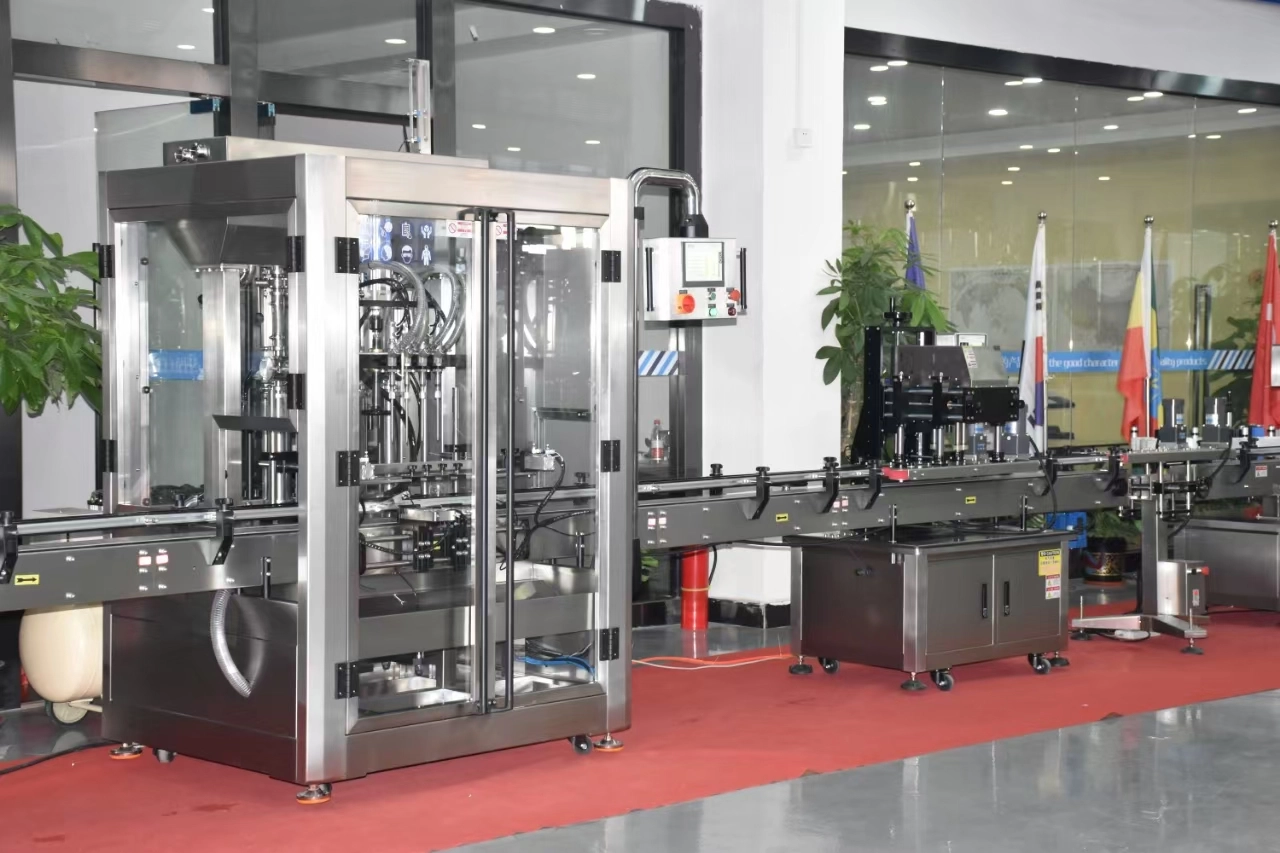
Gear pump filling machine vs. piston filling machine: Key differences broken down to avoid pitfalls in selection.
Automatic bag packaging machine
What should be paid attention to in the daily maintenance of equipment, and how can its service life be extended?
Proper daily maintenance can reduce the equipment failure rate and effectively extend its service life. The operation is simple, and even beginners can easily complete it. First, after each production run, all parts that come into contact with materials, such as the material hopper, metering pump, and discharge nozzle, must be cleaned promptly to prevent residue from solidifying and clogging pipes and pumps. All material contact parts are made of 304 stainless steel, with no hard-to-reach areas, making cleaning very convenient. Second, regularly lubricate the transmission bearings, chains, and other moving parts, and check the wiring, servo motor, and sealing/cutting blade for damage to prevent wear and jamming. Finally, before starting the machine, check that the packaging film and materials are in place. If there is a missing film, abnormal temperature, or a fault alarm, immediately stop the machine for troubleshooting. Do not force the machine to start. The equipment has a built-in self-diagnostic function that can quickly locate problems for timely handling.
Automatic Filling Machine
What special safety features are required for equipment used to fill medical disinfectants (containing alcohol)?
An explosion-proof automatic filling machine is essential. Key safety features include: ① The motor and electrical components must be explosion-proof to prevent sparks from igniting alcohol vapors; ② The tanks and piping must be made of anti-static materials and grounded to prevent static electricity accumulation; The workshop must also be well-ventilated and equipped with an explosion-proof exhaust system.
Vacuum Emulsifying Machine
What industries is the vacuum emulsifier suitable for?
It is widely applicable to the production needs of creams, lotions, gels, ointments, etc. in the cosmetics, pharmaceutical, food, chemical and other industries.
What kind of heating method is there?
The heating methods include electric heating (heating medium is water or thermal oil) and steam heating. Generally, we recommend steam heating for pots larger than 500L.
Automatic Labeling Machine
Can you make a design for us?
Yes, we can, we provide not only products, but also solutions and designs.
Get in touch with FULUKE
If you have any comments or good suggestions, please leave us a message, later our professional staff will contact you as soon as possible.
You May Also Like
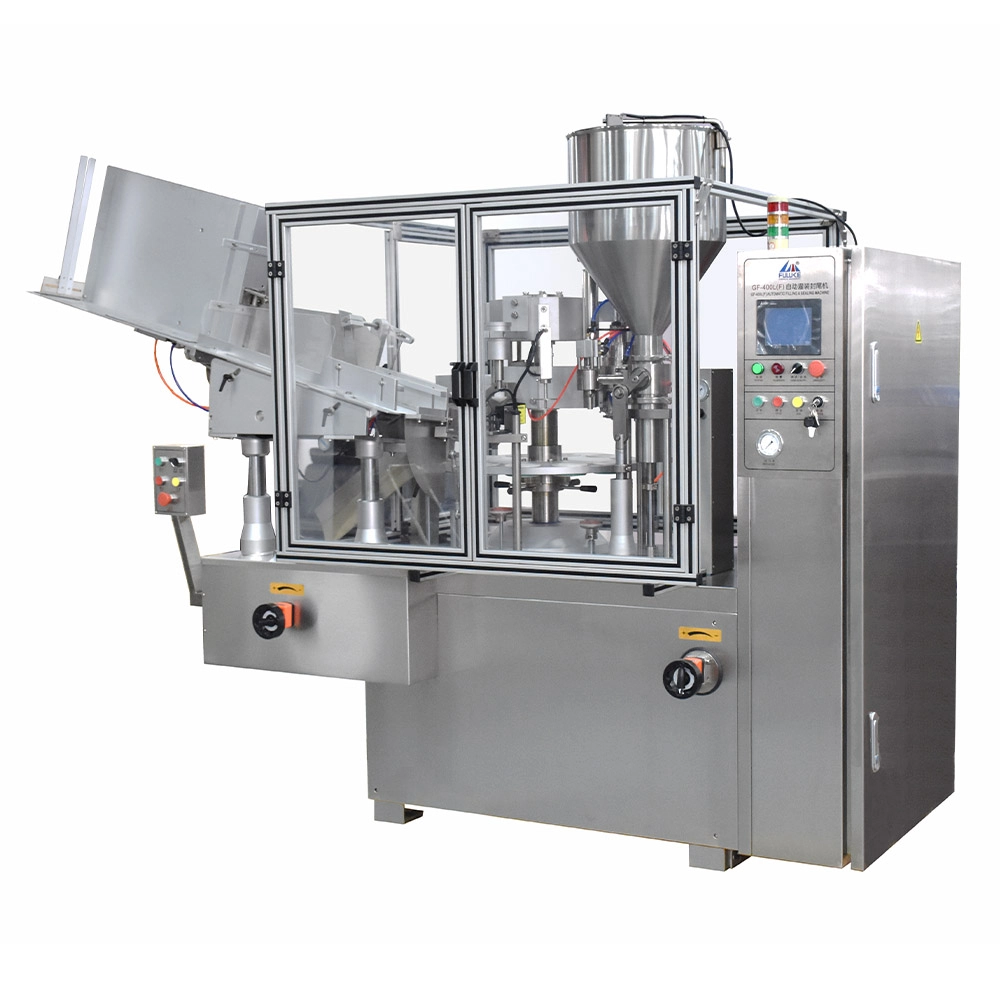
Automatic Tube Filling and Sealing Machine Toothpaste Sunscreen and Facial Cleanser Filling and Sealing Machine for Plastic and Aluminum-plastic Tube
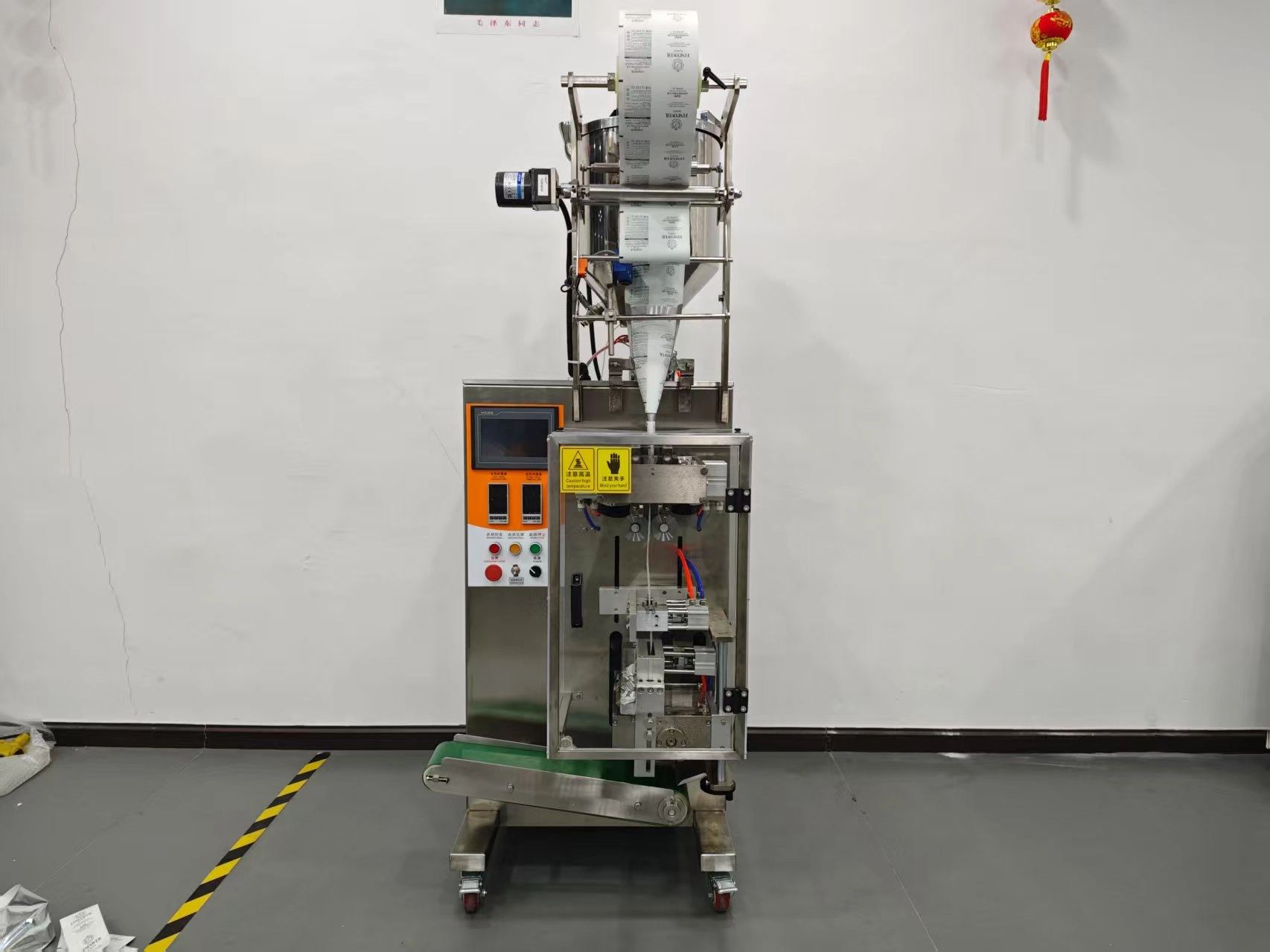
Three-side/four-side sealing bag packaging machine Liquid Paste Jam Cream Sachet Vertical Filling Pouch Packing Machine
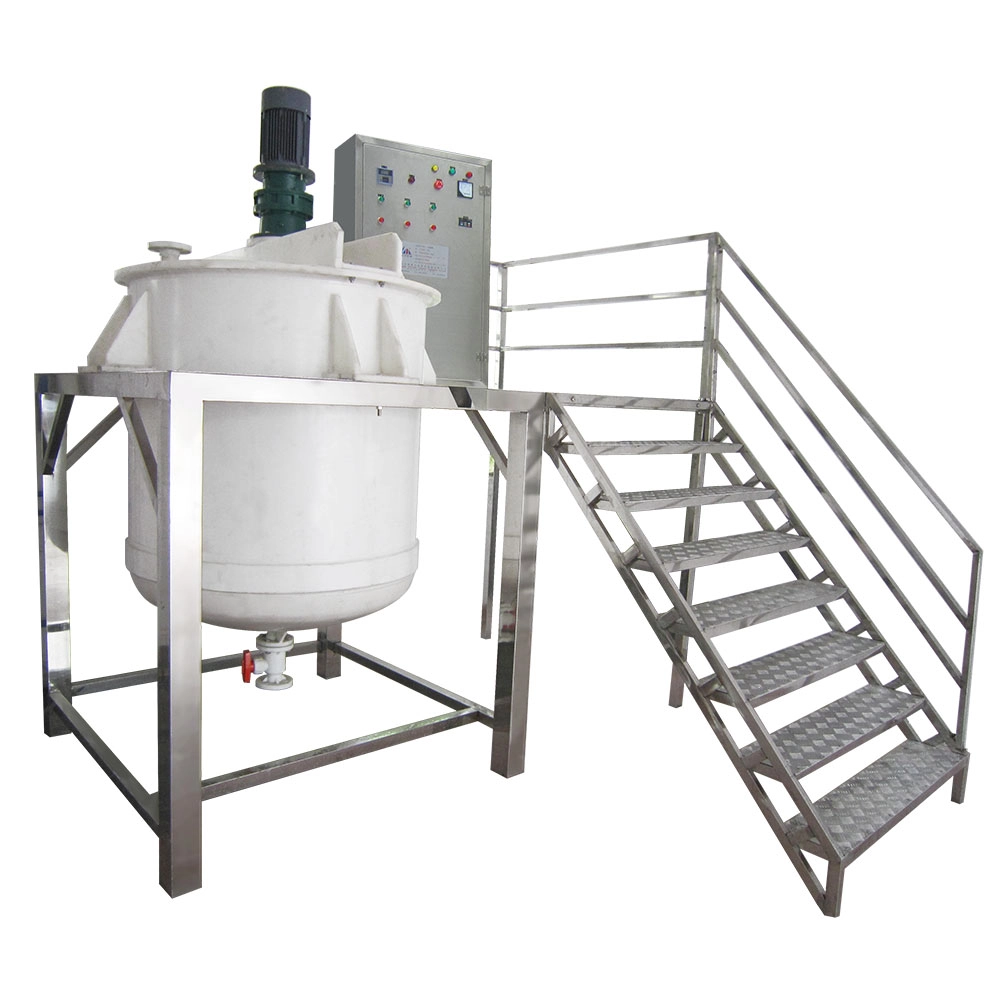
Polypropylene PP Mixing Tank Anti-Corrosion Mixer Reaction Kettle with Agitator Chemical Mixing Vessel
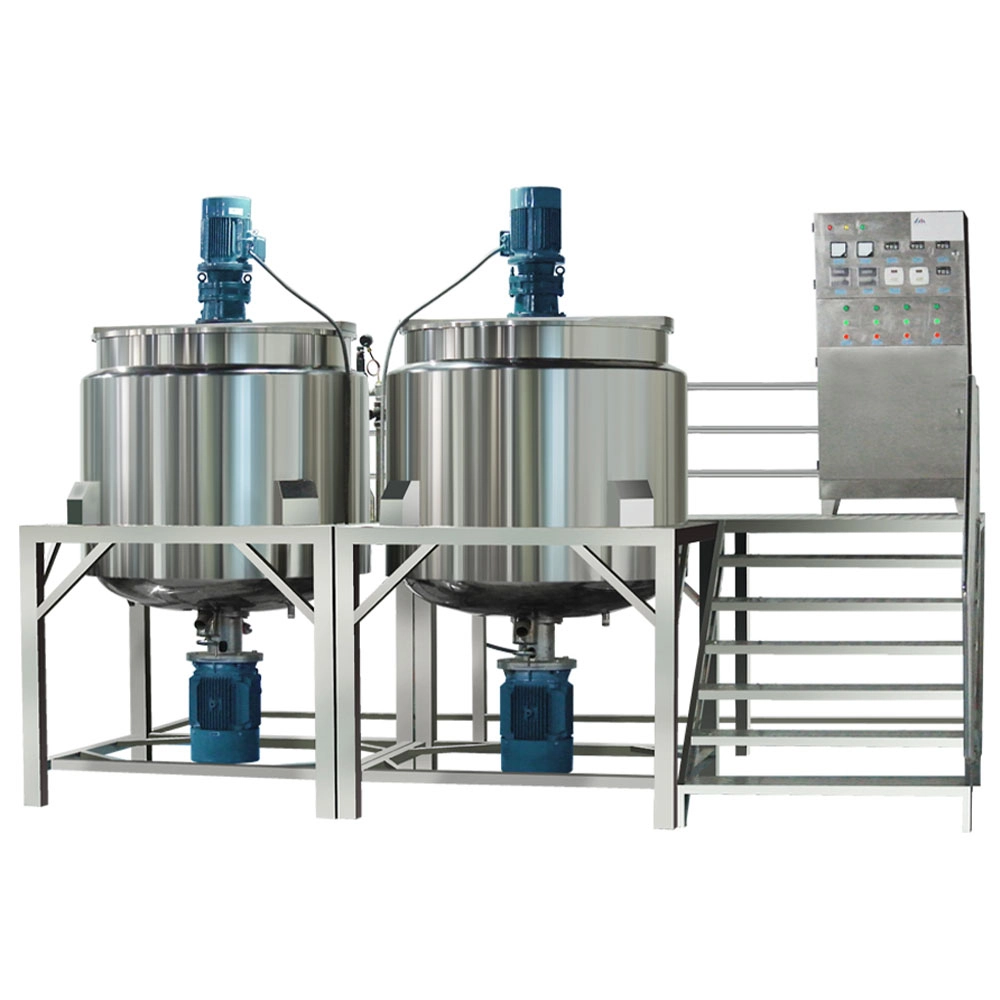
Flip Cover Multi-function Liquid Wash Mixing Tank Blender Liquid Detergent Mixer Homogenization Stirring Tank

A leading manufacturer specializing in advanced machinery and complete production lines for the cosmetics, food, pharmaceutical, and chemical industries worldwide.
Contact FULUKE
Facebook
Instagram
YouTube