
Improving Packaging Efficiency: Applications and Advantages of Fully Automatic Labeling Machines in Production Lines
In modern manufacturing, packaging efficiency directly impacts a company's production costs and market competitiveness. With the development of automation technology, fully automatic labeling machines have become key equipment in production lines for industries such as electronics, pharmaceuticals, daily chemicals, and food. This article will provide an in-depth analysis of the application scenarios, core advantages, and selection criteria of fully automatic labeling machines to help companies achieve cost reduction, efficiency improvement, and intelligent upgrades.
- I. What is a Fully Automatic Labeling Machine?
- II. Typical Applications of Fully Automatic Labeling Machines in Production Lines
- III. Core Advantages of Fully Automatic Labeling Machines
- IV. Application Value of Fully Automatic Labeling Machines in Production Lines
- V. How to Choose the Right Fully Automatic Labeling Machine?
- VI. Future Development Trends
- VII. Conclusion
I. What is a Fully Automatic Labeling Machine?
A fully automatic labeling machine is an integrated device that uses a mechanical and intelligent control system to automatically feed, position, label, and inspect products. It can perform high-precision labeling on various packaging formats such as bottles, boxes, and bags, replacing manual operation and significantly improving production efficiency.
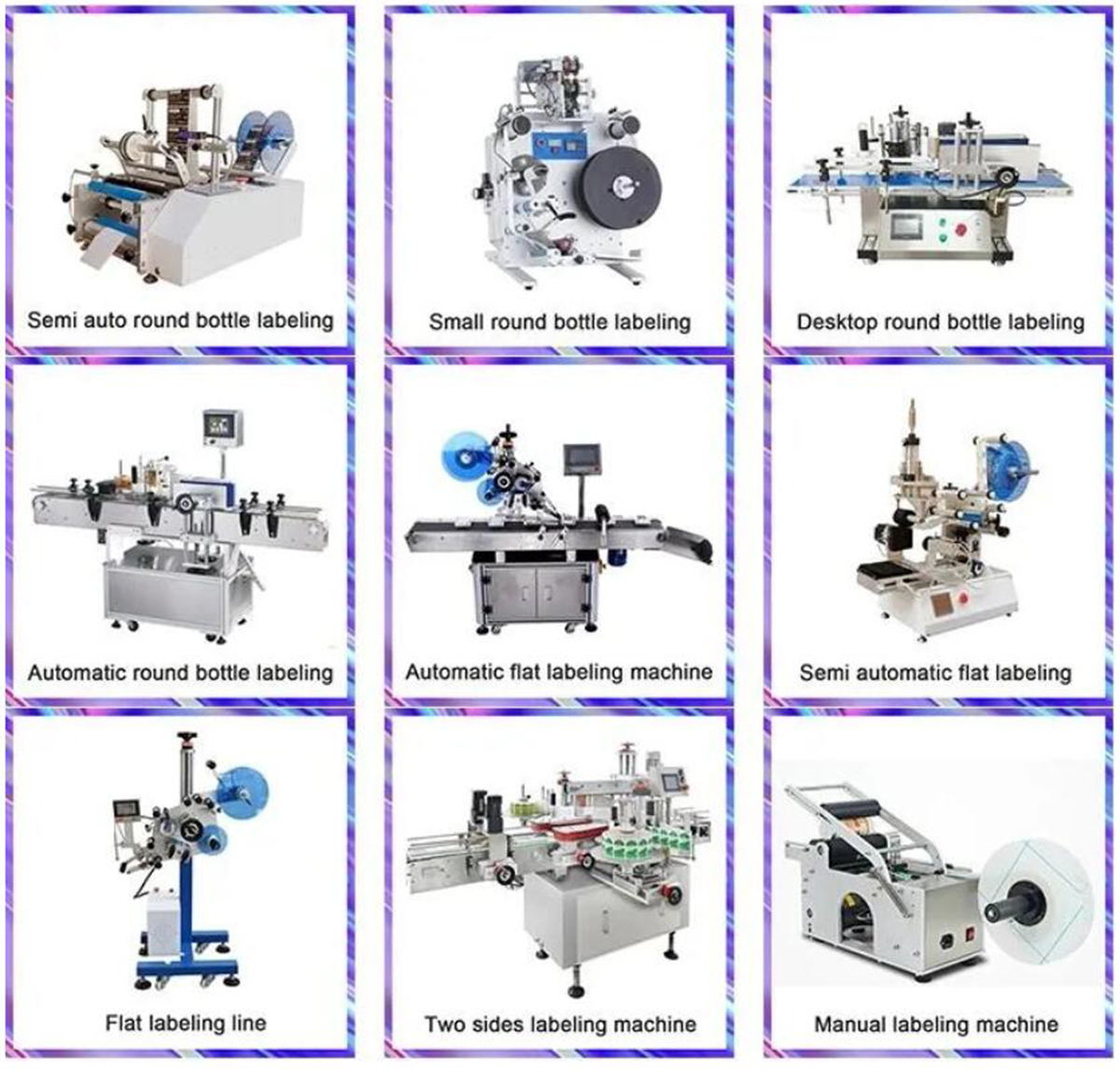
II. Typical Applications of Fully Automatic Labeling Machines in Production Lines
1. Food Industry
In the beverage, condiment, and snack food industries, fully automatic labeling machines can be used to attach bottle labels and sealing labels, ensuring clear and consistent product information while meeting food safety regulations.
2. Pharmaceutical Industry
Pharmaceutical packaging has extremely high requirements for precision and compliance. Fully automatic labeling machines can accurately attach batch numbers, barcodes, and instruction labels, reducing the risk of human error.
3. Daily Chemical Industry
Shampoo, skincare products, and other products have diverse packaging. Labeling machines can flexibly adapt to different bottle types, achieving efficient and continuous operation.
4. Electronics and Other Industries
In electronic product packaging, labeling machines can automatically attach anti-counterfeiting labels and serial number labels, enhancing brand protection capabilities.
III. Core Advantages of Fully Automatic Labeling Machines
1. Significantly Increased Production Efficiency
Compared to manual labeling, fully automatic labeling machines can label tens to hundreds of products per minute, significantly increasing production capacity.
2. Improved Labeling Accuracy and Consistency
The equipment uses high-precision sensors and a control system to ensure accurate label placement and avoid problems such as skewing and air bubbles.
3. Reduced Labor Costs
Automated equipment reduces reliance on manual labor, lowering labor costs and minimizing human error.
4. Support for Multiple Size Switching
By simply adjusting or replacing parts, it can adapt to products of different sizes and shapes, offering high flexibility.
5. Enhanced Corporate Image and Brand Value
A uniform and standardized label appearance helps improve the perceived quality of products and enhances consumer trust.
IV. Application Value of Fully Automatic Labeling Machines in Production Lines
1. Achieving Production Automation Upgrades
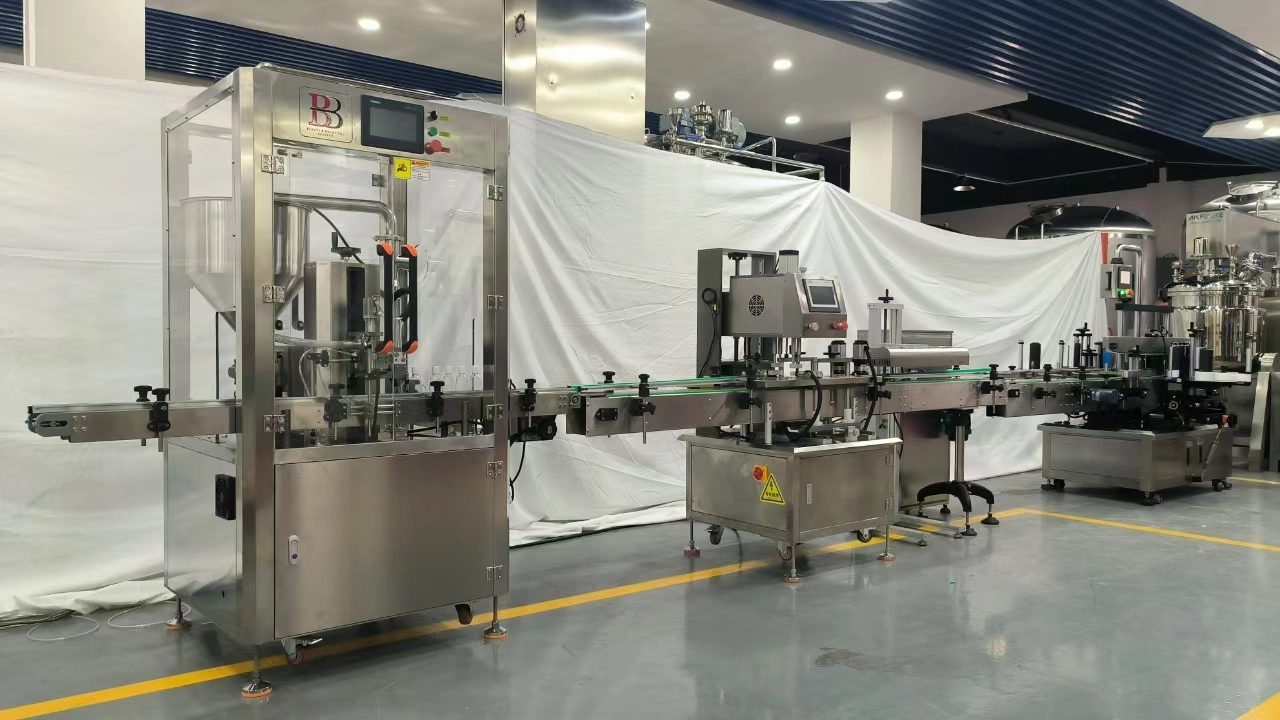
Labeling machines can seamlessly integrate with filling machines, sealing machines, conveyor lines, and other equipment to form a complete automated production line.
2. Optimizing Production Processes
Reducing manual intervention leads to a more stable production rhythm and improves overall operational efficiency.
3. Data-Driven and Intelligent Management
Some high-end labeling machines support data acquisition and remote monitoring, helping companies achieve intelligent manufacturing.
V. How to Choose the Right Fully Automatic Labeling Machine?
1. Choose Based on Product Type
Different products (round bottles, square bottles, flat bottles) require different types of labeling equipment.
2. Focus on Labeling Speed and Accuracy
Choose appropriate equipment parameters based on production needs to avoid insufficient capacity or waste of resources.
3. Consider Equipment Stability and After-Sales Service
Reputable brands and comprehensive after-sales service can effectively reduce equipment maintenance costs.
4. Does the Machine Support Customization?
For special packaging requirements, choose an equipment supplier that supports customization.
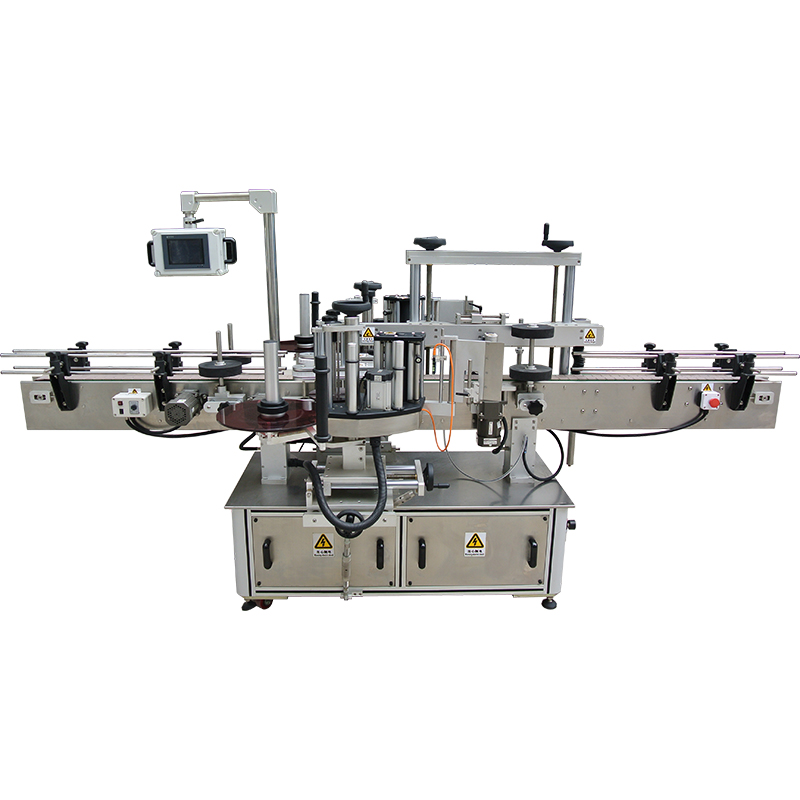
VI. Future Development Trends
With the development of Industry 4.0, fully automatic labeling machines are upgrading in the following directions:
Intelligentization: Introducing AI visual inspection to improve labeling accuracy.
Modularization: More flexible equipment structure, facilitating upgrades and maintenance.
Green and Energy-Saving: Reducing energy consumption and meeting environmental protection requirements.
High Integration: Deep integration with MES and ERP systems.
VII. Conclusion
Fully automatic labeling machines, as an important component of modern packaging production lines, not only improve production efficiency but also optimize product quality and business operation models. For companies seeking to upgrade their automation, introducing advanced labeling equipment has become a crucial means to enhance competitiveness.

Understanding Servo Capping Machines: The Core Logic of Precise Capping – Understand the Entire Working Process in Seconds
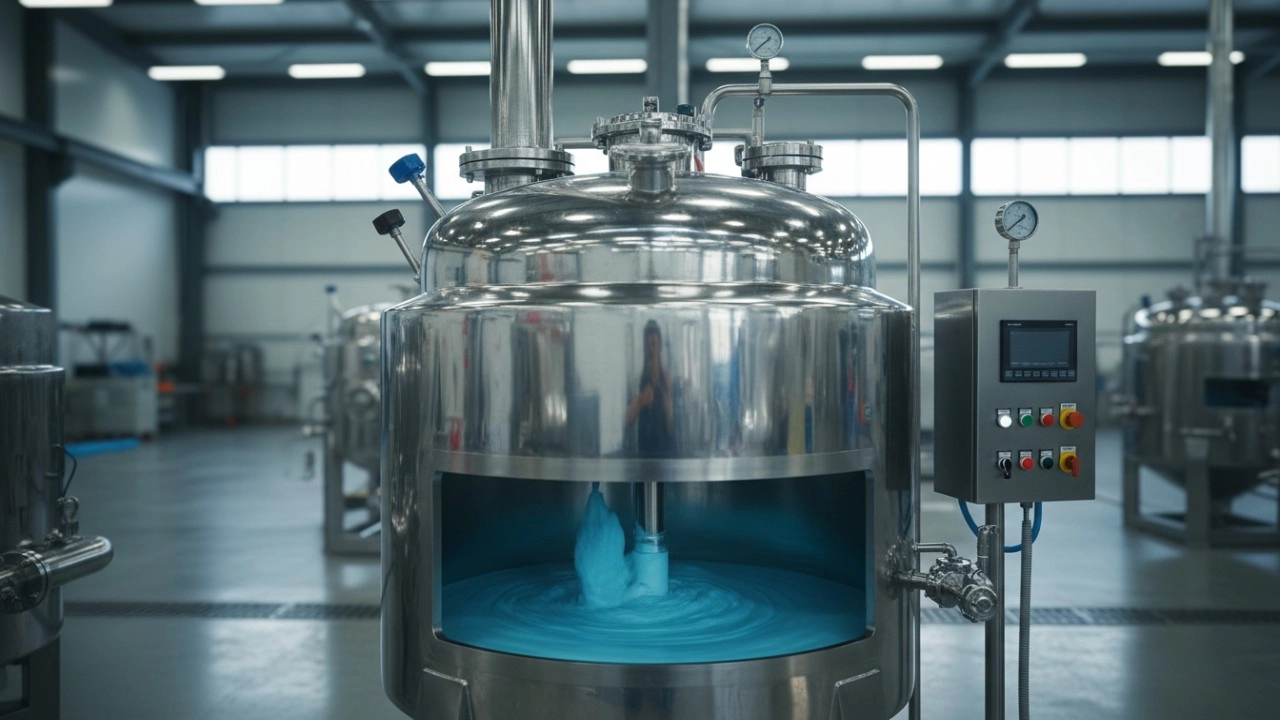
The Future of Industrial Agitation: 5 Smart Mixing Tank Technologies Changing the Game
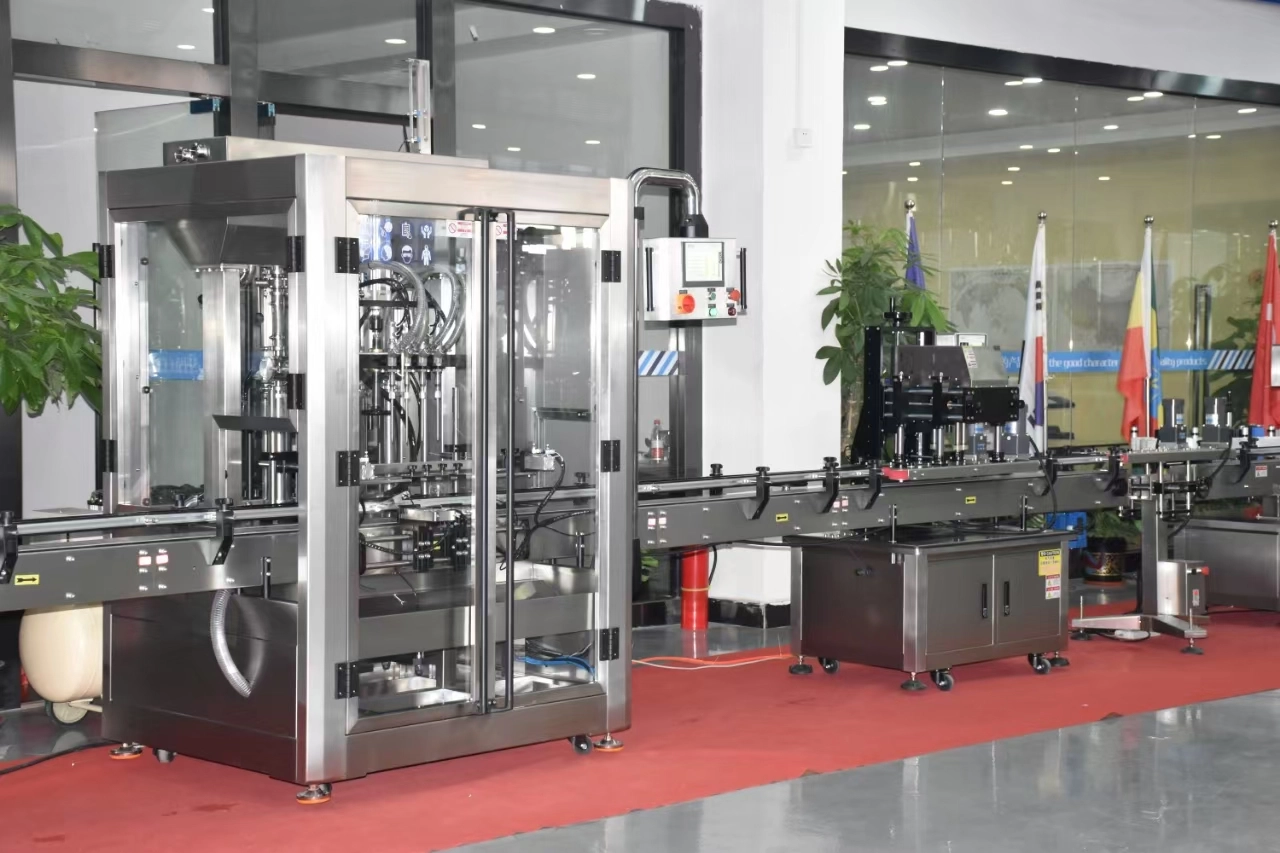
Gear pump filling machine vs. piston filling machine: Key differences broken down to avoid pitfalls in selection.
Understand the working principle of a servo gear pump filling machine!
Film Packaging Machine
What can you buy from us?
RO Water Treatment、Vacuum Emulsifying Machine、Homogenizer Mixing Tank、Filling and Capping、labeling Machine、Packing Machine、Storage Tank,etc.
Vacuum Emulsifying Machine
How does the vacuum homogenizer work?
The vacuum homogenizer's operating process revolves around four core steps: vacuum degassing, high-speed homogenization and emulsification, stirring and mixing, and temperature control. Through the coordinated operation of multiple systems, it achieves refined material processing. The following is its specific operating principle and process:
1. Pretreatment: Material feeding and vacuum environment establishment
Material preparation: First, add the basic materials, such as the oil phase (such as oils and waxes) and the aqueous phase (such as water and water-soluble ingredients), to their corresponding batching tanks or directly into the main emulsifier in sequence.
Evacuation: Activate the vacuum system (consisting of a vacuum pump, vacuum valve, etc.) to evacuate the interior of the emulsifier, creating a negative pressure environment (typically up to -0.09 MPa).
2. Core Process: Temperature Control (Heating/Cooling)
3. Core Process: Agitation and Mixing
Agitation Structure: Typically uses a "frame agitator + scraper" combination (for high-viscosity materials):
Through shearing, folding, and convection, the different materials are initially mixed and their stratification is broken down.
The PTFE scraper rotates closely against the pot wall, thoroughly scraping away any sticky material adhering to the pot wall, preventing localized overheating and residue, and ensuring zero dead zones.
4. Core Process: High-Speed Homogenization and Emulsification
Homogenizer Structure: A high-speed rotating homogenizer is installed at the bottom (or side) of the emulsifier, consisting of a rotor (with sharp teeth) and a stator (with fixed teeth). Working Principle: The rotor rotates at an extremely high speed, generating a strong centrifugal force that draws the material into the gap between the rotor and the stator. In this gap, the material is subjected to the triple effects of shear force, impact force, and turbulent force. The teeth of the rotor and stator quickly cut the material and generate high-frequency vibrations.
Inkjet Printing Machine
Who are we?
Our headquarters is located in Guangzhou, Guangdong, China, and our factory is located in Yangzhou, Jiangsu. Our products are sold all over the world. We have approximately 50 employees in our company and factory.
Perfume Filling Machine
Can the perfume filling machine accommodate perfume bottles of varying materials and shapes?
Yes. The machine utilizes adjustable mold positions and a PLC control system that allows for one-touch parameter switching, allowing it to accommodate a wide range of bottle shapes, including round, square, and special-shaped ones. The filling capacity range can be flexibly adjusted, and format changeovers take as little as 10 minutes, meeting diverse production needs.
Automatic Capping Machine
What types of bottle caps and bottles does the automatic capping machine support?
Mainstream models are compatible with screw caps, duckbill caps, pump caps, spray caps, and other threaded caps. They are also suitable for round, square, and oval bottles made of glass, PET, and HDPE.
Get in touch with FULUKE
If you have any comments or good suggestions, please leave us a message, later our professional staff will contact you as soon as possible.
You May Also Like
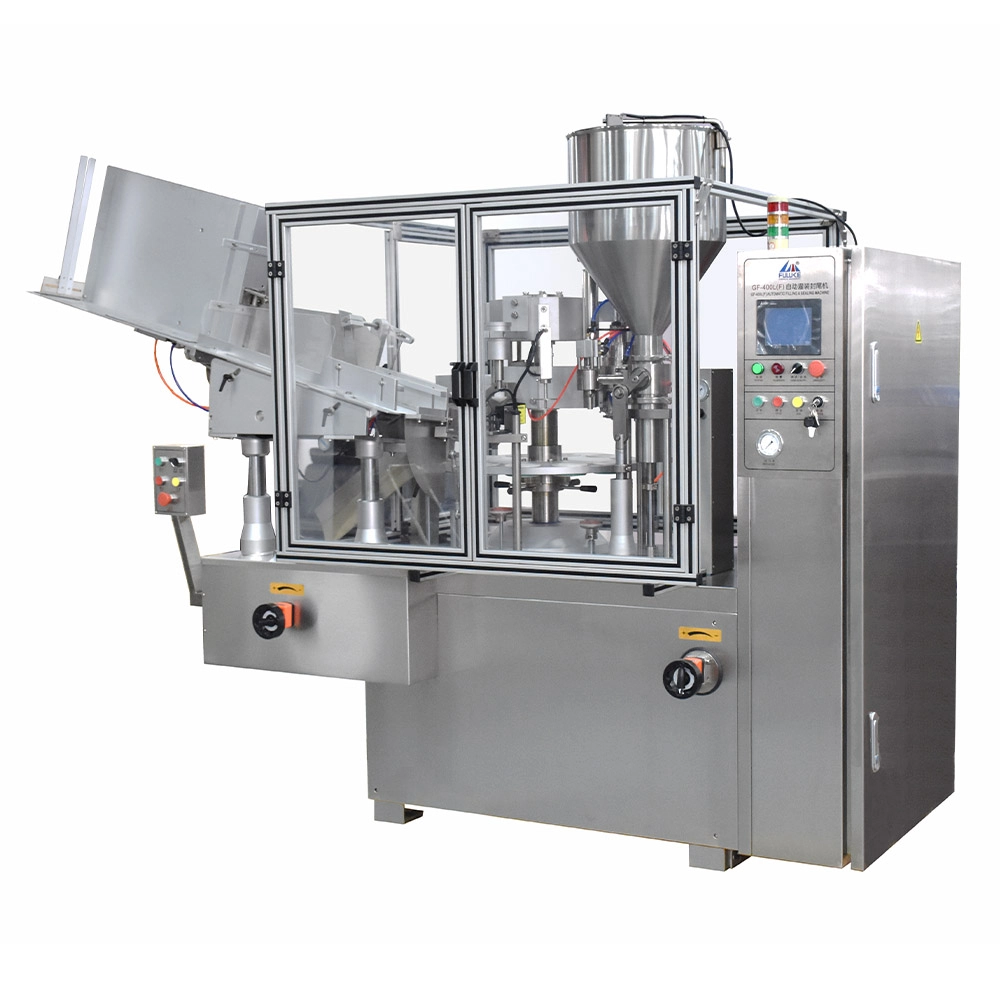
Automatic Tube Filling and Sealing Machine Toothpaste Sunscreen and Facial Cleanser Filling and Sealing Machine for Plastic and Aluminum-plastic Tube
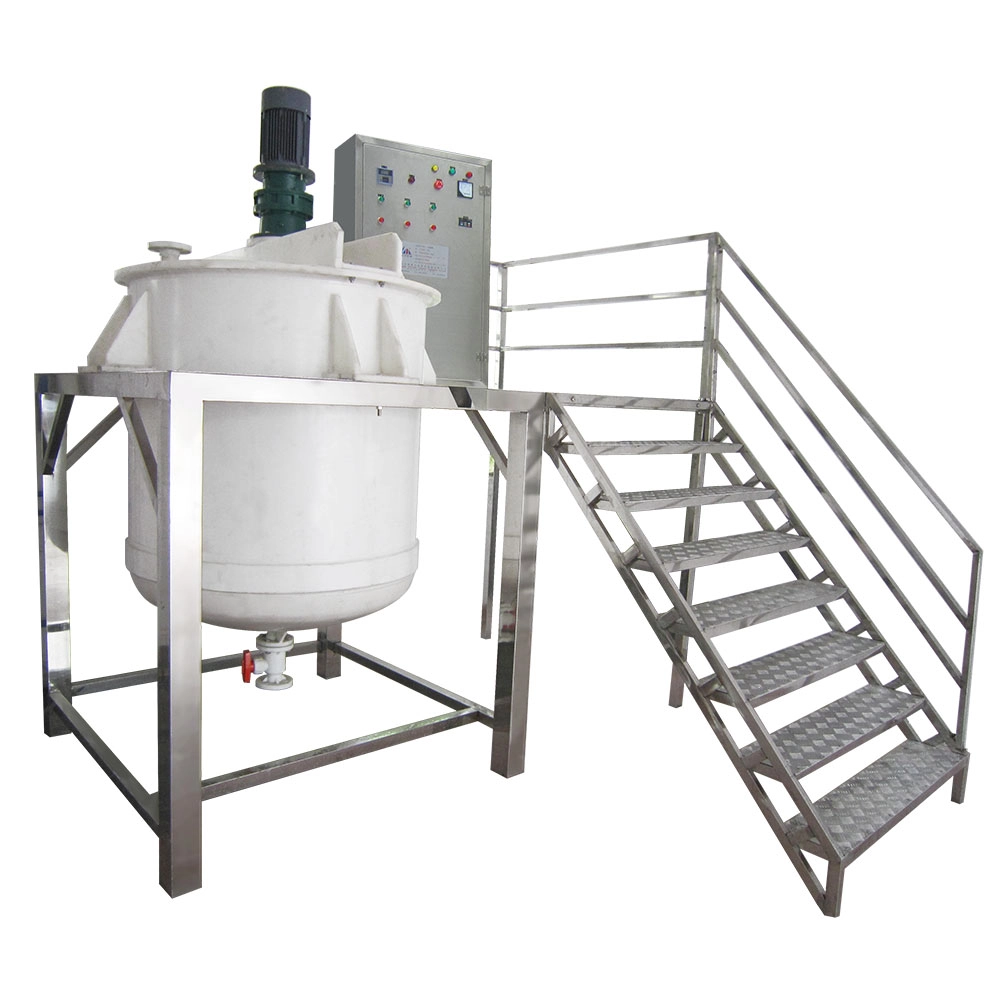
Polypropylene PP Mixing Tank Anti-Corrosion Mixer Reaction Kettle with Agitator Chemical Mixing Vessel
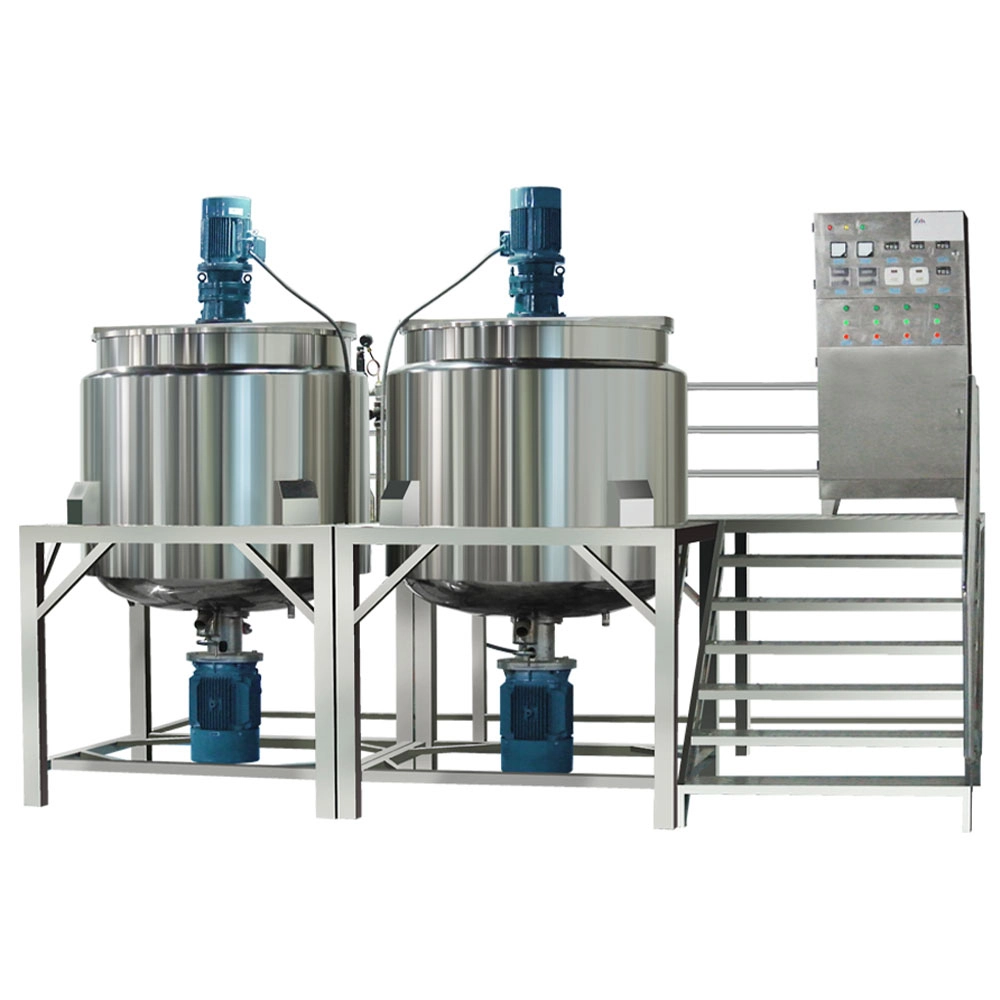
Flip Cover Multi-function Liquid Wash Mixing Tank Blender Liquid Detergent Mixer Homogenization Stirring Tank
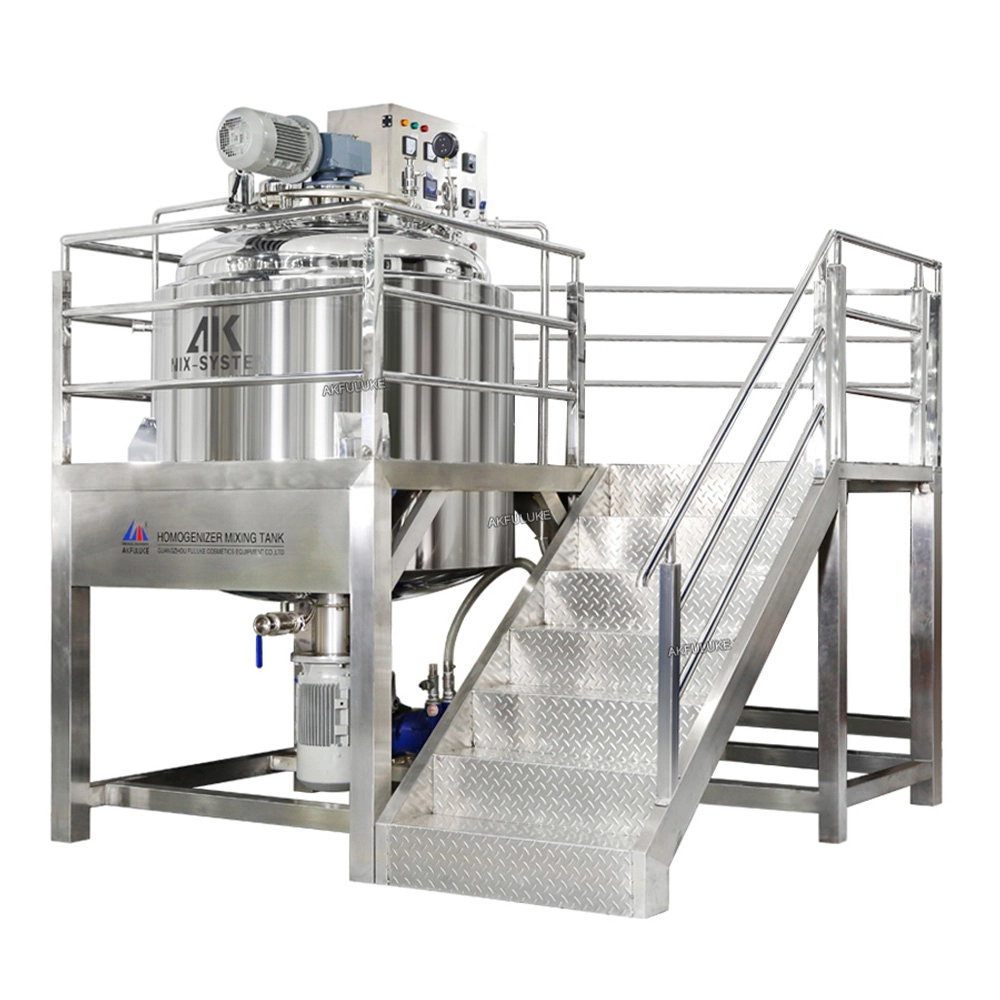
Stainless Steel Mixer Liquid Mixing tank with Agitator Homogenizing Mixing tank Vacuum Sealed Mixer Machine

A leading manufacturer specializing in advanced machinery and complete production lines for the cosmetics, food, pharmaceutical, and chemical industries worldwide.
Contact FULUKE
Facebook
Instagram
YouTube