
Top 7 Mixing Tank Component Failures (And How to Prevent Costly Downtime) in 2026
- What Are Mixing Tank Components?
- Quick Summary & Key Takeaways
- Top 7 Mixing Tank Component Failures
- 1. Agitator Shaft Misalignment & Wear
- 2. Mechanical Seal Leaks
- 3. Impeller Cavitation & Blade Erosion
- 4. Motor and Gearbox Overheating
- 5. Heating/Cooling Jacket Blockages
- 6. Baffle Deterioration & Dead Zones
- 7. Valve and Discharge Outlet Clogging
- Component Failure & Prevention Breakdown
- Common Mistakes & Expert Tips for Predictive Maintenance in 2026
- How FULUKE Upgrades Your Mixing System for Zero Downtime
- Conclusion
- FAQs About mixing tank components
- What are the main components of a mixing tank?
- Why do mixing tank agitators fail?
- How often should mixing tank components be inspected?
- What is the function of baffles in a mixing tank?
- How do you prevent mechanical seal leaks in mixing vessels?
- What is the difference between jacketed and non-jacketed mixing tanks?
- Can mixing tank components be customized for cosmetics and pharma?
- What is the best material for industrial mixing tank components?
What Are Mixing Tank Components?
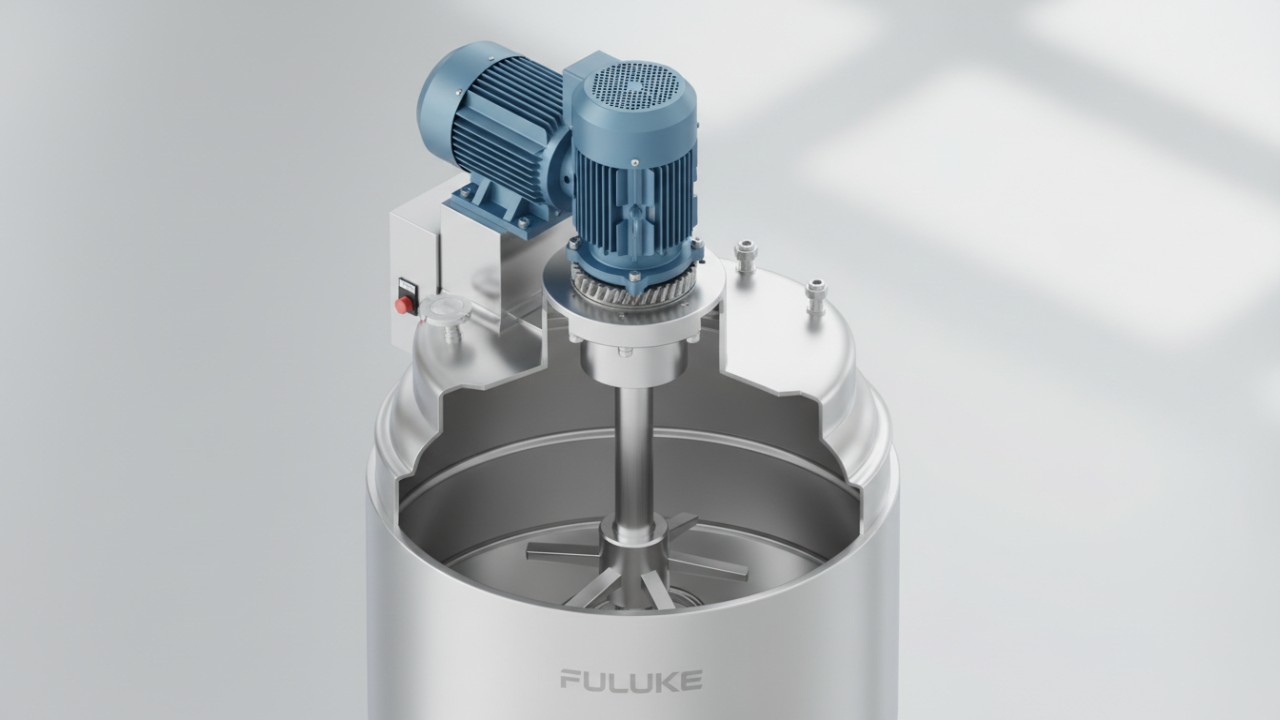
Mixing tank components are the essential mechanical parts—such as the vessel body, agitator, motor, impeller, and mechanical seals—that work together to blend, emulsify, or homogenize industrial materials efficiently. They dictate the flow pattern, shear rate, and overall success of the manufacturing process.
Understanding the intricate ecosystem of these parts is the crucial first step in diagnosing operational inefficiencies and preventing catastrophic equipment failure. Whether you are operating in the cosmetic, pharmaceutical, food and beverage, or chemical sector, the reliability of your production line rests entirely on the integrity of these individual parts. When a single element degrades, it compromises the entire batch, leading to severe financial losses and safety hazards. By exploring What Is a Multifunctional Mixing Tank and How Does It Work?, facility managers can better grasp how these components synchronize to deliver optimal homogenization and blending performance in modern manufacturing environments.
Quick Summary & Key Takeaways
A quick summary of mixing tank component failures reveals that proactive maintenance and high-quality parts are the most effective defenses against unexpected breakdowns. Implementing structured inspections and upgrading to GMP-compliant machinery drastically improves operational lifespan and profitability.
- Downtime is Exorbitantly Expensive: A single failed component, such as a ruptured seal or a burned-out motor, can halt an entire production line, costing facilities thousands of dollars per hour in lost revenue and wasted raw materials.
- Proactive Maintenance Saves Money: Transitioning from reactive repairs to predictive maintenance—regularly inspecting seals, shafts, and motors—prevents up to 80% of unexpected mechanical breakdowns.
- The Top 3 Culprits for Failure: The most frequent and damaging issues arise from mechanical seal leaks, agitator shaft misalignment, and severe motor overheating.
- Quality Dictates Lifespan: Upgrading to GMP-compliant, high-quality components from experienced manufacturers drastically improves operational lifespan and ensures strict batch-to-batch consistency.
Top 7 Mixing Tank Component Failures
The top 7 mixing tank component failures include agitator shaft misalignment, mechanical seal leaks, impeller cavitation, motor overheating, jacket blockages, baffle deterioration, and valve clogging. Identifying these specific breakdown points early is the most effective way to prevent catastrophic equipment failure and costly production downtime.
Operating industrial mixing equipment requires a deep understanding of mechanical stress points. Below is a detailed breakdown of the seven most common component failures plaguing modern production facilities in 2026, along with actionable prevention strategies.
1. Agitator Shaft Misalignment & Wear
Agitator shaft design plays a pivotal role in the structural integrity of the entire mixing vessel. Shaft misalignment is typically caused by unbalanced fluid loads, improper installation, or processing materials that exceed the specified viscosity limits. When the shaft falls out of alignment, it generates severe lateral vibrations. These vibrations travel up the drive system, causing premature wear on the steady bearings and the gearbox. Over time, a misaligned shaft can physically warp, leading to catastrophic failure that requires a complete system teardown. Prevention: To prevent shaft wear, facilities must utilize laser alignment tools during installation and perform regular dynamic balancing. Upgrading to heavy-duty, precision-machined shafts designed for high-torque applications will also mitigate deflection during heavy mixing cycles.
2. Mechanical Seal Leaks
Mechanical seal failure is arguably the most notorious issue in fluid mixing operations. Seals are designed to keep the product inside the tank while preventing external contaminants from entering. However, they are highly sensitive to thermal shock, dry-running, and pressure spikes. According to a comprehensive root cause analysis by Flexachem[1], it is estimated that up to 90% of mechanical seals in a typical plant fail due to reasons other than natural wear, such as operational deficiencies or poor installation. When a seal leaks, it not only contaminates the batch but can also allow corrosive fluids to destroy the drive system. Prevention: Always utilize double mechanical seals for hazardous or high-value liquids. Ensure a continuous, properly pressurized barrier fluid circulation system is active to keep the seal faces lubricated and cool.
3. Impeller Cavitation & Blade Erosion
Impellers are the workhorses of the mixing process, but they are susceptible to cavitation. Cavitation occurs when high-speed rotation creates low-pressure zones in the fluid, causing vapor bubbles to form and rapidly collapse. These micro-implosions generate intense localized shockwaves that physically pit and erode the stainless steel blades. Over time, eroded blades lose their aerodynamic efficiency, resulting in poor mixing performance and increased energy consumption. Prevention: Cavitation can be prevented by optimizing impeller blade angles, controlling fluid intake velocities, and ensuring the tank is adequately filled before engaging high-speed homogenization. Utilizing hardened alloys for the impeller can also extend its lifespan.
4. Motor and Gearbox Overheating
The drive system—comprising the motor and gearbox—is the beating heart of the mixer. Overheating is a frequent failure mode, usually resulting from overloading the mixer with high-viscosity materials that the motor is not rated to handle. Continuous strain causes the internal windings to overheat, degrading the electrical insulation and eventually leading to a short circuit or complete motor burnout. Prevention: Implement modern Variable Frequency Drives (VFDs) to control motor speed smoothly and prevent torque spikes. Additionally, install continuous thermal monitoring sensors to automatically shut down the system if temperature thresholds are breached.
5. Heating/Cooling Jacket Blockages
Many advanced mixing processes require precise temperature control, facilitated by heating or cooling jackets surrounding the vessel. A common failure is the accumulation of scale, rust, or mineral deposits inside the jacket cavity. This buildup acts as an insulator, drastically reducing thermal transfer efficiency. Consequently, the system expends more energy to heat or cool the batch, leading to extended processing times and potential thermal degradation of sensitive ingredients. Prevention: Flush the jackets regularly using professional descaling agents. Furthermore, utilizing purified, deionized water for the thermal fluid loop will prevent mineral deposits from forming in the first place.
6. Baffle Deterioration & Dead Zones
Baffles are stationary plates welded to the interior walls of the tank. Their purpose is to disrupt the circular flow of the fluid, preventing a central vortex and ensuring thorough top-to-bottom mixing. However, in highly corrosive or abrasive environments, baffles can deteriorate. Corroded baffles fail to disrupt the fluid flow effectively, leading to unmixed pockets known as "dead zones" where active ingredients fail to disperse. Prevention: Upgrade to premium 316L stainless steel baffles featuring a high-grade sanitary polish. Regular passivization of the stainless steel will also restore its anti-corrosive chromium oxide layer.
7. Valve and Discharge Outlet Clogging
The lower head assembly is critical for transferring the finished product. Clogging occurs when thick, highly viscous materials harden or settle in the discharge outlet. This issue is particularly prevalent with vacuum emulsifying mixer parts used for dense cosmetic creams or pharmaceutical ointments. A clogged valve not only halts production but also creates a severe sanitation hazard, as trapped material becomes a breeding ground for bacteria. Prevention: Install sanitary, flush-bottom diaphragm valves that eliminate dead legs where product can pool. Automating the Clean-In-Place (CIP) protocols ensures that valves are thoroughly flushed immediately after the batch is discharged.
Component Failure & Prevention Breakdown
A component failure and prevention breakdown table systematically categorizes the most vulnerable parts of industrial mixing equipment. This structured data matrix highlights primary failure modes, early warning symptoms, and modern 2026 prevention strategies to help operators quickly diagnose and resolve mechanical issues.
| Mixing Tank Component | Primary Failure Mode | Early Warning Symptoms | 2026 Prevention Strategy |
|---|---|---|---|
| Agitator Shaft | Misalignment & Deflection | Uncharacteristic lateral vibrations, rattling noises | Laser alignment during setup; continuous dynamic balancing |
| Mechanical Seals | Face degradation & Leaks | Fluid pooling near the drive; pressure drops | Double mechanical seals with automated barrier fluid monitoring |
| Motor / Gearbox | Thermal Overload | Burning odor, excessive casing heat, high amperage | Integration of Variable Frequency Drives (VFDs) and thermal sensors |
| Impeller Blades | Cavitation & Erosion | Pitting on blade surfaces, reduced mixing shear | Optimizing blade pitch; avoiding low-pressure fluid intake |
| Thermal Jacket | Mineral Scale Blockage | Inconsistent batch temperatures, slow heating | Routine chemical descaling; utilizing purified thermal fluids |
| Discharge Valves | Material Clogging | Slow product discharge, incomplete CIP cleaning | Flush-bottom sanitary valves; automated, high-pressure CIP systems |
Common Mistakes & Expert Tips for Predictive Maintenance in 2026
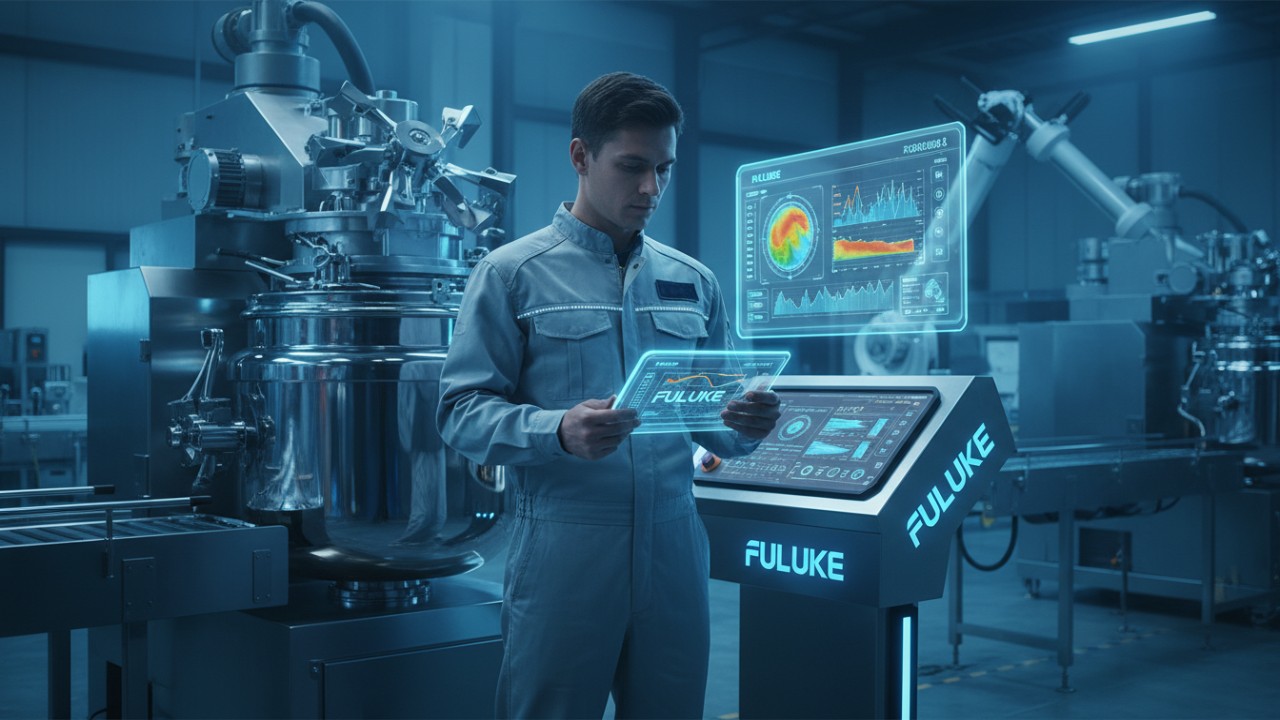
Mixing tank maintenance in 2026 has shifted from reactive repairs to proactive predictive maintenance, utilizing AI and IoT sensors to monitor vibrations and thermal outputs. Avoiding generic maintenance schedules and addressing minor vibrations early are critical expert tips for extending equipment lifespan.
Historically, manufacturing facilities relied on reactive maintenance—waiting for a component to break before fixing it. In 2026, this approach is financially unsustainable. According to recent industry data published by IIoT World[2] referencing McKinsey & Company research, implementing predictive maintenance can reduce overall maintenance costs by up to 25% while cutting unplanned machine downtime by up to 50%.
Common Maintenance Mistakes:
- The "One-Size-Fits-All" Approach: A major mistake is treating all mixing tanks identically regardless of the material's specific gravity or viscosity. Processing a dense cosmetic paste requires entirely different torque parameters than blending a liquid toner. Failing to adjust settings leads to overworked agitators.
- Ignoring the Micro-Vibrations: What seems like a minor, harmless rattle in the gearbox is almost always the early stage of catastrophic shaft or bearing failure. Ignoring these acoustic warnings guarantees a larger breakdown.
Expert Tips for 2026:
- Deploy Vibration Analysis: Implement continuous vibration analysis sensors directly on your gearboxes and motor housings. These IoT devices can catch bearing degradation and shaft misalignment months before the component actually physically breaks.
- Monitor Amperage Baselines: Log the baseline electrical amperage for your motors during a standard batch. A sudden, unexplained spike in power draw is a definitive indicator of internal component friction or an unexpected change in fluid viscosity.
How FULUKE Upgrades Your Mixing System for Zero Downtime
FULUKE upgrades your mixing system by engineering custom, GMP-compliant mixing tank components from premium 316L stainless steel. With over 30 years of manufacturing experience, our advanced automation and precision-machined parts eliminate common failure points, ensuring batch consistency and zero operational downtime.
As a globally recognized manufacturer, Guangzhou Fuluke Cosmetic Equipment Co., Ltd. understands that the cost of equipment failure far exceeds the price of a replacement part—it costs you your reputation. We specialize in designing and manufacturing robust mixing and emulsifying equipment, alongside complete turnkey packaging lines for creams, lotions, and sauces.
Our product portfolio, which includes state-of-the-art Vacuum emulsifying machines, Multifunctional mixing tanks, and Perfume making equipment, is built to rigorous GMP, ISO, and international hygiene standards. By integrating engineering design with precision machining, we ensure that every agitator shaft, mechanical seal, and flush-bottom valve is optimized for longevity and safety.
When you partner with FULUKE, you receive more than just machinery. We provide customized solutions featuring advanced PLC automation control, intelligent control upgrades, and robust transmission devices that reduce energy consumption while supporting seamless production scaling. From initial installation and commissioning to long-term predictive maintenance support, our technical experts are dedicated to keeping your production line running flawlessly.
Conclusion
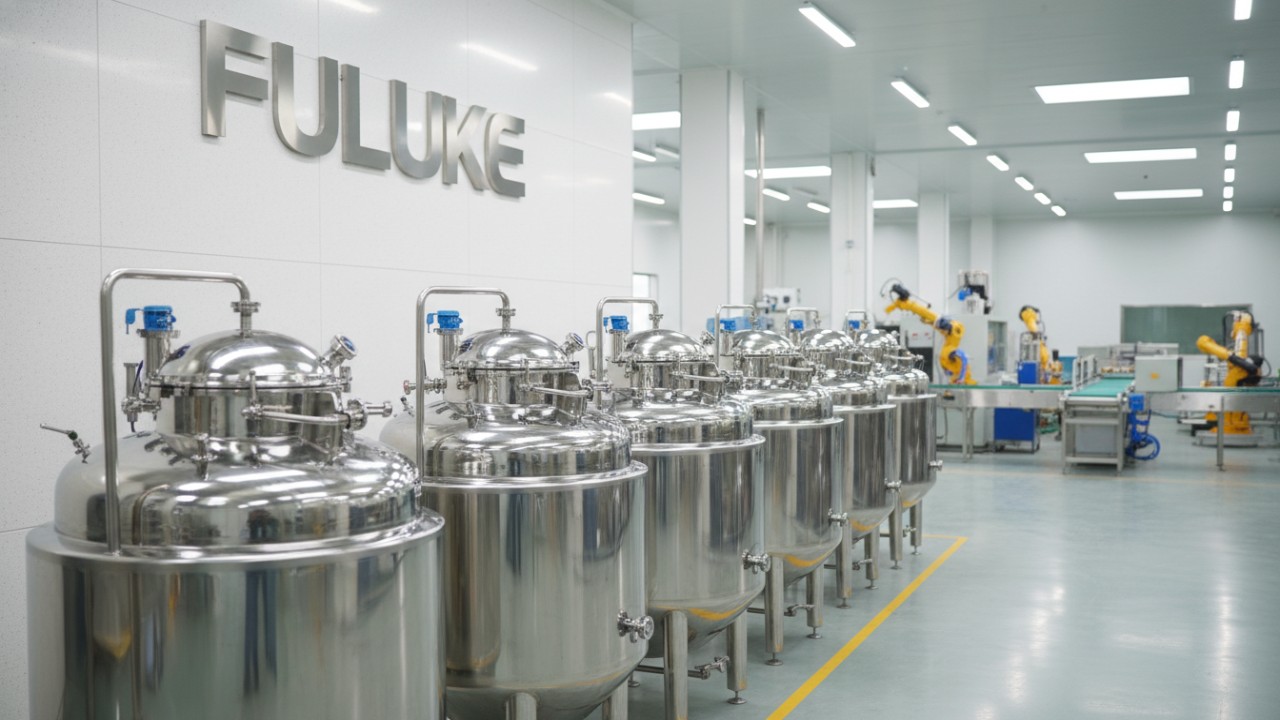
In summary, understanding the core failures of mixing tank components—from mechanical seal leaks to motor overloads—allows facility managers to shift from costly reactive repairs to highly profitable predictive maintenance. Investing in high-quality, precision-engineered parts is the most reliable way to prevent expensive operational downtime, maintain strict product consistency, and safeguard your bottom line in 2026. Whether you are scaling up cosmetic production or refining pharmaceutical blends, the integrity of your equipment dictates your success in the market. Contact us today to optimize your mixing tank components strategy.
FAQs About mixing tank components
What are the main components of a mixing tank?
The primary components include the tank vessel, agitator (or impeller), stirring shaft, drive system (motor and gearbox), mechanical seals, baffles, and heating/cooling jackets.
Why do mixing tank agitators fail?
Agitators typically fail due to shaft misalignment, unbalanced fluid forces, processing materials with excessively high viscosity, or worn-out steady bearings.
How often should mixing tank components be inspected?
Routine visual inspections should occur daily, while thorough mechanical audits (checking seals, motor alignment, and lubrication) should be performed quarterly.
What is the function of baffles in a mixing tank?
Baffles are internal plates that disrupt the circular flow of liquids, preventing a vortex from forming and ensuring top-to-bottom material turnover for efficient mixing.
How do you prevent mechanical seal leaks in mixing vessels?
Prevent leaks by using the correct seal type (e.g., double mechanical seals for hazardous liquids), maintaining proper barrier fluid levels, and avoiding dry-running the agitator.
What is the difference between jacketed and non-jacketed mixing tanks?
Jacketed tanks feature an outer cavity where heating or cooling fluids (like steam or chilled water) circulate to control the temperature of the mix, whereas non-jacketed tanks are used for simple, ambient-temperature blending.
Can mixing tank components be customized for cosmetics and pharma?
Yes, manufacturers like FULUKE customize components with 316L sanitary stainless steel, flush-bottom valves, and crevice-free designs to meet strict GMP and FDA requirements.
What is the best material for industrial mixing tank components?
Stainless steel (304 or 316L) is the industry standard for durability and hygiene. For highly corrosive chemicals, specialized coatings like PTFE or alloys like Hastelloy are used.
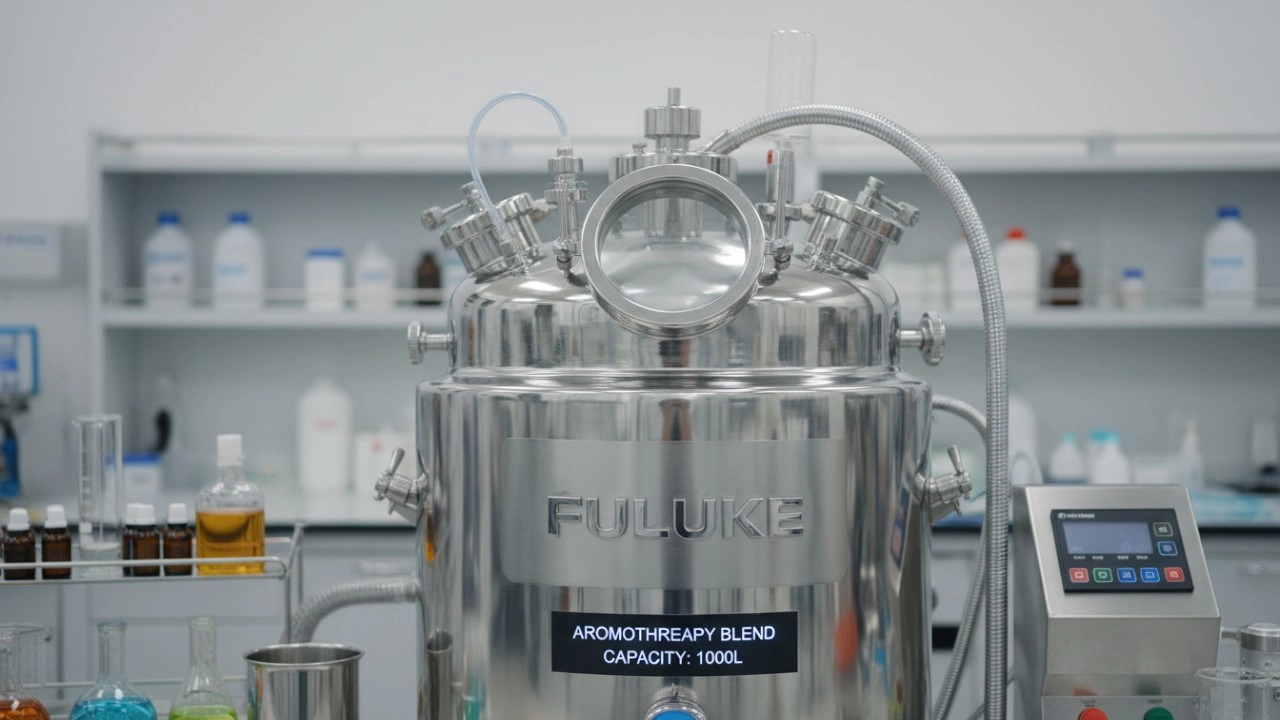
How Mixing Tanks Are Used in Aromatherapy & Cosmetics: The 2026 Guide
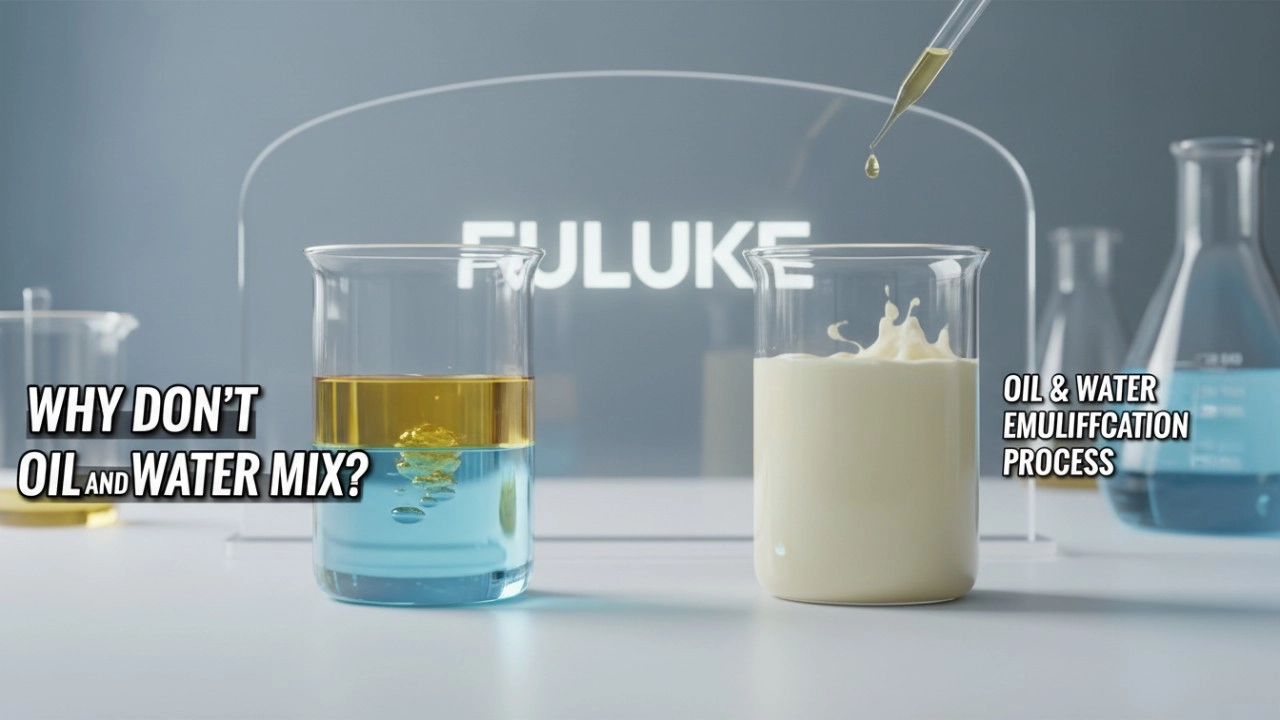
5 Revolutionary Methods to Mix Oil and Water: A Deep Dive into Advanced Emulsification (2026 Guide)
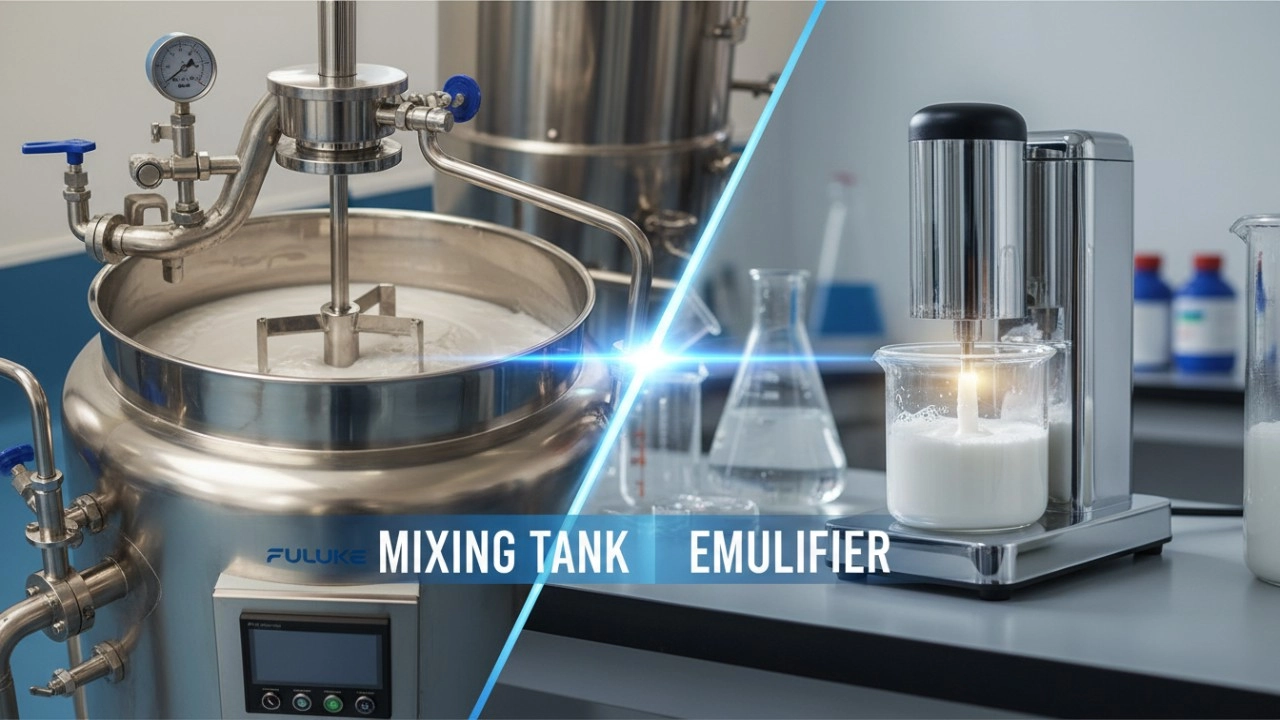
High-Shear Emulsifier vs. Standard Mixing Tank: A Deep Dive into Process Efficiency
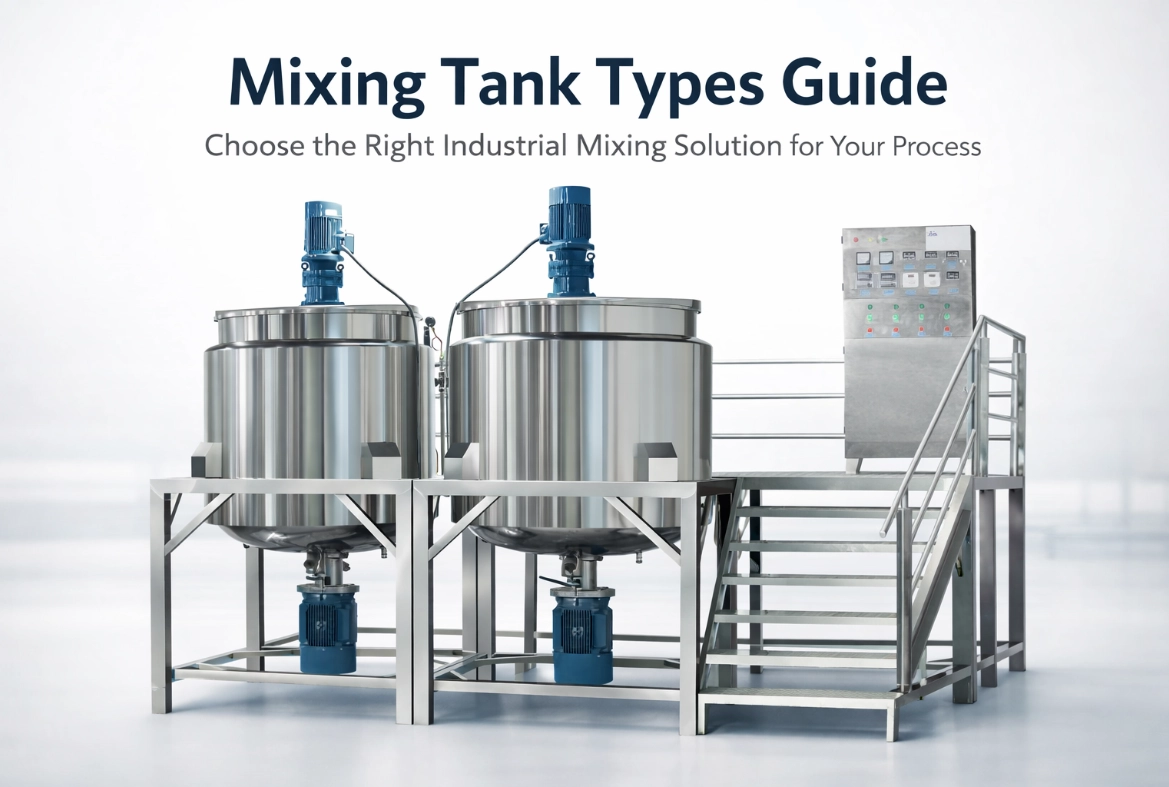
Advanced Mixing Tank Types: How to Optimize Your Production Line for 2026
Perfume Filling Machine
Can the perfume filling machine accommodate perfume bottles of varying materials and shapes?
Yes. The machine utilizes adjustable mold positions and a PLC control system that allows for one-touch parameter switching, allowing it to accommodate a wide range of bottle shapes, including round, square, and special-shaped ones. The filling capacity range can be flexibly adjusted, and format changeovers take as little as 10 minutes, meeting diverse production needs.
RO Water Treatment
Can you customize the machine?
Of course, we provide customized services according to customer needs.
Sealed Homogenizing Mixing Tank
What is the speed of the high shear homogenizer?
The standard speed is 0-3000 rpm, but higher speeds can be customized upon request.
Film Packaging Machine
Who are we?
Our headquarters is located in Guangzhou, Guangdong, China, and our factory is located in Yangzhou, Jiangsu. Our products are sold all over the world. We have approximately 50 employees in our company and factory.
Can you customize the machine?
Of course, we provide customized services according to customer needs.
Get in touch with FULUKE
If you have any comments or good suggestions, please leave us a message, later our professional staff will contact you as soon as possible.
You May Also Like
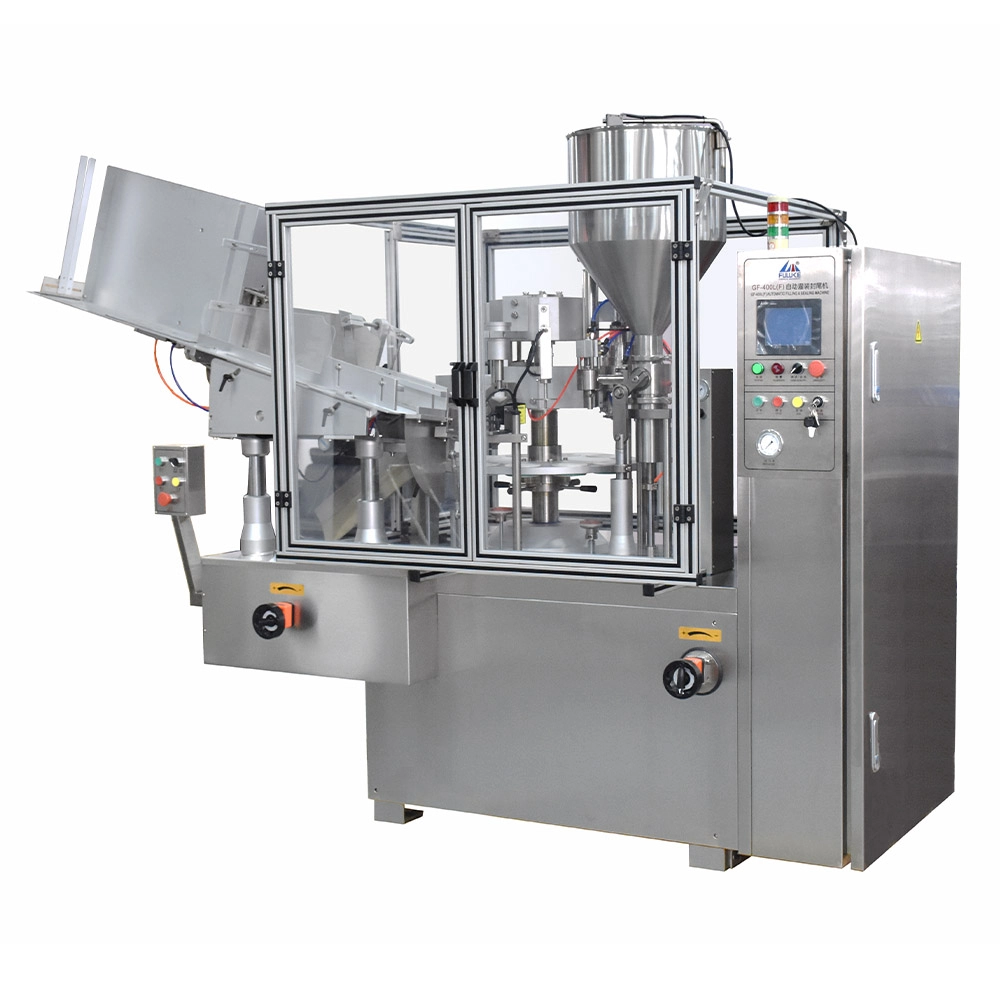
Automatic Tube Filling and Sealing Machine Toothpaste Sunscreen and Facial Cleanser Filling and Sealing Machine for Plastic and Aluminum-plastic Tube
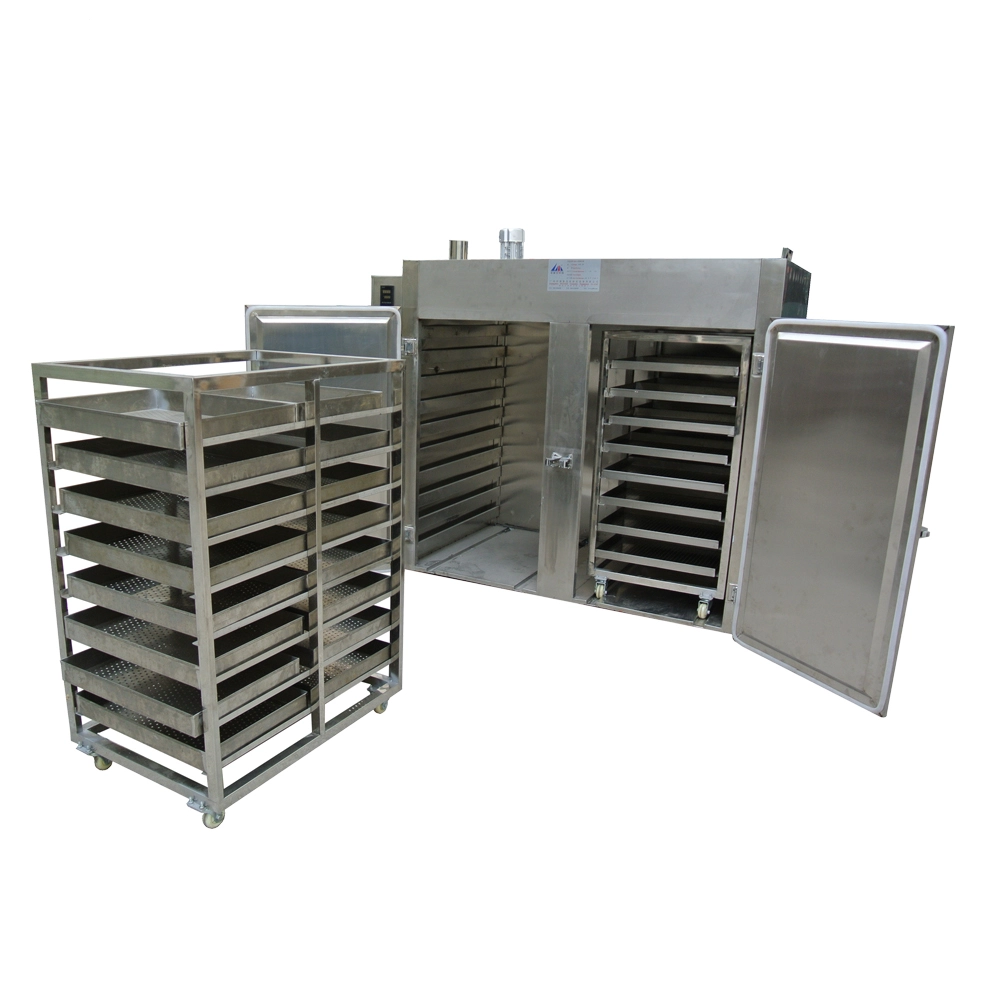
Over for Bottles High Temperature Sterilizer Tray Dryer Large Hot Air Circle Drying Oven for Glass Bottle Jar Cup Can

Automatic Glass Bottle Washing Machine High Quality Glass Bottle Cleaning Washer
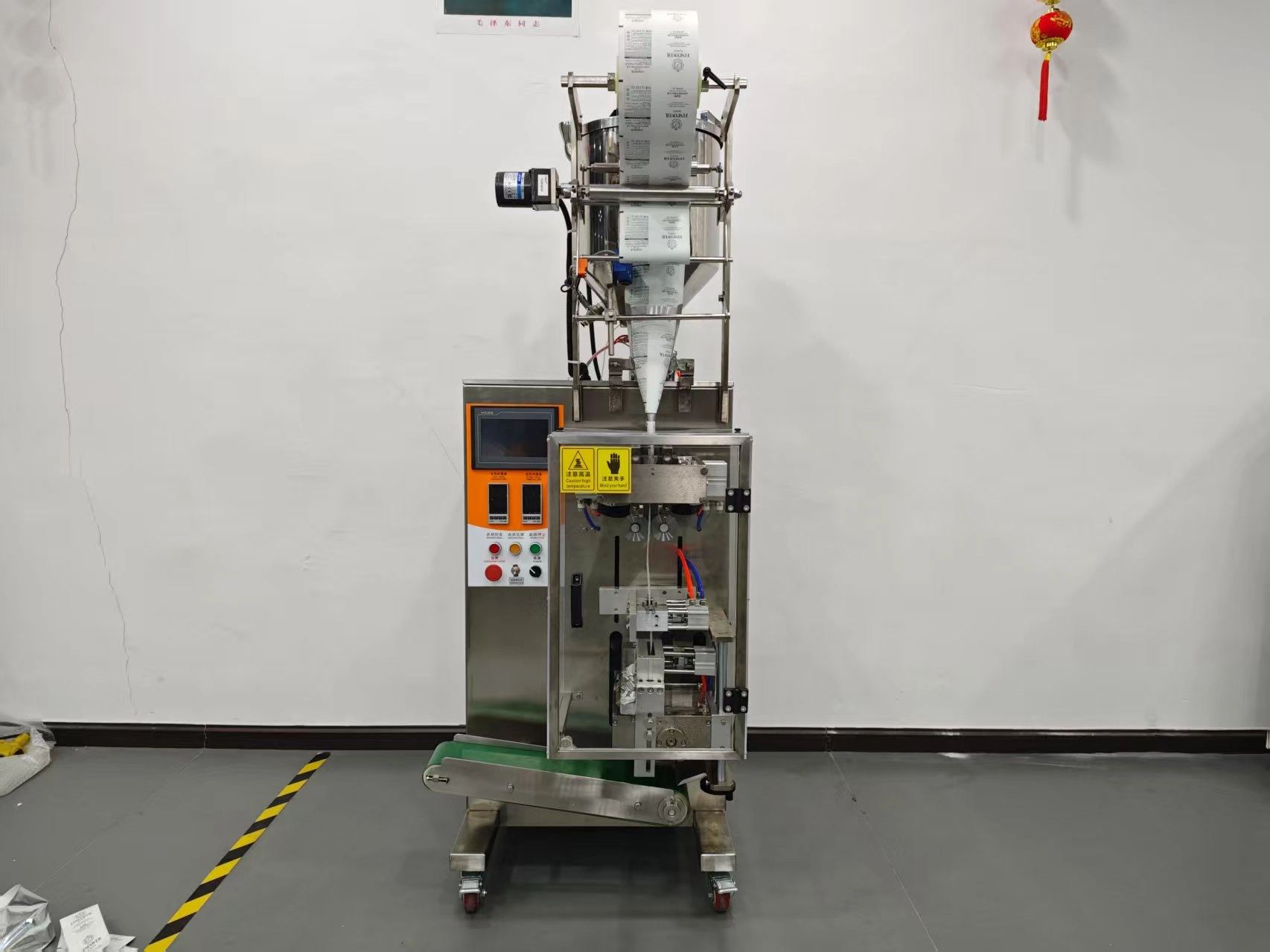
Three-side/four-side sealing bag packaging machine Liquid Paste Jam Cream Sachet Vertical Filling Pouch Packing Machine

A leading manufacturer specializing in advanced machinery and complete production lines for the cosmetics, food, pharmaceutical, and chemical industries worldwide.
Contact FULUKE
Facebook
Instagram
YouTube