
Advanced Mixing Tank Types: How to Optimize Your Production Line for 2026
- What Are the Different Mixing Tank Types?
- Key Takeaways: Quick Summary of Tank Selection
- Categorizing by Material and Wall Construction
- Tank Geometry and Agitator Entry Configurations
- Expert Tips & Common Mistakes in Mixing Tank Selection
- 2026 Innovations: Automation and Vacuum Emulsifying Systems
- Industry-Leading Solutions: FULUKE's Advanced Mixing Equipment
- Conclusion
- FAQs About mixing tank types
- What is the difference between an agitator and a mixing tank?
- Why use 316L stainless steel instead of 304 for mixing tanks?
- What are the benefits of a jacketed mixing tank?
- How do you choose the right impeller for a mixing vessel?
- What is a vacuum emulsifying mixer used for?
- Why do mixing tanks need baffles?
- How does fluid viscosity affect mixing tank design?
- How long do industrial mixing tanks typically last?
Welcome to the next era of industrial manufacturing. As we navigate the demands of 2026, understanding the nuances of different mixing tank types is no longer just a facilities management decision—it is a critical strategy for scaling production, ensuring product consistency, and maintaining compliance. Whether you are formulating high-viscosity cosmetics, blending active pharmaceutical ingredients, or processing food-grade sauces, the right vessel dictates your operational efficiency. In this comprehensive guide, we will explore the engineering behind industrial mixing vessels, the metallurgical advantages of stainless steel agitator tanks, and how modern automation is transforming the factory floor.
What Are the Different Mixing Tank Types?
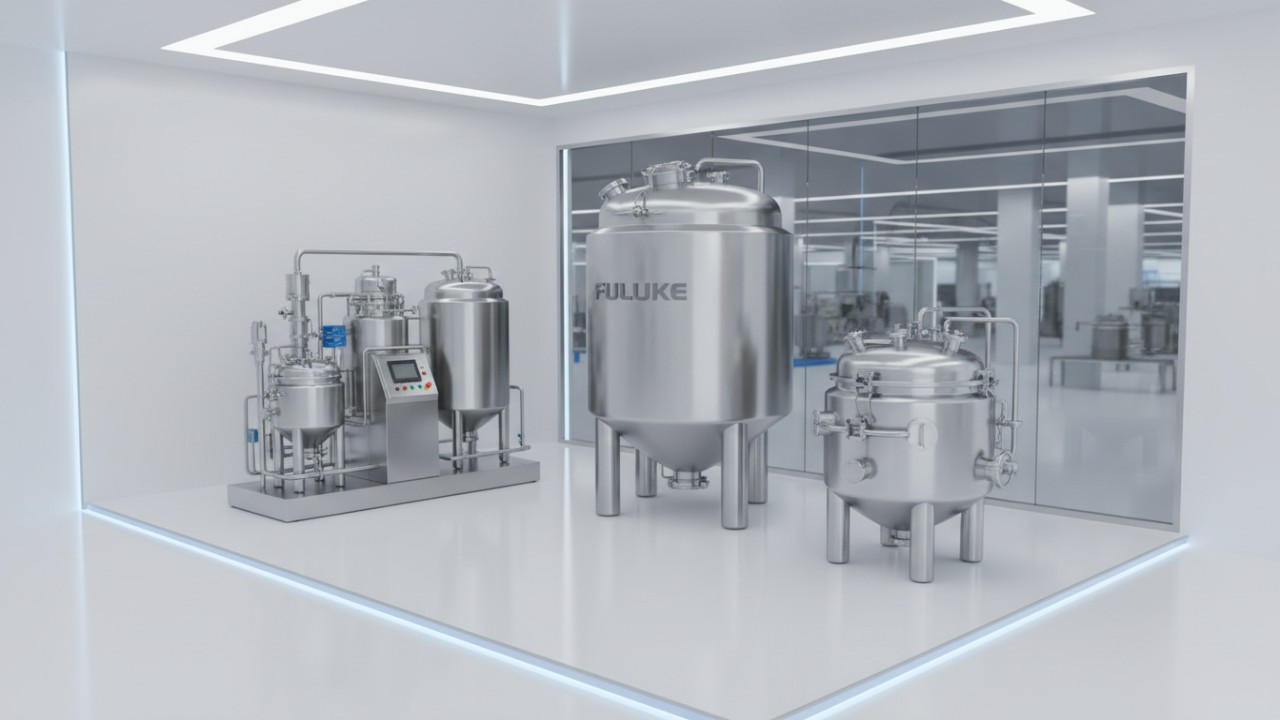
Mixing tank types are specialized industrial vessels categorized by their specific geometry, material composition, and agitator configuration, designed to efficiently blend, emulsify, or homogenize various liquids and solids. Matching the right tank to your process is the foundational step in manufacturing.
The industrial landscape relies on several primary categories of mixing equipment to handle diverse production needs:
- Atmospheric Open-Top Tanks: Ideal for simple, non-volatile fluid blending where pressure control is unnecessary and frequent manual access is required.
- Closed-Pressurized Tanks: Essential for handling volatile chemicals or operating under specific pressure conditions to prevent contamination and ensure operator safety.
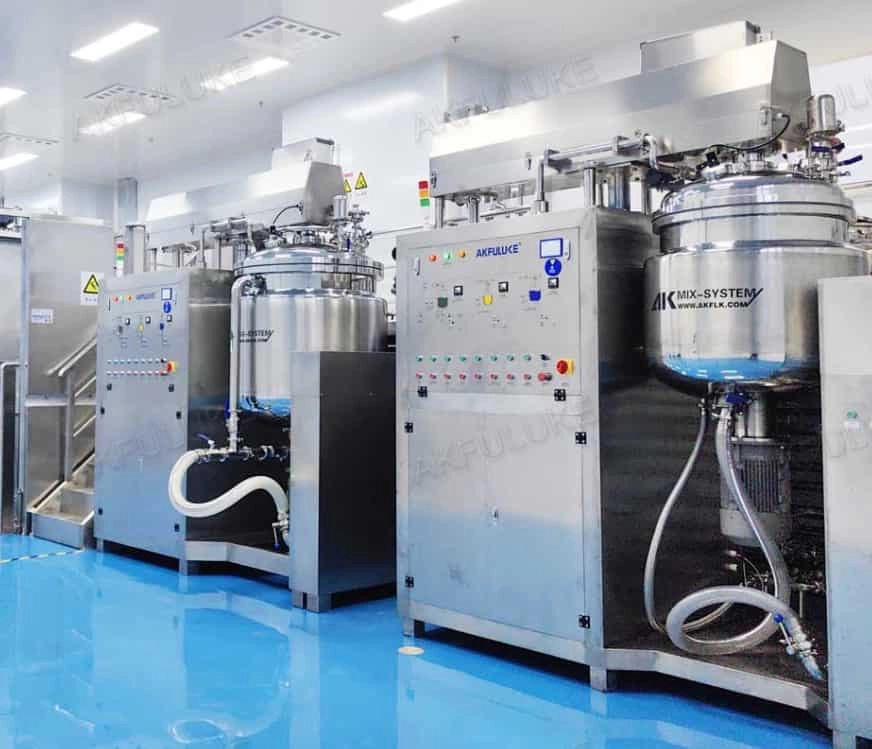
- Vacuum Emulsifying Mixers: These specialized vessels remove air bubbles during the mixing process, a non-negotiable feature for high-end cosmetics and pharmaceuticals.
- Jacketed Tanks: Designed with an outer shell to circulate steam or chilled water, providing precise thermal control during temperature-sensitive reactions.
Selecting the correct equipment, such as chemical mixing equipment, requires a deep understanding of your specific fluid dynamics. If you want to dive deeper into the internal mechanics of these systems, read our guide on How Does Multifunctional Mixing Tank Work.
Key Takeaways: Quick Summary of Tank Selection
Selecting the optimal mixing tank requires aligning vessel geometry with fluid viscosity, utilizing 316L stainless steel for strict sanitary compliance, and integrating smart automation to meet 2026 production and efficiency standards.
Before diving into the technical specifications, here is a quick overview of the most critical factors for modern manufacturers:
- Viscosity Dictates Geometry: Flat, sloped, or dished bottoms must be matched perfectly to your fluid's viscosity to prevent material stagnation.
- Material Grade is Critical: Sanitary production and harsh chemical processing require 316L stainless steel and specific surface polishing to meet strict GMP and ISO regulations.
- Automation is the Standard: Upgrading to high-shear vacuum emulsification and integrating IoT sensors are critical steps for modernizing production lines. For a comprehensive overview of how these elements combine, check out The Ultimate Guide to Multifunctional Mixing Tanks.
Categorizing by Material and Wall Construction
Tank materials and wall constructions dictate thermal control and chemical resistance, with 316L stainless steel and jacketed designs leading the industry for sanitary, highly corrosive, and temperature-sensitive manufacturing applications.
Stainless Steel: 304 vs. 316L While 304 stainless steel is common for general water storage, 316L stainless steel is the undisputed gold standard for stainless steel agitator tanks. According to technical data from the American Metals Company, 316L contains 2 to 3% molybdenum, which significantly enhances its resistance to pitting and crevice corrosion, particularly in chloride-rich environments. This metallurgical advantage makes 316L non-negotiable for corrosive chemicals and sanitary cosmetic or pharmaceutical use.
Single-Wall vs. Jacketed Tanks Thermal management is a critical variable in fluid processing.
- Single-Wall Tanks: Best suited for ambient temperature blending where heat transfer is not a factor.
- Jacketed Tanks: Utilize a double-wall construction where steam, thermal oil, or chilled water circulates. This allows for precise heat transfer, which is essential for melting waxes in cosmetics or controlling exothermic chemical reactions.
Surface Finishes and Sanitary Standards The interior finish of a tank directly impacts its cleanability. Industrial matte finishes may suffice for basic chemical blending, but pharmaceutical and food-grade tanks require mirror-polished sanitary finishes (typically 0.4 µm Ra or better). This ultra-smooth surface facilitates stringent CIP (Clean-in-Place) and SIP (Sterilize-in-Place) protocols, ensuring zero cross-contamination between batches.
Tank Geometry and Agitator Entry Configurations
Tank geometry and agitator entry points fundamentally control fluid dynamics, determining whether a vessel is best suited for simple liquid blending, heavy solid suspension, or high-shear homogenization.
Bottom Configurations The shape of the tank's bottom drastically alters the internal flow pattern and drainage capabilities:
- Flat Bottoms: Cost-effective and standard for low-viscosity bulk blending, but challenging to drain completely without a pump.
- Conical Bottoms: Feature a sloped funnel design, allowing for 100% gravity drainage. However, they are not ideal for heavy solid suspension as materials can compact at the base.
- Dished/Elliptical Bottoms: The optimal choice for pressurized vessels and high-viscosity mixing, providing excellent fluid turnover and structural integrity under pressure.
Mixer Entry Points
- Top-Entry: The most common configuration, providing excellent overall bulk flow and easily accommodating large impellers.
- Side-Entry: Typically used in massive storage tanks where top-entry shafts would be impractically long and expensive.
- Bottom-Entry: Frequently used for high-shear blending tanks and homogenizers, strategically placed at the base where the heaviest materials naturally settle.
The Crucial Role of Baffles Internal baffles are welded plates that disrupt the laminar flow of the liquid. Without baffles, a spinning impeller merely creates a swirling vortex, which is highly inefficient. Baffles convert this rotational energy into vertical, top-to-bottom turnover, drastically increasing mixing efficiency.
Comparison of Tank Bottom Geometries
| Bottom Type | Best Suited For | Drainage Efficiency | Solid Suspension Capability |
|---|---|---|---|
| Flat Bottom | Low-viscosity blending, open-top tanks | Moderate (requires pump) | Poor |
| Conical Bottom | Slurries, easy gravity drainage | Excellent (100% drain) | Poor (solids compact at tip) |
| Dished Bottom | Pressurized systems, high-viscosity | Good | Excellent |
Expert Tips & Common Mistakes in Mixing Tank Selection
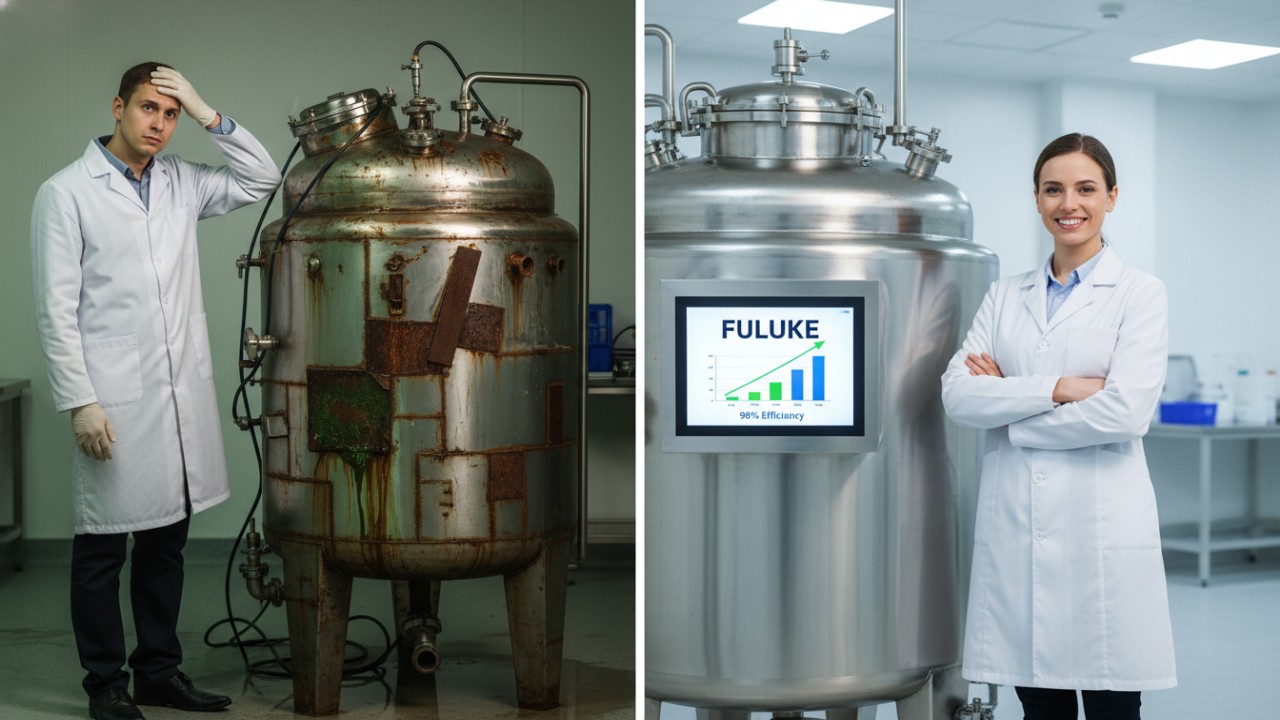
Avoiding common mixing tank selection mistakes requires accounting for dynamic viscosity changes, choosing the correct bottom geometry, and anticipating full-scale production requirements rather than relying solely on laboratory results.
Common Mistake: Neglecting Dynamic Viscosity Many manufacturers fail to account for rheological changes during the mixing process. Materials often thicken (shear-thickening) or thin (shear-thinning) as they are agitated or heated. Specifying a motor based only on the initial viscosity will result in an overwhelmed, under-spec motor that burns out mid-batch.
Common Mistake: Mismatched Geometry Using a conical bottom tank for heavy solid suspension is a frequent error. While conical bottoms are excellent for drainage, heavy solids tend to settle and compact in the narrow cone, completely out of reach of the primary impeller flow.
Pro Tip: Plan for Sustainable Scale-Up Always factor in your full production scale-up. The fluid dynamics that work perfectly in a 50-gallon lab mixer require entirely different engineering (impeller diameter-to-tank ratios, tip speeds) in a 3,000-gallon production tank. For specialized corrosive applications, exploring targeted equipment like a Polypropylene PP Mixing Tank Anti-Corrosion Mixer can save thousands in long-term replacement costs.
2026 Innovations: Automation and Vacuum Emulsifying Systems
Modern mixing in 2026 relies heavily on IoT sensors, PLC controls, and advanced vacuum emulsifying systems to ensure ultra-fine particle sizes, strict batch consistency, and significant reductions in energy consumption.
Smart Production and PLC Controls The era of manual valve adjustments is over. In 2026, Industry 4.0 integration is the baseline. Modern tanks are equipped with IoT sensors that feed real-time data on temperature, pH, and viscosity to Programmable Logic Controllers (PLCs). According to industry analyses by Cloud Studio IoT, integrating AI-enhanced PLCs and machine learning into industrial control hardware can reduce operational downtime by up to 40% and improve process quality by 20%.
The Rise of Vacuum Emulsifying Mixers For the cosmetics and pharmaceutical sectors, vacuum emulsifying mixers are the undisputed standard. When producing high-end lotions, creams, or ointments, trapped air bubbles compromise both the aesthetic and the chemical stability of the product. By mixing under a vacuum, these systems draw out air, resulting in an ultra-fine, perfectly smooth emulsion that significantly extends shelf life.
Sustainable Scaling and Integration Modern facilities demand seamless integration. Mixing tanks no longer operate in isolation; they are engineered to communicate directly with automated filling, labeling, and sealing lines to minimize downtime, reduce human error, and lower labor costs.
Industry-Leading Solutions: FULUKE's Advanced Mixing Equipment
Guangzhou Fuluke Cosmetic Equipment Co., Ltd. provides industry-leading, customized mixing solutions, integrating advanced engineering and strict quality management to deliver turnkey production lines for global manufacturers.
With over 30 years of global experience, FULUKE is a premier manufacturer of cosmetic, food, pharmaceutical, and chemical mixing equipment. Based in Guangzhou, China, we engineer customized solutions that prioritize efficiency, product consistency, and production safety.
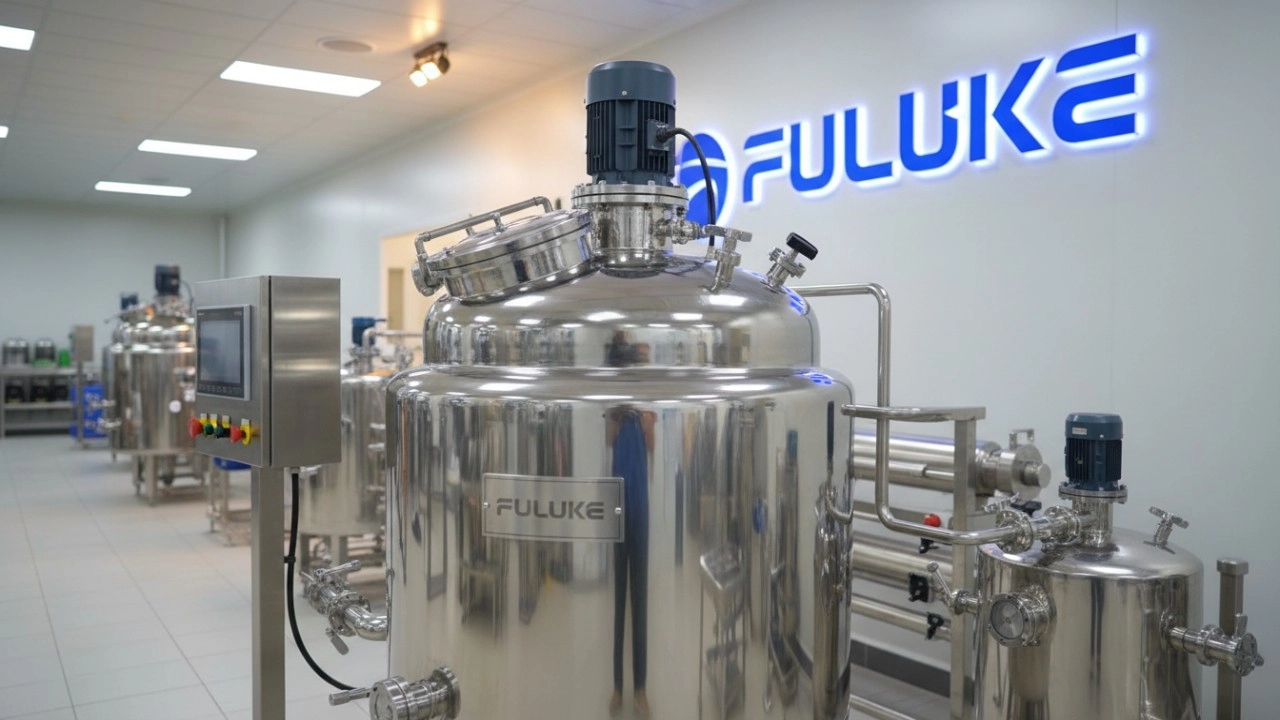
Meeting Global Standards Every vessel we produce, from standard atmospheric tanks to complex vacuum emulsifying machines, is designed with precision machining to meet strict GMP, ISO, and international hygiene standards. We utilize premium 316L stainless steel for all product-contact surfaces, ensuring maximum safety and compliance. For versatile, everyday production, our Flip Cover Multi-function Liquid Wash Mixing Tank offers an ideal balance of accessibility and high-performance blending.
Turnkey Production Integration At FULUKE, we provide more than just standalone tanks. We deliver complete, turnkey packaging lines. Our expertise covers the entire production process—from RO water treatment and ingredient preparation to emulsification, homogenization, filling, labeling, and final packaging. By offering intelligent control upgrades and long-term maintenance support, we ensure your facility operates at peak efficiency.
Conclusion
Selecting the right mixing tank type—based on structural geometry, material grade, and modern automation—is crucial for scaling operations and maintaining product consistency in 2026. Whether you require a simple stainless steel agitator tank or a highly sophisticated vacuum emulsifying system, matching the equipment to your specific fluid dynamics is the key to minimizing downtime and maximizing ROI. Partnering with a proven manufacturer ensures your equipment is tailored to your exact compliance requirements and production goals. Contact us today to optimize your mixing tank types and upgrade your production line.
FAQs About mixing tank types
What is the difference between an agitator and a mixing tank?
An agitator is the mechanical component—comprising the motor, shaft, and impeller—that creates the actual fluid movement. A mixing tank is the complete vessel that holds the fluid, often engineered with specific geometry and internal baffles to enhance the agitator's overall performance and efficiency.
Why use 316L stainless steel instead of 304 for mixing tanks?
316L stainless steel contains molybdenum, which significantly increases its resistance to corrosion and chlorides. Because of this enhanced durability, it is the strict, required standard for pharmaceutical, high-end cosmetic, and stringent chemical applications where contamination must be avoided at all costs.
What are the benefits of a jacketed mixing tank?
Jacketed tanks feature an outer wall (the jacket) that allows heating or cooling fluids, like steam or chilled water, to circulate around the inner vessel. This design provides precise temperature control, which is absolutely essential for complex processes like emulsification, pasteurization, and temperature-sensitive chemical reactions.
How do you choose the right impeller for a mixing vessel?
The choice of impeller depends heavily on the fluid's viscosity and the specific goal of the process. Axial flow impellers (like propellers) are best for bulk blending of low-viscosity fluids, radial flow impellers (like turbines) excel at gas dispersion and high-shear applications, and anchor impellers are required for scraping high-viscosity materials off the tank walls.
What is a vacuum emulsifying mixer used for?
A vacuum emulsifying mixer is used primarily in the cosmetics and pharmaceutical industries to mix highly stable creams, ointments, and lotions. The vacuum environment effectively removes air bubbles during the high-shear mixing process, resulting in a smooth, high-quality, and chemically stable emulsion.
Why do mixing tanks need baffles?
Baffles are internal metal plates welded vertically to the tank walls that disrupt the circular, laminar flow of the liquid. By preventing the formation of a deep, inefficient vortex, baffles ensure proper top-to-bottom fluid turnover, significantly improving overall mixing efficiency and preventing material stagnation.
How does fluid viscosity affect mixing tank design?
Fluid viscosity dictates almost every aspect of tank design. High-viscosity fluids require much more robust motors, specialized impellers (such as anchor or helical ribbon designs), and specific tank aspect ratios. Conversely, low-viscosity fluids can typically be handled efficiently with standard cylindrical tanks and marine-style propellers.
How long do industrial mixing tanks typically last?
When constructed from high-quality stainless steel and properly maintained, industrial mixing tanks can easily last 20 to 30 years or more. This longevity is maximized by strictly following proper CIP (Clean-in-Place) procedures and performing routine preventative maintenance checks on mechanical seals and agitator motors.
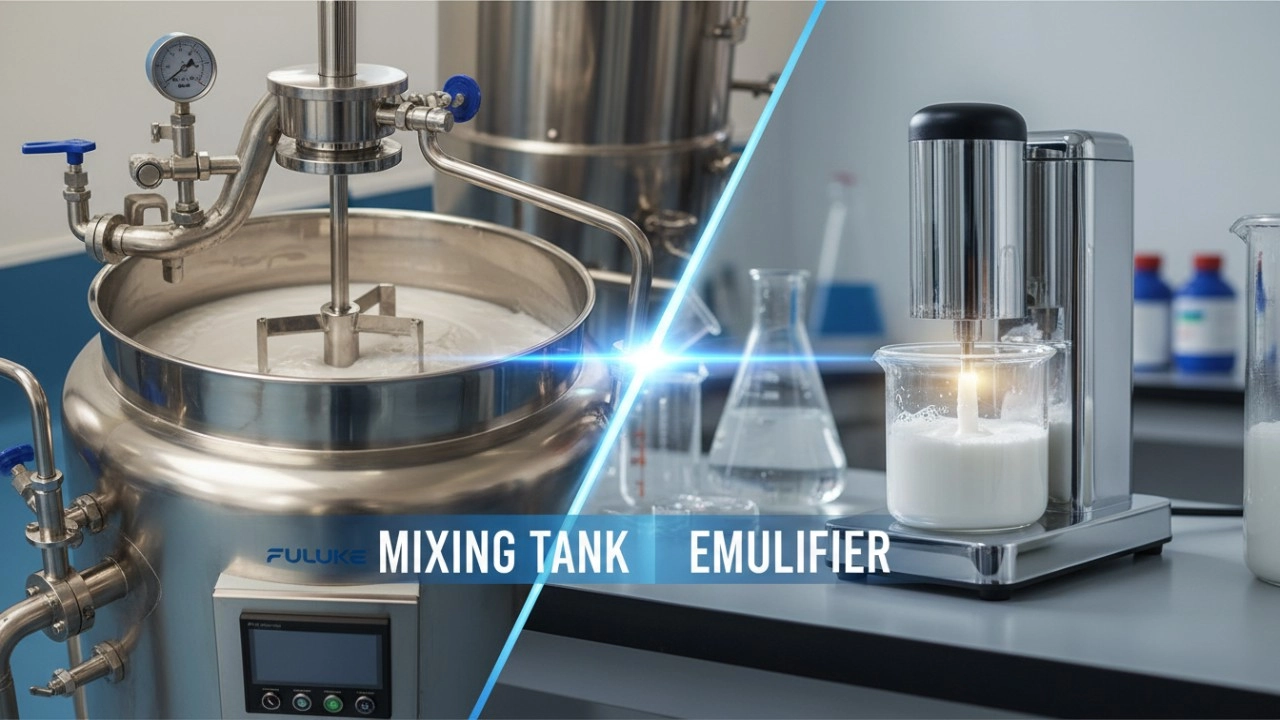
High-Shear Emulsifier vs. Standard Mixing Tank: A Deep Dive into Process Efficiency
How it Works: The Science Behind Multifunctional Mixing Tank Technology & Performance (2026 Guide)
The Ultimate Guide to Multifunctional Mixing Tanks: Maximize ROI and Efficiency [2026 Edition]
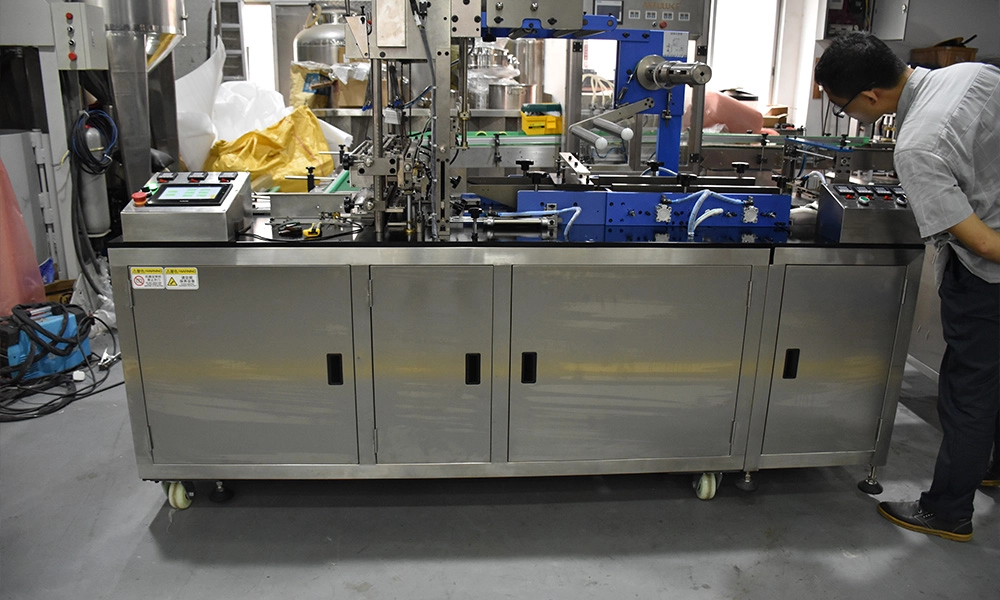
Beyond tobacco! 3D cigarette packaging machine applications in transparent film packaging for pharmaceuticals, cosmetics, and food.
Automatic Facial Mask Filling Machine
What can you buy from us?
RO Water Treatment、Vacuum Emulsifying Machine、Homogenizer Mixing Tank、Filling and Capping、labeling Machine、Packing Machine、Storage Tank,etc.
Automatic Filling Machine
We want to fill products in multiple volumes (e.g., 100ml, 250ml, 500ml). Do we need to purchase multiple filling machines?
No, most automatic filling machines support multiple volume adjustments. When purchasing, please confirm the machine's "volume adjustment range" (e.g., 50ml-2000ml) to ensure it covers your desired specifications. Changing volumes simply requires modifying the fill volume parameters on the touchscreen. If the volume difference is significant (e.g., from 100ml to 1000ml), minor adjustments to the filling head height or feed rate may be necessary, without replacing the machine.
Can you make a design for us?
Yes, we can, we provide not only products, but also solutions and designs.
Who are we?
Our headquarters is located in Guangzhou, Guangdong, China, and our factory is located in Yangzhou, Jiangsu. Our products are sold all over the world. We have approximately 50 employees in our company and factory.
RO Water Treatment
Will poor raw water quality (such as high turbidity or hardness) affect the performance of RO equipment?
It can have a significant impact.
Highly turbid raw water (containing large amounts of sediment and colloids) can accelerate clogging of pre-filters (PP cotton) and activated carbon elements, shortening replacement cycles and increasing maintenance costs.Highly hard raw water (containing large amounts of calcium and magnesium ions) can easily form scale (calcium carbonate and magnesium carbonate) on the RO membrane surface, reducing filtration efficiency and even causing irreversible damage, shortening the life of the membrane.For this type of water quality, it is recommended to add a pretreatment device (such as a prefilter or softener) before the RO system to reduce the raw water's turbidity or hardness before entering the RO system.
Get in touch with FULUKE
If you have any comments or good suggestions, please leave us a message, later our professional staff will contact you as soon as possible.
You May Also Like
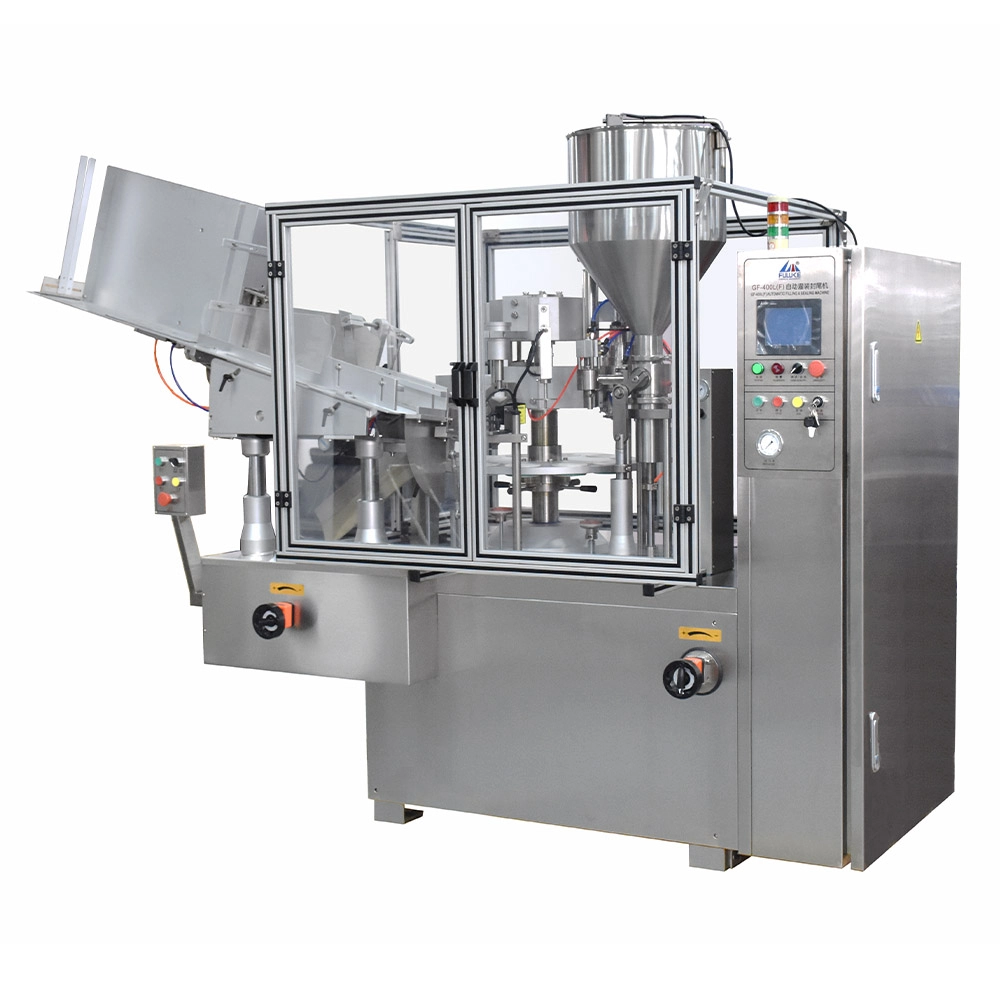
Automatic Tube Filling and Sealing Machine Toothpaste Sunscreen and Facial Cleanser Filling and Sealing Machine for Plastic and Aluminum-plastic Tube
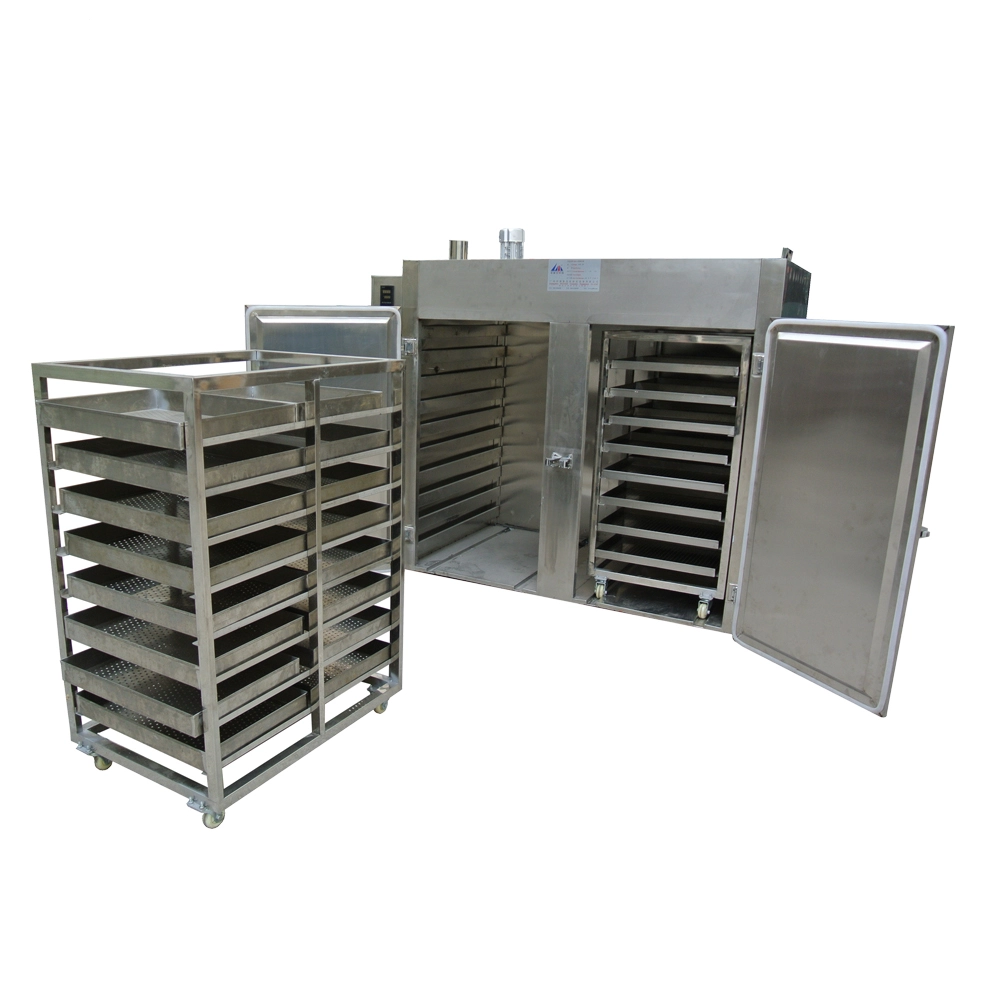
Over for Bottles High Temperature Sterilizer Tray Dryer Large Hot Air Circle Drying Oven for Glass Bottle Jar Cup Can

Automatic Glass Bottle Washing Machine High Quality Glass Bottle Cleaning Washer
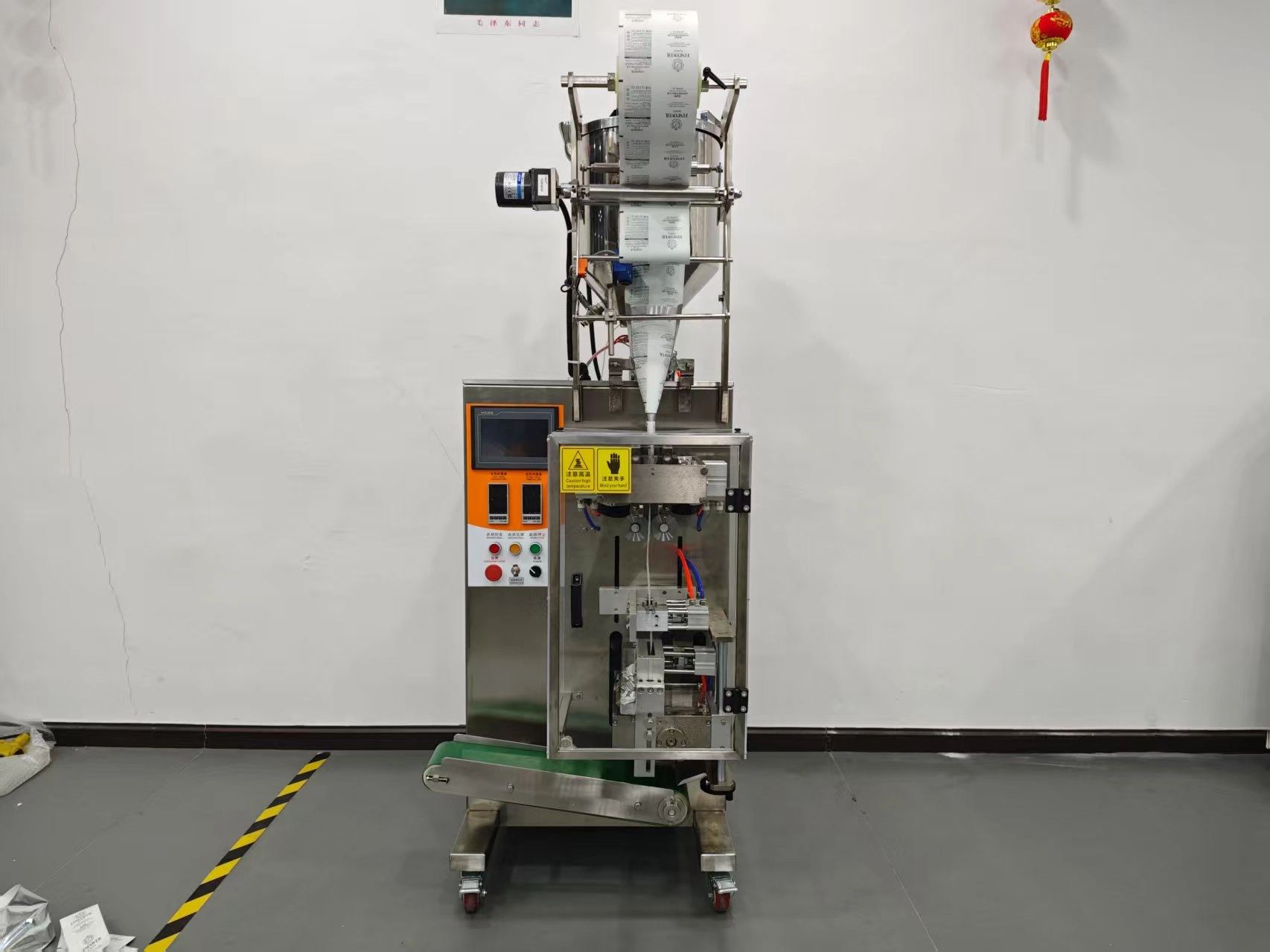
Three-side/four-side sealing bag packaging machine Liquid Paste Jam Cream Sachet Vertical Filling Pouch Packing Machine

A leading manufacturer specializing in advanced machinery and complete production lines for the cosmetics, food, pharmaceutical, and chemical industries worldwide.
Contact FULUKE
Facebook
Instagram
YouTube