
The Ultimate Guide to Multifunctional Mixing Tanks: Maximize ROI and Efficiency [2026 Edition]
- What is a Multifunctional Mixing Tank?
- Quick Summary & Key Takeaways
- How Tank Design and Geometry Maximize Mixing Efficiency
- Data Comparison Table: Traditional vs. Multifunctional Mixing Systems
- 2026 Trends: Automation, AI, and Future-Proofing
- Expert Tips and Common Mistakes to Avoid
- Industry-Leading Solutions with Guangzhou Fuluke Cosmetic Equipment Co., Ltd.
- Conclusion & Call to Action
- Frequently Asked Questions
- How do multifunctional mixing tanks differ from standard agitator tanks?
- What are the best materials for a chemical mixing vessel?
- How does a jacketed mixing tank improve thermal efficiency?
- What is the average ROI timeline for upgrading to a multifunctional tank?
- Can a single mixing tank handle both high-shear and low-shear applications?
- What are the key maintenance requirements for industrial mixing tanks?
- How do I determine the correct liquid-to-diameter ratio for my process?
- Are automated mixing tanks compatible with existing continuous processing lines?
What is a Multifunctional Mixing Tank?
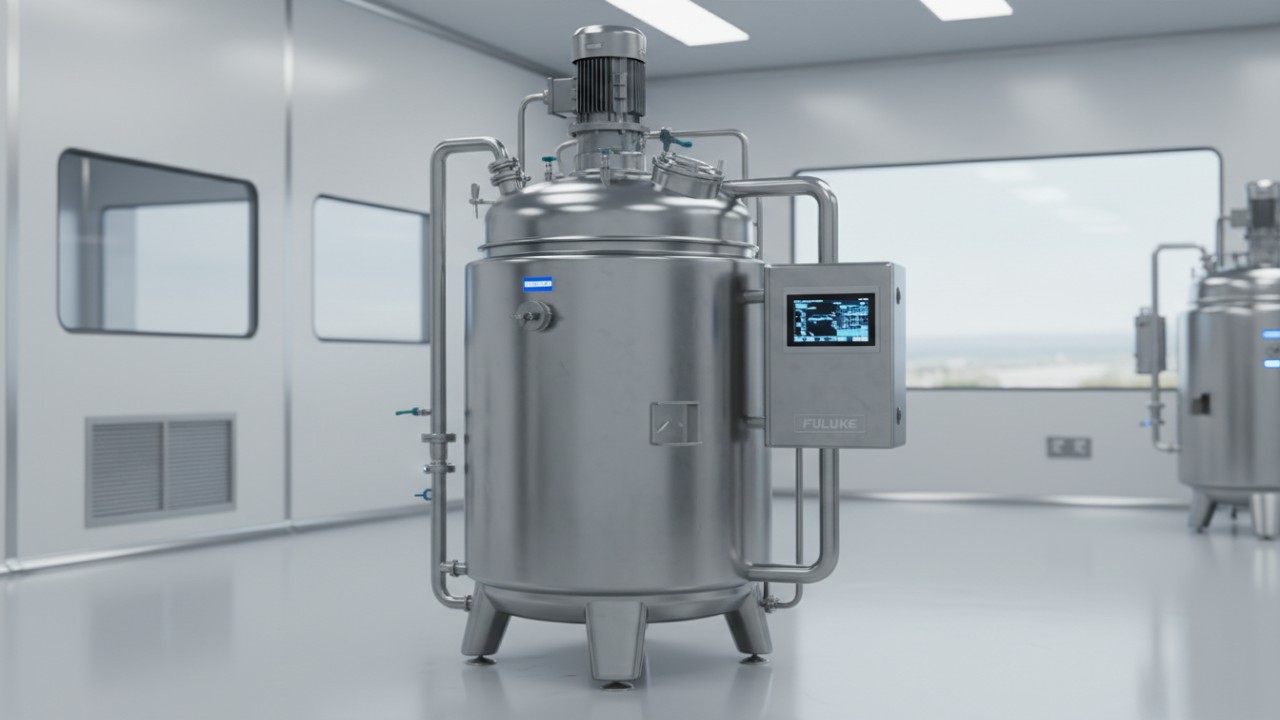
A Multifunctional Mixing Tank is an advanced industrial vessel engineered to execute blending, heating, cooling, and high-shear emulsification within a single unit, eliminating the need for product transfer to maximize operational efficiency and drastically reduce contamination risks in complex manufacturing workflows.
Modern processing facilities are rapidly moving away from single-purpose vessels. Standard holding tanks simply cannot keep up with the rigorous demands of today's fast-paced food, pharmaceutical, and chemical industries. By upgrading to industrial jacketed mixing vessels, manufacturers can streamline their entire operation. These sophisticated systems typically feature double-walled thermal regulation, interchangeable agitators, and robust vacuum capabilities. Consolidating multiple stages of production into one sanitary environment not only protects product integrity but also significantly reduces the physical footprint required on the factory floor.
Quick Summary & Key Takeaways
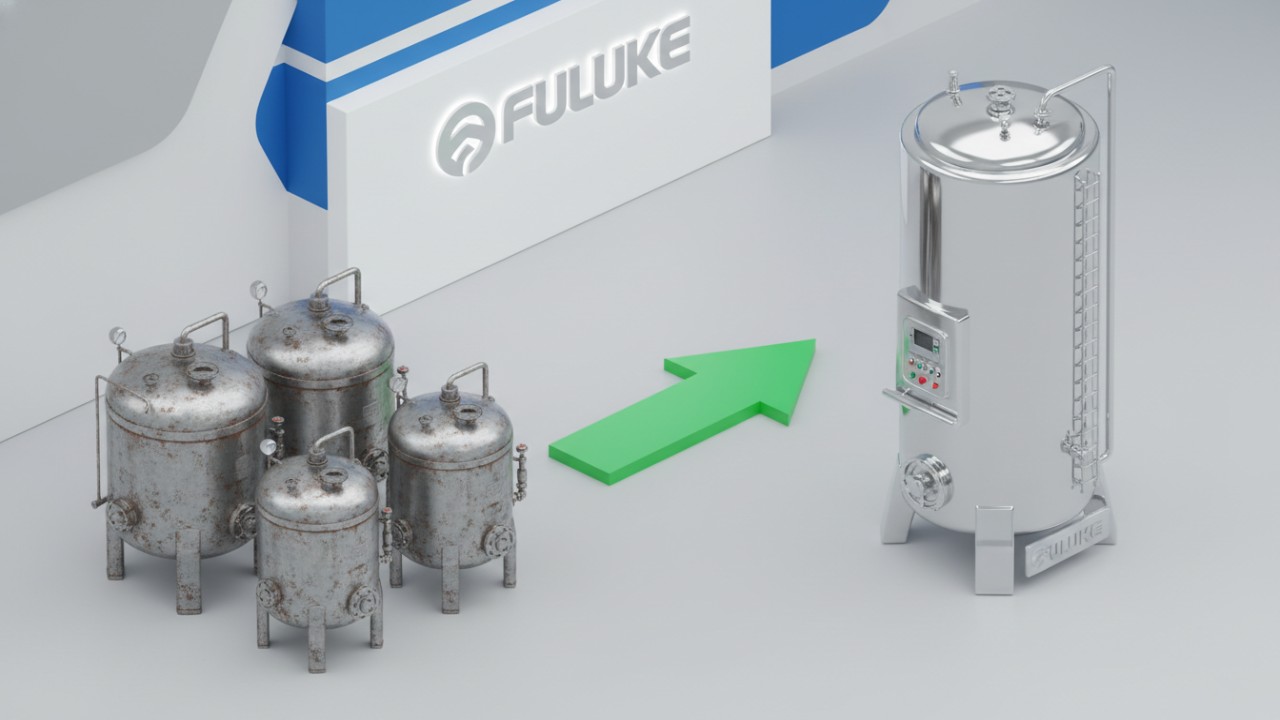
Consolidating processing steps into a single multifunctional tank drastically reduces equipment footprint and capital expenditure, leveraging advanced jacketed designs and automated controls to optimize thermal transfer, minimize batch cycle times, and accelerate return on investment for modern manufacturers.
To understand the true value of these systems, consider the following core advantages:
- Footprint Reduction: Replacing three or four traditional tanks with one multifunctional unit frees up valuable facility space.
- Thermal Optimization: Advanced jacketed designs and customized impeller geometries optimize thermal transfer, preventing hot spots and minimizing batch cycle times.
- Regulatory Compliance: Automating Clean-in-Place (CIP) and mixing parameters ensures strict adherence to international hygiene and safety standards.
- Accelerated ROI: Switching from traditional single-use mixers to multifunctional automated continuous mixing systems significantly accelerates ROI through reduced energy consumption, lower labor costs, and decreased product waste.
How Tank Design and Geometry Maximize Mixing Efficiency
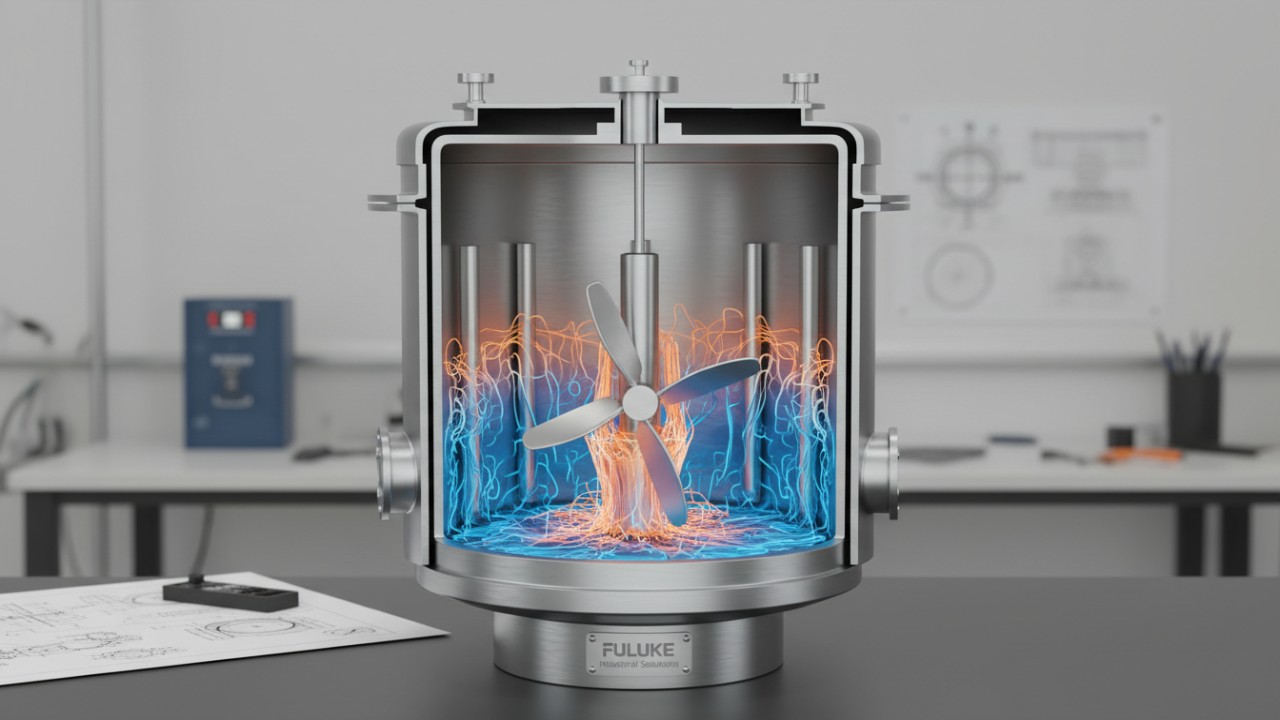
Tank geometry and agitator design dictate fluid dynamics, relying on precise liquid-level-to-diameter ratios and strategic baffle placement to break fluid rotation, prevent vortexing, and ensure perfectly homogenous blends across varying viscosities and shear requirements.
Understanding fluid dynamics is critical when configuring a tank. The Reynolds number (Re) is a dimensionless variable used to characterize fluid motion, determining whether the flow inside the vessel is laminar or turbulent. As noted by industry experts regarding bioreactor scale-up, the value of Re that marks the transition from laminar to turbulent flow depends heavily on tank and impeller geometry. Proper engineering ensures that the agitator creates enough turbulence to achieve complete solid suspension without introducing unwanted aeration.
Furthermore, the shape of the tank bottom plays a massive role in discharge speed and blending efficacy. Slant, dish, and cone bottoms are carefully selected based on the product's specific gravity. Baffles are frequently welded to the inner walls to disrupt the circular flow of liquids, forcing the product back into the high-shear zone of the agitator.
Material selection is equally vital. The gold standard for sanitary compliance and harsh chemical resistance is 316L stainless steel. According to materials science research, the "L" in 316L denotes a lower carbon content, while the addition of molybdenum makes it exceptionally resistant to chlorides and the extreme heat of sterilization processes. For environments dealing with highly aggressive acids where even 316L is insufficient, specialized solutions like a Polypropylene PP Mixing Tank Anti-Corrosion Mixer provide necessary chemical resistance while maintaining mixing efficiency.
Data Comparison Table: Traditional vs. Multifunctional Mixing Systems
Comparing traditional multi-vessel setups to modern multifunctional mixing systems reveals significant advantages in spatial efficiency, energy retention, and production speed, ultimately reducing the total cost of ownership and accelerating the ROI timeline to under 24 months.
| Performance Metric | Traditional Single-Use Systems | Multifunctional Mixing Tanks | Business Impact |
|---|---|---|---|
| Equipment Footprint | Requires 3+ separate vessels | Requires 1 compact unit | Maximizes floor space for expansion |
| Energy Consumption | High heat loss during transfers | Reduces energy waste by up to 30% | Lowers monthly utility overhead |
| Batch Turnaround Time | Slower due to pumping/transfer | Speeds up production by 40% | Increases daily yield and revenue |
| Contamination Risk | High (multiple exposure points) | Near Zero (closed-loop system) | Ensures GMP/FDA compliance |
| ROI Timeline | 3 to 5 years | 18 to 24 months | Rapid capital recovery |
2026 Trends: Automation, AI, and Future-Proofing
The future of fluid processing relies on integrating smart sensors, AI-driven predictive maintenance, and fully automated cleaning protocols into mixing systems to ensure real-time quality control, minimize downtime, and seamlessly connect with modern continuous processing lines.
As we move deeper into 2026, the reliance on manual sampling is becoming obsolete. Modern multifunctional cooker cooler tanks are now equipped with smart sensors that monitor viscosity, temperature, and pH in real-time. This data feeds into AI-driven predictive maintenance algorithms capable of identifying mechanical seal wear and drive system fatigue long before a catastrophic failure halts production.
Moreover, fully automated Clean-in-Place (CIP) and Sterilize-in-Place (SIP) protocols are now standard. These systems are tailored to use minimal water and chemicals while guaranteeing sanitation. The FDA's Current Good Manufacturing Practice (CGMP) regulations set strict guidelines for equipment sanitation, and automated CIP systems provide a way for facilities to incorporate cleaning that meets these stringent industry requirements while reducing workplace hazards. Seamless integration with modern SCADA (Supervisory Control and Data Acquisition) systems allows operators to manage these complex continuous processing lines from a single digital dashboard.
Expert Tips and Common Mistakes to Avoid
Avoiding common procurement and operational mistakes—such as ignoring viscosity changes during thermal cycles or under-sizing tank headspace—requires specifying variable frequency drives and sizing vessels for 80% maximum working volume to guarantee optimal agitation and longevity.
When investing in stainless steel agitator tanks, facility managers often make critical errors that hinder performance:
- Mistake: Ignoring how product viscosity changes as it heats or cools, which can severely overload the drive system.
- Expert Tip: Always specify Variable Frequency Drives (VFDs). A VFD allows the operator to adjust shear rates dynamically as the product consistency shifts from a thin liquid to a thick paste.
- Mistake: Choosing a single-wall tank to save money upfront, only to realize future product lines require precise temperature control.
- Expert Tip: Invest in jacketed tanks from the start. Sizing your multifunctional tank for 80% of its maximum working volume ensures adequate headspace for vigorous agitation without overflowing.
- Mistake: Overlooking the ergonomics of ingredient addition.
- Expert Tip: Utilize designs like a Flip Cover Multi-function Liquid Wash Mixing Tank to allow operators easy access for adding trace ingredients or performing visual inspections safely.
Industry-Leading Solutions with Guangzhou Fuluke Cosmetic Equipment Co., Ltd.
Guangzhou Fuluke Cosmetic Equipment Co., Ltd. engineers customized multifunctional mixing tanks tailored to complex viscosity and shear requirements, leveraging over 30 years of global expertise to deliver GMP-compliant solutions that enhance efficiency, batch consistency, and production safety.
Finding the right high-shear blending equipment requires a partner who understands the nuances of your specific industry. At FULUKE, we integrate engineering design, precision machining, and automation control to build systems that solve real-world manufacturing bottlenecks. Our product portfolio covers the entire production process, ensuring that every vessel meets stringent ISO and international hygiene standards.
In a recent real-world case study, a cosmetics manufacturer was struggling with extended production times due to inefficient heating and transferring between holding tanks. By implementing our proprietary jacketed high-shear vessels, the client successfully reduced their batch times by 45%. We provided comprehensive support—from initial 3D modeling and fluid dynamic simulations to final installation and FAT (Factory Acceptance Testing). Whether you need a complex automated system or a standard Stainless Steel Mixer Liquid Mixing tank, our equipment is engineered to reduce energy consumption and support seamless production scaling.
Conclusion & Call to Action
Upgrading to a multifunctional mixing tank is the most effective strategy to maximize production efficiency, minimize floor space, and guarantee a rapid return on investment by future-proofing operations against rising energy and labor costs in 2026.
By leveraging automated controls, advanced geometries, and multi-process capabilities, manufacturers can eliminate the inefficiencies of traditional batch processing. Investing in high-quality, perfectly engineered equipment not only protects your product's integrity but ensures your facility remains competitive in an increasingly automated industrial landscape.
Contact Guangzhou Fuluke Cosmetic Equipment Co., Ltd. today to discuss your specific needs.
Frequently Asked Questions
How do multifunctional mixing tanks differ from standard agitator tanks?
Standard agitator tanks are primarily designed for simple blending and holding. Multifunctional tanks can blend, heat, cool, emulsify, and operate under vacuum or pressure within a single vessel. They eliminate the need to transfer products between different machines for different stages of production.
What are the best materials for a chemical mixing vessel?
304 stainless steel is common for mild chemicals and general industrial use. 316L stainless steel is the standard for highly corrosive chemicals, food, and pharmaceuticals due to its molybdenum content. High-grade alloys like Hastelloy or specialized plastic linings are used for extreme acidic or aggressive environments.
How does a jacketed mixing tank improve thermal efficiency?
A jacketed tank features a double-wall construction that allows heating or cooling fluids (like steam, water, or glycol) to circulate around the inner vessel. This provides even, consistent heat transfer across a large surface area. It prevents hot spots, burning, or uneven cooling, drastically improving overall energy efficiency.
What is the average ROI timeline for upgrading to a multifunctional tank?
The typical ROI timeline ranges from 18 to 24 months depending on the production scale. Savings are generated through reduced labor, lower energy consumption, minimized product loss during transfers, and faster batch cycles. Decreased maintenance on multiple separate machines also contributes to a faster ROI.
Can a single mixing tank handle both high-shear and low-shear applications?
Yes, if it is equipped with a dual-agitation or multi-shaft system. These tanks typically feature a slow-moving anchor or scraper blade for bulk movement and an independent high-shear rotor-stator for emulsification. Variable Frequency Drives (VFDs) also allow operators to adjust the speed of the agitators based on the current process requirement.
What are the key maintenance requirements for industrial mixing tanks?
Regular inspection of mechanical seals and O-rings to prevent leaks and contamination is essential. Operators must monitor gearbox oil levels and grease bearings in the drive system. Routine validation of CIP spray balls is also required to ensure no clogging occurs and sanitary standards are maintained.
How do I determine the correct liquid-to-diameter ratio for my process?
The optimal ratio depends on the specific gravity and viscosity of the product. A standard rule of thumb for general blending is a 1:1 ratio of liquid height to tank diameter. For gas dispersion or highly viscous materials, taller tanks with multiple impeller stages may be required.
Are automated mixing tanks compatible with existing continuous processing lines?
Yes, modern multifunctional tanks are designed with advanced PLCs and smart sensors. They can easily integrate into SCADA systems to communicate with upstream feed lines and downstream packaging equipment. This integration allows for a seamless transition between batch phases and continuous flow operations.
How to quickly resolve issues such as blurry text, broken lines, scattered dots, and non-printing of ink?
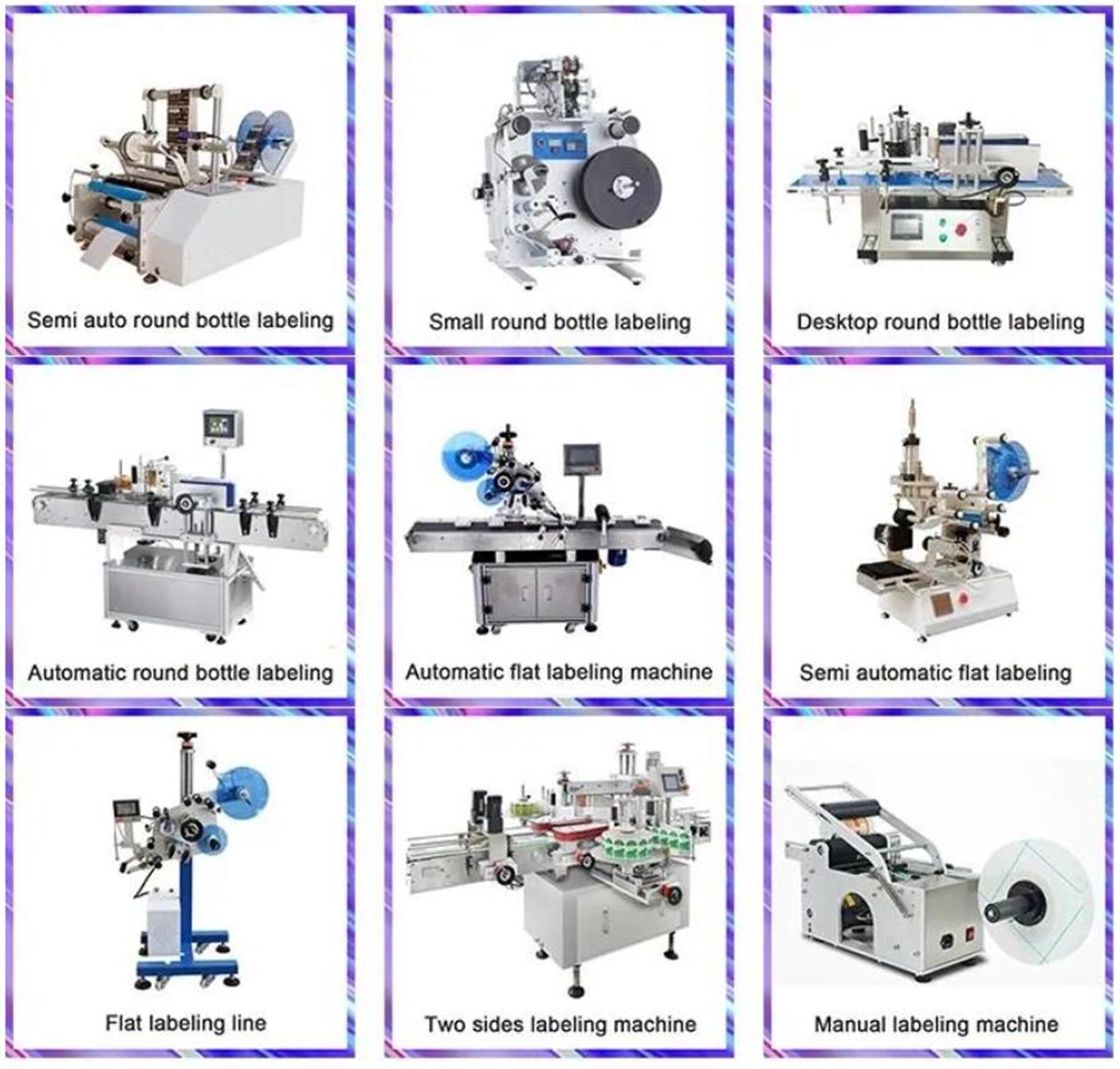
Improving Packaging Efficiency: Applications and Advantages of Fully Automatic Labeling Machines in Production Lines

Understanding Servo Capping Machines: The Core Logic of Precise Capping – Understand the Entire Working Process in Seconds
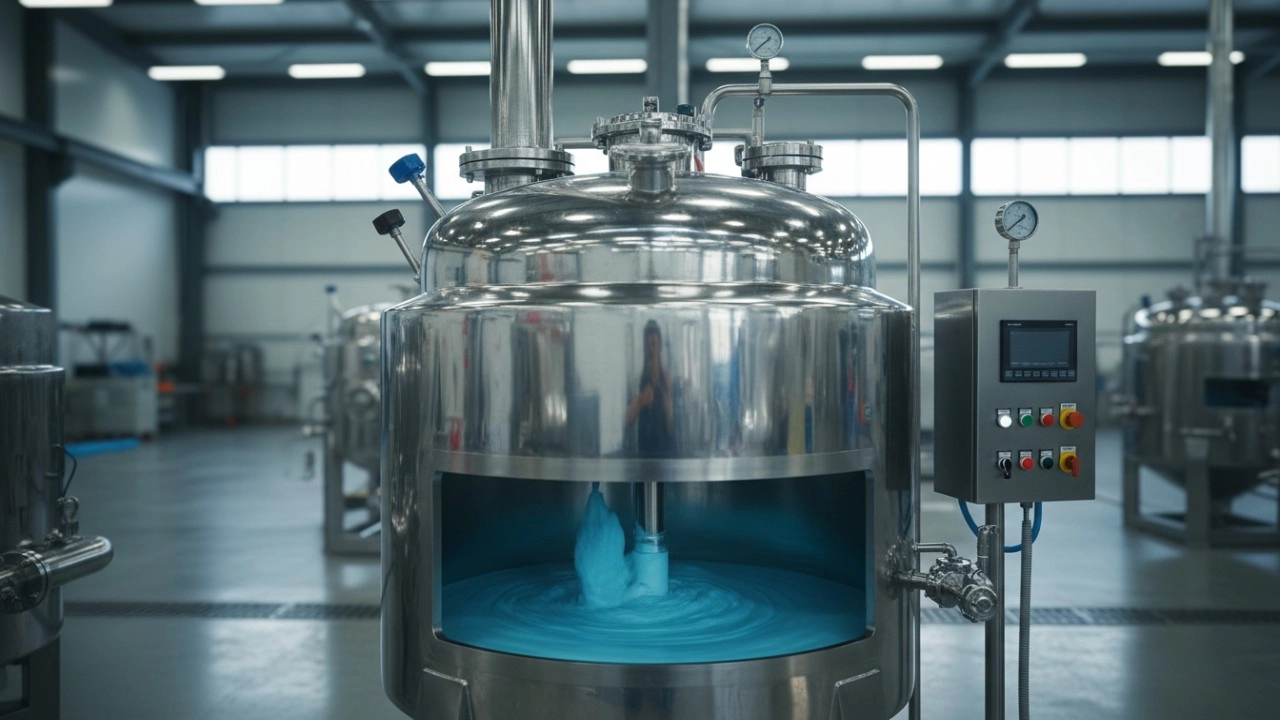
The Future of Industrial Agitation: 5 Smart Mixing Tank Technologies Changing the Game
Sealed Homogenizing Mixing Tank
Who are we?
Our headquarters is located in Guangzhou, Guangdong, China, and our factory is located in Yangzhou, Jiangsu. Our products are sold all over the world. We have approximately 50 employees in our company and factory.
Automatic Filling Machine
Can you make a design for us?
Yes, we can, we provide not only products, but also solutions and designs.
Vacuum Emulsifying Machine
Who are we?
Our headquarters is located in Guangzhou, Guangdong, China, and our factory is located in Yangzhou, Jiangsu. Our products are sold all over the world. We have approximately 50 employees in our company and factory.
Automatic Labeling Machine
What can you buy from us?
RO Water Treatment、Vacuum Emulsifying Machine、Homogenizer Mixing Tank、Filling and Capping、labeling Machine、Packing Machine、Storage Tank,etc.
Perfume Filling Machine
When changing fragrance formulas, how can we prevent cross-contamination between different formulas?
All equipment components that come into contact with materials are made of food-grade 316/304 stainless steel, some of which can be customized with PTFE anti-corrosion linings. This material is easy to clean and does not absorb fragrance ingredients. When changing formulas, a dedicated cleaning solution is used for circulating flushing, and key components can be manually disassembled for secondary cleaning to completely eliminate cross-contamination and meet the needs of alternating production with multiple formulas.
Get in touch with FULUKE
If you have any comments or good suggestions, please leave us a message, later our professional staff will contact you as soon as possible.
You May Also Like
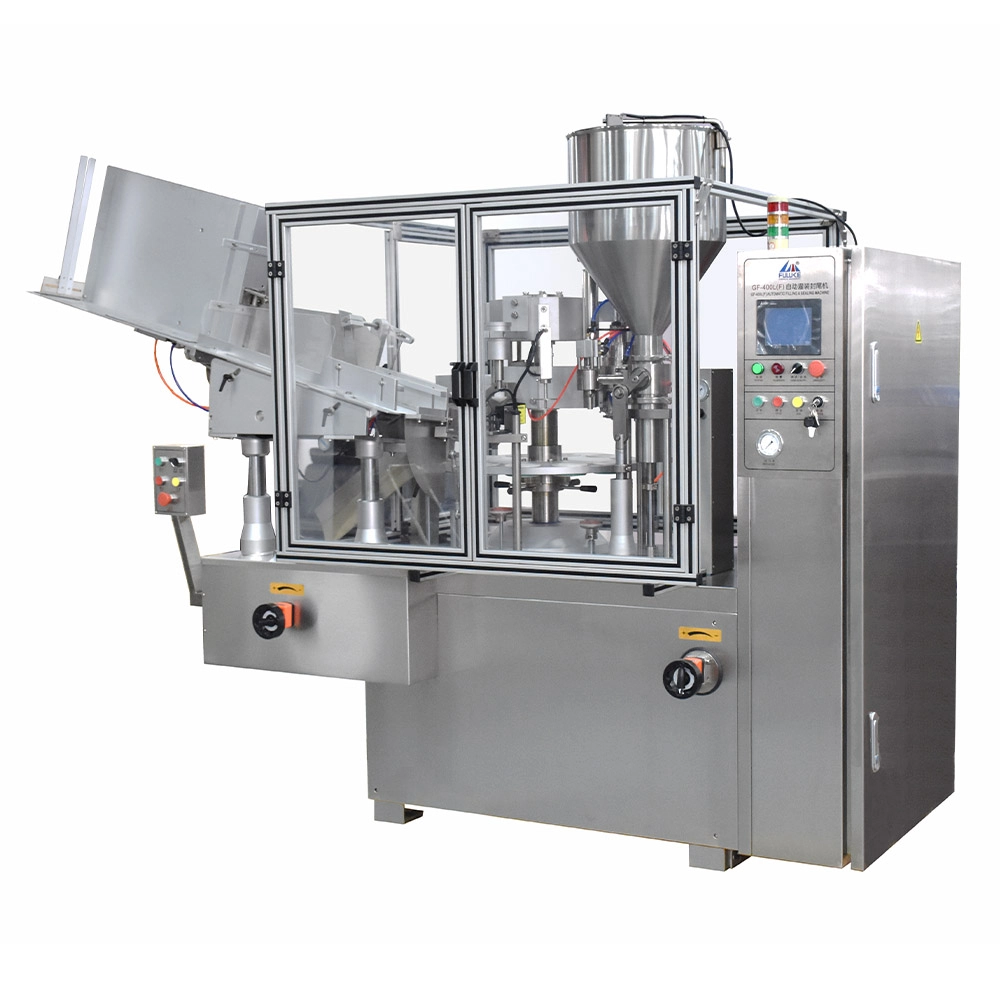
Automatic Tube Filling and Sealing Machine Toothpaste Sunscreen and Facial Cleanser Filling and Sealing Machine for Plastic and Aluminum-plastic Tube

Automatic Glass Bottle Washing Machine High Quality Glass Bottle Cleaning Washer
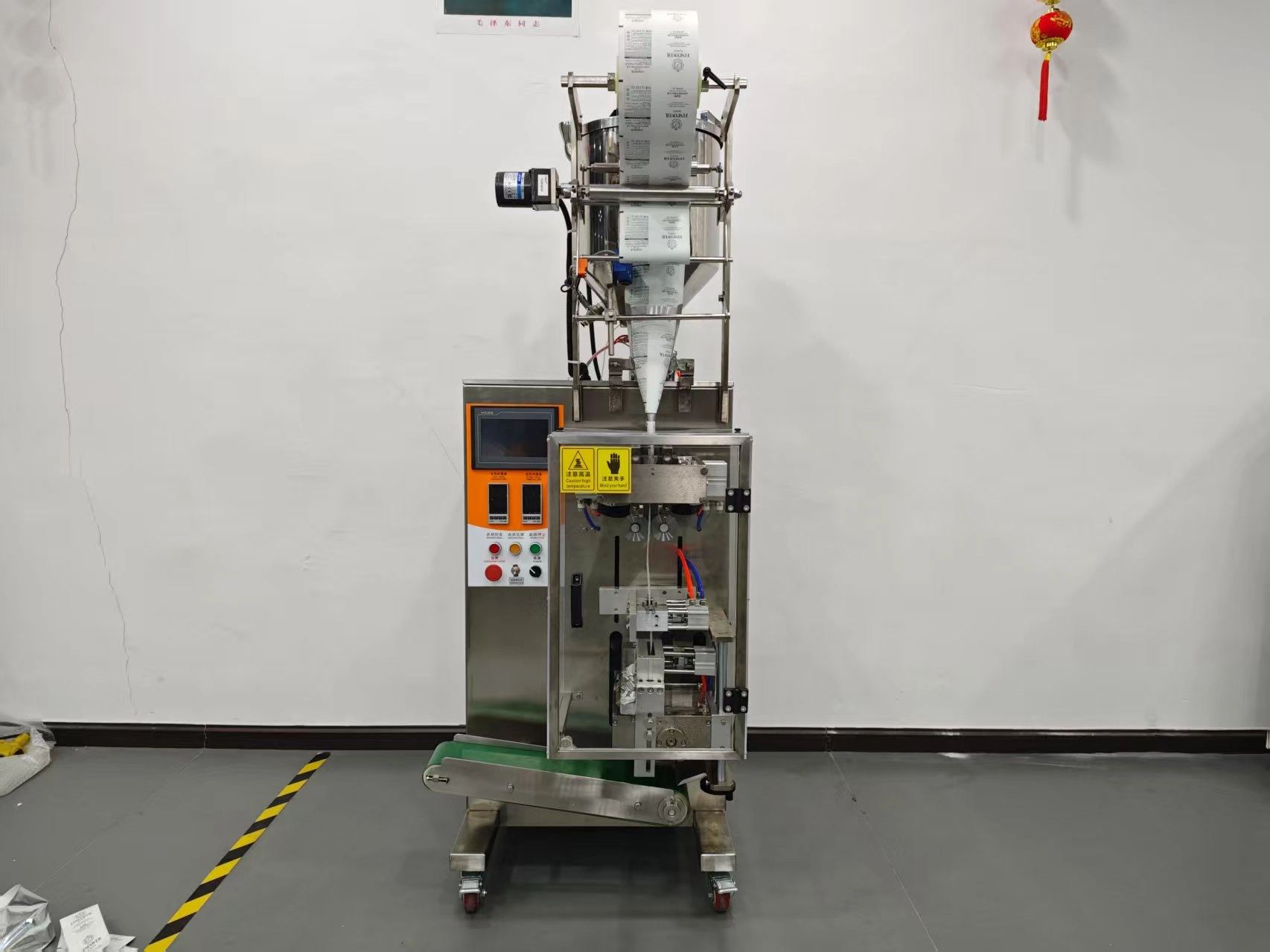
Three-side/four-side sealing bag packaging machine Liquid Paste Jam Cream Sachet Vertical Filling Pouch Packing Machine
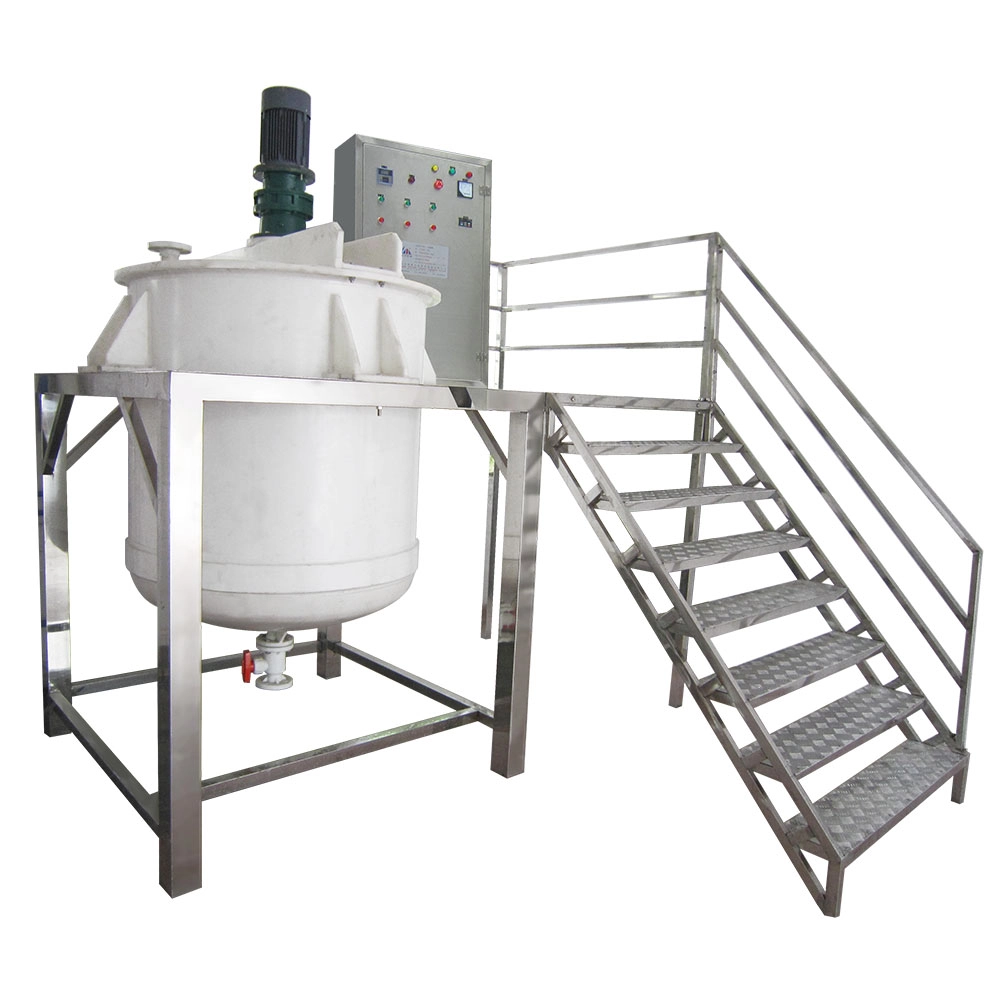
Polypropylene PP Mixing Tank Anti-Corrosion Mixer Reaction Kettle with Agitator Chemical Mixing Vessel

A leading manufacturer specializing in advanced machinery and complete production lines for the cosmetics, food, pharmaceutical, and chemical industries worldwide.
Contact FULUKE
Facebook
Instagram
YouTube