
RO water treatment: From equipment to treated water, building a robust defense line for safe and compliant drinking water.
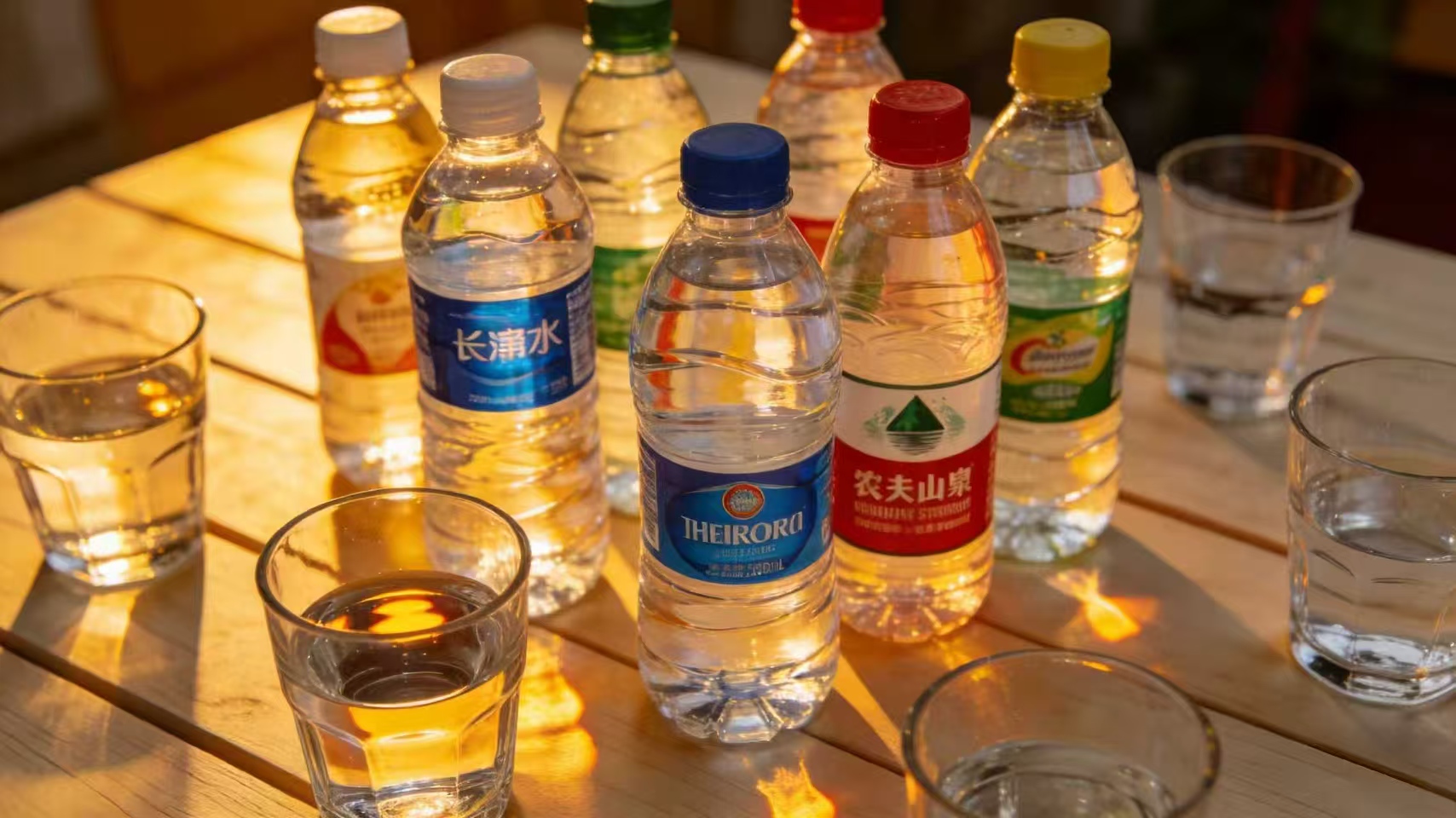
Reverse osmosis (RO) technology is currently the mainstream method for purifying drinking water, effectively filtering out impurities, heavy metals, and microorganisms. However, to consistently produce drinking water that meets national standards (GB 5749), it is crucial to control the four core aspects: equipment, process, operation and maintenance, and testing. Although the process is not complex, every step must adhere to compliance standards.
1. Choosing the Right Equipment: Eliminating Risks from the Source
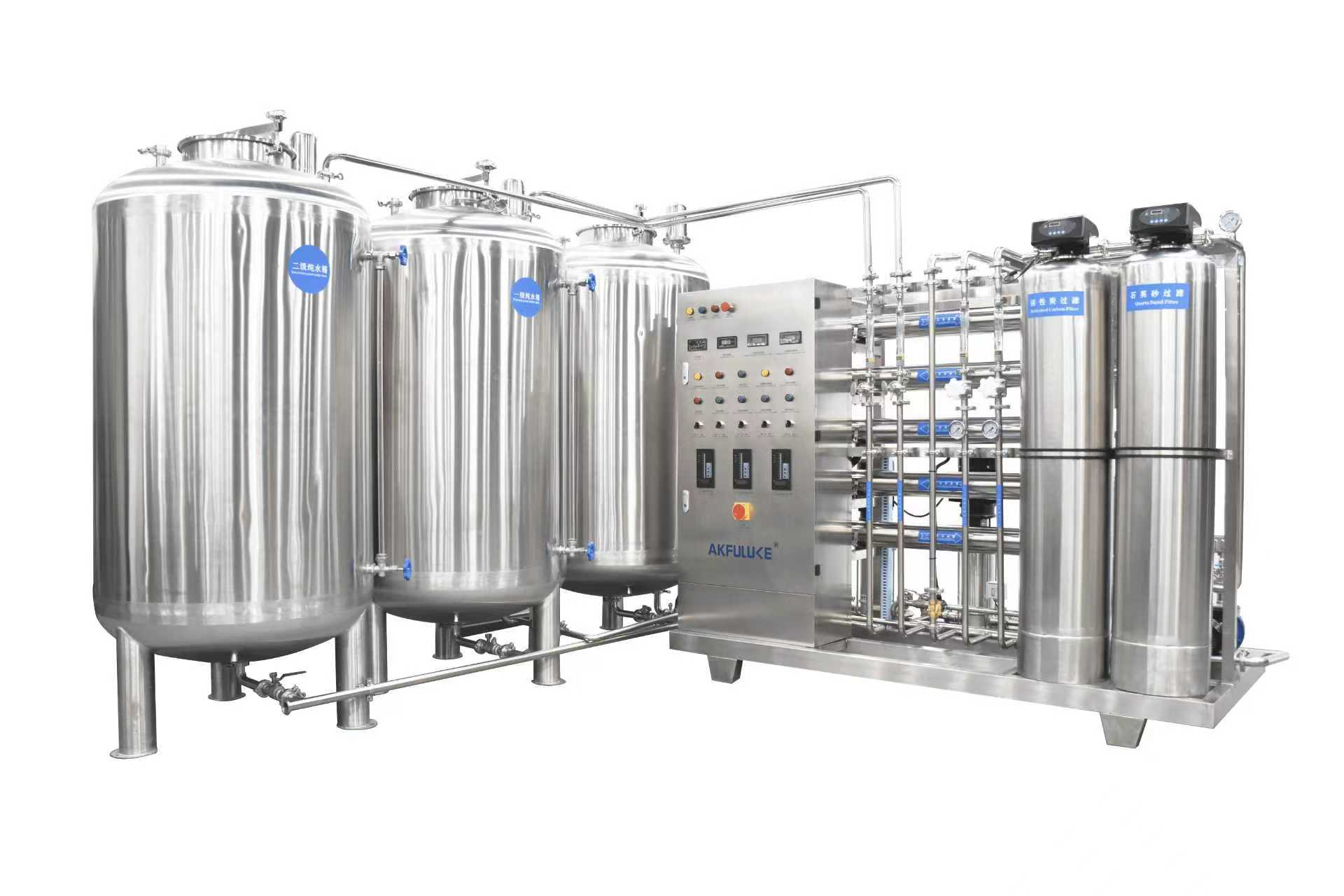
Equipment is the foundation of compliance, and the core principle is that "all components that come into contact with water must meet the required standards." The RO membrane should be a composite membrane that meets food-grade standards, ensuring no harmful substances are released and that the desalination rate meets the requirements; pipes, filter cartridges, and water storage tanks must be made of food-grade materials, rejecting recycled materials or inferior parts. At the same time, the equipment structure must be reasonable, avoiding "dead zones" where water flow stagnates to prevent bacterial growth, and the concentrated water pipe and product water pipe must be physically separated to prevent backflow contamination.
2. Strict Process Control: Ensuring Core Purification Steps
The core process of RO water treatment consists of three steps: "pre-treatment - reverse osmosis - post-treatment." Successfully completing these three steps ensures stable water quality. Pre-treatment removes suspended solids and residual chlorine from the raw water, protecting the RO membrane from damage; the reverse osmosis stage controls pressure and water temperature to ensure the conductivity of the treated water is ≤10μS/cm, effectively removing most harmful substances; post-treatment can involve UV or ozone sterilization, and if improved taste is desired, beneficial minerals can be added in moderation, while ensuring the mineral content complies with regulations.
3. Daily Operation and Maintenance: Maintaining Stable Equipment Performance
Compliance is not a one-time achievement, but rather a long-term commitment to stability. Regular monitoring of water quality is essential, including recording key indicators such as conductivity and total bacterial count, and promptly investigating any anomalies. RO membranes should be cleaned scientifically according to the degree of contamination to prevent scaling or microbial growth that could affect water quality. Consumable parts such as filter cartridges and RO membranes must be replaced on time; delaying replacement to save costs will lead to decreased water quality and equipment damage.
4. Testing and Traceability: Holding the Last Line of Defense
After water production, strict testing is required to confirm compliance. Companies with the capability can conduct self-testing; those without should entrust a third-party institution (with CMA certification) for testing, focusing on microbial and heavy metal indicators. Simultaneously, a simple traceability log should be established to record production parameters, cleaning and replacement records, and test results, ensuring that every batch of water is traceable and controllable, preventing the release of substandard products.
Conclusion: The key to producing compliant drinking water through RO water treatment is "standardizing the simple steps." From equipment selection to daily operation and maintenance, from process control to testing and traceability, every step must be taken seriously to continuously produce safe drinking water that everyone can trust.

Understanding Servo Capping Machines: The Core Logic of Precise Capping – Understand the Entire Working Process in Seconds
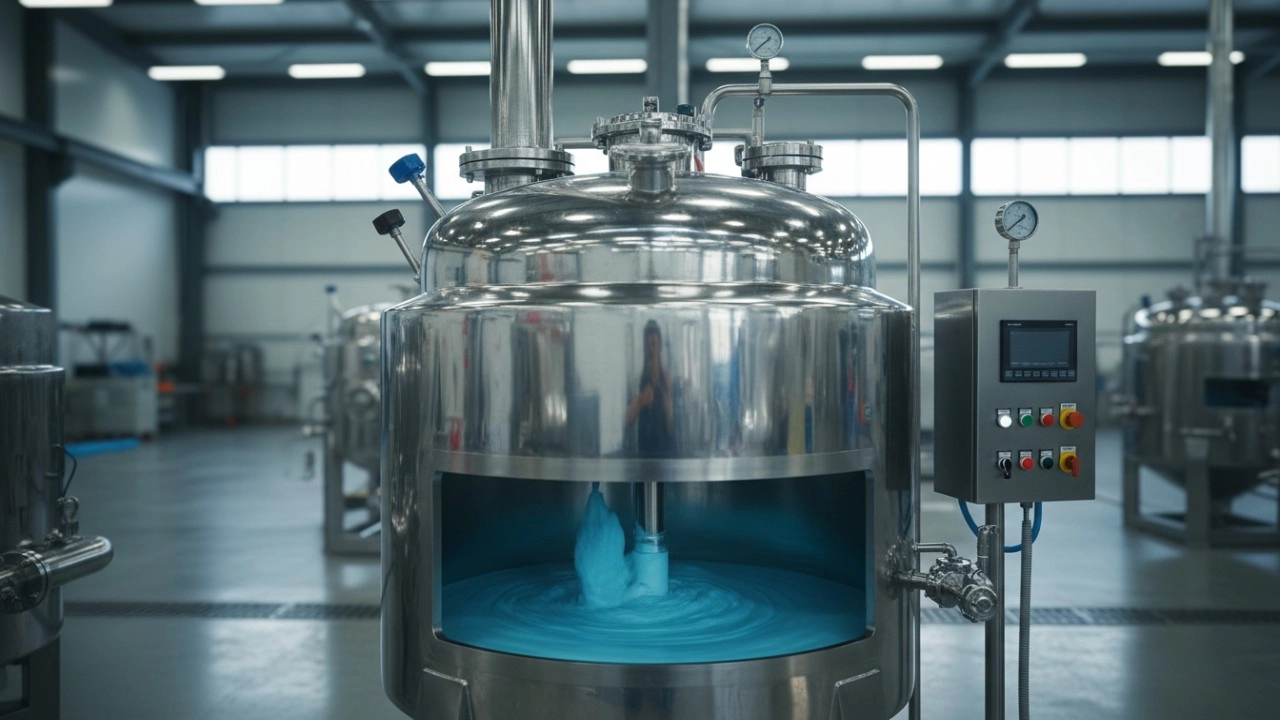
The Future of Industrial Agitation: 5 Smart Mixing Tank Technologies Changing the Game
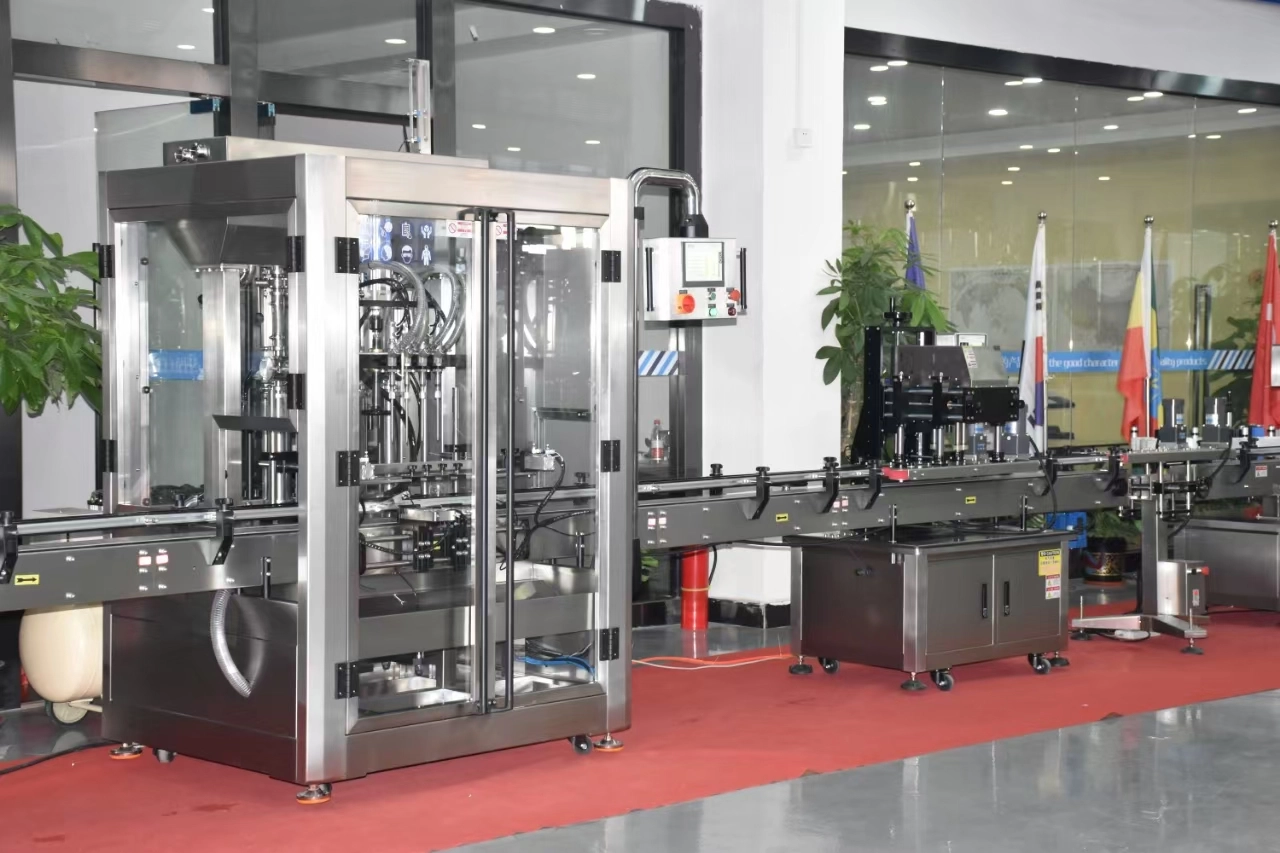
Gear pump filling machine vs. piston filling machine: Key differences broken down to avoid pitfalls in selection.
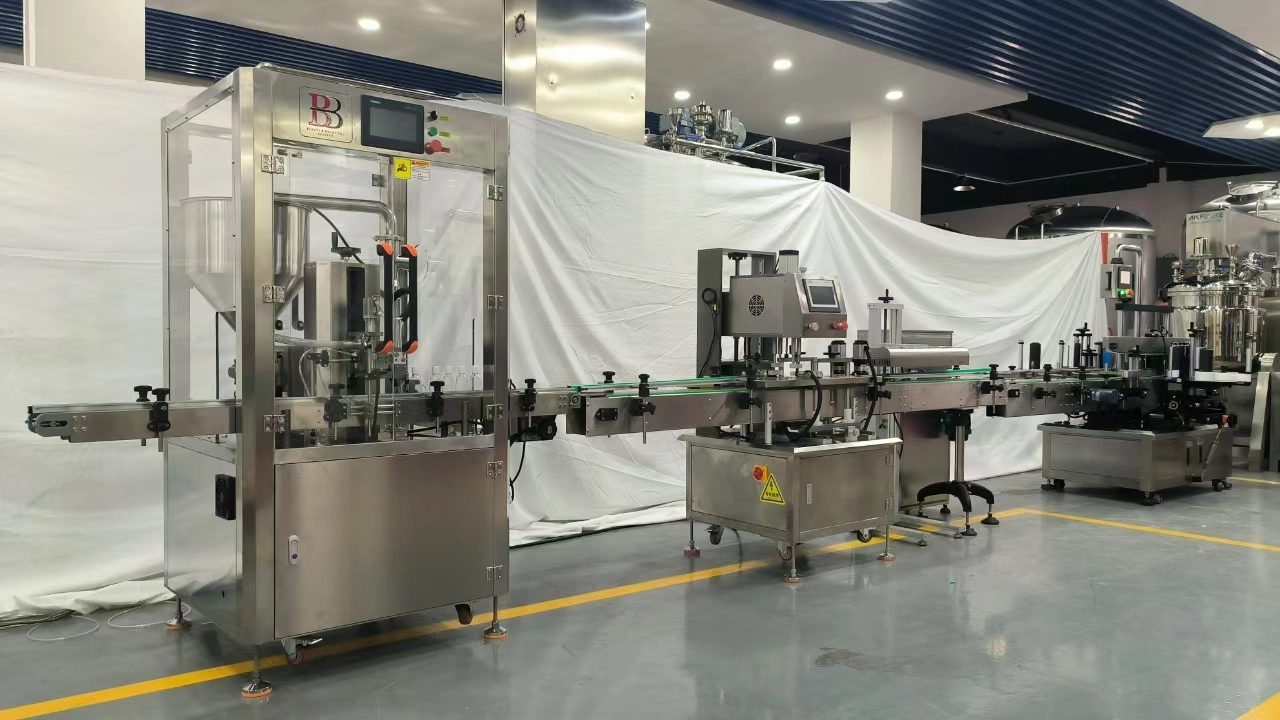
Understand the working principle of a servo gear pump filling machine!
Automatic Capping Machine
Can you make a design for us?
Yes, we can, we provide not only products, but also solutions and designs.
FAQs
Does FULUKE offer customized machinery solutions?
Film Packaging Machine
What can you buy from us?
RO Water Treatment、Vacuum Emulsifying Machine、Homogenizer Mixing Tank、Filling and Capping、labeling Machine、Packing Machine、Storage Tank,etc.
What packaging materials are suitable for this equipment?
It is suitable for transparent paper, BOPP film, and PVC materials.
Perfume Filling Machine
What can you buy from us?
RO Water Treatment、Vacuum Emulsifying Machine、Homogenizer Mixing Tank、Filling and Capping、labeling Machine、Packing Machine、Storage Tank,etc.
Get in touch with FULUKE
If you have any comments or good suggestions, please leave us a message, later our professional staff will contact you as soon as possible.
You May Also Like
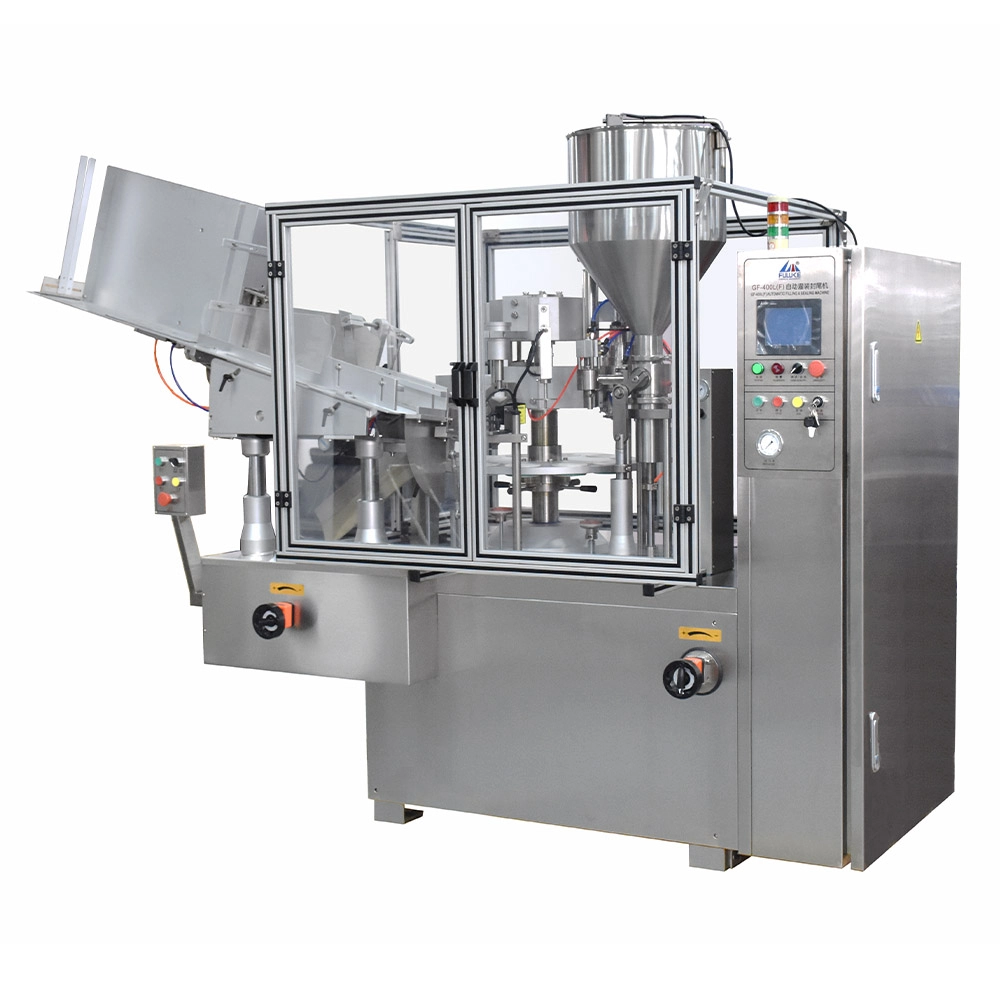
Automatic Tube Filling and Sealing Machine Toothpaste Sunscreen and Facial Cleanser Filling and Sealing Machine for Plastic and Aluminum-plastic Tube
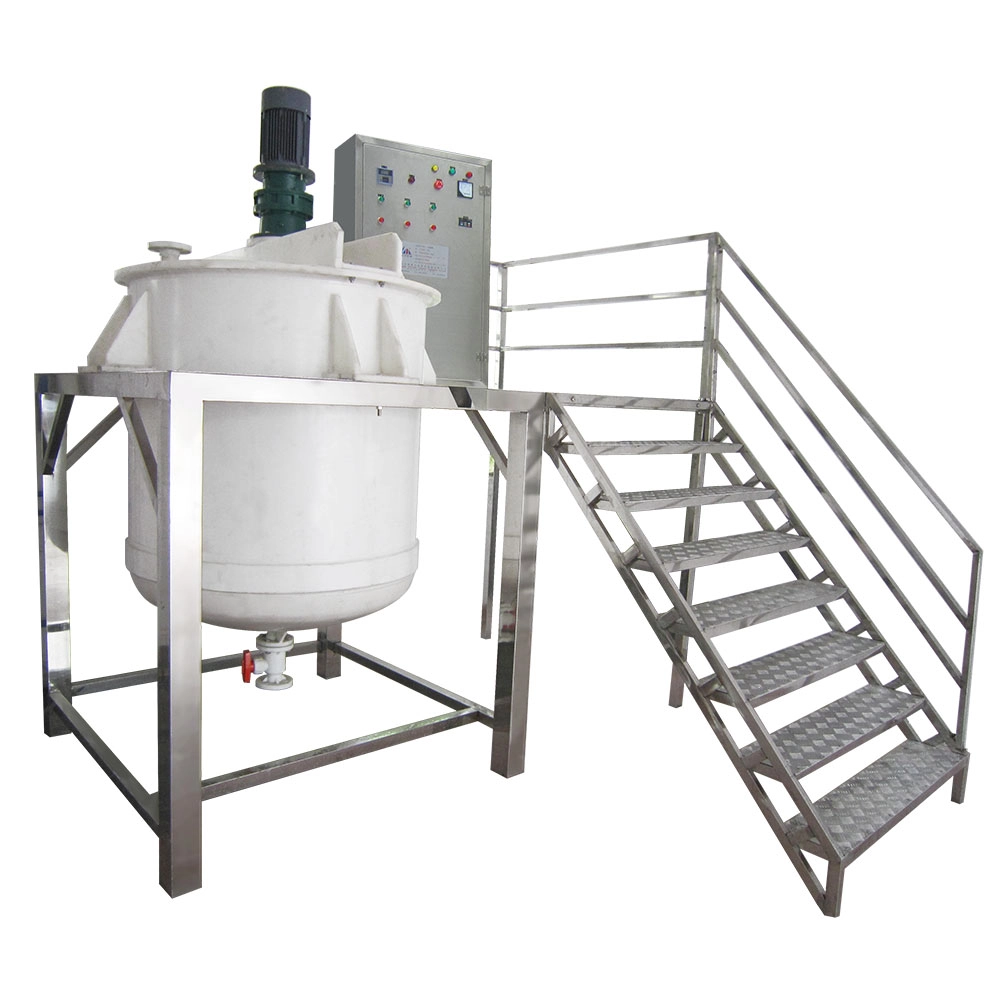
Polypropylene PP Mixing Tank Anti-Corrosion Mixer Reaction Kettle with Agitator Chemical Mixing Vessel
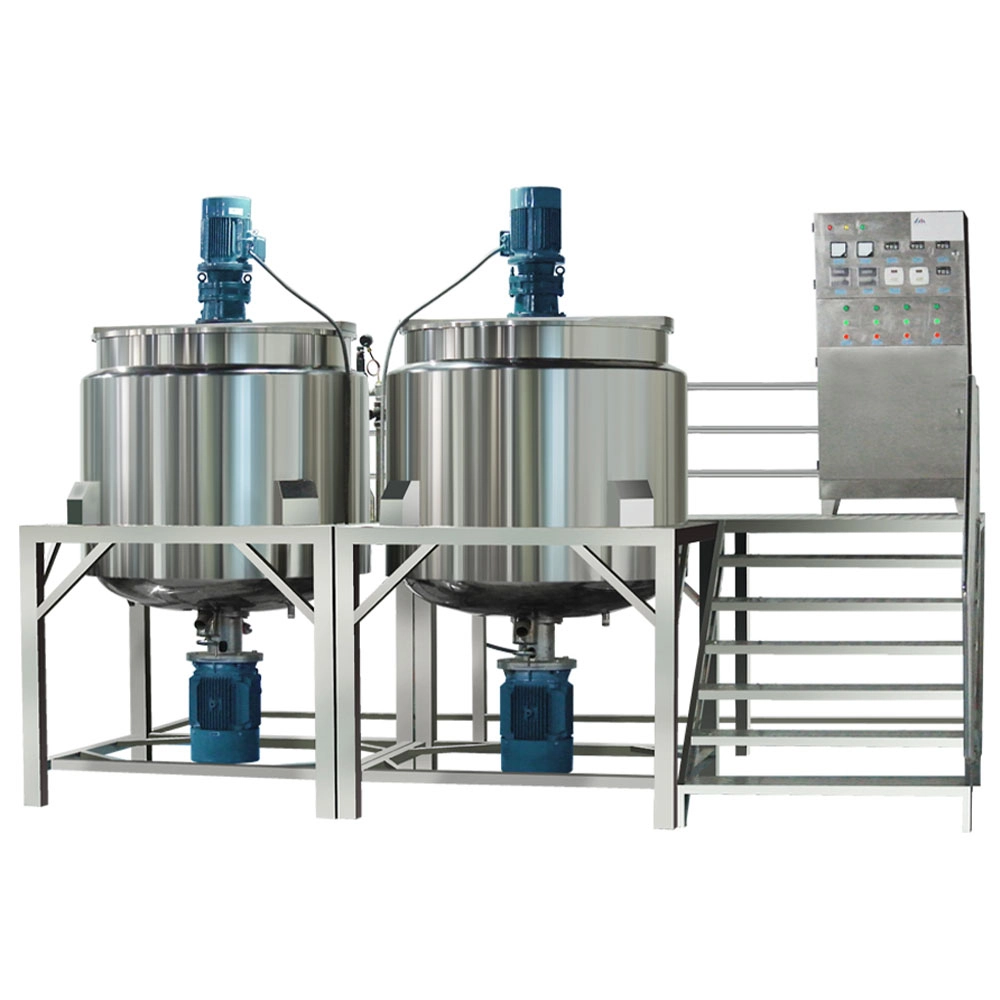
Flip Cover Multi-function Liquid Wash Mixing Tank Blender Liquid Detergent Mixer Homogenization Stirring Tank
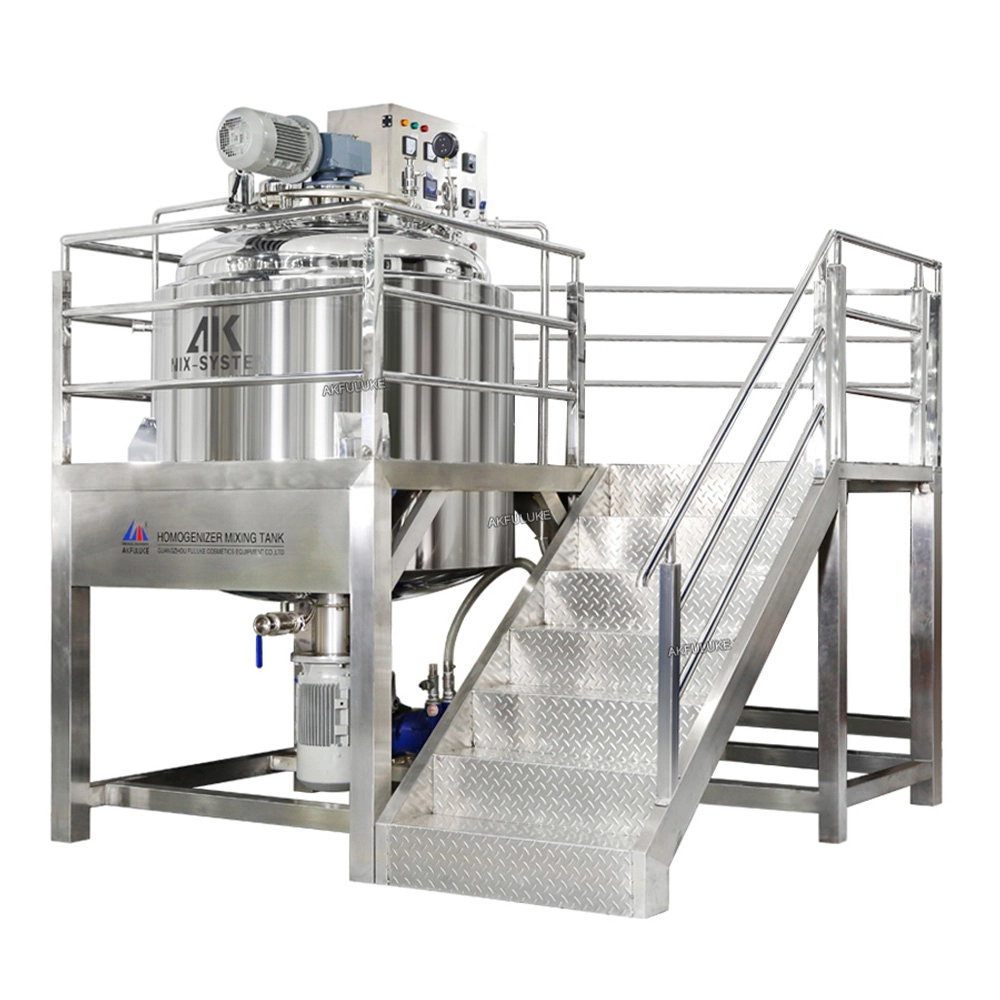
Stainless Steel Mixer Liquid Mixing tank with Agitator Homogenizing Mixing tank Vacuum Sealed Mixer Machine

A leading manufacturer specializing in advanced machinery and complete production lines for the cosmetics, food, pharmaceutical, and chemical industries worldwide.
Contact FULUKE
Facebook
Instagram
YouTube