Industrial mixing is evolving with Industry 4.0. This article explores five cutting-edge technologies—from CFD modeling to IoT integration—that are redefining efficiency, safety, and consistency in manufacturing.
In the rapidly evolving landscape of Industry 4.0, the humble mixing tank is undergoing a radical transformation. No longer just a passive vessel for holding fluids, the modern industrial mixing tank is becoming an intelligent, data-driven hub of production. For manufacturers in the cosmetic, pharmaceutical, and chemical sectors, upgrading to these smart systems is not just about modernization—it is about survival.
Traditional agitation methods often rely on guesswork and manual monitoring, leading to inconsistencies and energy waste. Today, we explore the five smart technologies that are revolutionizing stainless steel mixing tanks, turning them into precision instruments for competitive advantage.
What Defines a 'Smart' Mixing Tank in Industry 4.0?
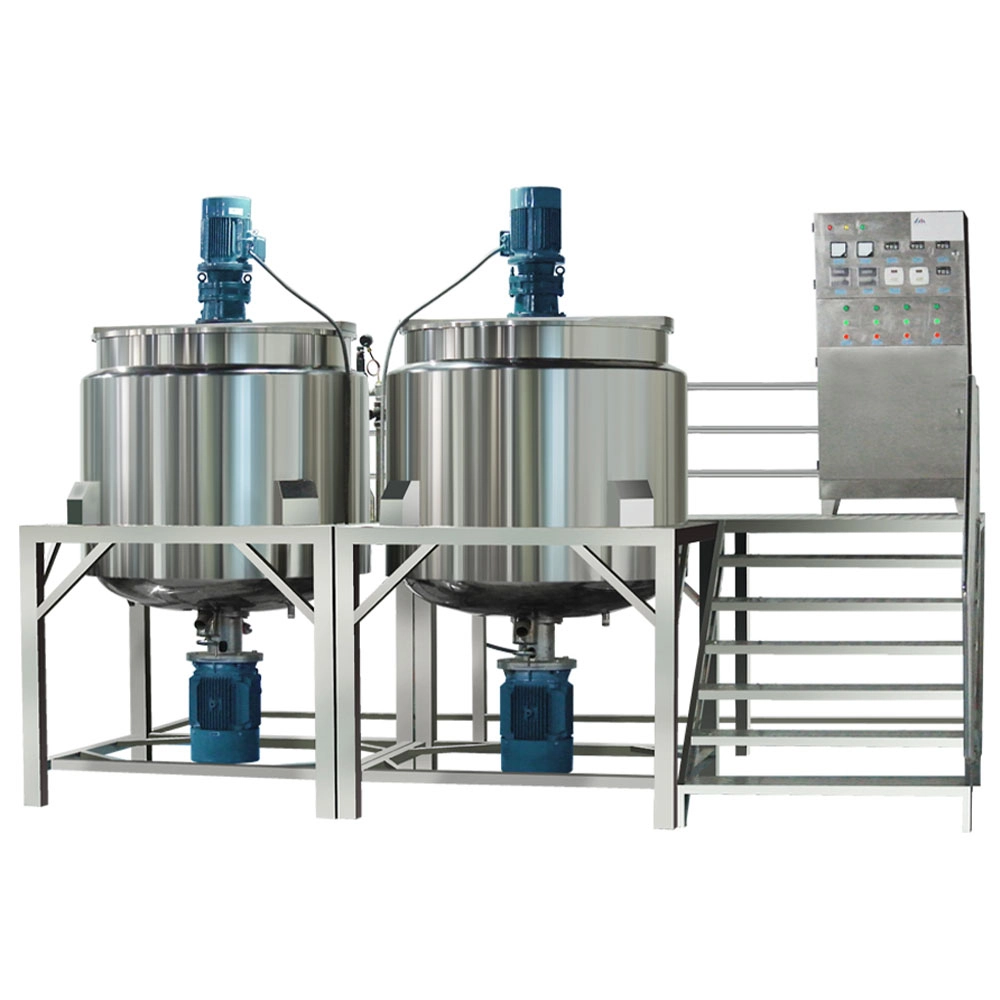
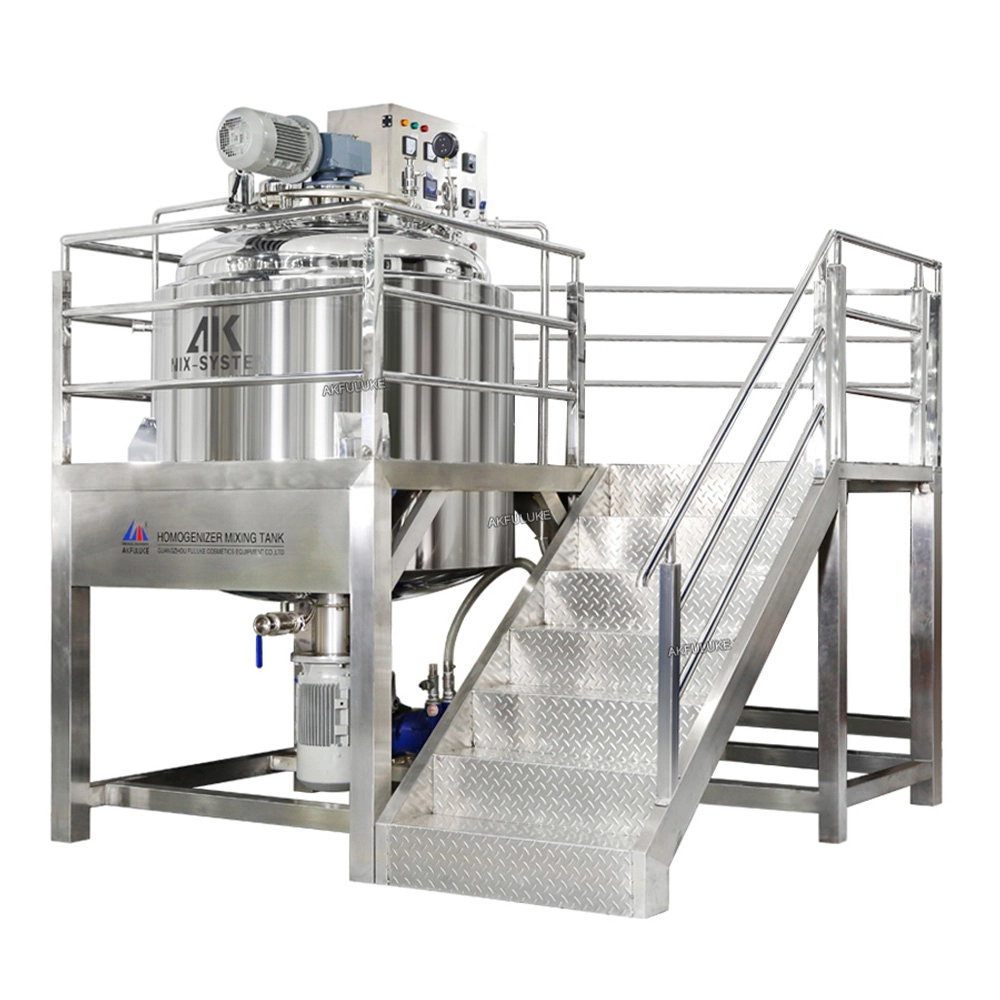
A smart mixing tank is an advanced industrial agitation system integrated with IoT sensors, automated control loops, and variable frequency drives (VFDs) to optimize fluid dynamics in real-time. Unlike static legacy tanks, these systems actively monitor viscosity, temperature, and torque to adjust mixing speeds automatically, ensuring maximum efficiency and consistency.
The transition from "set and forget" to "monitor and adapt" is the core of modern manufacturing. Smart mixing tanks utilize a digital infrastructure that allows operators to visualize the entire process remotely. This shift ensures that every batch meets rigorous quality standards without constant manual intervention.
- Real-time Optimization: Sensors detect changes in fluid properties instantly.
- Data Integration: Seamless connectivity with SCADA and ERP systems.
- Predictive Capabilities: Algorithms foresee equipment failures before they occur.
Tech #1: Computational Fluid Dynamics (CFD) & Digital Twins
Computational Fluid Dynamics (CFD) is a simulation technology that creates a virtual "digital twin" of a mixing tank to predict flow patterns, dead zones, and shear rates before physical fabrication begins. This eliminates the costly trial-and-error phase of tank design.
For complex applications, such as emulsifying non-Newtonian fluids or blending high-viscosity creams, standard mix tank geometries often fail. CFD modeling allows engineers to simulate millions of fluid particles interacting with baffles and impellers. By virtually prototyping the vessel, manufacturers can guarantee that the final stainless mixing tank will perform exactly as required.
- Precision Engineering: Optimizes impeller placement to eliminate dead spots.
- Cost Reduction: Prevents the need for expensive post-fabrication modifications.
- Process Verification: Validates mixing times and homogeneity virtually.
At Guangzhou Fuluke Cosmetic Equipment Co., Ltd., we leverage advanced modeling to custom-engineer agitators. This ensures that even the most challenging formulations achieve perfect uniformity from the very first batch.
Tech #2: IoT Integration & Real-Time Viscosity Monitoring
IoT integration involves equipping mixing tanks with smart sensors that continuously transmit data regarding torque, vibration, and fluid density to a centralized control system. This connectivity transforms a standard vessel into a responsive machine capable of self-adjustment.
In a traditional chemical mixing tank, an operator might not notice a viscosity spike until the motor trips or the product is ruined. With IoT, the system detects increased torque load on the agitator shaft and automatically adjusts the RPM to compensate. This "adaptive agitation" maintains process stability without human input.
- Adaptive Control: Automatically ramps RPM up or down based on fluid resistance.
- Predictive Maintenance: Vibration analysis detects bearing wear weeks in advance.
- Regulatory Compliance: Automated data logging simplifies FDA and GMP audits.
Tech #3: Magnetic Drive Systems (Mag-Drive) for Zero Contamination
Magnetic drive systems replace traditional mechanical seals with a hermetically sealed magnetic coupling, completely eliminating the risk of leakage and external contamination. This technology is the gold standard for high-purity applications where sterility is non-negotiable.
Mechanical seals are the single most common failure point in a mixing tank with agitator. They wear out, leak, and require frequent lubrication. Mag-drive mixers use powerful magnets to transmit torque through the tank wall, meaning the shaft never physically penetrates the vessel. This is crucial for bio-pharma and sterile cosmetic production.
- Zero Leakage: Ideal for toxic, expensive, or sterile fluids.
- Low Maintenance: No mechanical seals to replace or lubricate.
- Enhanced Safety: Removes the risk of hazardous chemical exposure to operators.
Tech #4: Automated CIP/SIP & Self-Cleaning Agitators
Automated Clean-in-Place (CIP) and Sterilize-in-Place (SIP) systems utilize programmable spray ball arrays and retractable agitators to sanitize the tank interior without disassembly. This technology dramatically reduces downtime between batches and ensures cross-contamination is impossible.
Modern stainless steel mixing tanks are designed with hygiene as a priority. Smart CIP systems optimize the use of water, chemicals, and heat, ensuring a validated clean cycle every time. According to the American National Standards Institute (ANSI), adherence to strict design standards like ASME BPE is essential for bioprocessing equipment to ensure purity and safety.
- Shadow-Free Design: Retractable components expose all surfaces to cleaning agents.
- Resource Efficiency: Smart cycles reduce water and chemical usage by up to 30%.
- Validation: Automated reports verify that cleaning parameters (time, temp, concentration) were met.
Tech #5: Energy-Efficient VFDs & Regenerative Drives
Variable Frequency Drives (VFDs) are motor controllers that adjust the electrical frequency supplied to the agitator, allowing precise speed control and significant energy reduction. By running the motor only as fast as necessary, rather than at full speed, energy waste is minimized.
Large industrial mixing tanks can be massive energy consumers. A VFD allows the system to "soft start," preventing power surges, and to ramp down energy usage during low-viscosity phases of the mix. Advanced regenerative drives can even capture the braking energy of the motor and feed it back into the plant's grid.
- Energy Savings: Reduces electricity consumption by matching motor output to load demand.
- Equipment Longevity: Soft starts reduce mechanical stress on gears and shafts.
- Process Control: Enables precise RPM adjustments for sensitive shear-thinning fluids.
Expert Tips: Avoiding Common Mistakes When Upgrading
The most common mistake when upgrading mixing equipment is prioritizing motor horsepower over impeller geometry and flow capability. A massive motor cannot fix a poorly designed agitator that creates cavitation or vortexing.
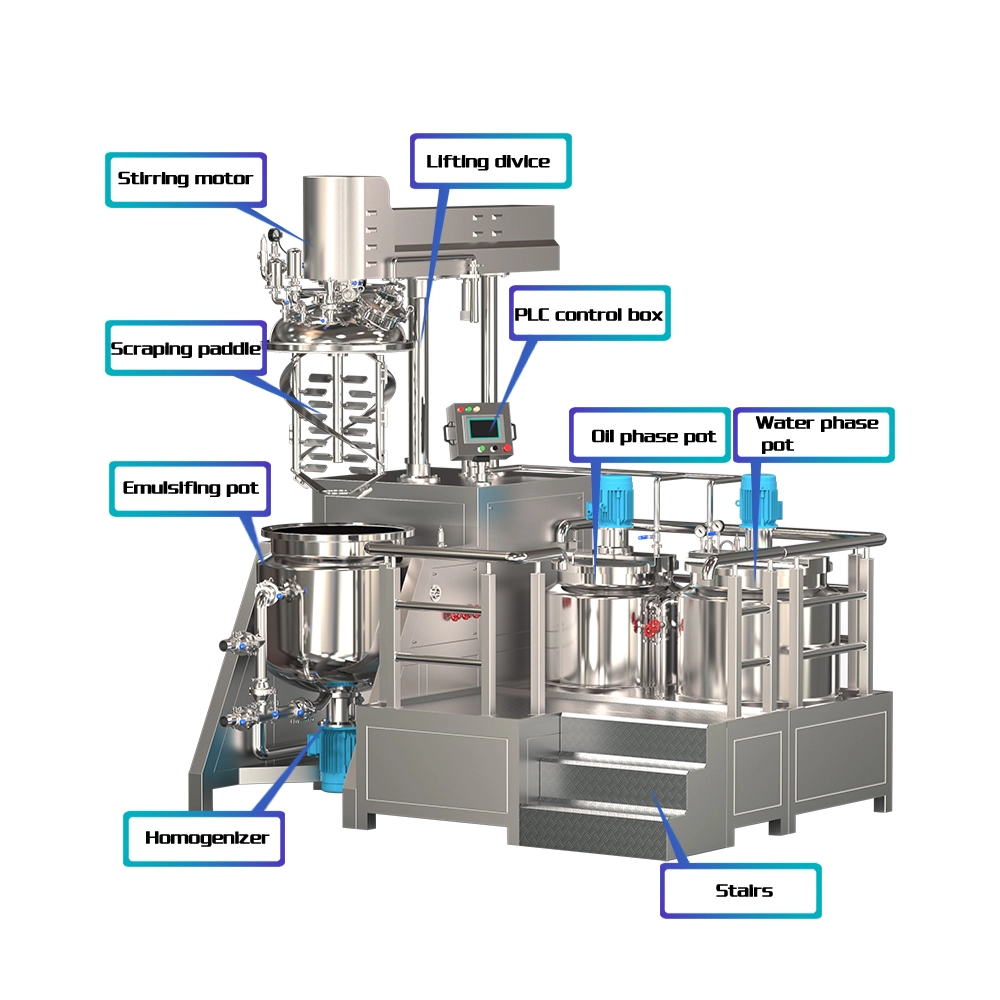
When selecting a stainless steel mixing tank model, consider the rheology of your product first. Is it shear-sensitive? Does it require heat transfer? Understanding these factors is critical. For a deeper dive into selection strategies, read our guide on how to select a mixing tank for the water phase and oil phase.
- Material Compatibility: Verify if SS304 is sufficient or if SS316L is required for corrosion resistance.
- Tank Geometry: Ensure the aspect ratio (height-to-diameter) suits your mixing type.
- Future-Proofing: Choose a system that can integrate with future automation upgrades.
-
FAQs
What is a mixing tank used for?
A mixing tank is used to blend, dissolve, suspend, or homogenize liquids and solids in industries such as food and beverage, cosmetics, pharmaceuticals, chemicals, and wastewater treatment. It helps achieve uniform consistency and stable product quality.
What is the difference between a mixing tank and a storage tank?
A mixing tank is designed with an agitator to actively mix materials, while a storage tank is only used for holding liquids without agitation. Mixing tanks focus on processing performance, whereas storage tanks focus on containment.
What materials are mixing tanks made of?
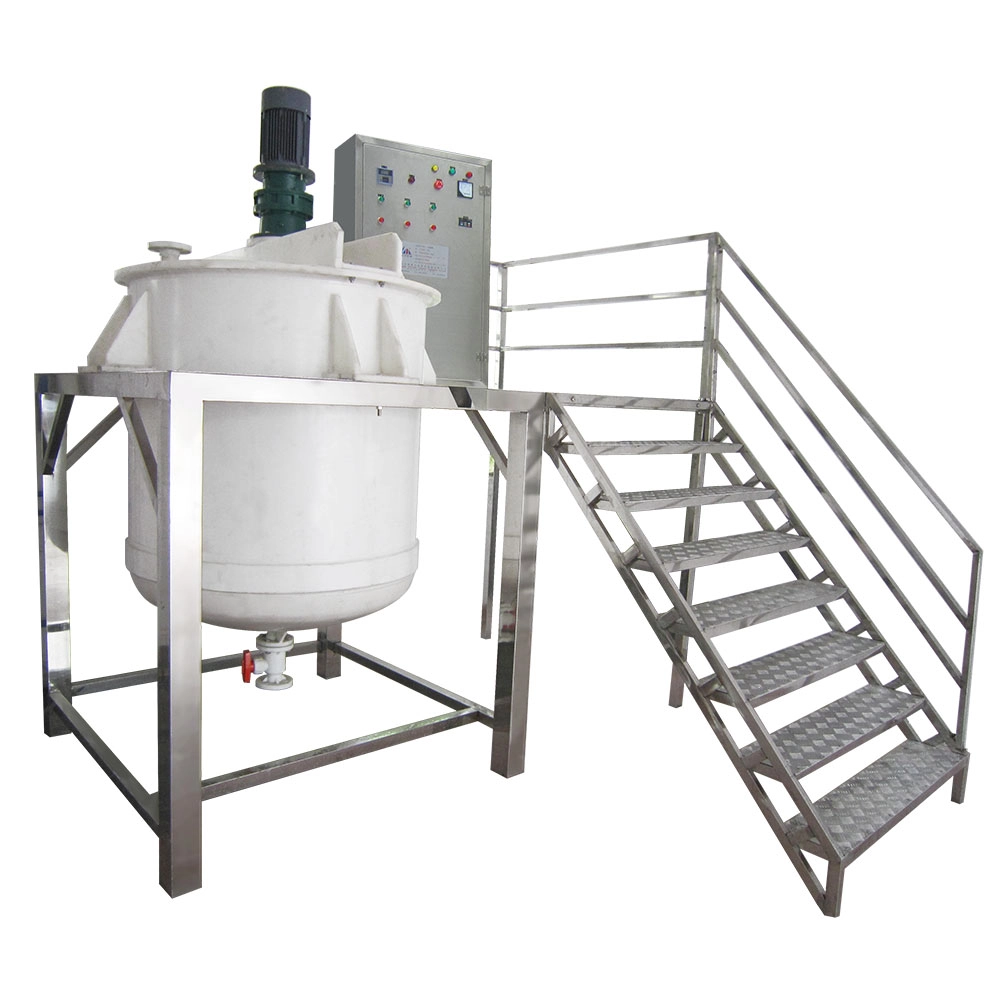
Mixing tanks are commonly made from stainless steel, such as 304 or 316L, for hygiene and corrosion resistance; carbon steel for heavy-duty industrial use; or plastic materials like PE and PP for chemical compatibility and lower cost.
How do I choose the right mixing tank size?
Choosing the right mixing tank size depends on batch volume, material viscosity, mixing time, and production capacity. In most cases, allowing 10–20% extra volume ensures efficient mixing and prevents overflow.
Can a mixing tank be customized?
Yes, mixing tanks can be customized with different agitator types, motor power, heating or cooling jackets, inlet and outlet designs, and control systems to match specific process requirements and industries.
Conclusion & Call to Action
The future of industrial mixing is defined by precision, data, and automation. Upgrading to smart mixing tanks is not merely an operational cost; it is a strategic investment in product quality and brand reputation. With over 30 years of experience, FULUKE (Guangzhou Fuluke Cosmetic Equipment Co., Ltd.) specializes in engineering advanced mixing solutions that meet the highest international standards, including GMP and ISO.
Contact us today to discuss your specific needs, and let our engineers design a future-ready mixing solution for your production line.




Facebook
Instagram
YouTube