
The Ultimate Guide to Labeling Machines 2026: A Critical Component in Modern Packaging Operations
A comprehensive 2026 guide to industrial labeling machines, covering types, mechanical components, ROI analysis, and future trends like AI and IoT integration for packaging efficiency.
- Introduction
- What is a Labeling Machine and How Does It Drive Efficiency?
- Core Functions & Benefits
- Primary Types of Labeling Machines and Their Use Cases
- 1. Pressure-Sensitive (PS) Applicators:
- 2. Shrink Sleeve Labelers:
- 3. Cold Glue (Wet Glue) Labelers:
- 4. Print and Apply (LPA) Systems:
- 5. Rotary vs. In-line Systems:
- Mechanical Deep-Dive: Components and Synchronization
- Industry-Specific Solutions: From Pharma to E-Commerce
- Pharmaceutical & Healthcare
- Food & Beverage
- Cosmetics & Personal Care
- Calculating ROI: Beyond the Initial Machine Cost
- Expert Tips: Common Mistakes in Labeler Selection
- The Role of Labeling Machines in Today’s Packaging Lines
- Selecting the Right Labeling Machine: Key Factors
- Common Applications Across Industries
- Why Manufacturers Invest in Advanced Labeling Systems
- Conclusion
- FAQ
- What is the average cost of an industrial labeling machine?
- How do I choose between a semi-automatic and fully automatic labeler?
- Can one machine handle different bottle shapes and sizes?
- What maintenance is required for high-speed labelers?
- What are the common causes of label wrinkling?
- How does 2026 technology improve label precision?
- Are there eco-friendly labeling machine options?
- What is 'Print and Apply' and do I need it?
- References
Introduction
Labeling machines are the unsung heroes of the packaging world, serving as the critical bridge between raw production and consumer interaction. As we move into 2026, the global market for these systems is projected to reach $4.21 billion, driven by a massive shift toward automation, traceability, and sustainability in manufacturing.
At Guangzhou Fuluke Cosmetic Equipment Co., Ltd. (FULUKE), we have spent over 30 years engineering precision packaging solutions. From high-speed bottle labeling machine systems for cosmetics to GMP-compliant units for pharmaceuticals, we understand that a labeler is not just a machine—it is the final stamp of quality on your brand.
What is a Labeling Machine and How Does It Drive Efficiency?
A labeling machine is an automated industrial system designed to dispense, apply, and secure pre-printed or on-demand labels onto products, containers, or packaging with sub-millimeter precision.
Beyond simple application, modern labeling machines act as data hubs. They integrate with ERP systems to track production rates, ensure regulatory compliance, and minimize waste. In a high-volume line, consistency is currency. Manual labeling is prone to skewing, bubbling, and human error, whereas an automatic labeling machine ensures that the 10,000th bottle looks exactly identical to the first.
Core Functions & Benefits
· Precision Application: Uses sensors to detect product position, ensuring labels are applied within ±0.5mm accuracy.
· Speed: Capable of handling 60 to over 1,000 products per minute (PPM).
· Versatility: Handles diverse shapes—round, flat, oval, or tapered containers.
· Compliance: Essential for industries like pharma where serialization is mandatory (e.g., DSCSA requirements).
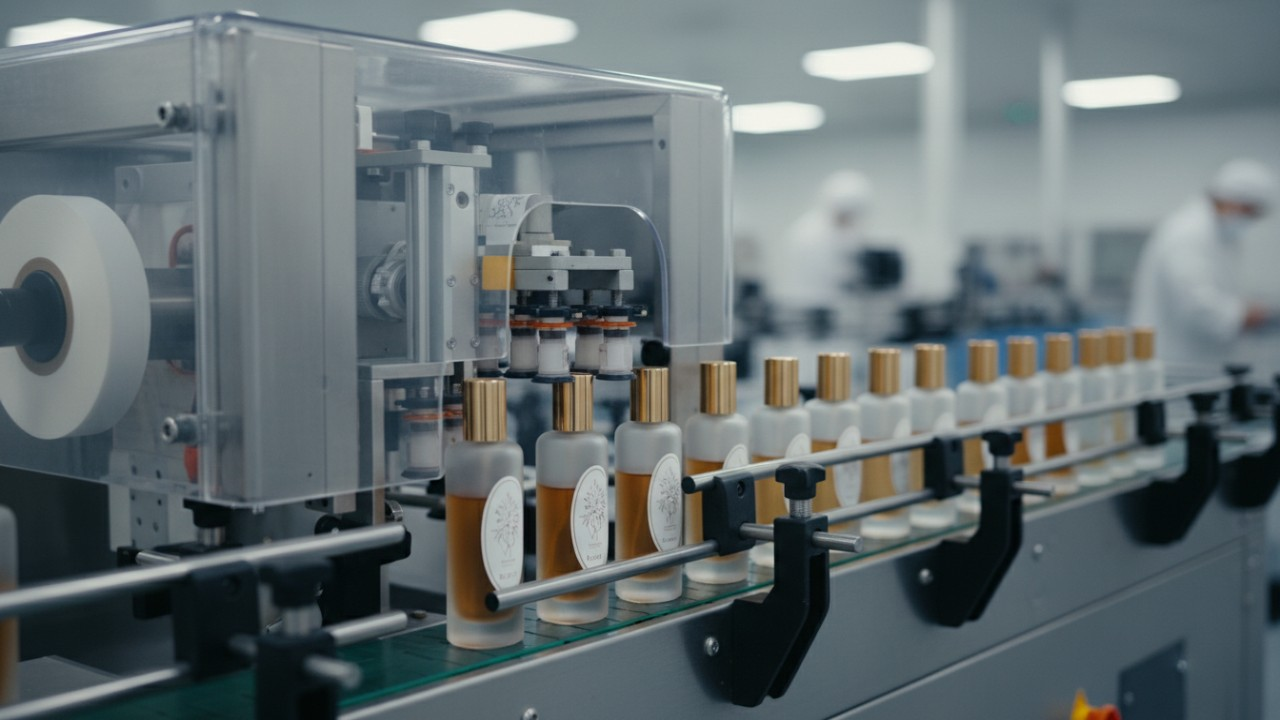
Primary Types of Labeling Machines and Their Use Cases
The specific type of labeling machine required depends entirely on the container shape, label material, and production speed.
Choosing the wrong label applicator machine is the most common cause of production bottlenecks. Below is a breakdown of the primary technologies dominating the 2026 landscape:
1. Pressure-Sensitive (PS) Applicators:
o Best For: Versatility across cosmetics, food, and home care.
o Mechanism: Peels the label from a liner and presses it onto the product. It is the industry standard for auto label machine systems due to its reliability.
2. Shrink Sleeve Labelers:
o Best For: 360-degree branding on irregular curves (e.g., energy drink bottles).
o Mechanism: Applies a tube of heat-sensitive material which is then shrunk tightly around the container using a steam or electric tunnel.
3. Cold Glue (Wet Glue) Labelers:
o Best For: High-volume glass containers like beer and wine.
o Mechanism: Uses a liquid adhesive. It is cost-effective for long runs but requires more maintenance for cleaning.
4. Print and Apply (LPA) Systems:
o Best For: Logistics and secondary packaging.
o Mechanism: Prints variable data (barcodes, shipping info) onto a label immediately before application. This is the machine to apply labels for real-time tracking.
5. Rotary vs. In-line Systems:
o In-line: Products stay on a conveyor; ideal for simple flat or round applications.
o Rotary: Products are captured by a turret and spun; necessary for high-speed, multi-label applications on complex shapes.
Mechanical Deep-Dive: Components and Synchronization
A high-performance labeling machine relies on the seamless synchronization between the product transport system, the label dispenser, and the control unit (PLC).
In 2026, mechanical components are increasingly intelligent. At FULUKE, we integrate advanced PLC (Programmable Logic Controller) systems into our automated labeling machines to ensure millisecond-level timing adjustments.
· Servo Motors vs. Stepper Motors:
o Stepper Motors: Good for low-to-mid speeds. Open-loop control means they can lose position at high torque.
o Servo Motors: The standard for high-speed automatic labeling machines. Closed-loop feedback ensures the label is dispensed exactly at the speed of the moving container, even if the conveyor speed fluctuates.
· Vision Inspection Systems (2026 Trend):
o Newer models feature AI-driven cameras that inspect every label for alignment, presence, and correct data. If a defect is found, the machine automatically rejects the bottle without stopping the line.
· Web Tension Control:
o Critical for preventing label web breakage. Modern systems use dancer arms and vacuum buffers to maintain constant tension during rapid start-stop cycles.
Industry-Specific Solutions: From Pharma to E-Commerce
Different industries impose unique demands on labeling equipment, ranging from sanitary wash-down requirements in food to serialization in pharmaceuticals.
Pharmaceutical & Healthcare
Precision is non-negotiable. With the 2025 enforcement of the Drug Supply Chain Security Act (DSCSA), bottle labeling machine units in pharma must support serialization. FULUKE’s equipment often integrates with track-and-trace software to print unique serial numbers on every vial, ensuring full traceability.
Food & Beverage
Speed and durability are key. Machines must withstand rigorous wash-down procedures (IP65 or IP67 ratings) to remove sticky residues. Auto labeling machine systems here must also handle condensation on cold bottles without compromising adhesive integrity.
Cosmetics & Personal Care
Aesthetics are everything. A label applying machine for luxury creams must apply clear labels (the "no-label look") without bubbles or fingerprints. Our experience at FULUKE shows that customers in this sector prioritize repeatability to maintain premium brand positioning.
Calculating ROI: Beyond the Initial Machine Cost
Return on Investment (ROI) for labeling automation is calculated by analyzing labor reduction, error elimination, and increased throughput over a 5-year period.
Investing in automated labeling machines is a strategic financial decision. Recent data indicates that automation can reduce labeling errors by up to 85% and cut labor costs by 30%.
The ROI Formula:
1. Labor Savings: Transitioning from manual labeling (2-3 operators) to one machine technician often saves $60k-$90k annually.
2. Waste Reduction: Manual application often leads to a 2-5% reject rate due to skewing. Automatic labeling machines reduce this to <0.1%.
3. Throughput: A machine running at 200 PPM does the work of 10 manual laborers.
4. TCO (Total Cost of Ownership): Factor in energy efficiency. Modern servo-driven machines consume ~20% less power than older pneumatic models.
Expert Tips: Common Mistakes in Labeler Selection
The most frequent error buyers make is prioritizing speed over flexibility and material compatibility.
When sourcing a bottle labeler machine, consider the following to avoid costly retrofits:
· Ignoring Material Compatibility: Paper labels behave differently than BOPP (plastic) labels. Ensure your label applicator machine handles your specific label stock.
· Underestimating Footprint: Do not just measure the machine; account for the accumulation tables and the turning radius of the conveyor.
· Overlooking Scalability: Buying a 60 PPM machine when your 3-year forecast predicts needing 120 PPM limits growth. Look for modular systems.
· Neglecting Support: Complex PLCs require expert support. As a global manufacturer, FULUKE emphasizes the importance of accessible technical service to minimize downtime.
For a deeper dive into purchasing criteria, read our guide on Buying Strategies for Automatic Labeling Machines.
The Role of Labeling Machines in Today’s Packaging Lines
Labeling machines act as the "pacemaker" of the packaging line, often dictating the overall speed and efficiency of the entire operation.
If the filler runs at 300 PPM but the labeler caps at 200 PPM, your line runs at 200 PPM. In 2026, labeling machines are fully integrated into the "Smart Factory." They communicate with upstream fillers and downstream packers. If the filler pauses, the labeler enters standby mode automatically to save energy, a feature standard in high-end auto labeling machine models.
Selecting the Right Labeling Machine: Key Factors
Selection must be based on container geometry, required speed, label placement accuracy, and budget constraints.
· Container Shape: Round bottles need wrap-around belts; flat bottles need top-hold belts.
· Label Position: Front/Back, Top/Bottom, or Wrap-around.
· Environment: Dusty or wet environments require protected electronics.
· Changeover Time: Look for "tool-less" adjustments. Modern labeling machines allow changeovers in under 15 minutes.
Common Applications Across Industries
From vials to jerry cans, automated applicators serve a vast array of product types.
|
Industry |
Container Type |
Machine Type |
Key Feature |
|
Beverage |
Glass/PET Bottles |
Rotary / Cold Glue |
High Speed (600+ PPM) |
|
Pharma |
Vials / Ampoules |
Horizontal Star-Wheel |
Serialization / Precision |
|
Cosmetics |
Jars / Tubes |
Dual-Head PS |
High Aesthetic / Clear Labels |
|
Chemical |
Jerry Cans / Pails |
In-line Wrap |
Large Format / Durable |
|
Food |
Cans / Jars |
Shrink Sleeve |
Tamper Evidence |
Why Manufacturers Invest in Advanced Labeling Systems
Manufacturers invest to secure brand integrity, ensure regulatory compliance, and achieve the throughput required for mass-market distribution.
In an era where "Smart Packaging" (QR codes, NFC) is growing, the machine to apply labels must be more than a sticker applicator—it must be a precision instrument. Advanced automated labeling machines protect the brand by ensuring every product on the shelf looks perfect, building consumer trust and loyalty.
Conclusion
As we approach 2026, the labeling machines market is evolving rapidly. From AI-driven vision systems to sustainable linerless options, the technology is becoming faster, smarter, and more efficient. For manufacturers, the shift from manual to automatic labeling machines is not just an operational upgrade—it is a competitive necessity.
Whether you need a robust bottle labeler machine or a complete turnkey packaging line, selecting a partner with deep industry experience is crucial. With over three decades of expertise, FULUKE stands ready to help you optimize your production line with equipment designed for the future of manufacturing.
FAQ
What is the average cost of an industrial labeling machine?
Semi-automatic units typically range from $2,000 to $10,000, while fully automatic in-line systems range from $15,000 to $60,000. High-speed rotary or custom-integrated systems can exceed $150,000 depending on complexity and speed requirements.
How do I choose between a semi-automatic and fully automatic labeler?
Choose semi-automatic for production runs under 500 units per hour or small batch artisan products. Fully automatic labeling machines are required for integration into continuous conveyor lines and for volumes exceeding 3,000 units per day, where labor costs would otherwise skyrocket.
Can one machine handle different bottle shapes and sizes?
Universal wrap-around labelers handle various diameters of round bottles with simple adjustments. However, applying labels to both flat and round surfaces usually requires a modular system or multi-head applicator. Look for machines with "tool-less" adjustment features to minimize downtime.
What maintenance is required for high-speed labelers?
Daily cleaning of sensors and drive rollers is essential to prevent adhesive buildup. Monthly tasks include lubrication of moving mechanical joints and belt tension checks. Quarterly schedules should include firmware updates and calibration of optical vision systems.
What are the common causes of label wrinkling?
Wrinkling is often caused by a mismatched speed between the conveyor and the label dispensing head. Other causes include improper tension on the label web, poor quality label liners, or incompatible container materials causing "flagging."
How does 2026 technology improve label precision?
Edge-based AI compensates for micro-vibrations in real-time, adjusting the dispense timing instantly. Laser-based product detection replaces mechanical triggers for non-contact accuracy, and dynamic speed matching automatically adjusts the dispenser to upstream flow fluctuations.
Are there eco-friendly labeling machine options?
Yes, linerless labeling machines eliminate the waste associated with traditional backings. Additionally, modern servo-driven motors provide 20% higher energy efficiency than older pneumatic models, and precision adhesive applicators reduce chemical waste.
What is 'Print and Apply' and do I need it?
Print and Apply (LPA) prints variable data like shipping addresses or batch codes immediately before application. This is essential for logistics, warehousing, and products with short-shelf-life dating, eliminating the need to stock large inventories of pre-printed labels.
References
· Automatic Labeling Machine Market Size & Share 2026-2032

Understanding Servo Capping Machines: The Core Logic of Precise Capping – Understand the Entire Working Process in Seconds
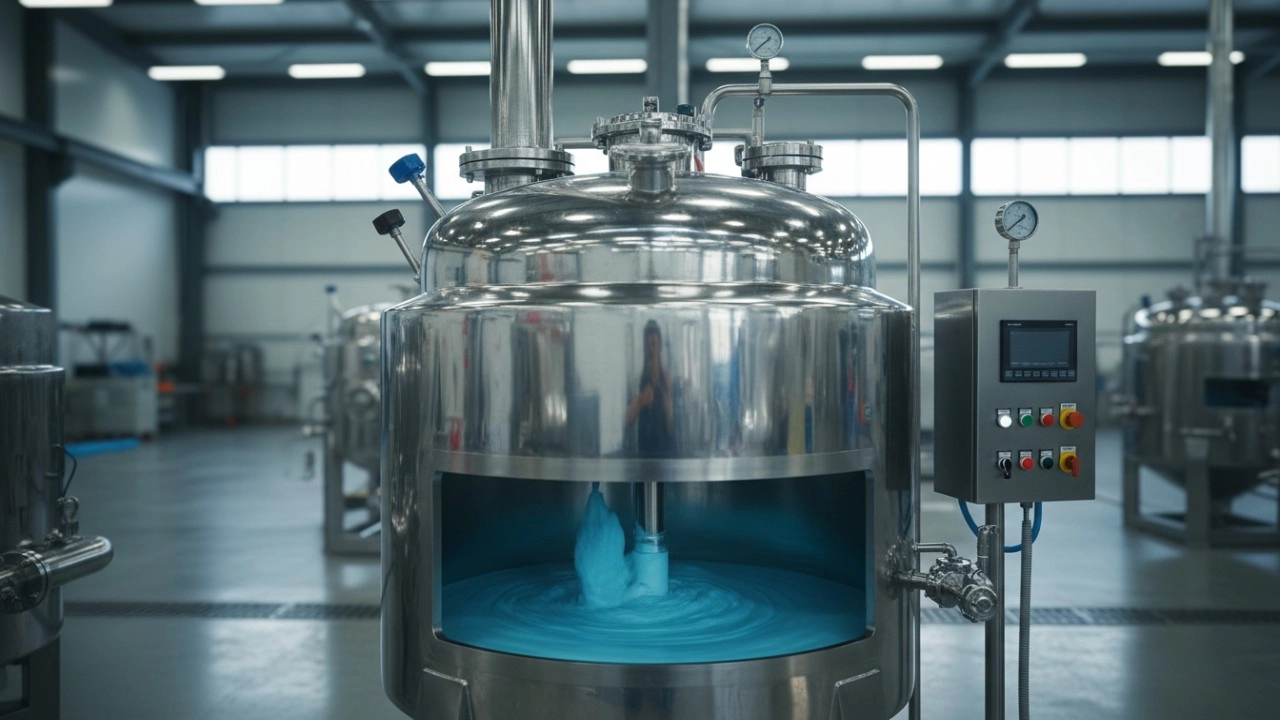
The Future of Industrial Agitation: 5 Smart Mixing Tank Technologies Changing the Game
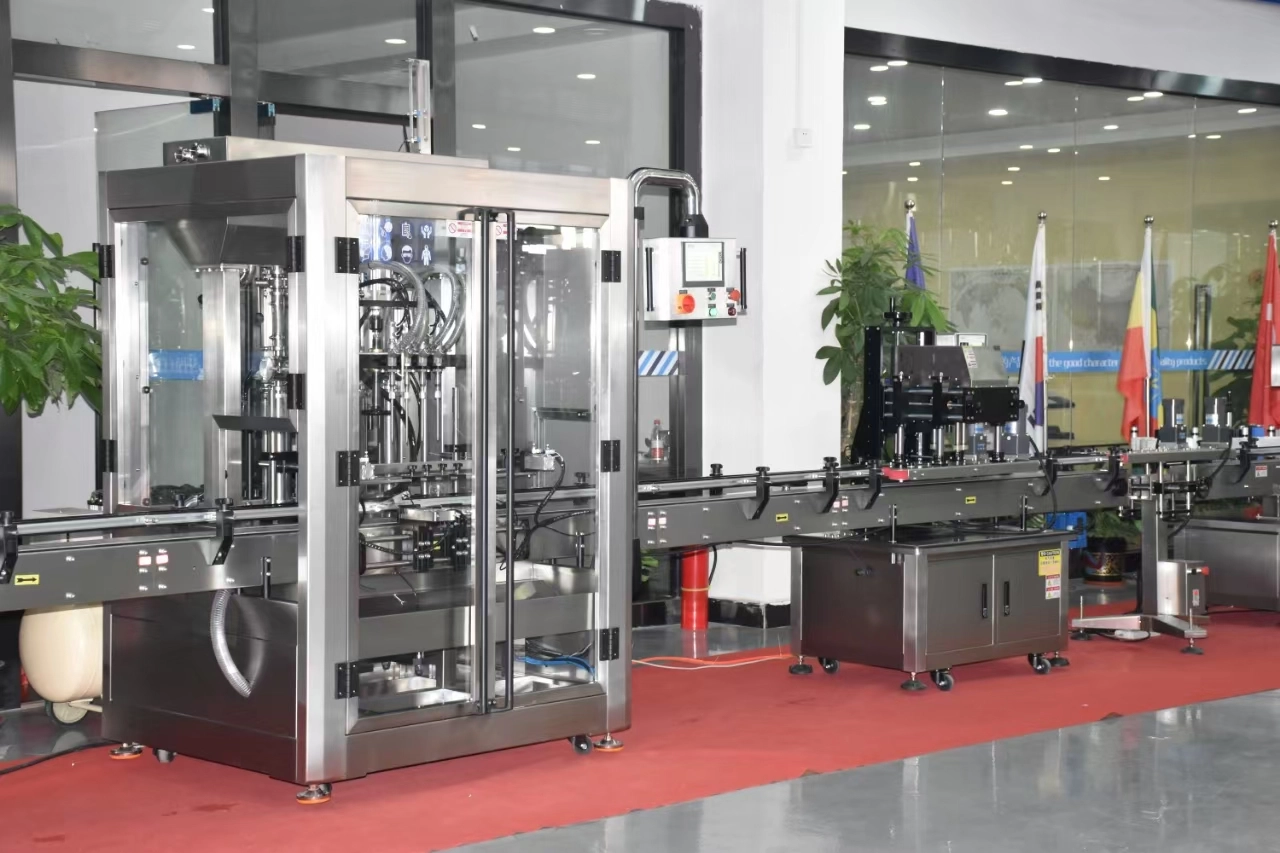
Gear pump filling machine vs. piston filling machine: Key differences broken down to avoid pitfalls in selection.
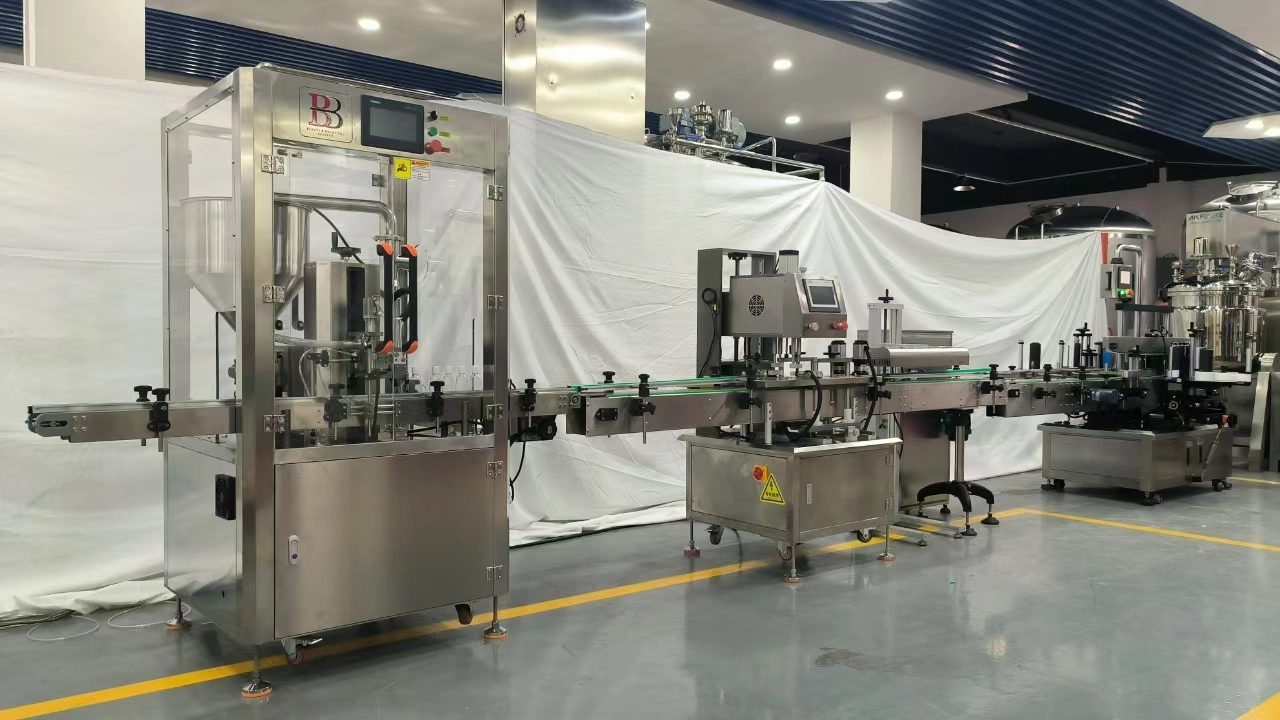
Understand the working principle of a servo gear pump filling machine!
Inkjet Printing Machine
Can you make a design for us?
Yes, we can, we provide not only products, but also solutions and designs.
Automatic Filling Machine
Can you make a design for us?
Yes, we can, we provide not only products, but also solutions and designs.
Perfume Filling Machine
After purchasing the equipment, what after-sales services does the supplier typically provide?
General services include on-site installation and commissioning (including workshop layout planning), operator training (theoretical and practical training to ensure workers can operate independently), a one-year full machine warranty, and lifetime technical support (24-hour telephone and video troubleshooting).
Automatic Tube Filling and Sealing Machine
After purchasing the equipment, what after-sales services does the supplier typically provide?
General services include on-site installation and commissioning (including workshop layout planning), operator training (theoretical and practical training to ensure workers can operate independently), a one-year full machine warranty, and lifetime technical support (24-hour telephone and video troubleshooting).
Automatic Capping Machine
Can you make a design for us?
Yes, we can, we provide not only products, but also solutions and designs.
Get in touch with FULUKE
If you have any comments or good suggestions, please leave us a message, later our professional staff will contact you as soon as possible.
You May Also Like
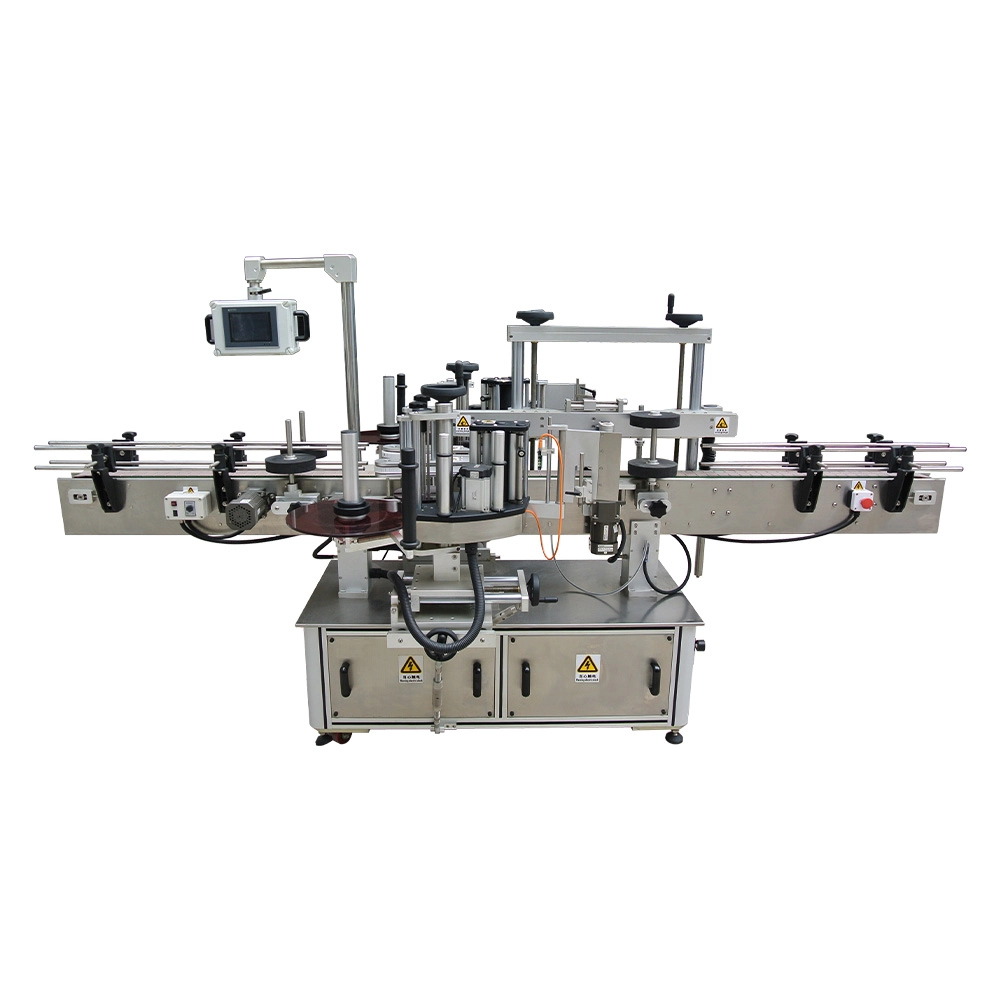
Automatic Labeling Machine Best Selling Automatic Tabletop Flat Surface Labeling Machine Round and Flat Bottle Automatic Labeler Machine
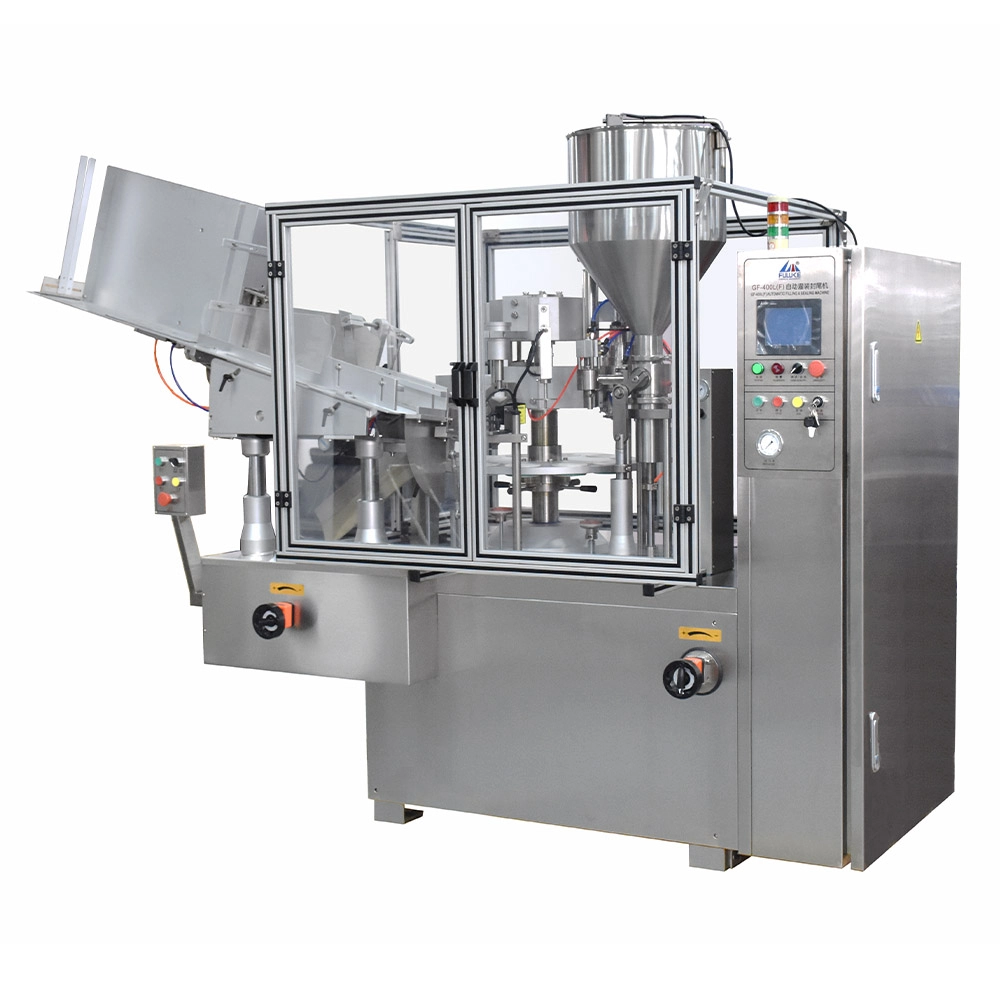
Automatic Tube Filling and Sealing Machine Toothpaste Sunscreen and Facial Cleanser Filling and Sealing Machine for Plastic and Aluminum-plastic Tube
Polypropylene PP Mixing Tank Anti-Corrosion Mixer Reaction Kettle with Agitator Chemical Mixing Vessel
Flip Cover Multi-function Liquid Wash Mixing Tank Blender Liquid Detergent Mixer Homogenization Stirring Tank

A leading manufacturer specializing in advanced machinery and complete production lines for the cosmetics, food, pharmaceutical, and chemical industries worldwide.
Contact FULUKE
Facebook
Instagram
YouTube