
The Ultimate Guide to Mix Tanks: Design, Applications, and Future Trends for 2026
A comprehensive expert guide to industrial mix tanks, covering design, material selection, maintenance, and future trends for 2026. Learn how to optimize your mixing processes for efficiency and compliance.
- What is a Mix Tank?
- Key Takeaways: Understanding Industrial Mixing Tanks
- The Core Function: How Mix Tanks Work
- Anatomy of a Mix Tank: Key Components
- Diverse World of Mix Tanks: Types & Classifications
- Materials Matter: Choosing the Right Construction
- Beyond the Basics: Specialized Mix Tank Features
- Industry Applications: Where Mix Tanks Excel
- Making the Right Choice: Mix Tank Selection Criteria
- Optimizing Performance: Factors Influencing Mixing Efficiency
- Maintenance & Longevity: Ensuring Your Mix Tank Lasts
- Expert Insights: Common Mistakes & Best Practices
- Future of Mixing: Innovations & Trends (2026 and Beyond)
- Cost Considerations: Understanding Mix Tank Investment
- Safety & Compliance in Mix Tank Operations
- Clarifying 'Mix Tank' vs. 'Tank Mixing': An Important Distinction
- Conclusion
- FAQ
- What is the primary function of an industrial mix tank?
- How do you determine the correct size for a mix tank?
- What are the typical materials used in mix tank construction?
- What are the key differences between batch and continuous mix tanks?
- How does an agitator impact the efficiency of a mix tank?
- Which industries benefit most from using mix tanks?
- What maintenance is required for industrial mixing tanks?
- What is the difference between a 'mix tank' and 'tank mixing'?
- References
What is a Mix Tank?
An industrial mix tank is a specialized vessel designed to blend, homogenize, or react multiple substances—liquids, solids, or gases—using mechanical agitation to ensure a uniform composition. These tanks are the operational heart of processing lines in sectors like pharmaceuticals, chemicals, and food production, ensuring consistent product quality.
Beyond simple storage, a mixing tank is engineered to impart energy into materials. Whether you are suspending solids in a liquid or emulsifying two immiscible fluids, the tank's geometry and agitator configuration are critical for success.
Key Takeaways: Understanding Industrial Mixing Tanks
· Critical for Quality: Essential for achieving uniformity and texture in diverse industrial processes.
· Component Synergy: Comprised of a tank body, a specific mixing tank with agitator, and a robust drive system working in unison.
· Versatile Designs: Available in numerous types (batch vs. continuous) and materials (stainless steel, glass-lined) to suit specific needs.
· Lifecycle Management: Proper selection, installation, and ongoing maintenance are crucial for maximizing efficiency and lifespan.
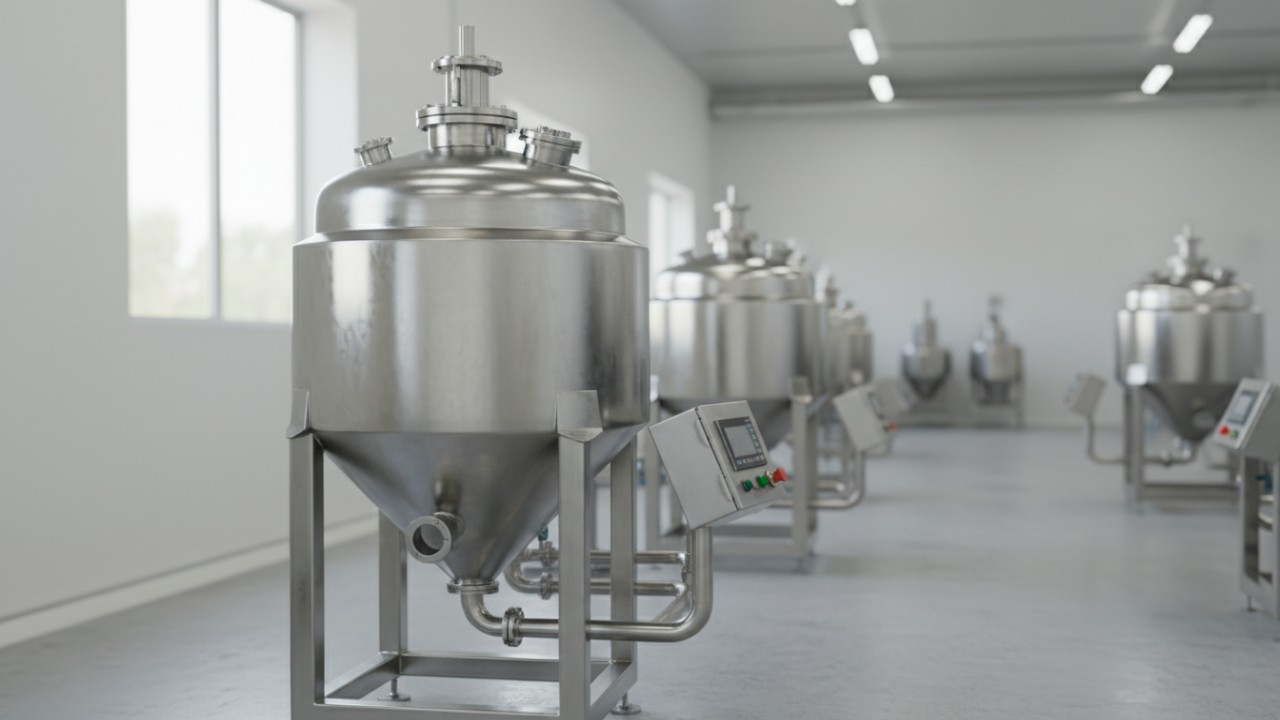
The Core Function: How Mix Tanks Work
A mix tank operates by converting mechanical energy from a motor into fluid motion via an impeller, creating flow patterns that force materials to interact.
· Agitation Mechanism: Uses mechanical, pneumatic, or hydraulic systems to move materials.
· Fluid Dynamics: Relies on principles of turbulence and shear to achieve homogeneity.
· Flow Patterns: Impellers generate axial (up/down), radial (side-to-side), or tangential flow to eliminate dead spots.
Anatomy of a Mix Tank: Key Components
The anatomy of an industrial mixing tank consists of seven primary engineered subsystems designed to handle specific stresses and chemical environments.
1. Tank Body: The main shell, typically cylindrical with dished or conical bottoms for drainage.
2. Agitator/Impeller: The rotating element (propellers, turbines, anchors) that defines the mixing equipment capability.
3. Drive System: The motor and gearbox that power the agitator, often equipped with Variable Frequency Drives (VFDs).
4. Shaft and Seals: Connects the drive to the impeller; mechanical seals prevent contamination and leakage.
5. Baffles: Vertical plates on the tank wall that stop liquid from swirling as a solid mass, promoting vertical turnover.
6. Inlets/Outlets: Sanitary ports for ingredient addition and product discharge.
7. Control Systems: Panels monitoring temperature, pressure, and mixing speed.
Diverse World of Mix Tanks: Types & Classifications
Mixing tanks are classified by their operational mode, design features, and the specific nature of the agitation required.
· By Operation:
o Batch Tanks: Process a finite quantity at a time; ideal for traceability.
o Continuous Tanks: Allow for simultaneous input and output; used in high-volume production.
· By Design:
o Jacketed Tanks: Feature a double wall for circulating heating or cooling media.
o Vacuum/Pressure Tanks: Sealed vessels for reactions requiring specific atmospheric controls.
· By Agitator:
o Low Shear: Anchors or paddles for viscous fluids.
o High Shear: Rotor-stator systems for emulsions.
· Specialized Vessels: Bioreactors and fermentation tanks.
Materials Matter: Choosing the Right Construction
A stainless steel mixing tank is the industry standard due to its balance of strength, sanitation, and corrosion resistance, though other materials serve niche applications.
· Stainless Steel (304/316L): The most common choice. 316L is preferred for pharmaceutical and acidic applications due to higher molybdenum content.
· Carbon Steel: Used for non-corrosive, general-purpose industrial applications like oil blending.
· Plastic (HDPE/PP): Suitable for highly corrosive chemicals that attack metal, though limited by temperature and pressure.
· Glass-Lined: Excellent for extreme chemical inertness but fragile and costly.
Key Selection Factors:
· Corrosion Resistance: Must withstand aggressive cleaning agents and process fluids.
· Hygienic Requirements: A sanitary stainless mixing tank finish (e.g., electropolishing) reduces bacterial harborage.
Beyond the Basics: Specialized Mix Tank Features
Modern mix tanks incorporate advanced technologies to handle complex formulations and strict regulatory standards.
· CIP/SIP Systems: "Clean-in-Place" and "Sterilize-in-Place" spray balls automate sanitation without disassembly.
· Load Cells: Integrated weighing systems for precise batch formulation.
· Advanced Thermal Control: Dimple jackets or half-pipe coils for efficient heat transfer.
· Homogenizers: For specialized home care products, equipment like a Multifunctional liquid detergent homogenizing and mixing pot ensures consistent viscosity and stability.
Industry Applications: Where Mix Tanks Excel
Virtually every manufactured liquid or semi-solid product passes through a tank with mixer at some stage of its lifecycle.
· Pharmaceuticals: Blending Active Pharmaceutical Ingredients (APIs) and creating sterile suspensions.
· Chemicals: Polymerization, pigment dispersion, and creating emulsions.
· Food & Beverage: From dairy fermentation to sauce blending.
· Cosmetics: Emulsifying creams, lotions, and shampoos.
· Water Treatment: Flocculation tanks for suspending solids before filtration.
· Biotechnology: Cell culture media preparation requiring gentle, low-shear mixing.
Making the Right Choice: Mix Tank Selection Criteria
Selecting the correct mixing tank stainless steel configuration requires a deep analysis of your process parameters to avoid production bottlenecks.
When selecting the optimal mixing tank for high-volume liquid manufacturing, consider these five pillars:
1. Volume & Capacity: Calculate not just batch size, but required headspace (freeboard) to prevent splashing.
2. Fluid Properties: Viscosity (resistance to flow) and density determine the motor power required.
3. Mixing Goal: Do you need simple blending, solids suspension, or a chemical reaction?
4. Operational Environment: Ceiling height, ATEX (explosion-proof) requirements, and utility access.
5. Budget: Balance initial CapEx with long-term OpEx (energy usage, maintenance).
Optimizing Performance: Factors Influencing Mixing Efficiency
Efficiency in a chemical mixing tank is not just about speed; it is about flow management and energy transfer.
· Agitator Geometry: The ratio of impeller diameter to tank diameter (D/T) significantly affects shear and flow.
· Baffle Placement: Without baffles, liquids tend to swirl (solid body rotation), resulting in poor vertical mixing.
· Liquid Level: Operating below the impeller level can cause foaming and mechanical damage.
· Power Consumption: Optimizing the Reynolds number helps determine if the flow is turbulent or laminar, dictating energy needs.
Maintenance & Longevity: Ensuring Your Mix Tank Lasts
Routine maintenance of stainless steel mixing tanks prevents costly downtime and ensures product safety, especially in regulated industries.
Adhering to maintenance and sanitation best practices for a mixing tank with agitator is critical for operational success. Key tasks include:
· Seal Inspection: Mechanical seals are the most common failure point; check for leaks daily.
· Lubrication: Gearboxes require specific synthetic lubricants changed at manufacturer intervals.
· Surface Integrity: Inspect stainless steel for pitting or rouge (iron oxide contamination).
· Vibration Analysis: detect misalignment or bearing wear early.
Expert Insights: Common Mistakes & Best Practices
Even experienced engineers can misjudge requirements for industrial mixing tank systems, leading to inefficiencies.
Common Mistakes:
· Undersizing the Motor: Failing to account for viscosity changes during the reaction (e.g., a liquid turning into a paste).
· Ignoring Shear Sensitivity: Using a high-shear impeller on delicate biological cells or long-chain polymers.
· Poor CIP Coverage: Shadow areas behind baffles where cleaning spray cannot reach.
Best Practices:
· Simulate First: Use Computational Fluid Dynamics (CFD) for complex applications.
· Standardize Components: Use common stainless steel mix tanks fittings (Tri-Clamp) to simplify spare parts inventory.
Future of Mixing: Innovations & Trends (2026 and Beyond)
The mix tanks market is evolving rapidly, with global industrial mixer value projected to grow significantly through 2030, driven by automation and sustainability.
· Smart Sensors & IoT: Real-time monitoring of viscosity, pH, and torque to auto-adjust agitator speed.
· Digital Twins: Virtual replicas of mixing processes allow operators to test changes without risking a physical batch.
· Sustainability: Energy-efficient IE5 motors and optimized impeller designs reducing power consumption by up to 20%.
· Modular Systems: Plug-and-play skids that allow factories to reconfigure lines quickly.
Cost Considerations: Understanding Mix Tank Investment
The price of a tank mixer system varies wildly based on complexity, material, and compliance certifications.
· Initial Capital: A simple 1,000L carbon steel tank may cost a few thousand dollars, while a Pharma-grade 316L pressure vessel can exceed $50,000.
· Operational Costs: Energy for the motor and thermal fluids for the jacket.
· Lifecycle Costs: Replacement seals, cleaning chemicals, and downtime.
· ROI Factors: Reduced batch times and lower waste rates justify higher initial spending on automated systems.
Safety & Compliance in Mix Tank Operations
Operating large-scale mixing tanks involves mechanical, chemical, and pressure hazards that must be mitigated.
· Regulatory Standards: FDA, cGMP, and ASME Boiler and Pressure Vessel Code (BPVC).
· Explosion Protection: ATEX/NFPA ratings are mandatory for tanks processing volatile solvents.
· Ergonomics: Safe access platforms and interlocks that prevent the agitator from starting when the manway is open.
· Emergency Protocols: Automated shutdown sequences in case of over-pressure or temperature excursions.
Clarifying 'Mix Tank' vs. 'Tank Mixing': An Important Distinction
It is vital to distinguish between the equipment and the agricultural process, as they serve different search intents.
· Mix Tank: The industrial hardware (vessel + agitator) discussed in this guide, used for manufacturing.
· Tank Mixing: A procedure used by farmers to combine pesticides, fertilizers, and adjuvants in a sprayer tank. This involves specific "order of addition" rules (like the WAMLEGS method) to prevent chemical incompatibility, which is distinct from industrial manufacturing physics.
Conclusion
Investing in the right mix tank is a strategic decision that impacts product quality, safety, and profitability. As we move toward 2026, the integration of smart technologies and energy-efficient designs will define the next generation of mixing equipment. By understanding the nuances of agitator selection, material compatibility, and maintenance, manufacturers can ensure their operations remain robust and competitive.
FAQ
What is the primary function of an industrial mix tank?
The primary function is to uniformly blend, emulsify, homogenize, or react multiple fluid, solid, or gaseous components within a controlled environment to ensure product consistency and quality.
How do you determine the correct size for a mix tank?
Determining the correct size involves considering the required batch volume, processing time, desired fill levels (usually 80-85% capacity), future expansion plans, and available physical space within the facility.
What are the typical materials used in mix tank construction?
Common materials include various grades of stainless steel (304, 316L) for hygiene and corrosion resistance, carbon steel for general industrial use, and specialized plastics or glass-lined steel for highly corrosive or sensitive applications.
What are the key differences between batch and continuous mix tanks?
Batch mix tanks process a finite amount of material in discrete cycles (ideal for tracking), while continuous mix tanks allow for uninterrupted material input and output, suitable for high-volume, ongoing production.
How does an agitator impact the efficiency of a mix tank?
The agitator type, speed, and design directly influence mixing efficiency by creating specific flow patterns (e.g., axial, radial) and shear forces necessary for proper blending, suspension, or heat transfer within the tank.
Which industries benefit most from using mix tanks?
Industries such as pharmaceutical, chemical, food and beverage, cosmetics, and biotechnology significantly benefit from mix tanks due to their critical need for precise blending, reaction control, and product consistency.
What maintenance is required for industrial mixing tanks?
Required maintenance includes routine inspection of seals, bearings, and agitator components, lubrication of drive systems, adherence to cleaning protocols, and scheduled preventative maintenance to ensure longevity and prevent operational failures.
What is the difference between a 'mix tank' and 'tank mixing'?
A 'mix tank' refers to the industrial equipment itself for processing substances, whereas 'tank mixing' typically describes the process of combining agricultural chemicals in a spray tank, which involves different principles and safety considerations.
References
· Industrial Mixers Market Size, Share, and Demand Forecast Outlook 2026-2033
· Stainless Steel Tank Market Report | Global Forecast From 2025 To 2033

Understanding Servo Capping Machines: The Core Logic of Precise Capping – Understand the Entire Working Process in Seconds
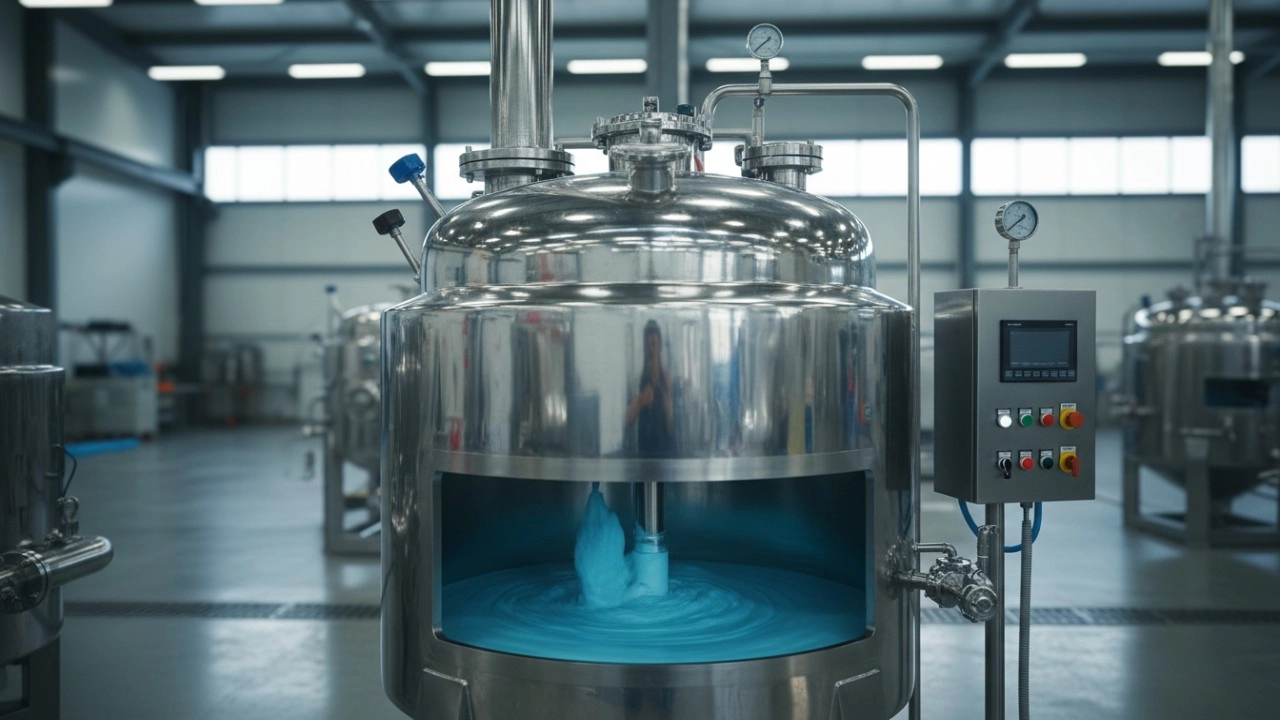
The Future of Industrial Agitation: 5 Smart Mixing Tank Technologies Changing the Game
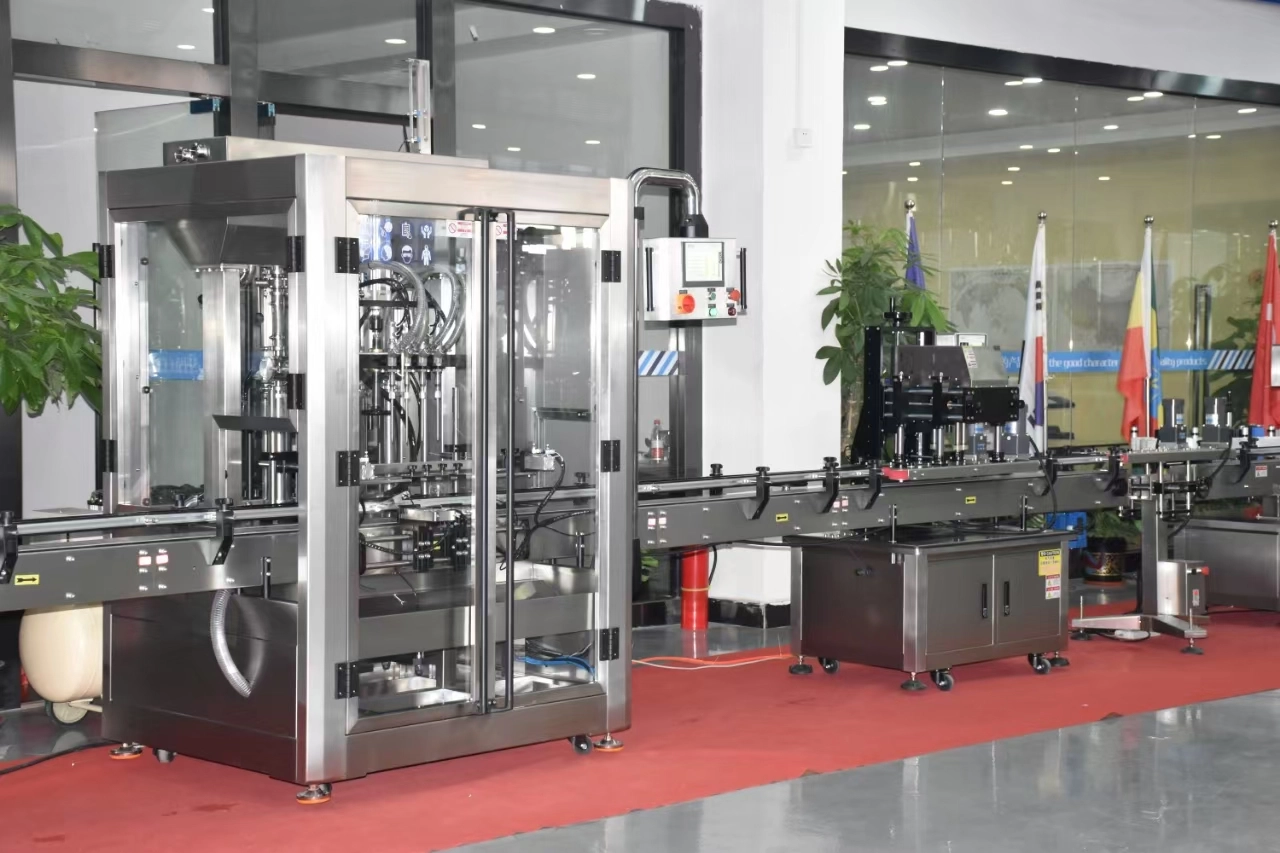
Gear pump filling machine vs. piston filling machine: Key differences broken down to avoid pitfalls in selection.
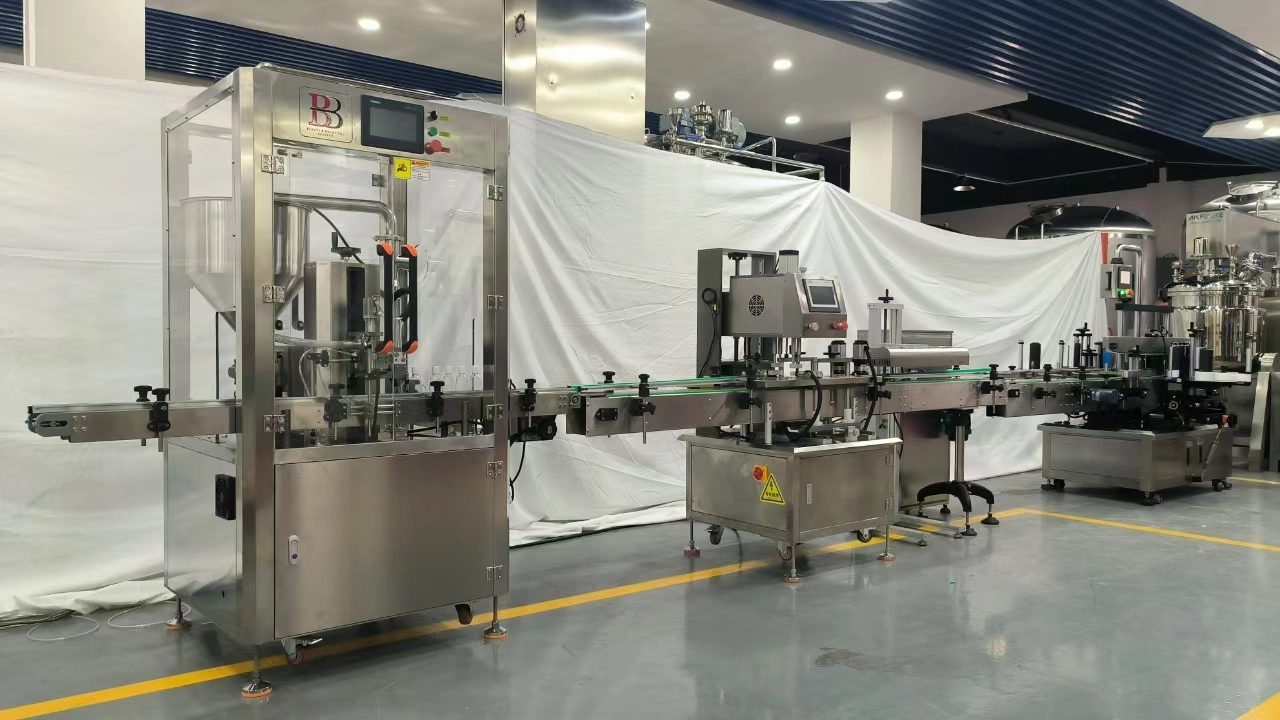
Understand the working principle of a servo gear pump filling machine!
Storage Tank
What should I check before daily use of a storage tank?
Inspect the tank for signs of deformation or leakage, and check that the sealing components are intact.
Confirm that the level gauge, pressure gauge, and other instruments are displaying normal readings and that the valves are opening and closing freely.
If storing flammable or explosive media, check that the anti-static device is effective.
Can you make a design for us?
Yes, we can, we provide not only products, but also solutions and designs.
Inkjet Printing Machine
Can you customize the machine?
Of course, we provide customized services according to customer needs.
Perfume Filling Machine
Who are we?
Our headquarters is located in Guangzhou, Guangdong, China, and our factory is located in Yangzhou, Jiangsu. Our products are sold all over the world. We have approximately 50 employees in our company and factory.
FAQs
What products does FULUKE specialize in?
Get in touch with FULUKE
If you have any comments or good suggestions, please leave us a message, later our professional staff will contact you as soon as possible.
You May Also Like
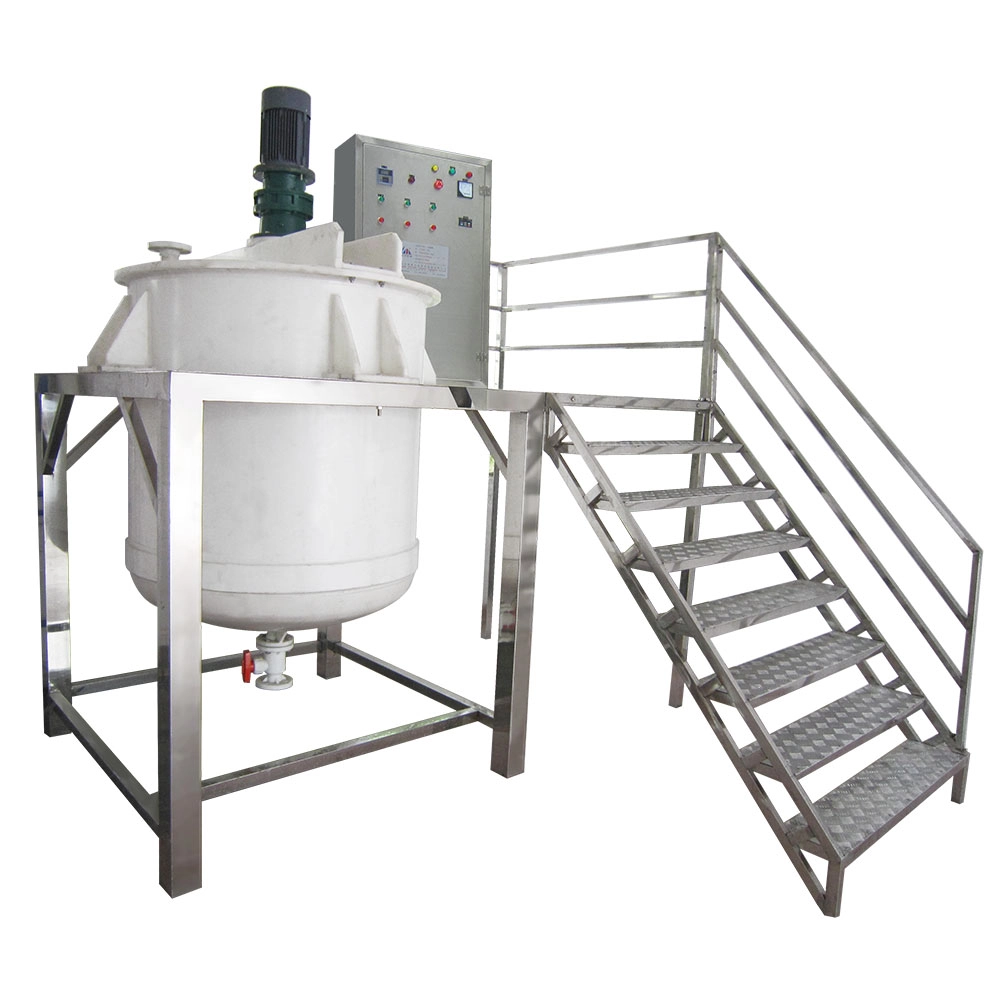
Polypropylene PP Mixing Tank Anti-Corrosion Mixer Reaction Kettle with Agitator Chemical Mixing Vessel
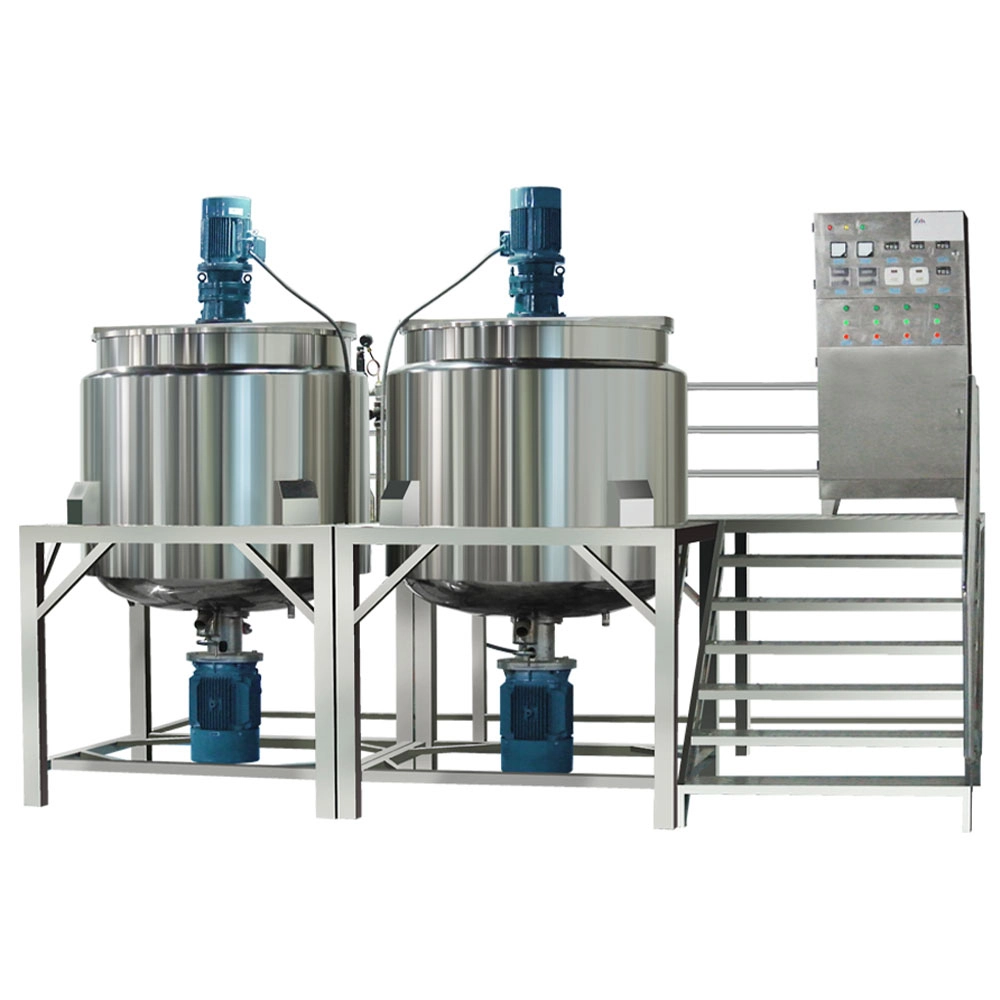
Flip Cover Multi-function Liquid Wash Mixing Tank Blender Liquid Detergent Mixer Homogenization Stirring Tank
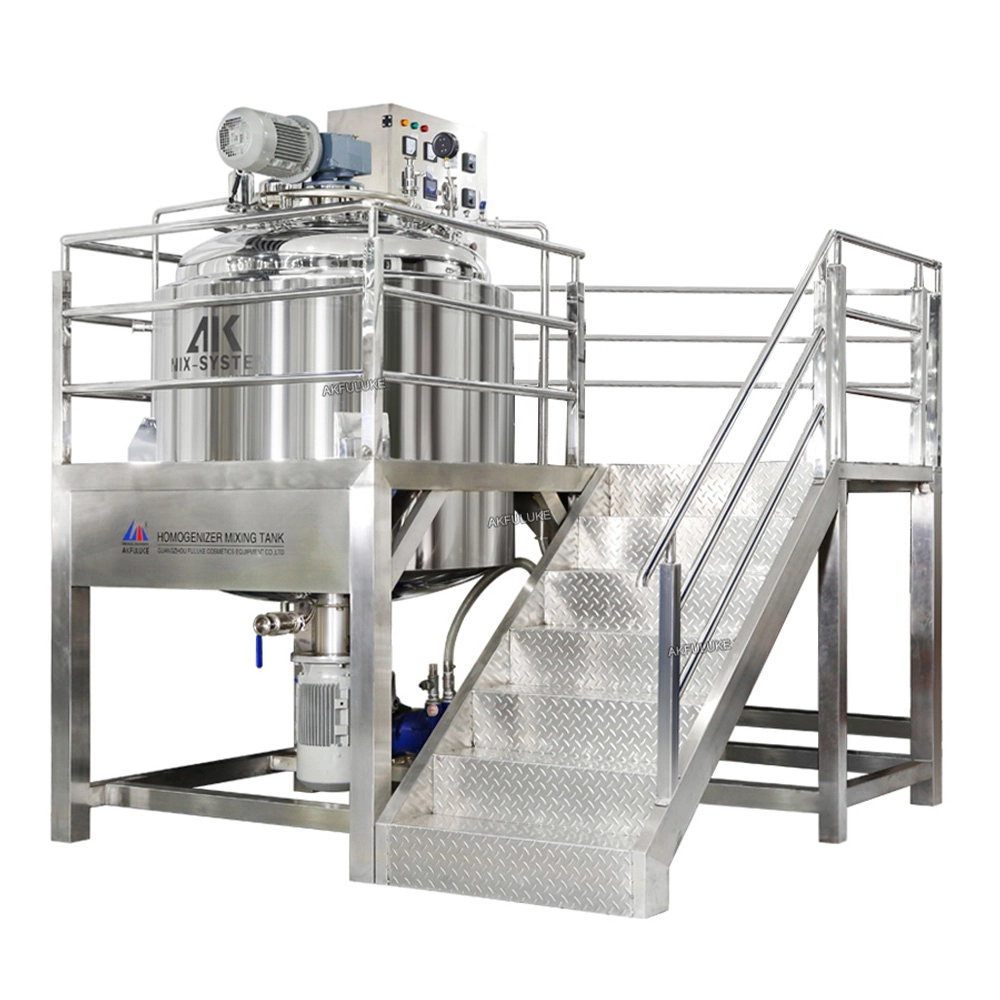
Stainless Steel Mixer Liquid Mixing tank with Agitator Homogenizing Mixing tank Vacuum Sealed Mixer Machine
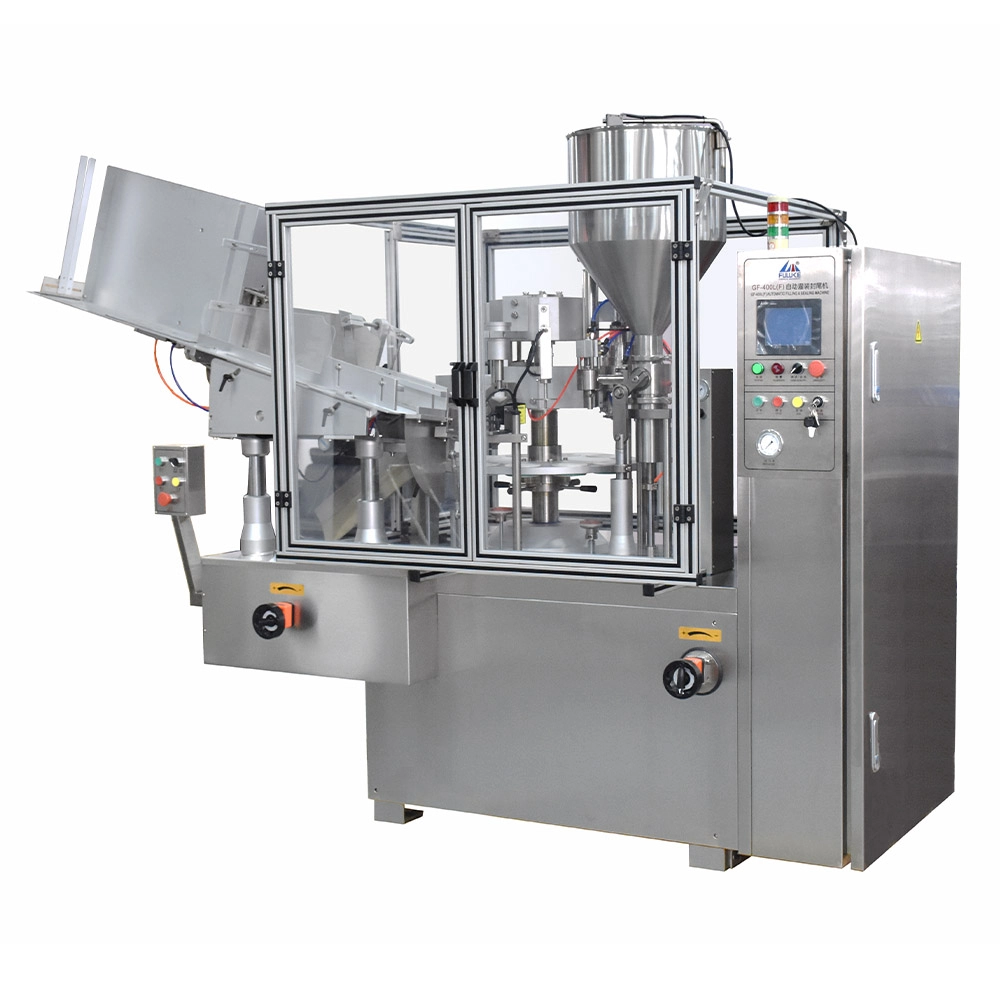
Automatic Tube Filling and Sealing Machine Toothpaste Sunscreen and Facial Cleanser Filling and Sealing Machine for Plastic and Aluminum-plastic Tube

A leading manufacturer specializing in advanced machinery and complete production lines for the cosmetics, food, pharmaceutical, and chemical industries worldwide.
Contact FULUKE
Facebook
Instagram
YouTube