
Top 15 Global Filling Machine Manufacturers: The Definitive Ranking for 2026
A definitive 2026 ranking of the top 15 global filling machine manufacturers, featuring market trends, buying advice, and a spotlight on industry leaders like Krones and FULUKE.
- Executive Summary: State of the Filling Industry in 2026
- What is a Filling Machine and Why is it Critical?
- Categorization by Machine Type: Which Do You Need?
- 1. Liquid Filling Machines:
- 2. Powder Filling Machines:
- 3. Specialty Systems:
- Expert Buying Guide: 5 Factors Before You Buy
- Common Mistakes to Avoid When Choosing a Manufacturer
- Future Trends: Filling Technology Outlook 2026-2030
- Top 15 Global Filling Machine Manufacturers
- 1. Krones AG
- 2. FULUKE
- 3. Syntegon (formerly Bosch Packaging)
- 4. Tetra Pak
- 5. GEA Group
- 6. KHS Group
- 7. Coesia Group
- 8. IMA Group
- 9. Serac Group
- 10. Barry-Wehmiller
- 11. Sidel
- 12. Accutek Packaging Equipment
- 13. OPTIMA Packaging Group
- 14. ProMach
- 15. Sacmi
- Conclusion
- FAQ
- 1. What is the difference between a volumetric and a liquid level filling machine?
- 2. How much does an industrial filling machine cost in 2026?
- 3. Which filling machine is best for high-viscosity products?
- 4. How do I calculate the ROI of a new filling machine?
- 5. Can one machine fill both liquids and powders?
- 6. What are the maintenance requirements for filling equipment?
- 7. What is the average lifespan of a filling machine?
- 8. Do I need a rotary or inline filling machine?
- References
Executive Summary: State of the Filling Industry in 2026
The global filling machine market is projected to exceed $10 billion by 2030, driven by a surge in automation and sustainable packaging demands.
In 2026, the industry is witnessing a critical pivot from standalone mechanical units to fully integrated, AI-enabled ecosystems. Manufacturers are no longer just buying a filling machine; they are investing in "smart" lines that predict maintenance needs before a breakdown occurs. Data from Fortune Business Insights indicates a Compound Annual Growth Rate (CAGR) of over 6% through this period, with the Asia-Pacific and European regions leading the charge in innovation. Key trends defining 2026 include:
· Hyper-Flexibility: Machines that handle multiple container shapes with near-zero changeover time.
· Sustainability: Reduced energy consumption and compatibility with recycled PET (rPET) and biodegradable films.
· IoT Integration: Real-time monitoring of fill accuracy to minimize product giveaway.
What is a Filling Machine and Why is it Critical?
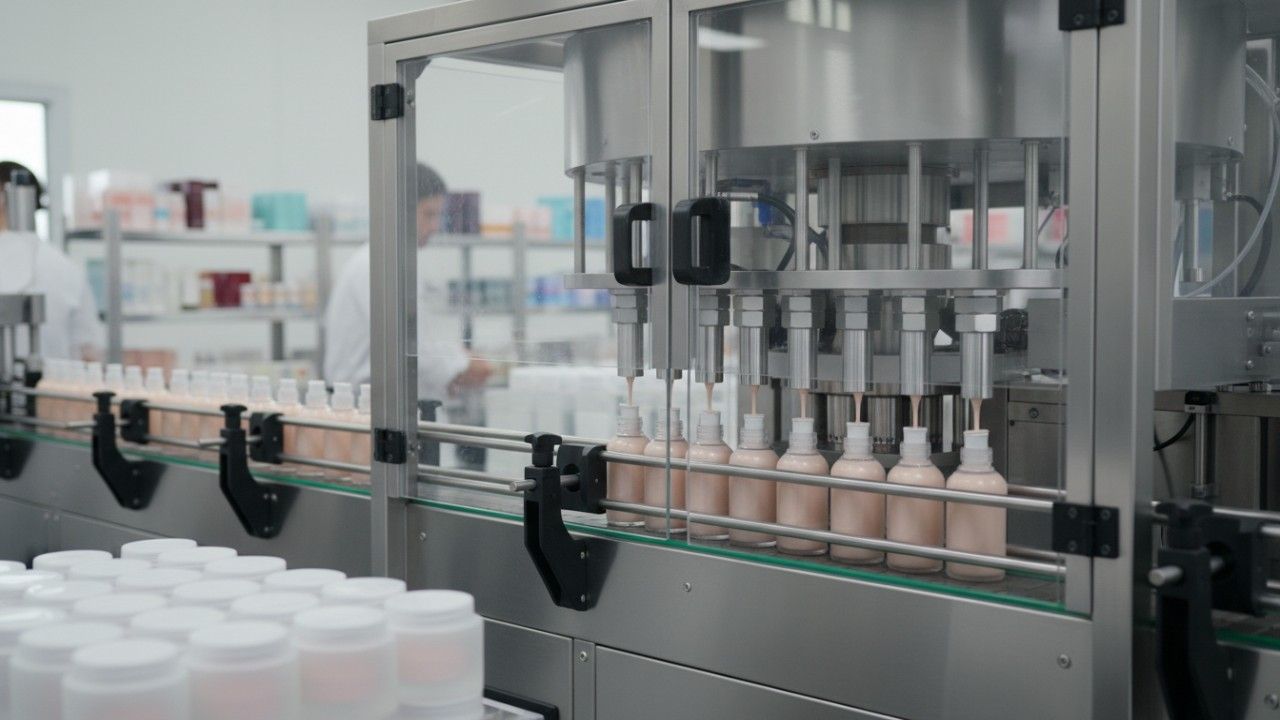
A filling machine is a specialized piece of packaging equipment designed to dispense precise quantities of liquid, paste, or powder products into containers.
It serves as the heartbeat of any packaging line, ensuring that every bottle, jar, or pouch contains the exact amount of product promised to the consumer. This precision is vital for regulatory compliance and profitability; even a 1% overfill can cost high-volume manufacturers hundreds of thousands of dollars annually. Filling machines operate on various principles depending on the product's viscosity:
· Liquid Level vs. Volumetric: Deciding between filling to a visual level (cosmetic appeal) or a specific volume (regulatory accuracy).
· Viscosity Handling: From water-thin spirits to thick peanut butter, the machine's pump system must match the flow rate.
· Automation: Ranging from tabletop semi-automatic units to high-speed rotary automatic filling machine systems.
Categorization by Machine Type: Which Do You Need?
Selecting the correct machine type is the single most important decision in the procurement process, dictated entirely by your product's physical characteristics.
Using a gravity filler for a viscous face cream, for example, will result in stalled production and inaccurate fills. Conversely, using a piston filler for water is overkill and inefficient. To choose the right liquid filler machine or powder system, consider these categories:
1. Liquid Filling Machines:
o Gravity Fillers: Best for thin, free-flowing liquids like water and juice.
o Piston Fillers: The gold standard for thick products like sauces, shampoos, and creams.
o Overflow Fillers: Ideal for filling clear bottles to a consistent visual level, regardless of minor bottle irregularities.
2. Powder Filling Machines:
o Auger Fillers: Use a rotating screw to force powder into containers; perfect for flour, spices, and talc.
o Vibratory Fillers: Best for granular products that might break if compressed.
3. Specialty Systems:
o Vertical Form Fill Seal Machine (VFFS): Forms a bag from a roll of film, fills it, and seals it—all in one vertical motion. Essential for snacks and coffee.
o Cosmetic Filling Machine: Specialized units designed for hygiene, aesthetic precision, and delicate handling of emulsions.
For a deeper dive into liquid specifics, read our guide on Types and Trends of Liquid Filling Machines.
Expert Buying Guide: 5 Factors Before You Buy
Your Return on Investment (ROI) depends on balancing speed requirements with the specific viscosity constraints of your product.
Before contacting a manufacturer, gather your technical requirements. A vague request often leads to a recommendation for a generic machine that may not suit your specific niche. Focus on these five pillars:
1. Viscosity & Product Characteristics: Does your product foam? Is it flammable? Does it contain particulates (like chunky salsa)? These factors dictate whether you need bottom-up filling, explosion-proof controls, or special nozzles.
2. Speed vs. Accuracy: A bottle filling machine running at 300 bottles per minute (BPM) usually sacrifices a tiny margin of accuracy compared to a slower, high-precision unit. Determine what your tolerance is.
3. Sanitary Standards: For food and pharma, look for 3A Sanitary or cGMP compliance. This includes easy-to-clean quick-release parts and Clean-in-Place (CIP) capabilities.
4. Scalability: If you are a growing business, ensure your automatic filling machine for liquid can accept additional heads or modules later. Don't buy for today's volume; buy for next year's.
5. After-Sales Support: A machine is only as good as the service behind it. Ensure the manufacturer has local technicians or robust remote support.
If you are specifically in the beauty industry, check our article on How to choose the best filling machine for cosmetic creams?.
Common Mistakes to Avoid When Choosing a Manufacturer
The most frequent error buyers make is prioritizing upfront machine cost over the Total Cost of Ownership (TCO) and changeover efficiency.
A "cheap" machine that takes 4 hours to switch from a 500ml to a 1L bottle will cost you more in downtime than a premium machine that switches in 20 minutes. Avoid these pitfalls:
· Overlooking Changeover Time: In 2026, SKU proliferation is real. You will likely run multiple bottle sizes. Ensure tool-less changeovers are standard.
· Ignoring Downstream Compatibility: Your liquid fill machine must sync perfectly with your capper and labeler. If the filler is too fast, bottles will pile up; too slow, and downstream machines sit idle.
· Underestimating Temperature Effects: Viscosity changes with temperature. A hot-fill product flows differently when cool. Ensure the manufacturer tests your product at actual production temperatures.
· Skipping the FAT (Factory Acceptance Test): Never ship a machine without visiting the factory (or doing a live video FAT) to see your product running in your bottles.
Future Trends: Filling Technology Outlook 2026-2030
The future of filling lies in predictive maintenance and self-adjusting systems that correct fill volumes in real-time without human intervention.
As we move toward 2030, the automated filling machine sector will be dominated by Industry 4.0 technologies. We are already seeing machines that use AI to detect subtle changes in product density and adjust the piston stroke instantly.
· IoT Sensors: Real-time monitoring of motor load and seal pressure to predict component failure weeks in advance.
· Sustainable Filling: Machines designed to handle ultra-thin plastic bottles (lightweighting) without crushing them.
· Robotic Integration: Collaborative robots (cobots) loading empty bottles and removing filled ones to reduce manual labor injuries.
· Aseptic Advancements: Self-cleaning systems that reduce water usage by 40% while maintaining sterility for extended shelf-life products.
Top 15 Global Filling Machine Manufacturers
This definitive ranking evaluates manufacturers based on global reach, technological innovation, reliability, and after-sales support networks.
1. Krones AG
Country: GermanyDescription: Krones is the undisputed global heavyweight in the beverage filling industry. They specialize in high-speed, fully integrated lines for bottles, cans, and shaped containers. Their technology covers the entire process chain, from product processing to filling, labeling, and packing. Krones is the go-to choice for mega-breweries and soft drink giants requiring speeds in excess of 50,000 bottles per hour.

2. FULUKE
Country: ChinaDescription: Guangzhou Fuluke Cosmetics Chemical Machinery Co., Ltd. (FULUKE) stands as a premier expert in the cosmetic filling machine and liquid processing sector. Unlike generalist manufacturers, FULUKE specializes in high-viscosity and delicate emulsion filling, making them a top choice for the cosmetics and pharmaceutical industries. They integrate advanced high-shear mixing technology directly with filling lines, ensuring product consistency from the tank to the tube. Their 2026 lineup features smart, automatic filling machine systems that rival European standards in precision while offering exceptional value and robust global support.

3. Syntegon (formerly Bosch Packaging)
Country: GermanyDescription: Syntegon is a titan in the pharmaceutical and food packaging sectors. They are renowned for their sterile filling and closing machines for vials, ampoules, and syringes. In the food sector, their vertical form fill seal machine technology for dry foods and snacks is industry-leading, prioritizing hygiene and seal integrity.
4. Tetra Pak
Country: Switzerland / SwedenDescription: Synonymous with carton packaging, Tetra Pak is the world leader in aseptic filling for dairy and juice products. Their systems are closed-loop, ensuring long shelf life without preservatives. While famous for cartons, they also offer advanced processing equipment for ice cream and cheese.
5. GEA Group
Country: GermanyDescription: GEA is a major technology supplier for food processing and a wide range of other industries. Their filling division excels in aseptic blow-fill cap technology for sensitive beverages like milk and smoothies. They focus heavily on energy recovery and resource-efficient production methods.

6. KHS Group
Country: GermanyDescription: KHS provides durable and high-performance filling systems for glass and PET bottles, kegs, and cans. They are particularly strong in the beer and carbonated soft drink markets. Their "InnoPET" series is a benchmark for sustainable, energy-efficient bottle manufacturing and filling.
7. Coesia Group
Country: ItalyDescription: Coesia is a group of innovation-based industrial and packaging solution companies. Brands under their umbrella, like ACMA, are leaders in filling technology for fast-moving consumer goods (FMCG), including edible oils and detergents. They are known for high-speed, aesthetic packaging solutions.
8. IMA Group
Country: ItalyDescription: IMA is a world leader in the design and manufacture of automatic machines for the processing and packaging of pharmaceuticals, cosmetics, food, tea, and coffee. Their filling lines for pharmaceuticals are highly sophisticated, often including isolation technology for handling potent compounds.
9. Serac Group
Country: FranceDescription: Serac specializes in the design and manufacture of filling and capping machines for liquids. They are the originators of net weight filling technology, which offers extreme precision for high-value products like dairy, vegetable oils, and home care products.
10. Barry-Wehmiller
Country: USADescription: A global supplier of manufacturing technology and services. Through their Pneumatic Scale Angelus division, they offer legendary filling technology for beverages, dairy, and biotech. Their centrifuge and piston fillers are renowned for their durability and longevity in harsh industrial environments.

11. Sidel
Country: Italy / FranceDescription: Sidel is a leading provider of equipment and services for packaging beverages, food, home, and personal care products in PET, can, glass, and other materials. Their "Combi" systems, which integrate blow molding, filling, and capping into a single enclosure, are industry standards for efficiency.
12. Accutek Packaging Equipment
Country: USADescription: Accutek is a leading manufacturer of packaging machinery for small to medium-sized businesses. They offer a versatile range of liquid filler machine options, from entry-level semi-automatic units to complete automatic lines. They are known for flexibility and quick changeovers, ideal for contract packagers.
13. OPTIMA Packaging Group
Country: GermanyDescription: OPTIMA is a specialist in filling and packaging machines for the pharmaceutical, consumer, nonwovens, and life science industries. They excel in complex, high-value applications, such as filling diagnostic kits or single-serve coffee capsules.
14. ProMach
Country: USADescription: ProMach is a family of best-in-class packaging solution brands. Their filling brands, such as Federal and Pacific, are leaders in level and volumetric filling for the food and beverage industries. They offer some of the most robust rotary filling systems on the market.
15. Sacmi
Country: ItalyDescription: While famous for ceramics machinery, Sacmi is a major player in the beverage packaging industry. Their compression blow forming and filling lines are highly innovative. They offer complete turnkey solutions for water and soft drink bottling plants.
Conclusion
Choosing the right partner for your automatic filling machine needs is a strategic decision that impacts your efficiency for decades. Whether you need the massive scale of Krones, the specialized cosmetic precision of FULUKE, or the pharmaceutical expertise of Syntegon, the 2026 market offers tailored solutions for every viscosity and volume. Prioritize TCO, future-proof your line with IoT capabilities, and ensure your chosen manufacturer understands the specific rheology of your product.
FAQ
1. What is the difference between a volumetric and a liquid level filling machine?
· Volumetric: Fills a specific, measured amount of product (e.g., 500ml) regardless of the container's shape. Best for regulatory compliance on labeled volume.
· Liquid Level: Fills to a specific visual height in the bottle. Best for clear glass bottles where visual consistency on the shelf is more important than the exact volume.
2. How much does an industrial filling machine cost in 2026?
· Semi-automatic units: Typically range from $2,000 to $15,000.
· Automatic inline systems: Range from $25,000 to $100,000.
· High-speed rotary lines: Can exceed $500,000 depending on the number of heads and aseptic requirements.
3. Which filling machine is best for high-viscosity products?
Piston fillers and positive displacement pump fillers are best suited for thick pastes, creams, and gels. They provide the force needed to move viscous products without cavitation.
4. How do I calculate the ROI of a new filling machine?
Calculate ROI by comparing your current manual labor costs (wages, insurance) and product wastage (overfill/spillage) against the machine's purchase price and rated speed. Most automatic machines pay for themselves within 12-18 months through labor savings and accuracy alone.
5. Can one machine fill both liquids and powders?
Generally, no. Liquids require pumps or gravity systems, while powders require augers or vibratory feeders. Hybrid lines exist but are rare and often prone to cross-contamination.
6. What are the maintenance requirements for filling equipment?
· Daily: Flush and clean nozzles and hoses (CIP).
· Weekly: Lubricate moving parts and check seals for wear.
· Quarterly: Inspect pump impellers, pistons, and electrical connections.
7. What is the average lifespan of a filling machine?
With proper maintenance, industrial cosmetic filling machines and liquid fillers can last 15-20 years. Many machines built in the early 2000s are still in operation today.
8. Do I need a rotary or inline filling machine?
· Inline: Best for small to medium runs, flexibility, and lower cost.
· Rotary: Essential for very high-speed production (100+ BPM) and consistent handling of unstable containers.
References
· Automatic Liquid Filling Machine Market Size & Share Analysis - Mordor Intelligence
· Filling Machines Market Size, Share & Growth Report 2025 - The Business Research Company
· Liquid Filling Machines Market Size, Share | Growth [2032] - Fortune Business Insights
· Filling Machines Market Size, Share & Forecast 2035 - Market Research Future

Understanding Servo Capping Machines: The Core Logic of Precise Capping – Understand the Entire Working Process in Seconds
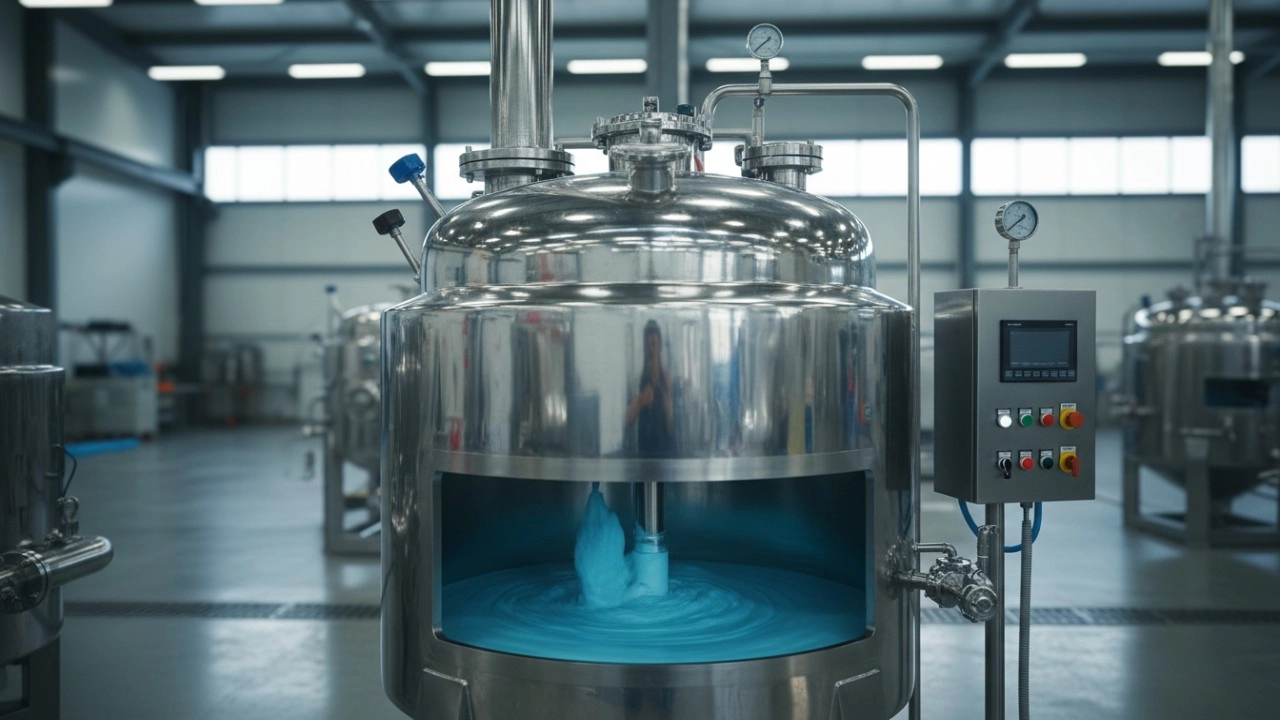
The Future of Industrial Agitation: 5 Smart Mixing Tank Technologies Changing the Game
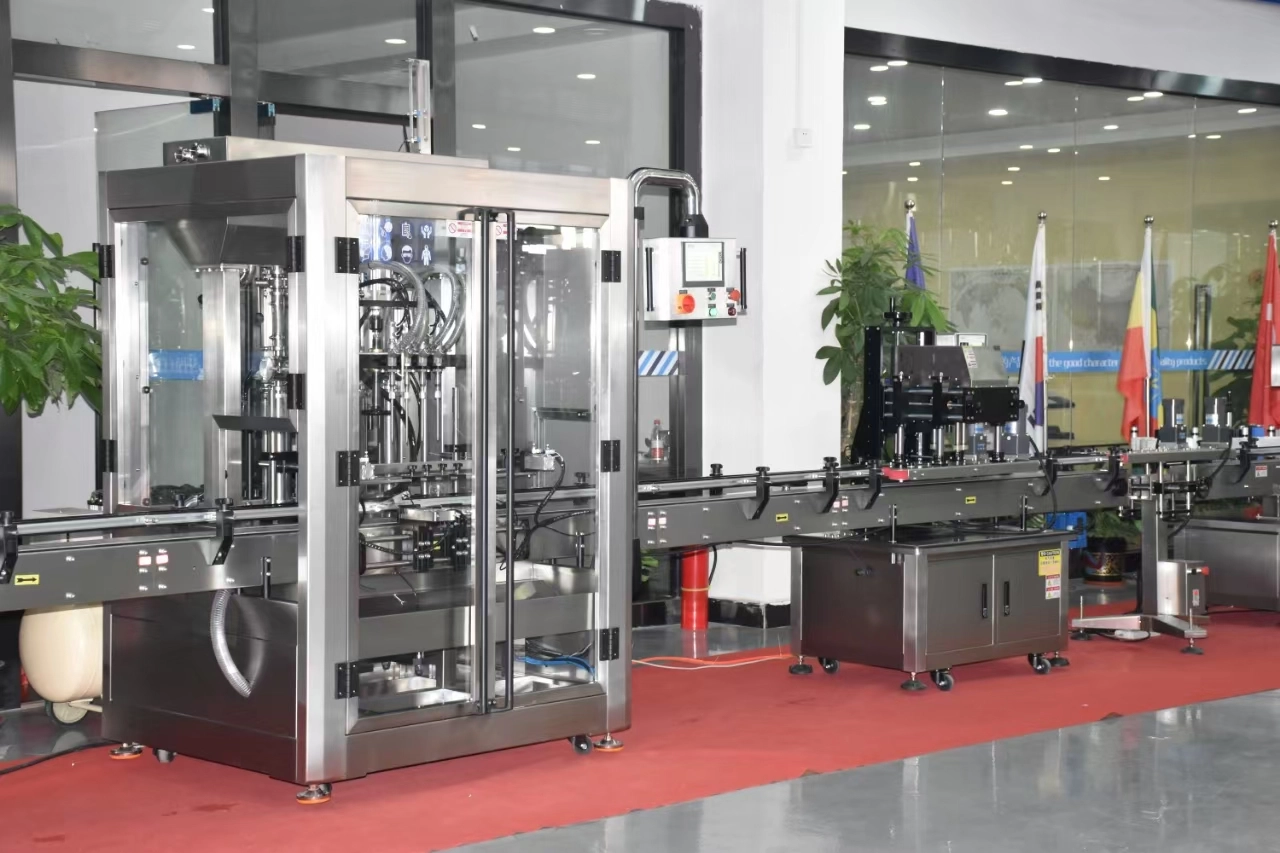
Gear pump filling machine vs. piston filling machine: Key differences broken down to avoid pitfalls in selection.
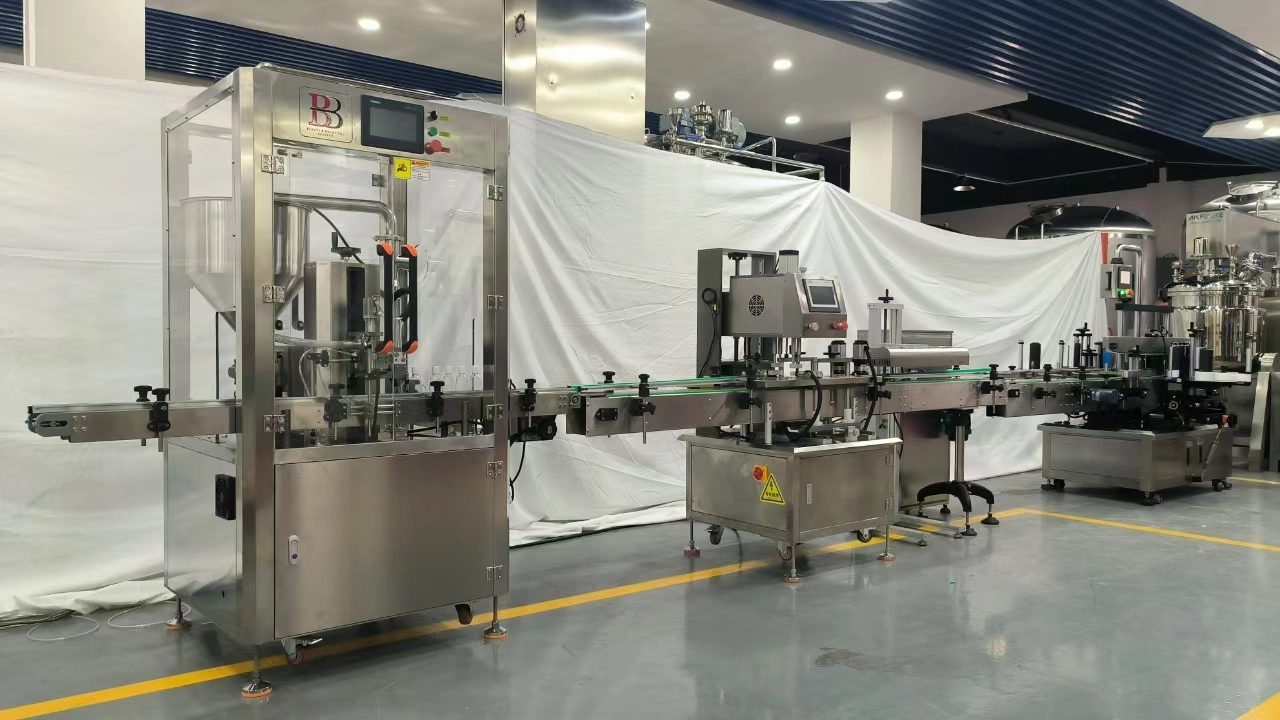
Understand the working principle of a servo gear pump filling machine!
Sealed Homogenizing Mixing Tank
What is the structure of an agitator?
The agitator usually consists of a "frame agitator (SUS316L material) + scraper (PTFE)" or an anchor agitator.
What can you buy from us?
RO Water Treatment、Vacuum Emulsifying Machine、Homogenizer Mixing Tank、Filling and Capping、labeling Machine、Packing Machine、Storage Tank,etc.
Polypropylene PP Mixing Tank
Which mixing pot should I choose between a PP and a stainless steel mixing pot?
When the material is corrosive, a PP mixing pot is more advantageous. Stainless steel (such as 304) has poor resistance to acids and alkalis (easily corroded by hydrochloric acid and sodium hydroxide). For corrosion protection, upgrading to 316L stainless steel is necessary, which costs 2-3 times more than PP. PP, on the other hand, can withstand low- to medium-concentration corrosive media and offers low maintenance (no rust removal required, and low scaling).
When the material is non-corrosive, a stainless steel mixing pot is more advantageous. Stainless steel offers higher temperature resistance (up to 200°C), greater strength (suitable for high-viscosity materials), and a higher hygienic grade (easy to clean aseptically), making it suitable for non-corrosive but demanding applications such as food and pharmaceuticals.
Film Packaging Machine
What industries is this film packaging machine suitable for?
This machine is widely used for packaging a variety of items in large single boxes or multiple small boxes (with gold drawstring) in industries such as pharmaceuticals, health products, food, cosmetics, stationery, and audio-visual products.
RO Water Treatment
Will poor raw water quality (such as high turbidity or hardness) affect the performance of RO equipment?
It can have a significant impact.
Highly turbid raw water (containing large amounts of sediment and colloids) can accelerate clogging of pre-filters (PP cotton) and activated carbon elements, shortening replacement cycles and increasing maintenance costs.Highly hard raw water (containing large amounts of calcium and magnesium ions) can easily form scale (calcium carbonate and magnesium carbonate) on the RO membrane surface, reducing filtration efficiency and even causing irreversible damage, shortening the life of the membrane.For this type of water quality, it is recommended to add a pretreatment device (such as a prefilter or softener) before the RO system to reduce the raw water's turbidity or hardness before entering the RO system.
Get in touch with FULUKE
If you have any comments or good suggestions, please leave us a message, later our professional staff will contact you as soon as possible.
You May Also Like
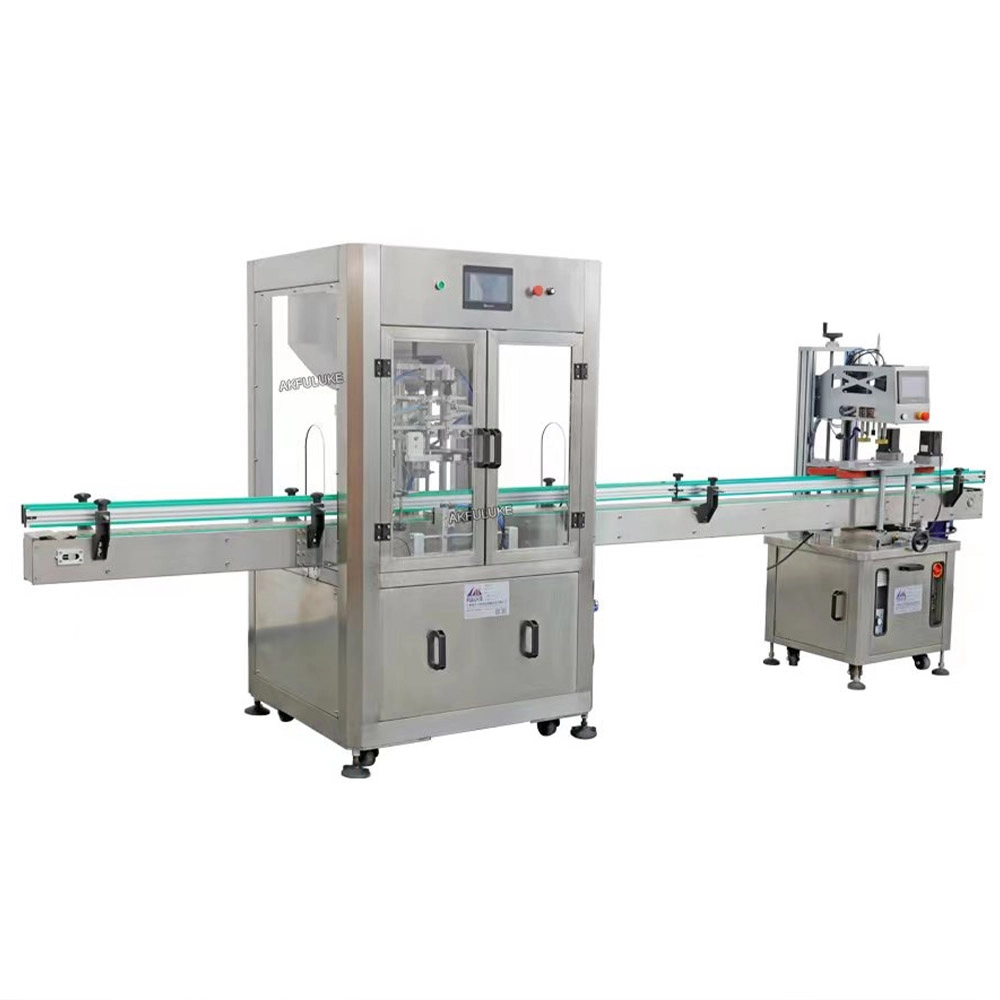
Automatic Filling Machine Quantitative Liquid Bottle Filling Machine High-precision cream and lotion filling machine
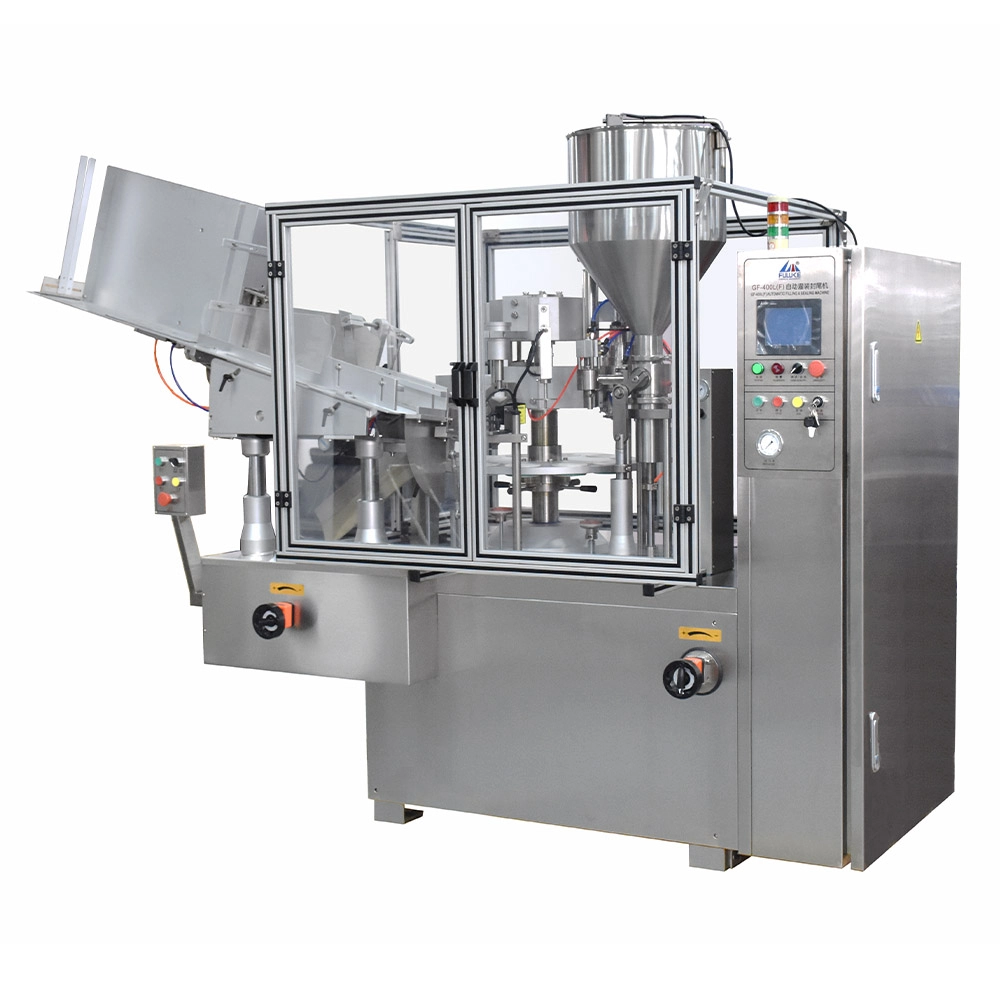
Automatic Tube Filling and Sealing Machine Toothpaste Sunscreen and Facial Cleanser Filling and Sealing Machine for Plastic and Aluminum-plastic Tube
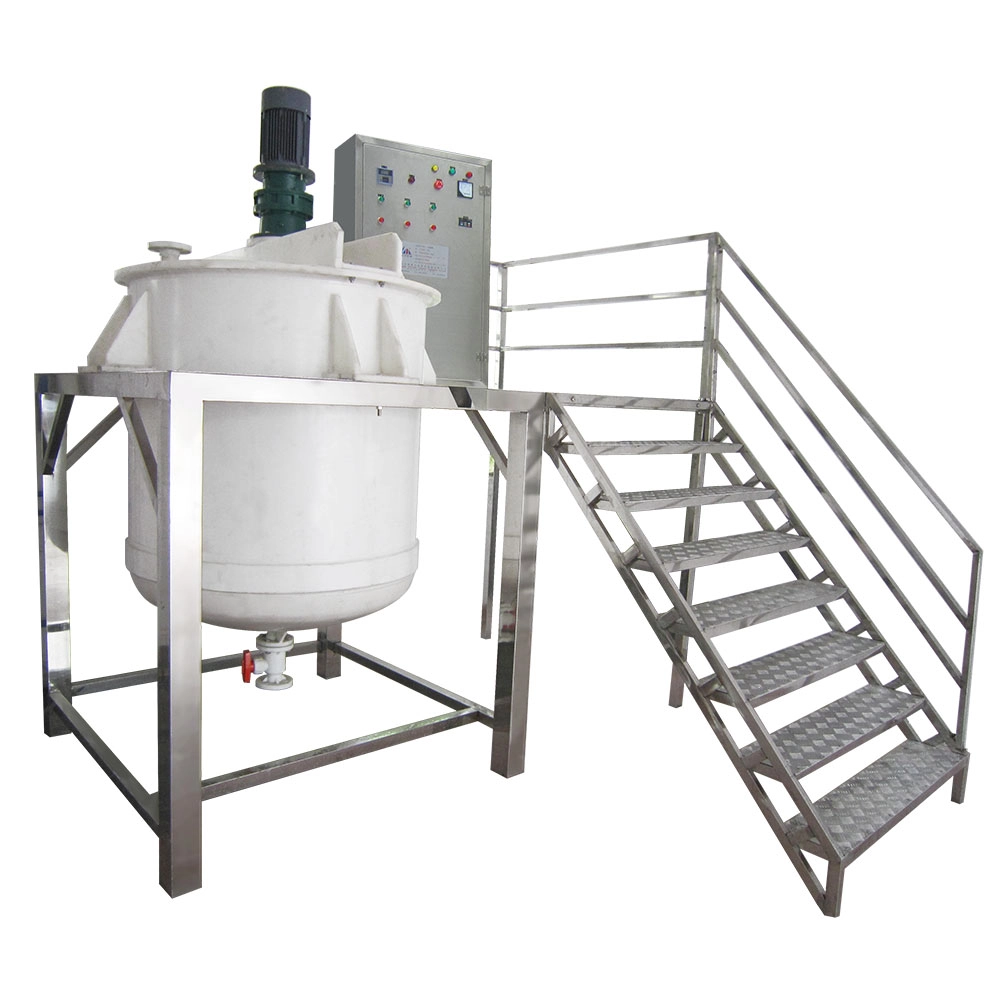
Polypropylene PP Mixing Tank Anti-Corrosion Mixer Reaction Kettle with Agitator Chemical Mixing Vessel
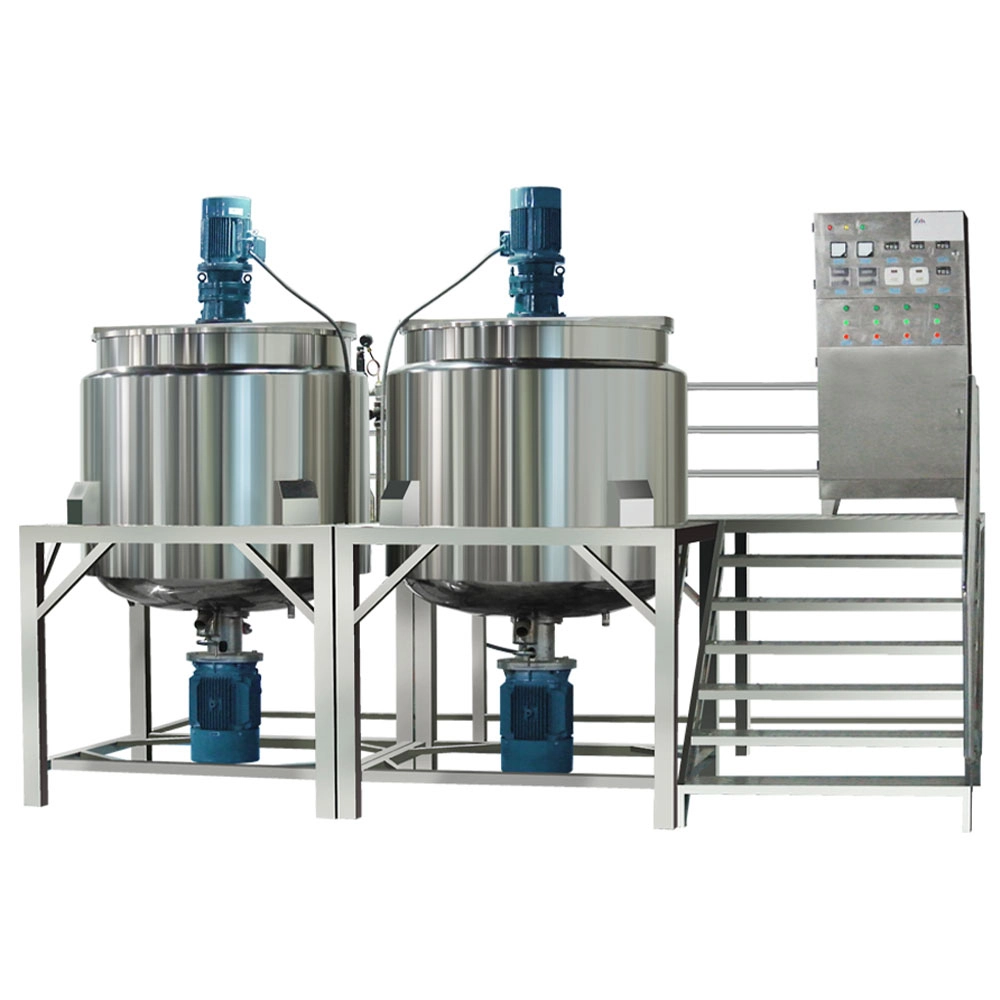
Flip Cover Multi-function Liquid Wash Mixing Tank Blender Liquid Detergent Mixer Homogenization Stirring Tank

A leading manufacturer specializing in advanced machinery and complete production lines for the cosmetics, food, pharmaceutical, and chemical industries worldwide.
Contact FULUKE
Facebook
Instagram
YouTube