
Ultimate Guide to Industrial Reverse Osmosis Systems 2026: Innovations & Applications
A comprehensive guide to industrial reverse osmosis systems, covering working principles, cost analysis ($15k–$1M+), fluoride removal, and future trends like AI integration.
- What is an Industrial Reverse Osmosis System?
- Core Functions
- Quick Look: Essential Insights into Industrial RO
- How Does an Industrial Reverse Osmosis System Work?
- The Filtration Process
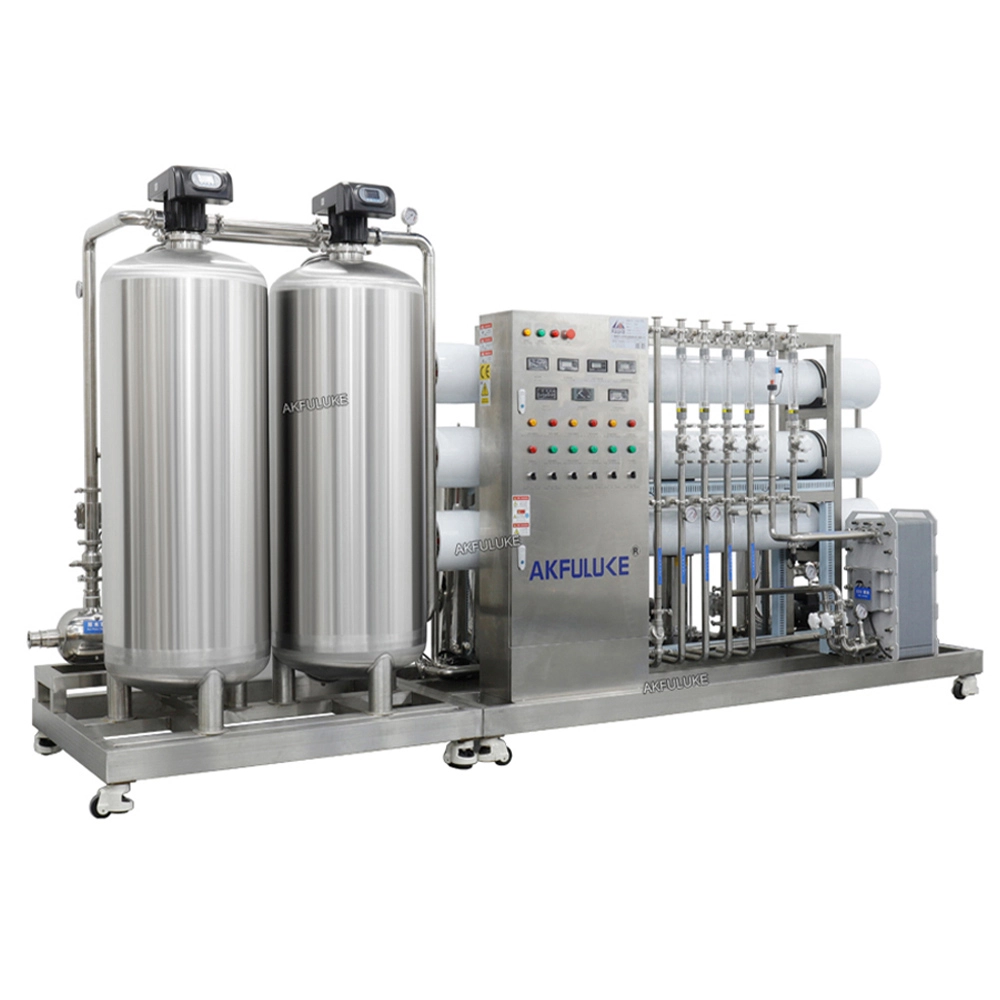
- Key Components of Industrial RO Systems
- Pre-treatment: The Foundation of RO System Longevity and Efficiency
- Common Pre-treatment Methods
- Diverse Industrial Applications of Reverse Osmosis Systems
- The Unrivaled Benefits of Industrial RO for Modern Businesses
- Sizing and Customizing Your Industrial RO System: A Critical Guide
- Design Considerations
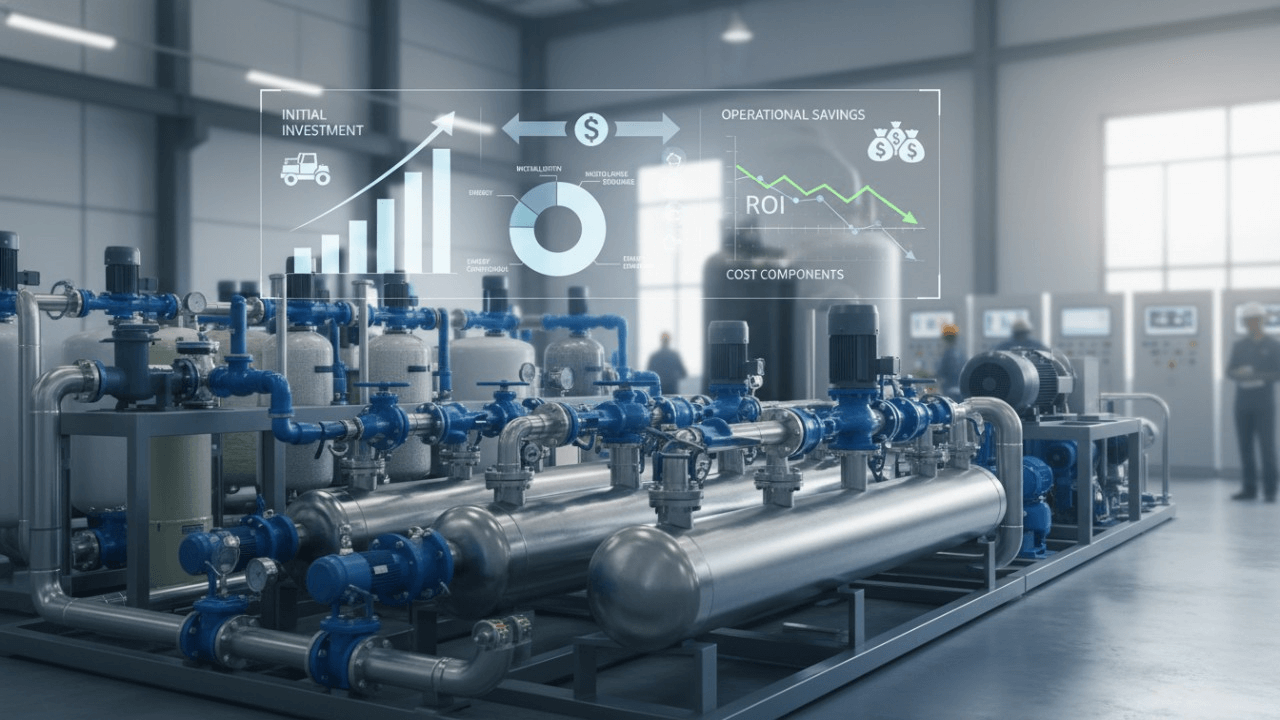
- Cost Analysis & Return on Investment (ROI) for Industrial RO Systems
- Calculating ROI
- Common Challenges and Expert Tips for Industrial RO System Operation
- Troubleshooting Tips
- The Future of Industrial Reverse Osmosis: Innovations and Trends for 2026 and Beyond
- Key Trends
- Comparing Industrial RO with Other Water Treatment Technologies
- Frequently Asked Questions (FAQ)
- Does a reverse osmosis system remove fluoride?
- How often do industrial RO membranes need to be replaced?
- What is the typical lifespan of an industrial RO system?
- Can industrial RO systems treat wastewater for reuse?
- What are the main stages of an industrial RO plant?
- How do industrial RO systems contribute to environmental sustainability?
- Is pre-treatment essential for industrial reverse osmosis?
- How much does an industrial reverse osmosis system cost?
- References
What is an Industrial Reverse Osmosis System?
An industrial reverse osmosis system is a large-scale water purification unit that utilizes high-pressure pumps to force water through semi-permeable membranes, effectively removing up to 99% of dissolved solids and impurities. Unlike residential units, these systems are engineered for continuous, high-volume operation in critical manufacturing and processing environments. Industrial applications demand water purity levels that standard filtration cannot achieve. By overcoming natural osmotic pressure, these systems separate feed water into two streams: high-purity product water (permeate) and a concentrated waste stream (brine) containing the rejected contaminants. This technology is the backbone of modern industrial water treatment, ensuring consistency and safety.
Core Functions
· Dissolved Solid Removal: Eliminates salts, minerals, and metals.
· High-Volume Processing: Capable of treating thousands to millions of gallons per day (GPD).
· Critical Protection: Prevents scaling and corrosion in expensive downstream equipment.
Quick Look: Essential Insights into Industrial RO
Industrial reverse osmosis systems provide the highest standard of water purity necessary for sensitive manufacturing processes and boiler operations. They are not just filters but comprehensive treatment plants designed to optimize operational efficiency.
· Efficiency: Significantly reduces chemical usage and operational costs over time.
· Sustainability: Supports water reuse programs, lowering the facility's environmental footprint.
· Equipment Protection: Extends the lifespan of boilers and cooling towers by preventing mineral buildup.
· Versatility: Capable of treating well water, brackish water, and even seawater.
How Does an Industrial Reverse Osmosis System Work?
An industrial RO system works by using a high-pressure pump to drive feed water across a semi-permeable membrane surface, allowing pure water molecules to pass through while rejecting larger contaminants. This process reverses the natural phenomenon of osmosis, where water naturally flows from a dilute solution to a concentrated one.
To achieve this, the system must apply pressure greater than the natural osmotic pressure of the feed water. The result is a reverse osmosis water filtration system flow diagram that typically moves from pre-treatment to high-pressure pumping, then membrane separation, and finally post-treatment.
The Filtration Process
1. Pre-Treatment: Removes large particles and chlorine to protect the membranes.
2. High-Pressure Pumping: Elevates water pressure (often 150-1000 PSI) to drive the separation process.
3. Membrane Separation: The core stage where water is split into clean permeate and concentrated reject.
4. Post-Treatment: Final pH adjustment or sterilization before distribution.
Key Components of Industrial RO Systems
Every industrial reverse osmosis system is composed of several critical stages designed to handle specific water quality challenges. Understanding these components is vital for maintenance and troubleshooting.
· Pre-filtration Units: Includes cartridge filters and multimedia vessels to remove sediment.
· High-Pressure Pumps: The "engine" of the system, often a reverse osmosis system with booster pump configuration for optimal pressure.
· RO Membrane Elements: Thin Film Composite (TFC) membranes that perform the actual separation.
· Pressure Vessels: Robust stainless steel or FRP housings that contain the membranes under high pressure.
· Control Panel: Uses PLCs to monitor flow, pressure, and water quality (conductivity/TDS).
· Clean-in-Place (CIP) Skid: A dedicated system for periodically cleaning membranes to remove fouling.
Pre-treatment: The Foundation of RO System Longevity and Efficiency
Pre-treatment is the mandatory process of conditioning feed water before it enters the sensitive RO membranes to prevent fouling, scaling, and premature failure. Without effective pre-treatment, an industrial system can fail within days due to clogged membranes.
Data from field operations suggests that poor pre-treatment is the leading cause of membrane replacement. A proper setup analyzes the feed water—especially if installing a reverse osmosis system for well water—to determine the necessary filtration steps.
Common Pre-treatment Methods
· Multimedia Filtration: Removes suspended solids and turbidity.
· Activated Carbon: Essential for removing chlorine, which can oxidize and destroy RO membranes.
· Water Softeners: Removes hardness ions (calcium/magnesium) to prevent scale formation.
· Antiscalant Dosing: Chemical injection that inhibits mineral precipitation at high recovery rates.
Diverse Industrial Applications of Reverse Osmosis Systems
RO technology is ubiquitous across sectors, serving as the primary method for generating high-purity water. From power generation to food safety, the applications are vast.
· Boiler Feed Water: Removes silica and hardness to prevent catastrophic boiler tube failures.
· Pharmaceuticals: Produces United States Pharmacopeia (USP) grade water for injections and cleaning.
· Food & Beverage: Ensures consistent taste and safety in bottling and brewing.
· Desalination: Converts seawater into potable water for municipalities and resorts.
· Microchip Manufacturing: Provides ultrapure water (UPW) essential for washing semiconductor wafers.
· Wastewater Reuse: Treats industrial effluent for recycling back into the process loop (Zero Liquid Discharge).
The Unrivaled Benefits of Industrial RO for Modern Businesses
Implementing a best reverse osmosis water filtration system offers immediate operational advantages, primarily through cost reduction and risk mitigation. Beyond water quality, the financial incentives are compelling.
· Consistent Purity: Delivers water that meets strict regulatory and industry standards 24/7.
· Cost Savings: Reduces the frequency of boiler blowdowns and lowers energy costs associated with scale transfer.
· Environmental Compliance: Helps facilities meet strict wastewater discharge permits by concentrating pollutants.
· Scalability: Modular designs allow businesses to expand capacity as production needs grow.
Sizing and Customizing Your Industrial RO System: A Critical Guide
Sizing an RO system requires precise engineering calculations based on feed water analysis and required permeate flow. A “one-size-fits-all” approach rarely works in industrial settings. When installing a reverse osmosis system, engineers must consider the recovery rate—the percentage of feed water converted to product water. Standard industrial systems typically target around 75% recovery, though this varies with water chemistry and system design, making supplier expertise from the top 10 manufacturers and suppliers of reverse osmosis especially critical during system selection and engineering.
Design Considerations
· Flow Rate: Measured in Gallons Per Minute (GPM) or Gallons Per Day (GPD).
· Pass Configuration:
o Single-Pass: Standard purification.
o Double-Pass: The permeate from the first RO is fed into a second RO for higher purity.
· Feed Water Source: Well water requires different handling than city water or brackish water.
· Future Expansion: Sizing pumps and piping to accommodate future membrane additions.
Cost Analysis & Return on Investment (ROI) for Industrial RO Systems
How much does a reverse osmosis system cost? The price varies significantly based on capacity (GPD) and materials of construction. For a clear budget, buyers must look beyond the sticker price to the Total Cost of Ownership (TCO).
According to recent market data (2024-2025), general pricing tiers are as follows:
· Small Commercial (<5,000 GPD): $15,000 – $50,000.
· Mid-Sized Industrial (50,000 – 100,000 GPD): $100,000 – $300,000.
· Large-Scale (>500,000 GPD): Can exceed $1,000,000.
Calculating ROI
When evaluating the cost of reverse osmosis system investments, consider the savings:
1. Reduced Chemical Costs: Less boiler chemicals needed.
2. Energy Efficiency: Scale-free boilers transfer heat more efficiently.
3. Water Savings: Reuse strategies reduce municipal water bills.
Common Challenges and Expert Tips for Industrial RO System Operation
Operational challenges typically revolve around membrane fouling and mechanical wear. Proactive maintenance is the key to preventing unplanned downtime.
Operators often ask, "How much is a reverse osmosis system" in terms of maintenance? Expect to budget 10-15% of the capital cost annually for consumables (chemicals, filters) and membrane replacement every 3-5 years.
Troubleshooting Tips
· High Pressure Drop: Usually indicates sediment fouling; check pre-filters.
· Low Permeate Flow: Often caused by cold feed water or scaling; adjust pressure or clean membranes.
· High Permeate Conductivity: Suggests membrane damage or O-ring failure.
Expert Tip: Maintain a daily log of normalized data. If normalized flow drops by 10%, initiate a cleaning cycle immediately.
The Future of Industrial Reverse Osmosis: Innovations and Trends for 2026 and Beyond
The industrial water treatment market is evolving rapidly, with a projected growth rate (CAGR) of over 7% through 2031. Future systems will be smarter, more efficient, and more sustainable.
For those researching the top 10 manufacturers and suppliers of reverse osmosis, looking for companies integrating these technologies is crucial.
Key Trends
· AI & Machine Learning: Predictive analytics will forecast membrane fouling weeks before it occurs.
· High-Recovery RO: New designs aiming for >90% recovery to minimize brine waste.
· Energy Recovery Devices (ERDs): Adapting desalination tech to industrial RO to recycle pressure energy, reducing power consumption by up to 30%.
· Greener Membranes: Bio-based and fouling-resistant membrane materials.
Comparing Industrial RO with Other Water Treatment Technologies
Choosing the right technology depends on the specific contaminants you need to remove. RO is the most versatile, but it is often used in conjunction with other methods.
· RO vs. Nanofiltration: RO removes monovalent ions (like sodium), whereas nanofiltration focuses on divalent ions (like calcium) and organics.
· RO vs. Distillation: RO is significantly more energy-efficient than thermal distillation processes.
· RO vs. Deionization (DI): RO is a continuous process requiring no hazardous regeneration chemicals, whereas DI uses acid and caustic for regeneration.
Frequently Asked Questions (FAQ)
Does a reverse osmosis system remove fluoride?
Yes, does a reverse osmosis system remove fluoride? Absolutely. Industrial and commercial RO systems typically remove between 90% and 95% of fluoride from the water supply. The semi-permeable membrane effectively blocks the fluoride ion, which is larger than a water molecule, flushing it away with the waste stream.
How often do industrial RO membranes need to be replaced?
Industrial RO membranes typically last between 3 to 5 years. However, this lifespan is heavily dependent on the quality of the pre-treatment and the consistency of maintenance. In severe applications with high fouling potential, replacement may be needed every 2 years.
What is the typical lifespan of an industrial RO system?
The structural components (frame, vessels, pumps) of an industrial reverse osmosis system are built to last 15 to 20 years or more. With proper maintenance of wear parts like seals and bearings, the system is a long-term capital asset.
Can industrial RO systems treat wastewater for reuse?
Yes, RO is the standard technology for tertiary wastewater treatment. It polishes treated effluent to near-distilled quality, allowing it to be reused for cooling towers, irrigation, or industrial processes, helping companies achieve Zero Liquid Discharge goals.
What are the main stages of an industrial RO plant?
The four main stages are Pre-treatment (filtration/chemical dosing), High-Pressure Pumping (pressurization), Membrane Separation (purification), and Post-treatment (stabilization/distribution). Each stage is critical for the reverse osmosis system cost efficiency and performance.
How do industrial RO systems contribute to environmental sustainability?
By enabling water recycling, RO systems drastically reduce a facility's withdrawal from municipal or natural water sources. Furthermore, modern high-efficiency motors and energy recovery devices have lowered the carbon footprint associated with water purification.
Is pre-treatment essential for industrial reverse osmosis?
Yes, pre-treatment is non-negotiable. It protects the expensive RO membranes from suspended solids, chlorine, and mineral scaling. Omitting this step will lead to rapid system failure and voided warranties.
How much does an industrial reverse osmosis system cost?
A basic mid-sized system (50,000 GPD) generally falls in the reverse osmosis system cost range of $100,000 to $300,000. Custom engineering, advanced controls, and exotic materials (like sanitary stainless steel) will increase this price.
References

Understanding Servo Capping Machines: The Core Logic of Precise Capping – Understand the Entire Working Process in Seconds
The Future of Industrial Agitation: 5 Smart Mixing Tank Technologies Changing the Game
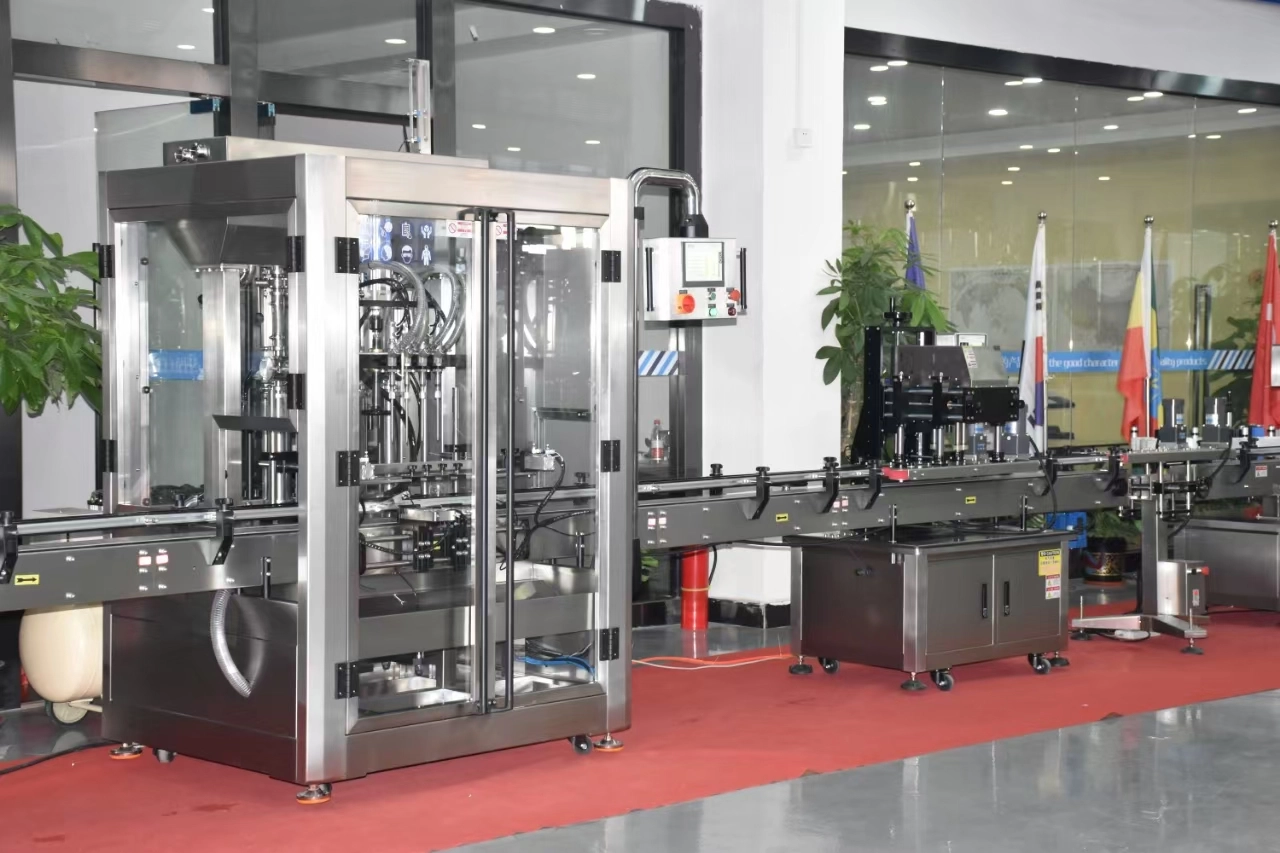
Gear pump filling machine vs. piston filling machine: Key differences broken down to avoid pitfalls in selection.
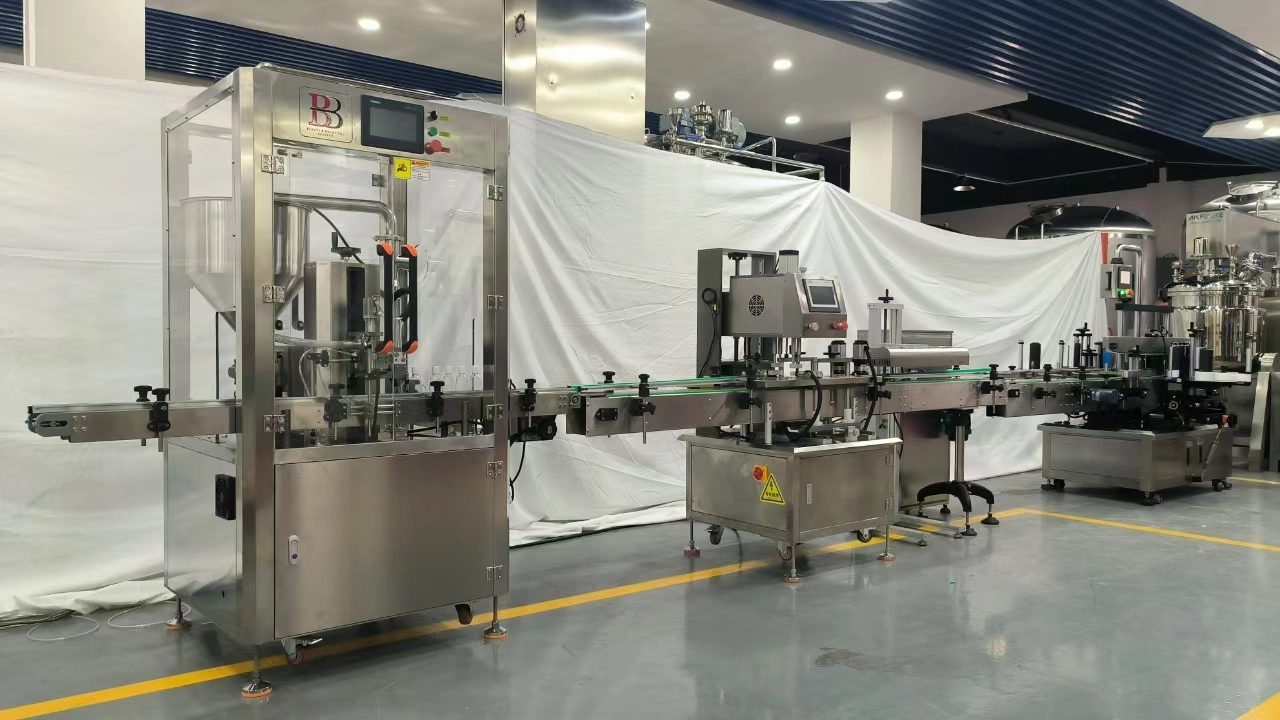
Understand the working principle of a servo gear pump filling machine!
Perfume Filling Machine
When changing fragrance formulas, how can we prevent cross-contamination between different formulas?
All equipment components that come into contact with materials are made of food-grade 316/304 stainless steel, some of which can be customized with PTFE anti-corrosion linings. This material is easy to clean and does not absorb fragrance ingredients. When changing formulas, a dedicated cleaning solution is used for circulating flushing, and key components can be manually disassembled for secondary cleaning to completely eliminate cross-contamination and meet the needs of alternating production with multiple formulas.
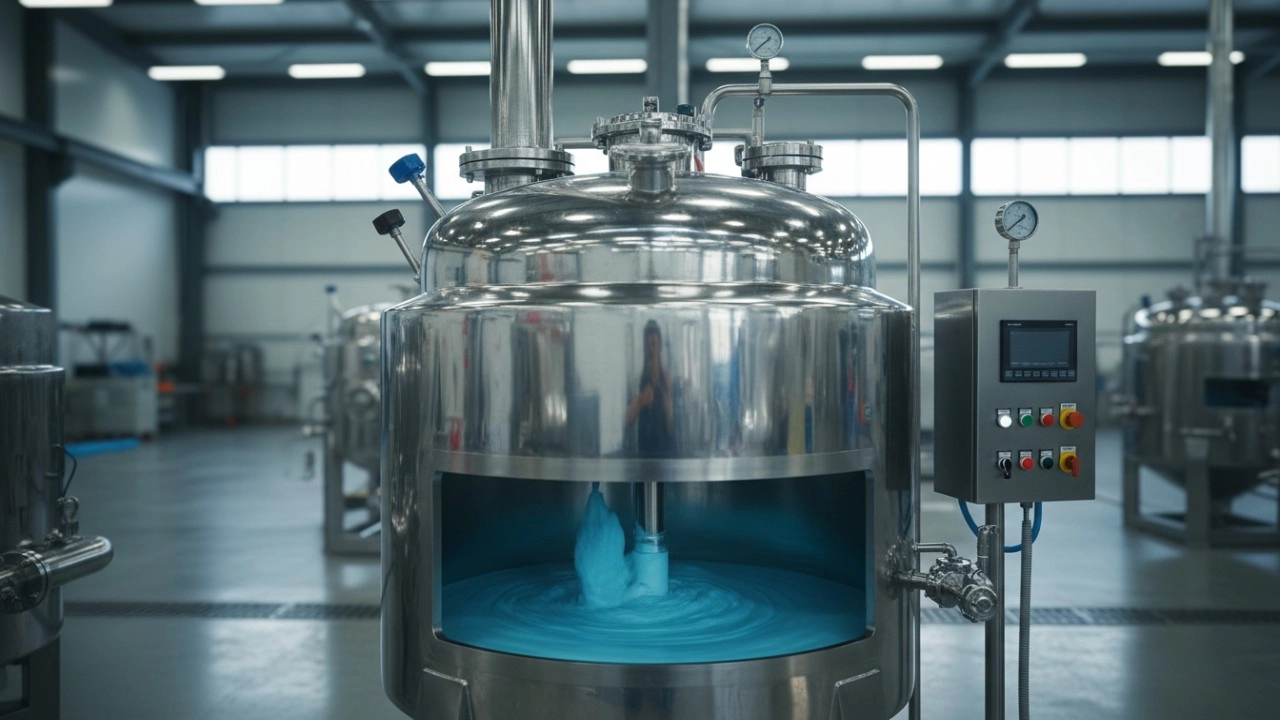
Sealed Homogenizing Mixing Tank
What is the structure of an agitator?
The agitator usually consists of a "frame agitator (SUS316L material) + scraper (PTFE)" or an anchor agitator.
Automatic Facial Mask Filling Machine
We want to fill products in multiple volumes (e.g., 5ml, 20ml, 50ml). Do we need to purchase multiple filling machines?
No, most facial mask filling machines support multiple volume adjustments. When purchasing, please confirm the machine's "volume adjustment range" (e.g., 5ml-50ml) to ensure it covers your desired specifications. Changing volumes simply requires modifying the fill volume parameters on the touchscreen.
What can you buy from us?
RO Water Treatment、Vacuum Emulsifying Machine、Homogenizer Mixing Tank、Filling and Capping、labeling Machine、Packing Machine、Storage Tank,etc.
Lift-type Homogenizing Disperser
What can you buy from us?
RO Water Treatment、Vacuum Emulsifying Machine、Homogenizer Mixing Tank、Filling and Capping、labeling Machine、Packing Machine、Storage Tank,etc.
Get in touch with FULUKE
If you have any comments or good suggestions, please leave us a message, later our professional staff will contact you as soon as possible.
You May Also Like
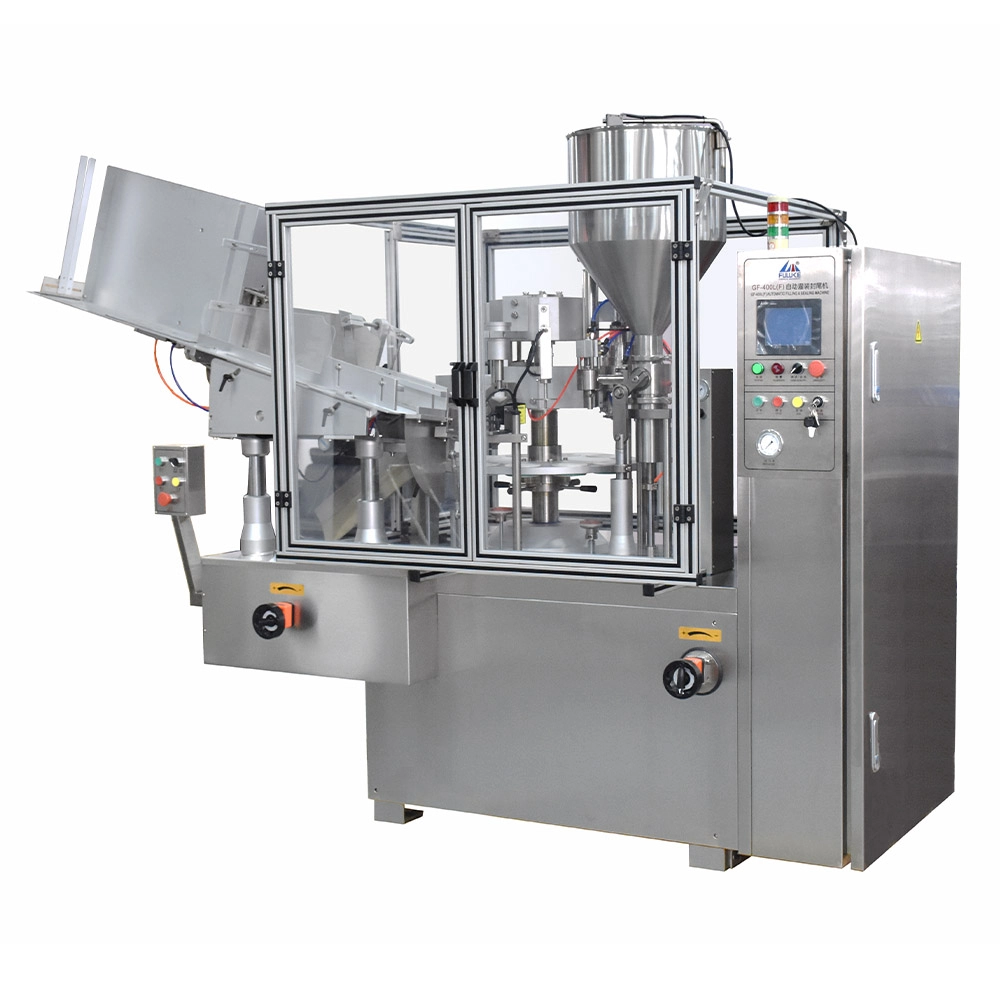
Automatic Tube Filling and Sealing Machine Toothpaste Sunscreen and Facial Cleanser Filling and Sealing Machine for Plastic and Aluminum-plastic Tube
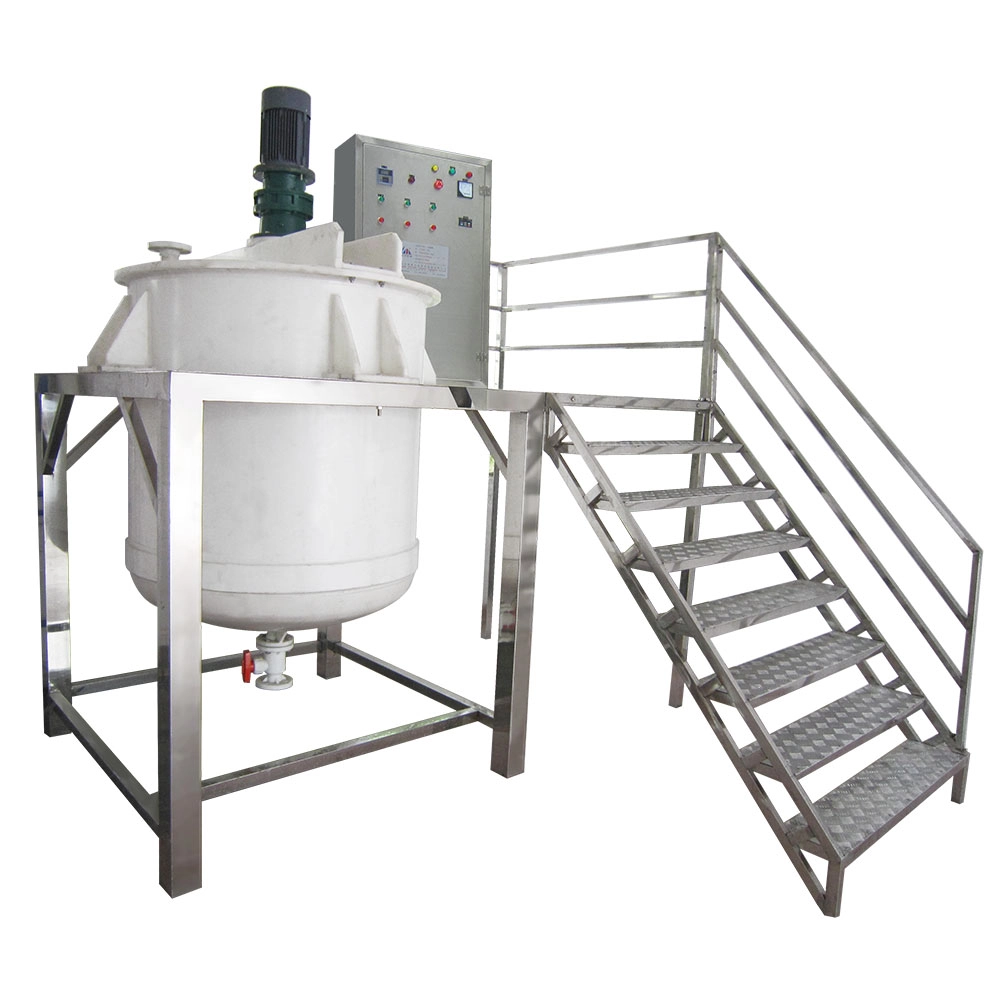
Polypropylene PP Mixing Tank Anti-Corrosion Mixer Reaction Kettle with Agitator Chemical Mixing Vessel
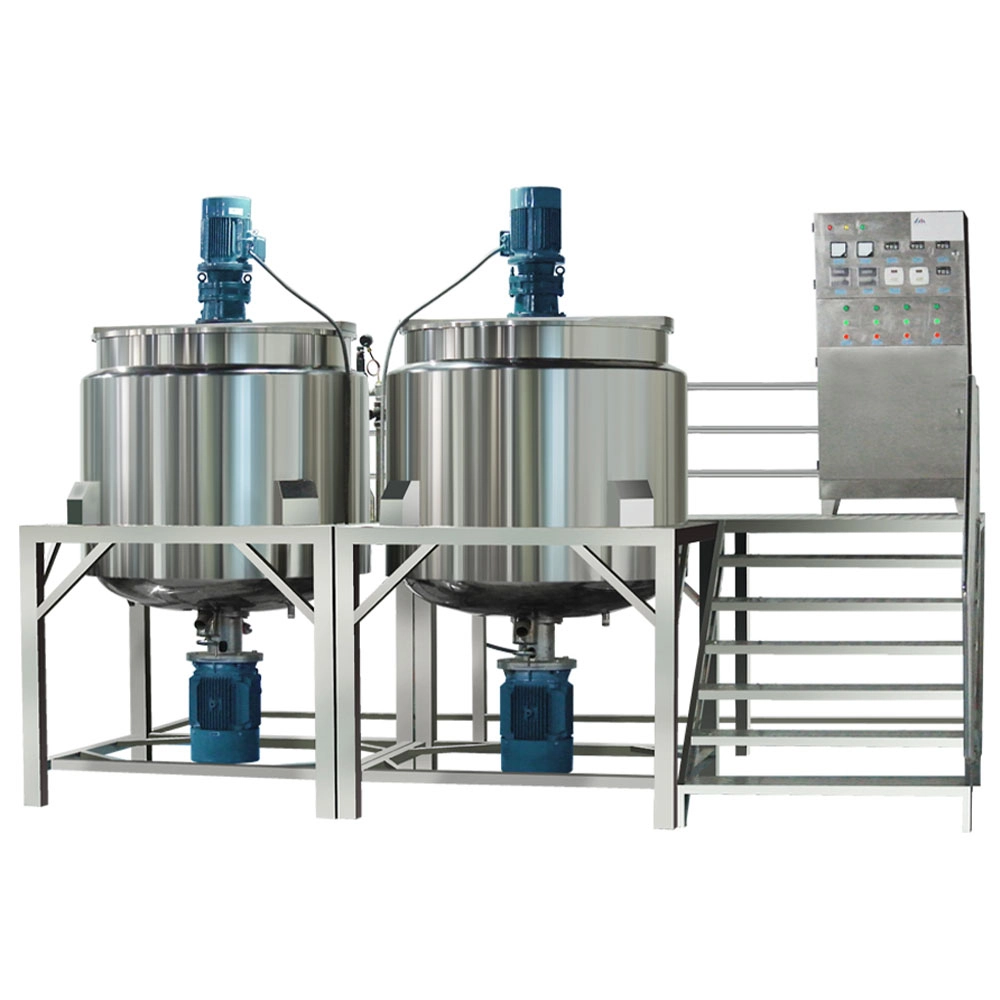
Flip Cover Multi-function Liquid Wash Mixing Tank Blender Liquid Detergent Mixer Homogenization Stirring Tank
Stainless Steel Mixer Liquid Mixing tank with Agitator Homogenizing Mixing tank Vacuum Sealed Mixer Machine

A leading manufacturer specializing in advanced machinery and complete production lines for the cosmetics, food, pharmaceutical, and chemical industries worldwide.
Contact FULUKE
Facebook
Instagram
YouTube