
Understanding Servo Capping Machines: The Core Logic of Precise Capping – Understand the Entire Working Process in Seconds
The bottled beverages we drink, the skincare products we use, and the bottled snacks we eat—the caps always tighten just the right amount—neither too loose to leak nor too tight to open. This is thanks to servo capping machines. Unlike the uneven effort of traditional manual capping, and unlike the rough operation of ordinary capping machines, servo capping machines, with their advantages of "precise force control and intelligent following," have become core equipment in automated production lines in industries such as food, pharmaceuticals, and cosmetics.
Many people are curious about how this "capping expert" works. Why can it tighten every cap perfectly? Today, we'll break down the entire working process of a servo capping machine in the simplest terms, from its core structure to the complete workflow, and its unique advantages, explaining it all clearly so even beginners can easily understand.
- First, understand: What is the "core heart" of a servo capping machine?
- Step-by-step breakdown: The complete workflow of a servo capping machine (from bottle feeding to bottle dispensing, without missing a single step)
- Step 1: Bottle Feeding and Positioning – Keeping Bottles "Staying in Designated Positions"
- Step 2: Cap Sorting and Conveying – Organizing and Delivering Caps
- Step 3: Precise Capping – Controllable Force and Speed, Just the Right Tightness
- Step 4: Inspection and Screening – Removing Defective Products to Ensure Quality
- Step 5: Bottle Reset – Proceed to the Next Process, Cyclic Operation
First, understand: What is the "core heart" of a servo capping machine?
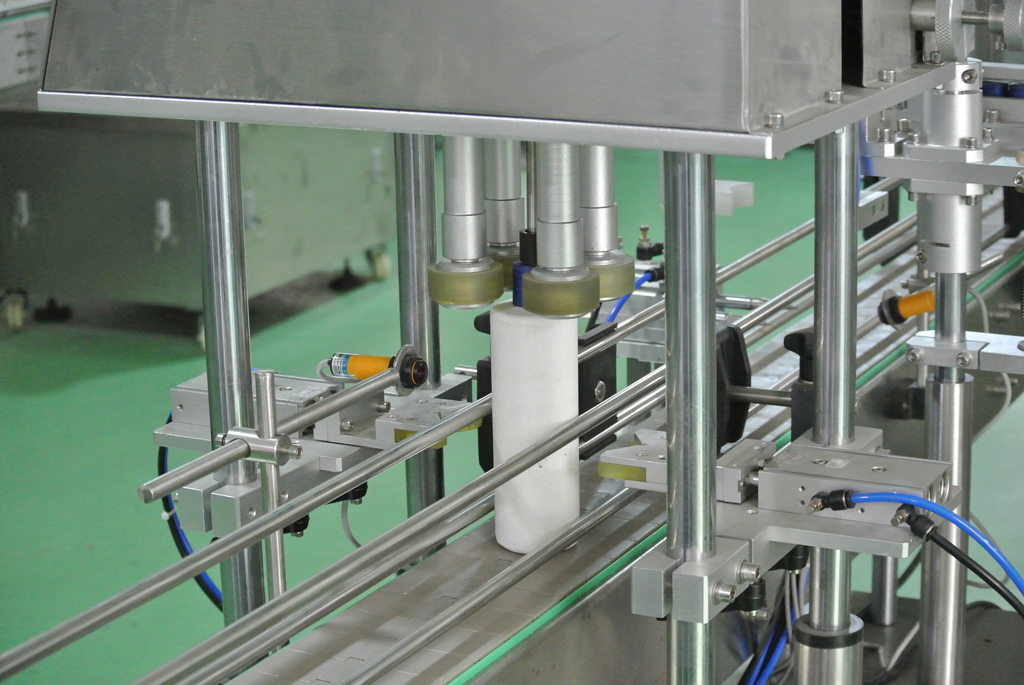
To understand its working principle, you must first know its "core configuration"—the servo motor. This is also the most fundamental difference between it and ordinary capping machines: ordinary capping machines are driven by asynchronous motors, making it difficult to precisely control force and speed; while the "heart" of a servo capping machine is a servo motor, paired with a PLC controller and a touch screen operating interface, enabling millisecond-level precise control of force, speed, and position, like equipping the capping machine with an "intelligent brain + flexible arm."
Step-by-step breakdown: The complete workflow of a servo capping machine (from bottle feeding to bottle dispensing, without missing a single step)
The core of a servo capping machine's operation is "synchronous collaboration"—bottle feeding, cap sorting, capping, detection, and bottle dispensing are all seamlessly connected, fully automated, requiring minimal human intervention. Specifically, it can be divided into 5 key steps, each with a clear "division of labor":
Step 1: Bottle Feeding and Positioning – Keeping Bottles "Staying in Designated Positions"
First, the filled bottles are conveyed at a constant speed by the bottle feeding mechanism. During this time, photoelectric sensors on the machine monitor the bottle's position in real time. When the bottle reaches the preset capping station, the sensor immediately sends a signal to the PLC controller. The controller then instructs the bottle feeding mechanism to slow down, ensuring the bottle stops precisely below the capping head. Simultaneously, the bottle holder fixing device is activated to gently clamp the bottle, preventing it from shaking or shifting during capping.
Step 2: Cap Sorting and Conveying – Organizing and Delivering Caps
While the bottles are being fed, the cap sorting and conveying mechanism works simultaneously. After the haphazardly arranged caps are poured into the cap sorter, it uses vibration and sifting to organize the caps into a uniform orientation. Then, it is conveyed orderly to the area below the capping head via a cap conveying track.
At this point, the pneumatic control unit instructs the capping head to open and close precisely, gripping the caps. The capping head's claws feature a modular design with soft silicone pads, ensuring a firm grip on the caps without scratching their surface. Simultaneously, a scraper removes excess caps from the conveying track, ensuring that only one cap is picked up at a time, preventing over-capping or missed caps.
Step 3: Precise Capping – Controllable Force and Speed, Just the Right Tightness
This is the core step of the entire workflow and the servo capping machine's forte. Once the cap is gripped and aligned with the bottle opening, the PLC controller instructs the servo motor to start, driving the capping head to descend and gently place the cap onto the bottle opening, then begin rotating the cap.
The key here is "precise force control": the torque acquisition module collects the output torque of the capping motor in real time and feeds the data back to the PLC controller. The controller adjusts the servo motor's speed and force in real time based on preset torque parameters (the torque of caps varies for different products; for example, the torque of beverage bottles and medicine bottles differs greatly). When the torque reaches the preset value, the motor immediately stops rotating, and the capping head automatically rises and resets, completing one capping action.
For example: in the cosmetics industry, if the cap on a lotion bottle is too tight, it's difficult for consumers to open; if it's too loose, it's prone to leakage. Servo capping machines can precisely control torque between 0.5-5 N·m, ensuring that the tightness of each cap is completely consistent, guaranteeing both sealing performance and user experience. Furthermore, the lifting and rotation of the capping head are controlled by independent servo motors, transmitting power through ball spline screws, resulting in smooth operation and preventing cap tilting or bottle deformation.
Step 4: Inspection and Screening – Removing Defective Products to Ensure Quality
After capping, the bottles are conveyed to the inspection station. Here, the inspection components perform a comprehensive "inspection": photoelectric sensors detect missing or misaligned caps, and the torque acquisition module reconfirms that the capping force is sufficient. If a defective product is found, the controller instructs the rejection mechanism to remove it, preventing it from proceeding to the next process.
Some high-end models are also equipped with a vision inspection system, which can accurately identify cosmetic defects in the caps (such as scratches or damage), further improving product quality. Simultaneously, all capping parameters (torque, speed, output) are recorded in real time, facilitating later quality traceability and parameter adjustments.
Step 5: Bottle Reset – Proceed to the Next Process, Cyclic Operation
Bottles that pass inspection are conveyed out of the capping station by the bottle feeding mechanism and enter the next process, such as labeling and packing. After completing one capping cycle, the capping head quickly resets to its initial position, picks up the next cap, waits for the next bottle to arrive, and starts a new capping cycle – the entire process is continuous, completing 25-40 caps per minute, with particularly significant efficiency advantages during mass production.
In conclusion: The core logic of a servo capping machine can be summarized in one sentence: A servo capping machine works by using "precise force control of a servo motor + intelligent command of a PLC + coordinated operation of all components" to achieve a fully automated closed loop of "bottle feeding - cap sorting - capping - detection - bottle dispensing." This solves the problems of laborious and uneven manual capping, and also overcomes the shortcomings of ordinary capping machines, such as insufficient precision and poor adaptability.
From a bottle of mineral water to a bottle of skincare product, from a bottle of oral liquid to a bottle of chemical reagent, the servo capping machine safeguards the sealing and quality of every product with its precise movements. If you are a manufacturing company, or interested in automated packaging equipment, you should learn more about it—it can not only improve production efficiency, but also help you reduce labor costs, lower defect rates, and make your products more competitive.
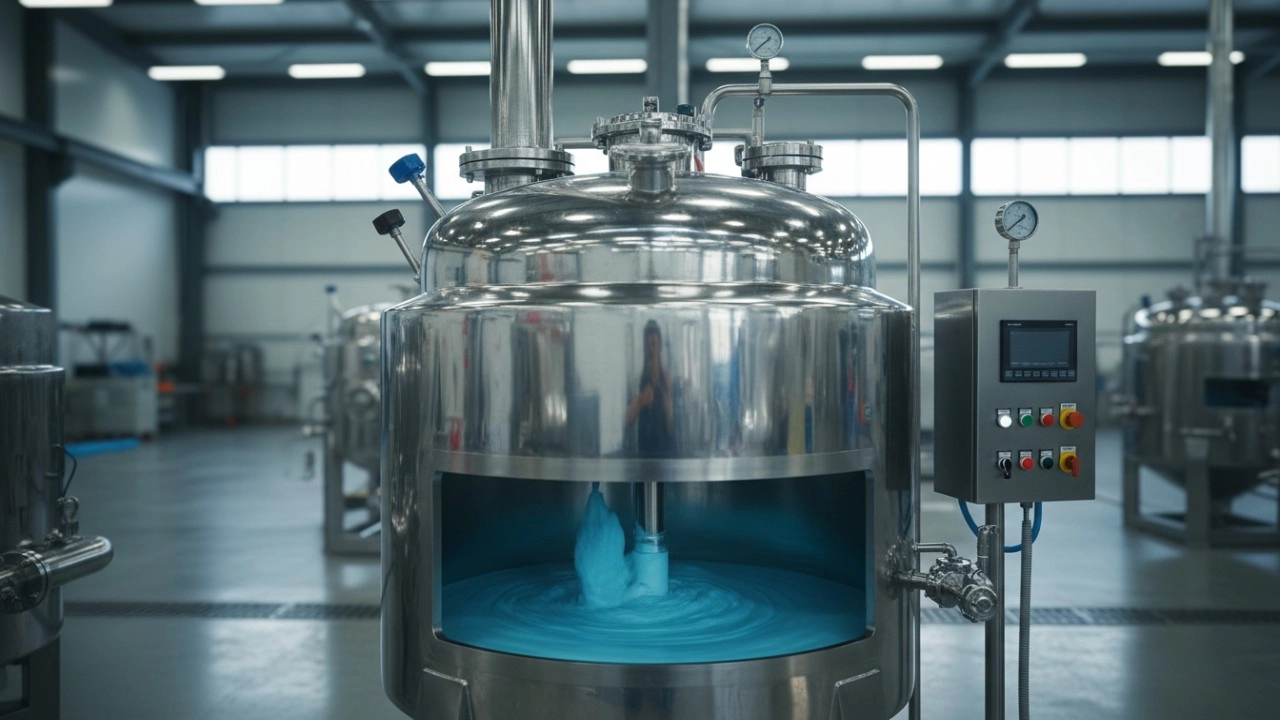
The Future of Industrial Agitation: 5 Smart Mixing Tank Technologies Changing the Game
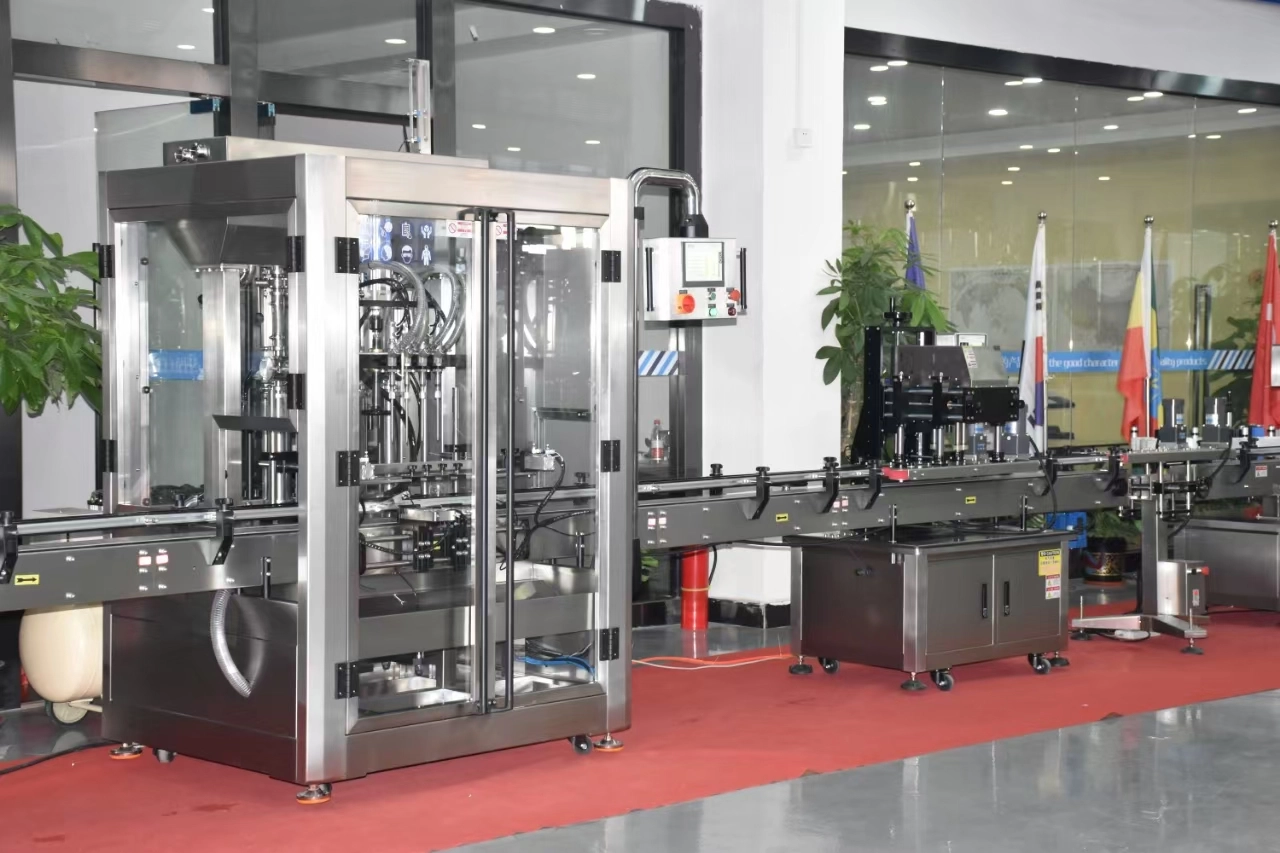
Gear pump filling machine vs. piston filling machine: Key differences broken down to avoid pitfalls in selection.
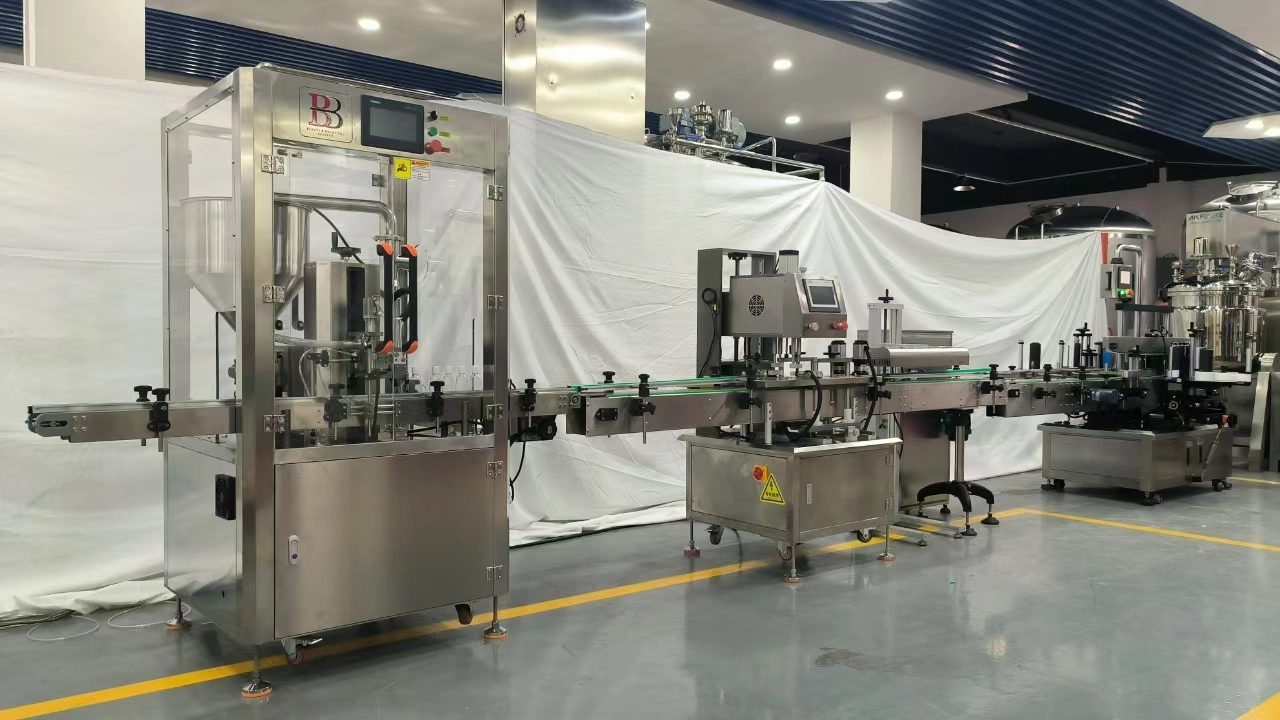
Understand the working principle of a servo gear pump filling machine!
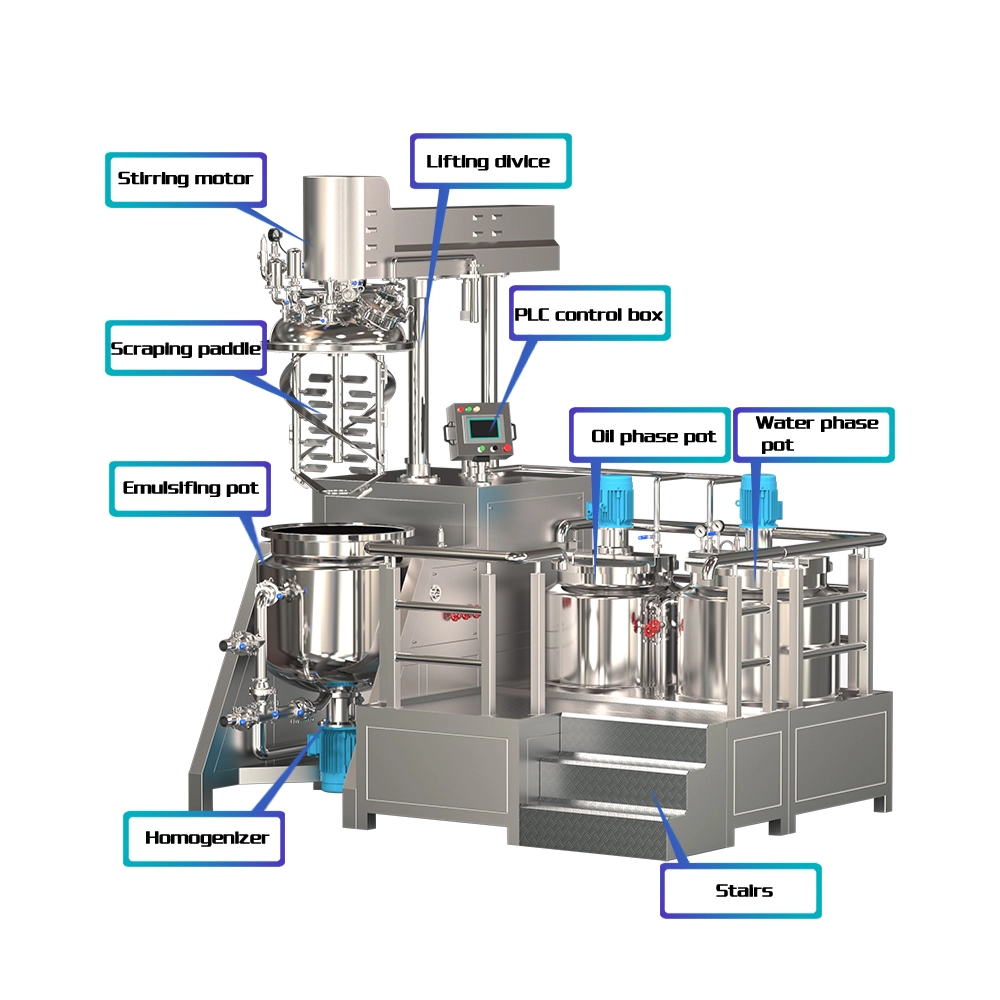
Unveiling the Working Principle of High-Shear Homogenizers: The Core Logic from "Rough Mixing" to "Fine Homogenization"
Automatic Filling Machine
We want to fill products in multiple volumes (e.g., 100ml, 250ml, 500ml). Do we need to purchase multiple filling machines?
No, most automatic filling machines support multiple volume adjustments. When purchasing, please confirm the machine's "volume adjustment range" (e.g., 50ml-2000ml) to ensure it covers your desired specifications. Changing volumes simply requires modifying the fill volume parameters on the touchscreen. If the volume difference is significant (e.g., from 100ml to 1000ml), minor adjustments to the filling head height or feed rate may be necessary, without replacing the machine.
Can you make a design for us?
Yes, we can, we provide not only products, but also solutions and designs.
Automatic Tube Filling and Sealing Machine
Does the equipment meet the hygiene standards of the pharmaceutical/food industry? What precautions should be taken during daily cleaning?
The equipment fully complies with GMP hygiene certification. All material contact parts (drums, filling heads, and piping) are made of 316L/304 stainless steel, ensuring no unhygienic corners.
Daily cleaning precautions:
Before each material change, flush the material piping with purified water or food-grade detergent and then dry it with compressed air. Disassemble the filling heads and valves weekly to remove any residual material to prevent bacterial growth. Never use water directly on components such as the electrical control cabinet and motor. Always disconnect the power cord during cleaning to prevent short circuits.
Automatic Labeling Machine
After a few years of use, the equipment's labeling accuracy has decreased. What could be the problem?
Decreased accuracy is often related to component wear. Focus on inspecting three areas.
Inspect the labeling roller: Surface wear or adhesive buildup can cause unstable label feeding and require replacement.
Inspect the servo motor: Motor aging can cause unstable speed. Contact maintenance personnel to inspect the motor's performance.
Inspect the photoelectric sensor: Dust accumulation or reduced sensitivity on the lens can affect positioning. Clean the lens or recalibrate it.
Automatic Facial Mask Filling Machine
We want to fill products in multiple volumes (e.g., 5ml, 20ml, 50ml). Do we need to purchase multiple filling machines?
No, most facial mask filling machines support multiple volume adjustments. When purchasing, please confirm the machine's "volume adjustment range" (e.g., 5ml-50ml) to ensure it covers your desired specifications. Changing volumes simply requires modifying the fill volume parameters on the touchscreen.
Get in touch with FULUKE
If you have any comments or good suggestions, please leave us a message, later our professional staff will contact you as soon as possible.
You May Also Like
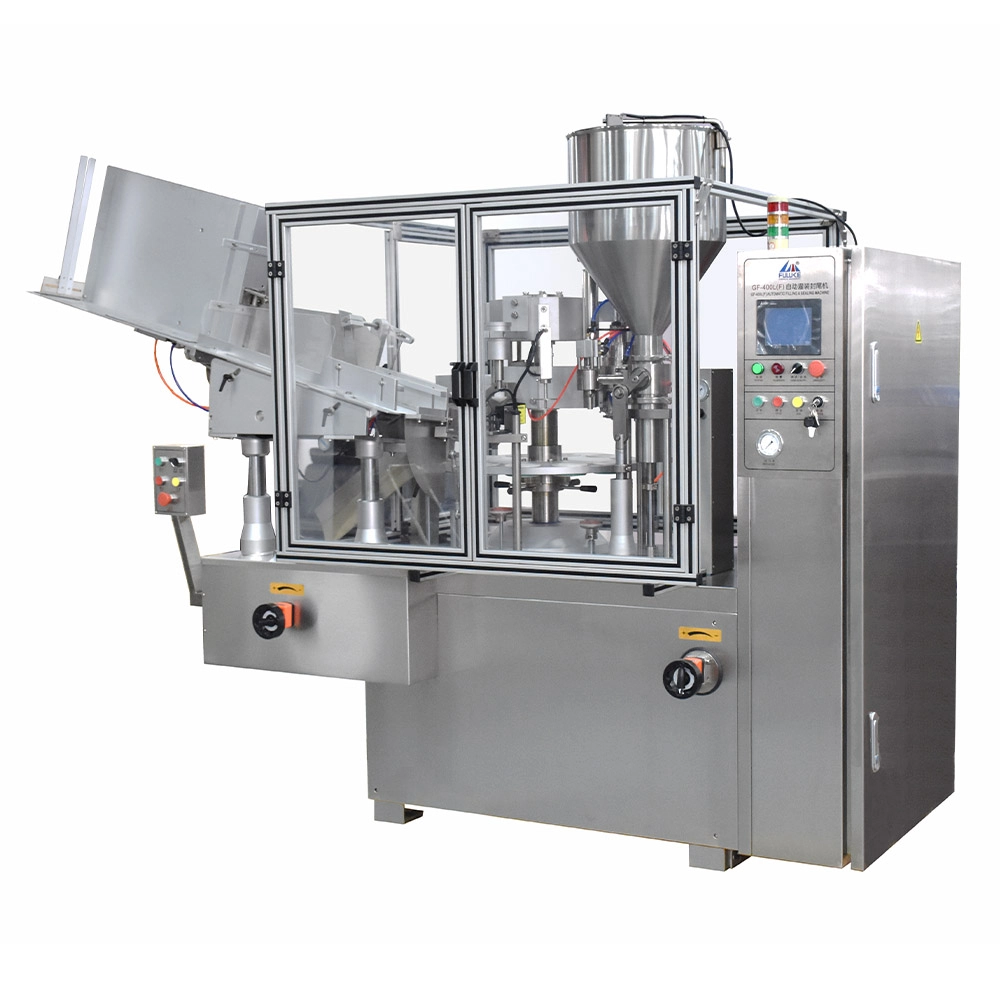
Automatic Tube Filling and Sealing Machine Toothpaste Sunscreen and Facial Cleanser Filling and Sealing Machine for Plastic and Aluminum-plastic Tube
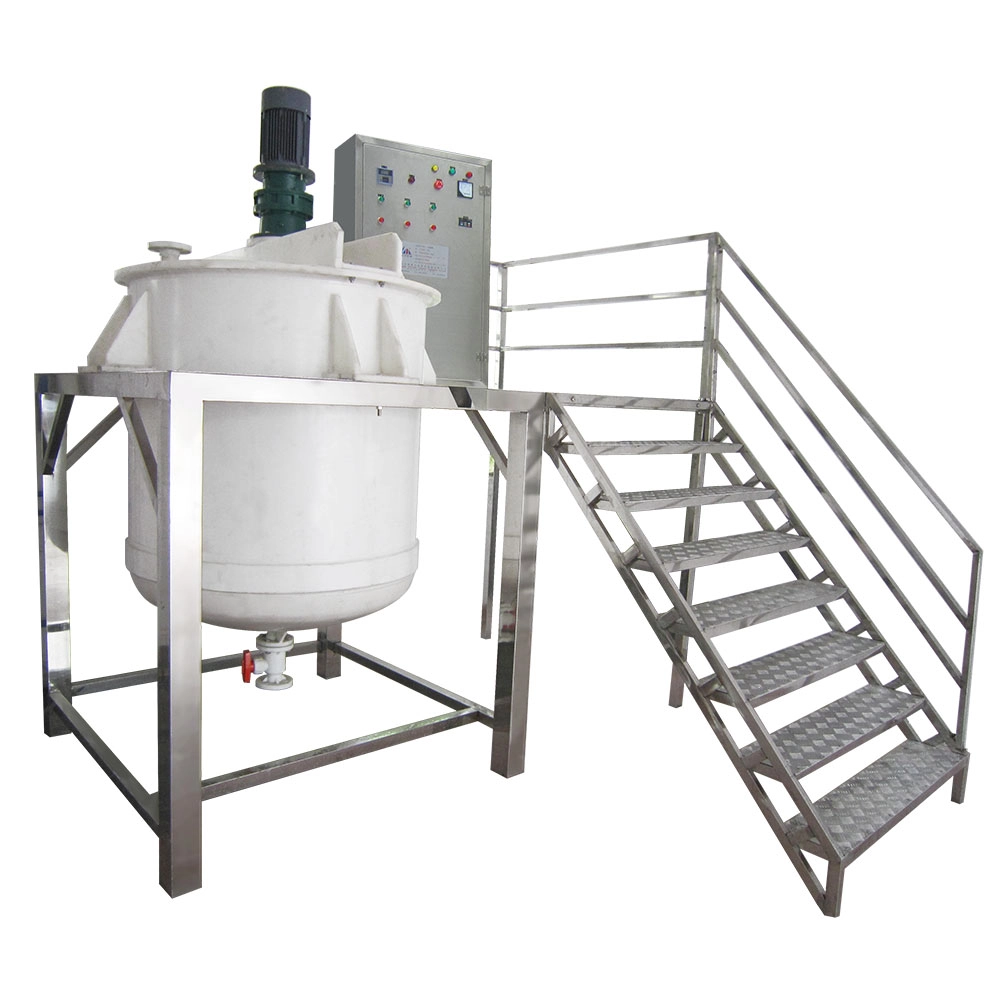
Polypropylene PP Mixing Tank Anti-Corrosion Mixer Reaction Kettle with Agitator Chemical Mixing Vessel
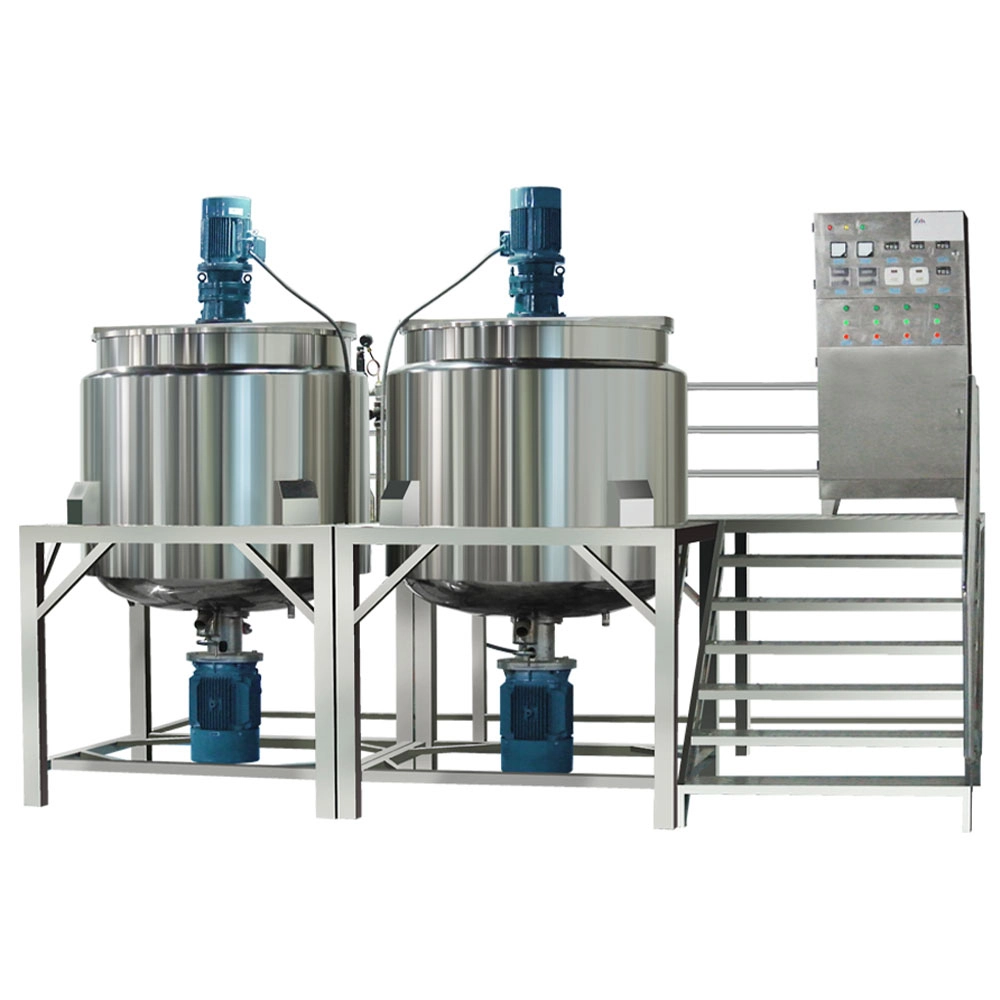
Flip Cover Multi-function Liquid Wash Mixing Tank Blender Liquid Detergent Mixer Homogenization Stirring Tank
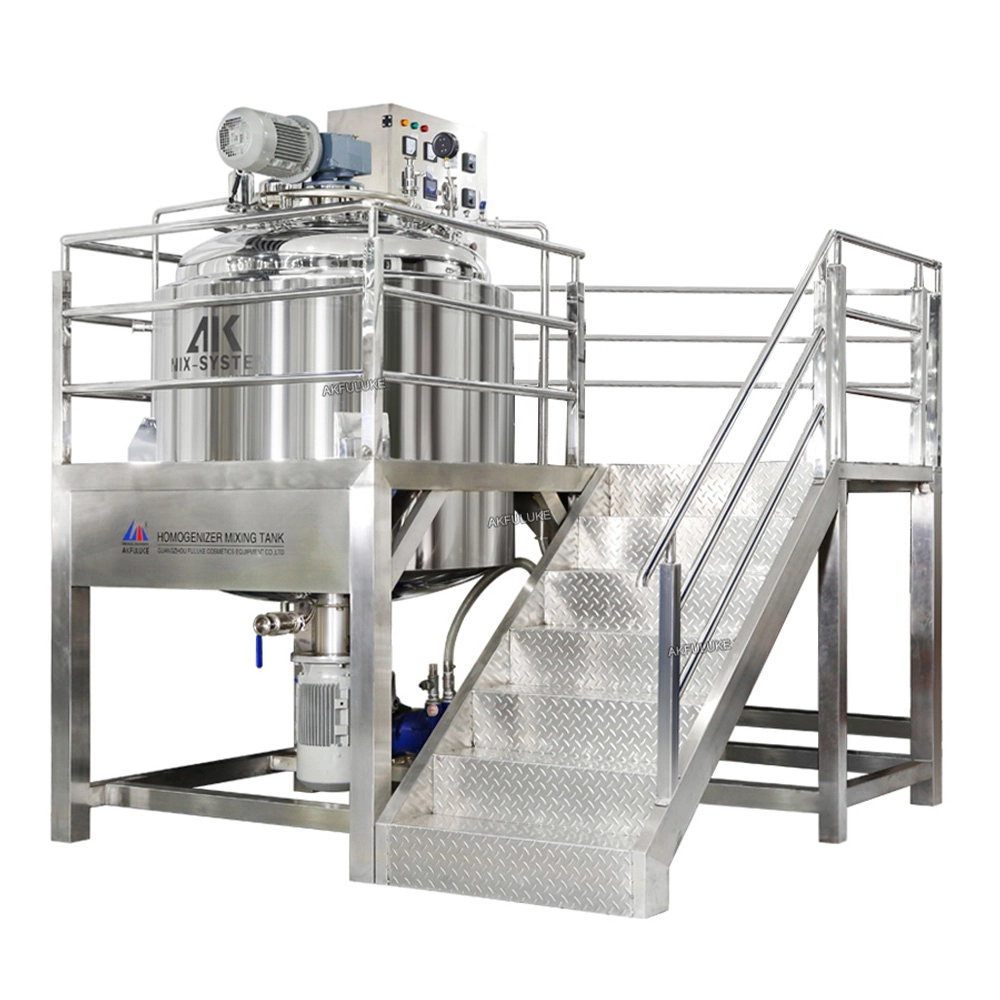
Stainless Steel Mixer Liquid Mixing tank with Agitator Homogenizing Mixing tank Vacuum Sealed Mixer Machine

A leading manufacturer specializing in advanced machinery and complete production lines for the cosmetics, food, pharmaceutical, and chemical industries worldwide.
Contact FULUKE
Facebook
Instagram
YouTube