
Unveiling the Working Principle of High-Shear Homogenizers: The Core Logic from "Rough Mixing" to "Fine Homogenization"
On production lines in industries such as food, cosmetics, pharmaceuticals, and chemicals, there's always an unsung hero quietly working – it perfectly blends previously separated oil and water, transforms rough materials into fine and uniform textures, and elevates the quality, stability, and overall quality of products. That hero is the high-shear homogenizer.
Many people have seen it, but few know how it simplifies complex processes and refines materials. Today, we'll set aside obscure technical jargon and use simple language to break down the entire working process of the high-shear homogenizer, revealing its core logic.
First, understand: What is the "core framework" of a high-shear homogenizer?
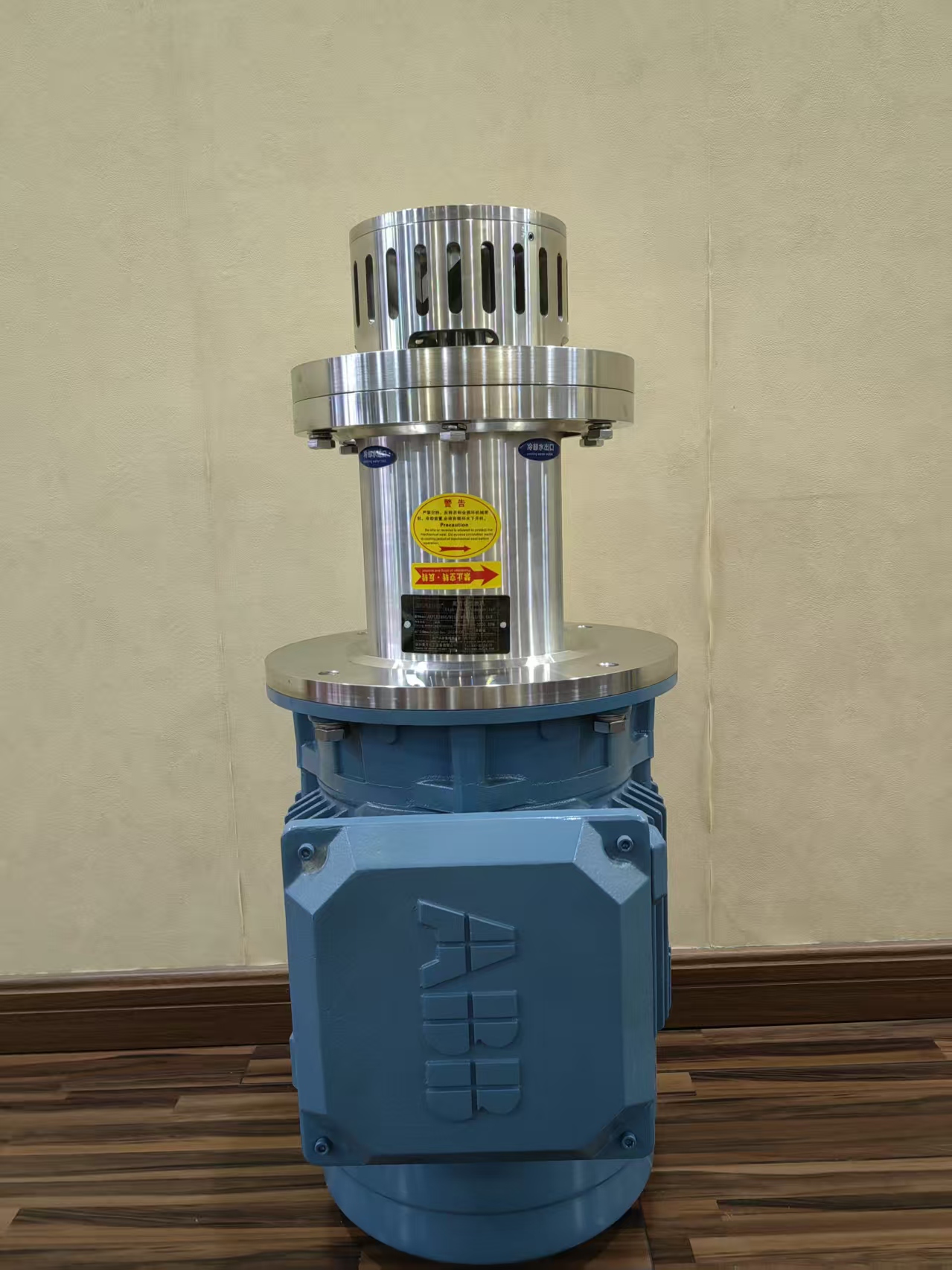
To understand its working principle, we must first understand its "core components"—just as we need to know the engine and wheels to understand a car. The core power source and functional components of a high-shear homogenizer mainly consist of three parts; the absence of any one of them will prevent it from functioning properly, with the stator and rotor assembly being of paramount importance.
1.Power Core: Electric Motor
The electric motor is essentially the "heart" of the high-shear homogenizer, responsible for providing a continuous power source to drive the subsequent components at high speed. Unlike the low-speed motors of ordinary mixing equipment, the motors of high-shear homogenizers have greater power and higher speeds, typically reaching thousands or even tens of thousands of revolutions per minute. It is this ultra-high speed that generates the powerful energy required to achieve homogenization.
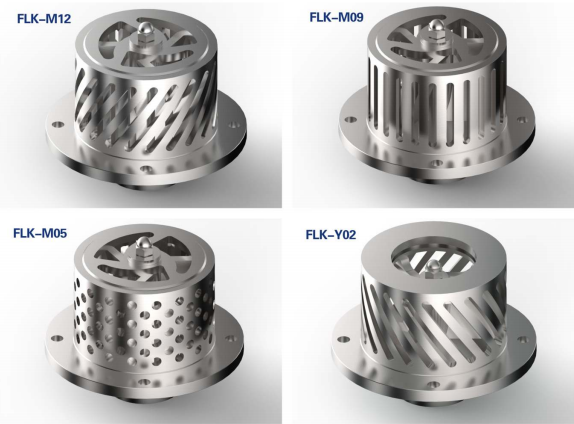
2. Core Working Head: Rotor-Stator Assembly (The Most Crucial Part)
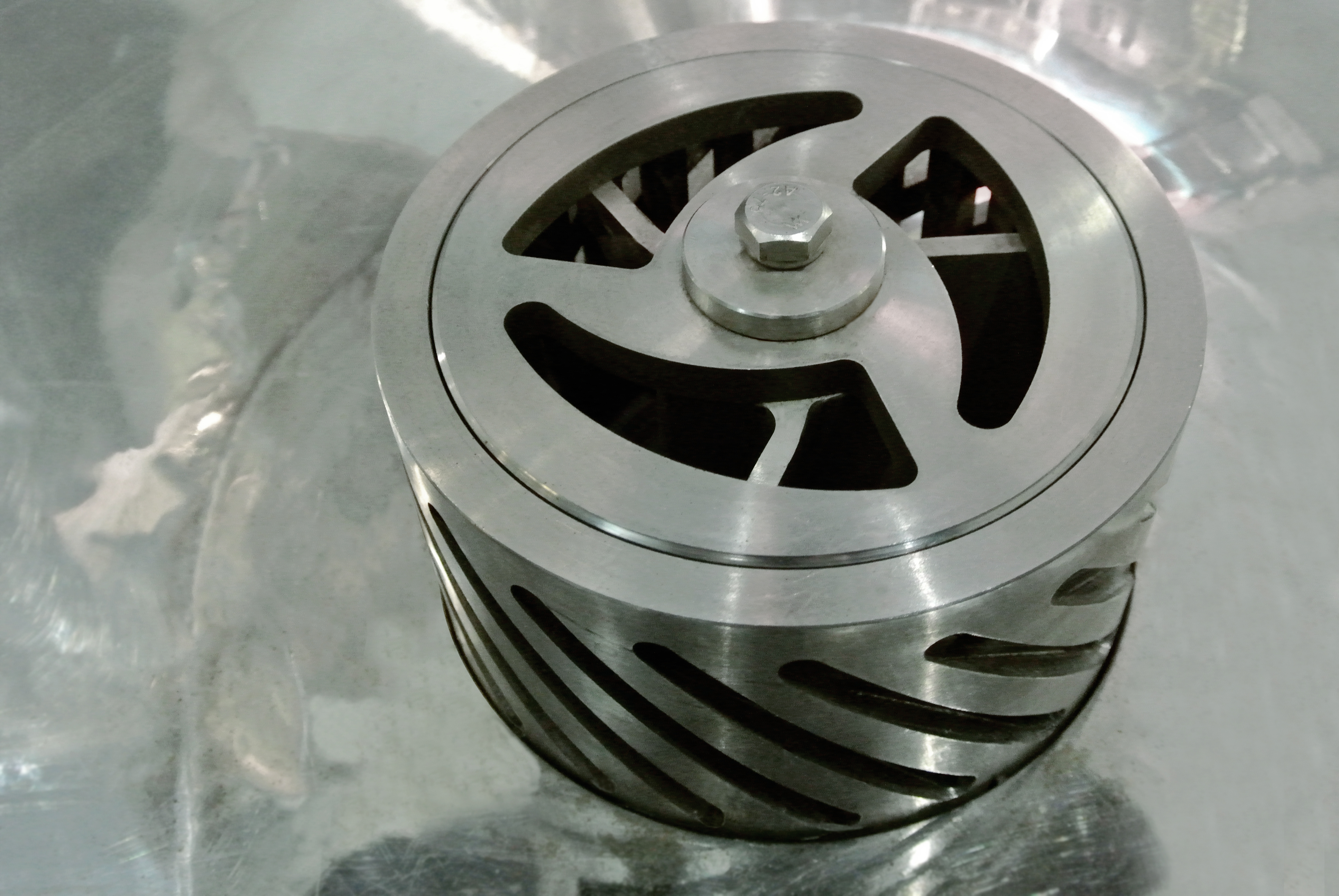
This is the core component of the high-shear homogenizer, enabling it to achieve "shearing and homogenization," and it's the most fundamental difference between it and ordinary mixers. Simply put, it consists of two cooperating parts:
- Rotor: A high-speed rotating component, typically with toothed or slotted surfaces, acting like a high-speed rotating "gear," directly driven by a motor;
- Stator: A stationary component, encasing the rotor, with corresponding slots or teeth on its surface, and an extremely narrow gap (usually only 0.2-0.5 mm) between it and the rotor. This tiny gap is key to generating high shear force.
Imagine: the rotor is like a wildly spinning "small wheel," and the stator is like a fixed "outer garment," the two extremely close together with only a narrow gap in between. The material must quickly pass through this narrow gap—this is the core scenario of homogenization.
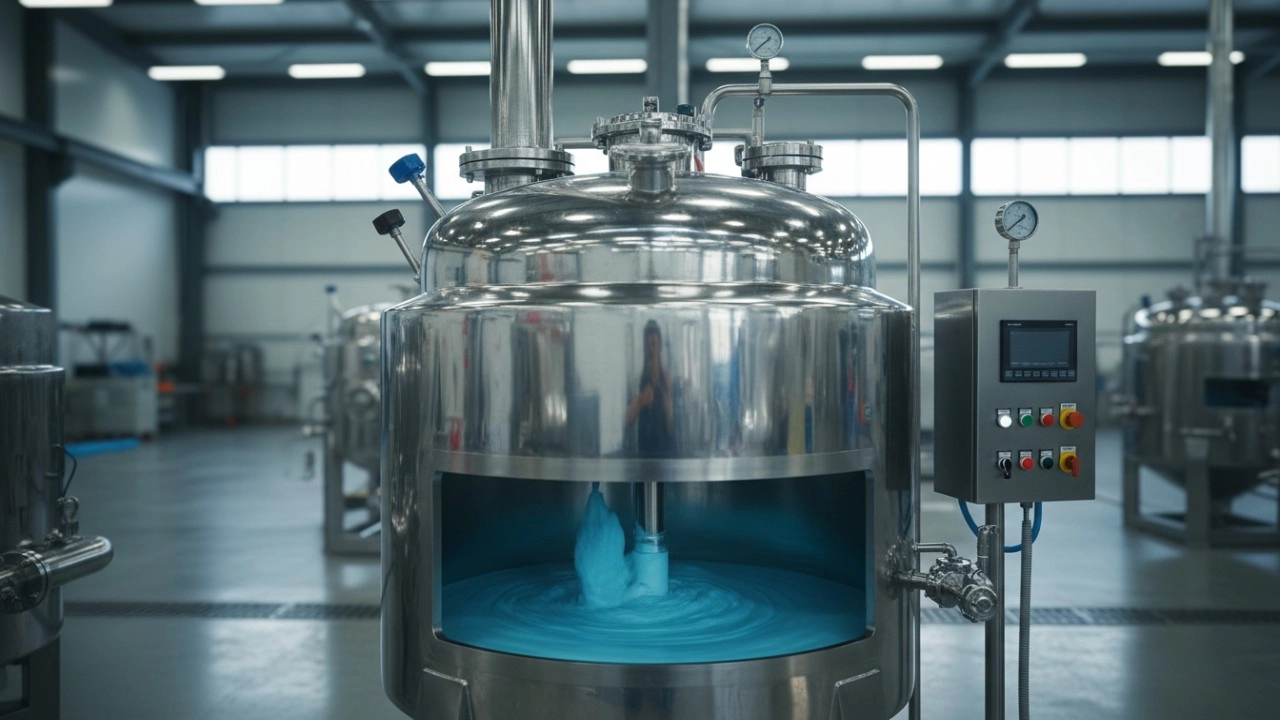
3. Auxiliary Components: Mixing Chamber/Materials Tank This is the "accommodation space" for the materials, responsible for holding the materials to be processed and guiding their circulation to ensure that all materials are processed uniformly, avoiding "localized heterogeneity." Some models also have a vacuum system that can remove air bubbles from the materials during the homogenization process, resulting in a finer, pore-free final product.
Key Breakdown: The 5-Step Working Process of a High-Shear Homogenizer
Having understood the core components, let's examine its complete workflow. The entire process is like a "refined material processing journey." From the moment the material enters the equipment to its final transformation into a finely homogenized finished product, it undergoes five interconnected and indispensable key steps.
Step 1: Material Feeding – Preparing the “Raw Material”
First, pour the material to be processed (which may be liquid-liquid mixtures, such as oil and water; liquid-solid mixtures, such as pigments and solvents, milk powder and water; or even materials containing air bubbles) into the mixing chamber or tank. Depending on production needs, there are two feeding methods: batch feeding (materials are added all at once and discharged after processing) and online feeding (continuous feeding and discharge, suitable for large-scale production lines).
Note: The initial state of the material does not affect subsequent homogenization, but if there are large solid clumps, it is recommended to perform preliminary crushing first to avoid clogging the stator-rotor gap and affecting homogenization efficiency.
Step 2: Negative Pressure Suction – “Pulling” the Material into the Core Working Area
Start the motor, and the rotor begins to rotate at ultra-high speed. At this time, the high-speed rotation of the rotor generates a powerful centrifugal force, forming a “vacuum negative pressure zone” in the gap between the stator and rotor. Just like when we drink water with a straw, a negative pressure is formed inside the straw, and the water is automatically drawn up, this negative pressure zone will forcefully suck the material from the bottom and surrounding areas of the mixing chamber into the narrow gap between the stator and rotor – this step is to allow the material to enter the core area of “refined processing”.
Step 3: High-Speed Shearing + Impact – “Shredding and Crushing” the Material (Core Step) Once the material enters the narrow gap between the stator and rotor, the true “homogenization magic” begins. At this point, the rotor rotates at an extremely high linear velocity (typically 10-40 m/s), instantly accelerating the material and subjecting it to multiple powerful forces, rapidly “shredding and crushing” it:
- Shearing Force: The toothed structures of the rotor and stator work together; the high-speed rotating rotor acts like a “high-speed pair of scissors,” instantly shearing and tearing large particles and droplets in the material into tiny microparticles – this is the primary force.
- Impact Force: The accelerated material is ejected at high speed from the rotor slots, violently impacting the fixed inner wall of the stator. Simultaneously, material jets from different directions collide with each other, further shattering the microparticles.
- Compression and Friction: The extremely narrow gap between the stator and rotor causes the material to be intensely compressed within the gap. Simultaneously, strong friction occurs between material molecules and between the material and the surfaces of the stator and rotor, further refining the microparticles and making the material more homogeneous.
This step is like repeatedly cutting a piece of paper with scissors, turning the original large piece of paper into tiny fragments; while the "shearing ability" of a high-shear homogenizer is far stronger than our scissors, capable of refining materials to the micron or even nanometer level.
Step 4: Cavitation Effect – Further Refining Materials (Bonus Point)
During the high-speed rotation of the rotor, in addition to shearing and impact, a cavitation effect is generated, further aiding in material homogenization. Simply put, the high-speed rotation of the rotor creates localized low-pressure zones within the material, causing the liquid to vaporize instantly, generating numerous tiny vapor bubbles. These bubbles, carried by the material flow, enter high-pressure zones and instantly collapse, releasing massive localized shock waves and high temperatures, like countless tiny "explosions," completely breaking down any remaining fine aggregates in the material, making it finer and more uniform.
The cavitation effect is like a "secondary processing," capable of resolving materials that are difficult to refine thoroughly by shearing forces, further enhancing the homogenization effect.
Step 5: Circulation + Discharge – Ensuring Uniformity and Completing Processing
The material, after being processed through the stator-rotor gap, is ejected at high speed from the working area, spreading to every corner of the mixing chamber. Simultaneously, unprocessed material at the bottom of the mixing chamber is drawn back into the negative pressure zone of the stator and rotor, entering the next cycle of "intake → shearing → impact → cavitation".
This cycle continues until all material is uniformly processed (usually requiring dozens or even hundreds of cycles). Once the material reaches the desired fineness and uniformity, it can be discharged through the discharge port to proceed to the next production step. For batch processing models, the discharge valve can be opened directly for discharge; for inline models, discharge is continuous, enabling large-scale production.
Key Supplement: What are the "core advantages" of a high-shear homogenizer?
After understanding its working principle, we can understand why a high-shear homogenizer can replace ordinary mixers and become an "essential piece of equipment" in many industries—its advantages stem from its unique working method:
1. Excellent homogenization effect: It can refine materials to the micron and nanometer level, allowing the mixture to be evenly distributed and avoiding stratification and sedimentation. For example, cosmetic emulsions can remain stable and not separate over a long period, and food sauces have a smooth texture without particles;
2. High efficiency: Ultra-high speed + circulation processing can complete homogenization in a short time, several times more efficient than ordinary mixers, suitable for large-scale production;
3. Wide range of applications: Whether it is liquid-liquid mixing (oil and water), liquid-solid dispersion (pigments and solvents), or gas-liquid mixing (removing air bubbles), it can easily handle it, covering multiple industries such as food, cosmetics, pharmaceuticals, and chemicals;
4. Flexible operation: The rotor speed and processing time can be adjusted according to the material characteristics and product requirements, and different specifications of stator and rotor can be replaced to adapt to different homogenization needs.
Summary: The "Working Essence" of a High-Shear Homogenizer
The working principle of a high-shear homogenizer can be summarized simply: A motor drives a rotor to rotate at high speed, creating negative pressure at the gap between the stator and rotor. This draws in the material, which is then refined and dispersed through multiple powerful actions such as shearing, impact, and cavitation. Through recirculation, all materials achieve a uniform and fine state, ultimately producing a stable, high-quality product.
It doesn't involve complex chemical reactions; it simply changes the physical state of materials through physical processes—yet it plays a vital role in our daily lives: the smooth emulsions we use, the creamy yogurt we drink, the evenly applied paints, and the stabilizing agents we use all rely on high-shear homogenizers.

Understanding Servo Capping Machines: The Core Logic of Precise Capping – Understand the Entire Working Process in Seconds
The Future of Industrial Agitation: 5 Smart Mixing Tank Technologies Changing the Game
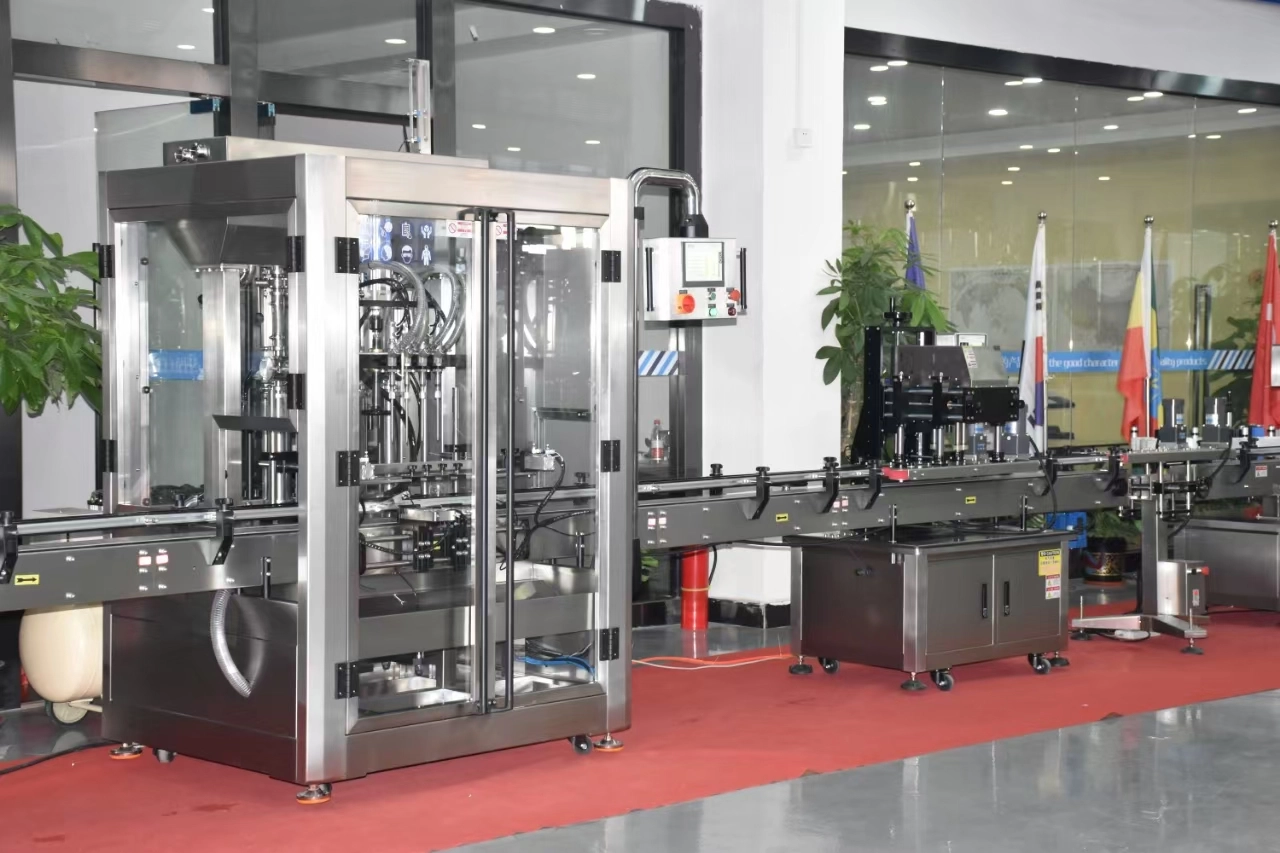
Gear pump filling machine vs. piston filling machine: Key differences broken down to avoid pitfalls in selection.
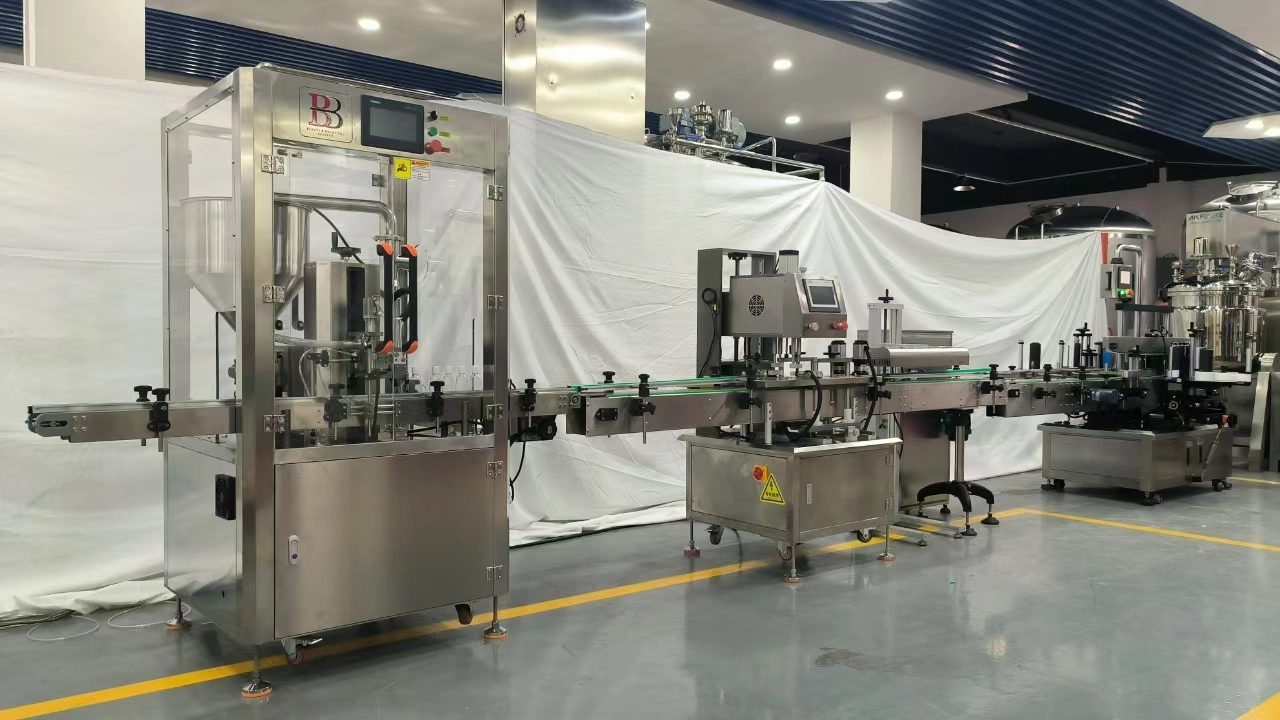
Understand the working principle of a servo gear pump filling machine!
Perfume Filling Machine
After purchasing the equipment, what after-sales services does the supplier typically provide?
General services include on-site installation and commissioning (including workshop layout planning), operator training (theoretical and practical training to ensure workers can operate independently), a one-year full machine warranty, and lifetime technical support (24-hour telephone and video troubleshooting).
RO Water Treatment
What can you buy from us?
RO Water Treatment、Vacuum Emulsifying Machine、Homogenizer Mixing Tank、Filling and Capping、labeling Machine、Packing Machine、Storage Tank,etc.
Lift-type Homogenizing Disperser
Who are we?
Our headquarters is located in Guangzhou, Guangdong, China, and our factory is located in Yangzhou, Jiangsu. Our products are sold all over the world. We have approximately 50 employees in our company and factory.
What precautions should be taken before and during equipment startup?
Before startup: Check that the disperser disc is securely installed, the container is clamped securely, and the lifting mechanism is flexible. Also, verify the material level (it must be submerged above the disperser disc to prevent damage from idling or material splashing).During operation: Start at a low speed and gradually increase to the target speed. Manually adjusting the lifting height during operation is prohibited; always stop the machine to avoid hand entanglement.
The Flip Cover Liquid Wash Mixing Homogenizing Tank
What can you buy from us?
RO Water Treatment、Vacuum Emulsifying Machine、Homogenizer Mixing Tank、Filling and Capping、labeling Machine、Packing Machine、Storage Tank,etc.
Get in touch with FULUKE
If you have any comments or good suggestions, please leave us a message, later our professional staff will contact you as soon as possible.
You May Also Like
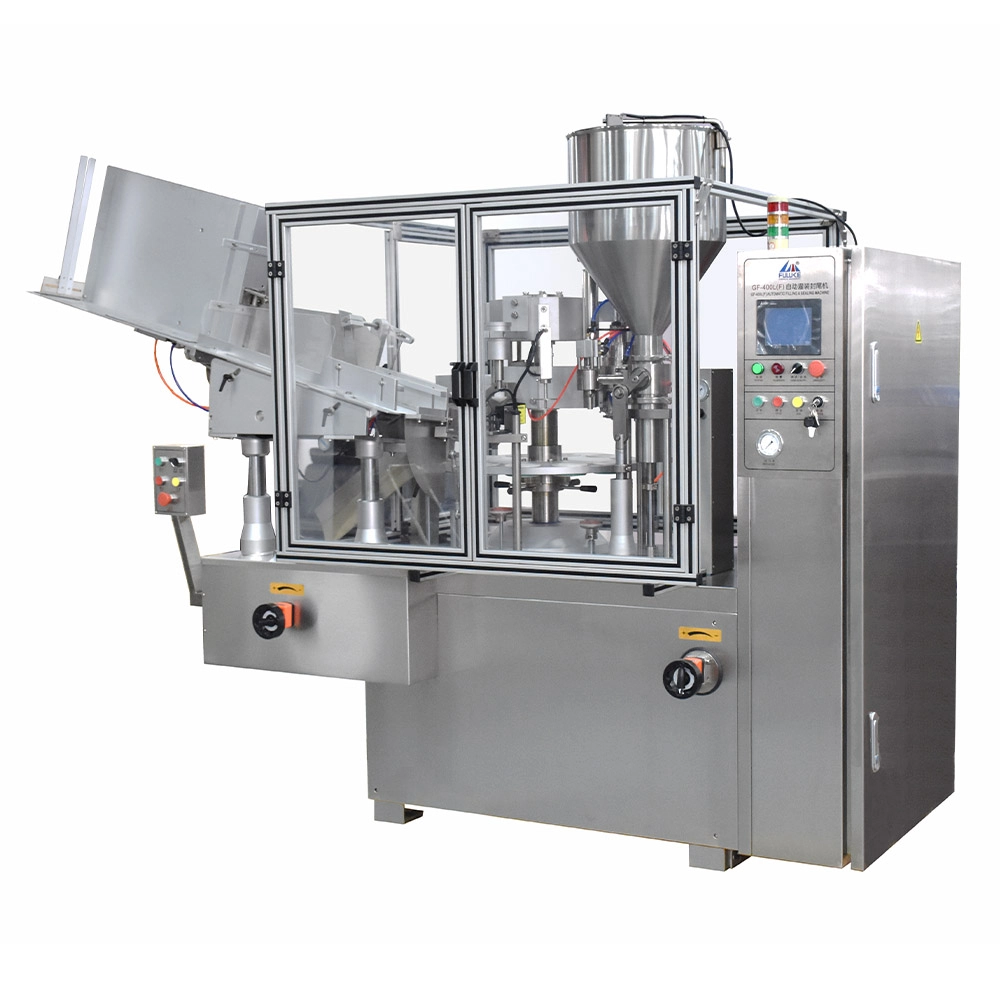
Automatic Tube Filling and Sealing Machine Toothpaste Sunscreen and Facial Cleanser Filling and Sealing Machine for Plastic and Aluminum-plastic Tube
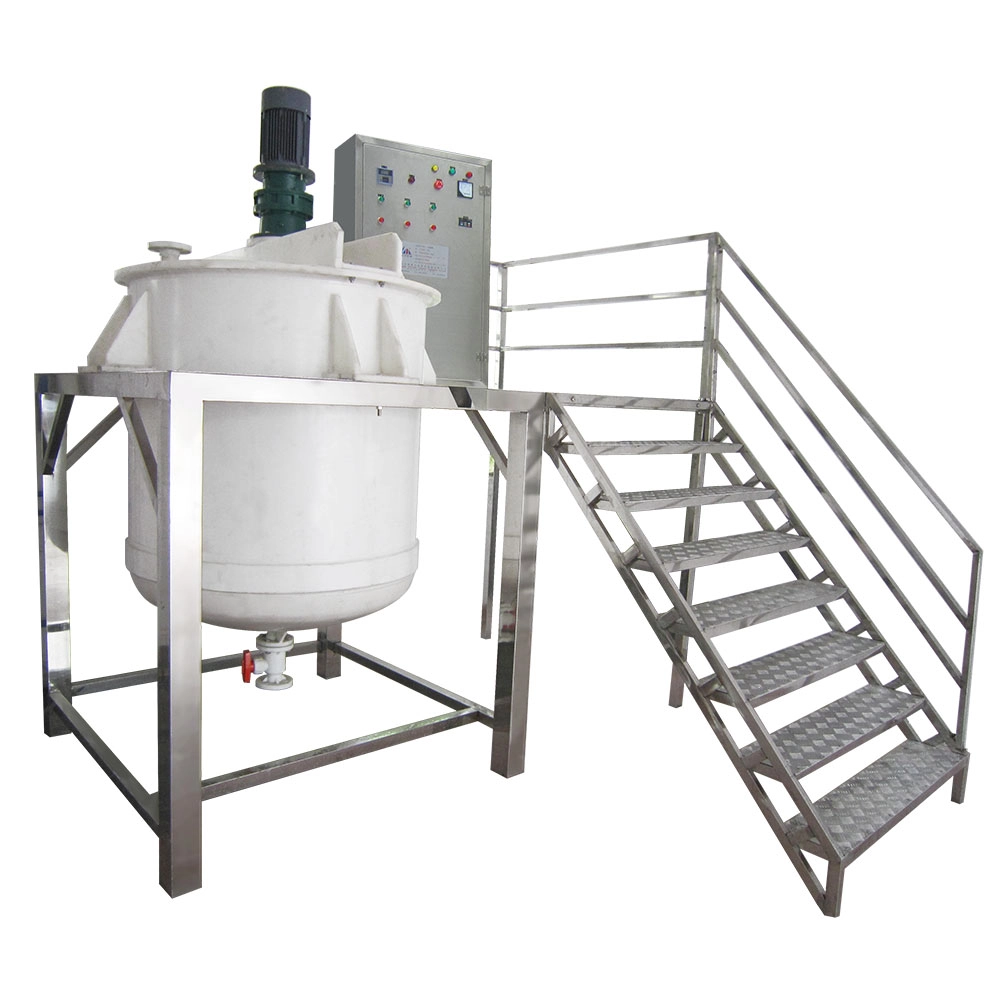
Polypropylene PP Mixing Tank Anti-Corrosion Mixer Reaction Kettle with Agitator Chemical Mixing Vessel
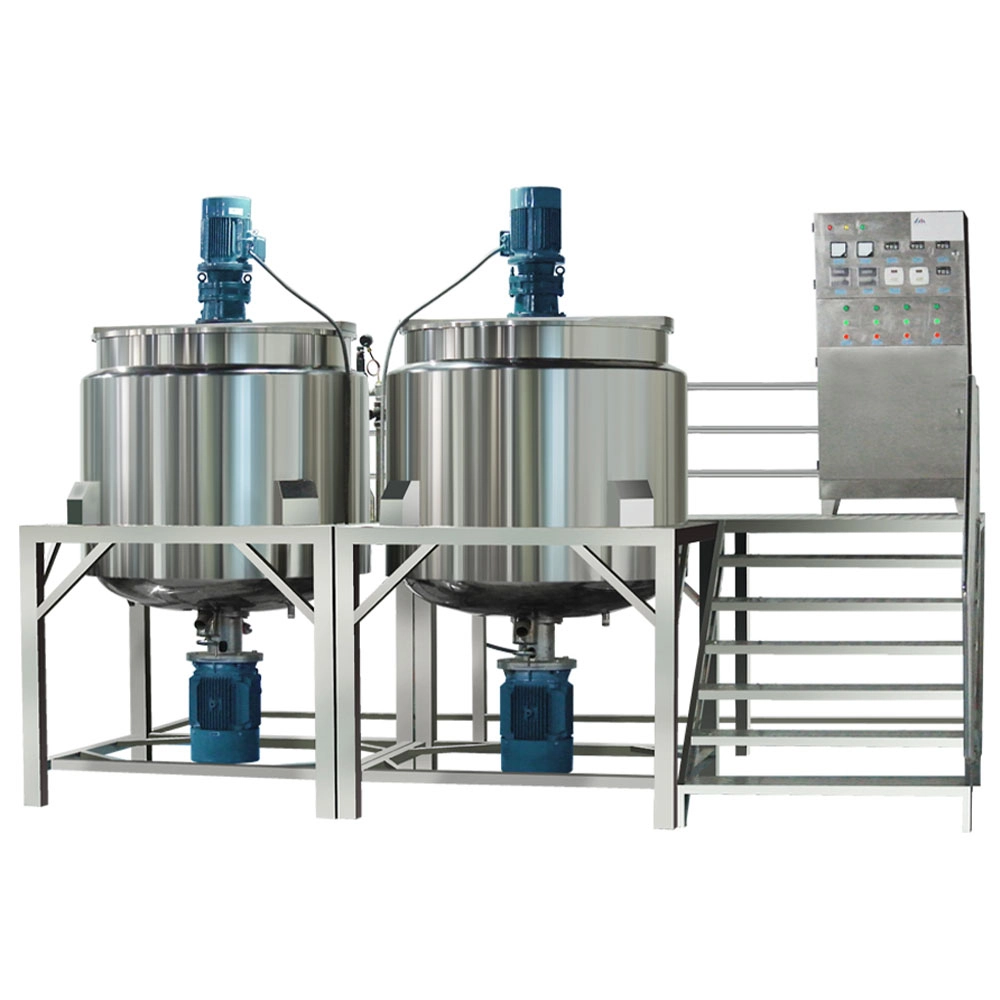
Flip Cover Multi-function Liquid Wash Mixing Tank Blender Liquid Detergent Mixer Homogenization Stirring Tank
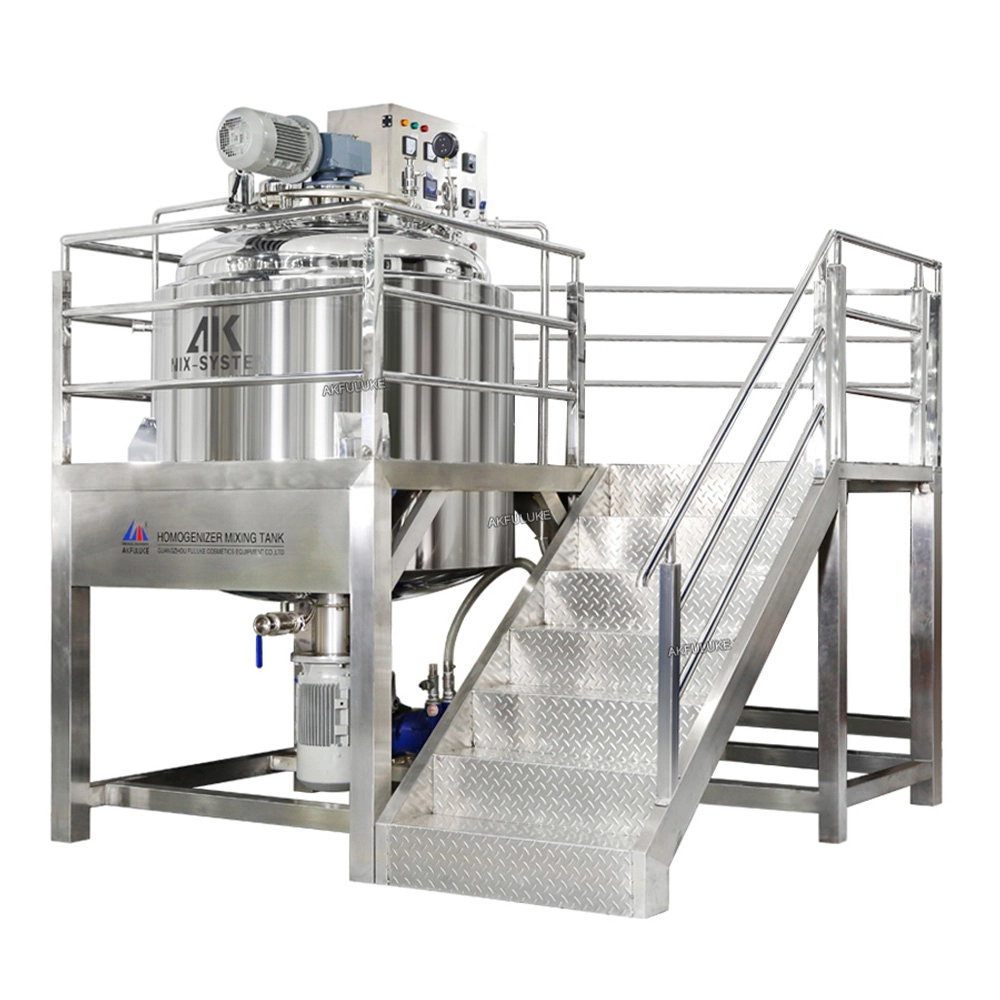
Stainless Steel Mixer Liquid Mixing tank with Agitator Homogenizing Mixing tank Vacuum Sealed Mixer Machine

A leading manufacturer specializing in advanced machinery and complete production lines for the cosmetics, food, pharmaceutical, and chemical industries worldwide.
Contact FULUKE
Facebook
Instagram
YouTube