
Vacuum Function: An Indispensable Quality and Compliance Key in Cosmetic Production
In cosmetics manufacturing, "appearance" and "safety" are core competitive advantages—fine texture, stable durability, and absence of pollutants are not only core consumer demands but also stringent industry compliance requirements. Vacuum technology, seemingly basic yet crucial, permeates multiple core stages of cosmetic production, including emulsification, mixing, filling, and defoaming, silently safeguarding product quality and serving as a vital support for achieving production compliance. Today, let's discuss just how important vacuum technology is in cosmetics manufacturing.
1. Say Goodbye to Bubbles and Impurities, Upholding the Bottom Line of Product Appearance and Stability
Whether it's face cream, lotion, serum, or foundation, a smooth, bubble-free texture is the product's "first impression," and vacuum technology is key to achieving this. During the emulsification and mixing process of cosmetics, air easily mixes into the materials, forming tiny bubbles—these bubbles not only make the product texture rough and grainy, affecting the user experience, but also accelerate product oxidation and deterioration, shortening shelf life.
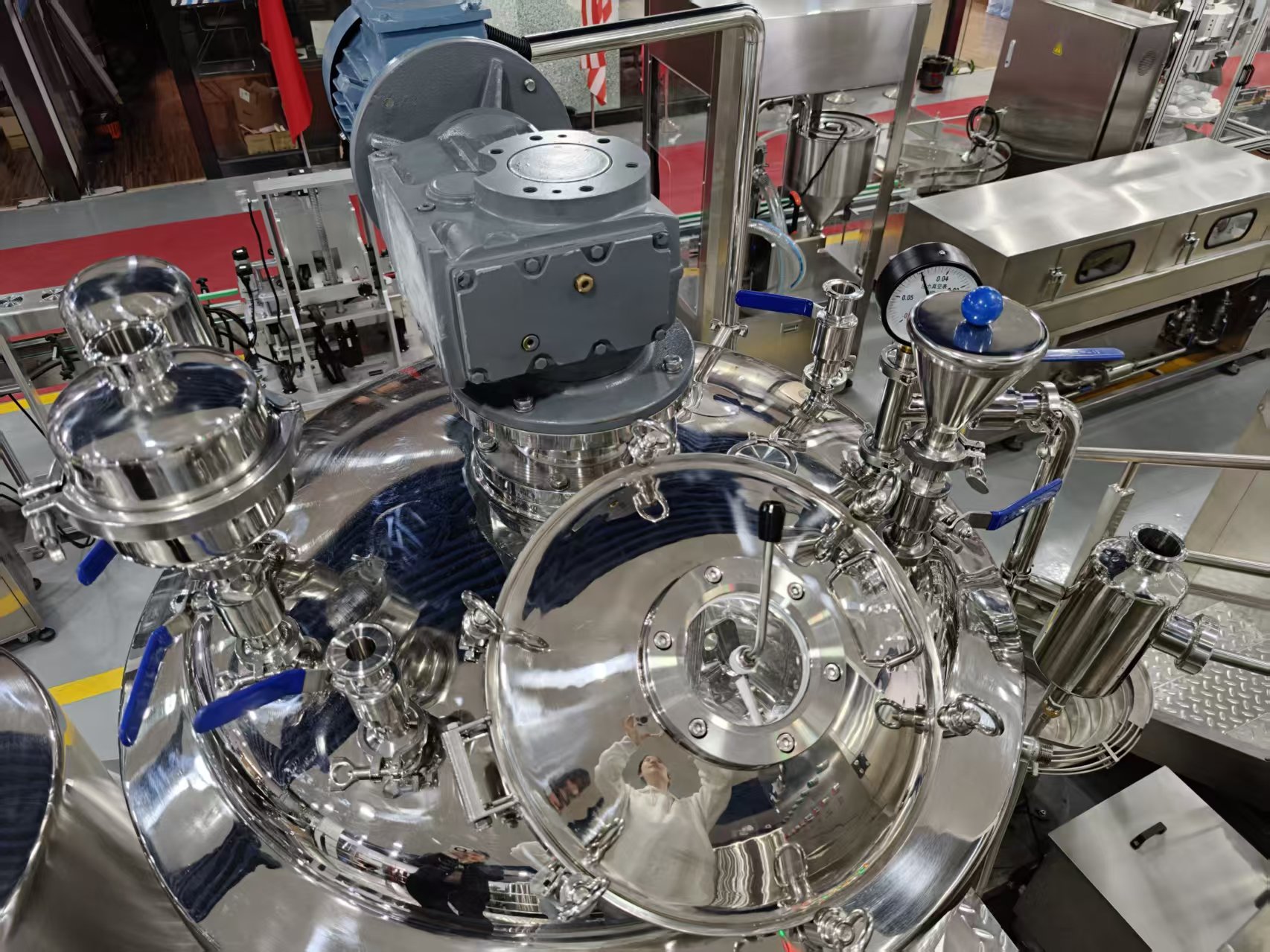
In a vacuum environment, air is not drawn in during mixing and emulsification, and existing bubbles are quickly extracted, allowing oils, water phases, and active ingredients to fully blend and form a uniform and smooth system. For example, in face cream production, vacuum emulsification machines prevent bubble residue, resulting in a smoother texture that is less prone to layering and clumping; in foundation production, vacuum degassing reduces voids and surface bubbles, ensuring a clean product appearance, while also preventing air from contacting active ingredients, reducing the possibility of oxidation and yellowing, and improving product stability from the source.
2. Isolating Contamination and Building a Solid Safety Barrier for Production Compliance
Cosmetics are products that come into direct contact with the skin, making hygiene and safety a core requirement for compliance. Vacuum technology effectively mitigates the risk of contamination during the production process. In traditional open production, materials come into direct contact with dust, bacteria, and microorganisms in the air during mixing and filling. If these contaminants contaminate the product, they can not only cause spoilage but also trigger skin allergies and inflammation, violating the "Cosmetic Safety Technical Specifications" and facing regulatory penalties.
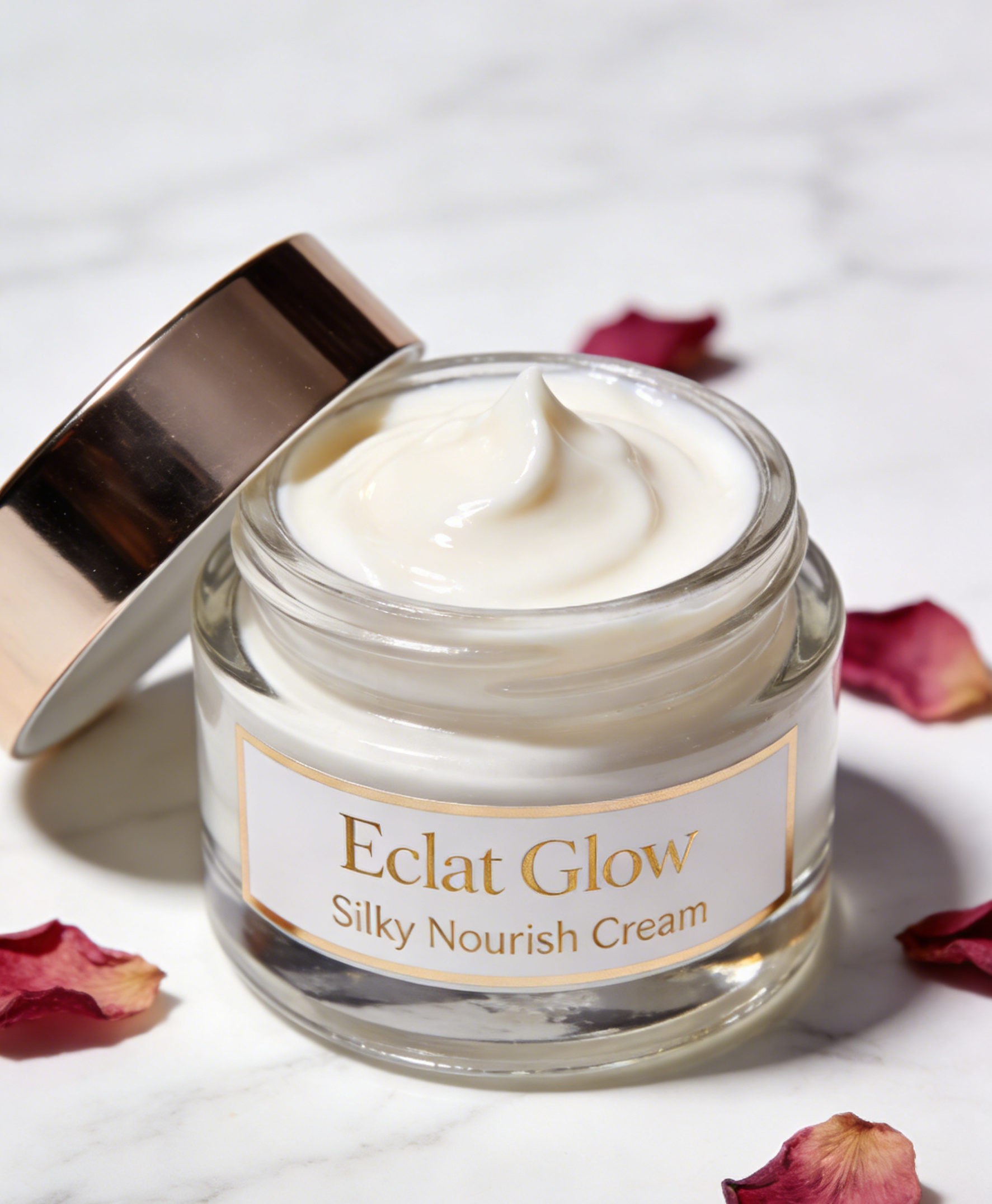
Vacuum production equipment employs a closed design, with the entire production process taking place in an airless and impurity-free vacuum environment. This completely isolates the intrusion of external dust and microorganisms, ensuring the purity and freedom of contamination of the materials. Simultaneously, the vacuum environment inhibits the growth of harmful bacteria and reduces the amount of preservatives added. This aligns with the industry trend of "gentle skincare" and avoids the compliance risks associated with excessive preservatives, making the product safer and easier to pass testing.
3. Enhancing Production Efficiency, Reducing Waste, and Balancing Cost-Effectiveness and Quality
For cosmetic manufacturers, vacuum technology not only ensures quality but also improves production efficiency and reduces material waste, achieving a "win-win" situation for both quality and profitability. In the filling process, vacuum filling technology can quickly inject materials into packaging containers, preventing splashing and residue buildup. This reduces material waste and ensures accurate and consistent filling volumes for each bottle, meeting metrological compliance requirements.
Furthermore, the vacuum environment accelerates the emulsification and dissolution of materials—for example, difficult-to-dissolve active ingredients can be more quickly integrated with other materials under vacuum stirring, shortening the production cycle and increasing capacity. Simultaneously, the airtightness of vacuum equipment reduces material volatilization, especially for volatile components such as fragrances and essential oils. This preserves the original aroma of the product while reducing raw material waste and controlling production costs.
4. Adaptability to Multi-Category Production, Facilitating Product Innovation and Upgrading
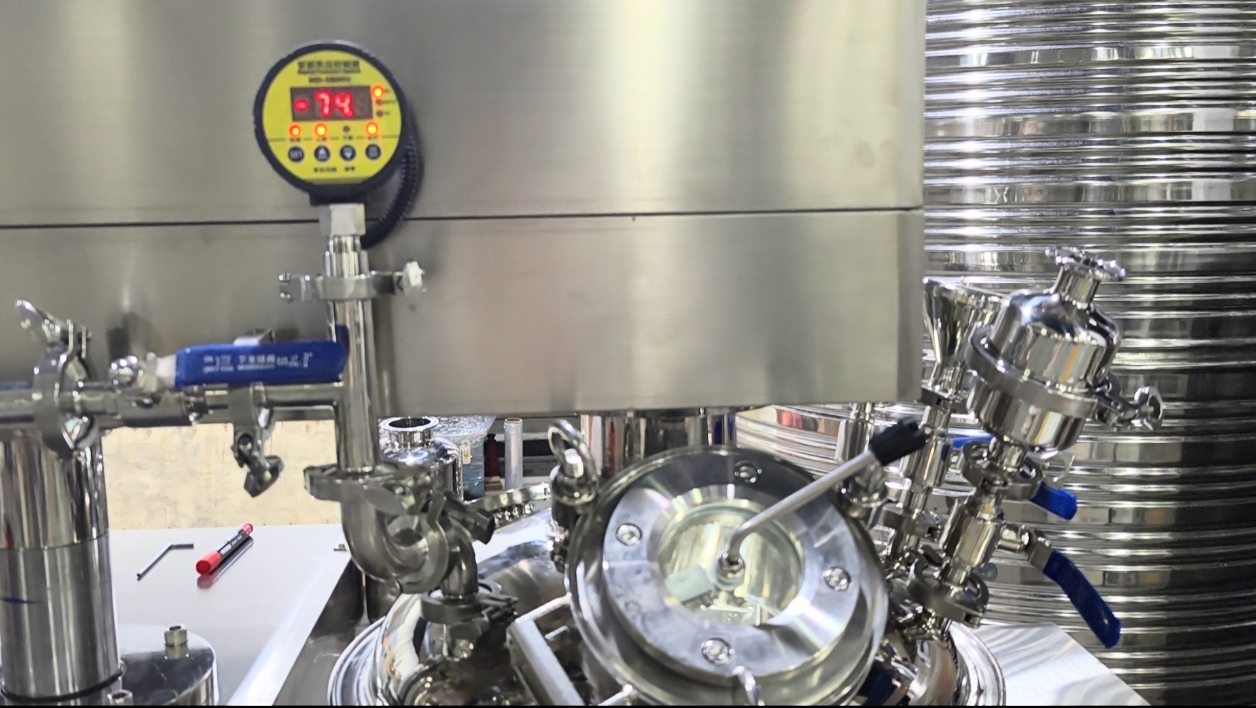
As the variety of cosmetics continues to expand, from lightweight essences to rich creams, from color cosmetics to cosmeceuticals, the requirements for adaptability in production technology are becoming increasingly stringent. Vacuum technology, with its strong versatility, can adapt to the production of cosmetics of different textures and categories. Whether it's high-viscosity face creams and lipsticks, or low-viscosity essences and toners, high-quality production can be achieved through vacuum technology.
Furthermore, upgrades in vacuum technology can also facilitate product innovation—for example, vacuum freeze-drying technology can maximize the preservation of active ingredients' efficacy, creating high-efficacy, high-value-added products; vacuum homogenization technology can evenly disperse nano-sized ingredients, improving product absorption and meeting consumers' demand for "highly effective skincare," helping companies stand out in fierce market competition.
Conclusion: The seemingly insignificant vacuum function is actually an "invisible quality manager" in cosmetic production. It can solve common problems such as bubbles, contamination, and instability, maintaining compliance standards, while also improving production efficiency and facilitating product innovation. For cosmetic companies, emphasizing the application of vacuum technology is not only key to improving product quality, but also an important guarantee for achieving long-term development and seizing market opportunities—after all, only by upholding quality and compliance can they win the trust and recognition of consumers.

Understanding Servo Capping Machines: The Core Logic of Precise Capping – Understand the Entire Working Process in Seconds
The Future of Industrial Agitation: 5 Smart Mixing Tank Technologies Changing the Game
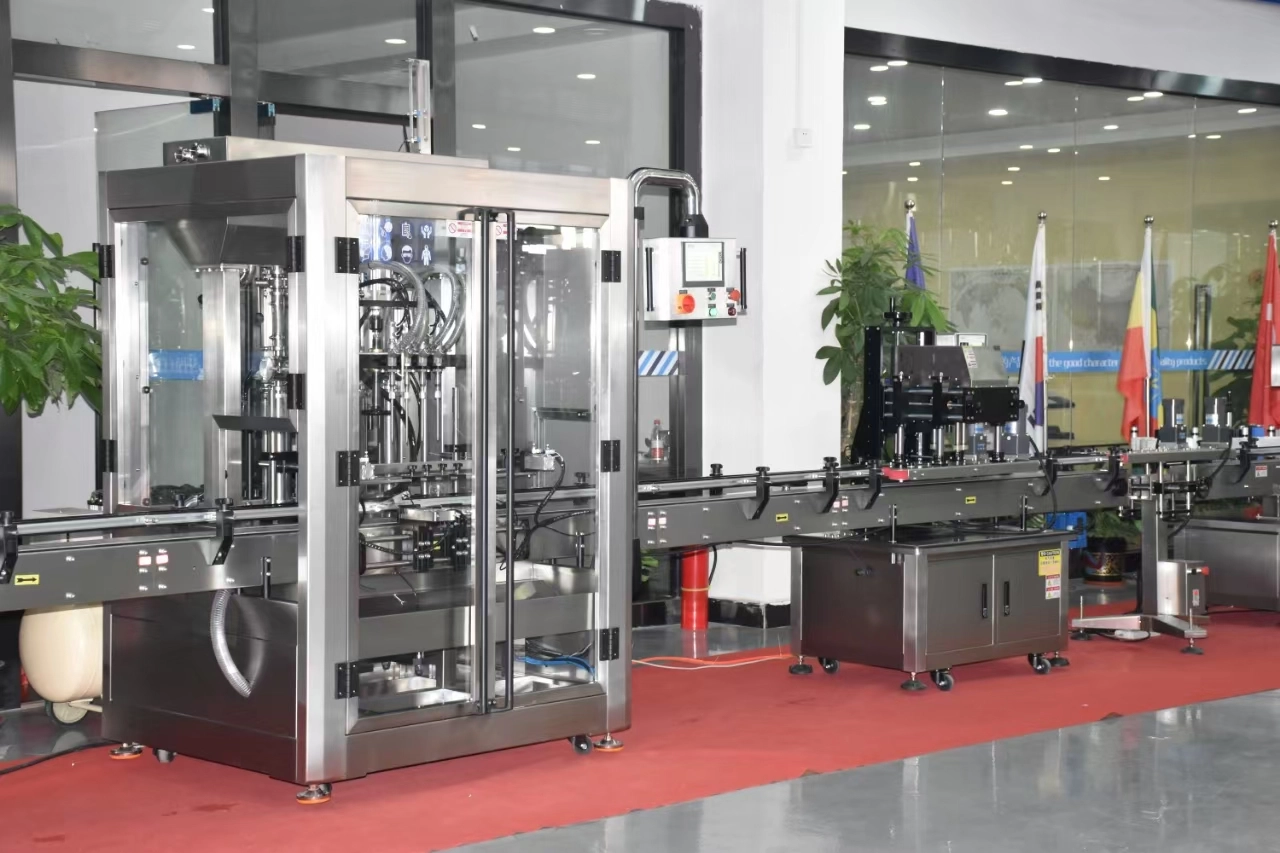
Gear pump filling machine vs. piston filling machine: Key differences broken down to avoid pitfalls in selection.
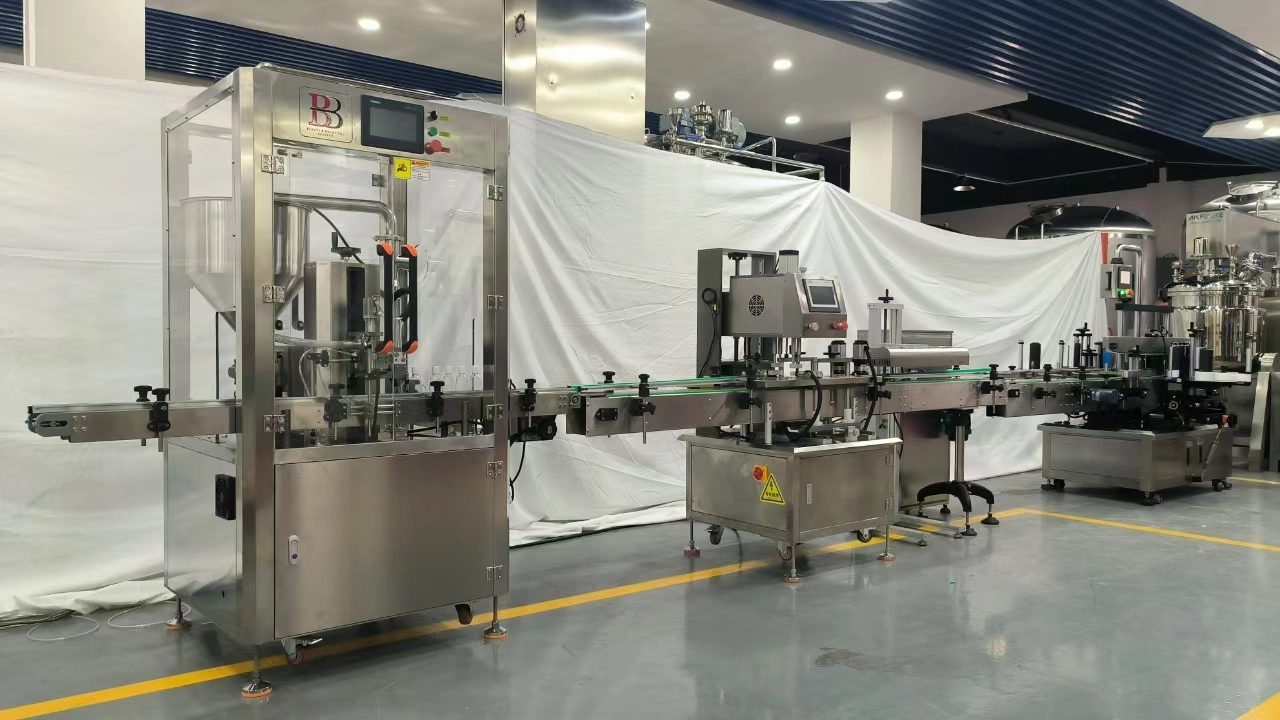
Understand the working principle of a servo gear pump filling machine!
FAQs
What sets FULUKE apart from other cosmetics machinery manufacturers?
RO Water Treatment
Will poor raw water quality (such as high turbidity or hardness) affect the performance of RO equipment?
It can have a significant impact.
Highly turbid raw water (containing large amounts of sediment and colloids) can accelerate clogging of pre-filters (PP cotton) and activated carbon elements, shortening replacement cycles and increasing maintenance costs.Highly hard raw water (containing large amounts of calcium and magnesium ions) can easily form scale (calcium carbonate and magnesium carbonate) on the RO membrane surface, reducing filtration efficiency and even causing irreversible damage, shortening the life of the membrane.For this type of water quality, it is recommended to add a pretreatment device (such as a prefilter or softener) before the RO system to reduce the raw water's turbidity or hardness before entering the RO system.
The Flip Cover Liquid Wash Mixing Homogenizing Tank
Who are we?
Our headquarters is located in Guangzhou, Guangdong, China, and our factory is located in Yangzhou, Jiangsu. Our products are sold all over the world. We have approximately 50 employees in our company and factory.
Automatic Capping Machine
Can you customize the machine?
Of course, we provide customized services according to customer needs.
Perfume Freezing Filter Making Machine
Why does perfume require freeze filtration? Is traditional filtration an alternative?
Traditional filtration only removes visible solid impurities. Soluble organic matter, colloids, and trace microorganisms in perfume are difficult to separate at room temperature, easily leading to turbidity, precipitation, and aroma deterioration after storage. Freeze filtration uses a low-temperature environment of -5°C to -15°C (depending on the formulation) to condense these hidden impurities into solid particles. These particles are then thoroughly trapped through precision filtration, while simultaneously allowing the fragrance components to fully blend. This is a core process that ensures the stability of high-end perfumes.
Get in touch with FULUKE
If you have any comments or good suggestions, please leave us a message, later our professional staff will contact you as soon as possible.
You May Also Like
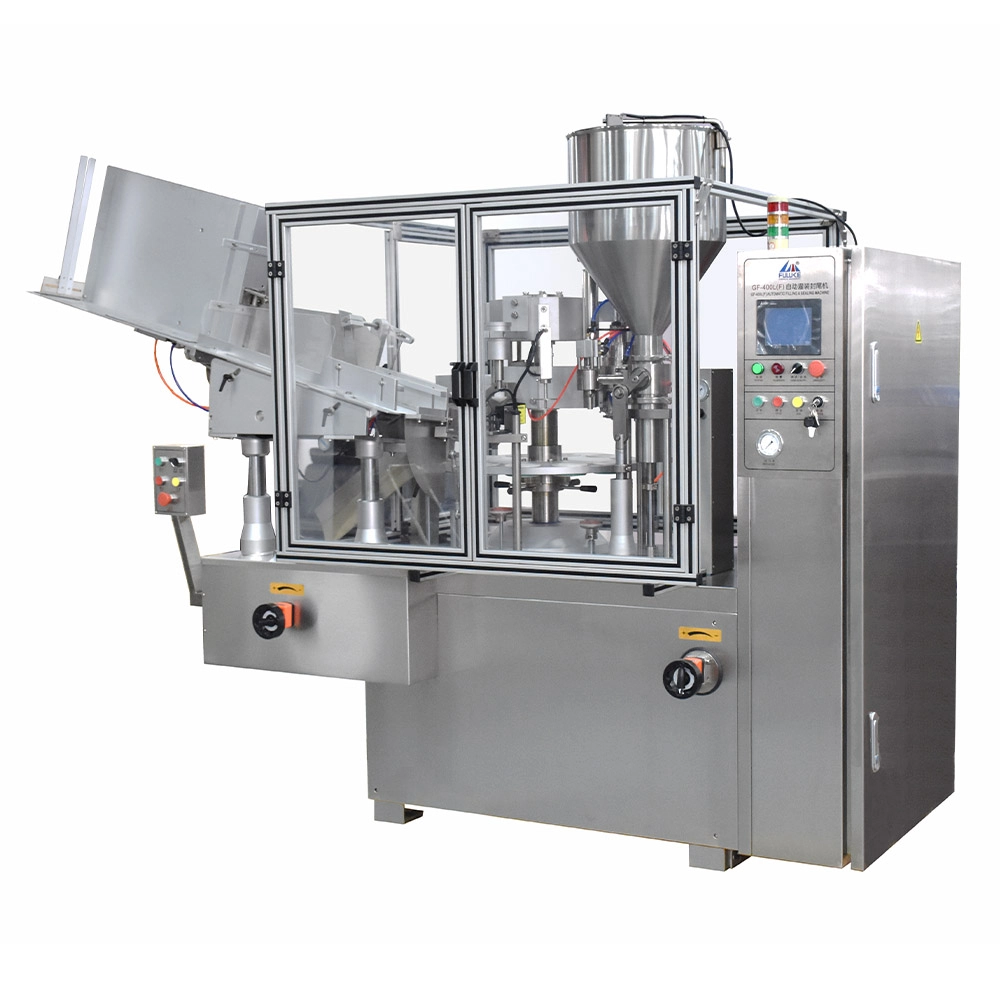
Automatic Tube Filling and Sealing Machine Toothpaste Sunscreen and Facial Cleanser Filling and Sealing Machine for Plastic and Aluminum-plastic Tube
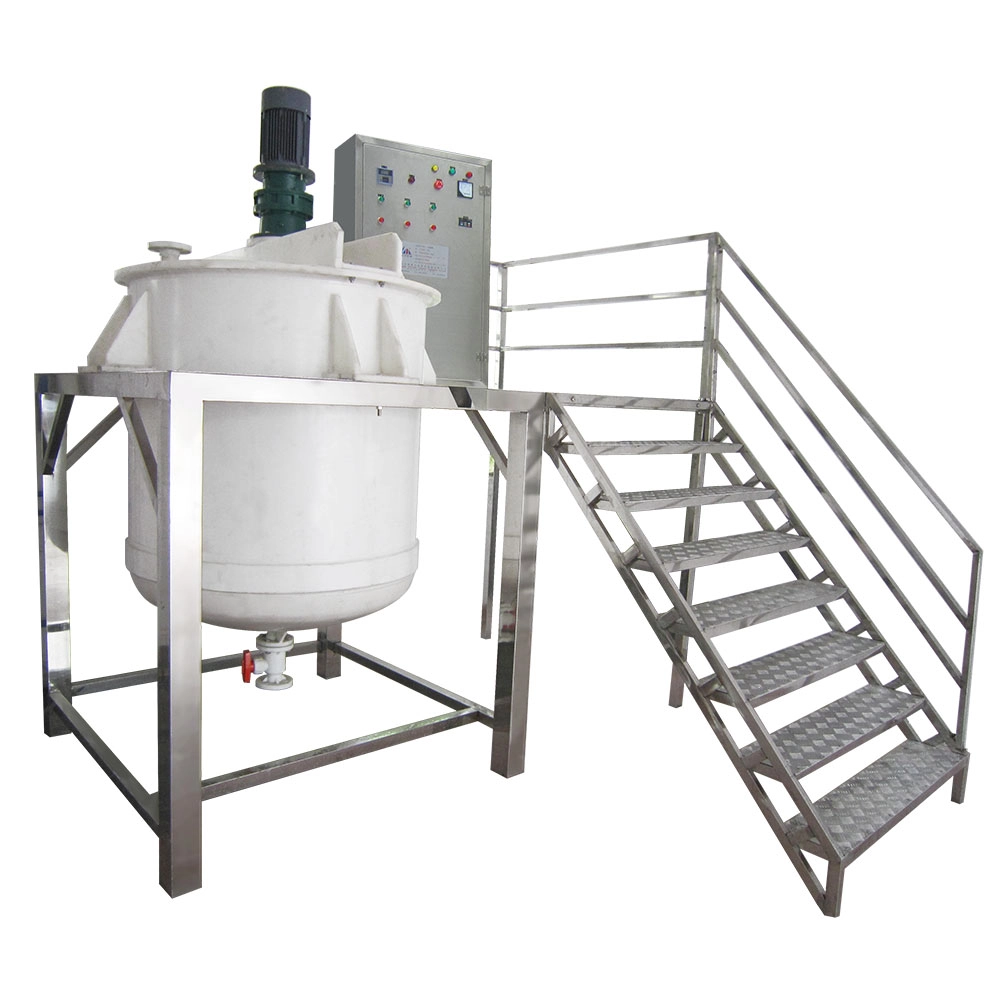
Polypropylene PP Mixing Tank Anti-Corrosion Mixer Reaction Kettle with Agitator Chemical Mixing Vessel
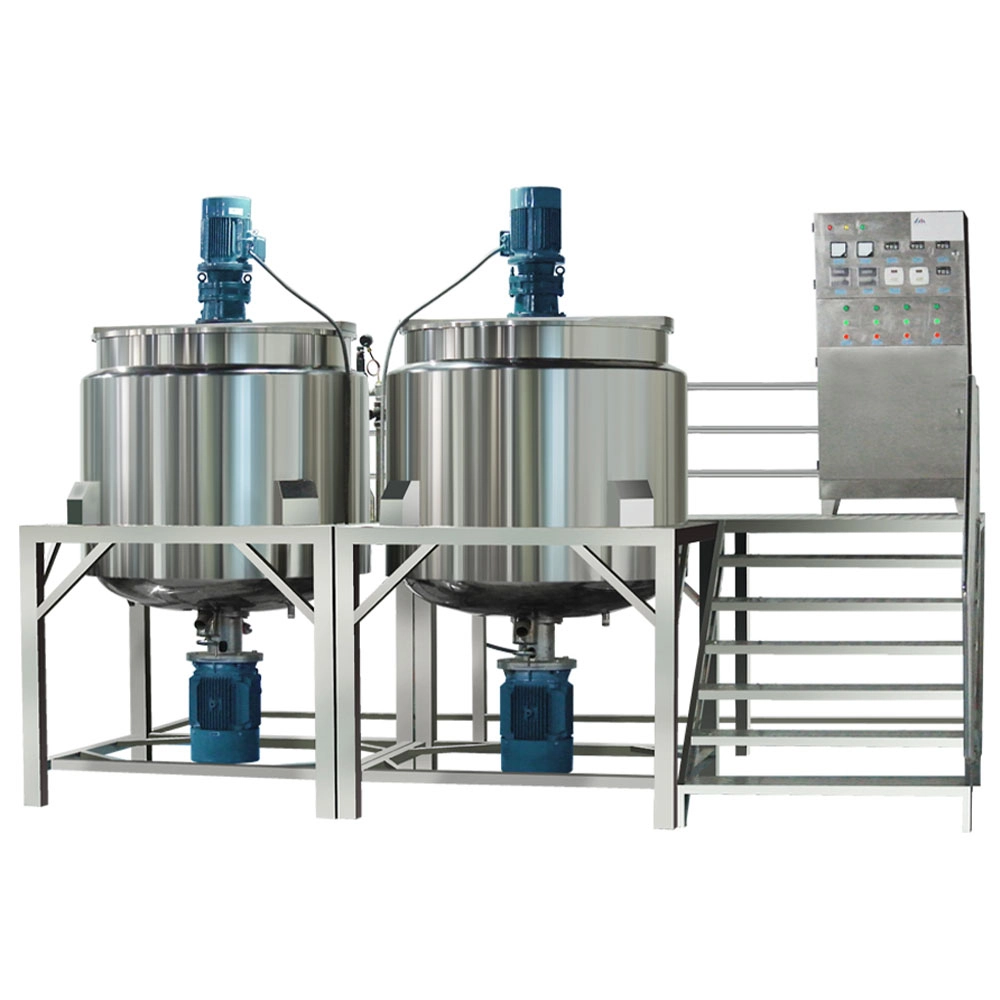
Flip Cover Multi-function Liquid Wash Mixing Tank Blender Liquid Detergent Mixer Homogenization Stirring Tank
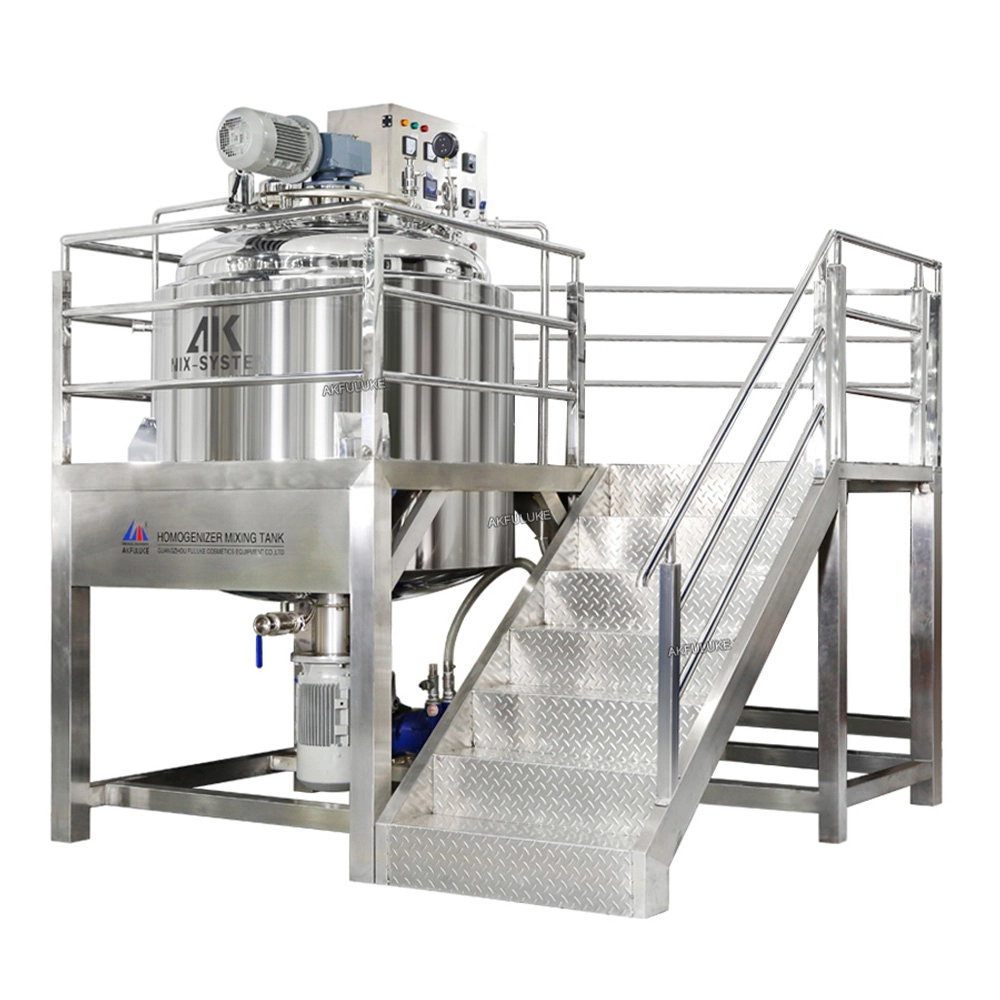
Stainless Steel Mixer Liquid Mixing tank with Agitator Homogenizing Mixing tank Vacuum Sealed Mixer Machine

A leading manufacturer specializing in advanced machinery and complete production lines for the cosmetics, food, pharmaceutical, and chemical industries worldwide.
Contact FULUKE
Facebook
Instagram
YouTube