
How to assess supplier support and service levels?
- 1) How can I verify a bottle filling machine's actual filling accuracy across different viscosities and bottle sizes during Factory Acceptance Testing (FAT)?
- 2) How do I estimate realistic throughput (bottles per hour) for viscous creams on a rotary filling machine, accounting for dwell time and nozzle drip?
- 3) Which spare parts and lead times should I verify to avoid costly downtime, and how many spares should I stock?
- 4) How to assess supplier support and service levels?
- 5) How can I validate line cleanability and CIP protocols for cosmetic production (non-sterile but low-contamination) before acceptance?
- 6) How to calculate Total Cost of Ownership (TCO) over 5 years for a bottle filling machine, including downtime, maintenance, energy, and calibration?
- Concluding paragraph: Advantages of selecting a supplier who meets these assessment criteria
How to Assess Supplier Support and Service Levels for a Bottle Filling Machine
Buying a cosmetic bottle filling machine requires more than comparing price lists. This guide answers six specific, often under-documented questions beginners face when evaluating equipment and supplier service levels for cosmetic production lines. It embeds practical checks for rotary and linear piston fillers, volumetric/auger dosing, CIP validation, spare parts planning, throughput forecasting, and TCO modeling.
1) How can I verify a bottle filling machine's actual filling accuracy across different viscosities and bottle sizes during Factory Acceptance Testing (FAT)?
Problem: Many vendors quote “±0.5% accuracy” without proving it for your cream/serum viscosity or bottle geometry. A FAT must replicate production conditions and provide statistically valid evidence.
Step-by-step FAT protocol:
- Define test matrix: include 3 representative product viscosities (low-liquid, mid-viscosity serum, high-viscosity cream), 3 bottle sizes (min, typical, max), and the intended nozzle/head count configuration.
- Instrumentation: use a calibrated laboratory balance (0.001–0.01 g readability), a stop-watch or encoder logging, and data capture software. Record environmental conditions (temp, humidity) and product temperature because viscosity changes will affect results.
- Sample size and sampling plan: run at least 30 consecutive fills per combination as a minimum. For higher statistical confidence use 100-sample runs for the primary production SKU.
- Metrics to calculate: mean fill weight, standard deviation, percent error vs nominal, and process capability indices (Cpk). Aim for Cpk ≥ 1.33 for a stable production process; if product or bottle variance is high, agree on acceptable Cpk with the supplier.
- Acceptance limits: don’t accept vague claims. Define absolute limits in the purchase order (for example: ±1.0% for high-viscosity cream, ±0.5% for low-viscosity liquids), or a combination of absolute grams and percent for small fills (e.g., ±0.05 g or ±1%).
- Changeover test: time how long the line takes to changeover between bottle sizes and dosing volumes including mechanical adjustments and HMI recipe load. Record the number of manual interventions required.
- Repeatability and reproducibility: test at beginning, mid, and end of an 8-hour run to detect drift. Also test after simulated interruptions (pump restart, power cycle).
- Documentation: require a FAT report with raw data files, calculation sheets, photos of set-up, and video of runs. Insist the supplier signs the report; keep it as part of commissioning documentation.
Red flags to watch for: over-optimistic accuracy claims without FAT data for your SKU; no capability to adjust dwell time or piston stroke for viscous products; lack of a way to lock recipes to avoid unauthorized changes.
2) How do I estimate realistic throughput (bottles per hour) for viscous creams on a rotary filling machine, accounting for dwell time and nozzle drip?
Problem: Vendors list theoretical bph (bottles per hour) under ideal thin-liquid conditions. Viscous creams require longer dosing cycles, anti-drip control, and sometimes settling time between fills.
Calculation method and example:
- Understand cycle definition: for a rotary machine each rotation is typically one dosing cycle. Effective fills per minute = rotations per minute × head count.
- Account for dwell/fill time per head. For viscous creams the volumetric or piston stroke speed is limited to avoid splashing and to ensure accurate dosing — e.g., a single fill may require 1.5–4 seconds per head depending on pump and nozzle.
- Adjust for indexing and transfer time: rotary index dwell and turret acceleration add overhead. If the machine needs intermittent slows for nozzle retraction or cap placement, include that time.
- Nozzle anti-drip and suction cycles: time for post-fill anti-drip may add 0.2–1.0 s per cycle.
- Throughput formula: throughput (bph) = (rotations per minute × heads × 60). But effective rpm must be reduced for viscous fills by factor = (ideal fill time) / (actual fill time). Better: throughput = heads × (60 / cycle_time_seconds), where cycle_time_seconds includes fill + anti-drip + index overhead.
Example: 8-head rotary, per-cycle timings for viscous cream:
- Fill time/head: 2.5 s
- Anti-drip/suction and nozzle retract: 0.7 s
- Indexing/transfer overhead per rotation: 0.8 s
- Total cycle time: 2.5 + 0.7 + 0.8 = 4.0 s
- Throughput: heads × (60 / 4.0) = 8 × 15 = 120 bottles/min = 7,200 bph
Adjust further for planned rejects and cleaning cycles. If you expect 2% rejects and 2 cleaning stops per shift (each 10 minutes), deduct that time when projecting daily throughput.
Practical tip: during FAT demand a production-speed test using your worst-case (most viscous) SKU and the actual cap and bottle to confirm the net effective bph.
3) Which spare parts and lead times should I verify to avoid costly downtime, and how many spares should I stock?
Problem: Buyers often underestimate which parts fail frequently and how long replacements take to arrive from overseas vendors.
Parts audit checklist (prioritize critical items):
- Wear & tear parts: seals (pump and piston), O-rings, gaskets, mechanical seals, dosing valve rubbers — typically 3–12 months consumption stock.
- Hydraulic/pneumatic: cylinders, solenoid valves, air regulators, quick fittings. Solenoids often have short MTTR but varied lead times.
- Motion/electrical: servo drives, encoder modules, PLC spare CPU, HMI touch panels, photo-eyes, proximity sensors. These can have long lead times (4–12+ weeks).
- Product-contact nozzles and dosing heads: keep a set per head count plus 1–2 additional nozzles per station, especially for custom-designed nozzles for high-viscosity creams.
- Ancillary: conveyor belts, star wheels, guide rails, star cams — often custom and high-cost; consider modular alternatives or a local repair plan.
Stocking guidance:
- Critical short-lead consumables (seals, O-rings, small valves): maintain 3–6 months of consumption quantity. These are fast-moving and low-cost.
- High-value electronics (PLC/servo drives): keep 1 spare if lead time is >4 weeks. If the supplier has local depot stocks, negotiate consignment or RMA expedited service.
- Custom parts with >8-week lead: aim for 1–2 spares on-hand or ask the supplier for a disaster-recovery SLA that guarantees delivery in <7–10 business days.
Evaluate supplier transparency: request a complete parts list with manufacturer part numbers, recommended stocking levels, current lead times, and lifetime availability policy (e.g., guaranteed availability for X years). Contractually require a parts availability clause in the service agreement.
4) How to assess supplier support and service levels?
Problem: ‘Support’ is vague. You need measurable SLAs, escalation paths, remote diagnostics, training quality, spare parts policy, and MTTR expectations.
Supplier support audit checklist and scoring system:
- SLA metrics to require in contract:
- Remote response time: initial acknowledgement within 1–4 hours (depending on service tier).
- Remote diagnosis target: within 8 hours of ticket opening.
- On-site response time: region-dependent — 24–72 hours standard; negotiate faster for critical lines (4–24 hours).
- First-Time Fix Rate (FTFR): target >80% across service calls.
- Mean Time To Repair (MTTR): set target based on complexity (e.g., <8 hours for standard mechanical/electrical faults).
- Remote capabilities: confirm the machine supports secure remote access (VPN or manufacturer cloud), PLC/HMI diagnostics, and logged alarms. Remote patching and password policies should meet your IT security rules (ask for SOC/penetration test reports if available).
- Training and documentation: demand operator and maintenance training with written SOPs, spare parts drawings, electrical schematics (IEC/EN standards), and digital troubleshooting guides. Verify a training plan and sample curriculum.
- Spare parts & consignment: check if the supplier offers consignment stock, local depots, or 24/7 parts shipping. Get firm lead times for each critical SKU and escalate clauses when lead times exceed thresholds.
- Service network and certifications: verify local certified technicians or partner network; request CVs/certificates for service engineers (PLC brand certification, electrical safety training, hygienic design understanding for cosmetics).
- Warranty and extended support: confirm warranty coverage scope (labor, travel, parts), exclusions, and extended service options (preventive maintenance contracts, software updates, calibration support).
- Performance reporting: ask the supplier to provide monthly service reports (tickets opened, cause codes, downtime hours, corrective actions). These reports are essential for continual improvement and root-cause tracking.
Scoring: build a 0–5 checklist across the metrics above and require a minimum passing score to finalize purchase. Put the agreed SLA and scorecard into the purchase contract to make it enforceable.
5) How can I validate line cleanability and CIP protocols for cosmetic production (non-sterile but low-contamination) before acceptance?
Problem: Cosmetic products require strict hygiene though not sterile. Lines that seem easy to disassemble may hide dead legs and product retention zones that cause microbial or residual carryover problems.
Validation steps and acceptance checks:
- Hygienic design requirements: confirm product-contact materials are 316L stainless steel, polished to an appropriate finish (typically Ra ≤ 0.8 µm for many cosmetic lines), tri-clamp fittings, no dead legs, and sloped drains. Commission a walkthrough of internal pipe runs and manifolds.
- CIP capability: verify the machine supports Closed CIP loops with adequate flow rates and turbulence. For viscous products, manual disassembly may still be required — identify those areas and ensure quick-disassembly features or single-use liners if relevant.
- Develop a validation protocol: include pre-clean swabs, ATP bioluminescence checks, rinse conductivity, TOC measurements, and microbial plate counts (where applicable). Tailor acceptance criteria to your internal standards and regulatory considerations; document baseline values during commissioning.
- Typical test sequence: dirty run → visual rinse → CIP with detergent (alkaline cleaner) → intermediate rinse → acid passivate (if required) → final rinse → ATP and TOC sampling. Repeat until acceptance levels are achieved.
- Sampling points: product-contact surfaces, nozzle internal bores, pump housings, filter housings, and drain manifolds. Include end-of-line bottle interior swabs after a mock-run to detect aerosolization or carryover.
- Documentation and training: require written CIP recipes on the HMI, chemical concentration and temperature ranges, and training for maintenance staff. Ensure CIP cycles are locked to recipes and logged for traceability (electronic records help meet QA audits).
Red flag: supplier cannot provide a documented CIP recipe or lacks modular access for routine manual cleaning. Insist on documented results from at least one prior similar cosmetic installation.
6) How to calculate Total Cost of Ownership (TCO) over 5 years for a bottle filling machine, including downtime, maintenance, energy, and calibration?
Problem: Purchase price hides long-term costs. TCO modeling gives realistic ROI and compares suppliers on lifecycle costs.
TCO template (5-year view) — categories and example numbers:
- Initial CAPEX: machine purchase + installation + FAT + commissioning. Example: $120,000 purchase + $10,000 installation = $130,000.
- Annual maintenance (preventive): typically 4–8% of CAPEX per year. Example: 6% × $120,000 = $7,200/yr.
- Spare parts consumption: estimate yearly based on OEM list. Example: $3,000/yr.
- Energy consumption: calculate average motor load (kW) × operation hours × electricity cost. Example: 5 kW × 8 hrs/day × 250 days = 10,000 kWh; at $0.12/kWh = $1,200/yr.
- Calibration and quality audits: scales, balances, sensors — budget $1,000/yr or as needed.
- Downtime cost: quantify lost revenue per hour of line stop. Example: if lost profit is $500/hr and expected downtime is 50 hrs/yr → $25,000/yr.
- Upgrades and software: budget for HMI/PLC updates or recipe migrations — e.g., $2,000 over 5 years.
5-year summation example (rounded):
- CAPEX (one-off): $130,000
- Maintenance (5 yrs): $7,200 × 5 = $36,000
- Spare parts (5 yrs): $3,000 × 5 = $15,000
- Energy (5 yrs): $1,200 × 5 = $6,000
- Calibration (5 yrs): $1,000 × 5 = $5,000
- Downtime (5 yrs): $25,000 × 5 = $125,000
- Software/upgrades: $2,000
- Total 5-year TCO ≈ $324,000
Interpretation: in this example, downtime dominates TCO. Use the TCO model to evaluate offers: a vendor with a higher CAPEX but guaranteed faster MTTR and local parts stock may reduce 5-year TCO relative to a cheaper machine with long downtimes.
Recommendation: request supplier-provided historical downtime data, MTTR, and spare parts consumption for comparable cosmetic installations, then plug those numbers into your TCO template.
Concluding paragraph: Advantages of selecting a supplier who meets these assessment criteria
Choosing a supplier that demonstrably meets the FAT, CIP, spare-parts, SLA, and TCO criteria above reduces production risk, shortens time-to-market, and lowers lifecycle costs. Key advantages include predictable filling accuracy across viscosities using servo-driven or piston dosing, verified throughput figures for viscous creams on rotary fillers, faster recovery from faults via local spare parts or consignment stock, validated hygienic design and CIP programs, and a contractual service framework with measurable SLAs and reporting. These factors combine to improve first-pass yield, minimize unscheduled downtime, and protect brand quality in cosmetic production.
For tailored machine specifications, spare-parts lists, and a firm quote for bottle filling machines or integrated filling/capping lines, contact us for a quote: visit www.fulukemix.com or email flk09@gzflk.com.
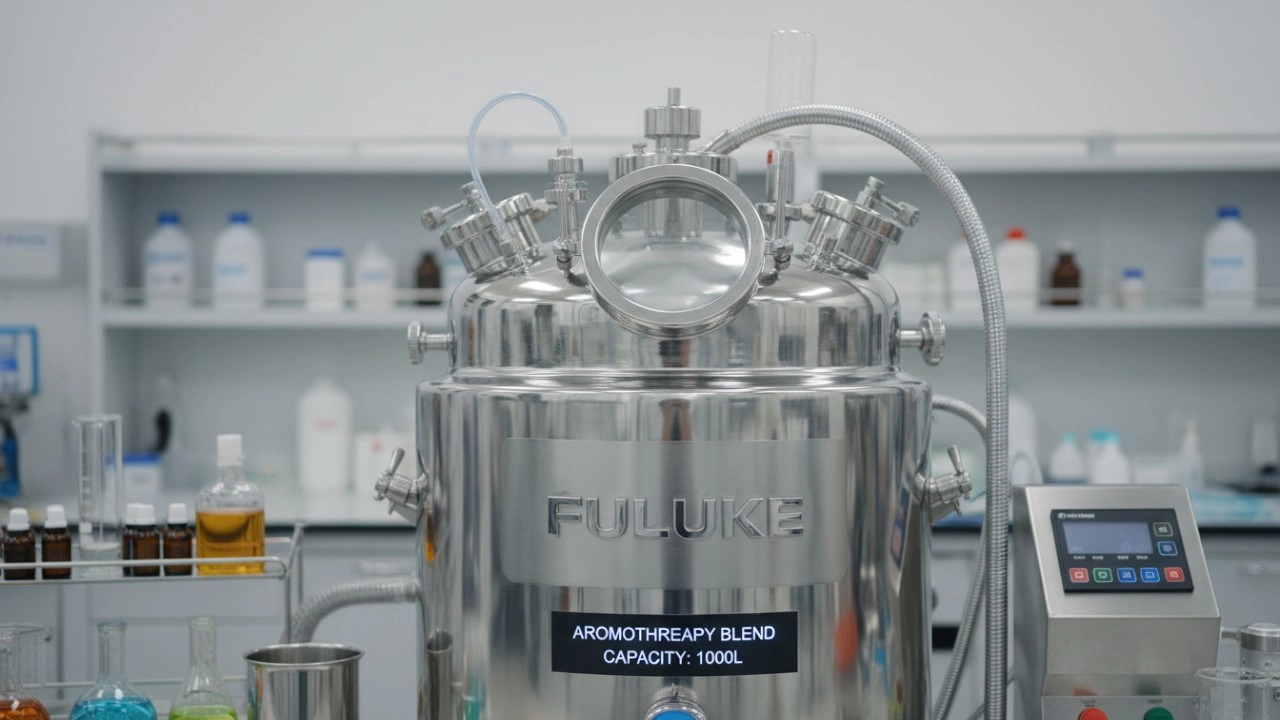
How Mixing Tanks Are Used in Aromatherapy & Cosmetics: The 2026 Guide
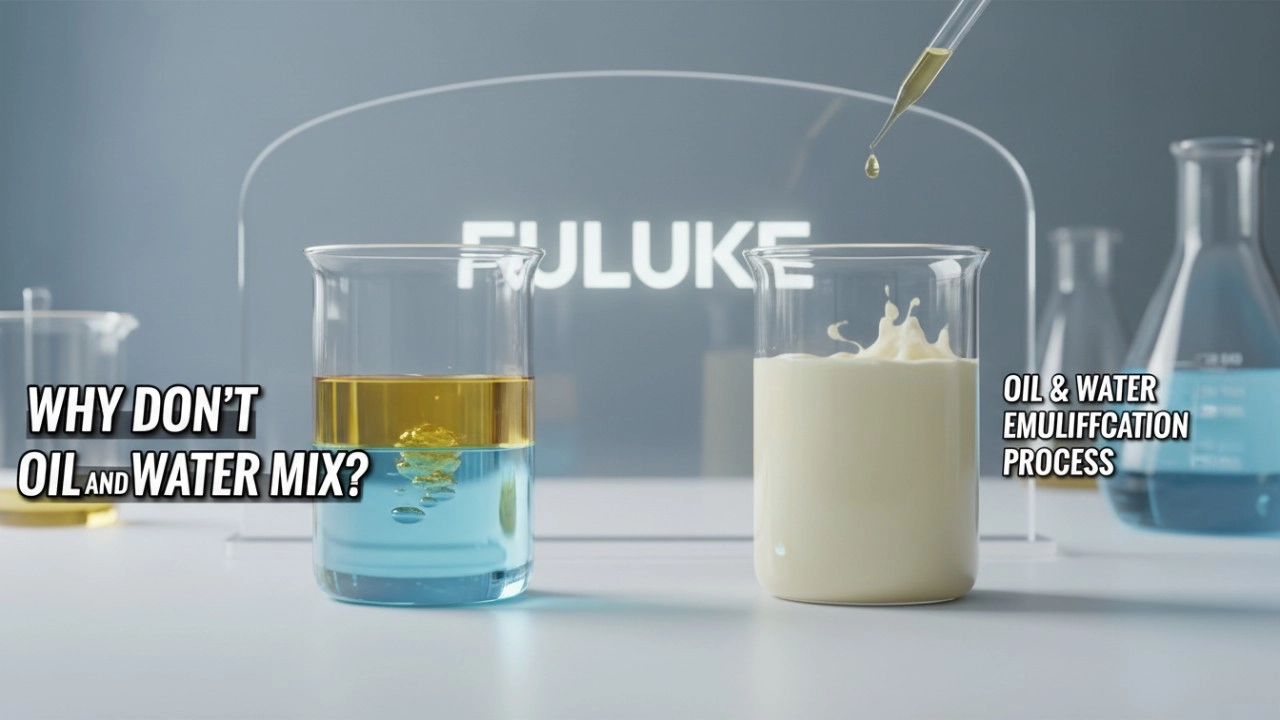
5 Revolutionary Methods to Mix Oil and Water: A Deep Dive into Advanced Emulsification (2026 Guide)
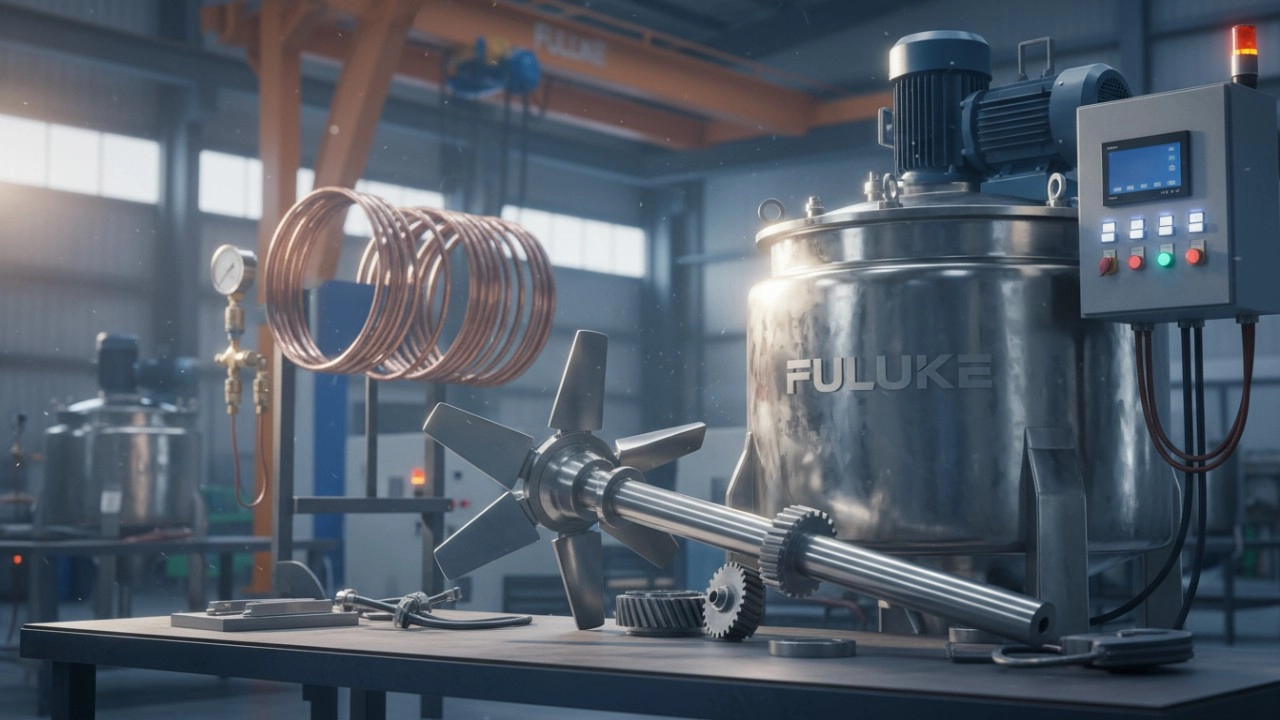
Top 7 Mixing Tank Component Failures (And How to Prevent Costly Downtime) in 2026
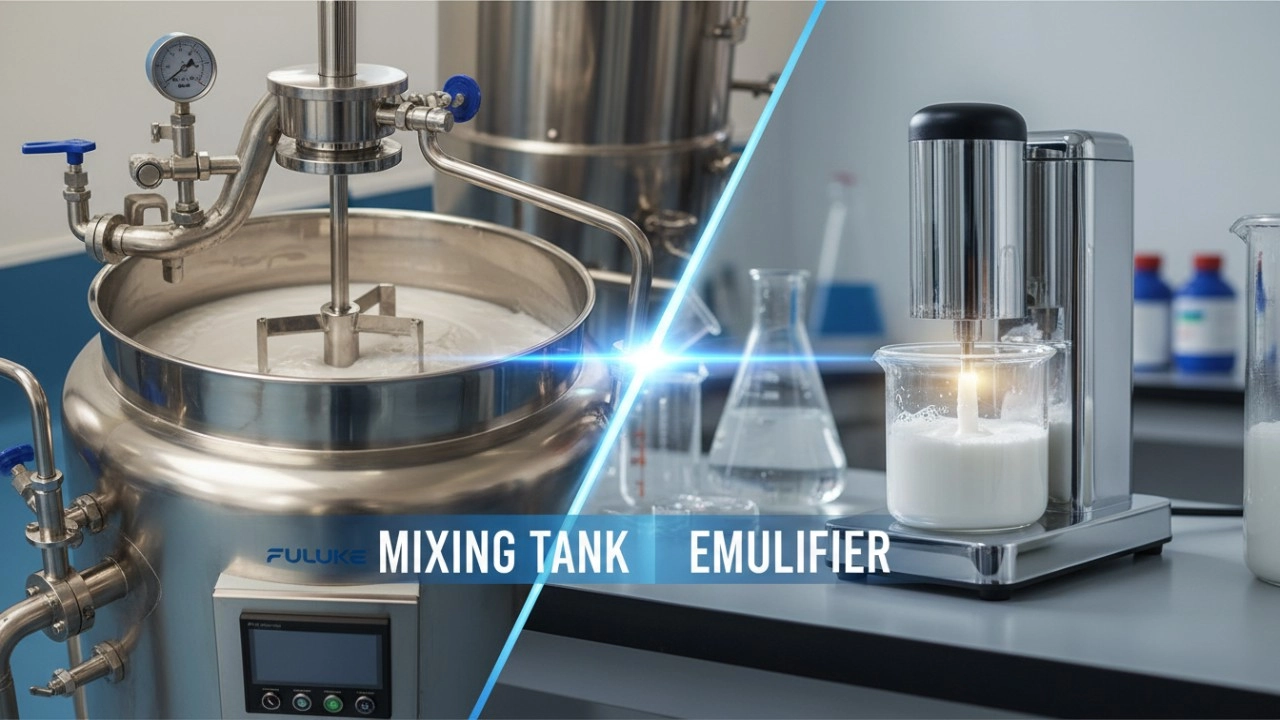
High-Shear Emulsifier vs. Standard Mixing Tank: A Deep Dive into Process Efficiency
Automatic Labeling Machine
Who are we?
Our headquarters is located in Guangzhou, Guangdong, China, and our factory is located in Yangzhou, Jiangsu. Our products are sold all over the world. We have approximately 50 employees in our company and factory.
The Flip Cover Liquid Wash Mixing Homogenizing Tank
Can flip cover homogenizing mixing tank ensure hygienic safety when handling materials such as food and cosmetics?
Material Compliance: The equipment's pot, agitator, homogenizer, and other material-contacting components are all made of 316L stainless steel, which is corrosion-resistant and easy to clean, meeting food-grade and cosmetic-grade hygiene requirements.
Easy Cleaning: The open-top design allows direct access to corners within the pot, allowing for thorough cleaning by hand or with tools.
Operational Specifications: The equipment can be disinfected before use (e.g., hot water for food processing). After use, cleanup any remaining material promptly to avoid cross-contamination.
Is it possible to not have a heating function?
Of course, if your product's production process doesn't require heating and cooling functions, then you can just make it a single-layer pot.
Lift-type Homogenizing Disperser
Who are we?
Our headquarters is located in Guangzhou, Guangdong, China, and our factory is located in Yangzhou, Jiangsu. Our products are sold all over the world. We have approximately 50 employees in our company and factory.
Inkjet Printing Machine
What can you buy from us?
RO Water Treatment、Vacuum Emulsifying Machine、Homogenizer Mixing Tank、Filling and Capping、labeling Machine、Packing Machine、Storage Tank,etc.
Get in touch with FULUKE
If you have any comments or good suggestions, please leave us a message, later our professional staff will contact you as soon as possible.
You May Also Like
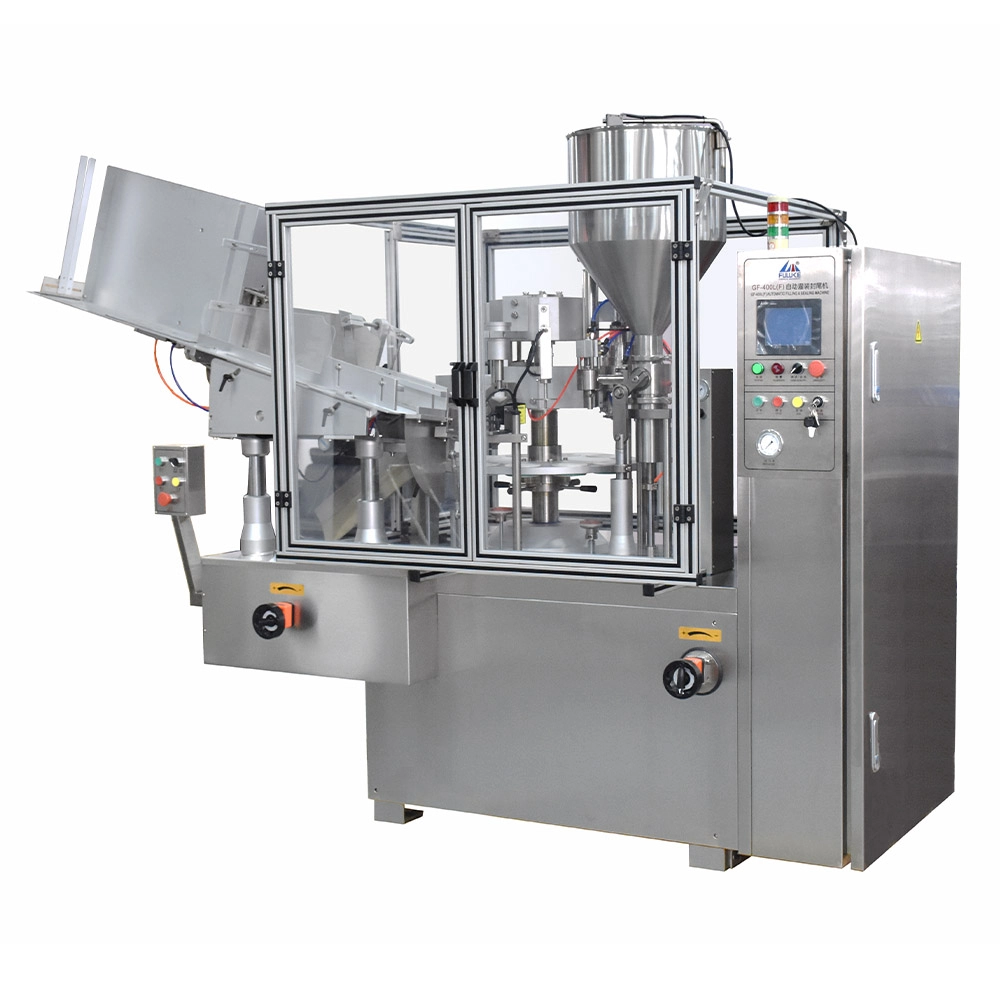
Automatic Tube Filling and Sealing Machine Toothpaste Sunscreen and Facial Cleanser Filling and Sealing Machine for Plastic and Aluminum-plastic Tube
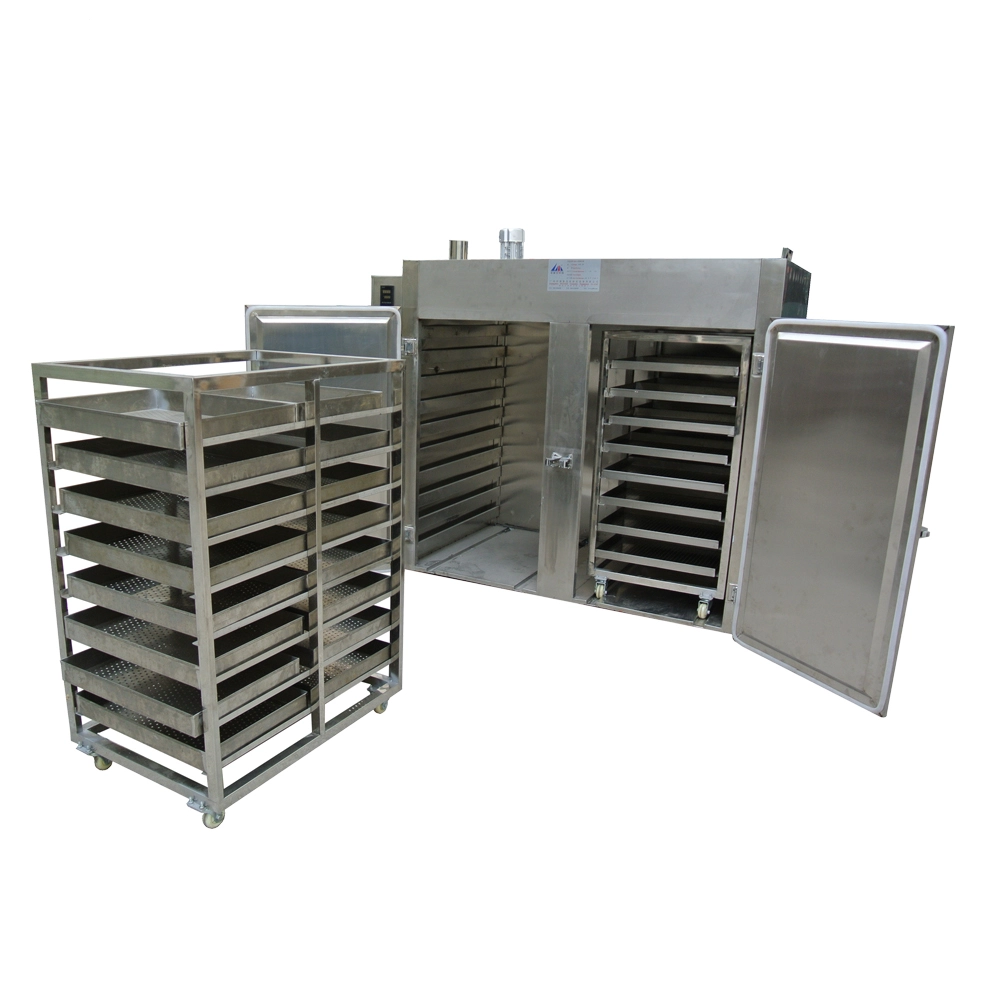
Over for Bottles High Temperature Sterilizer Tray Dryer Large Hot Air Circle Drying Oven for Glass Bottle Jar Cup Can

Automatic Glass Bottle Washing Machine High Quality Glass Bottle Cleaning Washer
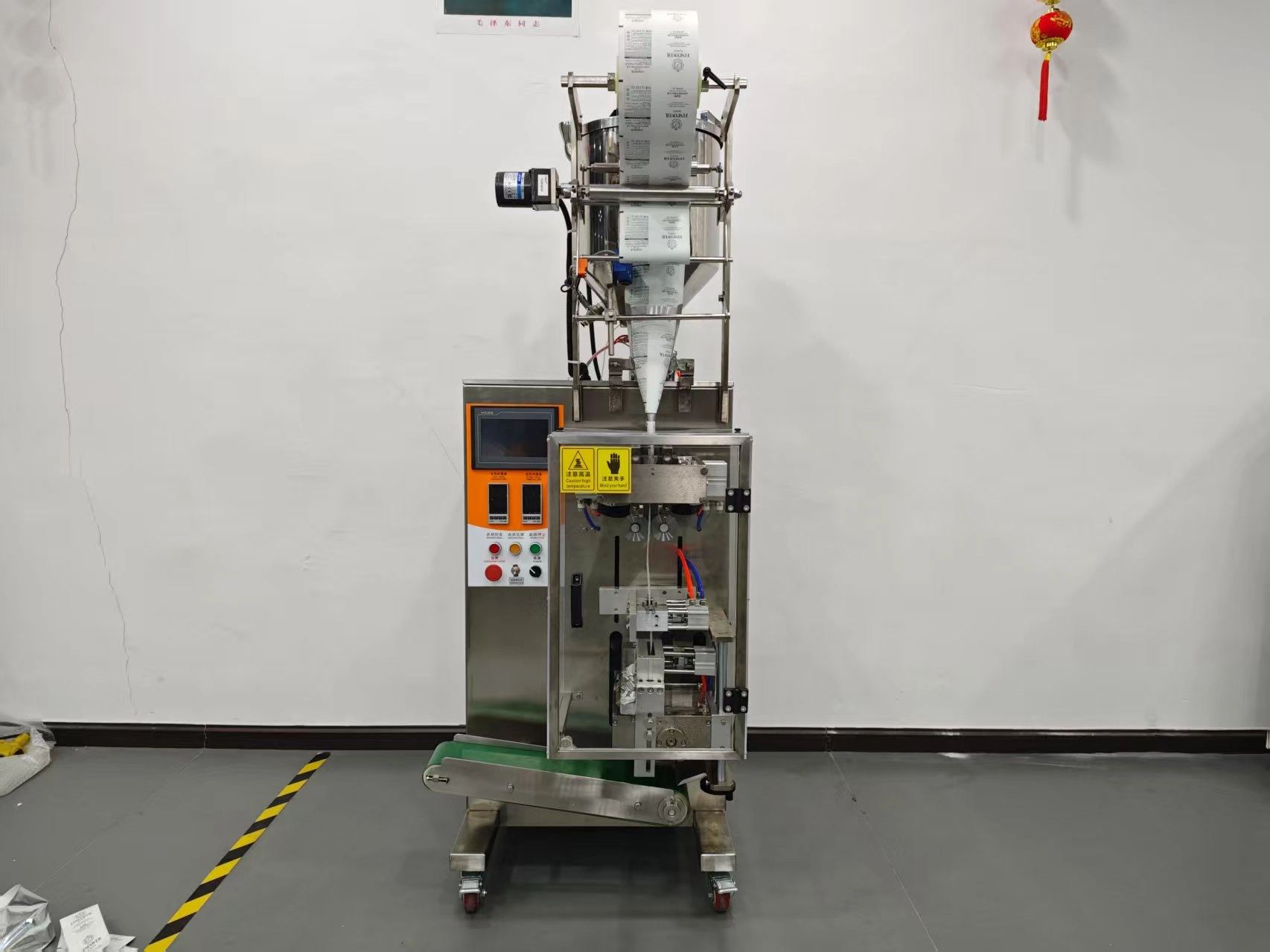
Three-side/four-side sealing bag packaging machine Liquid Paste Jam Cream Sachet Vertical Filling Pouch Packing Machine

A leading manufacturer specializing in advanced machinery and complete production lines for the cosmetics, food, pharmaceutical, and chemical industries worldwide.
Contact FULUKE
Facebook
Instagram
YouTube