
Why invest in automated cosmetic filling machines?
- Understanding Automated Cosmetic Filling Machines: Key Considerations for Manufacturers
- 1. What are automated cosmetic filling machines?
- 2. Why should I invest in automated cosmetic filling machines?
- 3. How do I choose the right automated filling machine for my products?
- 4. What are the latest trends in automated cosmetic filling machines?
- 5. How do automated filling machines contribute to quality control?
- 6. What are the cost considerations when investing in automated filling machines?
- 7. How do automated filling machines support sustainability in manufacturing?
- 8. What are the challenges associated with implementing automated filling machines?
- Conclusion: Why Choose FULUKE Automated Cosmetic Filling Machines?
Understanding Automated Cosmetic Filling Machines: Key Considerations for Manufacturers
As the cosmetic industry continues to evolve, manufacturers are increasingly turning to automated filling machines to enhance production efficiency, ensure product consistency, and meet consumer demands for sustainability. This article addresses common questions and provides insights into selecting the right automated cosmetic filling machine for your business.
1. What are automated cosmetic filling machines?
Automated cosmetic filling machines are specialized equipment designed to fill cosmetic products—such as creams, serums, and lotions—into containers with precision and speed. These machines utilize advanced technologies, including robotics and artificial intelligence, to perform tasks like filling, capping, and labeling, thereby streamlining the production process and reducing human error.
2. Why should I invest in automated cosmetic filling machines?
Investing in automated filling machines offers several advantages:
Increased Efficiency: Automated systems can significantly boost production speed, handling high volumes with minimal downtime. For instance, fully automatic machines can fill up to 50,000 units per shift, compared to 2,000–3,000 units with manual processes.
Enhanced Precision: These machines provide accurate filling, ensuring consistent product quality and reducing waste. Precision filling technology can achieve accuracy within 1% tolerance levels, even for non-Newtonian substances.
Cost Savings: While the initial investment may be higher, the long-term savings from reduced labor costs and increased production efficiency can offset the expenditure. Automation can cut production costs by as much as 25%.
Sustainability: Automated machines can be designed to handle eco-friendly materials, supporting sustainable manufacturing practices.
3. How do I choose the right automated filling machine for my products?
Selecting the appropriate machine involves considering several factors:
Product Characteristics: Assess the viscosity, texture, and sensitivity of your products. For example, piston filling machines are ideal for thick creams and pastes, while peristaltic pumps are suitable for shear-sensitive formulations like serums.
Container Specifications: Ensure the machine can accommodate your container types and sizes. Modern filling equipment excels in adapting to various container shapes, including round, square, or uniquely designed containers.
Production Volume: Match the machine's capacity with your production needs. Fully automatic machines are suitable for large-scale operations, while semi-automatic machines may be more appropriate for smaller batches.
Maintenance Requirements: Opt for machines that are easy to maintain and clean, reducing downtime and extending equipment lifespan. Regular maintenance can extend a machine's lifespan by up to 30%.
4. What are the latest trends in automated cosmetic filling machines?
Recent developments include:
Integration of AI and Robotics: Advanced robotics and AI are enhancing the precision and speed of filling processes, with AI algorithms monitoring and adjusting the filling process in real time.
Sustainable Practices: There's a growing emphasis on machines that support sustainable packaging solutions, such as handling biodegradable plastics and recyclable containers.
Modular Designs: Modular filling systems allow manufacturers to adjust machines according to production needs, offering flexibility to switch between different product types and packaging formats quickly.
5. How do automated filling machines contribute to quality control?
Automated systems enhance quality control by:
Ensuring Consistency: Automated filling machines provide accurate filling, ensuring consistent product quality and reducing waste.
Compliance with Regulations: These machines can be programmed to meet various industry standards, minimizing the risk of compliance violations.
Customization Opportunities: Automation allows for flexible formulation adjustments and on-demand packaging personalization, enabling manufacturers to respond swiftly to market trends and consumer preferences.
6. What are the cost considerations when investing in automated filling machines?
While the initial investment can be substantial, the long-term benefits often justify the expenditure. For example, companies using automated filling machines have reported a 25% reduction in production costs. Additionally, the ability to handle a wide range of product viscosities and container types without additional equipment can lead to significant cost savings.
7. How do automated filling machines support sustainability in manufacturing?
Automated machines contribute to sustainability by:
Minimizing Waste: Precision filling systems reduce overfilling and material waste, aligning with green initiatives.
Energy Efficiency: Incorporating energy-efficient technologies, such as servo motors and advanced heating systems, reduces operating costs and the carbon footprint.
Supporting Eco-Friendly Packaging: Automated systems can handle recyclable and biodegradable materials, promoting sustainable packaging solutions.
8. What are the challenges associated with implementing automated filling machines?
Challenges include:
High Initial Investment: The upfront cost can be significant, which may be a barrier for smaller manufacturers.
Integration with Existing Systems: Ensuring compatibility with current production lines and processes can require additional investment and planning.
Training Requirements: Staff may need training to operate and maintain new automated systems effectively.
Conclusion: Why Choose FULUKE Automated Cosmetic Filling Machines?
FULUKE offers state-of-the-art automated cosmetic filling machines designed to meet the evolving needs of the cosmetic industry. Our machines provide:
Advanced Technology: Integration of AI and robotics for enhanced precision and efficiency.
Customization: Flexible systems adaptable to various product types and packaging formats.
Sustainability: Machines designed to support eco-friendly materials and energy-efficient operations.
Reliability: Robust construction and user-friendly interfaces for ease of operation and maintenance.
Investing in FULUKE's automated filling machines ensures your manufacturing process is at the forefront of innovation, quality, and sustainability.
References:
Market Research Intellect. (2025). Revolutionizing Beauty Manufacturing- The Rise of Automated Cosmetic Filling Machines.
Fineco Machine. (2025). Top Strategies for Maximizing Efficiency with Cosmetic Filling Machines.
Aesus. (2025). Factors to Consider When Investing in Cosmetic Container Filling Machine.
DDDiscus. (2025). How to Choose a Cream Filling Machine .
Eugeng Machine. (2025). Automated Cosmetic Filling: Streamlining Beauty Product Manufacturing.
G&H Filling. (2025). The Role of Automatic Filling Machines in Cosmetics Packaging.
Accio. (2025). Make up filling machine: Precision & Customization.
Accio. (2025). Filling Machine for Cosmetics: Precision & Efficiency.
DDDiscus. (2025). Automatic Filling Machines for Efficient Cosmetics Production.
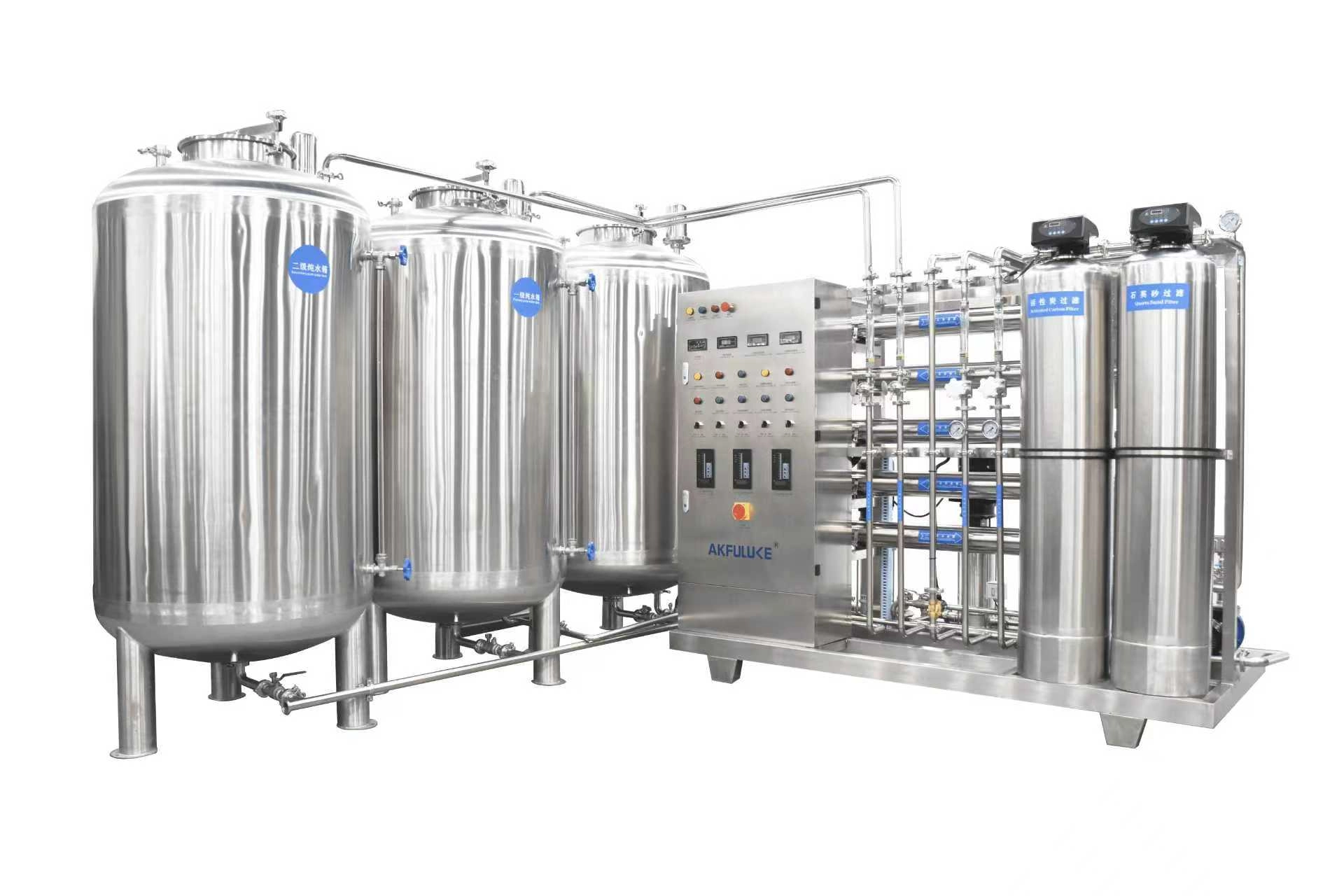
RO water treatment: From equipment to treated water, building a robust defense line for safe and compliant drinking water.
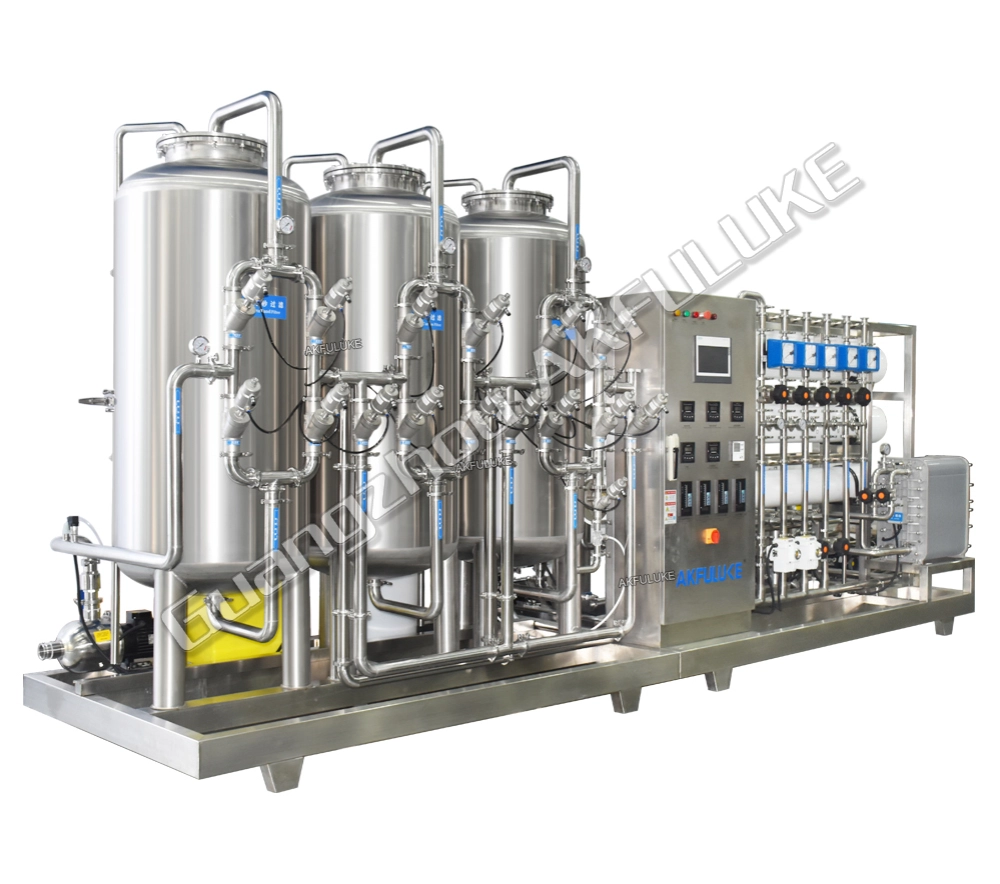
FULUKE reverse osmosis equipment empowers the pharmaceutical and cosmetics industries to achieve compliant production.
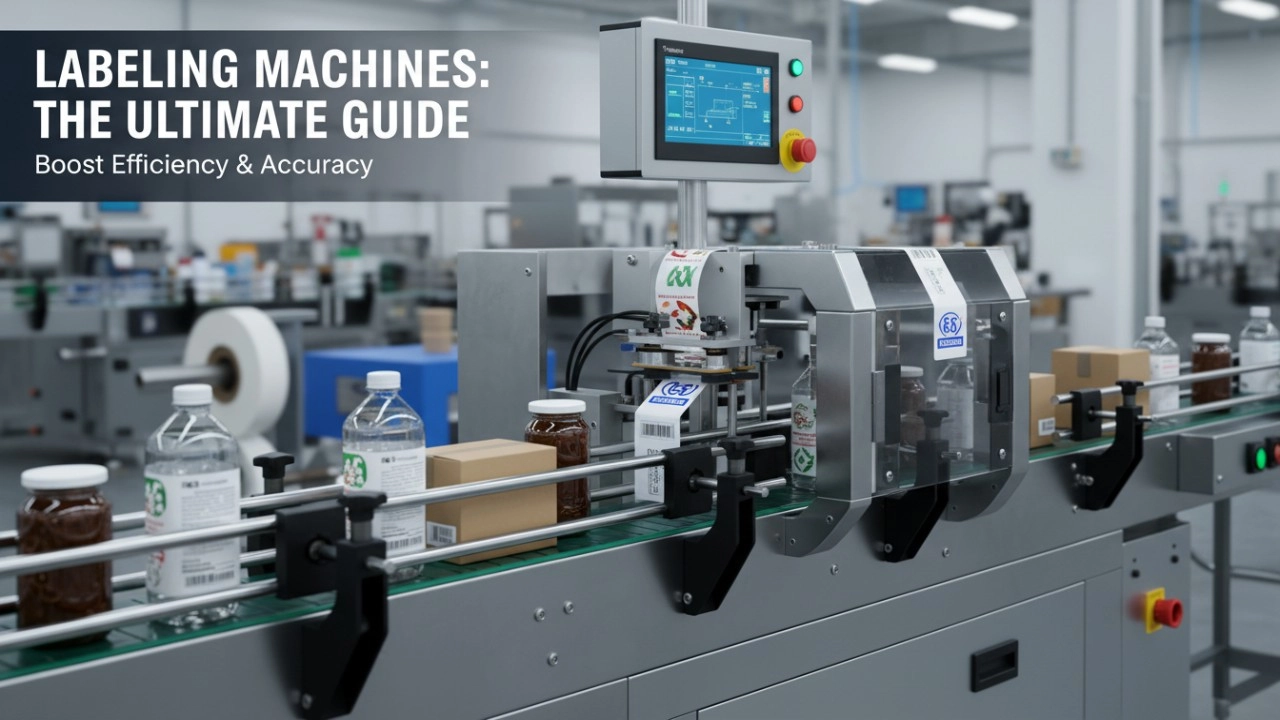
The Ultimate Guide to Labeling Machines 2026: A Critical Component in Modern Packaging Operations
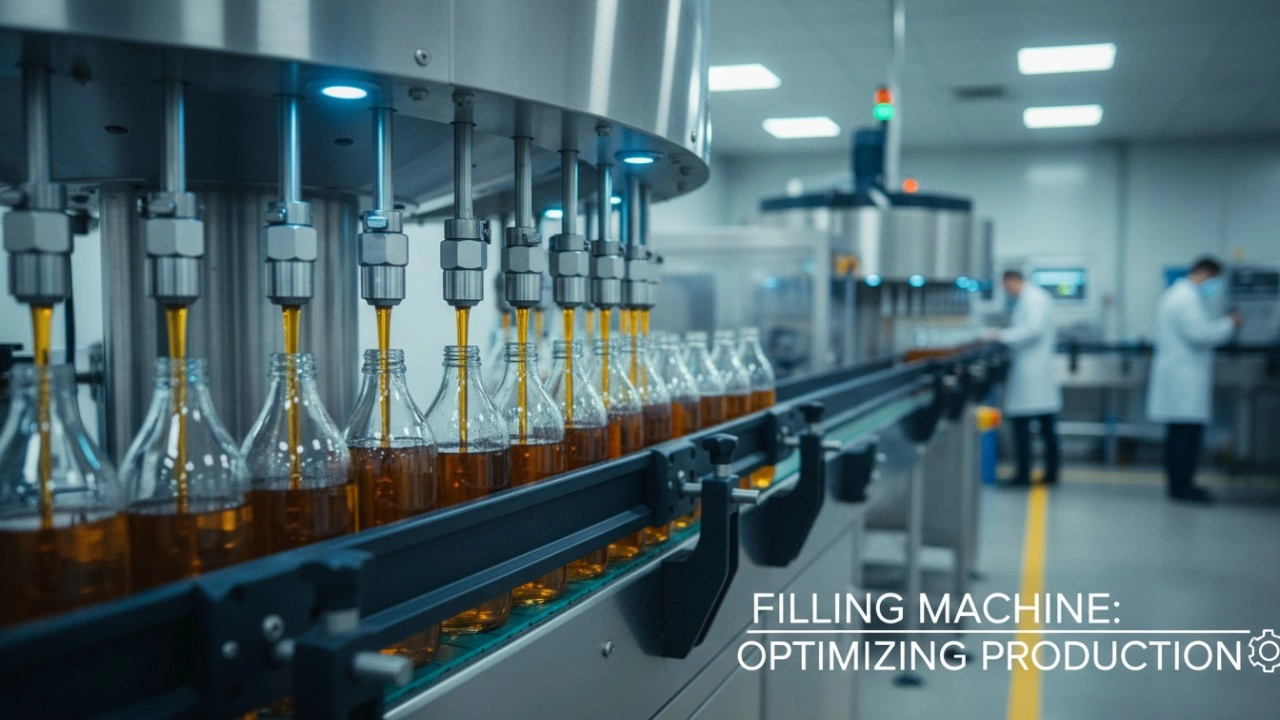
Top 15 Global Filling Machine Manufacturers: The Definitive Ranking for 2026
Automatic Filling Machine
Can we add heating, constant temperature, and stirring functions?
Of course, we can add heating, constant temperature, and stirring functions based on your material characteristics.
Automatic Labeling Machine
After a few years of use, the equipment's labeling accuracy has decreased. What could be the problem?
Decreased accuracy is often related to component wear. Focus on inspecting three areas.
Inspect the labeling roller: Surface wear or adhesive buildup can cause unstable label feeding and require replacement.
Inspect the servo motor: Motor aging can cause unstable speed. Contact maintenance personnel to inspect the motor's performance.
Inspect the photoelectric sensor: Dust accumulation or reduced sensitivity on the lens can affect positioning. Clean the lens or recalibrate it.
What can you buy from us?
RO Water Treatment、Vacuum Emulsifying Machine、Homogenizer Mixing Tank、Filling and Capping、labeling Machine、Packing Machine、Storage Tank,etc.
What types of bottles can this automatic labeling machine label?
It can label flat, round, and square bottles on one side, two sides, or even all around.
RO Water Treatment
What can you buy from us?
RO Water Treatment、Vacuum Emulsifying Machine、Homogenizer Mixing Tank、Filling and Capping、labeling Machine、Packing Machine、Storage Tank,etc.
Get in touch with FULUKE
If you have any comments or good suggestions, please leave us a message, later our professional staff will contact you as soon as possible.
You May Also Like
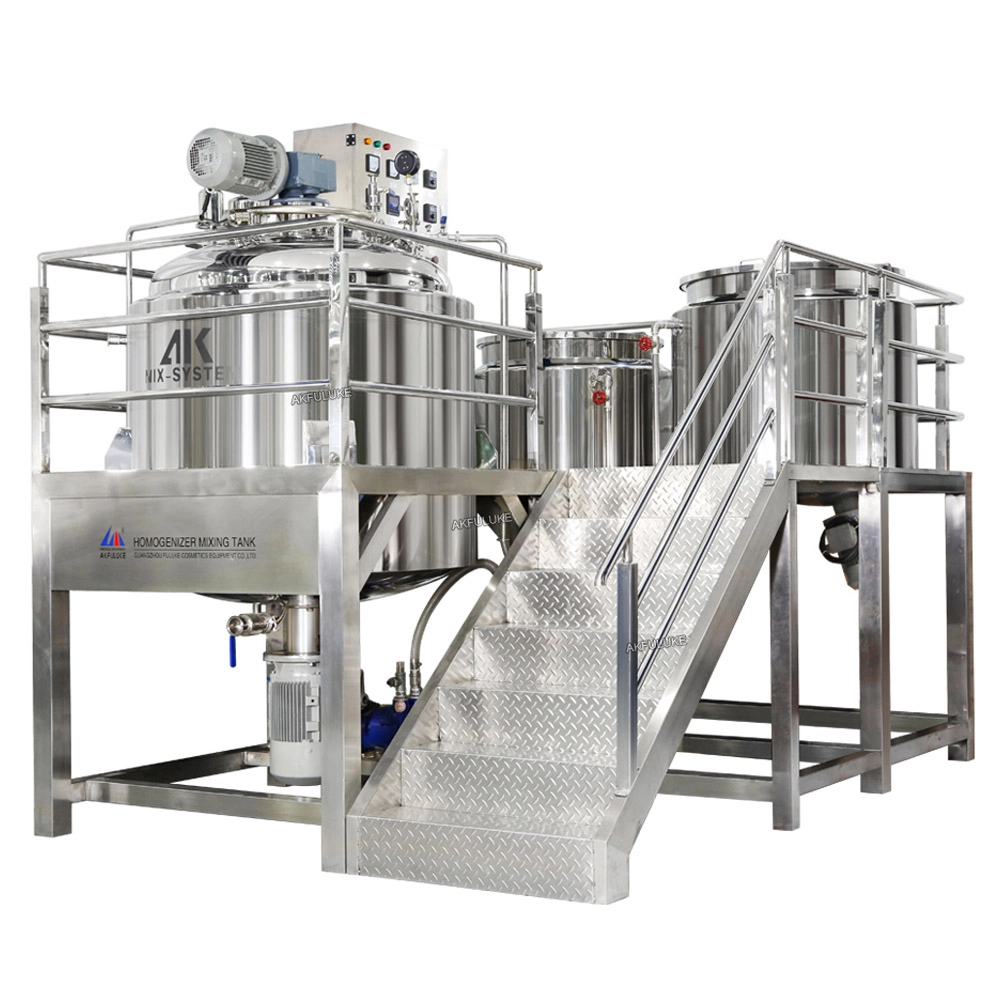
Fixed Type Vacuum Mixing Emulsifying Equipment for Cosmetic Cream Ointment Lotion Vacuum Homogenizer Mixer
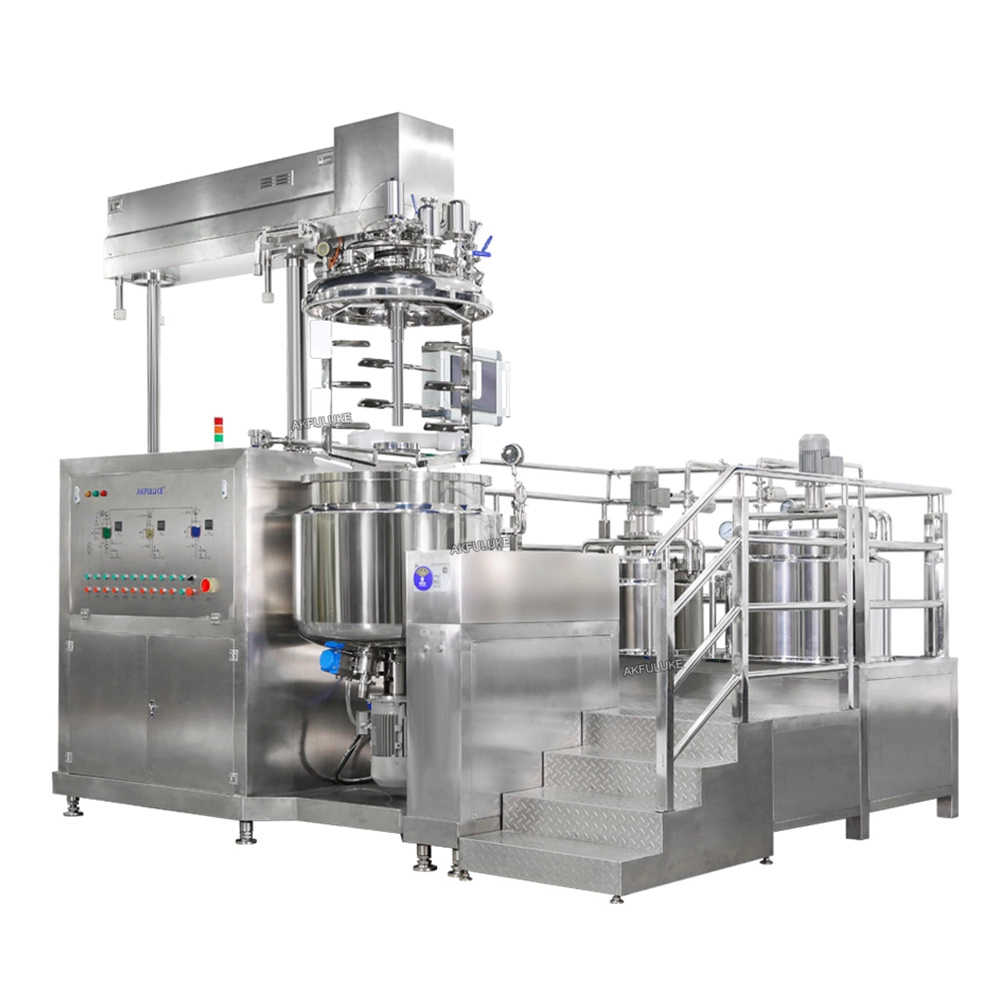
Hydraulic lift Cosmetic Vacuum Homogenizer Emulsifying Mixer for Making Cream and Lotion Mayonnaise Mixing Machine
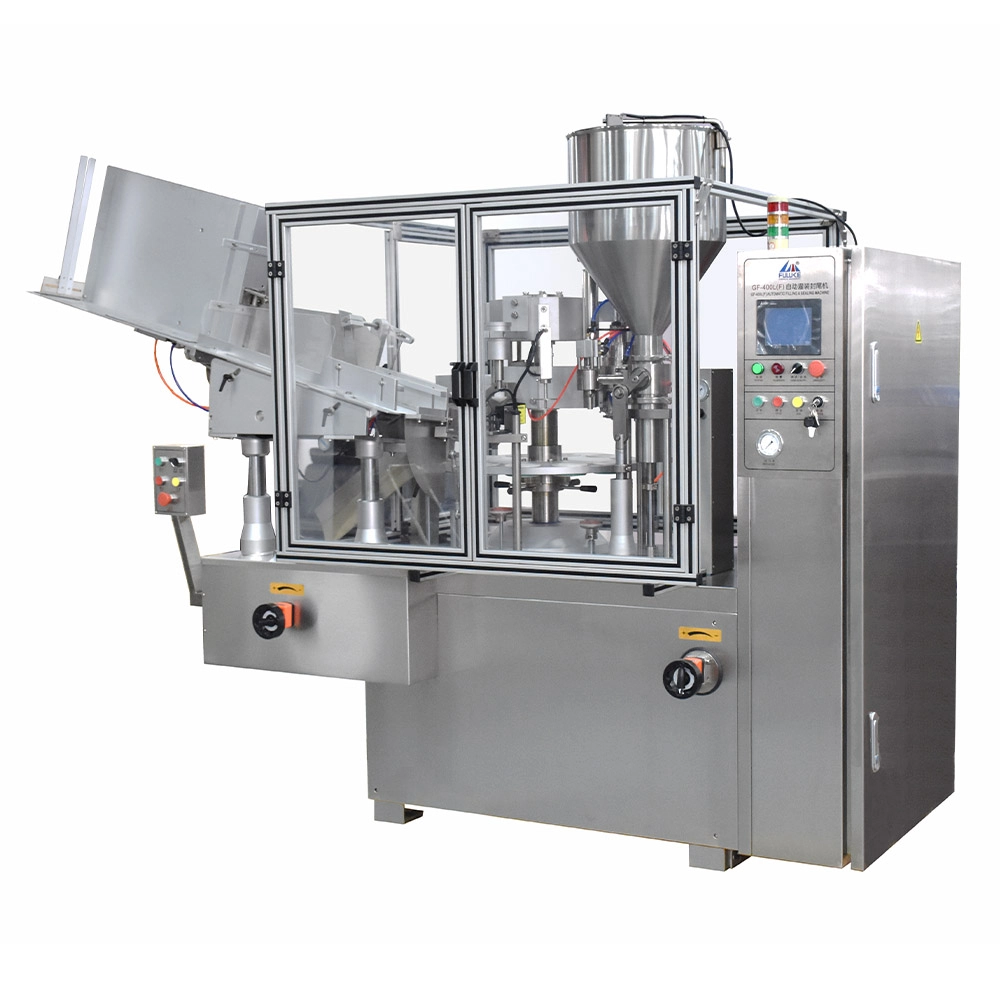
Automatic Tube Filling and Sealing Machine Toothpaste Sunscreen and Facial Cleanser Filling and Sealing Machine for Plastic and Aluminum-plastic Tube
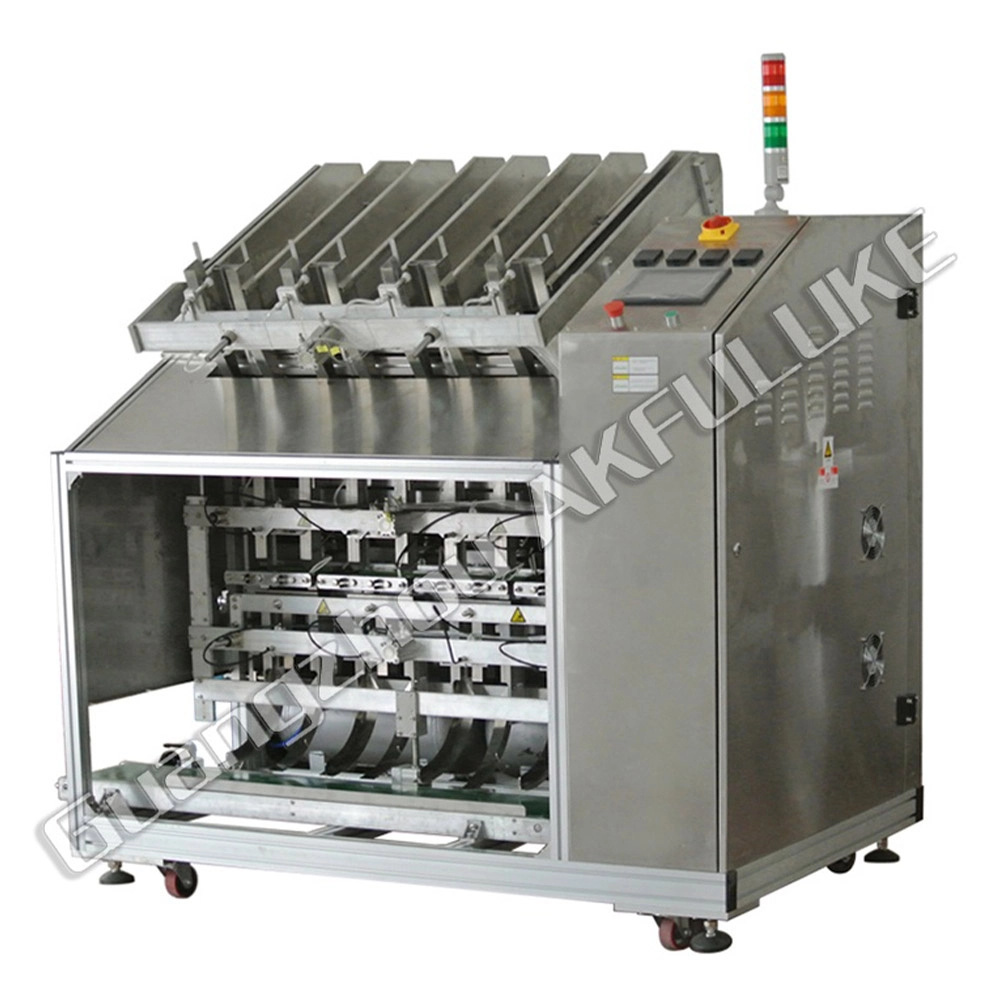
Effective Automatic Facial Mask Filling Machine 2/6/8 Heads Facial Mask Filling and Sealing Machine

A leading manufacturer specializing in advanced machinery and complete production lines for the cosmetics, food, pharmaceutical, and chemical industries worldwide.
Contact FULUKE
Facebook
Instagram
YouTube