
What CIP features matter for cosmetic filling lines?
- 1) How do I choose between a rotary piston filler, a servo-driven pump filler or a gear/rotary lobe pump for viscous creams while ensuring full CIP hygiene?
- 2) What exact material and surface-finish specs should a bottle filling machine meet to prevent buildup and enable effective CIP for leave-on cosmetics?
- 3) For high-oil and silicone-containing skincare products, what CIP chemistry, temperature and flow conditions reliably remove residues without damaging equipment?
- 4) Which nozzle, valve and piping designs minimize dead legs and allow thorough in-place cleaning for narrow-neck bottle filling?
- 5) What sensors, logging and validation checks should be recorded during CIP to meet modern QC expectations for cosmetic lines?
- 6) How do I balance CIP frequency, water & chemical use versus production uptime and cost for an SME cosmetic line?
1) How do I choose between a rotary piston filler, a servo-driven pump filler or a gear/rotary lobe pump for viscous creams while ensuring full CIP hygiene?
Decision factors: product rheology (viscosity, thixotropy, particulates), target line speed, required fill accuracy, and CIP compatibility. For viscous, shear-insensitive creams with particulates (e.g., exfoliants or beads), a rotary piston or positive-displacement piston filler gives volumetric accuracy and handles high viscosity without excessive shear. Gear and progressive cavity (rotor-stator) pumps are excellent for continuous inline filling at higher speeds and for shear-sensitive, homogeneous creams (they produce smooth flow but can damage particulates if not sized correctly). Servo-driven piston or servo pump fillers provide recipe control, fast changeovers and dosing repeatability, and are best when you need flexible line recipes (different volumes/containers) and automated CIP integration.
CIP considerations: choose models with hygienic 316L stainless steel wetted parts, electropolished surfaces, quick-disconnect, tool-less heads, and valves designed for in-place cleaning (butterfly valves with drainable stems are inferior to hygienic diaphragm or sanitary mixing valves where dead legs are critical). Ask vendors for documentation that the filler head and pump internals can tolerate your CIP chemicals (alkali, acid, non-ionic surfactants) and temperatures. Also verify availability of sanitary seals (PTFE/EPDM/FFKM) rated for your chemistry and temperatures.
2) What exact material and surface-finish specs should a bottle filling machine meet to prevent buildup and enable effective CIP for leave-on cosmetics?
Materials: wetted components should be 316L stainless steel (AISI 316L) to resist chloride corrosion common in cosmetic formulas and CIP chemicals. Non-wetted structural steel may be 304 if properly coated, but avoid mixed metallurgy in contact zones. Seal materials must be compatible with your formula and CIP agents—PTFE (Teflon) and FFKM for aggressive chemistries, EPDM or silicone for general cosmetics; confirm compatibility sheets from suppliers.
Surface finish: aim for electropolished finishes with Ra values typically ≤0.8 µm for cosmetic processing; for the most aggressive anti-biofilm needs target ≤0.5–0.6 µm. Electropolishing reduces microscopic pits where product can lodge and simplifies cleaning. All pipework must be sanitary (tri-clamp or hygienic welding) with full orbital welds and polished internal welds to avoid crevices.
3) For high-oil and silicone-containing skincare products, what CIP chemistry, temperature and flow conditions reliably remove residues without damaging equipment?
Sequence and rationale: an effective CIP for high-oil/silicone products typically follows: (1) warm water pre-rinse to remove bulk product; (2) alkaline wash with non-foaming caustic-based detergent (0.5–2% NaOH or commercial alkali + surfactant) at elevated temperature (50–70°C) to saponify oils and emulsify silicones; (3) intermediate rinse; (4) acid passivation or mild acid rinse (citric/phosphoric acid 0.1–0.5%) to neutralize alkali and remove mineral scale; (5) final rinse with softened or purified water. For stubborn silicone oils a targeted solvent or emulsion-based detergent stage (isopropanol-containing cleaners) may be required but brings safety and waste considerations—evaluate flammability and solvent recovery.
Flow and turbulence: design CIP to achieve turbulent flow in lines and heads (Reynolds number >4000). Common practice is to size pumps to deliver surface velocities in return lines >=1.5 m/s to minimize fouling and create shear on surfaces. Ensure the CIP skid pump is sized for the longest circuit and includes return lines to maintain velocity.
4) Which nozzle, valve and piping designs minimize dead legs and allow thorough in-place cleaning for narrow-neck bottle filling?
Nozzle design: anti-drip, bottom-up filling nozzles with internal spray/rinse capability are preferred. For narrow-neck bottles, choose retractable filling nozzles with internal CIP spray or a concentric spray tube so the nozzle bore and inner surfaces receive cleaning solution. Nozzles that can be easily removed without tools (quick-clamp) facilitate periodic manual inspection.
Valves and piping: eliminate dead legs by using short, sloped piping runs toward drains and use hygienic diaphragm or rotary lobe valves rated for CIP rather than long-stemmed valves that trap product. Use fully drainable fittings and 3-A/EHEDG-compliant components; avoid blind tees, long stubs and blind flanges in the wet side. Where product flow cannot be maintained (e.g., occasional low-flow branches), design for local removable spools for manual clean or sanitization.
5) What sensors, logging and validation checks should be recorded during CIP to meet modern QC expectations for cosmetic lines?
Essential CIP sensors and validation tools: temperature probes (TC or PT100) in each wash/rinse loop, flowmeters on return lines, conductivity sensors to detect alkaline/acid endpoint and final rinse conductivity, turbidity or UV sensors to track clarity, and pressure sensors to confirm pump performance. For microbial and residue validation: ATP swabs for rapid hygiene checks, TOC analyzers for organic load trending, and periodic plate counts for microbiological baselines. Ensure the CIP control system produces batch logs with timestamped recipes, setpoints and alarms (temperature, flow, conductivity) and stores them per your QC retention policy.
Acceptance criteria: define rinse endpoint conductivity or turbidity thresholds and validation sampling plans tied to product risk (leave-on vs rinse-off). Maintain trending dashboards to catch gradual fouling or pump degradation. Many cosmetic manufacturers now require digital batch reports and electronic signatures to meet GMP-style traceability even if cosmetics are not always regulated like pharmaceuticals.
6) How do I balance CIP frequency, water & chemical use versus production uptime and cost for an SME cosmetic line?
Risk-based frequency: set CIP frequency based on product risk (microbiological risk, leave-on, presence of active botanicals) and cross-contamination risk between different SKUs. Typical approaches: low-risk, homogeneous rinse-off lotions may use once-per-shift CIP; leave-on, high-fat or preservative-sensitive products often require CIP between batch runs or product family changes.
Economy measures: implement a two-stage CIP skid (pre-rinse/reuse tank + final rinse with purified water) to recover heat and lower potable water use. Use conductivity- or turbidity-based endpoints to avoid over-washing. Modular CIP recipes and zone isolation let you clean only the wet zones that were used, saving time and chemicals. For very small runs consider hybrid strategies: product-changeover clean-in-place for critical wet loops plus scheduled manual deep cleans.
Operational recommendations: track cost per CIP cycle (water, energy, chemicals, downtime) and correlate with quality incidents; this data lets you optimize frequency without increasing risk. If start-up budget is limited, prioritize hygienic filler heads and a basic automated CIP skid that can be expanded (add sensors, TOC) as volumes and regulatory needs grow.
Concluding summary: Investing in a bottle filling machine built to hygienic standards (316L stainless, electropolished surfaces, sanitary piping, quick-change nozzles and compatible elastomers) and pairing it with an automated, validated CIP skid yields major advantages: consistent fill accuracy, reduced product cross-contamination, measurable cleaning validation (conductivity, temperature, ATP/TOC), faster changeovers, and predictable regulatory compliance. These benefits reduce product loss, lower recall risk and support scale-up from small-batch to high-throughput production.
For a tailored selection—rotary piston, servo pump or gear pump fillers—and CIP package quotes that match your SKUs, capacity and water/chemical constraints, contact us for a quote at www.fulukemix.com or email flk09@gzflk.com.

Understanding Servo Capping Machines: The Core Logic of Precise Capping – Understand the Entire Working Process in Seconds
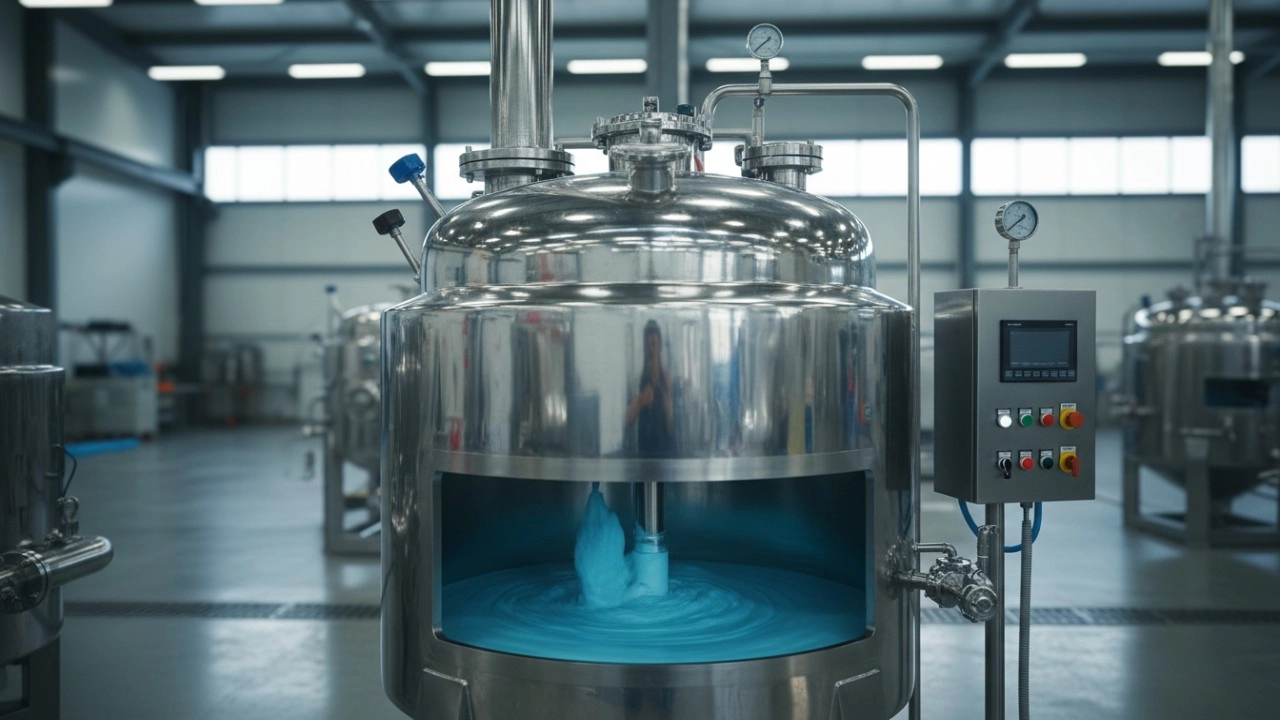
The Future of Industrial Agitation: 5 Smart Mixing Tank Technologies Changing the Game
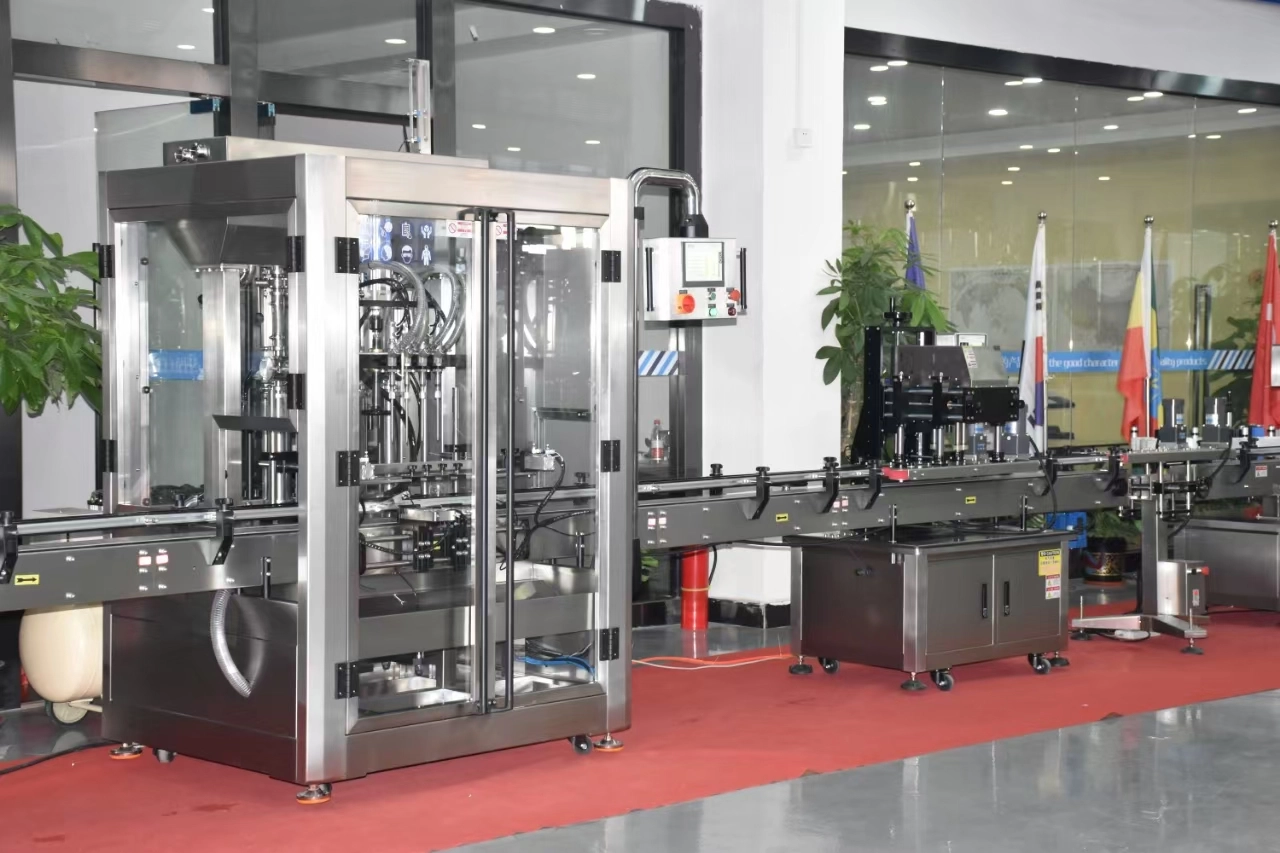
Gear pump filling machine vs. piston filling machine: Key differences broken down to avoid pitfalls in selection.
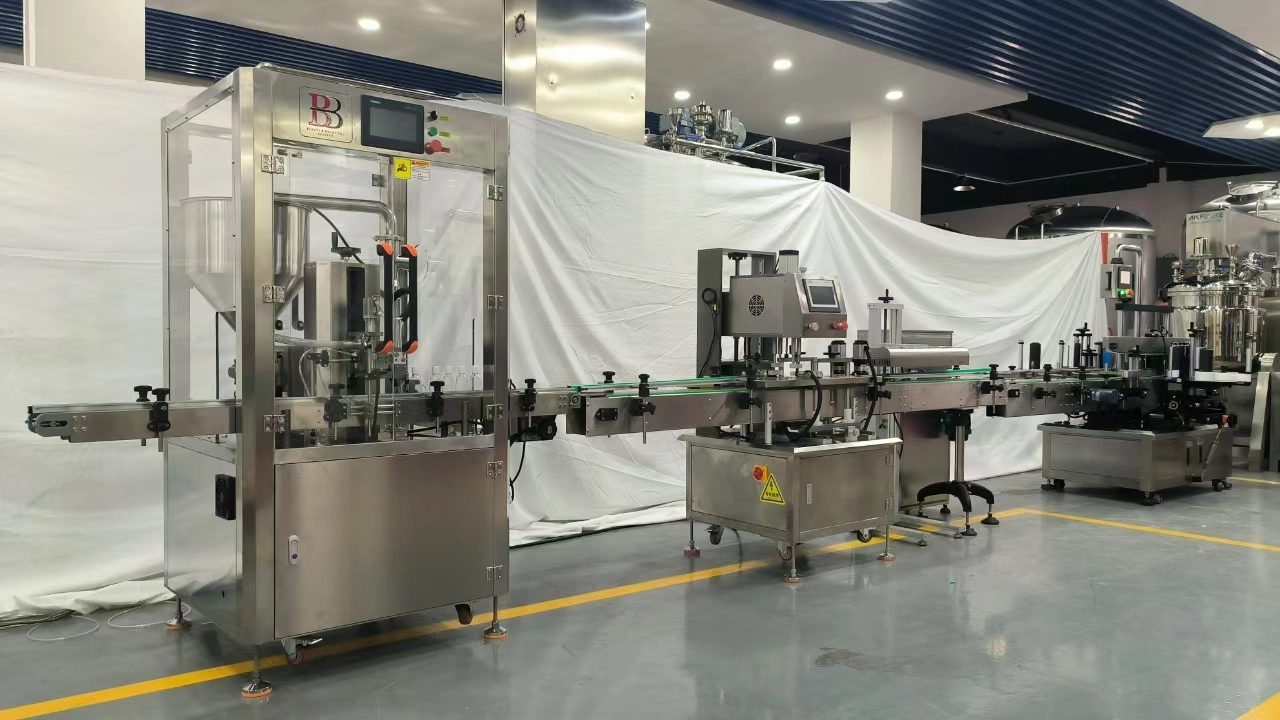
Understand the working principle of a servo gear pump filling machine!
Automatic Capping Machine
Can you make a design for us?
Yes, we can, we provide not only products, but also solutions and designs.
Can you customize the machine?
Of course, we provide customized services according to customer needs.
FAQs
Does FULUKE offer customized machinery solutions?
Automatic Filling Machine
Can you make a design for us?
Yes, we can, we provide not only products, but also solutions and designs.
Polypropylene PP Mixing Tank
What can you buy from us?
RO Water Treatment、Vacuum Emulsifying Machine、Homogenizer Mixing Tank、Filling and Capping、labeling Machine、Packing Machine、Storage Tank,etc.
Get in touch with FULUKE
If you have any comments or good suggestions, please leave us a message, later our professional staff will contact you as soon as possible.
You May Also Like
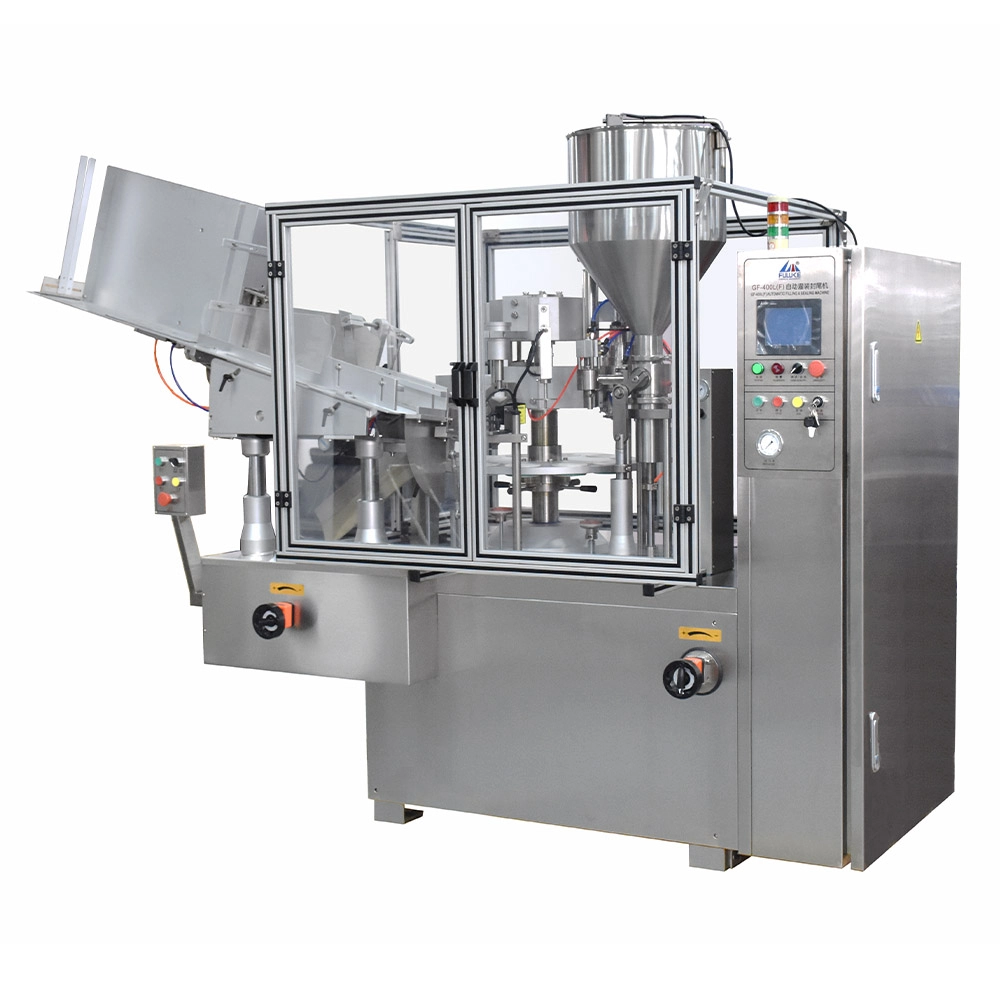
Automatic Tube Filling and Sealing Machine Toothpaste Sunscreen and Facial Cleanser Filling and Sealing Machine for Plastic and Aluminum-plastic Tube
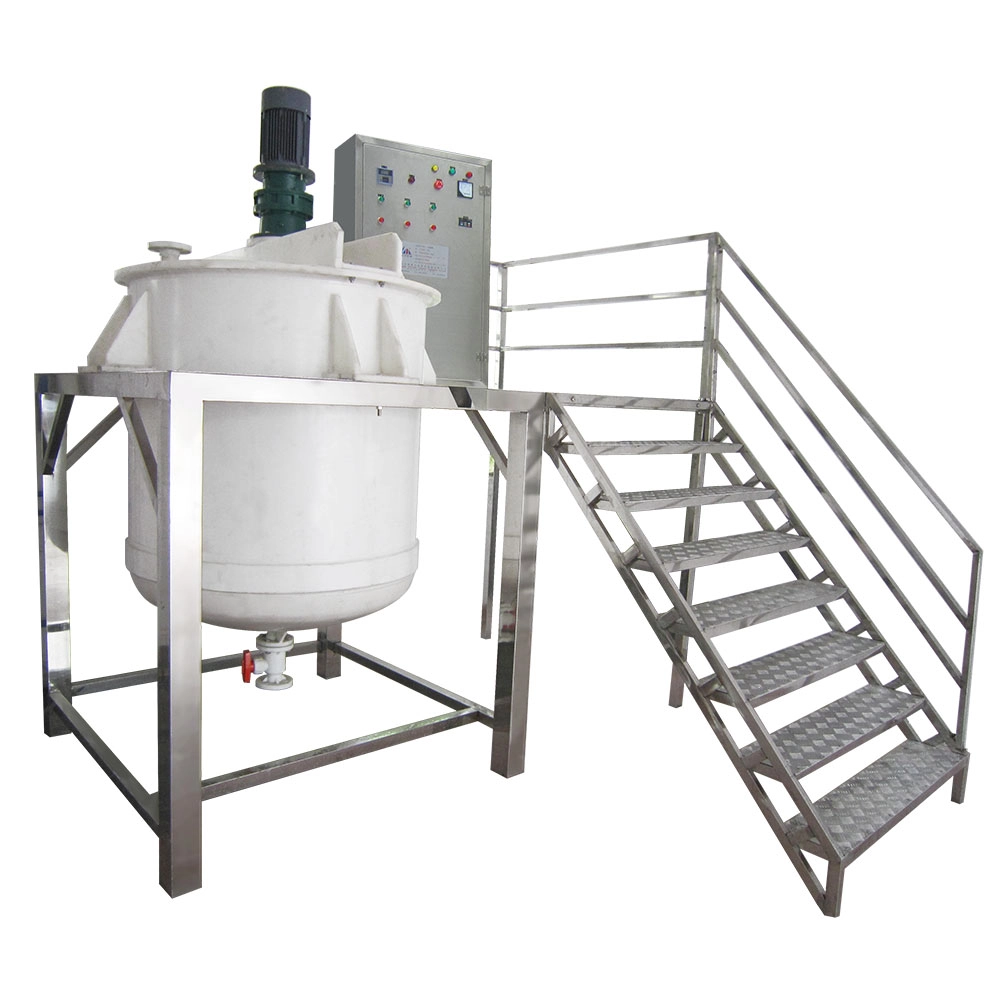
Polypropylene PP Mixing Tank Anti-Corrosion Mixer Reaction Kettle with Agitator Chemical Mixing Vessel
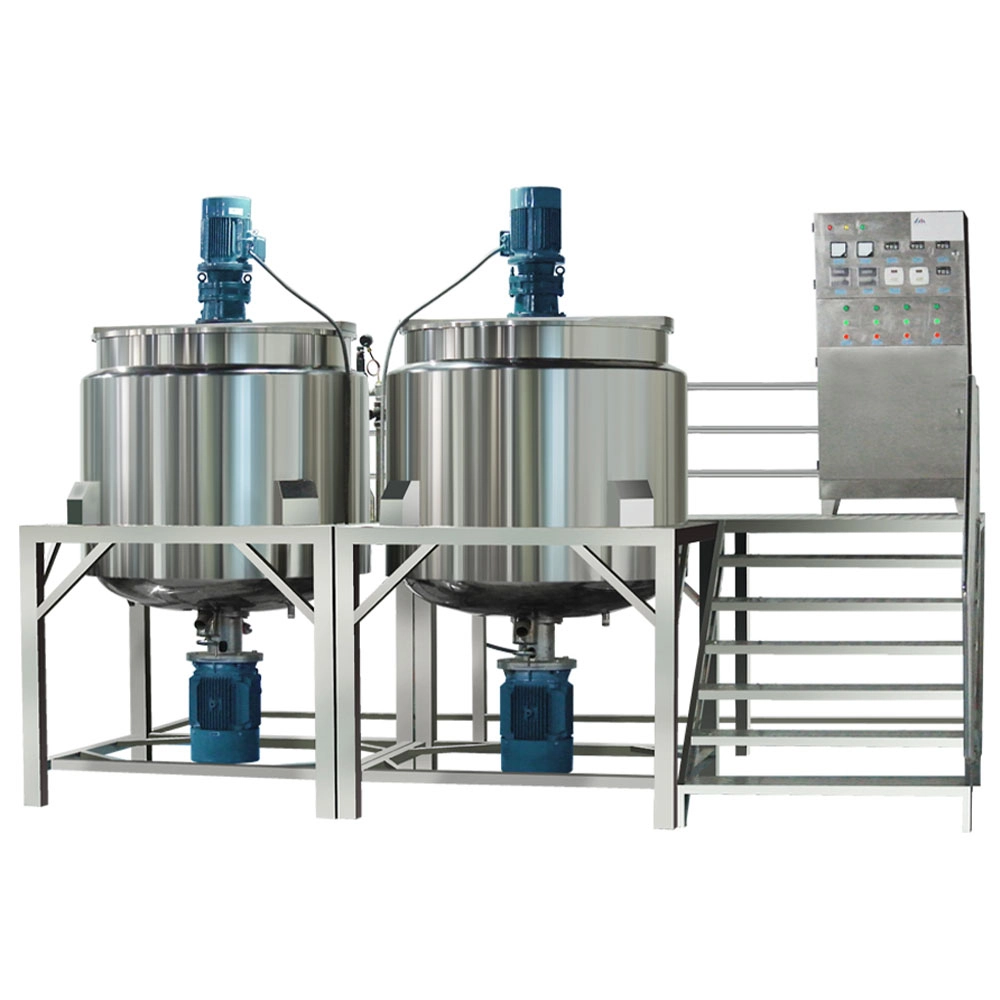
Flip Cover Multi-function Liquid Wash Mixing Tank Blender Liquid Detergent Mixer Homogenization Stirring Tank
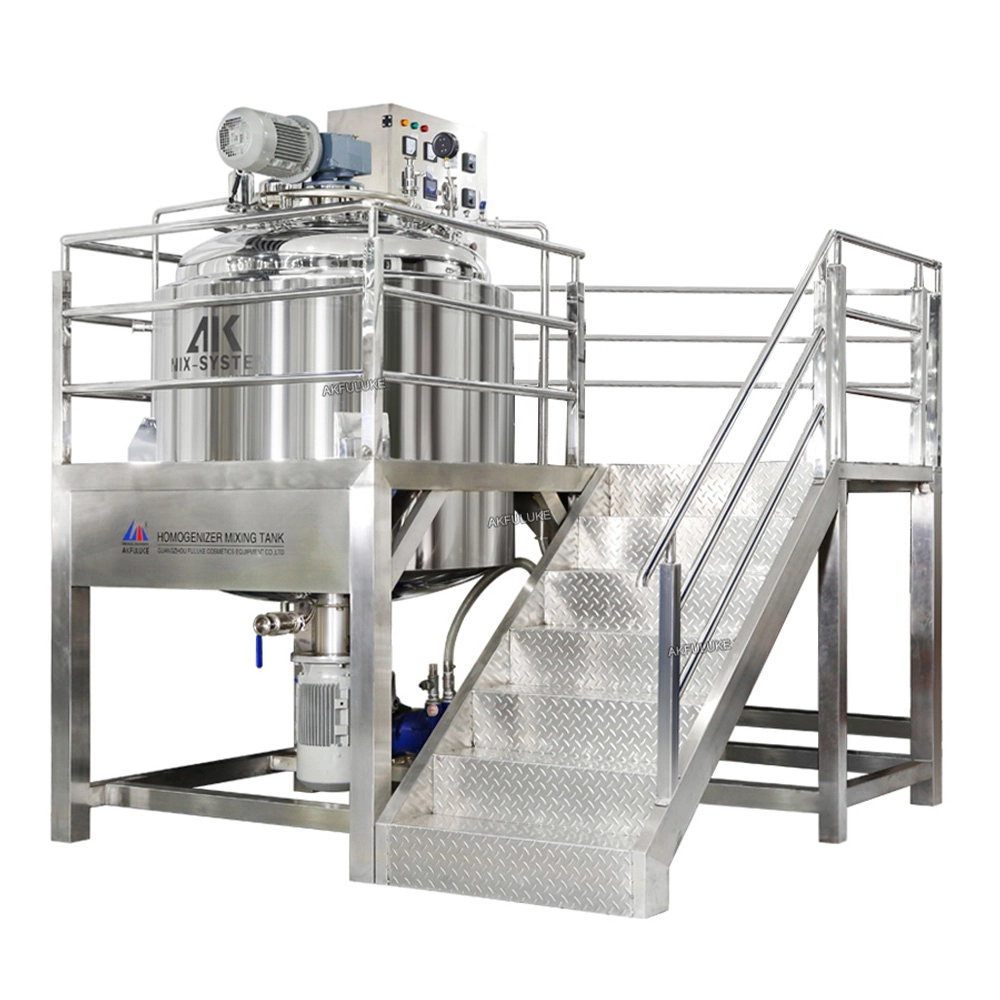
Stainless Steel Mixer Liquid Mixing tank with Agitator Homogenizing Mixing tank Vacuum Sealed Mixer Machine

A leading manufacturer specializing in advanced machinery and complete production lines for the cosmetics, food, pharmaceutical, and chemical industries worldwide.
Contact FULUKE
Facebook
Instagram
YouTube