
How to improve fill consistency across bottle sizes?
- 1) How can I improve fill consistency when switching between 30 ml and 250 ml bottles on a rotary piston bottle filling machine?
- 2) What retrofit sensors and feedback loops yield the best ROI to reduce overfill for viscous creams and lotions?
- 3) How do I calibrate multi-head filling nozzles to prevent drips and stringing with shear-sensitive serums?
- 4) What changeover jigs, guides and tooling designs minimize spillage and downtime for narrow-neck cosmetic bottles?
- 5) Which CIP (clean-in-place) and formulation-switch strategies keep fill weights consistent for water-based vs oil-based cosmetic lines without cross-contamination?
- 6) How do I validate fill accuracy for regulatory or brand-quality documentation across multiple batch sizes?
1) How can I improve fill consistency when switching between 30 ml and 250 ml bottles on a rotary piston bottle filling machine?
Problem: Beginners see large variation and frequent overfill/underfill after size changeovers on rotary piston or volumetric fillers. The root causes are mechanical tolerance differences, piston filling dynamics, bottle acceleration on the rotary turret, and incorrect machine recipes.
Actionable steps:
- Use recipe-driven servo control. Modern rotary piston and servo-driven volumetric fillers allow storing per-bottle recipes (piston stroke, dwell time, valve timing, vacuum cut-off). When switching sizes, call the exact recipe so piston stroke, acceleration and valve timing adjust instantly.
- Tune fill dynamics for smaller bottles. Small bottles want faster valve opening but shorter fill dwell to avoid splashing. Increase fill flow ramp (so flow rises quickly but is cut precisely) rather than simply increasing total flow.
- Match bottle acceleration and indexing profiles. On high-speed rotary fillers, bottle motion (centrifugal force) affects liquid meniscus. Reduce turret RPM or alter indexing acceleration for very small or tall slim bottles to minimize slosh.
- Use a closed-loop feedback sensor. Integrate in-line weight feedback (checkweigher or load-cell station) or a mass flow meter that reports delivered volume back to the PLC. Implement PID adjustments to the piston stroke in real time to correct systematic bias across the first 10–30 containers after changeover.
- Minimize headspace and bubble formation. For low-viscosity serums, incorporate a short pre-fill vacuum or venting step to avoid air entrainment in small-neck bottles.
- Document and validate each recipe. Record average weight, standard deviation and checkweigher rejects per recipe so operators can confirm consistent results.
Why this works: Recipe control + servo dynamics + closed-loop feedback addresses mechanical and fluid-dynamic differences between sizes rather than relying on operator guesswork. Using a checkweigher loop reduces systematic overfill and variance.
2) What retrofit sensors and feedback loops yield the best ROI to reduce overfill for viscous creams and lotions?
Problem: Overfilling viscous creams increases COGS substantially. Legacy machines often rely on timed cams or blind piston fills; there’s limited real-time correction.
Recommended retrofits with ROI focus:
- In-line weight-based feedback: Add a high-speed checkweigher after filling or an intermittent load-cell station on the turret. Use the weight deviation to adjust the next cycle’s volumetric stroke. This typically yields quick payback by cutting overfill margins.
- Mass-flow meters / Coriolis (for compatible product): For emulsions where density is constant and contamination risk is low, a Coriolis meter provides direct mass flow feedback and high accuracy. It’s costlier but eliminates reliance on valve timing.
- Viscosity/temperature sensors: Install real-time viscosity probes or temperature sensors in the supply line. When viscosity changes (due to temperature), the control system can adjust pump speed or piston timing to maintain volume consistency. Especially useful during start-up and seasonal temperature shifts.
- Servo-driven dosing modules: Replace cam-driven metering with servo-actuated piston heads. The precise position control reduces stroke variability and lets the PLC apply adaptive compensation commands from the feedback loop.
- Nozzle anti-drip and vacuum cut-off sensors: For creams that string, adding air-knife or vacuum cut-off drastically reduces drips, fewer product losses, and cleaner fills—indirectly reducing overfill by eliminating corrective rework.
Cost/benefit tip: Start with a checkweigher loop and viscosity/temperature sensors — these are often the highest ROI improvements because they target product loss directly and improve process capability (Cpk) without replacing major machine structure.
3) How do I calibrate multi-head filling nozzles to prevent drips and stringing with shear-sensitive serums?
Problem: Multi-head nozzles can drip, causing cosmetic defects and weight variance. Shear-sensitive serums can degrade if pumped too aggressively.
Step-by-step calibration:
- Choose the right pump type. For shear-sensitive serums, use peristaltic or low-shear progressive cavity pumps instead of high-shear centrifugal pumps. These pumps preserve emulsion structure and reduce foaming.
- Select anti-drip nozzle geometry. Use tapered, slotted or pneumatically actuated shut-off nozzles that provide a positive cut-off. Micro-valves with a short over-travel and vacuum or air-knife assist are effective.
- Establish baseline flow matching across heads. With all nozzles in a test manifold, collect samples from each head using the same cycle for 50–100 cycles. Compute mean and standard deviation. Adjust individual head stroke or restrictors to equalize flow within target tolerance (e.g., ±0.5–1% depending on quality goals).
- Tune nozzle dwell and anti-drip timing. Introduce a short post-fill dwell or a gentle vacuum pulse at the nozzle to pull back the last droplet before nozzle retraction. For string-prone serums, a combined pneumatic air-knife and micro-suction pulse gives best results.
- Control product temperature at the head. Slight warming (if formulation allows) reduces viscosity and improves cutoff behavior, but keep within stability specifications. Use recirculation loops to maintain steady temperature and viscosity at the nozzle during production runs.
- Verify shear impact. Run an accelerated stability or rheology test on product samples before and after passing through the pump/nozzle system to ensure mechanical shear or temperature control has not altered the formulation (viscosity, particle size, emulsification).
Outcome: Calibrated multi-head nozzles with low-shear pumping and anti-drip measures deliver consistent weights and reduced defects while maintaining product integrity.
4) What changeover jigs, guides and tooling designs minimize spillage and downtime for narrow-neck cosmetic bottles?
Problem: Frequent changeovers between bottle shapes cause spills, misfeeds, and long downtime when operators must manually align guides or create makeshift fixtures.
Practical tooling design and SOPs:
- Use modular quick-change guide rails and adjustable starwheels. Design change parts with indexed dowel pins and color-coded handles so operators can swap in under 5–10 minutes without hand tools.
- Implement collapsible or adjustable centering chucks. For narrow-neck bottles, a centering chuck that gently supports the bottle neck during filling prevents tipping and spillage. Chucks should be nitrile- or silicone-lined to avoid cosmetic scratches.
- Design nozzle shrouds/sleeves. Nozzle shrouds that conform to the bottle neck reduce splash and collect stray drips into a drain-back gutter, minimizing product loss and cleanup time.
- Use 3D-printed quick jigs for low-volume SKUs. Rapidly produce low-cost plastic change parts to trial geometry before committing to machined stainless parts. This is cost-effective for cosmetic runs with many small SKUs.
- Create machine recipes tied to mechanical feeders. Link vibratory bowl or starwheel adjustments to the same recipe used by the filler so feeding speed and guide positions change automatically at recipe selection.
- Document a validated changeover procedure (SOP). Include torque settings, gasket inspections, and purge/fill steps to prime nozzles. A validated SOP reduces operator variability and shortens mean changeover time (SMED principles).
Result: Standardized, indexed tooling and integrated recipes reduce spillage, shorten downtime, and improve first-run yields when switching bottle types.
5) Which CIP (clean-in-place) and formulation-switch strategies keep fill weights consistent for water-based vs oil-based cosmetic lines without cross-contamination?
Problem: Cross-contamination during product changeover causes weight drift (from residue) and triggers rework or batch rejection. Water-based and oil-based (lipophilic) formulations require different cleaning chemistries.
Guidelines:
- Design hygienic, sanitary piping and fittings (316L stainless, tri-clamp, sloped drains) to make CIP effective. Dead legs and low-flow zones trap residues and destabilize fill weights.
- Use a three-stage CIP sequence for oily formulations: (1) Pre-rinse with warm water to remove bulk product; (2) Alkaline or surfactant wash (approved for cosmetic equipment) at elevated temperature to emulsify and solubilize oils; (3) Acid rinse if mineral scaling is a concern; finish with sterile or controlled-quality water rinse. Always follow supplier MSDS and formulation compatibility guidance.
- For strictly water-based products, a hot water rinse followed by an appropriate sanitizing agent may suffice. Avoid aggressive solvents on gaskets and seals unless materials are compatible.
- Implement a recirculating CIP skid with controlled flow rates, temperatures and caustic concentration. Record these parameters as part of batch changeover records to support traceability.
- Between formulation families, perform a verification step using swab tests or TOC (total organic carbon) meters at critical points (nozzles, manifolds). Only resume filling when residue levels are below predefined acceptance criteria.
- Consider dedicated lines for oil-heavy formulations if production schedule and risk profile justify it — this eliminates lengthy solvent-based cleaning and reduces chance of carryover, improving consistent fill weights.
Safety and compliance: Always corroborate cleaning chemistry and temperatures with gasket and pump manufacturers. Keep cleaning logs and verification results to support quality audits.
6) How do I validate fill accuracy for regulatory or brand-quality documentation across multiple batch sizes?
Problem: Buyers often need documented evidence of fill accuracy for claims, customer specifications, or audits, but lack robust validation protocols for multiple batch sizes.
Validation framework:
- Define acceptance criteria up front. For cosmetics, define permissible fill variance (e.g., ±w% of nominal) and acceptable reject rate. Many consumer-packaged goods aim for process capability (Cpk) ≥1.33; define your target based on risk and cost.
- Develop a sampling plan based on batch size and statistical confidence. Use standard statistical sampling tables (ANSI/ASQ or ISO sampling guidance) or apply AQL methodology for production acceptance sampling. For validation runs, larger sample sizes (e.g., 30–100 units per SKU) give better estimates of mean and sigma.
- Use calibrated measurement instruments. Weighing scales and load cells must be calibrated traceable to national standards. For mass-flow meters or Coriolis devices, maintain calibration certificates and calibration intervals.
- Run validation across batch sizes and SKUs. For each SKU and batch size, run at least one full-production-speed validation lot and record per-bottle weight, mean, standard deviation, and reject counts. Include environmental conditions (temperature, humidity) in records because cosmetics can be sensitive to these factors.
- Compute capability indices and document results. Calculate mean deviation, standard deviation, and Cpk. If Cpk is below target, implement corrective actions (mechanical tuning, recipe optimization, closed-loop control) and re-validate.
- Maintain traceable batch records. Store machine recipes, calibration certificates, sample weight logs, and any corrective actions in a quality-management system to support customer audits or regulatory review.
Outcome: A documented validation plan with traceable measurements and capability calculations creates defensible evidence for product fill accuracy across SKUs and batch sizes.
Concluding summary of advantages of choosing a purpose-built cosmetic bottle filling solution
Purpose-built cosmetic bottle filling solutions—combining servo-driven piston or peristaltic pumps, modular nozzle heads, integrated mass-flow or weight feedback, sanitary piping and recipe management—deliver measurable advantages: higher fill accuracy and repeatability, lower product giveaway, faster changeovers, reduced cross-contamination risk, and robust documentation for quality audits. These systems improve line efficiency and protect product integrity (viscosity, shear-sensitive formulations) while enabling scalable production across multiple SKUs.
For a tailored quotation, machine selection guidance, or to request validation templates and ROI estimates, contact us at www.fulukemix.com or email flk09@gzflk.com.
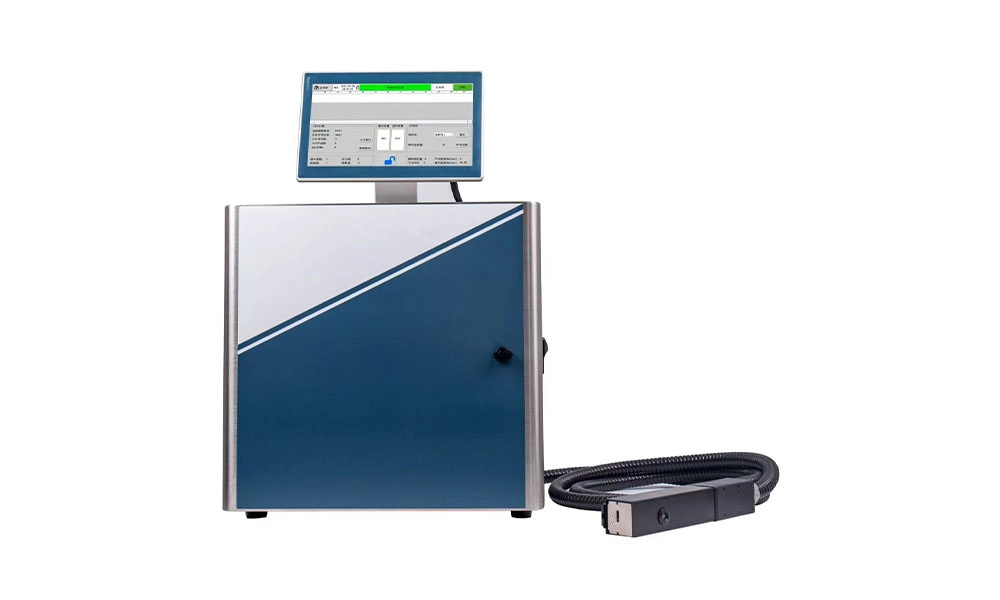
How to quickly resolve issues such as blurry text, broken lines, scattered dots, and non-printing of ink?
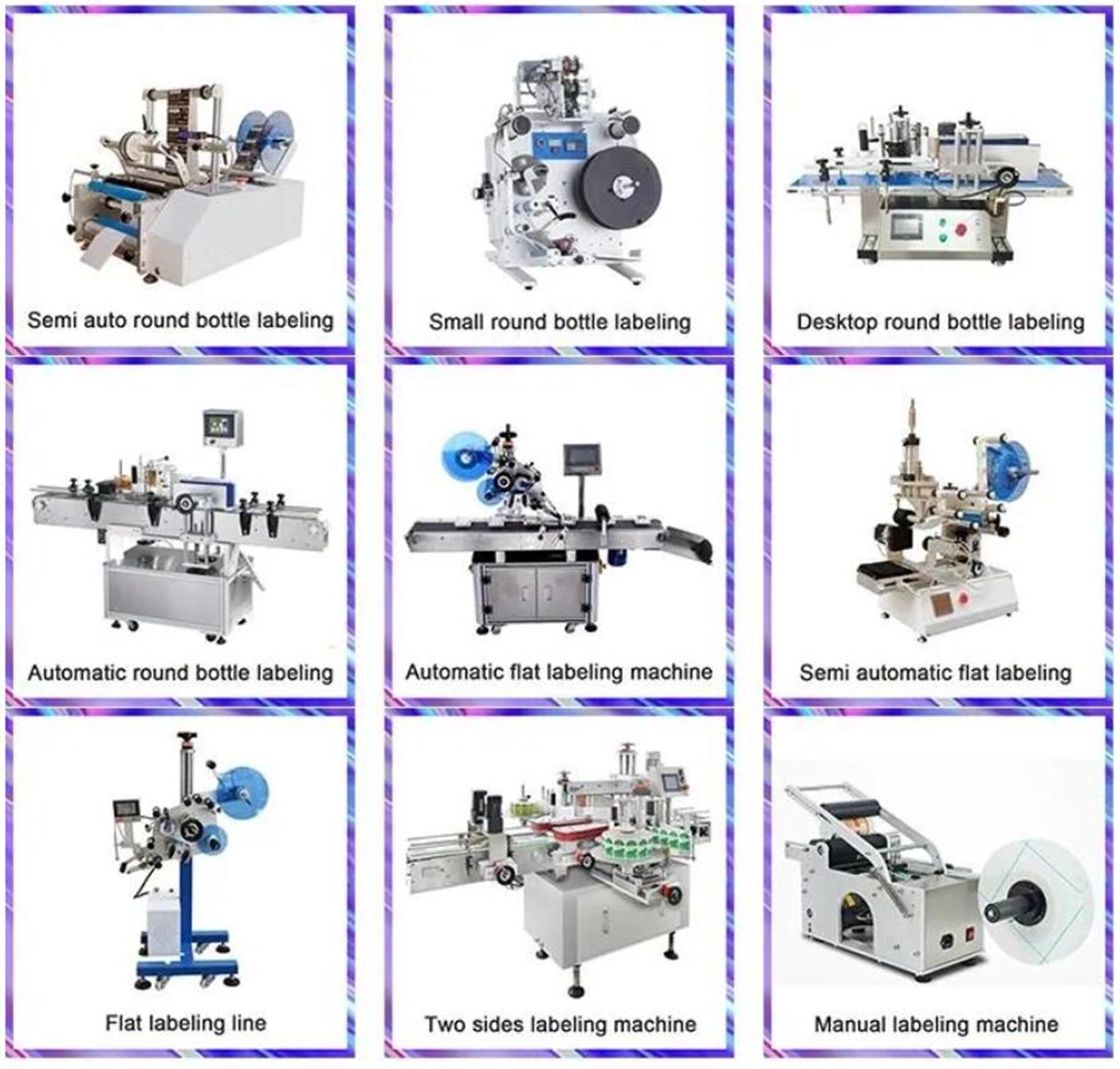
Improving Packaging Efficiency: Applications and Advantages of Fully Automatic Labeling Machines in Production Lines

Understanding Servo Capping Machines: The Core Logic of Precise Capping – Understand the Entire Working Process in Seconds
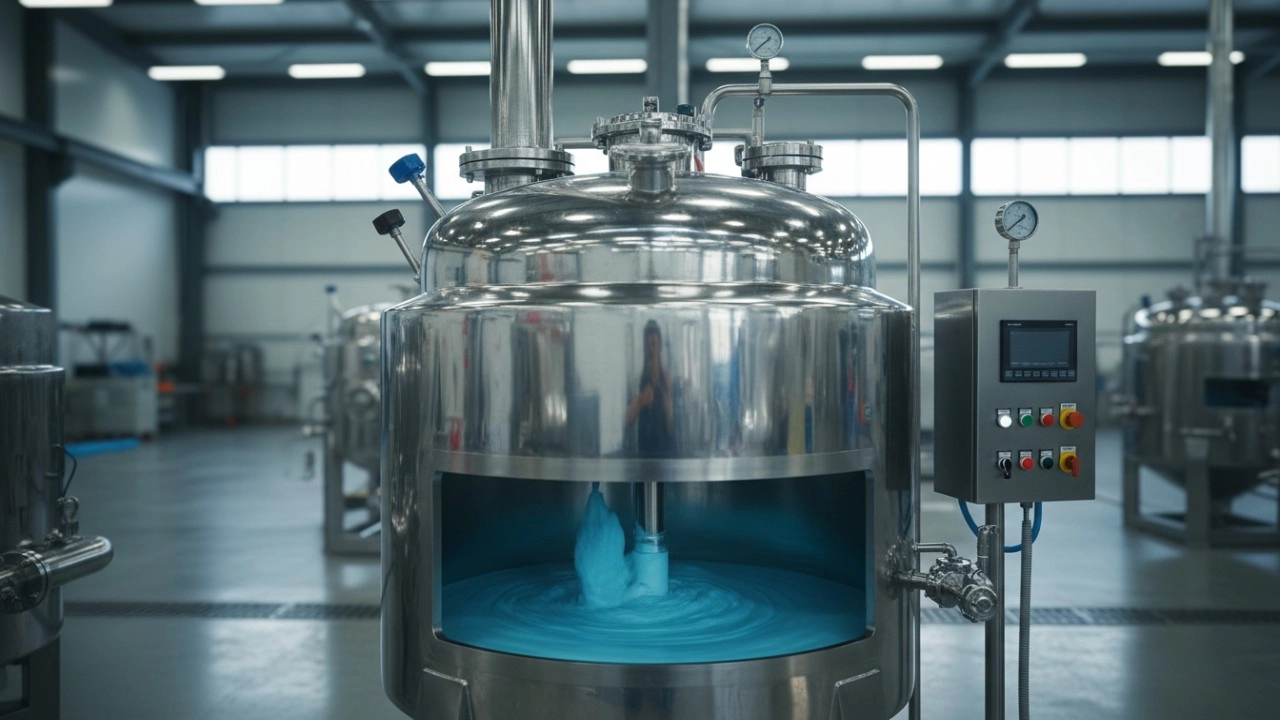
The Future of Industrial Agitation: 5 Smart Mixing Tank Technologies Changing the Game
Storage Tank
Can you make a design for us?
Yes, we can, we provide not only products, but also solutions and designs.
Sealed Homogenizing Mixing Tank
Can you make a design for us?
Yes, we can, we provide not only products, but also solutions and designs.
Vacuum Emulsifying Machine
How does the vacuum homogenizer work?
The vacuum homogenizer's operating process revolves around four core steps: vacuum degassing, high-speed homogenization and emulsification, stirring and mixing, and temperature control. Through the coordinated operation of multiple systems, it achieves refined material processing. The following is its specific operating principle and process:
1. Pretreatment: Material feeding and vacuum environment establishment
Material preparation: First, add the basic materials, such as the oil phase (such as oils and waxes) and the aqueous phase (such as water and water-soluble ingredients), to their corresponding batching tanks or directly into the main emulsifier in sequence.
Evacuation: Activate the vacuum system (consisting of a vacuum pump, vacuum valve, etc.) to evacuate the interior of the emulsifier, creating a negative pressure environment (typically up to -0.09 MPa).
2. Core Process: Temperature Control (Heating/Cooling)
3. Core Process: Agitation and Mixing
Agitation Structure: Typically uses a "frame agitator + scraper" combination (for high-viscosity materials):
Through shearing, folding, and convection, the different materials are initially mixed and their stratification is broken down.
The PTFE scraper rotates closely against the pot wall, thoroughly scraping away any sticky material adhering to the pot wall, preventing localized overheating and residue, and ensuring zero dead zones.
4. Core Process: High-Speed Homogenization and Emulsification
Homogenizer Structure: A high-speed rotating homogenizer is installed at the bottom (or side) of the emulsifier, consisting of a rotor (with sharp teeth) and a stator (with fixed teeth). Working Principle: The rotor rotates at an extremely high speed, generating a strong centrifugal force that draws the material into the gap between the rotor and the stator. In this gap, the material is subjected to the triple effects of shear force, impact force, and turbulent force. The teeth of the rotor and stator quickly cut the material and generate high-frequency vibrations.

Automatic Glass Bottle Washing Machine
Can the equipment clean glass bottles with stubborn stains (such as label residue, oil, and medicine stains)?
Yes. The equipment integrates high-pressure spraying, multiple internal and external rinsing, and drying multi-stage composite cleaning technology, which can remove tiny stains and break down oil stains. For stubborn stains, the cleaning time can be adjusted to ensure that the cleaning meets the standards.
Automatic Filling Machine
How many filling nozzles does your automatic filling machine have?
We have single-, dual-, quad-, six-, eight-, and ten-head filling machines. We can customize the number of filling nozzles to meet your needs.
Get in touch with FULUKE
If you have any comments or good suggestions, please leave us a message, later our professional staff will contact you as soon as possible.
You May Also Like
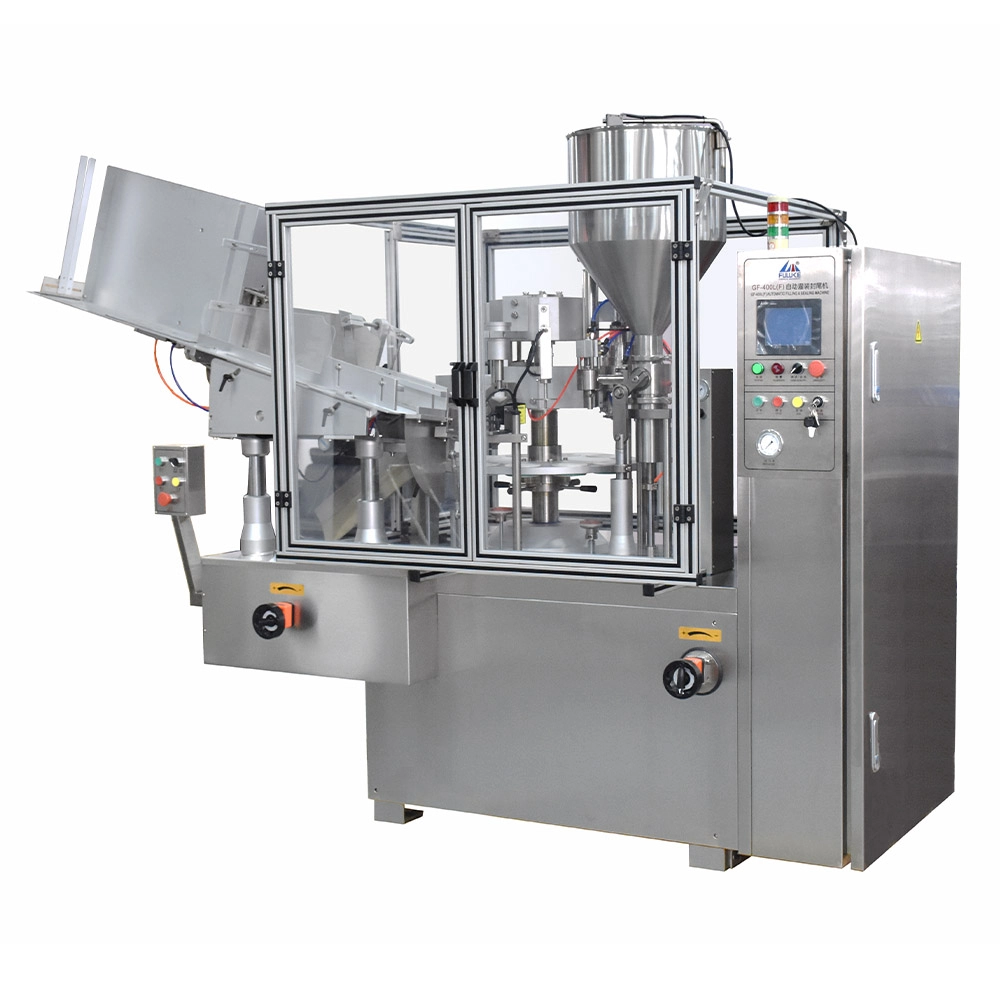
Automatic Tube Filling and Sealing Machine Toothpaste Sunscreen and Facial Cleanser Filling and Sealing Machine for Plastic and Aluminum-plastic Tube
Automatic Glass Bottle Washing Machine High Quality Glass Bottle Cleaning Washer
Three-side/four-side sealing bag packaging machine Liquid Paste Jam Cream Sachet Vertical Filling Pouch Packing Machine
Polypropylene PP Mixing Tank Anti-Corrosion Mixer Reaction Kettle with Agitator Chemical Mixing Vessel

A leading manufacturer specializing in advanced machinery and complete production lines for the cosmetics, food, pharmaceutical, and chemical industries worldwide.
Contact FULUKE
Facebook
Instagram
YouTube