
What energy-efficient options exist for fillers?
- 1. How much energy can I actually save by replacing pneumatic actuators with servo-driven piston fillers for viscous creams?
- 2. What is the real ROI timeframe when retrofitting an existing rotary filling machine with VFDs and high-efficiency motors?
- 3. Which pump type (peristaltic, gear, lobe) offers the best combination of dosing accuracy and energy efficiency for shear-sensitive serums?
- 4. How can CIP cycles be optimized to reduce water and energy use without compromising hygienic validation for cosmetic bottle fillers?
- 5. For multi-size bottle lines, what changeover and fill-head strategies minimize downtime and energy waste?
- 6. What energy monitoring and control features should I require from a new bottle filling machine to meet ISO 50001 goals?
- Concluding summary
Energy-Efficient Bottle Filling Machines: 6 Expert Answers for Cosmetic Manufacturers
As experienced cosmetic equipment specialists, we answer six precise, high-value questions that are often poorly addressed online. These answers focus on real, actionable strategies for reducing energy use and total cost of ownership when selecting or retrofitting a bottle filling machine for creams, lotions, serums and other personal-care liquids.
1. How much energy can I actually save by replacing pneumatic actuators with servo-driven piston fillers for viscous creams?
Context and pain point: Many cosmetic lines use compressed air for linear actuators, dampers and some filling functions. Plant compressed-air systems are commonly inefficient—energy is consumed by compressors, dryers and leaks—so buyers want a realistic estimate of savings when switching to servo-driven piston or servo-driven rotary filling heads.
What to expect (realistic ranges):- Pneumatic-dominant filling machines often incur 20–40% higher operational energy overhead compared with electrically driven designs for intermittent dosing tasks due to compressor inefficiencies and continuous waste from leaks and pressure maintenance.- Converting a single intermittent piston filler from pneumatic actuation to servo drive typically reduces the filling-station energy draw by 30–60% for the motion/control portion. Overall line energy reduction depends on other consumers (motors, pumps, HVAC) but 10–30% overall energy savings is commonly achieved for a single-machine retrofit when the compressed-air load is significant.
Why: Servo systems deliver motion only when needed, recapture braking energy in some designs, and eliminate compressor and dryer parasitic loads. Pneumatics waste energy maintaining system pressure even when actuators are idle.
Selection checklist:- Specify torque and speed curves at the expected fill cycle for the viscous cream (e.g., 50–5000 mPa·s). Use servo sizing charts rather than rule-of-thumb horsepower.- Prefer servo-driven piston filler modules designed for net-weight (gravimetric) or volumetric accuracy—these minimize overfills and therefore product waste (a direct energy/CO2 cost).- Confirm compatibility with sanitary materials (SUS316 wetted parts) and CIP/cleaning protocols; ensure the servo controller is IP65 or better if washdown is used.
Implementation note: Savings are maximized when you also reduce or eliminate large central compressors or downsize compressor capacity for remaining pneumatic needs (e.g., packaging clamps). Measure baseline energy use for compressor kW and machine electrical kW before retrofitting to calculate payback precisely.
2. What is the real ROI timeframe when retrofitting an existing rotary filling machine with VFDs and high-efficiency motors?
Context and pain point: Purchasing managers get quotes for IE3/IE4 motors and VFDs but need to justify CAPEX with a clear payback timeline that accounts for downtime, engineering, and energy savings.
Typical energy savings and ROI drivers:- VFDs save energy primarily when motor speed varies with production demands. For pumps and conveyors running at part-load for significant portions of the day, expect 10–30% electrical energy savings after VFD installation.- Replacing older IE1/IE2 motors with IE3/IE4 typically improves motor efficiency by 1–6% depending on motor size, load profile and speed. Savings compound when combined with VFDs.
Quick ROI calculation template you can use:1) Measure current average electrical consumption of the machine (kWh/day). If not measured, log the main motor(s) and compressor power for 1–2 weeks.2) Estimate post-retrofit consumption with conservative savings: VFD + IE motor = 12% saved for mixed-load filling lines (adjust 8–25% based on your measured load profile).3) Annual energy saved (kWh) = baseline kWh/year * estimated % savings.4) Annual monetary savings = energy saved * your electricity tariff ($/kWh).5) ROI months = retrofitting CAPEX ($) / monthly energy savings ($).
Example (illustrative): If the rotary filling machine consumes 40,000 kWh/year and expected savings are 12%, annual saving is 4,800 kWh. At $0.12/kWh, annual savings = $576. If combined retrofit cost (VFDs, IE motors, controls) is $12,000, payback ≈ 20.8 years—long if energy alone is considered. This shows the importance of including reduced maintenance, improved throughput (less downtime), product savings from more accurate dosing, and potential compressed-air reductions in the benefit calculus.
Practical advice:- Always measure baseline consumption and include non-energy benefits (reduced overfilling, lower maintenance, less scrap) in ROI.- Consider phased rollout focusing first on high-hour assets (pumps and motors that run continuously) and machines where VFD benefits are demonstrable.- Investigate local energy-efficiency incentives or tax depreciation options which can materially shorten payback.
3. Which pump type (peristaltic, gear, lobe) offers the best combination of dosing accuracy and energy efficiency for shear-sensitive serums?
Context and pain point: Cosmetic serums and active ingredient blends are shear-sensitive and expensive; manufacturers need accurate dosing with minimal degradation while keeping energy use low.
Pump options compared:- Peristaltic pumps: Excellent sanitary performance for shear-sensitive fluids, easy to clean or single-use tubing options, and very low contamination risk. However, peristaltic pumps are typically less energy-efficient at high flow rates and can have higher pulsation unless dampeners are used. Best for low-to-medium flow rates where gentle handling and cleanability are priorities.- Gear pumps (internal gear/precision gear): High accuracy, low pulsation, good energy efficiency at steady-state flows, well-suited for higher-viscosity serums. Gear pumps require close attention to leakage paths and seals for hygienic cosmetics but generally provide high volumetric efficiency.- Lobe and progressive cavity pumps: Gentle pumping with good volumetric accuracy for viscous and particulate-containing products. Energy efficiency is generally good but can be lower than gear pumps at similar pressures.
Energy and accuracy trade-offs:- For shear-sensitive serums at small batch sizes and frequent product changeovers, peristaltic pumps paired with a volumetric piston filler can minimize cleaning and product waste, offsetting slightly higher pump energy by reducing downtime and waste.- For continuous high-throughput lines where energy per liter matters most and shear sensitivity is moderate, high-precision gear pumps or servo-driven piston fillers typically yield the best energy-to-accuracy ratio.
Specification checklist:- Required volumetric accuracy (e.g., ±0.5% or ±1 g) and acceptable shear limits.- Flow range and pressure head; match pump maximum efficiency point to your typical operating point.- Cleanability: CIP-compatible materials (SUS316L), validated seals, and drainability.- Integration with dosing control (servo/PLC) for closed-loop weight or flow feedback to minimize overfills.
Recommendation: For many cosmetic serums the optimal solution is a servo-driven volumetric system paired with a low-pulsation gear or progressive cavity pump when throughput is high, or a peristaltic option when sanitation and quick changeovers dominate the cost calculus.
4. How can CIP cycles be optimized to reduce water and energy use without compromising hygienic validation for cosmetic bottle fillers?
Context and pain point: CIP is essential for cosmetics (microbial control, residue removal) but can consume large amounts of hot water and energy. Buyers need validated strategies that preserve product safety while cutting utility costs.
Optimization strategies:- Right-size flow and temperature: Many organizations use higher flow rates and temperatures than validated needs. Work with microbiology/validation teams to define the minimum effective combination of temperature, detergent concentration and contact time for your product residues.- Use targeted pre-rinse and return-to-tank recirculation: Capture and re-use lower-contamination rinses for upstream pre-rinses, and only progress to hot/detergent cycles when required.- Implement variable CIP recipes in PLC: For changeovers between low-risk products, run reduced cycles; for high-risk products run full cycles. Logging recipes improves traceability for audits.- Heat recovery: Use plate heat exchangers to recover heat from hot CIP drains to preheat incoming water, saving energy for heating. Typical heat recovery can reclaim 30–60% of heat depending on design.- Automatic chemical dosing and optimized detergent concentration: Over-concentration wastes chemicals and increases rinse demand; precise dosing saves both energy and chemistry costs.
Validation note:- Any optimization must be validated—bioburden testing, swab tests and endotoxin checks as required. Maintain batch-level CIP logs with time/temperature/flow for regulatory inspections.
Practical numbers: For a mid-size cosmetic filler CIP, energy for heating water is often the largest component. Reducing hot rinse cycle time by 20% and recovering 40% of heat via heat exchangers can reduce CIP energy consumption by 20–35% in many plants.
5. For multi-size bottle lines, what changeover and fill-head strategies minimize downtime and energy waste?
Context and pain point: Cosmetic manufacturers often run multiple SKUs and bottle sizes. Slow changeovers increase idle energy use and labor costs; poor design can also cause more overfills (product waste).
Best practices to minimize downtime and energy waste:- Quick-change filling heads: Use modular fill-head blocks or valve manifolds that can be swapped in <15 minutes. Standardized mechanical and electrical connectors reduce setup labor.- Recipe-driven PLC and HMI: Store fill profiles (fill volume, speed, nozzle height, anti-drip parameters) for each SKU so that switching is a button press rather than manual dial-in.- Servo-assisted indexing and fill-actuation: Servos allow precise, repeatable motion adjustments during changeovers without manual mechanical re-alignment. This reduces commissioning runs and product waste during startups.- Fill-head zoning: If your rotary filling machine supports sectional operation, run only the required number of filling heads for lower throughput SKUs, letting other stations park (and reduce their energy draw) rather than spinning the full frame.- Nozzle shrouds and auto-configuring nozzles for different diameters minimize splash and allow stable fill at lower speeds, reducing the need for high-speed fills that peak energy use.
Energy considerations:- Idle energy during long manual changeovers is wasted. Target changeover times under 20 minutes for medium complexity SKUs.- Use HMI counts and job changeover statistics from production logs to identify the highest-cost SKU transitions and standardize those first.
6. What energy monitoring and control features should I require from a new bottle filling machine to meet ISO 50001 goals?
Context and pain point: Plant energy managers implementing ISO 50001 need machine-level visibility and controls to include filling machines in continuous improvement programs.
Required features and rationale:- Integrated energy meters per major consumer (motors, pumps, heaters, compressed-air subpanel) with kWh logging and timestamped data export (CSV, OPC-UA or MQTT). This allows you to quantify baseline and savings.- Real-time power factor and demand alarms: Detect inefficient operation (e.g., stalling motors) and avoid peak demand charges.- Recipe-based energy modes: Allow the machine to run in energy-optimized modes (reduced conveyor speed, eco-pump profile) for non-critical campaigns.- Remote access and OEE integration: Push energy and production data into site SCADA or EMS to correlate energy per unit metrics.- PID control for pumps and heaters with adaptive setpoints: Avoid overheating or over-pumping by tuning setpoints to the process rather than fixed max values.- Predictive maintenance inputs: Vibration and current trend analysis integrated into PLC can indicate declining pump/motor efficiency before failure, avoiding high-energy degraded operation.
Data and reporting:- Require a standard daily/weekly energy per 1,000 bottles report from the machine controller to feed into ISO 50001 documentation.- Ensure export formats and APIs are compatible with your energy-management software; prefer open standards (OPC-UA, MQTT) for long-term support.
Outcome: With these features you can reduce energy per filled bottle, spot anomalies quickly, and sustain continuous improvement cycles required by ISO 50001 or internal sustainability targets.
Concluding summary
Advantages of choosing energy-efficient bottle filling machines include lower operating costs through reduced electricity and compressed-air consumption, faster payback when you include reduced product waste and maintenance, improved hygienic operations with optimized CIP, and better compliance with energy management systems like ISO 50001. Energy-efficient choices—servo-driven filling heads, VFDs for pumps and conveyors, high-efficiency IE motors, pump selection that matches the product rheology, and data-enabled controllers—also yield more consistent fill accuracy and less product waste, which is critical in cosmetics where formulations and active ingredients are costly.
For a tailored equipment assessment, retrofit evaluation or formal quote, contact us and we will perform a line-level energy and productivity audit. Visit www.fulukemix.com or email flk09@gzflk.com for a quote.
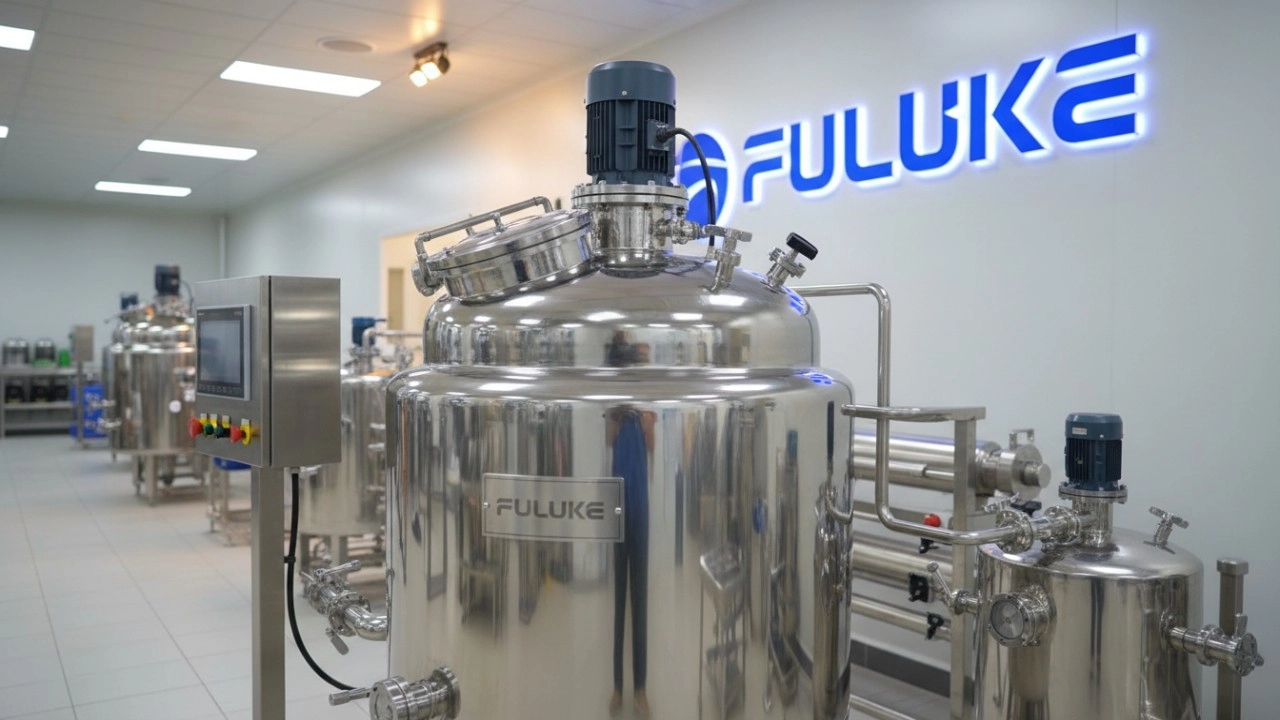
The Ultimate Guide to Multifunctional Mixing Tanks: Maximize ROI and Efficiency [2026 Edition]
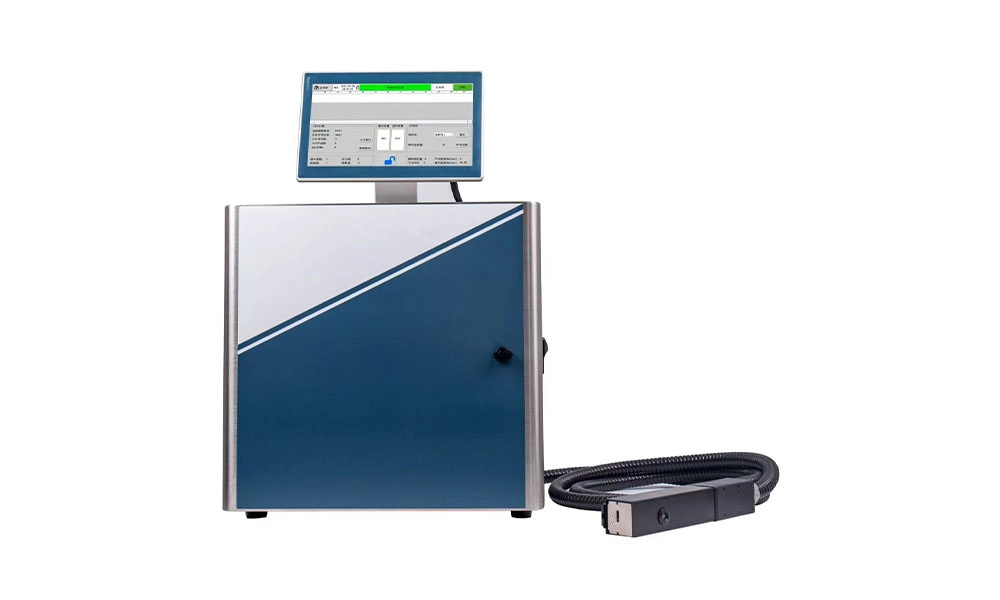
How to quickly resolve issues such as blurry text, broken lines, scattered dots, and non-printing of ink?
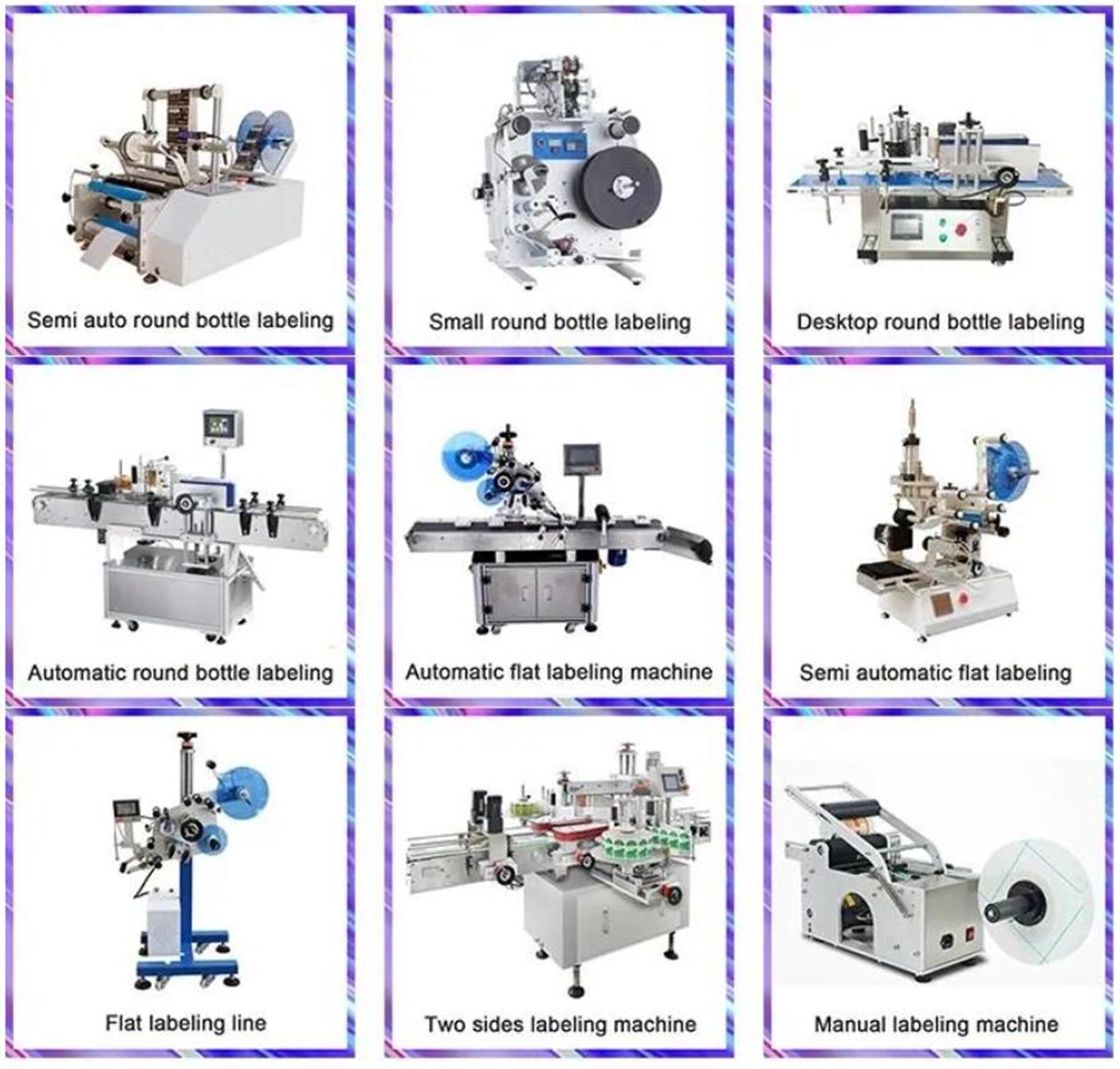
Improving Packaging Efficiency: Applications and Advantages of Fully Automatic Labeling Machines in Production Lines

Understanding Servo Capping Machines: The Core Logic of Precise Capping – Understand the Entire Working Process in Seconds
Sealed Homogenizing Mixing Tank
Is it possible to not have a heating function?
Of course, if your product's production process doesn't require heating and cooling functions, then you can just make it a single-layer pot.
Vacuum Emulsifying Machine
Can you customize the machine?
Of course, we provide customized services according to customer needs.
Automatic Filling Machine
Can you make a design for us?
Yes, we can, we provide not only products, but also solutions and designs.
Automatic Labeling Machine
What can you buy from us?
RO Water Treatment、Vacuum Emulsifying Machine、Homogenizer Mixing Tank、Filling and Capping、labeling Machine、Packing Machine、Storage Tank,etc.
Storage Tank
Who are we?
Our headquarters is located in Guangzhou, Guangdong, China, and our factory is located in Yangzhou, Jiangsu. Our products are sold all over the world. We have approximately 50 employees in our company and factory.
Get in touch with FULUKE
If you have any comments or good suggestions, please leave us a message, later our professional staff will contact you as soon as possible.
You May Also Like
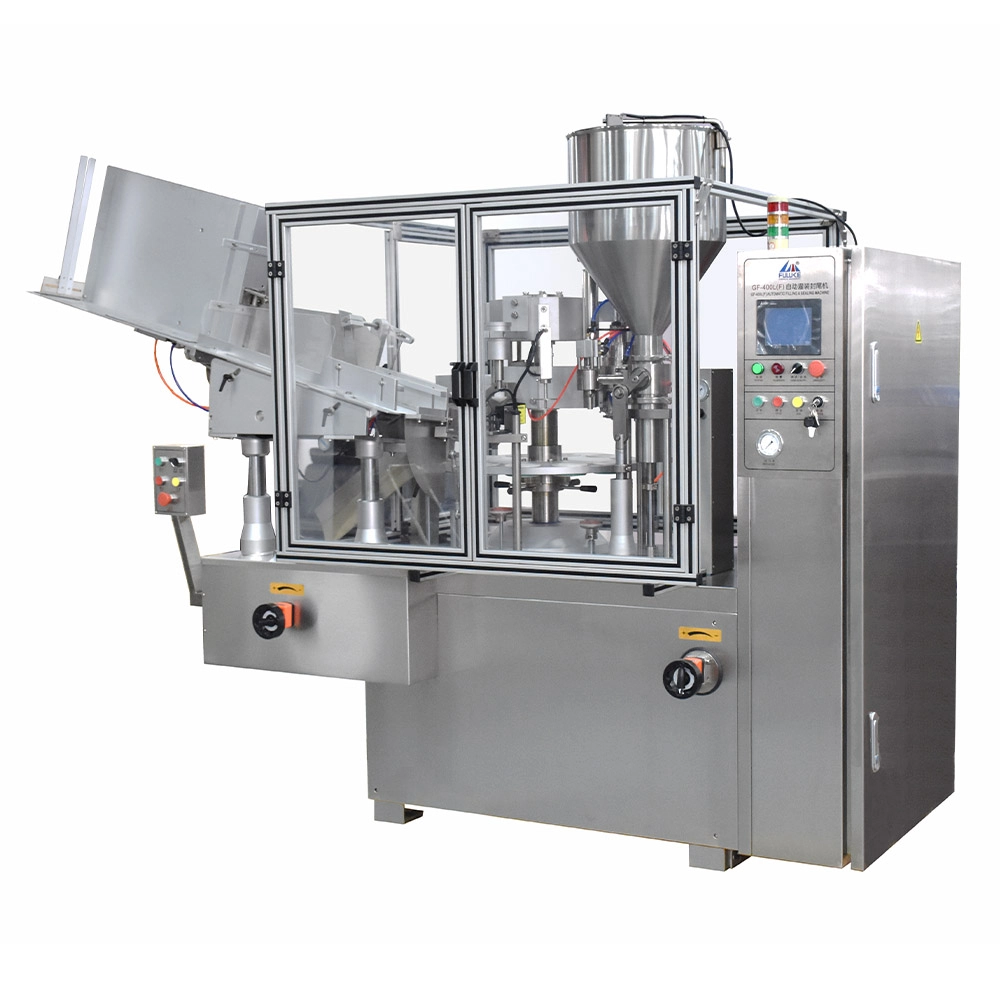
Automatic Tube Filling and Sealing Machine Toothpaste Sunscreen and Facial Cleanser Filling and Sealing Machine for Plastic and Aluminum-plastic Tube

Automatic Glass Bottle Washing Machine High Quality Glass Bottle Cleaning Washer
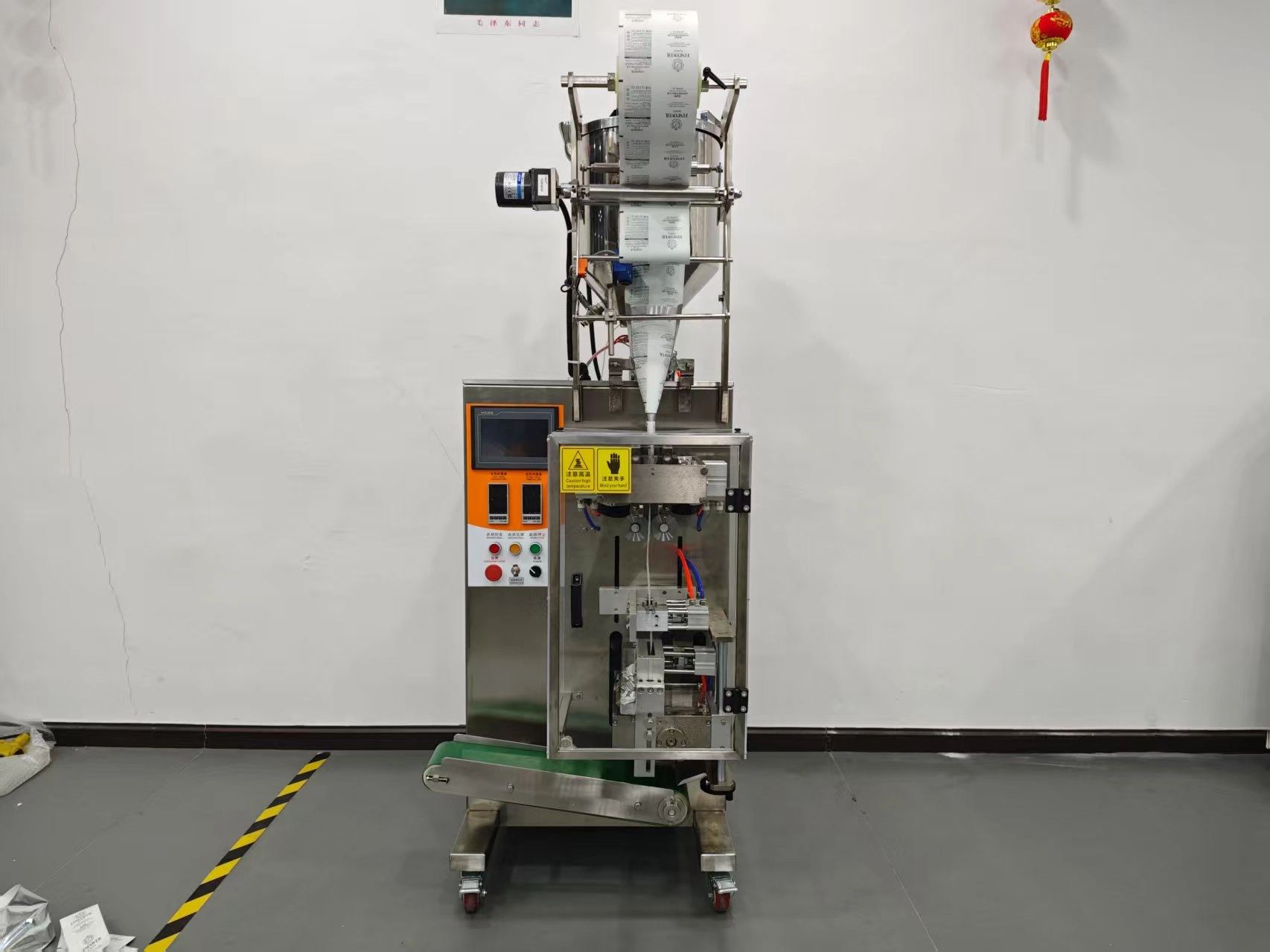
Three-side/four-side sealing bag packaging machine Liquid Paste Jam Cream Sachet Vertical Filling Pouch Packing Machine
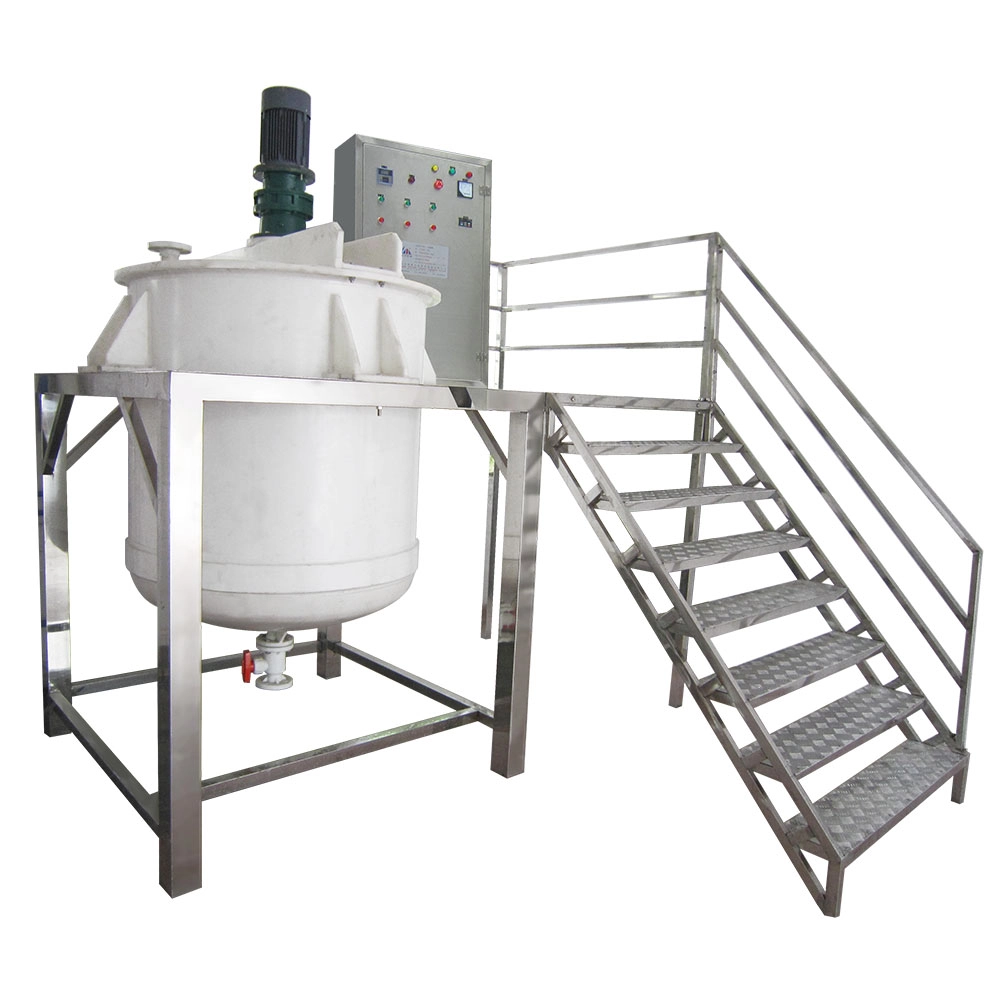
Polypropylene PP Mixing Tank Anti-Corrosion Mixer Reaction Kettle with Agitator Chemical Mixing Vessel

A leading manufacturer specializing in advanced machinery and complete production lines for the cosmetics, food, pharmaceutical, and chemical industries worldwide.
Contact FULUKE
Facebook
Instagram
YouTube