
What are hygienic sealing and capping best practices?
- 1. How do I validate hygienic sealing for oil-based serums on a rotary filling and capping line to prevent microbial ingress over the product shelf-life?
- 2. What are the hygienic material and surface finish requirements for bottle filling machine wetted parts handling cosmetic emulsions to prevent corrosion and buildup?
- 3. How should I set up and validate torque control and cap placement for child‑resistant and atomizer closures on an inline capping machine to avoid leaks without damaging delicate closures?
- 4. What CIP/SIP procedures and temperatures are suitable for cosmetic bottle filling machines when formulations include volatile solvents or heat‑sensitive actives?
- 5. How can I implement in‑line non‑destructive leak testing for low‑viscosity cosmetics without slowing an automatic bottle filling machine running at high speed?
- 6. Which validation protocols and documentation (DQ/IQ/OQ/PQ) should cosmetic manufacturers demand when buying a new automatic bottle filling machine and hygienic capping system for EU and US markets?
- Concluding summary of advantages of implementing hygienic sealing and capping best practices
Choosing a cosmetic bottle filling machine and implementing hygienic sealing and capping best practices are critical to product safety, shelf-life, and regulatory compliance (ISO 22716, EU Reg. 1223/2009, FDA expectations). Below are 6 specific long-tail questions beginners often ask that lack detailed guidance online, with in-depth, actionable answers tailored for cosmetic equipment buyers.
1. How do I validate hygienic sealing for oil-based serums on a rotary filling and capping line to prevent microbial ingress over the product shelf-life?
Validation must be a combination of engineering controls on the rotary filling machine, material selection, documented test protocols, and shelf-life challenge testing. Steps:
- Define acceptance criteria: microbial absence at defined limits (TAMC/TYMC per ISO 21149/ISO 16212, or per your internal spec) and physical seal integrity (no leakage under defined pressure/vacuum).
- Machine controls: use a rotary filling machine with enclosed product zones, positive pressure filtered ventilation (HEPA) for aseptic zones, servo-driven filling and capping synchronization to minimize splash and entrainment of air, and hygienic quick-drain product piping (AISI 316L for oil formulations).
- Seal design: choose cap-liner combinations compatible with oil (e.g., PE/EPDM liners rated for oils) and specify compression (axial) and radial sealing surfaces. Validate compression height and torque recipe in the capping machine’s recipe database and lock it to prevent operator drift.
- Seal integrity tests: implement both destructive and non‑destructive methods. Destructive: dye ingress and microbial challenge tests on samples pulled from the first production run; Non‑destructive: pressure decay or vacuum decay testing (ASTM-accepted principles) on-line or end-of-line for routine monitoring.
- Shelf-life and challenge testing: perform accelerated and real-time storage tests with microbial challenge (if ethically/legally permitted) or preservative efficacy testing (PET) per ISO 16212/ISO 11930 and monitor seals over full shelf-life for leakage and microbiology.
- Documentation: record torque values, cap seating depth, environmental conditions during runs, and test results. Include acceptance limits and corrective actions in your SOPs.
Outcome: validated sealing demonstrating no ingress over shelf‑life with documented test evidence and machine recipes locked to ensure repeatable sealing during production.
2. What are the hygienic material and surface finish requirements for bottle filling machine wetted parts handling cosmetic emulsions to prevent corrosion and buildup?
Material selection and surface finish are central to preventing product buildup, biofilm formation, and corrosion—especially with water‑based emulsions or solvent-containing serums.
- Wetted materials: specify AISI 316L stainless steel for all product‑contact parts for best corrosion resistance with austenitic stainless steel. Avoid mixed-metal contact that can cause galvanic corrosion. For aggressive solvents, verify chemical compatibility of seals (Viton, FFKM) and gaskets.
- Surface finish: aim for a hygienic surface finish of Ra ≤0.8 µm for tanks, manifolds and pipe interiors; where possible Ra ≤0.4 µm on critical sealing faces to reduce particle attachment. EHEDG and 3‑A guidelines support smoother finishes in product areas to limit microbial shelter sites.
- Welds and joints: specify hygienic orbital welding with full penetration and smooth weld profiles; avoid crevices and dead legs by using self‑draining designs with minimum slopes of 3° and 360° drain accessibility.
- Design features: use tri‑clamp fittings, hygienic sight glasses, and quick-disconnect cleanable valves. Ensure the machine’s design allows full CIP fluid contact on all wetted surfaces (no blind spots) and that surface treatments (passivation) are performed to reduce corrosion.
- Maintenance: include inspection frequency for seals and finishes in your preventive maintenance program; schedule routine surface roughness checks and re-passivation after repairs.
These prescriptions reduce contamination risk, ease cleaning, and extend component life—key considerations when selecting a liquid filling machine for cosmetics.
3. How should I set up and validate torque control and cap placement for child‑resistant and atomizer closures on an inline capping machine to avoid leaks without damaging delicate closures?
Child‑resistant (CR) caps and atomizer closures require precise control: too loose and the product leaks, too tight and the closure or actuator breaks or performance (spray pattern) is compromised.
- Mechanical choice: choose a capping machine type suitable for your closure: spindle/rotary chuck cappers for threaded caps, press-on or snap‑on heads for cosmetic closures, and dedicated actuator fitting stations for pumps and atomizers.
- Torque control hardware: use servo-driven torque control with inline torque monitoring (torque transducers or load cells) and closed-loop feedback. Ensure the control system stores torque recipes per SKU and enforces them at run start.
- Validation protocol: establish nominal torque targets via lab testing across 30–100 sample caps: measure functional seal, spray performance (for atomizers), and force to open (for CR caps). Document acceptable ranges and failure modes. Use torque analyzers and statistical assessment (Cp/Cpk) to validate process capability; aim to demonstrate capability appropriate to product risk—typically Cp/Cpk targets ≥1.33 for critical sealing parameters.
- Cap placement accuracy: validate cap feeders and orientation devices. Use vision systems to confirm cap presence and orientation pre-capping. For pumps and atomizers, validate insertion depth and actuator alignment with gaskets to ensure proper metering and spray performance.
- Quality control strategy: implement 100% presence/torque monitoring with automated rejection and statistical destructive checks (e.g., top-load or tamper-evidence tests) on a defined sampling plan.
Result: repeatable, documented torque and placement control that protects closure integrity while preventing leaks and maintaining cosmetic functionality.
4. What CIP/SIP procedures and temperatures are suitable for cosmetic bottle filling machines when formulations include volatile solvents or heat‑sensitive actives?
CIP/SIP selection must balance effective cleaning/sterilization and protection of heat- or solvent‑sensitive components.
- Assess formulation chemistry: identify solvents, surfactants, emulsifiers and heat‑sensitive actives. Review material safety data sheets and compatibility with CIP chemicals (caustics, acids) and with elevated temperatures.
- CIP cleaning: typical CIP uses pre‑rinse, alkaline wash (0.5–2% NaOH or proprietary detergents), intermediate rinse, acid passivation rinse (if needed), and final rinse with potable water. For solvent‑containing residues, add a solvent soak or a compatible surfactant step to break oils. Evaluate a lower‑temperature CIP (40–60 °C) with enhanced detergents for heat‑sensitive formulations.
- SIP sterilization: conventional steam‑in‑place uses saturated steam at 121 °C for validated time (e.g., 15–30 minutes) for sterilization. If the product-contact components or seals cannot tolerate that temperature or if solvents present a fire/explosion hazard, use chemical sterilants (peracetic acid) or low‑temperature hydrogen peroxide vapor systems—validate residue removal and material compatibility.
- Materials and seals: specify PTFE/FFKM as required for solvent resistance. Ensure sight glasses, valves, and instruments are rated for selected CIP/SIP regimes.
- Validation and monitoring: validate cleaning cycles with soil-load surrogates, conductivity/TDS endpoints, ATP swabs for cleanliness, and chemical residue testing when solvents/actives are present. Document cycles in IQ/OQ/PQ with acceptance criteria and sensor logging (temperature, flow, concentration).
Conclusion: design CIP/SIP around product chemistry—when steam is unsuitable, validated low‑temperature chemical sterilization combined with robust residue monitoring provides hygienic assurance.
5. How can I implement in‑line non‑destructive leak testing for low‑viscosity cosmetics without slowing an automatic bottle filling machine running at high speed?
For high‑speed automatic bottle filling machines (e.g., rotary fillers operating tens to hundreds of bottles per minute), leak testing must be integrated to avoid throughput loss while still giving reliable detection.
- Choose an appropriate non‑destructive method: vacuum decay and pressure decay are the two industry‑proven, non‑destructive methods that scale well. Vacuum decay applies a partial vacuum to a sealed chamber and monitors pressure recovery; pressure decay pressurizes the package and measures loss.
- Inline integration: use dedicated high-speed test stations (single or multi-chamber) that intercept bottles at line speed. For 120 bpm, design parallel testing lanes or pulse methods (e.g., test every bottle with short test cycle using high-speed valves or test a statistically valid sample at e.g., 1–5% per batch and 100% end-of-line checks).
- Cycle time vs. sensitivity: optimize test chamber volume and vacuum/pressure ramps to achieve required sensitivity within the available dwell time. Many modern vacuum-decay systems can detect leaks down to 10^-2 mbar•L/s in <0.5–1 second for small package volumes—validate with your package geometry.
- Automation: integrate PLC/SCADA alarms and automatic reject mechanisms. Record every test and link failures to line stop logic only when failure rate exceeds an accept threshold to avoid unnecessary stoppages.
- Complementary approaches: combine high-speed non‑destructive tests with periodic destructive and microbial tests for confidence. Use tracer gas (helium) leak tests only in R&D or troubleshooting due to cost and complexity.
Implementation yields rapid, non‑destructive leak detection that preserves throughput while maintaining quality control—validate sensitivity and false‑reject rates for your bottle geometry and cap system before full deployment.
6. Which validation protocols and documentation (DQ/IQ/OQ/PQ) should cosmetic manufacturers demand when buying a new automatic bottle filling machine and hygienic capping system for EU and US markets?
Although cosmetics do not require the same regulatory submission as pharma, buyers should still apply a robust equipment qualification framework (DQ/IQ/OQ/PQ) aligned to ISO 22716 (cosmetic GMP) and good engineering practice to demonstrate control and traceability.
- Design Qualification (DQ): document that the bottle filling machine meets user requirements/specifications (URS) for throughput, dosing accuracy, materials (316L), CIP/SIP compatibility, hygienic design standards (EHEDG/3‑A considerations), and electrical/safety compliance (CE/UL). Include risk assessments (FMEA) on contamination risk points.
- Installation Qualification (IQ): verify correct installation, power and utilities, calibration of instruments (flow meters, load cells), and CIP/SIP hookups. Record serial numbers, material certificates (2.1/3.1), welding certificates, and surface finish measurements.
- Operational Qualification (OQ): demonstrate that the filling and capping machine operates across defined operating ranges—fill volumes, speeds, torque recipes—and that interlocks, sensors, and alarms function. Validate repeatability and precision of dosing (report mean, SD, and CV) and torque control (report capability indices if required).
- Performance Qualification (PQ): demonstrate production performance on defined product SKUs under normal operating conditions, including cleaning and changeover. Include microbiological checks post-setup, seal integrity testing, and a defined sampling plan for ongoing monitoring.
- Traceability and records: require complete IQ/OQ/PQ protocols and test reports as part of delivery. Ensure a maintenance and calibration schedule, spare parts list, and software version control (including electronic signatures where used) are supplied.
These steps ensure you can demonstrate compliant operation, reduce production risk, and meet customer and regulatory expectations in both EU and US markets.
Concluding summary of advantages of implementing hygienic sealing and capping best practices
Implementing rigorous hygienic sealing and capping best practices on your cosmetic bottle filling machine yields clear advantages: reduced contamination risk and product recalls, longer and provable shelf‑life, consistent product functionality (spray performance, ease of use), lower production downtime due to fewer rejects, demonstrable compliance with ISO 22716 and other standards, and stronger customer trust. Investing in validated materials (AISI 316L), proper surface finishes, servo-controlled capping with torque monitoring, CIP/SIP compatibility, and inline non‑destructive leak testing creates a resilient, scalable filling line that protects brand reputation and reduces overall total cost of quality.
For a tailored quotation and equipment specification that matches your cosmetic formulations and production targets, contact us for a quote at www.fulukemix.com or email flk09@gzflk.com.
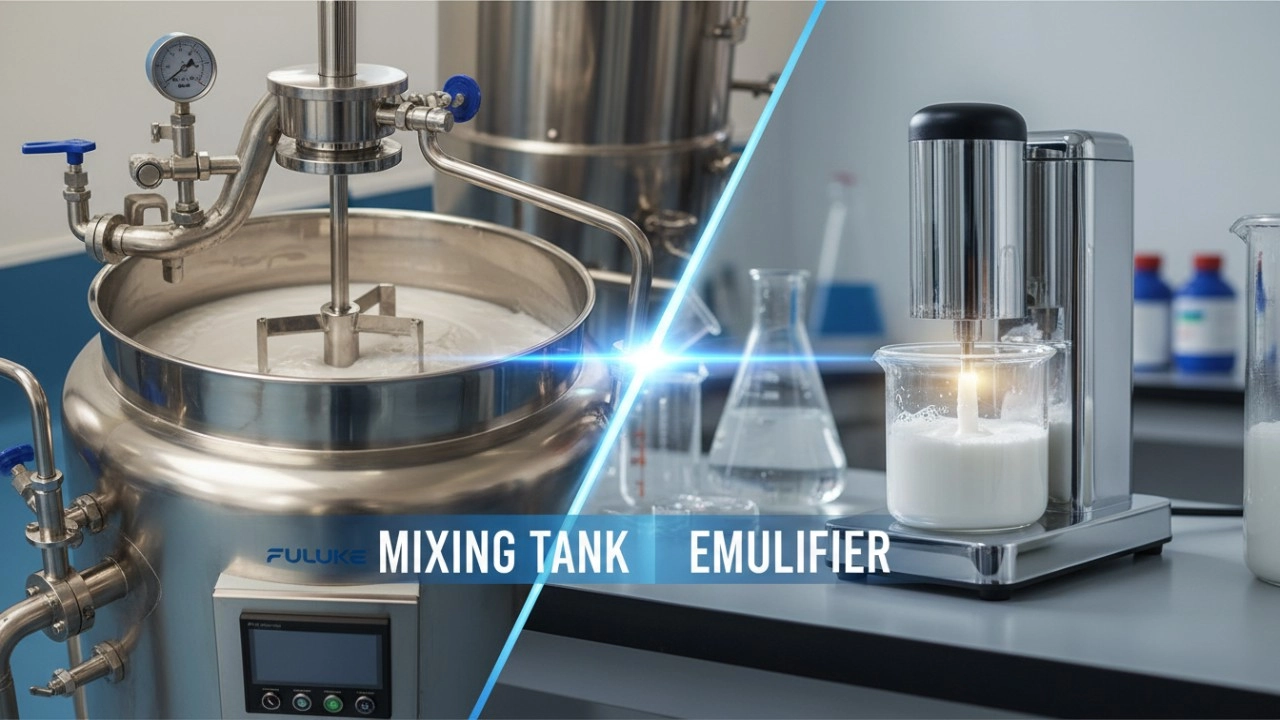
High-Shear Emulsifier vs. Standard Mixing Tank: A Deep Dive into Process Efficiency
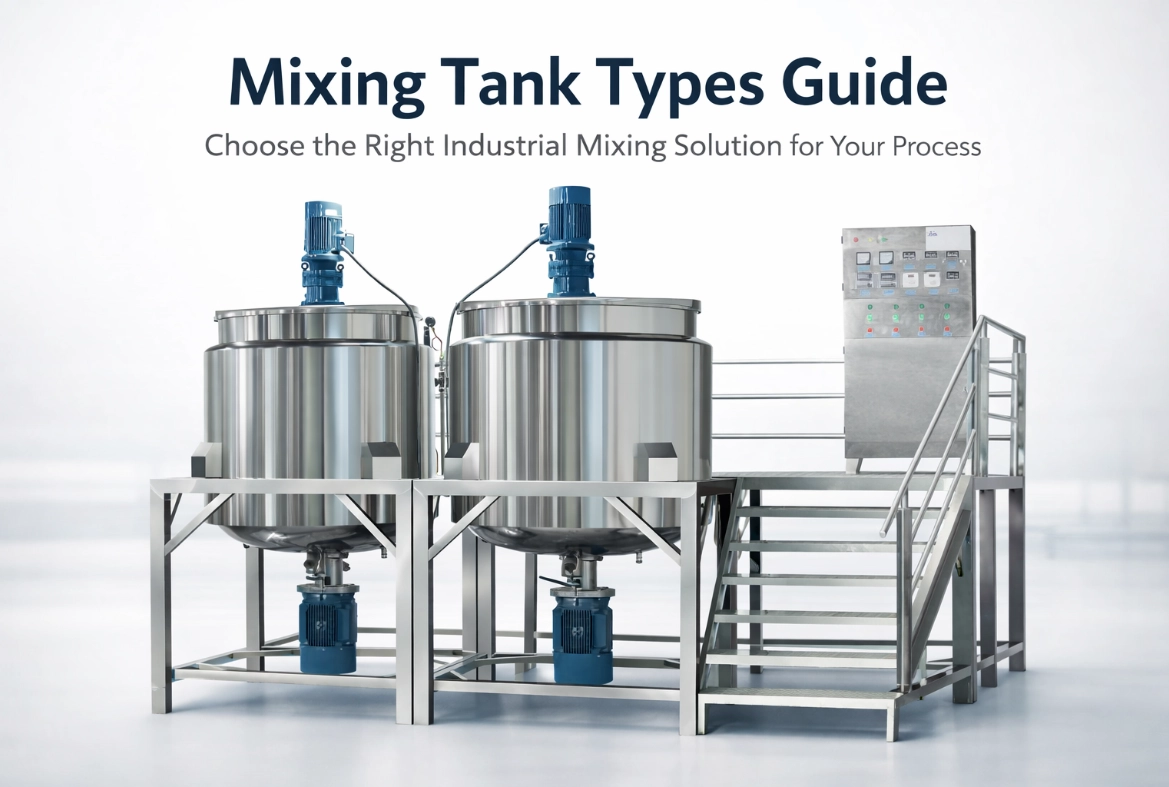
Advanced Mixing Tank Types: How to Optimize Your Production Line for 2026
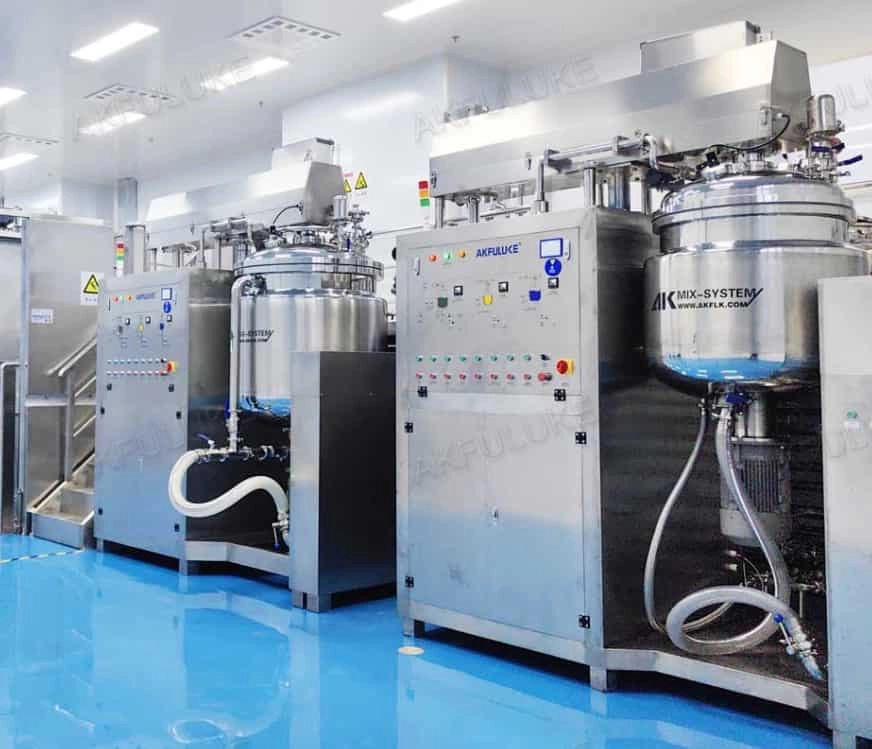
How it Works: The Science Behind Multifunctional Mixing Tank Technology & Performance (2026 Guide)
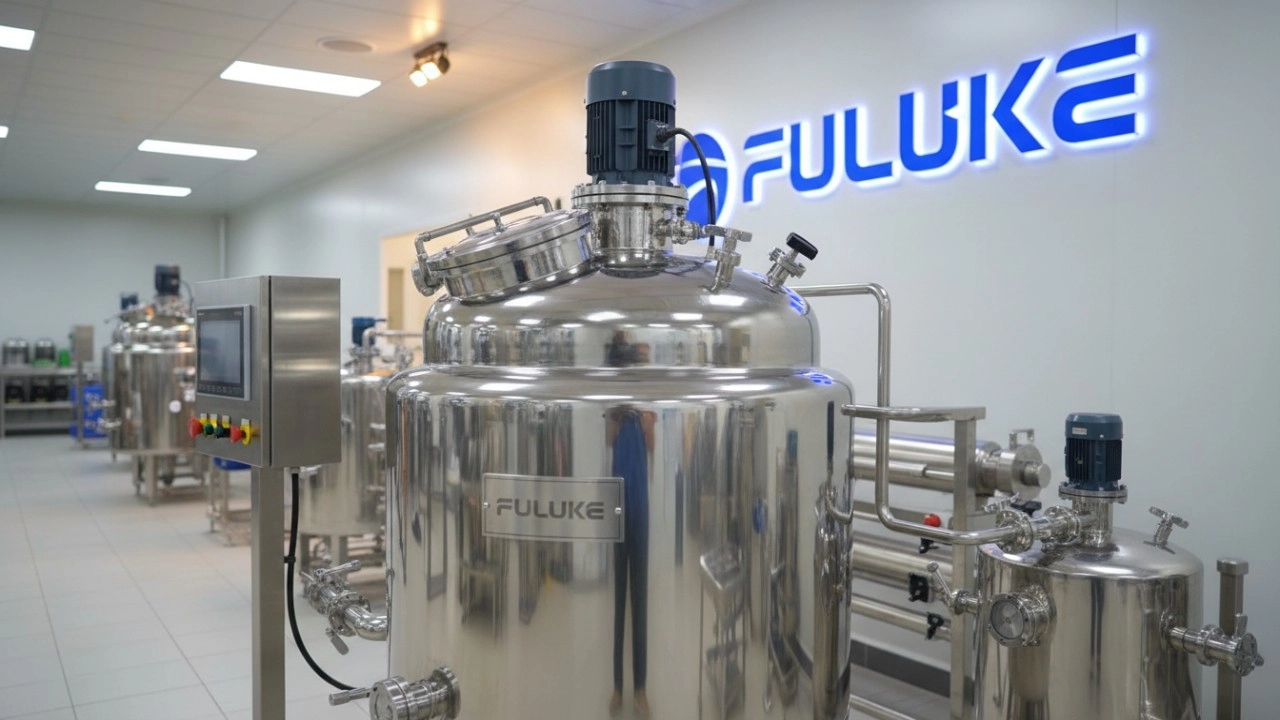
The Ultimate Guide to Multifunctional Mixing Tanks: Maximize ROI and Efficiency [2026 Edition]
RO Water Treatment
Can you make a design for us?
Yes, we can, we provide not only products, but also solutions and designs.
Vacuum Emulsifying Machine
Is it possible not to configure the oil and water pot?
Of course, if you have other containers to pre-treat and heat the materials, then you only need to configure an emulsifying pot.
Polypropylene PP Mixing Tank
Which mixing pot should I choose between a PP and a stainless steel mixing pot?
When the material is corrosive, a PP mixing pot is more advantageous. Stainless steel (such as 304) has poor resistance to acids and alkalis (easily corroded by hydrochloric acid and sodium hydroxide). For corrosion protection, upgrading to 316L stainless steel is necessary, which costs 2-3 times more than PP. PP, on the other hand, can withstand low- to medium-concentration corrosive media and offers low maintenance (no rust removal required, and low scaling).
When the material is non-corrosive, a stainless steel mixing pot is more advantageous. Stainless steel offers higher temperature resistance (up to 200°C), greater strength (suitable for high-viscosity materials), and a higher hygienic grade (easy to clean aseptically), making it suitable for non-corrosive but demanding applications such as food and pharmaceuticals.
Automatic Filling Machine
What special safety features are required for equipment used to fill medical disinfectants (containing alcohol)?
An explosion-proof automatic filling machine is essential. Key safety features include: ① The motor and electrical components must be explosion-proof to prevent sparks from igniting alcohol vapors; ② The tanks and piping must be made of anti-static materials and grounded to prevent static electricity accumulation; The workshop must also be well-ventilated and equipped with an explosion-proof exhaust system.
Automatic Capping Machine
What types of bottle caps and bottles does the automatic capping machine support?
Mainstream models are compatible with screw caps, duckbill caps, pump caps, spray caps, and other threaded caps. They are also suitable for round, square, and oval bottles made of glass, PET, and HDPE.
Get in touch with FULUKE
If you have any comments or good suggestions, please leave us a message, later our professional staff will contact you as soon as possible.
You May Also Like
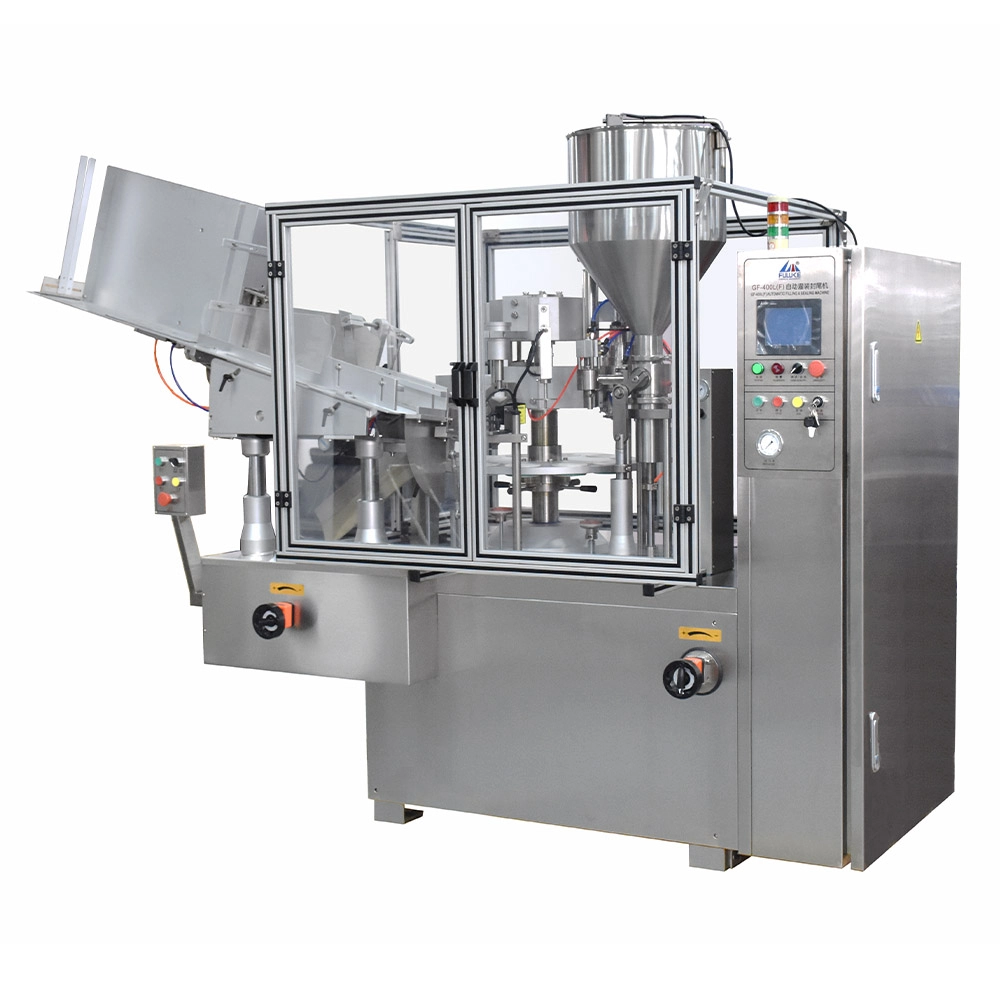
Automatic Tube Filling and Sealing Machine Toothpaste Sunscreen and Facial Cleanser Filling and Sealing Machine for Plastic and Aluminum-plastic Tube
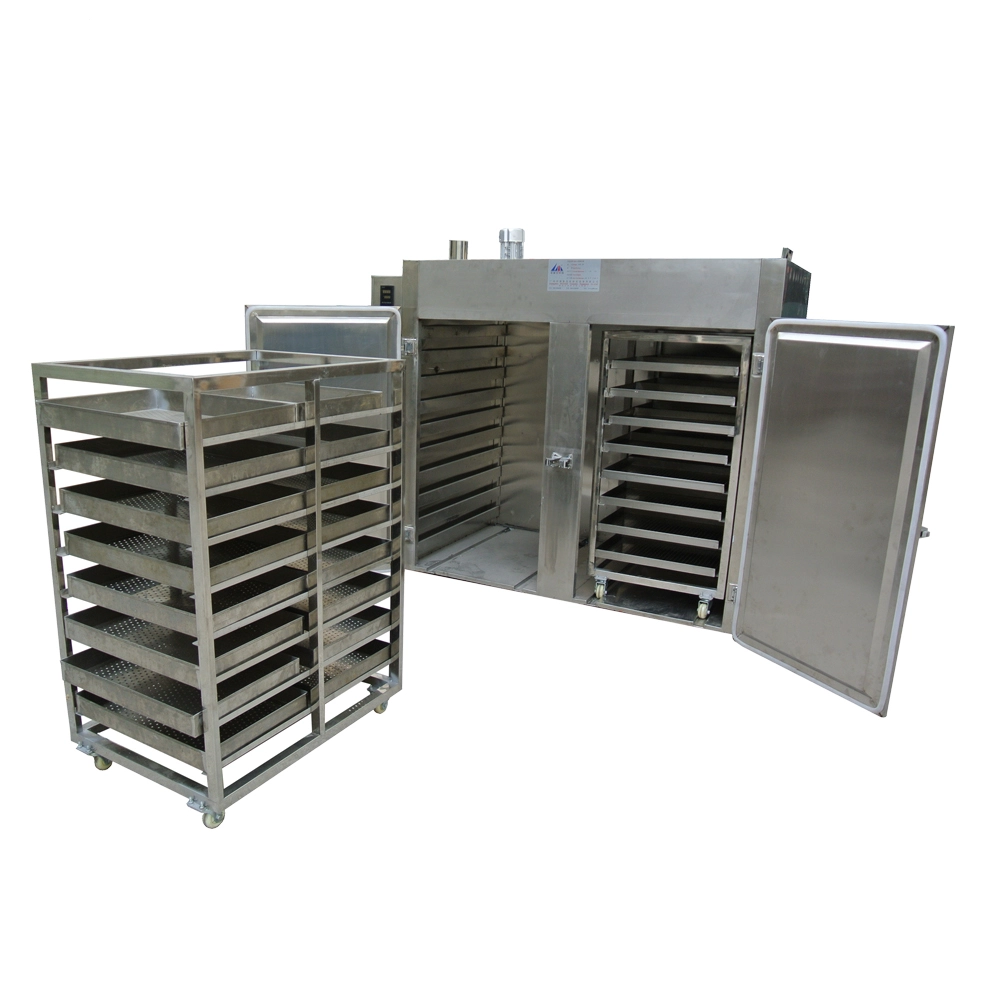
Over for Bottles High Temperature Sterilizer Tray Dryer Large Hot Air Circle Drying Oven for Glass Bottle Jar Cup Can

Automatic Glass Bottle Washing Machine High Quality Glass Bottle Cleaning Washer
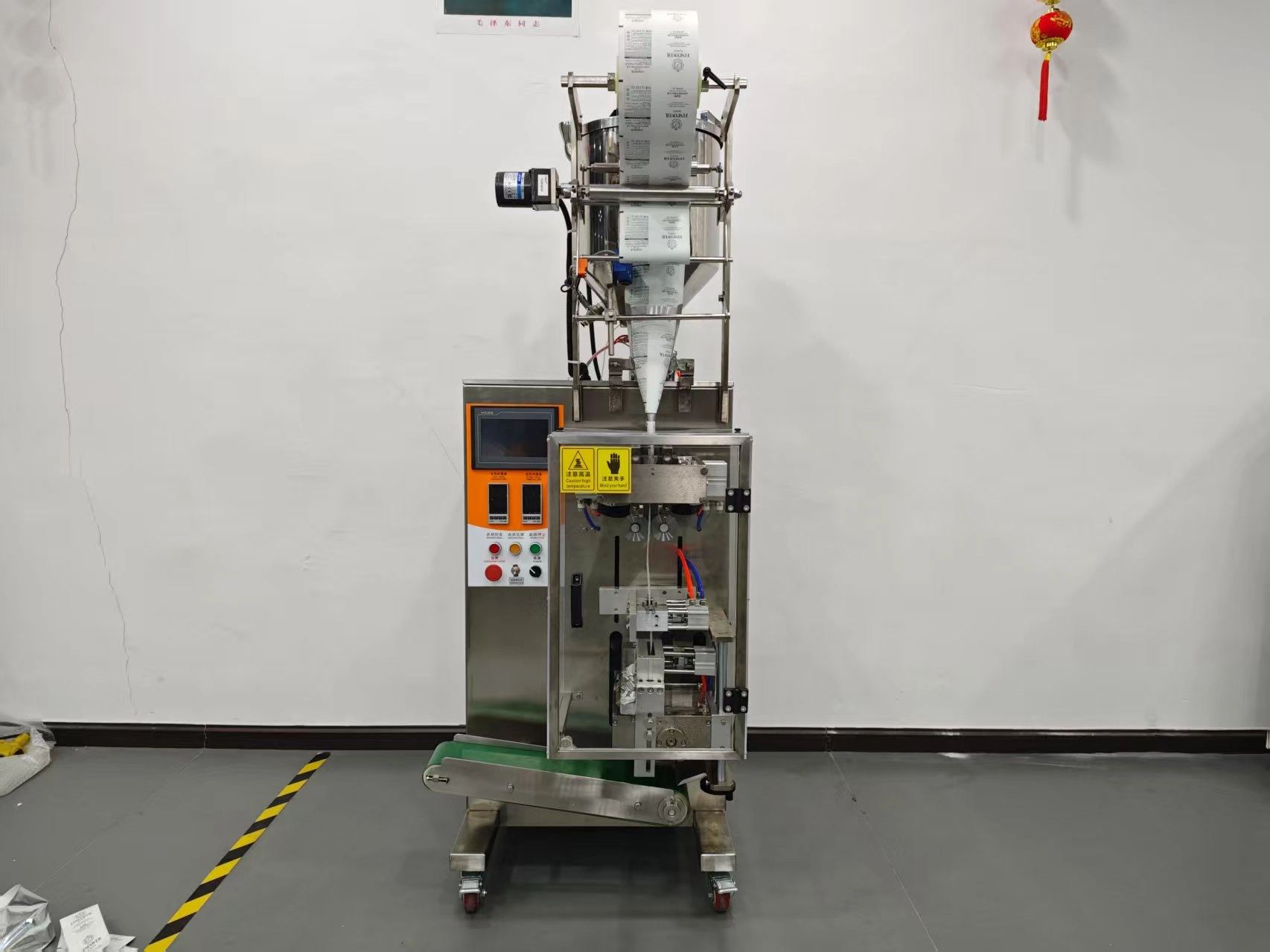
Three-side/four-side sealing bag packaging machine Liquid Paste Jam Cream Sachet Vertical Filling Pouch Packing Machine

A leading manufacturer specializing in advanced machinery and complete production lines for the cosmetics, food, pharmaceutical, and chemical industries worldwide.
Contact FULUKE
Facebook
Instagram
YouTube