
How do filling accuracy and speed impact production?
- 1. How do I quantify the real cost of poor fill accuracy for small-batch serums and lotions?
- 2. At what production speed does filling accuracy typically start to degrade for piston and volumetric fillers?
- 3. How can I balance high throughput with regulatory net-content compliance (EU/US) on a cosmetic filling line?
- 4. What validation and sampling frequency will ensure filling accuracy for viscous creams without killing uptime?
- 5. How do I decide between multi-head servo rotary fillers and single-head piston machines for a mid-size cosmetic line?
- 6. What in-line inspection and feedback controls most effectively preserve accuracy at speed (and how much do they reduce rejects)?
1. How do I quantify the real cost of poor fill accuracy for small-batch serums and lotions?
Poor fill accuracy drains margin in two ways: giveaway (over-fill) and non-compliance/returns (under-fill). For cosmetic serums and lotions typically sold by volume or weight, measure giveaway as the average excess per container multiplied by units produced. Example approach used by manufacturers:
- Sample & weigh 100 finished bottles from production at line speed; record average fill error (g or mL) and standard deviation.
- Multiply average overfill by annual unit volume to estimate liters/milliliters of product lost per year.
- Add indirect costs: extra packaging cost, increased freight weight, and the operational cost of rework or complaints when underfills occur.
Typical benchmarks: cosmetics producers target mean fill error in the range of ±0.2%–±1% depending on product value and regulatory tolerance. For High Quality serums, even 0.5% giveaway on a 30 mL bottle is measurable and expensive at scale. Use a calibrated balance (0.01 g resolution) and document results in a control chart to quantify trend and calculate annualized cost.
2. At what production speed does filling accuracy typically start to degrade for piston and volumetric fillers?
Accuracy degradation is a function of mechanical design, control system, product properties (viscosity, shear-thinning, particulate content) and how the filler meters product (piston vs peristaltic vs servo-driven dosing). Practical guidance:
- Piston fillers: maintain stable accuracy up to moderate speeds (~30–120 bottles per minute for cosmetic-sized containers) if cams, seals and air supply are maintained. Above this, volumetric variation increases unless servo control is used.
- Servo-driven piston or rotary volumetric fillers: hold tight tolerances at higher throughputs (hundreds BPM) because motion profiles and dwell times are programmable.
- Peristaltic and time-pressure fillers: accuracy is good for low-to-medium speeds but sensitive to hose wear and viscosity changes; check calibration frequently.
Recommendation: run a validation at your target speed using production fluid. If you see a trend of increasing variance >±1% as speed climbs, either reduce line speed, add more filler heads, upgrade to servo-driven systems, or integrate in-line weighing to move to a weight-based control strategy.
3. How can I balance high throughput with regulatory net-content compliance (EU/US) on a cosmetic filling line?
Regulatory compliance for net contents (e.g., FPLA in the US; EU labelling rules) requires manufacturers to avoid systematic under-filling and to be honest on declared volumes. To balance throughput and compliance:
- Choose a filling strategy: volume-based (time or piston stroke) vs weight-based (gain-in-weight or checkweigher feedback). For high-value cosmetics, gain-in-weight (GIW) or in-line checkweigher feedback reduces giveaway while avoiding underfill.
- Implement Statistical Process Control (SPC): run regular sample weights and keep processes within control limits. Use a control chart to detect drift so you can stop the line for adjustment before out-of-spec lots are produced.
- Set production tolerances tied to declared volume. Many cosmetic lines set mean fill slightly above nominal but within accepted tolerance bands (typically ±1%–±3% depending on jurisdiction and bottle size).
Integration example: a servo-driven filler with a high-speed in-line checkweigher can correct fill commands in real time, allowing you to maintain higher throughput while staying within net-content compliance and minimizing giveaway.
4. What validation and sampling frequency will ensure filling accuracy for viscous creams without killing uptime?
Viscous creams change behavior with temperature, batch variability and nozzle wear. Validation and sampling should be risk-based:
- Initial qualification: perform IQ/OQ/PQ for a new filler with the specific cream. Document setpoints, nozzle type, and environmental conditions.
- Routine sampling: for stable processes, sample 10–30 bottles every hour at line speed and log weight/volume. Use higher frequency (every 15–30 minutes) during changeovers, start-ups, or when lot-to-lot variability is suspected.
- Adaptive sampling: modern lines can use an in-line checkweigher to continuously monitor each bottle and flag drift — this allows you to lower manual sampling while increasing coverage.
Operational tips: maintain product temperature control (viscosity falls with temperature), use anti-drip filling nozzles and ensure proper backpressure. Preventive maintenance (seal replacement, nozzle inspection) scheduled by run-hours preserves accuracy without unscheduled downtime.
5. How do I decide between multi-head servo rotary fillers and single-head piston machines for a mid-size cosmetic line?
Decision factors are product type, target throughput, headcount, floor space and budget. Consider:
- Throughput needs: multi-head rotary servo fillers are best for high-volume SKU runs (hundreds of BPM) and offer fast changeovers with recipe memory. Single-head piston fillers suit flexible, lower-volume lines (10–80 BPM) and multiple SKUs with frequent size changes.
- Recipe control and accuracy: servo systems provide superior positional control and repeatability for precise volumes and fast changeovers; they integrate well into automated liquid filling lines with rinse-filler-capper stations.
- Space and cost: rotary systems have a higher initial cost and floor footprint but lower per-unit labor. Single-head machines have lower capital cost and are easier to maintain in-house for varied SKUs.
For a mid-size cosmetic manufacturer with diverse SKUs and seasonal spikes, a hybrid approach often works: two flexible single-head piston fillers for small runs and one rotary/servo unit dedicated to core high-volume SKUs.
6. What in-line inspection and feedback controls most effectively preserve accuracy at speed (and how much do they reduce rejects)?
Key in-line controls that protect accuracy and reduce rejects:
- Checkweighers: immediate detection of under/overfills; integrated feedback can adjust filler setpoints. Industry reports commonly show reject rate reductions of 50%–90% after integrating checkweighers and feedback loops (results vary by baseline performance).
- Vision systems: verify fill level and cap placement—important for transparent bottles and cosmetic emulsions where visible fill lines matter.
- Flow meters and mass flow sensors: provide closed-loop control to the filler, maintaining volumetric accuracy despite viscosity shifts.
- Leak testers and pressure decay: detect container defects that cause apparent underfill or overfill at speed.
Combined strategy: pair a servo-driven filler (for repeatable dosing), an in-line checkweigher (for every-bottle weight verification), and a vision system (for level/cap quality). This layered inspection greatly reduces downstream rejects and helps maintain production throughput by catching issues early. ROI is realized through less rework, fewer customer complaints, and optimized material usage.
Throughout the article, terms such as automatic bottle filler, piston filler, volumetric filling, servo-driven fillers, rinse-filler-capper, in-line checkweigher and filling nozzle are used to reflect practical options you’ll evaluate when specifying a machine for cosmetic creams, lotions, serums and oils.
Conclusion: Choosing the right bottle filling machine means matching product rheology, target throughput, and compliance needs. Investing in servo-driven dosing, in-line weighing and targeted validation reduces giveaway, improves net-content compliance, and increases effective throughput. For mid-size cosmetic lines, a mix of flexible piston fillers and high-throughput rotary fillers—backed by checkweighing and vision inspection—delivers the best balance of speed, accuracy and uptime.
Contact us for a quote and line evaluation at www.fulukemix.com or email flk09@gzflk.com.

Understanding Servo Capping Machines: The Core Logic of Precise Capping – Understand the Entire Working Process in Seconds
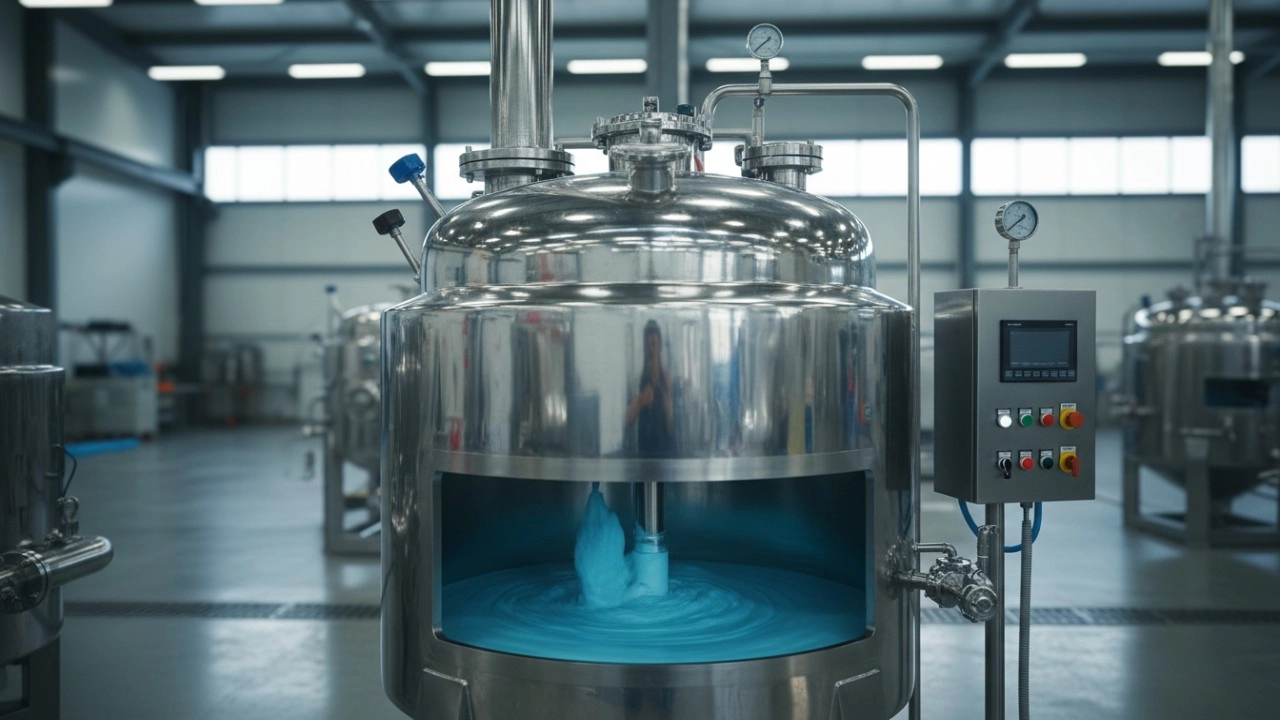
The Future of Industrial Agitation: 5 Smart Mixing Tank Technologies Changing the Game
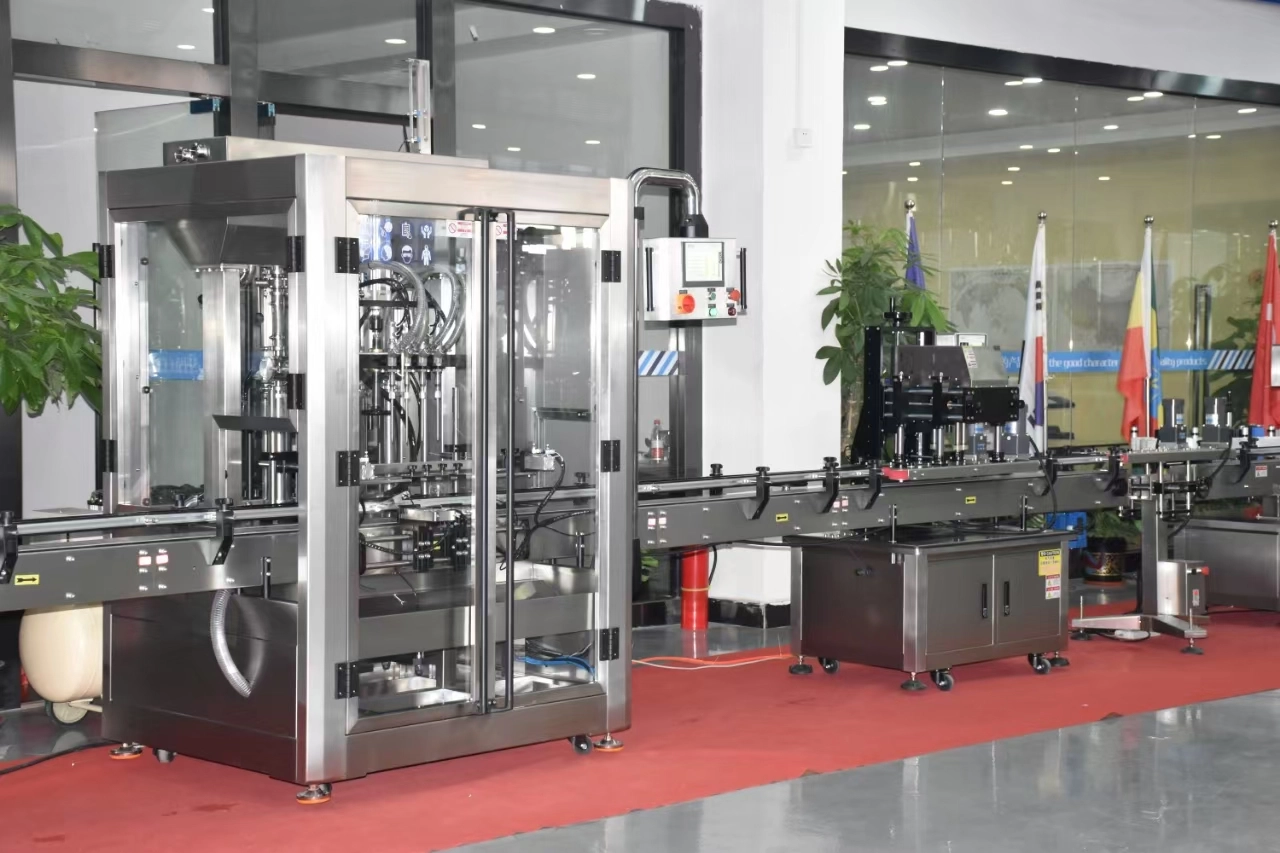
Gear pump filling machine vs. piston filling machine: Key differences broken down to avoid pitfalls in selection.
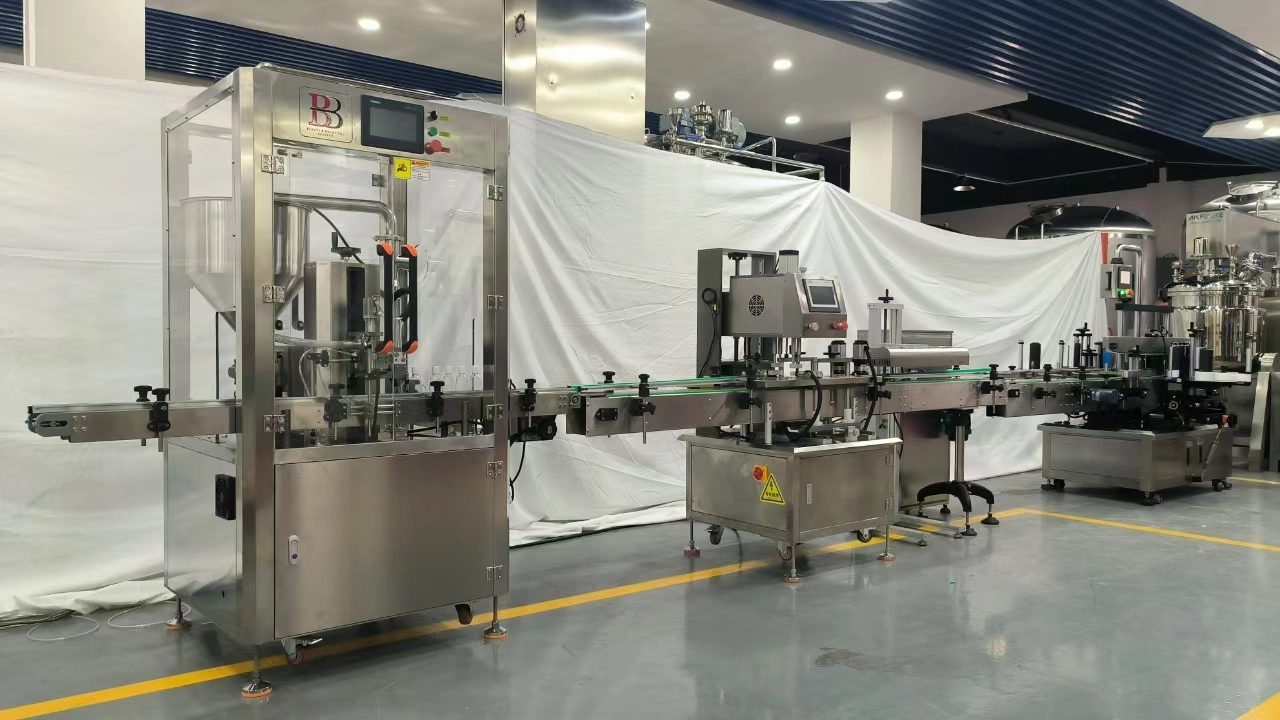
Understand the working principle of a servo gear pump filling machine!
Automatic Facial Mask Filling Machine
We want to fill products in multiple volumes (e.g., 5ml, 20ml, 50ml). Do we need to purchase multiple filling machines?
No, most facial mask filling machines support multiple volume adjustments. When purchasing, please confirm the machine's "volume adjustment range" (e.g., 5ml-50ml) to ensure it covers your desired specifications. Changing volumes simply requires modifying the fill volume parameters on the touchscreen.
Can you customize the machine?
Of course, we provide customized services according to customer needs.
Storage Tank
Who are we?
Our headquarters is located in Guangzhou, Guangdong, China, and our factory is located in Yangzhou, Jiangsu. Our products are sold all over the world. We have approximately 50 employees in our company and factory.
What can you buy from us?
RO Water Treatment、Vacuum Emulsifying Machine、Homogenizer Mixing Tank、Filling and Capping、labeling Machine、Packing Machine、Storage Tank,etc.
Inkjet Printing Machine
The printer isn't printing properly after a long period of inactivity. Is the printhead broken?
The printhead is most likely clogged due to dried ink, rather than complete damage. Prolonged inactivity is one of the main causes of inkjet printer clogs. Ink dries in the tiny nozzles, hindering ink flow. Try performing the automatic printhead cleaning procedure 2-3 times. If this doesn't work, remove the printhead, soak it in anhydrous alcohol for half an hour, then rinse (this requires professional operation; novice printers are advised to have the printer serviced). After the alcohol has completely evaporated, reinstall and test. It's recommended to perform a self-check at least once a week to prevent the printhead from drying out.
Get in touch with FULUKE
If you have any comments or good suggestions, please leave us a message, later our professional staff will contact you as soon as possible.
You May Also Like
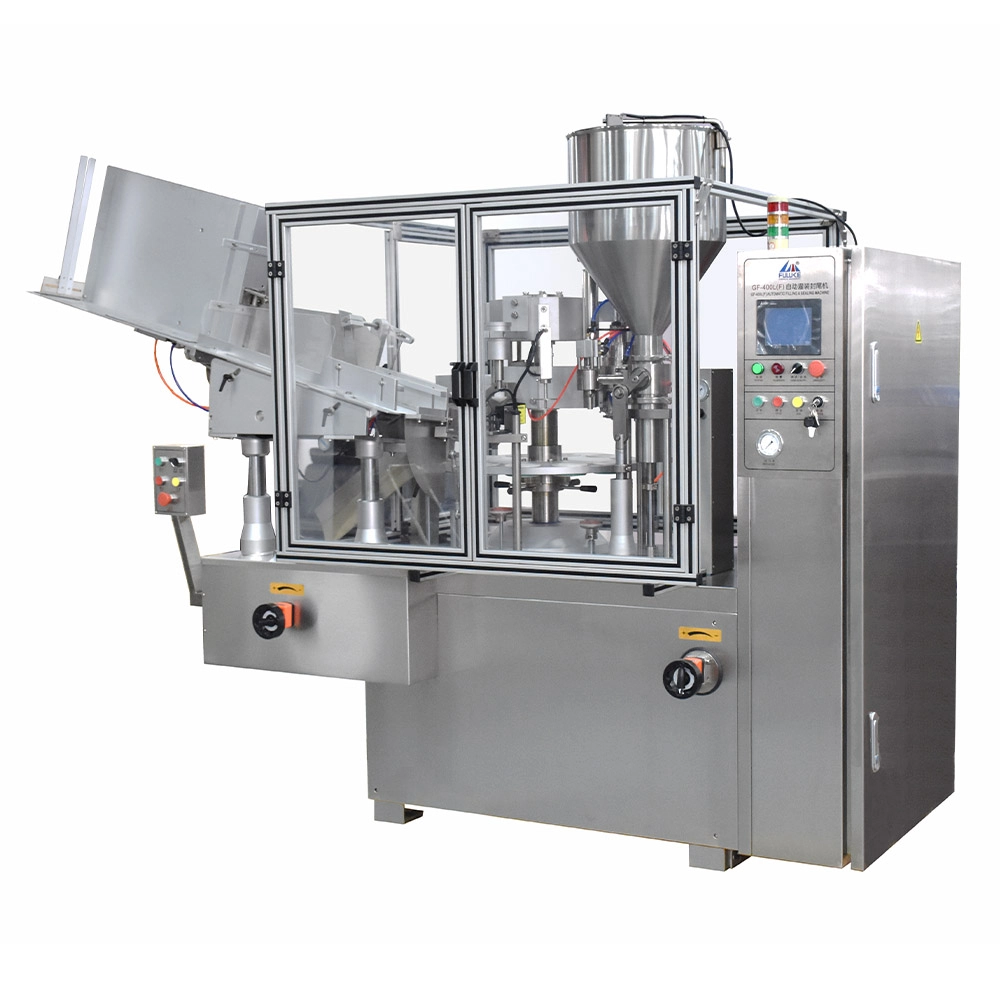
Automatic Tube Filling and Sealing Machine Toothpaste Sunscreen and Facial Cleanser Filling and Sealing Machine for Plastic and Aluminum-plastic Tube
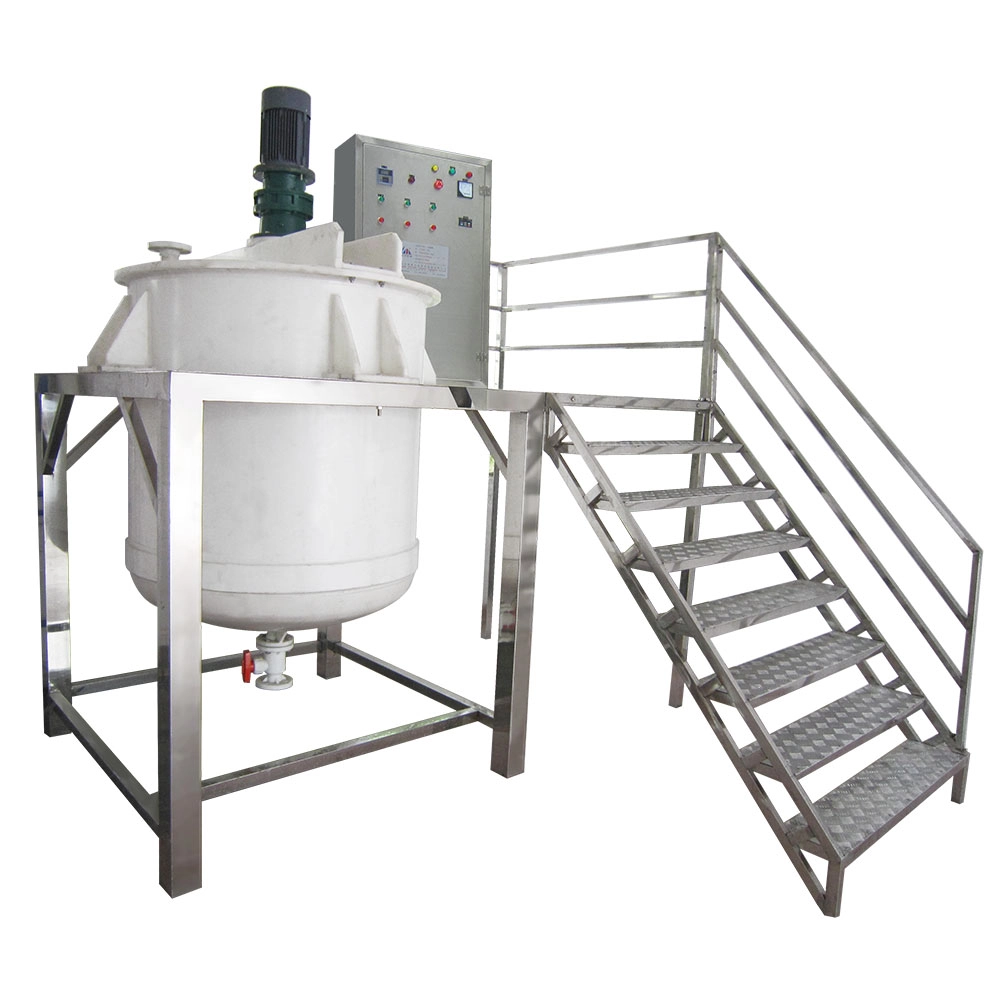
Polypropylene PP Mixing Tank Anti-Corrosion Mixer Reaction Kettle with Agitator Chemical Mixing Vessel
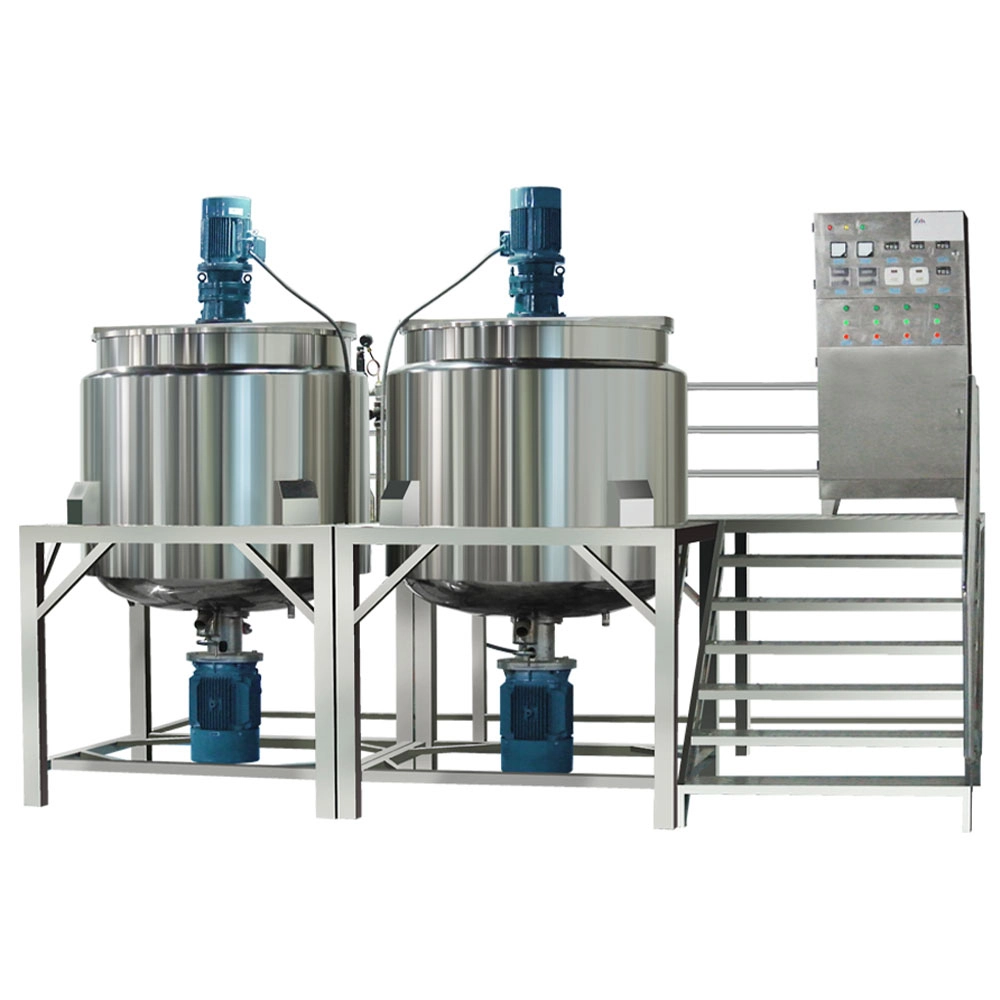
Flip Cover Multi-function Liquid Wash Mixing Tank Blender Liquid Detergent Mixer Homogenization Stirring Tank
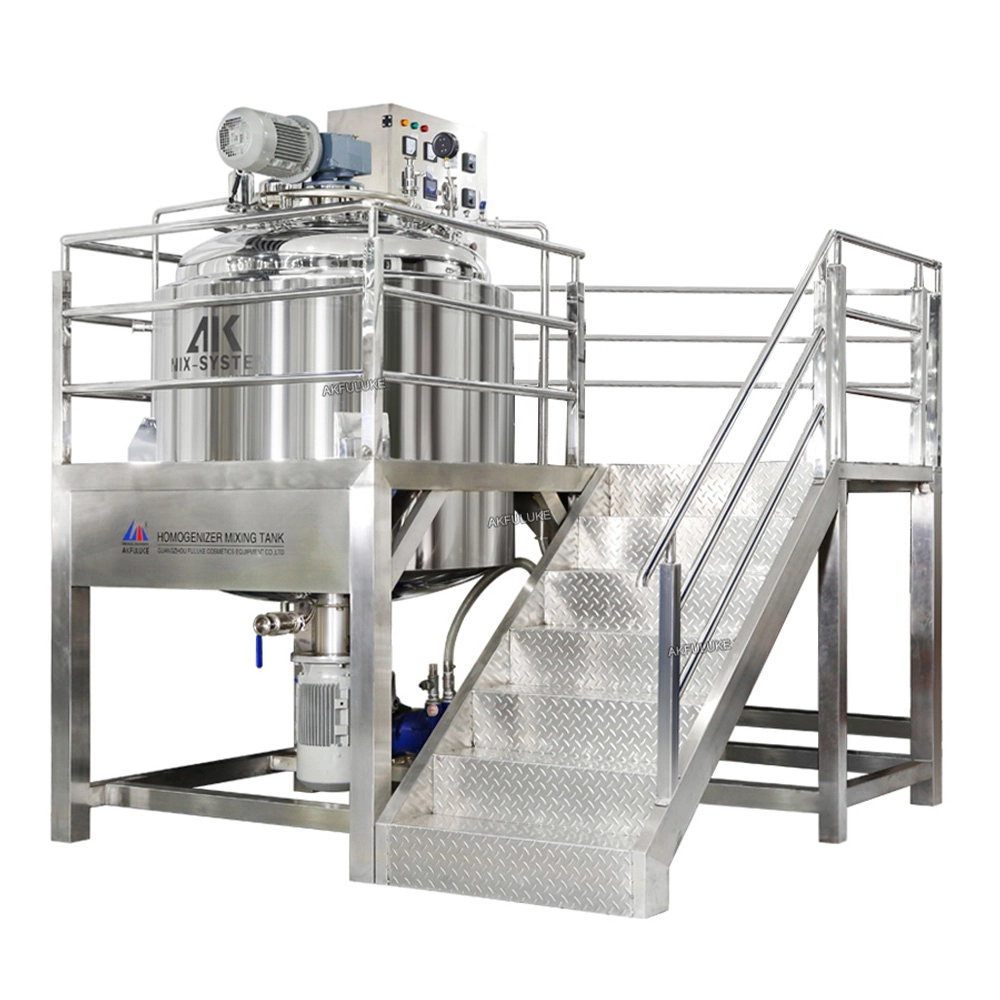
Stainless Steel Mixer Liquid Mixing tank with Agitator Homogenizing Mixing tank Vacuum Sealed Mixer Machine

A leading manufacturer specializing in advanced machinery and complete production lines for the cosmetics, food, pharmaceutical, and chemical industries worldwide.
Contact FULUKE
Facebook
Instagram
YouTube