
Which automation features improve operator efficiency?
- 1) How can I select a bottle filling machine that reliably doses highly viscous cosmetic serums without frequent nozzle clogging or excessive overfill?
- 2) Which automation features improve operator efficiency during frequent product changeovers on cosmetic filling lines?
- 3) What automation and sensor systems prevent foaming and minimize overfill when filling surfactant-based shampoos and body washes?
- 4) How can retrofitting a legacy bottle filling machine with PLC/HMI, servo motors and remote OEE monitoring improve throughput and reduce maintenance time?
- 5) What sanitary design and automated CIP features are essential to meet ISO 22716 for cosmetic filling and reduce operator cleaning time?
- 6) Which vision inspection and traceability automation features reduce recall risk and speed operator decision-making on cosmetic bottle lines?
As a manufacturer or line engineer selecting a cosmetic bottle filling machine, you need practical, testable answers — not marketing blurbs. Below are six specific, long-tail questions beginners and procurement teams often search for that rarely have deep, actionable answers online. Each section explains which automation features matter, why they work (with relevant industry standards such as ISO 22716 and CE where applicable), and steps to validate them before purchase or retrofit. We embed proven industry concepts — volumetric and piston fillers, servo drives, PLC/HMI recipe control, CIP, vision inspection, and MES integration — so you can specify equipment that improves operator efficiency and product quality.
1) How can I select a bottle filling machine that reliably doses highly viscous cosmetic serums without frequent nozzle clogging or excessive overfill?
Why this matters: Cosmetic serums and creams are shear-sensitive and viscous. Wrong pump/nozzle choices cause stringing, clogging, long clean cycles and overfill — increasing material waste and operator interventions.
Key automation and design features to require:
- Pump type matched to rheology: progressive cavity (rotor–stator) and piston/servo-driven piston pumps are preferred for high-viscosity, abrasive or shear-sensitive serums. Peristaltic pumps are lower-shear but limited at higher viscosities; gear pumps can shear and are less forgiving for particulates.
- Servo-controlled dosing: a servo-driven piston allows precise, repeatable volumetric shots with programmable profiles (ramp, dwell, slow-fill) to reduce stringing and eliminate sudden pressure spikes that cause splashing or foam.
- Anti-drip, bottom-up or pre-rinse nozzles: bottom-up filling (nozzle enters bottle and lifts as fill completes) and anti-drip valves reduce air entrapment and stringing, lowering operator cleanup time.
- Heated or jacketed manifolds and agitation: for thixotropic formulas, a low-shear agitator and mild jacket heating (if formula permits) maintain flow without denaturing actives. Specify temperature control and safety interlocks.
- Quick-disassemble product contact parts: tool-less clamps, tri-clamp fittings and standardized nozzles reduce changeover and cleaning time for operators.
- Closed-loop flow or mass measurement: Coriolis or high-accuracy flow meters integrated with PLC/HMI enable feedback to correct volumetric drift and ensure fill accuracy within tight tolerances (high-precision volumetric fillers commonly achieve ±0.5% to ±1% accuracy depending on volume and viscosity).
Validation steps operators can perform before purchase/acceptance:
- Request a FAT with your exact formulation at production temperature. Insist on running at design speed for a minimum continuous run (e.g., 30–60 minutes) and inspect nozzle performance for stringing and drip.
- Measure weight-based CV (coefficient of variation) across multiple bottles to confirm fill accuracy and consistency. High-precision lines target CV values much lower than manual dosing.
- Verify changeover time by having your operators perform a simulated product change using provided quick-change parts and record elapsed time and cleaning steps.
2) Which automation features improve operator efficiency during frequent product changeovers on cosmetic filling lines?
Why this matters: Cosmetic lines often run short SKU campaigns. Long manual changeovers are a major cause of downtime, operator error and lost OEE.
Essential automation features that reduce operator time and cognitive load:
- Recipe-based PLC/HMI control: store complete machine recipes (fill volume, nozzle height, pump profile, conveyor speed) so operators recall settings instantly. Good HMIs show step-by-step guided changeover prompts and interlocks to prevent missed steps.
- Tool-less quick-change mechanical modules: nozzle banks, product manifolds and star wheels on modular cassettes with kinematic locating reduce mechanical alignment time from hours to minutes.
- Automatic height and position adjusters: servo-driven bottle centering, adjustable star wheels and capper height actuators remove manual shimming and re-measuring for each bottle family.
- Color‑coded, poka-yoke components and barcode-assisted changeover: scanned SKU barcode triggers the correct recipe and highlights the required spare parts/tools on the HMI, reducing operator cognitive load and errors.
- Pre-programmed CIP/cleaning recipes: automatic rinse and drain routines that can be selected per-product reduce manual cleaning steps between runs.
How to verify effectiveness on-site:
- Time a full end-to-end changeover (including mechanical swaps and recipe loading) performed by your usual operators. Compare to current baseline and evaluate operator feedback for missing ergonomic improvements.
- Test barcode/recipe handoff by intentionally selecting mismatch SKUs to ensure the machine locks out unsafe combinations until corrected.
3) What automation and sensor systems prevent foaming and minimize overfill when filling surfactant-based shampoos and body washes?
Why this matters: Foam causes inaccurate level detection and rejects, increasing operator inspection and rework.
Effective automation controls and sensors:
- Bottom-up or submerged filling nozzles: filling from the bottom reduces turbulence and air entrainment, minimizing foam formation and reducing operator rework.
- Adaptive fill profiles via servo control: ramp-fill then slow finish allows foam to settle mid-cycle before final top-off. Programmable fill stages can be tuned per SKU and stored in recipes.
- Inline deaeration and vacuum degassing: for highly foaming formulas, an upstream deaerator reduces entrained air and variance that would otherwise require operator intervention.
- Dedicated foam sensors or optical level detection: ultrasonic or capacitive sensors often misread foam; dedicated foam sensors or vision systems tuned to detect actual liquid level reduce false rejects and operator checks.
- Closed-loop flow measurement: mass or volumetric flow meters feed back to the PLC to correct target fills in real time and prevent systematic overfill that wastes product and requires operator reconciliation.
Implementation tips for operators:
- Run a foam characterization test (stir/flow/temperature permutations) during FAT to tune fill stages. Document the optimal profile as a recipe.
- Verify sensor reliability at line speed and with different bottle shapes; vision systems often require lighting adjustments to avoid false triggers that create unnecessary manual inspections.
4) How can retrofitting a legacy bottle filling machine with PLC/HMI, servo motors and remote OEE monitoring improve throughput and reduce maintenance time?
Why this matters: Capital constraints often favor upgrading existing assets rather than replacing entire lines. Retrofits can increase operator efficiency if done correctly.
Proven retrofit features and expected operator benefits:
- PLC/HMI upgrade with recipe management: eliminates manual knob/timer adjustments and ensures repeatability across operators.
- Servo motor integration for critical axes (dosers, index tables, stoppers): improves synchronization, reduces cycle time variability, and simplifies diagnostics.
- OEE and remote monitoring (IIoT): dashboards exposing uptime, rejects, and cycle counts enable operators and supervisors to prioritize fixes rather than firefighting. Data can drive targeted operator training.
- Condition monitoring sensors: vibration, temperature and current sensors on bearings and motors enable predictive maintenance alerts. Operators receive automated maintenance prompts reducing surprise downtime and unplanned interventions.
How to scope a retrofit project so operator efficiency actually improves:
- Define target KPIs with operators (reduced set-up time, fewer manual interventions per hour, target throughput). Use these to size controls upgrades.
- Prefer modular retrofits that keep proven mechanical parts intact while replacing control/electrical subsystems. This lowers integration risk and preserves known mechanical tolerances.
- Budget for operator training and a commissioning window where production is reduced while staff learns new HMI workflows. An operator-friendly HMI reduces errors and accelerates changeovers.
Validation: run a 72-hour pilot with operators using the upgraded control system and compare baseline OEE and mean time between operator interventions. Document observed reductions in manual adjustments and support needs.
5) What sanitary design and automated CIP features are essential to meet ISO 22716 for cosmetic filling and reduce operator cleaning time?
Why this matters: Although cosmetic regulation varies by market, ISO 22716 is widely adopted as the GMP standard for cosmetics. Sanitary design reduces cross-contamination risk and operator cleaning workload.
Sanitary design and CIP automation to specify:
- 316L stainless steel product contact surfaces, electropolished finishes, and no dead legs: these are standard hygienic practices to reduce residue buildup and simplify operator cleaning tasks.
- Tri-clamp fittings and quick-release clamps: enable fast disassembly and reassembly during scheduled maintenance with minimal tools.
- Integrated automated CIP with programmable recipes: automated rinse–alkaline–acid–sanitizer cycles with temperature and flow monitoring reduce manual handling of chemicals and operator exposure. CIP recipes should be stored in the HMI and linked to SKU changeovers.
- Spray balls, drain angles and validated drain times: ensure full drainage without manual flushing; operators save time during changeovers and shift cleaning.
- In-line conductivity or turbidity sensors for rinse validation: automate pass/fail checks so operators do not perform repeated visual inspections. The system should log validation data for batch records.
Operational checklist for compliance and operator efficiency:
- Require FAT/CIP trials with your cleaning agents and contact times to validate automated cycles and drain times.
- Ensure the HMI provides clear CIP status, safety interlocks and step-by-step prompts for any manual steps to be performed by operators.
- Confirm the machine vendor provides GMP documentation aligned with ISO 22716 and CE machine documentation where required by your market.
6) Which vision inspection and traceability automation features reduce recall risk and speed operator decision-making on cosmetic bottle lines?
Why this matters: Cosmetics recalls or quality investigations cost time and reputation. Operators need fast, reliable inspection automation and traceability data to act without halting lines for manual checks.
High-impact automation features for inspection and traceability:
- Multi-camera vision systems: verify fill level, cap presence, label placement, and front/back graphics in one pass. Modern vision systems can trigger real-time operator alerts with cropped images to speed troubleshooting and reduce unnecessary stops.
- Integrated barcode/QR serialization and MES connectivity: capture batch numbers and component traceability at the point of filling. When combined with a reject station, operators can isolate bad lots quickly and retrieve images and telemetry for root-cause analysis.
- Automated reject and ejection mechanisms with accumulation: prevents manual sorting and reduces operator contact with products that need inspection, saving time and limiting contamination risk.
- Real-time OEE/dashboards and root-cause logging: when an inspection fault occurs, the system should display the last N rejects with timestamps and images so operators can make rapid corrective actions rather than running repeated manual checks.
How operators should use these features:
- Set tiered alarm thresholds: minor deviations are logged and shown to operator without line stop; severe faults trigger automatic halt. This reduces unnecessary stoppages while ensuring safety-critical issues stop production immediately.
- Train operators to use the vision system’s image history to confirm whether a recent change (e.g., new label roll) caused defects before stopping the line for manual inspection.
- Ensure traceability data (images, batch IDs, timestamps) are archived in a retrievable format to expedite regulatory queries or customer complaints.
Standards and compliance note: vision and serialization systems should integrate with your quality and ERP/MES system and comply with data retention policies required by markets you sell into. This supports regulatory inquiries and improves the speed of operator response during events.
Conclusion: Advantages of Choosing Automation Features That Improve Operator Efficiency
When you specify a bottle filling machine for cosmetic production, prioritize servo-driven dosing, recipe-based PLC/HMI, quick-change mechanics, CIP automation, foam-control fills and integrated vision/traceability. These elements reduce manual interventions, shorten changeover and cleaning times, lower reject rates, and give operators actionable data so they can make decisions faster. Conformity to standards (ISO 22716 for cosmetics GMP, CE machine directives where applicable) and validated FAT/CIP runs with your formulations are essential to ensure the technology actually delivers operator efficiency on the shop floor.
For tailored machine specifications, FAT validation plans, and retrofits for your cosmetic filling line, contact us for a quote: www.fulukemix.com or flk09@gzflk.com.

Understanding Servo Capping Machines: The Core Logic of Precise Capping – Understand the Entire Working Process in Seconds
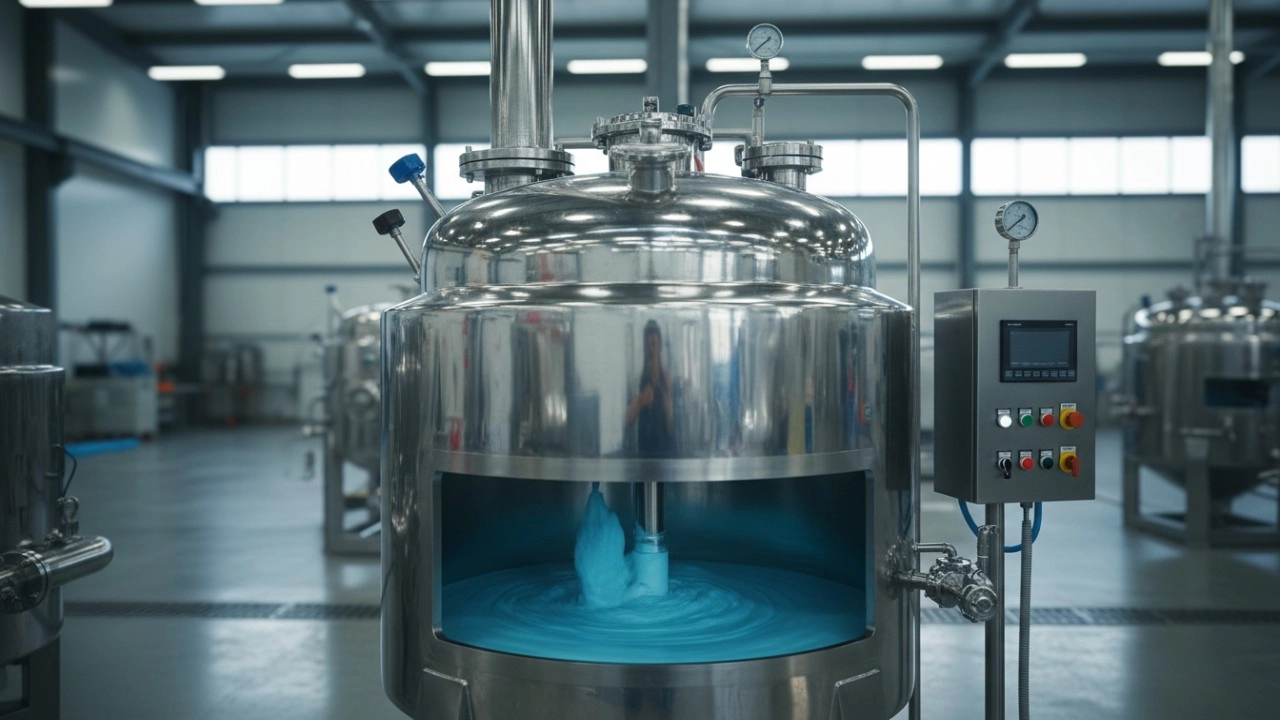
The Future of Industrial Agitation: 5 Smart Mixing Tank Technologies Changing the Game
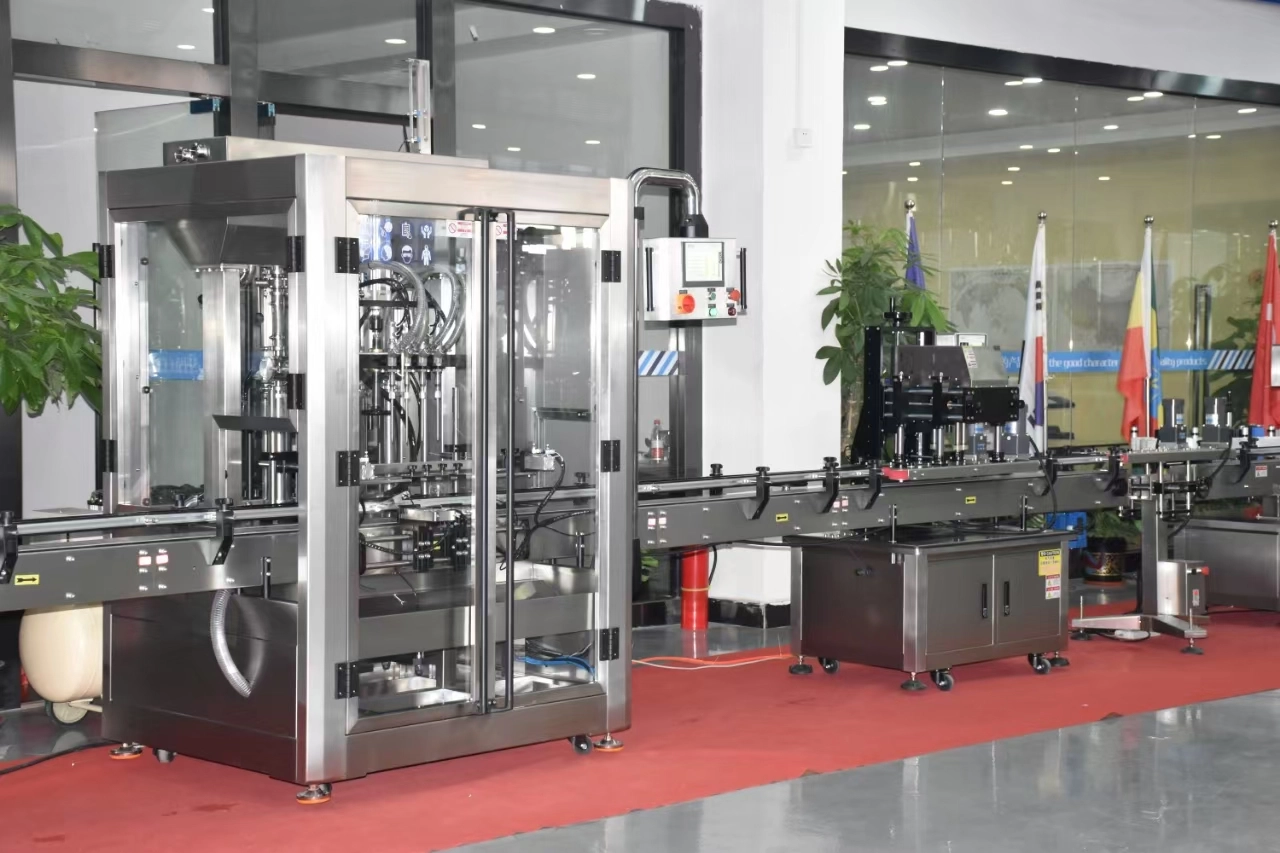
Gear pump filling machine vs. piston filling machine: Key differences broken down to avoid pitfalls in selection.
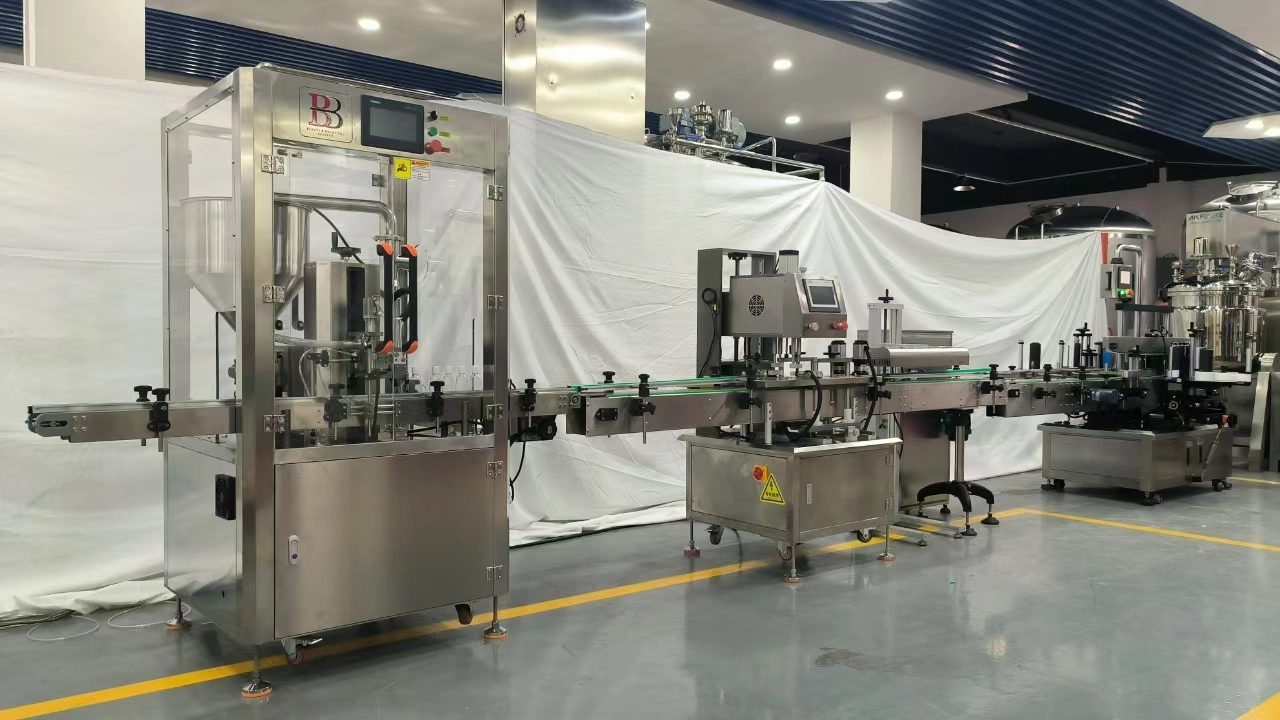
Understand the working principle of a servo gear pump filling machine!
Film Packaging Machine
Who are we?
Our headquarters is located in Guangzhou, Guangdong, China, and our factory is located in Yangzhou, Jiangsu. Our products are sold all over the world. We have approximately 50 employees in our company and factory.
Inkjet Printing Machine
What content can an inkjet printer print?
It can print text, time, date (Julian Year), logo, shift, SN, Dynamic Barcode/OR Code, Dynamic Serial Data, and Dynamic Database (additional content can be added as required).
The Flip Cover Liquid Wash Mixing Homogenizing Tank
What can you buy from us?
RO Water Treatment、Vacuum Emulsifying Machine、Homogenizer Mixing Tank、Filling and Capping、labeling Machine、Packing Machine、Storage Tank,etc.
Automatic Tube Filling and Sealing Machine
Do you have a complete production line for facial masks?
Of course, we can also provide high-speed facial mask folding machine + online weighing and rejecting machine + automatic sheet counting machine + automatic cartoning machine + automatic three-dimensional cigarette packaging machine + online inkjet printer, etc.
Automatic Capping Machine
What causes leakage or loose caps after capping?
Most likely, the capping torque parameters do not match the product characteristics. You can recalibrate the torque through the touch screen. If the problem persists, check whether the bottle clamp is too loose or whether there is any dimensional deviation in the cap.
Get in touch with FULUKE
If you have any comments or good suggestions, please leave us a message, later our professional staff will contact you as soon as possible.
You May Also Like
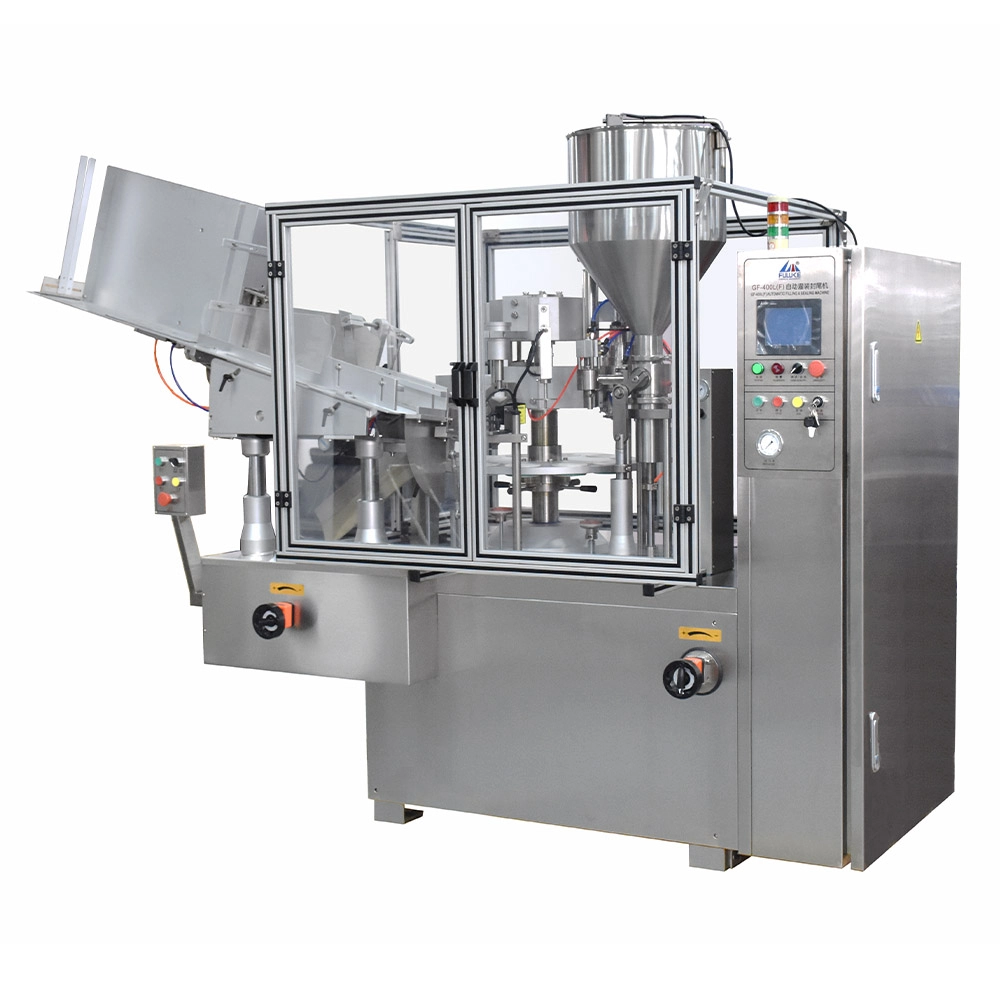
Automatic Tube Filling and Sealing Machine Toothpaste Sunscreen and Facial Cleanser Filling and Sealing Machine for Plastic and Aluminum-plastic Tube
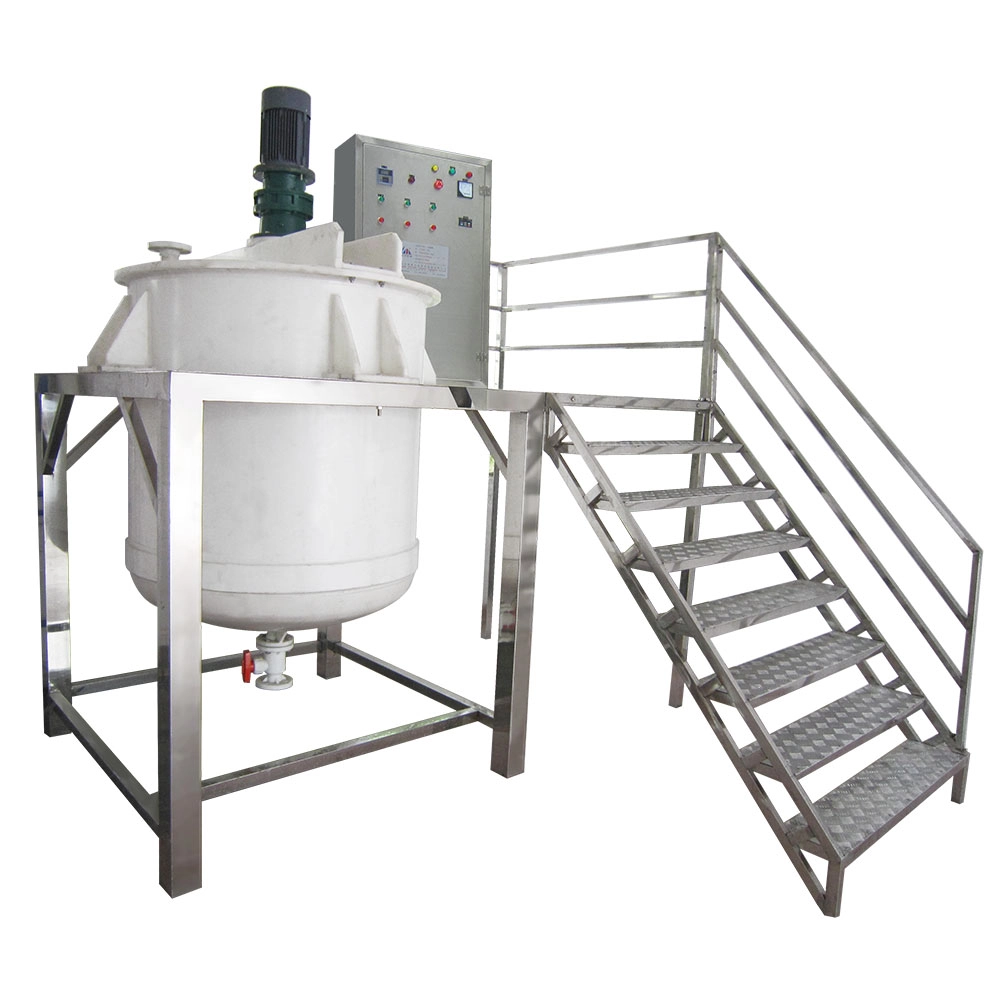
Polypropylene PP Mixing Tank Anti-Corrosion Mixer Reaction Kettle with Agitator Chemical Mixing Vessel
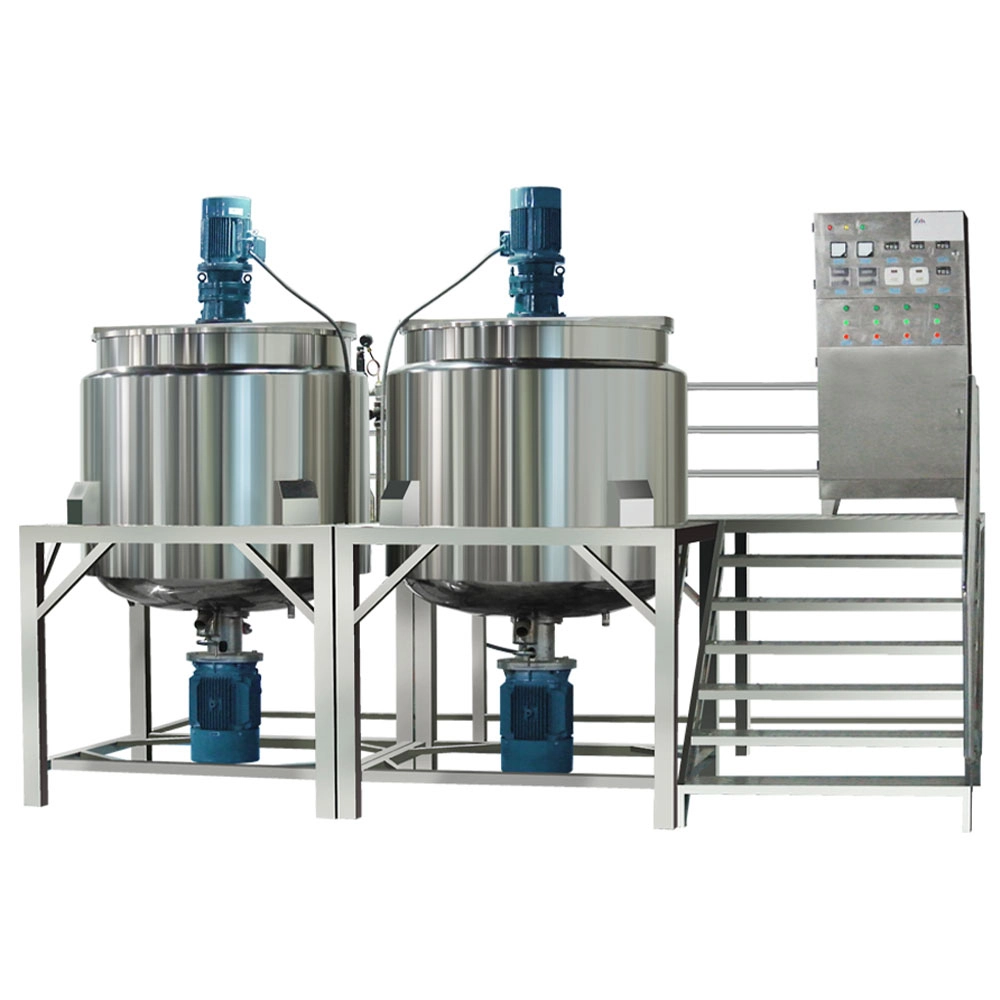
Flip Cover Multi-function Liquid Wash Mixing Tank Blender Liquid Detergent Mixer Homogenization Stirring Tank
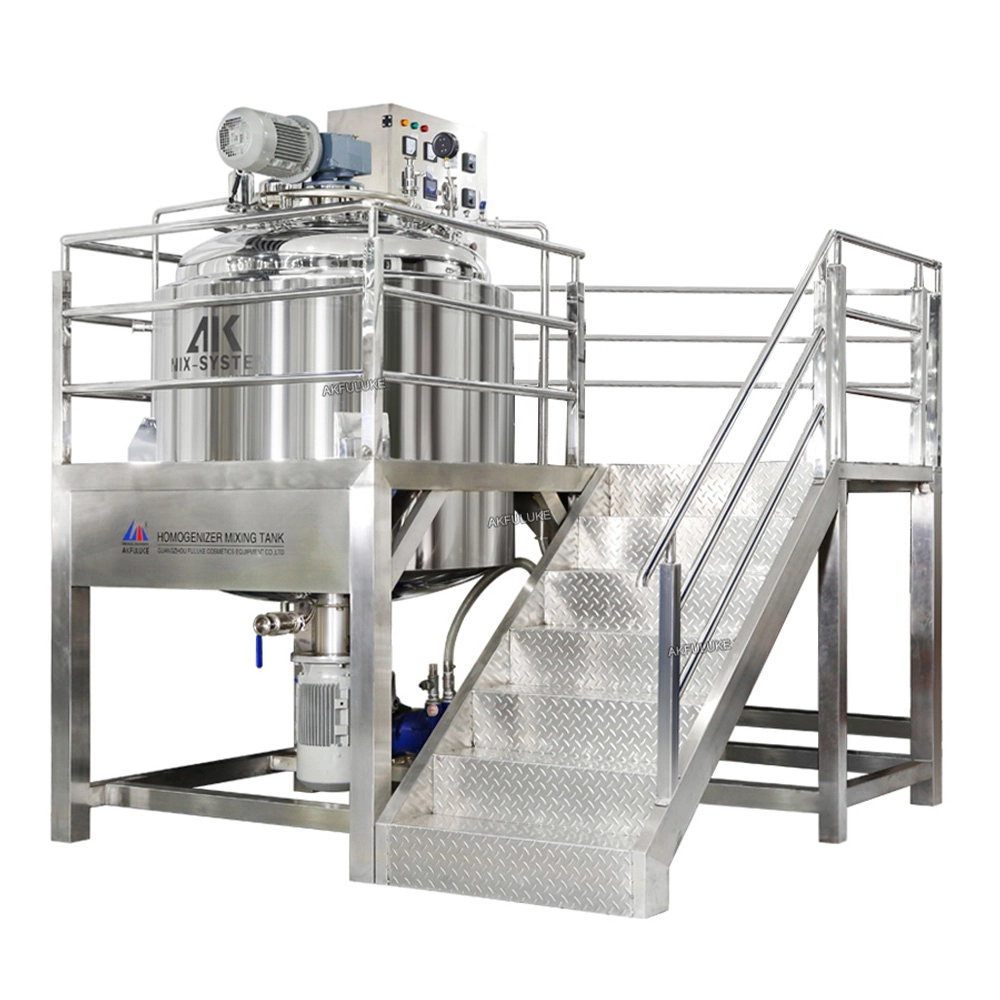
Stainless Steel Mixer Liquid Mixing tank with Agitator Homogenizing Mixing tank Vacuum Sealed Mixer Machine

A leading manufacturer specializing in advanced machinery and complete production lines for the cosmetics, food, pharmaceutical, and chemical industries worldwide.
Contact FULUKE
Facebook
Instagram
YouTube