
How to ensure compliance with cosmetic regulations?
- 1) How do I validate a bottle filling machine (IQ/OQ/PQ) for viscous creams to meet ISO 22716 and inspector expectations?
- 2) What are realistic filling accuracy tolerances and cycle times for servo-driven piston fillers vs peristaltic pumps when filling 30–250 mL cosmetic bottles?
- 3) How should I perform CIP/SIP and material compatibility testing for scented emulsions to prevent cross-contamination between product families?
- 4) What documentation and traceability evidence should a supplier provide to pass EU 1223/2009 cosmetic inspections for a filling line?
- 5) How do I choose explosion-proof components, ventilation, and controls when bottling solvent-based cosmetics to comply with ATEX and EU machinery rules?
- 6) How to ensure compliance with cosmetic regulations when buying a filling line—practical checklist for buyers?
- Concluding summary: Advantages of investing in compliant, efficient cosmetic bottle filling equipment
6 Specific Buyer Questions on Bottle Filling Machines and Ensuring Cosmetic Compliance
Choosing a bottle filling machine for cosmetic production requires both equipment know-how and regulatory awareness. Below are six long-tail, pain-point-focused questions beginners often ask but rarely find deep, actionable answers to. Each Q&A includes practical specifications, tests, and documentation steps you can use during vendor evaluation and procurement.
1) How do I validate a bottle filling machine (IQ/OQ/PQ) for viscous creams to meet ISO 22716 and inspector expectations?
Validation must prove the machine performs reliably within defined limits for the intended cosmetic product. Follow a three-stage IQ/OQ/PQ process tailored to viscous emulsions:
- IQ (Installation Qualification): Verify machine arrival against purchase order (model, serial, firmware). Confirm materials of contact are documented (e.g., 316L stainless steel) and surface finish specifications (target Ra <0.8 µm where product contact occurs). Collect certificates of conformity, CE declaration (Machinery Directive 2006/42/EC), and ATEX documentation if solvents are present.
- OQ (Operational Qualification): Run the machine empty and with a non-production surrogate to test all functions: servo-driven piston dosing, pump ramps, nozzle anti-drip, CIP cycles, recipe recall from PLC, safety interlocks, and HMI alarms. Define acceptance criteria: dosing repeatability (example target ±0.5–1.0% for high-precision piston fillers), cycle times, rejection thresholds on in-line checkweigher, and torque ranges for cappers. Record sensor calibrations and control parameters.
- PQ (Performance Qualification): Use production representative batches (actual cream formulation and containers). Demonstrate consistent fills across planned run lengths (e.g., 8 hour runs), capture SPC metrics (mean, sigma, Cpk for fill weight), monitor microbiological/particulate endpoints if required, and confirm CIP effectiveness between color/scent changes. Acceptance should include batch yield, % rejects < pre-agreed limit (e.g., <1–2% depending on product), and stable process capability (Cpk >1.33 where practical).
Documentation: attach FAT/SAT reports, calibration certificates for scales and flow meters, IQ/OQ/PQ protocols and results, SOPs for cleaning and changeover, and HAZOP if hazardous materials are used. ISO 22716 focuses on documentation and GMP; use these validation records during audits to demonstrate controlled processes.
2) What are realistic filling accuracy tolerances and cycle times for servo-driven piston fillers vs peristaltic pumps when filling 30–250 mL cosmetic bottles?
When selecting between piston fillers and peristaltic dosing, match machine capability to product rheology and accuracy needs:
- Servo-driven piston fillers:
- Typical filling accuracy: ±0.5% to ±1.0% for low-to-medium viscosity formulations when properly calibrated and maintained.
- Best for creams, lotions, and viscous gels with good shear stability.
- Cycle times: rotary piston fillers can run 50–400 bottles per minute (BPM) depending on station count and container size; linear piston fillers typically 10–120 BPM.
- Advantages: precise volumetric control, fast recipe changeover, and good repeatability with recipe management on PLC/HMI.
- Peristaltic pumps:
- Typical filling accuracy: ±1.0% to ±2.0% depending on pump head, tube wear, and viscosity.
- Best for shear-sensitive or particulate-containing products since product contacts only tubing (useful for small batch or allergen-sensitive runs).
- Cycle times: commonly 10–120 BPM for single-head systems; multi-head or manifold designs increase throughput.
- Advantages: minimal product contact surfaces, easy tubing changeover, reduced contamination risk for low-volume or sampling lines.
Practical buyer tip: request vendor process capability data (SPC charts), on-site demonstration with your formulation, and a report of fill-weight variability during FAT. Insist on integrated in-line checkweigher data and recipe-controlled closed-loop dosing for automatic compensation during runs.
3) How should I perform CIP/SIP and material compatibility testing for scented emulsions to prevent cross-contamination between product families?
Preventing scent or active carryover requires validated cleaning cycles and material compatibility checks:
- Map product families: Group formulations by risk: same preservative systems, solvent content, and fragrance intensity. Define worst-case products for cleaning validation.
- Material compatibility: Verify all product-contact components (piston seals, tubing, gaskets, nozzle coatings) are resistant to perfumes and solvents. Prefer USP-compatible elastomers (e.g., EPDM, FKM) for silicone and fragrance resistance; obtain manufacturer chemical compatibility data and material certificates.
- CIP protocol design: Use a multi-step validated sequence: rinse → alkaline wash (temperature, flow, ppm detergent) → intermediate rinse → acid passivation if needed → final rinse. For some formulations, include a solvent rinse (e.g., low-flash IPA) only if equipment and environment meet safety regs (ATEX). Record conductivity/TDS endpoints or TOC residual limits to confirm cleanliness.
- Validation: Perform swab and rinse tests on worst-case residues after CIP. Analytical endpoints can be UV/Vis for dyes/fragrances, GC-MS for volatiles, or total organic carbon (TOC). Set acceptance limits based on olfactory thresholds and toxicological risk (use challenge product concept). Repeat validation for multiple cycles and after scheduled maintenance.
- Operational controls: Use color-coding, physical product barriers, and PLC interlocks to restrict incompatible changeovers. Shorten changeover times with quick-disconnect nozzles and clean-in-place manifolds to avoid manual intervention and contamination risk.
Note: For sensitive products, consider single-use tubing assemblies or dedicated lines to eliminate cross-contamination risk and reduce validation burden.
4) What documentation and traceability evidence should a supplier provide to pass EU 1223/2009 cosmetic inspections for a filling line?
EU Regulation (EC) No 1223/2009 demands robust product safety and traceability. For equipment audits and inspectors you should collect:
- Manufacturer declarations: CE Declaration of Conformity, Machinery Directive compliance, EMC and if applicable ATEX certificates.
- Material certificates: 3.1/3.2 certificates for stainless steel (316L), elastomers, and food-grade plastics used in product contact zones.
- Surface finish documentation: measured Ra values and passivation records for welded areas; evidence of electropolishing if used.
- FAT and SAT reports: signed results showing functional performance with representative containers and formulations.
- IQ/OQ/PQ protocols and completed reports including calibration certificates for scales, flow meters, thermometers, and conductivity probes (traceable to national standards where possible).
- SOPs and batch records: cleaning SOPs, maintenance logs, changeover records, and operator training records (aligned with ISO 22716 requirements for GMP documentation).
- Traceability systems: evidence of recipe control, batch numbering, and electronic batch records or MES integration to link filled container batches back to raw material lots and operator actions.
Buyers should require a sample of the vendor’s machine serial-numbered spare parts list, preventative maintenance schedule, and recommended calibration frequency. These documents support ongoing compliance and simplify auditor queries during factory inspections.
5) How do I choose explosion-proof components, ventilation, and controls when bottling solvent-based cosmetics to comply with ATEX and EU machinery rules?
If formulations contain >0.1% volatile organic compounds that produce flammable atmospheres, ATEX and local electrical safety rules apply. Steps for compliance:
- Perform a DSEAR/ATEX risk assessment: Identify zones (0/1/2 for gases; 20/21/22 for dust). Classify the area around tanks, pumps, and filling heads.
- Specify ATEX-rated components: Motors, solenoids, sensors, and control panels must have appropriate Ex ratings (e.g., Ex d, Ex e, or Ex p) matching the zone classification.
- Ventilation and capture: Design local exhaust ventilation at filling points to capture vapors; calculate airflow to achieve adequate dilution and keep equipment out of hazardous zone when possible.
- Grounding and bonding: Ensure conductive parts and containers are properly earthed; include spark suppression and avoid non-conductive accumulation points.
- Documentation & CE marking: Vendor should provide ATEX certificates, risk assessment documentation, and updated Declaration of Conformity. Ensure machine protective documentation covers intended use with solvent-based products.
- Operational controls: SOPs for solvent handling, safe cleaning (avoid using hot work), and permit-to-work for maintenance in classified zones.
Engage a competent safety engineer early and request ATEX compliance documentation during procurement. Non-compliant retrofits are costly and risky.
6) How to ensure compliance with cosmetic regulations when buying a filling line—practical checklist for buyers?
Compliance is a combination of equipment features, validation, documentation, and operational controls. Use this buyer-ready checklist:
- Regulatory alignment: Confirm the supplier’s equipment documentation and procedures align with ISO 22716 (cosmetic GMP), EU Regulation 1223/2009, and FDA expectations for product safety and labeling (U.S. markets).
- Hygienic design: Product contact parts in 316L stainless, sanitary tri-clamp fittings, polished welds, minimized dead legs, and easy access for cleaning. Verify finish (Ra) and passivation reports.
- Validation-ready features: PLC recipe management, electronic batch records, data logging, integrated checkweigher, vision inspection-ready mounting, and ability to perform IQ/OQ/PQ.
- CIP/SIP capability: CIP circuits with validated parameters, drainability design, and materials compatible with detergents/solvents used.
- Quality controls: Built-in fail-safe interlocks, weight control, leak detection, and in-line automated capping torque verification to ensure sealed products and consistent packaging.
- Traceability: Serialization or batch code printing stations integrated in-line and linked to MES/ERP for full lot traceability.
- Documentation pack: FAT/SAT reports, material certificates, calibration records, spare parts list, SOP templates, and maintenance schedule. Ask for sample batch records and cleaning validation reports.
- Service & spare parts: Local service network, lead time for critical spares, training plans, and remote support (VPN) for PLC/HMI troubleshooting.
Insist on a vendor demonstration using your container and formula before purchase and include acceptance tests in the contract (e.g., three consecutive production shifts demonstrating fill variance and CIP efficacy).
Concluding summary: Advantages of investing in compliant, efficient cosmetic bottle filling equipment
Purchasing a filling line designed for cosmetic GMP and regulatory compliance reduces audit risk, lowers product carryover and rejects, improves batch traceability, and speeds time-to-market. Features such as servo-driven piston dosing, hygienic 316L product contact surfaces, validated CIP/SIP, PLC recipe management, integrated checkweigher and vision inspection, and ATEX-rated components for solvent products give you demonstrable control over safety, quality, and uptime. Proper IQ/OQ/PQ and documentation aligned with ISO 22716 and EU 1223/2009 ensure inspectors can readily verify your processes—saving time and cost during inspections and recalls.
If you need a tailored quote or a technical audit of your line, contact us for a quotation and on-site evaluation: www.fulukemix.com or email flk09@gzflk.com.

Understanding Servo Capping Machines: The Core Logic of Precise Capping – Understand the Entire Working Process in Seconds
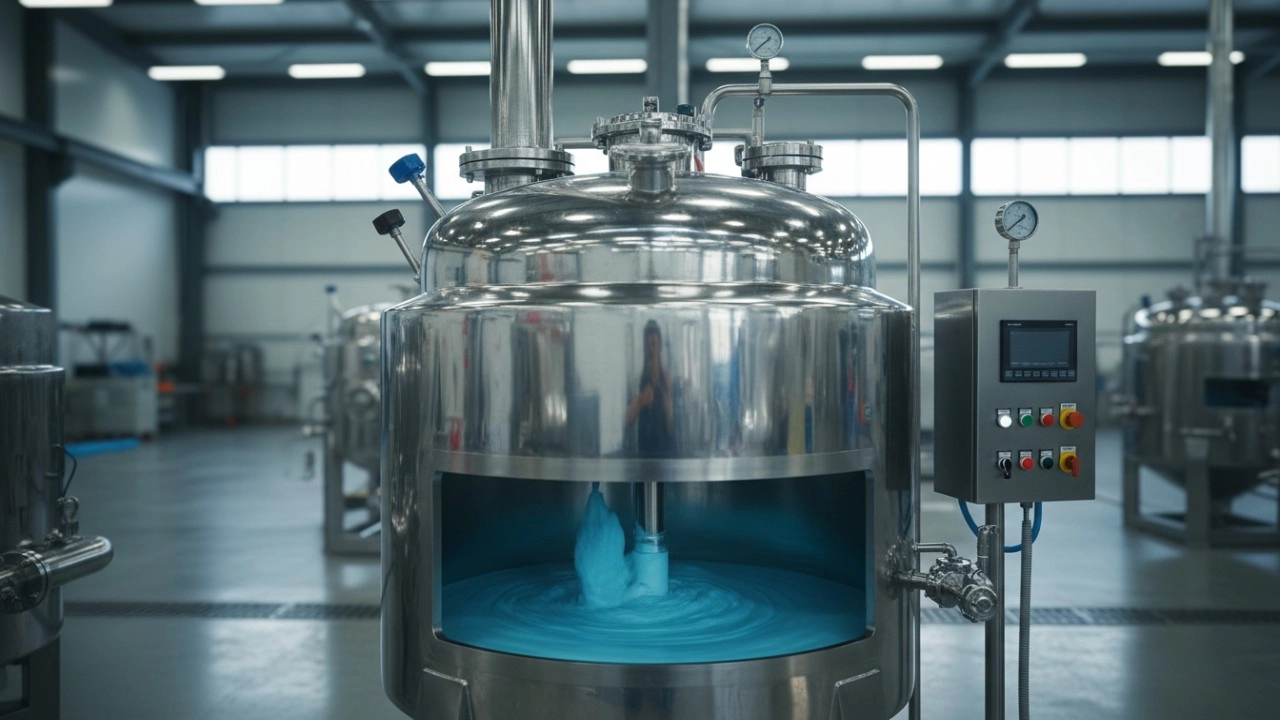
The Future of Industrial Agitation: 5 Smart Mixing Tank Technologies Changing the Game
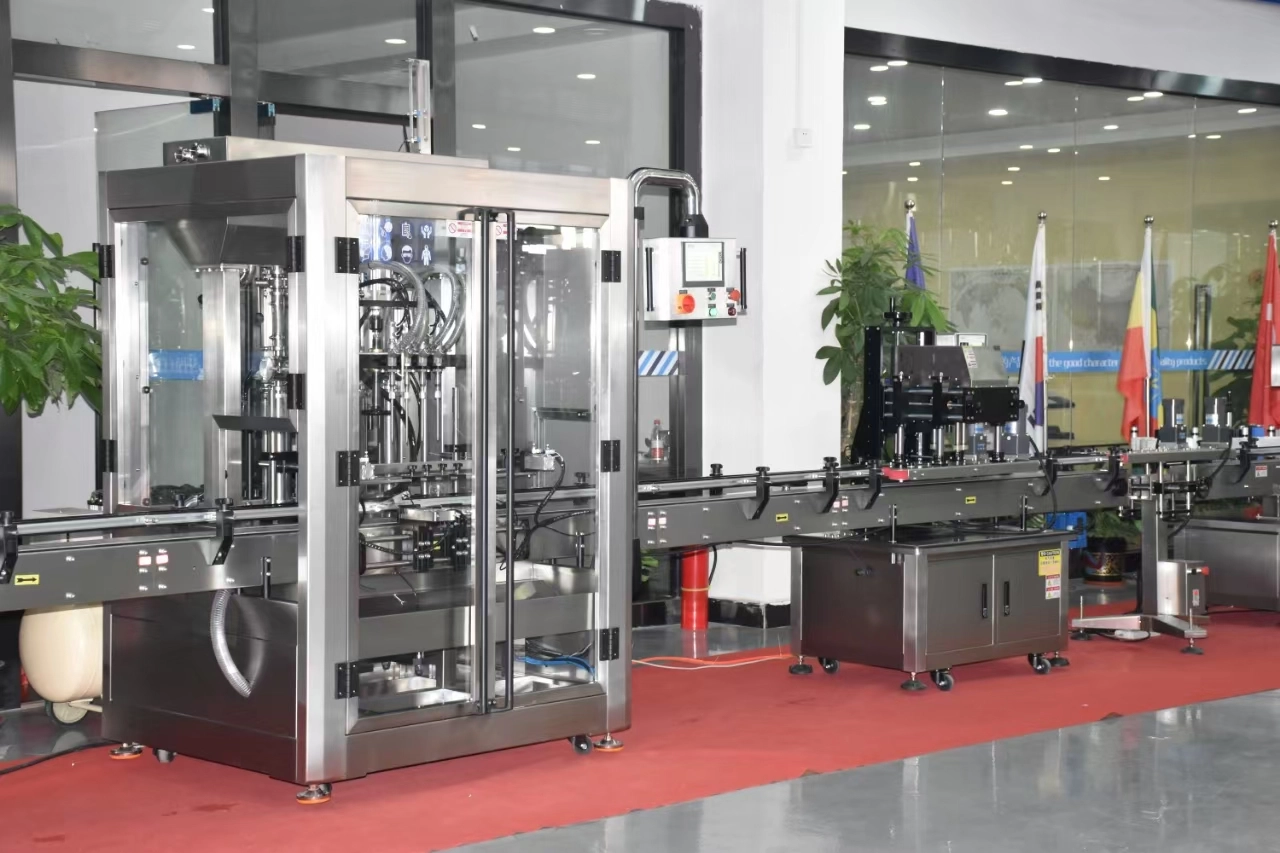
Gear pump filling machine vs. piston filling machine: Key differences broken down to avoid pitfalls in selection.
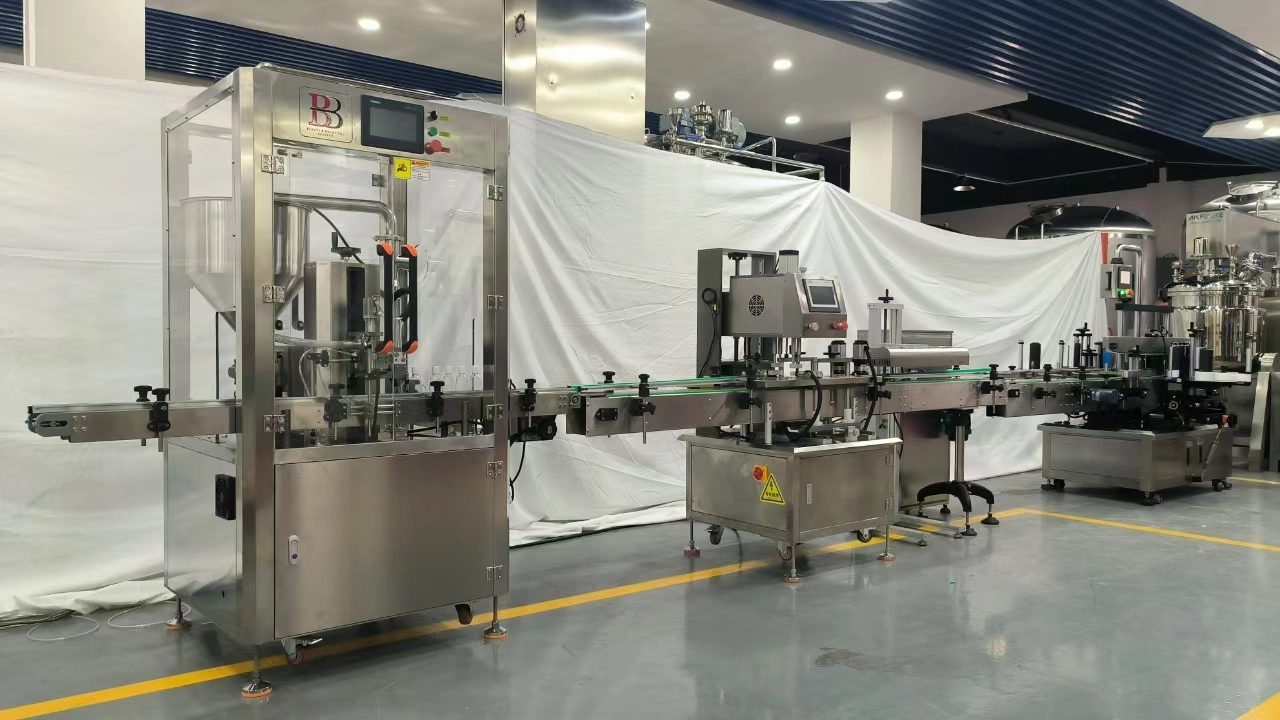
Understand the working principle of a servo gear pump filling machine!
The Flip Cover Liquid Wash Mixing Homogenizing Tank
Can flip cover homogenizing mixing tank ensure hygienic safety when handling materials such as food and cosmetics?
Material Compliance: The equipment's pot, agitator, homogenizer, and other material-contacting components are all made of 316L stainless steel, which is corrosion-resistant and easy to clean, meeting food-grade and cosmetic-grade hygiene requirements.
Easy Cleaning: The open-top design allows direct access to corners within the pot, allowing for thorough cleaning by hand or with tools.
Operational Specifications: The equipment can be disinfected before use (e.g., hot water for food processing). After use, cleanup any remaining material promptly to avoid cross-contamination.
Is it possible to not have a heating function?
Of course, if your product's production process doesn't require heating and cooling functions, then you can just make it a single-layer pot.
Automatic Tube Filling and Sealing Machine
Can you make a design for us?
Yes, we can, we provide not only products, but also solutions and designs.
Inkjet Printing Machine
Can you make a design for us?
Yes, we can, we provide not only products, but also solutions and designs.
Automatic Facial Mask Filling Machine
After purchasing the equipment, what after-sales services does the supplier typically provide?
General services include on-site installation and commissioning (including workshop layout planning), operator training (theoretical and practical training to ensure workers can operate independently), a one-year full machine warranty, and lifetime technical support (24-hour telephone and video troubleshooting).
Get in touch with FULUKE
If you have any comments or good suggestions, please leave us a message, later our professional staff will contact you as soon as possible.
You May Also Like
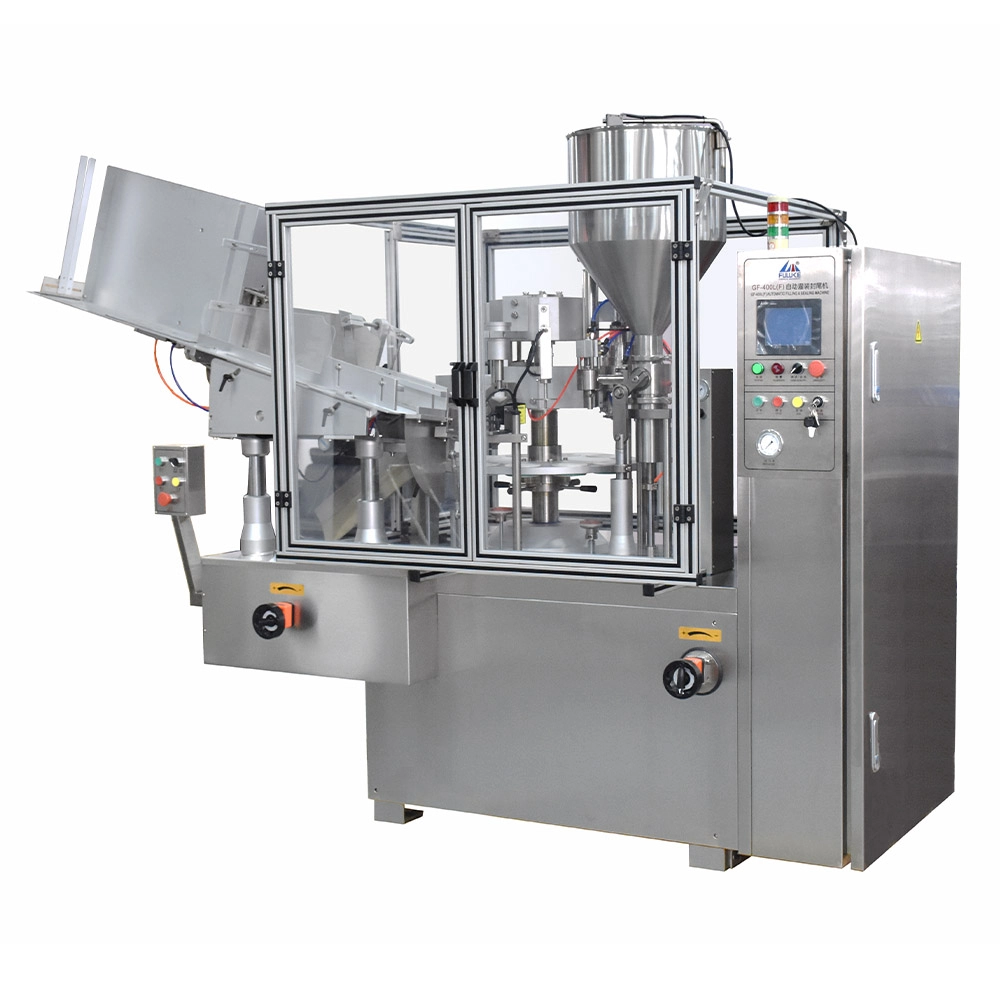
Automatic Tube Filling and Sealing Machine Toothpaste Sunscreen and Facial Cleanser Filling and Sealing Machine for Plastic and Aluminum-plastic Tube
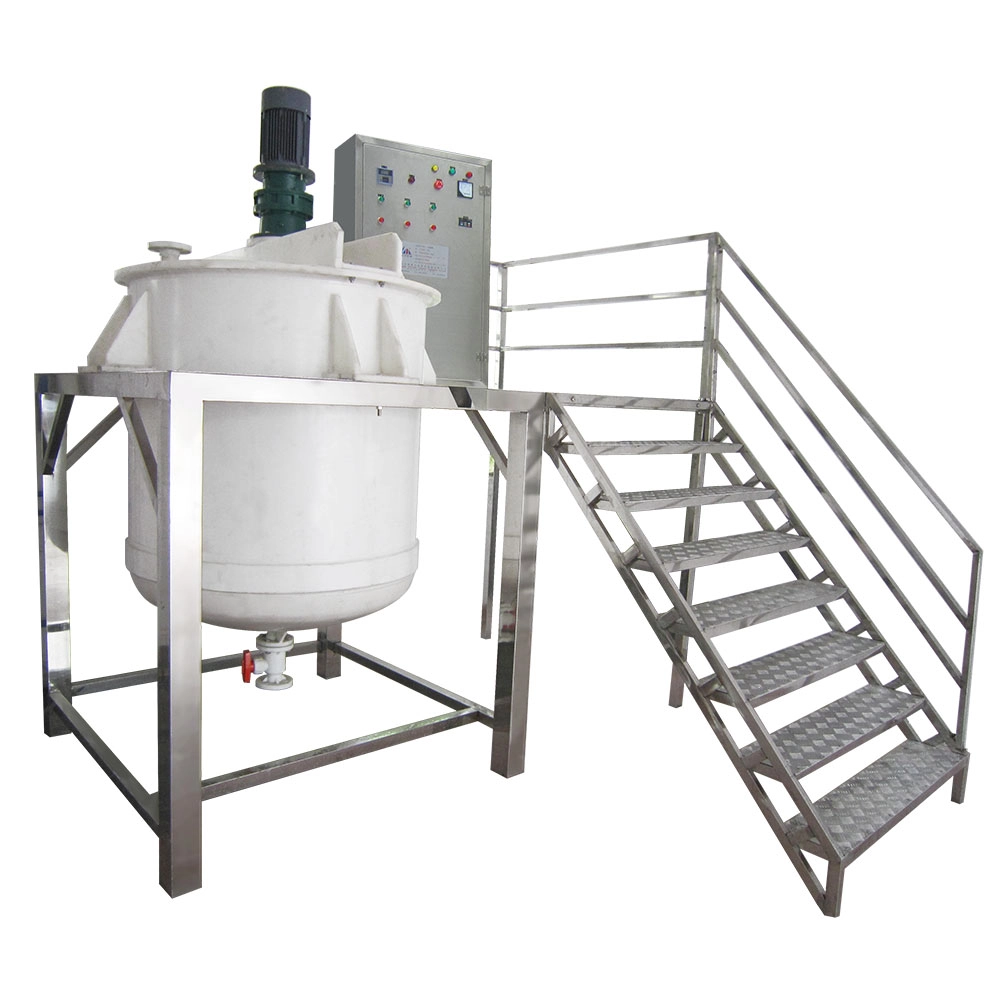
Polypropylene PP Mixing Tank Anti-Corrosion Mixer Reaction Kettle with Agitator Chemical Mixing Vessel
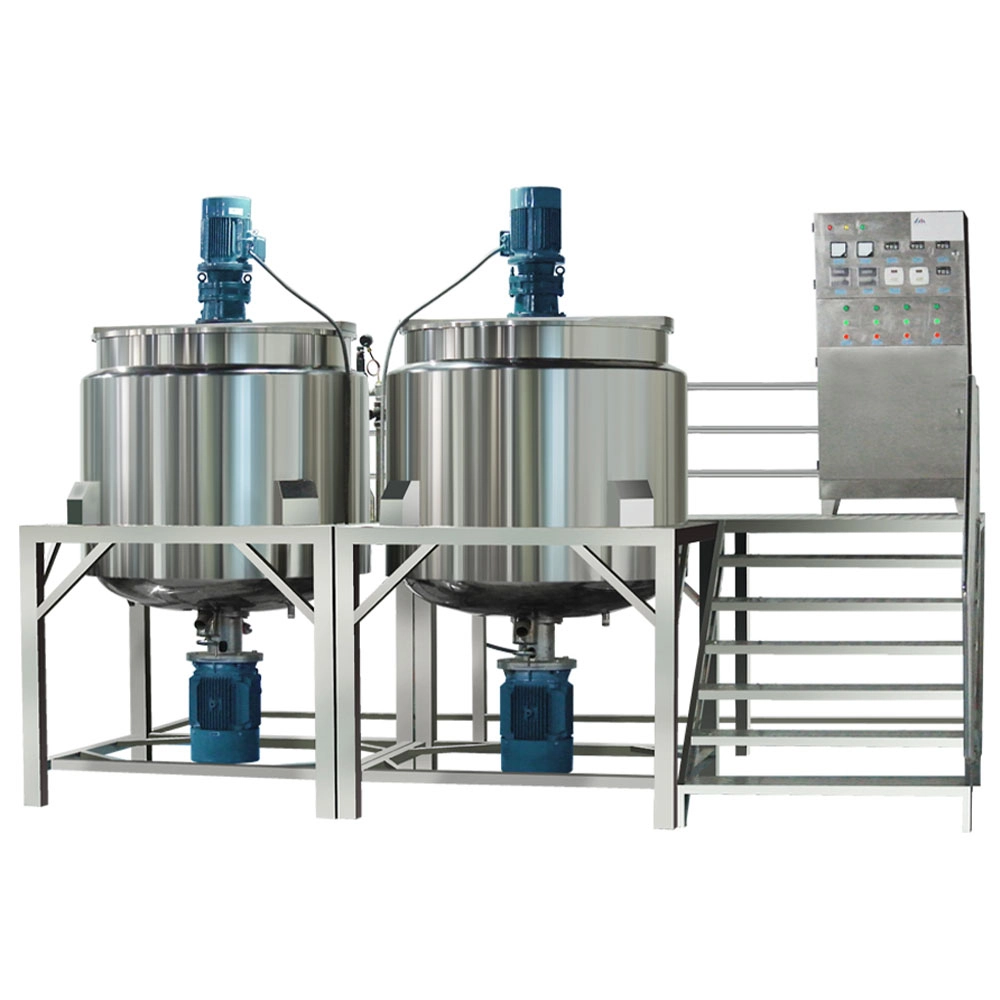
Flip Cover Multi-function Liquid Wash Mixing Tank Blender Liquid Detergent Mixer Homogenization Stirring Tank
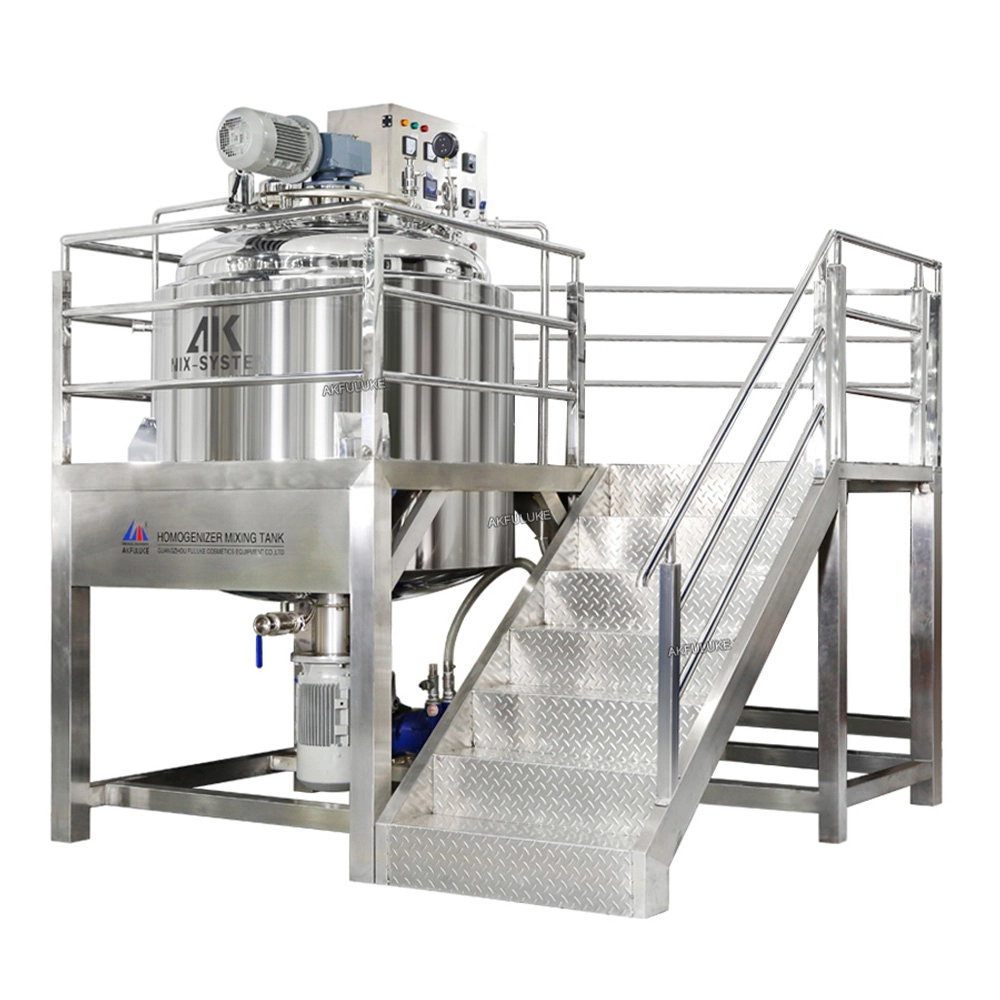
Stainless Steel Mixer Liquid Mixing tank with Agitator Homogenizing Mixing tank Vacuum Sealed Mixer Machine

A leading manufacturer specializing in advanced machinery and complete production lines for the cosmetics, food, pharmaceutical, and chemical industries worldwide.
Contact FULUKE
Facebook
Instagram
YouTube