
What are common causes of fill deviation?
- 1) Why does my 12-head rotary bottle filling machine underfill only on one lane while the other 11 lanes are within tolerance?
- 2) What causes intermittent overfill spikes on a servo piston filler handling viscous creams, and how can I eliminate them?
- 3) How can I stop foaming and inconsistent fills when bottling surfactant-based shampoos on an in-line filling machine?
- 4) Why does my peristaltic filling line drift 1–3% over an 8‑hour run and what long-term stabilizations are available?
- 5) What preventive maintenance checks reduce fill deviation on a high-speed automatic liquid filling machine (120 BPM) used for cosmetic serums?
- 6) How do variations in bottle shape, neck finish, and mouth diameter cause fill deviation on a multi-head rotary filler, and how should I compensate during changeovers?
- Concluding summary: Advantages of applying these diagnostics and choosing the right equipment
Bottle Filling Machine: In-Depth Causes of Fill Deviation and Fixes for Cosmetic Lines
When purchasing or troubleshooting an automatic liquid filling machine for cosmetics, cosmetic formulators and production engineers need concrete, machine-level solutions—not generic advice. Below are six long-tail questions beginners frequently ask that often lack thorough answers online. Each question is followed by an evidence-based, practical answer that draws on industry-standard approaches (ISO 22716 compliance, flow and mass measurement practice) and real-world machine engineering fixes.
1) Why does my 12-head rotary bottle filling machine underfill only on one lane while the other 11 lanes are within tolerance?
Root causes to check (in order of probability): nozzle clogging or partial blockage, valve seat wear in that lane, manifold or distribution channel restriction, uneven pump delivery from the supply manifold, misaligned nozzle-to-bottle distance on the star wheel, or a malfunctioning lane-specific servo/actuator.
Diagnostic steps:
- Run the filler with clear water and observe the suspect lane: look for delayed start, shorter stroke, or spray pattern differences.
- Isolate the lane: swap the suspect nozzle/valve assembly with a known-good lane. If the problem moves, the nozzle/valve is the cause; if it stays, the manifold or piping for that lane is suspect.
- Use a portable flow meter (or temporarily install a clamp-on mass flowmeter) on the lane feed to detect lower flow compared with other lanes.
Common corrective actions:
- Replace or refurbish nozzle tips and valve seats on the affected lane; many cosmetic materials (silicone oils, serums) deposit residues that change seat geometry and leak or restrict flow.
- Inspect and clean the manifold and internal piping; replace seals and O-rings aged by heat or solvents that create micro-restrictions.
- Check star-wheel and gripper timing: mechanical eccentricity can change nozzle submersion causing partial fills on one lane.
- Consider installing lane-by-lane flow sensing or a multi-point manifold pressure gauge to detect imbalance in real time.
Buying note: when evaluating multi-head rotary fillers for cosmetics, choose models that offer easy nozzle removal, individual lane isolation, and optional per-head flow feedback. These features dramatically shorten troubleshooting and reduce giveaway.
2) What causes intermittent overfill spikes on a servo piston filler handling viscous creams, and how can I eliminate them?
Intermittent overfill spikes on servo piston fillers are commonly caused by trapped air in the product supply, inconsistent suction on the piston return stroke, temperature-driven viscosity changes, or pressure spikes from a feed pump. For viscous creams, small air pockets expand/contract and cause sudden extra volume on a dispense stroke.
Diagnostics and fixes:
- Verify tank and feed plumbing: install air-separators/degassing vents upstream of the piston. Degas the cream in the supply tank, and consider using a vacuum deaeration step if the formula entrains air.
- Install a level-controlled, jacketed supply tank to stabilize temperature (and viscosity). Many creams change viscosity across a few degrees, affecting piston volumetrics.
- Fit a refill buffer or bladder between the feed pump and piston to dampen pressure spikes. If using a gear pump, add a pulsation dampener or switch to a metering pump better suited for viscous, shear-sensitive fluids.
- Enable closed-loop control using a Coriolis mass flowmeter or in-line flow sensor to detect spikes and allow the PLC to reject or correct suspect cycles.
Purchase tip: specify a servo piston filler with integrated feedback (encoder and optional mass flow verification) and temperature-controlled supply when dosing viscous cosmetic creams—this reduces risk of giveaway and batch losses.
3) How can I stop foaming and inconsistent fills when bottling surfactant-based shampoos on an in-line filling machine?
Surfactant systems foam easily; foaming leads to apparent fills that collapse after a short time and to variable volumes. Causes include fill speed too fast, nozzle design that entrains air (air-diversion), product formulation changes (e.g., surfactant concentration), and insufficient product de-foaming/degassing upstream.
Practical solutions:
- Use submerged or low-disturbance filling nozzles (bottom-up or submerged fill) so the nozzle tip is below the liquid level as it fills, preventing air entrainment.
- Reduce fill velocity or implement multi-stage filling: fast bulk fill to a set level, pause for foam collapse, then top-up at low speed to target. Many in-line fillers support dual-speed programming.
- Install inline deaeration and product settling tanks with controlled residence time before the filler; for high-foam formulas, add controlled anti-foam dosing upstream in small ppm amounts under QC guidance.
- Consider gentle pump types (peristaltic or progressive cavity) that impart less shear and lower foaming than high-speed centrifugal pumps.
Regulatory note: any formulation change (anti-foam addition) must be validated per your QA protocols and documented under ISO 22716-style GMP requirements.
4) Why does my peristaltic filling line drift 1–3% over an 8‑hour run and what long-term stabilizations are available?
Peristaltic pumps are convenient for low-contamination fills but tube compression characteristics change with temperature, tube wear, and pump head tolerances—causing gradual volumetric drift. Tube relaxation and small slippage in the pump drive can produce measurable dosing drift over long runs.
Stabilization strategies:
- Implement a scheduled tube-change plan tied to runtime (not calendar-only). Tubing material hardness and wall thickness affect life; manufacturers often publish expected service hours—adhere to these.
- Control ambient and product temperature in the feed system. Use jacketed tubing or an environmental enclosure for the pump head if the production area experiences temperature swings.
- Use closed-loop dosing: pair the peristaltic pump with an in-line Coriolis or positive displacement flowmeter and let the PLC correct speed in real time to hit target mass/volume.
- For higher precision and reduced drift on thicker creams or long runs, consider switching to a servo-driven piston filler or a gear pump with electronic metering—these provide more consistent stroke volumetrics over long cycles.
Procurement note: assess total cost of ownership (tubing consumables, downtime for changeovers, accuracy requirements). Peristaltic pumps can be economical for small batches but may be suboptimal for long continuous cosmetic production without closed-loop measurement.
5) What preventive maintenance checks reduce fill deviation on a high-speed automatic liquid filling machine (120 BPM) used for cosmetic serums?
At high speeds, small deviations compound quickly. Preventive maintenance must be structured and frequent to ensure consistent dosing. Key checks and frequencies:
- Daily: Verify nozzle alignment and seating; inspect for visible residue on nozzles and valve tips; verify star-wheel or infeed timing and bottle indexing; run a short verification fill and record weights from the checkweigher.
- Weekly: Inspect valve seats and piston seals for wear; clean manifolds and strainers; check tank level sensors and pressure regulators; inspect servo encoder health and verify homing routines.
- Monthly: Full inspection of drive belts, cams, and gearboxes for wear; test and recalibrate flowmeters or checkweighers; examine pneumatic valves and solenoids for response time drift.
- Quarterly: Review PLC logs for error trends, update firmware if recommended by the OEM, and perform vibration analysis on pumps/rotary gearboxes to detect incipient failures.
Machine upgrades that improve long-term stability: embedded checkweigher feedback to PLC, per-head flow sensors, servo-driven filler heads with electronic stroke compensation, and automated self-cleaning nozzle cycles to avoid residue buildup.
6) How do variations in bottle shape, neck finish, and mouth diameter cause fill deviation on a multi-head rotary filler, and how should I compensate during changeovers?
Physical container variation affects nozzle engagement, liquid flow path, and final static head at the moment of cut-off. Problems include: inconsistent bottle heights (affecting submersion), eccentric necks causing off-center nozzles, variable mouth diameter changing splash and dribble, and different glass/plastic wetting characteristics affecting meniscus formation.
Changeover best practices and compensations:
- Use quick-change nozzle holders and adjustable floating nozzles that accommodate minor vertical and lateral bottle deviations while maintaining consistent submersion depth.
- Implement an automated vision or mechanical detection system at the infeed to reject out-of-spec bottles before they reach the filler. This prevents hidden geometry issues from manifesting as fill deviation.
- For containers with variable mouth diameter, use nozzles with anti-drip and flow-break features, and tune the cut-off timing per format. If using bottom-up filling, ensure nozzle enters sufficiently to prevent splash but not so far as to trap air.
- Standardize packaging tolerances with your supplier and include acceptable dimensional ranges in supplier contracts. Where possible, perform a trial run and record per-format PLC recipes (nozzle height, fill speed, top-up delay) so changeover data is repeatable.
Buying guidance: choose rotary fillers that include format recipe storage, fast tool-less changeover kits, and optional vision alignment—these reduce set-up time and minimize fill deviation across multiple container formats.
Concluding summary: Advantages of applying these diagnostics and choosing the right equipment
Applying the diagnostic approaches above and specifying the right features—servo piston control, mass-flow or Coriolis verification, submerged nozzles for foam-prone formulas, lane-by-lane flow feedback, and robust changeover tooling—delivers clear advantages: consistent fills that reduce giveaway and rework, faster troubleshooting and reduced downtime, regulatory alignment with ISO 22716-style GMP documentation, and better overall equipment effectiveness (OEE). Investing in sensors and closed-loop control typically pays back through fewer rejects and tighter net weight control.
For a tailored recommendation or equipment quote that matches your cosmetic formula, line speed, and packaging formats, contact us for a quote at www.fulukemix.com or email flk09@gzflk.com.
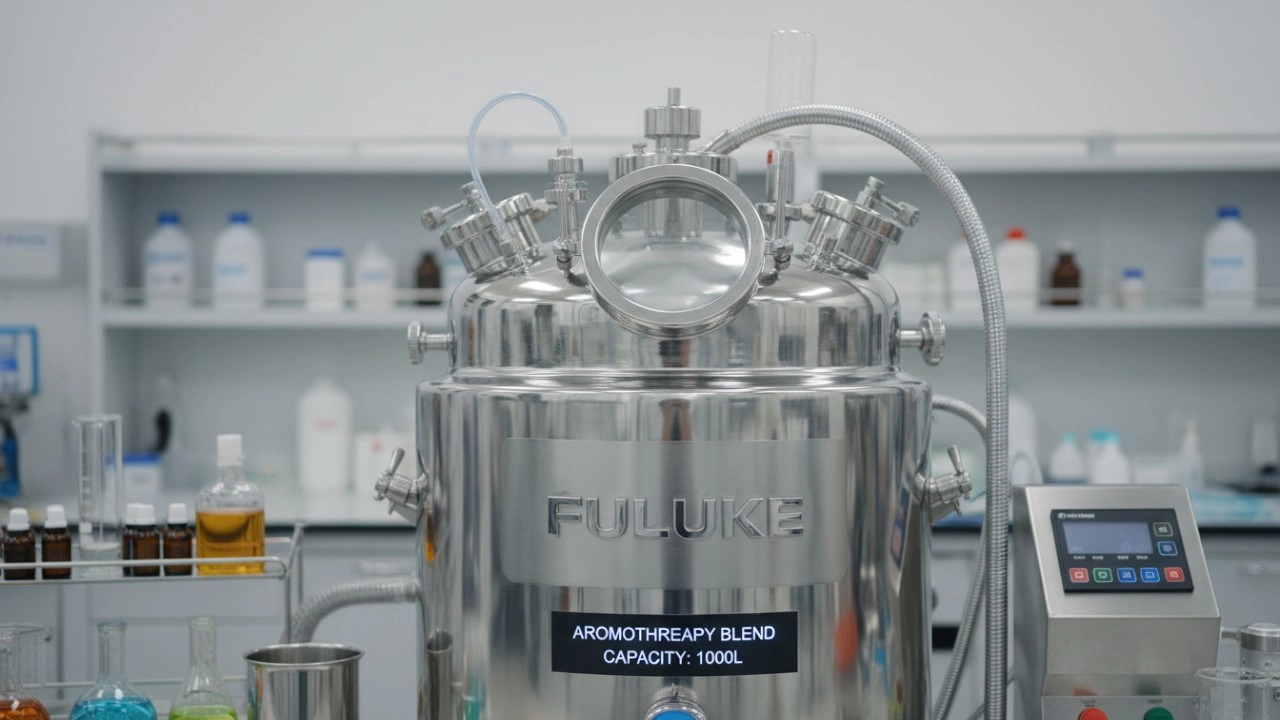
How Mixing Tanks Are Used in Aromatherapy & Cosmetics: The 2026 Guide
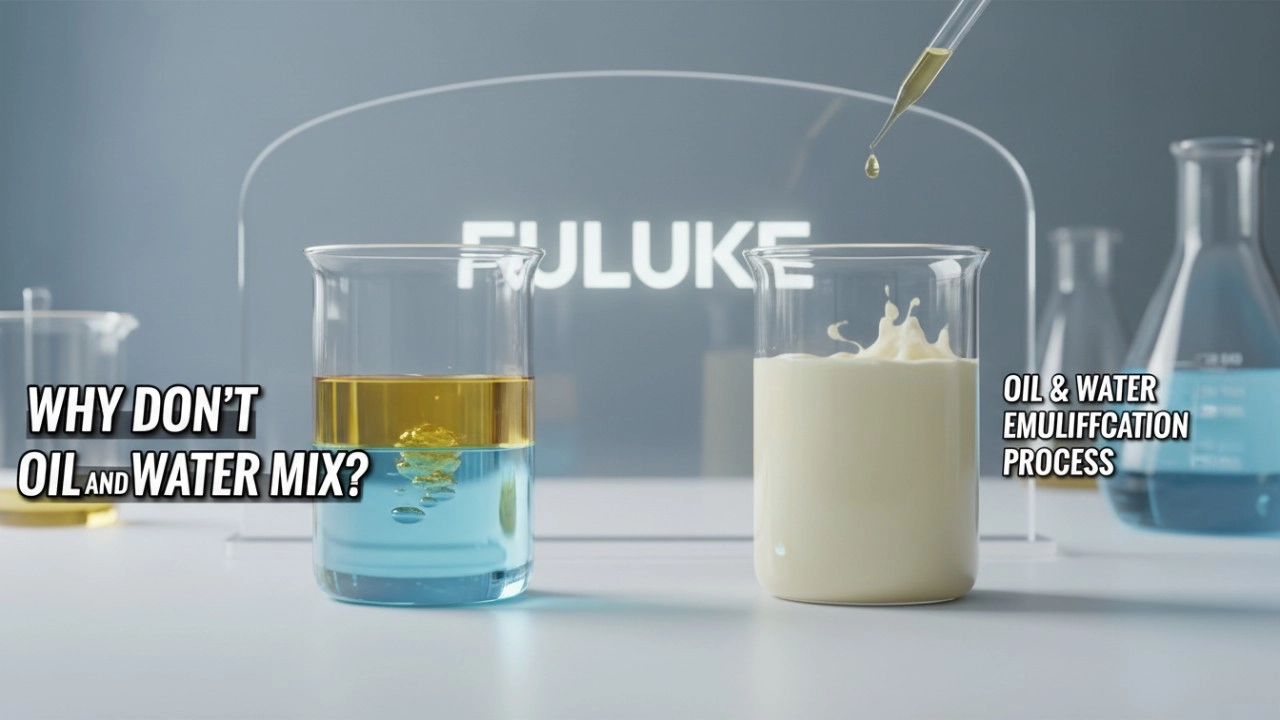
5 Revolutionary Methods to Mix Oil and Water: A Deep Dive into Advanced Emulsification (2026 Guide)
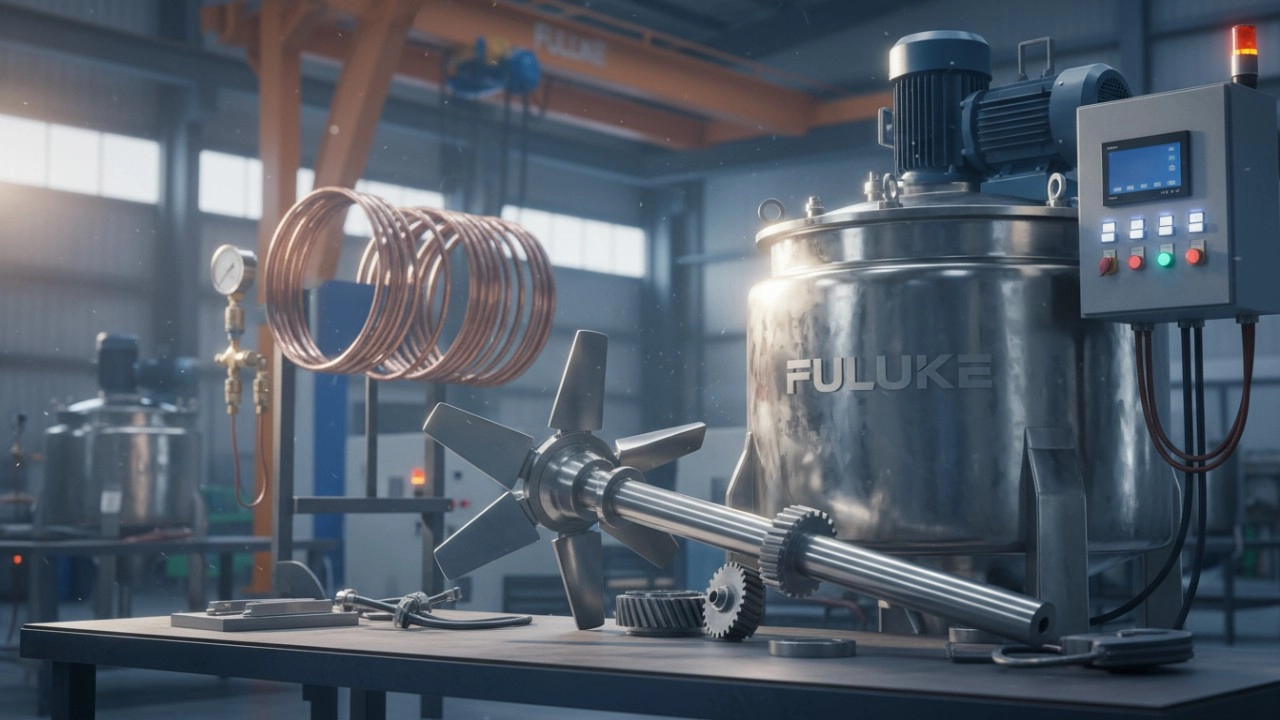
Top 7 Mixing Tank Component Failures (And How to Prevent Costly Downtime) in 2026
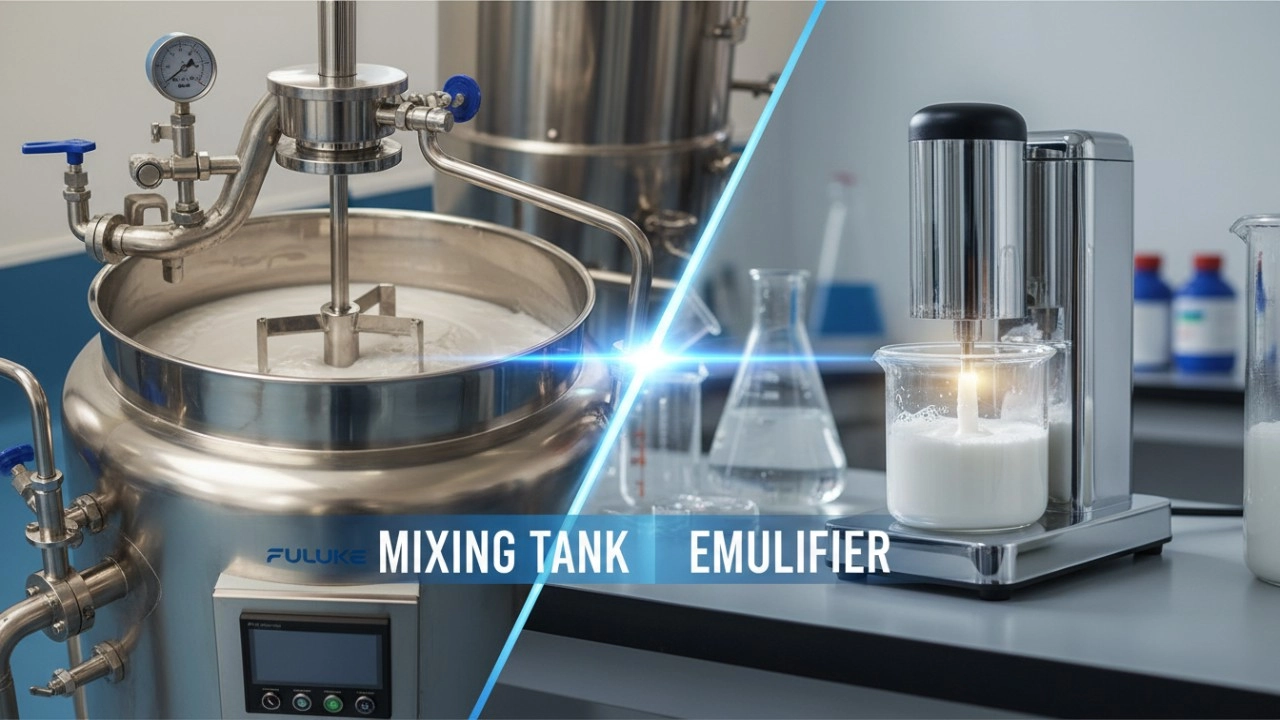
High-Shear Emulsifier vs. Standard Mixing Tank: A Deep Dive into Process Efficiency
The Flip Cover Liquid Wash Mixing Homogenizing Tank
Can you customize the machine?
Of course, we provide customized services according to customer needs.
Vacuum Emulsifying Machine
Who are we?
Our headquarters is located in Guangzhou, Guangdong, China, and our factory is located in Yangzhou, Jiangsu. Our products are sold all over the world. We have approximately 50 employees in our company and factory.
Automatic Glass Bottle Washing Machine
Can the equipment be customized? For example, adjusted according to special bottle shapes or cleaning requirements?
Yes, it can be customized. We can customize the equipment's dimensions, cleaning modules, control systems, etc., based on the user's special bottle shapes (such as extra-large diameter or extra-long bottle bodies), cleaning standards (such as higher cleanliness requirements), and production line cycle time, to meet the personalized needs of different users.
Sealed Homogenizing Mixing Tank
Can you make a design for us?
Yes, we can, we provide not only products, but also solutions and designs.
RO Water Treatment
Who are we?
Our headquarters is located in Guangzhou, Guangdong, China, and our factory is located in Yangzhou, Jiangsu. Our products are sold all over the world. We have approximately 50 employees in our company and factory.
Get in touch with FULUKE
If you have any comments or good suggestions, please leave us a message, later our professional staff will contact you as soon as possible.
You May Also Like
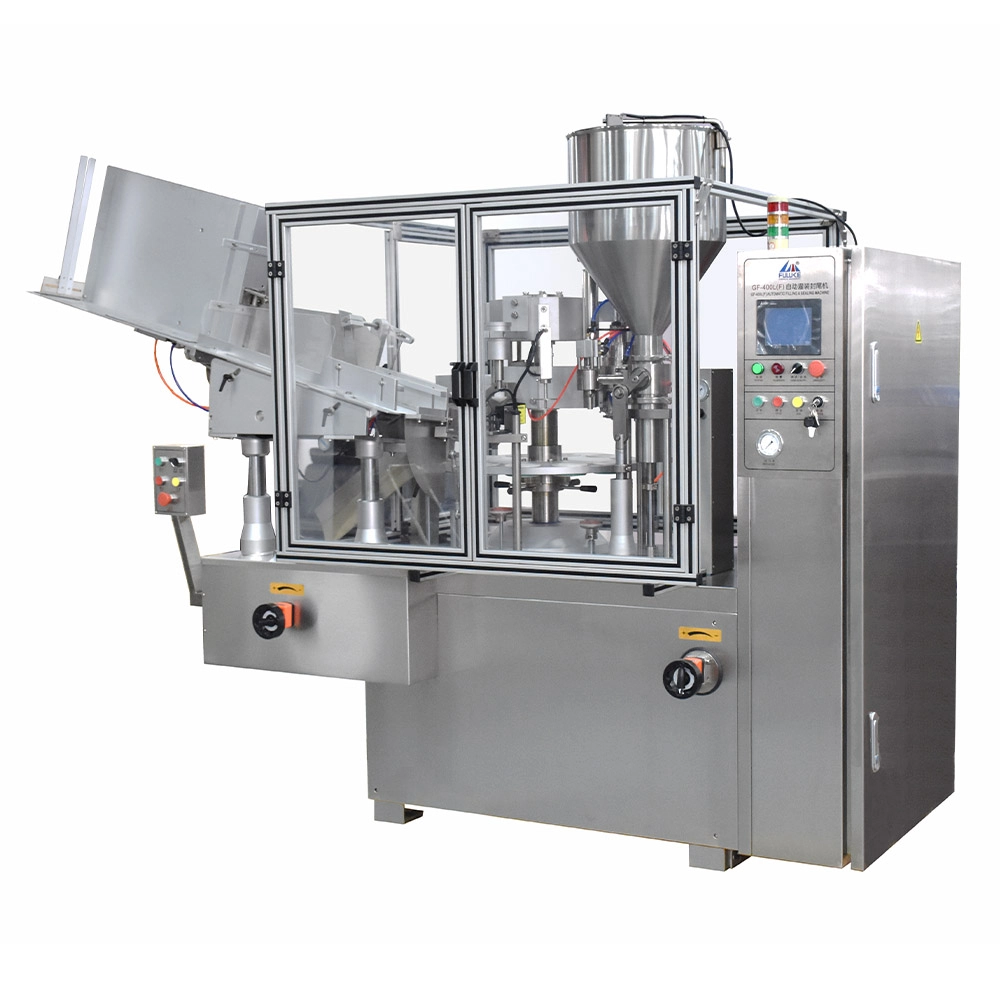
Automatic Tube Filling and Sealing Machine Toothpaste Sunscreen and Facial Cleanser Filling and Sealing Machine for Plastic and Aluminum-plastic Tube
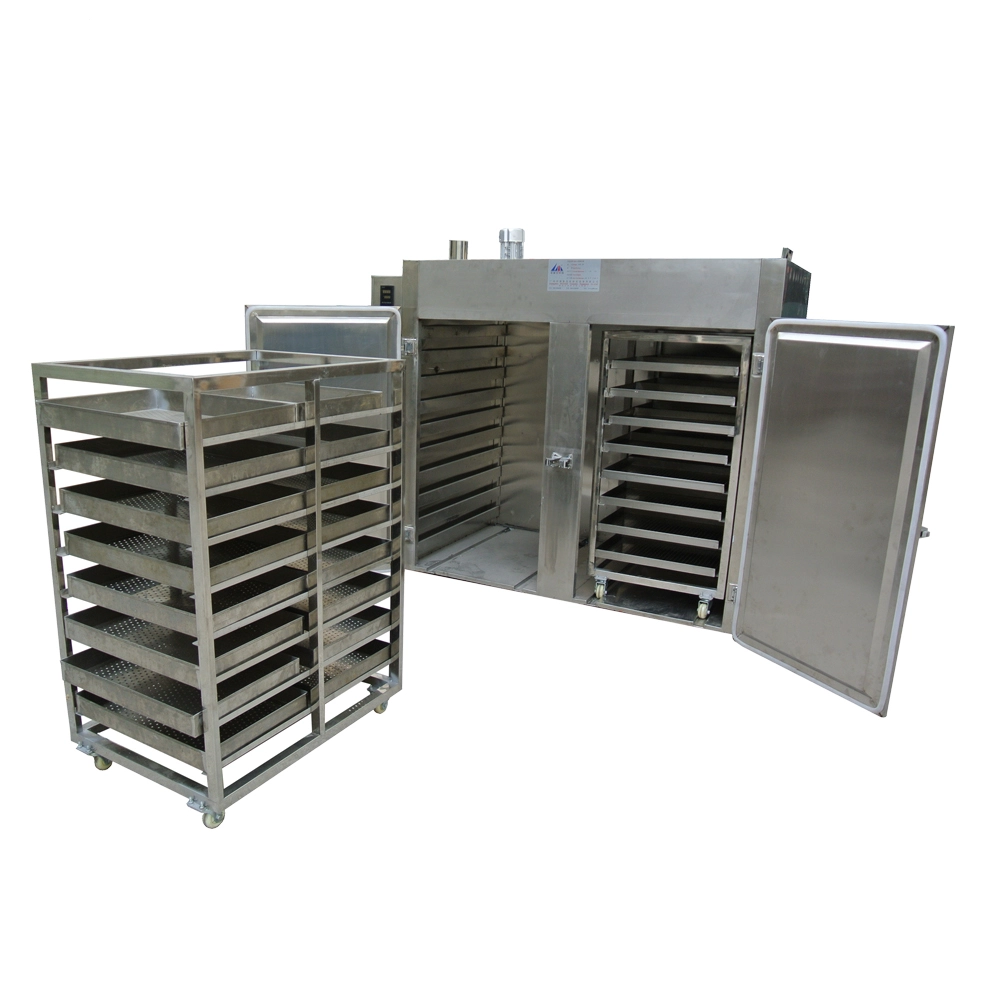
Over for Bottles High Temperature Sterilizer Tray Dryer Large Hot Air Circle Drying Oven for Glass Bottle Jar Cup Can

Automatic Glass Bottle Washing Machine High Quality Glass Bottle Cleaning Washer
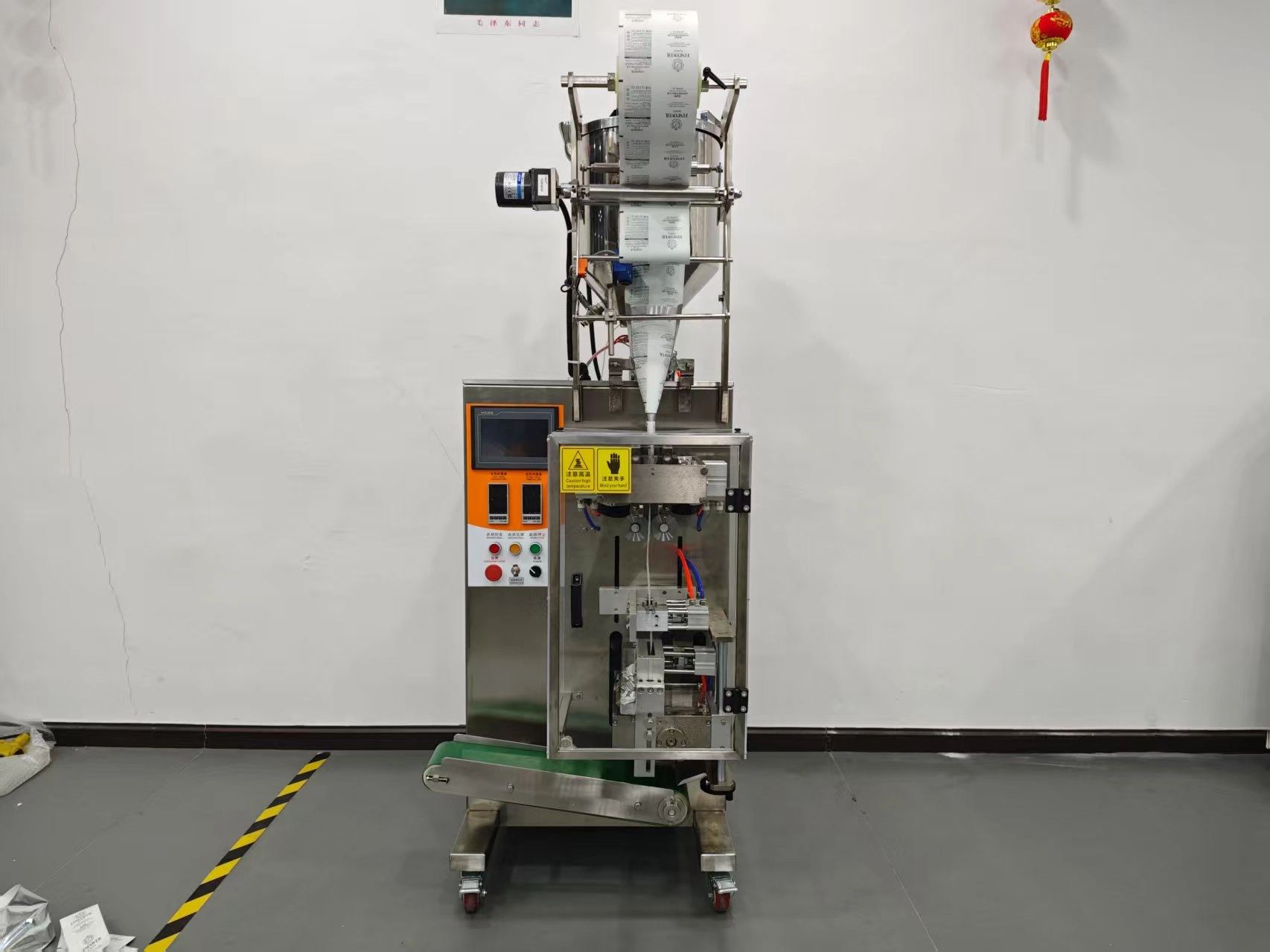
Three-side/four-side sealing bag packaging machine Liquid Paste Jam Cream Sachet Vertical Filling Pouch Packing Machine

A leading manufacturer specializing in advanced machinery and complete production lines for the cosmetics, food, pharmaceutical, and chemical industries worldwide.
Contact FULUKE
Facebook
Instagram
YouTube