
How to plan layout for efficient filling workflow?
- 1. How do I size a bottle filling machine line for multiple cosmetic SKUs to minimize changeover time?
- 2. What layout and utility placement reduces contamination risk for aqueous cosmetic serums during filling?
- 3. How do I calculate required operator stations and conveyor length for a rotary filling machine with vision inspection and labeling to achieve X bottles/min?
- 4. What sensors and automation integration are necessary to ensure ±1% fill accuracy for low-viscosity creams on piston fillers?
- 5. How do I plan sanitation (CIP/SIP) and batch traceability in a cosmetic filling layout without disrupting production schedules?
- 6. What are the footprint and power constraints when installing a semi-automatic rotary filling line in a 300 sqm facility with 2.5 m ceiling?
Bottle Filling Machine: How to Plan Layout for Efficient Filling Workflow
As cosmetic equipment specialists with experience in production lines, GMP and ISO 22716 compliance, this guide answers six detailed, practical questions beginners often search for but rarely find deep, up-to-date answers to. Embedded topics include liquid filling machine selection, servo piston filler behaviour, rotary filling machine layout, inline checkweigher and labeling integration, clean-in-place planning and OEE-driven layout decisions.
1. How do I size a bottle filling machine line for multiple cosmetic SKUs to minimize changeover time?
Problem: You have 8–12 SKUs (different bottle heights/neck diameters/volumes) and limited shift hours. Many resources give vague advice (”buy modular machines”) but don’t show the math or part strategies that reduce downtime.
Answer (step-by-step):1) Calculate required throughput using takt time. Example: customer demand = 10,000 bottles/day, available production time = 8 hours (28,800 seconds). Takt time = available seconds / demand = 28,800 / 10,000 = 2.88 s per bottle (≈20.8 bottles/min).2) Select machine platform to meet peak SKUs and takt: choose a rotary filling machine or high-speed servo piston filler with rated output ≥ 120% of takt to allow buffer for minor stoppages. For 2.88 s/takt choose a machine capable of ≤2.4 s per fill (≈25 bottles/min) to maintain OEE headroom.3) Minimize changeover by investing in changeover kits and quick-change nests: design a set of modular change parts (bottle nests, starwheels, spouts, capping chuck inserts). Organize them in a shadow-board within 3 m of the machine so operators can swap parts in <10–15 minutes (SMED principles).4) Use modular tooling and recipe-driven PLC/HMI: store fill volumes, nozzle heights, and conveyor speeds as recipes. When switching SKUs the operator selects the SKU and the PLC executes servo or valve parameter changes; mechanical swap is limited to the nest/guide set.5) Validate setups: create a validated changeover checklist with time-stamped photos and pre-approved acceptance ranges (weight or fill-height). Keep a set of changeover practice runs during low-demand shifts to reduce human error.6) Inventory and QA: maintain a minimum of 1 complete changeover kit per parallel line or 2 kits per critical SKU for capacity redundancy.Why it works: Combining proper capacity headroom (120% rule), SMED-driven tooling, and recipe control reduces downtime, preserves OEE and keeps batch traceability consistent with ISO 22716 (cosmetic GMP).
2. What layout and utility placement reduces contamination risk for aqueous cosmetic serums during filling?
Problem: Companies worry about microbial contamination and product recalls but often place utilities and personnel flows in ways that increase risk. Generic answers (”separate wet and dry areas”) lack placement specifics tied to equipment.
Answer (design rules & specifics):- Zoning: Define three zones—raw material & incoming inspection, filling (controlled hygienic zone), and finished goods. Place the filling machine and upstream dosing/holding tanks inside the hygienic zone with restricted access and clear personnel gowning points.- Air and ventilation: For non-sterile but high-purity serums, use localized positive-pressure with HEPA filtration for the filling enclosure or a filtered enclosure around the rotary filling machine. Avoid open floor placement under HVAC diffusers that blow across product flows.- Floor slope and drains: Sloped floors (1–2% gradient) with floor drains routed away from the filling zone prevent pooling. Use stainless-steel trench drains with removable grates for cleaning. Ensure CIP return piping is separated from product lines.- Utilities placement: • Compressed air (6–8 bar dry, oil-free) near the machine but routed overhead with stainless or PU tubing and drain loops to avoid condensate near the product. • Process water: Provide only hygienic water in the filling zone (not potable water for tanks unless validated). For water-based serums consider a centralized hot-water sanitization loop to support manual cleaning and CIP. • Electrical: Place panels outside the critical filling zone or inside enclosed stainless-steel IP65 panels to simplify washdown.- Material & personnel flow: One-way flow must be enforced—raw materials enter from one side, waste exits another. Use pass-through lockers/gowning rooms at entry points to the filling zone to prevent cross-contamination.- Hygienic equipment choices: Use 316L stainless wetted parts, smooth welds (≤0.8 µm Ra where product contacts), no pooled cavities, and enclosed filling nozzles or vacuum-sealed spouts for serums. Enclosures plus CIP-compatible filler heads reduce microbiological load.Standards reference: ISO 22716 (cosmetic GMP) requires hygienic design and defined personnel/material flow—apply these practically in the layout so maintenance and cleaning do not cross product lines.
3. How do I calculate required operator stations and conveyor length for a rotary filling machine with vision inspection and labeling to achieve X bottles/min?
Problem: Vendors quote machine speeds but not how many operators or conveyor buffer you need when adding inspection and labeling. Beginners end up with starved or blocked stations.
Answer (formulas + worked example):1) Define target throughput (Q). Example: Q = 2,400 bottles/hour = 40 bottles/min.2) Takt time = 60 / Q (seconds per bottle). For Q = 40/min → takt = 1.5 s per bottle.3) Sum cycle times for manual tasks at each station (t_i). If your labeling is automatic but bottle infeed and outfeed require manual loading/unloading, calculate operator time per bottle. Example: operator unload = 0.8 s/bottle, inspection operator accessories check = 0.6 s/bottle.4) Required operators = (Σ t_i per bottle) / takt. Using example: (0.8 + 0.6) / 1.5 = 0.93 → round up to 1 operator for manual tasks. For changeover, quality checks and batch documentation add fractional operator needs—plan for an additional 0.5 FTE per shift for QA sampling.5) Conveyor buffer length (meters): Use desired buffer time (T_buffer in seconds) to decouple stations. Formula: buffer length (m) = (bottles/sec) × T_buffer × bottle pitch (m). • Bottles/sec = Q / 60 = 40/60 = 0.6667 b/s. • Choose T_buffer = 30 s to allow vision rejections and labeling rework buffering. • Bottle pitch (center-to-center) for 50–100 ml cosmetic jar = 0.07 m (70 mm). Buffer length = 0.6667 × 30 × 0.07 ≈ 1.4 m. Add extra 0.6–1.0 m for safety and accumulation conveyor sections → design 2.0–2.5 m of buffer.6) Vision & reject conveyor: Vision inspection time is usually online (<1 cycle) but rejection needs a divert station. Ensure reject lane capacity = expected failure rate × throughput × shift length or implement automatic rework. For example, for 0.5% expected rejects at 2,400/hour → ~12 rejects/hour; a 1-minute reject buffer (0.6667 bps × 60 s) = 40 bottles capacity is more than adequate.Why this helps: Using takt-based calculations and buffer formulas aligns machine capability with human resources and prevents throughput mismatch between rotary filling machine, inline checkweigher, and labeling machine.
4. What sensors and automation integration are necessary to ensure ±1% fill accuracy for low-viscosity creams on piston fillers?
Problem: Many web posts claim “±0.1% accuracy” without considering product viscosity, temperature and machine type. Beginners need a practical hardware + automation checklist to reliably reach ±1%.
Answer (sensors, control methods, and validation):- Choose the right pump: For low-viscosity creams, a servo-driven piston filler or volumetric rotary piston filler provides the best repeatability. Gear pumps and peristaltic pumps are better for liquids; piston-based systems handle slight viscosity variations while preserving accuracy.- Flow measurement: Implement a Coriolis mass flow meter or high-resolution positive displacement flow meter on the main dosing line where feasible—Coriolis meters give mass-based accuracy and compensate for density/temperature shifts (useful when formulations vary slightly).- Fill verification: Use in-line load-cell based checkweighers immediately after filling to measure real weight. Configure the PLC to perform statistical process control (SPC)—if moving average drifts beyond ±1% over N samples, flag for auto-adjustment.- Temperature and viscosity compensation: Install a temperature sensor on the drum/tank and log viscosity if you have a viscometer. In the PLC recipe, use a compensation curve so that fill stroke or valve timing adjusts with product temperature.- Actuators and feedback: Use servo-driven pistons with encoder feedback for precise stroke positioning. Combine encoder feedback with closed-loop control from the mass flow or Coriolis signal for dynamic correction.- Pneumatic conditioning: If the filler uses pneumatic components, ensure dry, oil-free air and a stable pressure regulator—pressure fluctuations translate to volumetric errors.- Validation and sampling: For cosmetic compliance, perform initial validation runs at multiple fill volumes and temperatures. Sample acceptance: run 30 units per SKU, compute mean and SD and ensure 95% confidence the mean is within ±1% of target. Maintain records per ISO 22716.Typical achievable accuracy: With the above, ±0.5–1.0% accuracy is achievable for low-viscosity creams. For heavier creams you may see ±1–2% unless you move to mass-based filling and rigorous temperature control.
5. How do I plan sanitation (CIP/SIP) and batch traceability in a cosmetic filling layout without disrupting production schedules?
Problem: Beginners either over-clean (loss of production) or under-validate cleaning (risk of cross-contamination). They also struggle integrating batch traceability across dosing tanks, fillers, checkweighers and labeling.
Answer (layout & scheduling tactics):- CIP strategy: Decide whether full CIP is needed for each SKU or only at end-of-day/batch based on product risk. For serums and water-based products, schedule CIP every 4–8 hours or between incompatible SKUs. Use quick-connect CIP manifolds mounted near the filling platform to reduce hose routing time.- Dedicated cleaning bays: Provide at least one dedicated wash/CIP skid adjacent to the line with easy hose access to tanks and filler inlets. This avoids dragging hoses across production floors and shortens cleaning time.- CIP loop design: Use 316L stainless, tri-clamp fittings, and a validated return line to a segregated waste tank. Include temperature sensors and flow meters in the CIP loop so that the PLC can confirm cycle parameters (temperature, flow rate, time) and log them automatically for cleaning validation.- SIP considerations: SIP (sterilization-in-place) with steam is rarely required for cosmetics unless marketing claims involve sterility; consult regulatory counsel. If SIP is used, your layout must include condensate return and a steam trap away from the filling zone.- Batch traceability & MES/LIMS integration: Implement barcode or RFID tags for each batch at raw material receipt, mix tanks and finished bundles. The PLC/HMI should push batch start/stop, lot numbers, operator ID, recipe, actual fill weights and CIP logs to a central MES. This ensures each filled bottle/box can be traced to a batch and the exact manufacturing conditions.- Scheduling to avoid disruption: Use night/low-demand windows for full CIP; use rapid CIP (short automated cycles) for changeovers during shift breaks. Maintain a digital cleaning calendar with required cycles per SKU and automated PLC interlocks preventing SKU change unless cleaning requirements are met.- Documentation: Keep electronic batch records (EBR) tied to MES; automatic capture of inline checkweigher statistics and vision inspection images helps both QA and regulatory audits.
6. What are the footprint and power constraints when installing a semi-automatic rotary filling line in a 300 sqm facility with 2.5 m ceiling?
Problem: Many buyers assume “it will fit” without accounting for maintenance clearances, overhead utilities, and service access. Vague vendor replies (“allow 3–4 m clearance”) are insufficient for constrained spaces.
Answer (practical spatial & utilities checklist):- Machine footprint: A typical semi-automatic rotary filling machine (including entry/exit conveyors, infeed starwheel, small labeling and capping station) requires a working footprint of 6–12 m² for compact setups. For integrated lines with vision, labeller and capper expect 12–25 m².- Maintenance & clearance: Add 0.6–1.0 m clearance on both sides for operator access and an additional 1.0–1.5 m at the front for panel access and emergency egress. So for a 3 m × 2.5 m machine footprint you need ~4.2 m × 4.5 m floor allocation when including service space.- Ceiling height: A 2.5 m (8.2 ft) ceiling is acceptable for low-profile semi-automatic lines, but confirm the highest point of the fill heads and any overhead gantry or fume hood. If utilities (conduit, compressed air lines, or lighting) need to be routed overhead, keep at least 300–400 mm clearance above the machine top for cable trays.- Electrical: Most international small/medium fillers require three-phase power. Typical supply options: • Europe/China: 380–415 VAC, 50 Hz three-phase. • North America: 480 VAC, 60 Hz three-phase or 208–240 VAC dispersed loads. • Nominal installed power for a semi-automatic rotary line with servos and conveyors: 5–15 kW peak. Confirm with vendor for exact nameplate data and include dedicated MCC/isolator at the distribution board.- Compressed air & vacuum: Plan for dry oil-free air at 6–8 bar (90–120 psi), consumption depends on cylinder counts and blow-off. Provide a local air regulator, filtration and a condensate trap. If the filler uses vacuum for handling caps, plan for a small vacuum pump (0.1–0.5 kW) with muffler.- Drainage & cleaning: Floor drains should be within 3–5 m of the machine for washdown access. If the ceiling height prevents overhead spray arms, plan manual clean access and ensure IP65-rated panels.- Example allocation in 300 sqm room: If you allocate 25–35 sqm per semi-auto line (including buffers, maintenance space and PPE station), you can plan 6–8 lines depending on layout, aisles (min 1.2–1.5 m wide), warehousing and QC benches. Always simulate with a scaled layout and supplier CAD to validate fit.
Concluding paragraph — Advantages of a planned layout for efficient filling workflow
Carefully planned layouts combining appropriate machine capacity, hygienic zoning, recipe-driven automation, quick-change tooling and integrated CIP/MES traceability reduce changeover time, improve fill accuracy (often to ±0.5–1%), and raise OEE while ensuring ISO 22716/GMP compliance. The result is predictable throughput, fewer recalls, and lower operational costs—critical advantages for cosmetic producers scaling from pilot runs to full production.
For tailored layout drawings, hands-on capacity calculations and turnkey filling solutions including rotary filling machines, servo piston fillers, inline checkweigher and labeling integration, contact us for a quote at www.fulukemix.com or email flk09@gzflk.com.
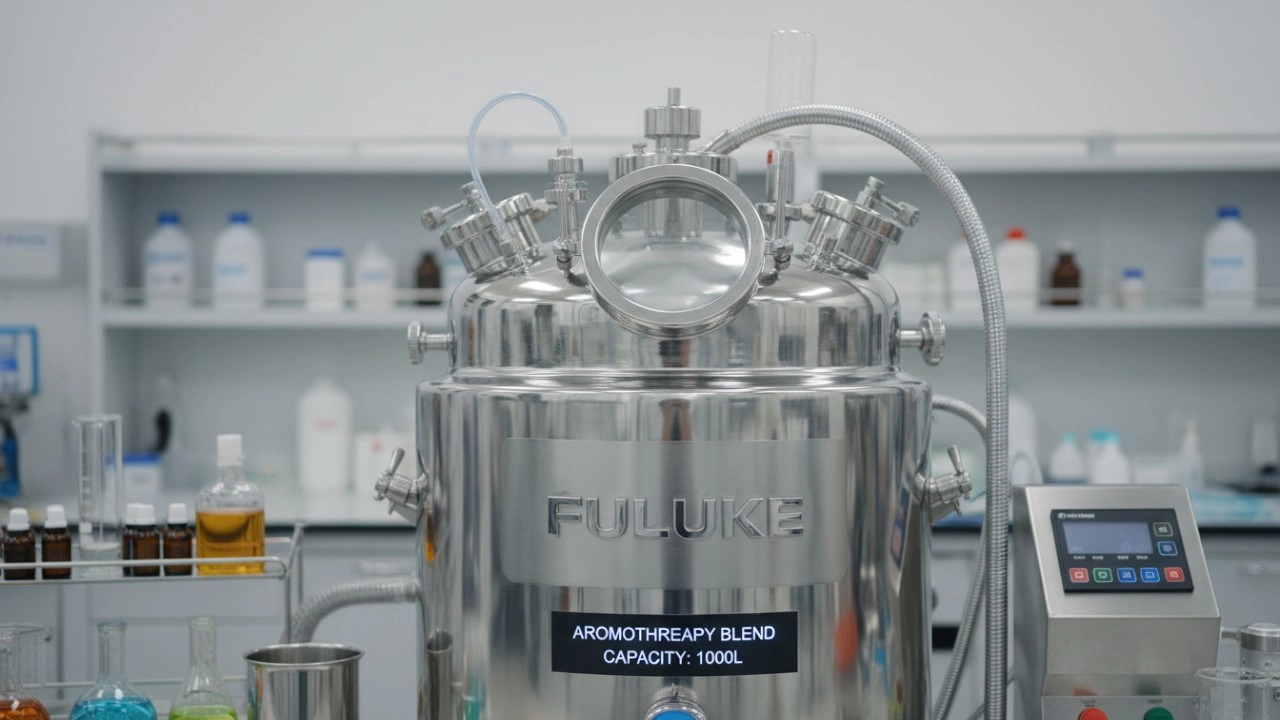
How Mixing Tanks Are Used in Aromatherapy & Cosmetics: The 2026 Guide
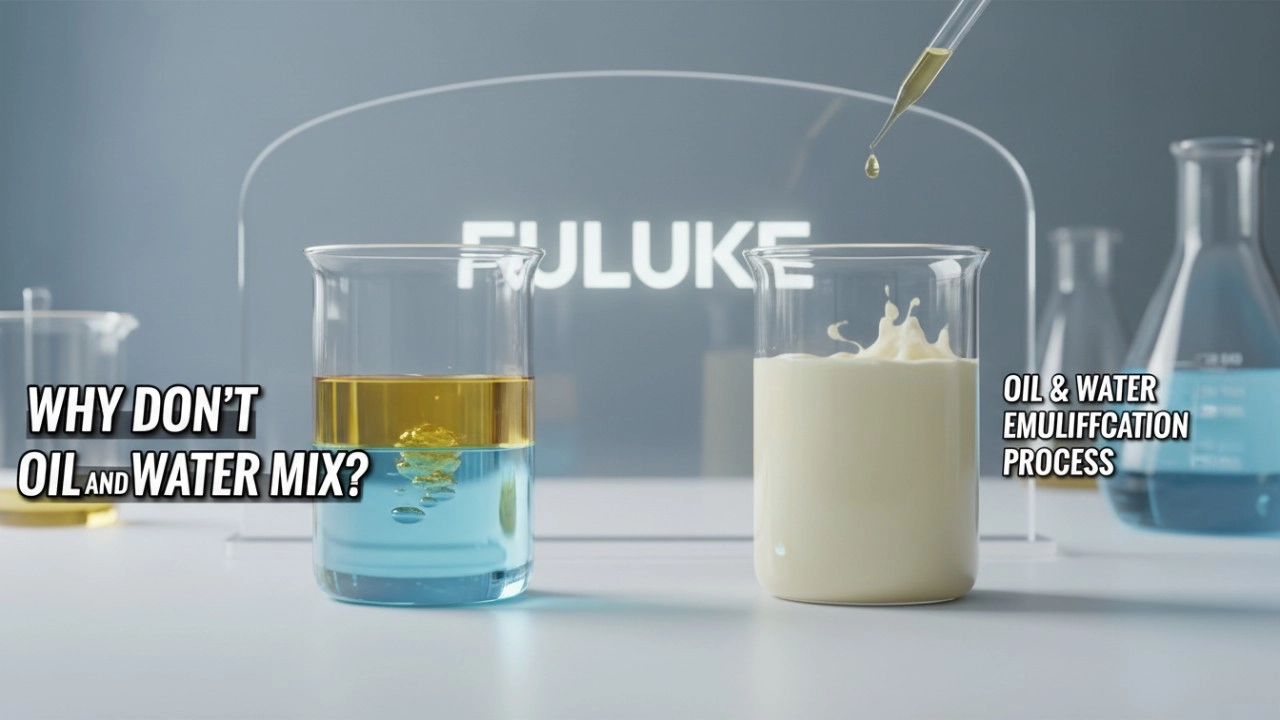
5 Revolutionary Methods to Mix Oil and Water: A Deep Dive into Advanced Emulsification (2026 Guide)
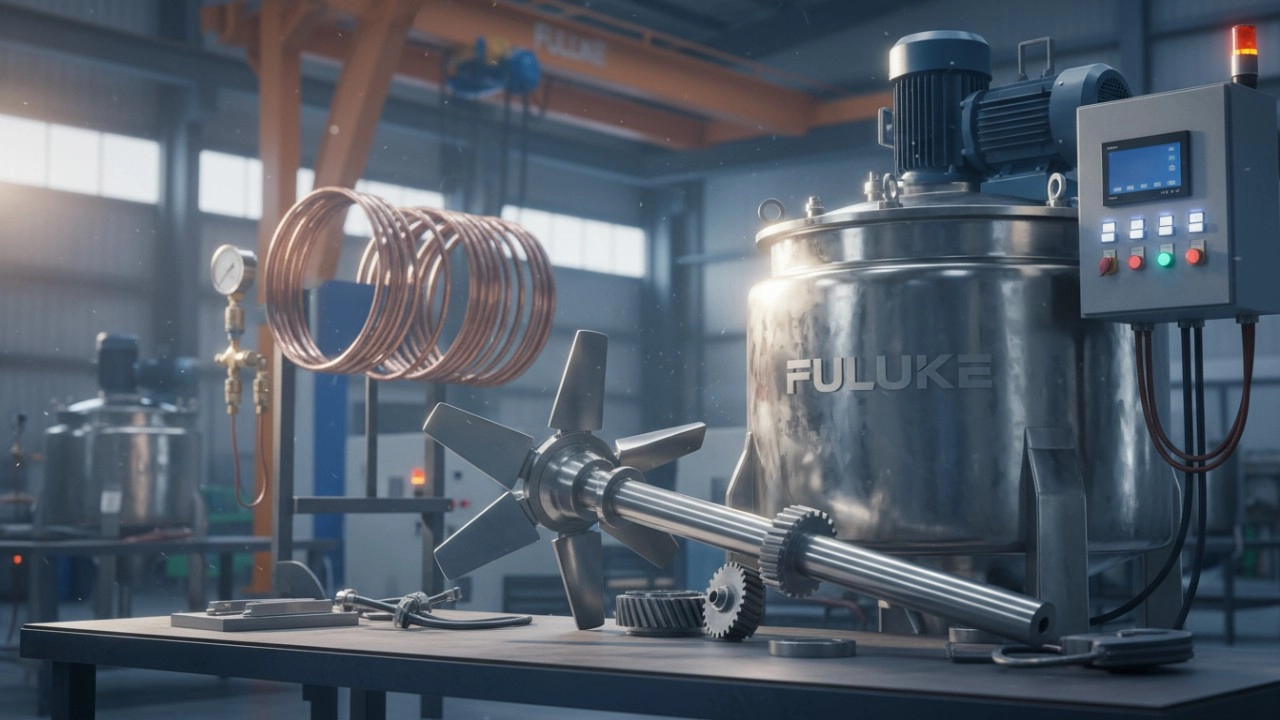
Top 7 Mixing Tank Component Failures (And How to Prevent Costly Downtime) in 2026
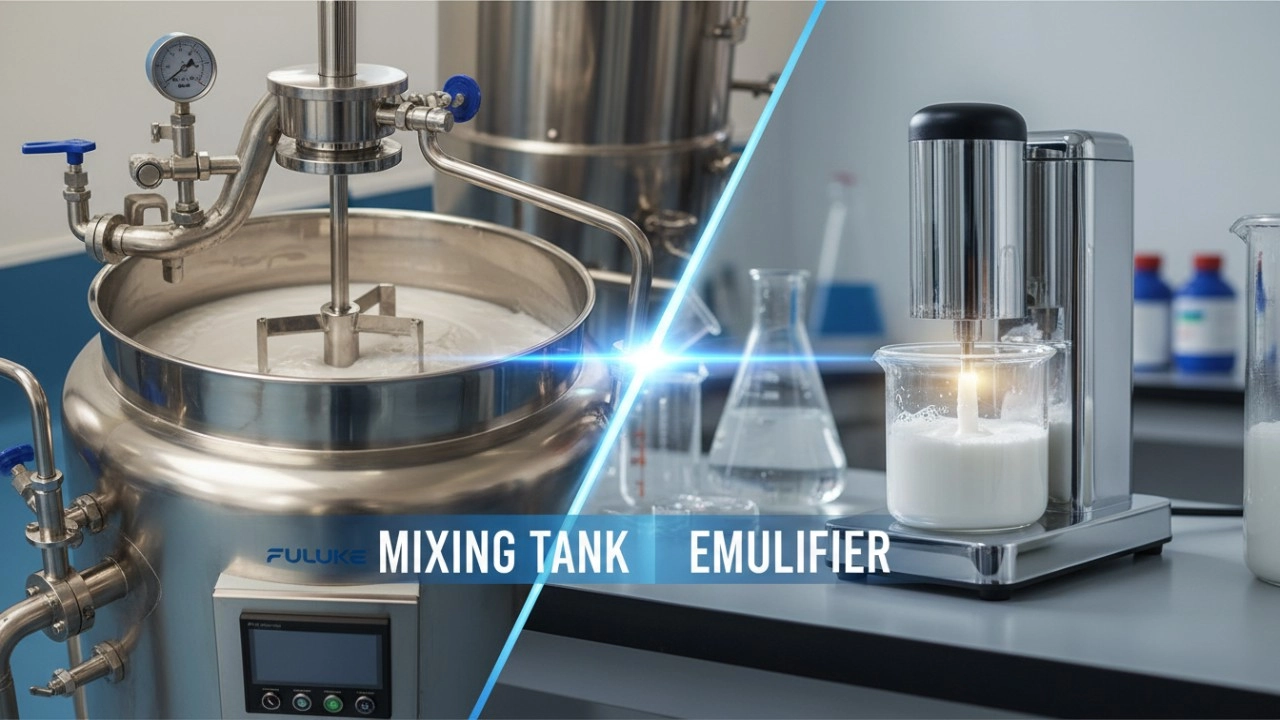
High-Shear Emulsifier vs. Standard Mixing Tank: A Deep Dive into Process Efficiency
Automatic Bag Packaging Machine
Does the equipment have any special requirements for the packaging film? Can ordinary packaging films be used normally?
The equipment is compatible with the vast majority of heat-sealing packaging films on the market. There are no special customization requirements, and it will not increase the cost of packaging materials. Common PET/PE composite films, metallized films, nylon composite films, and paper-plastic composite films can all be used normally. The equipment is equipped with an independent PID precision temperature control system, and the longitudinal and transverse sealing temperatures can be adjusted separately. The temperature control accuracy is high, and it can flexibly adjust the temperature and sealing pressure according to the heat resistance and heat-sealing characteristics of different film materials to ensure a flat and tight seal. It will not cause issues such as burns to the packaging film, wrinkled edges, or leakage due to poor sealing. Even thin composite films can be stably adapted.
What should be paid attention to in the daily maintenance of equipment, and how can its service life be extended?
Proper daily maintenance can reduce the equipment failure rate and effectively extend its service life. The operation is simple, and even beginners can easily complete it. First, after each production run, all parts that come into contact with materials, such as the material hopper, metering pump, and discharge nozzle, must be cleaned promptly to prevent residue from solidifying and clogging pipes and pumps. All material contact parts are made of 304 stainless steel, with no hard-to-reach areas, making cleaning very convenient. Second, regularly lubricate the transmission bearings, chains, and other moving parts, and check the wiring, servo motor, and sealing/cutting blade for damage to prevent wear and jamming. Finally, before starting the machine, check that the packaging film and materials are in place. If there is a missing film, abnormal temperature, or a fault alarm, immediately stop the machine for troubleshooting. Do not force the machine to start. The equipment has a built-in self-diagnostic function that can quickly locate problems for timely handling.
Vacuum Emulsifying Machine
What kind of heating method is there?
The heating methods include electric heating (heating medium is water or thermal oil) and steam heating. Generally, we recommend steam heating for pots larger than 500L.
The Flip Cover Liquid Wash Mixing Homogenizing Tank
Is it possible to not have a heating function?
Of course, if your product's production process doesn't require heating and cooling functions, then you can just make it a single-layer pot.
Inkjet Printing Machine
Can you make a design for us?
Yes, we can, we provide not only products, but also solutions and designs.
Get in touch with FULUKE
If you have any comments or good suggestions, please leave us a message, later our professional staff will contact you as soon as possible.
You May Also Like
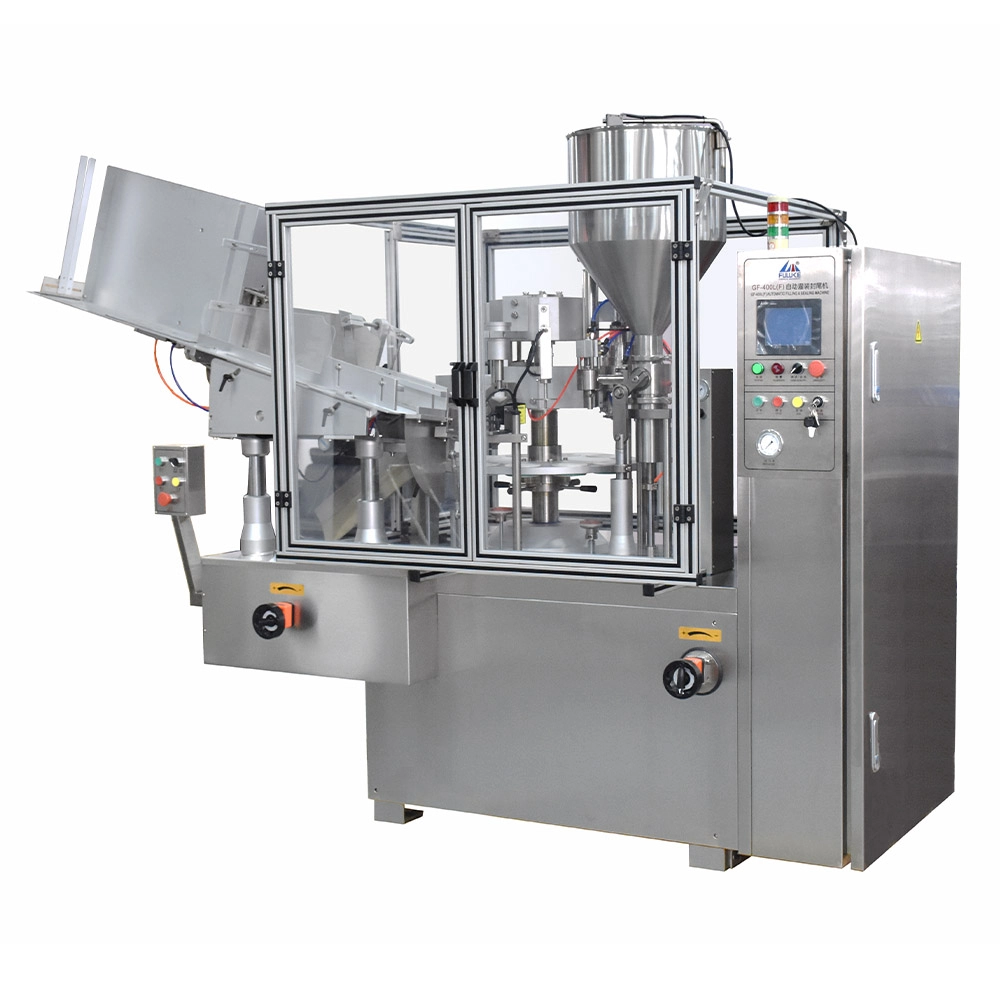
Automatic Tube Filling and Sealing Machine Toothpaste Sunscreen and Facial Cleanser Filling and Sealing Machine for Plastic and Aluminum-plastic Tube
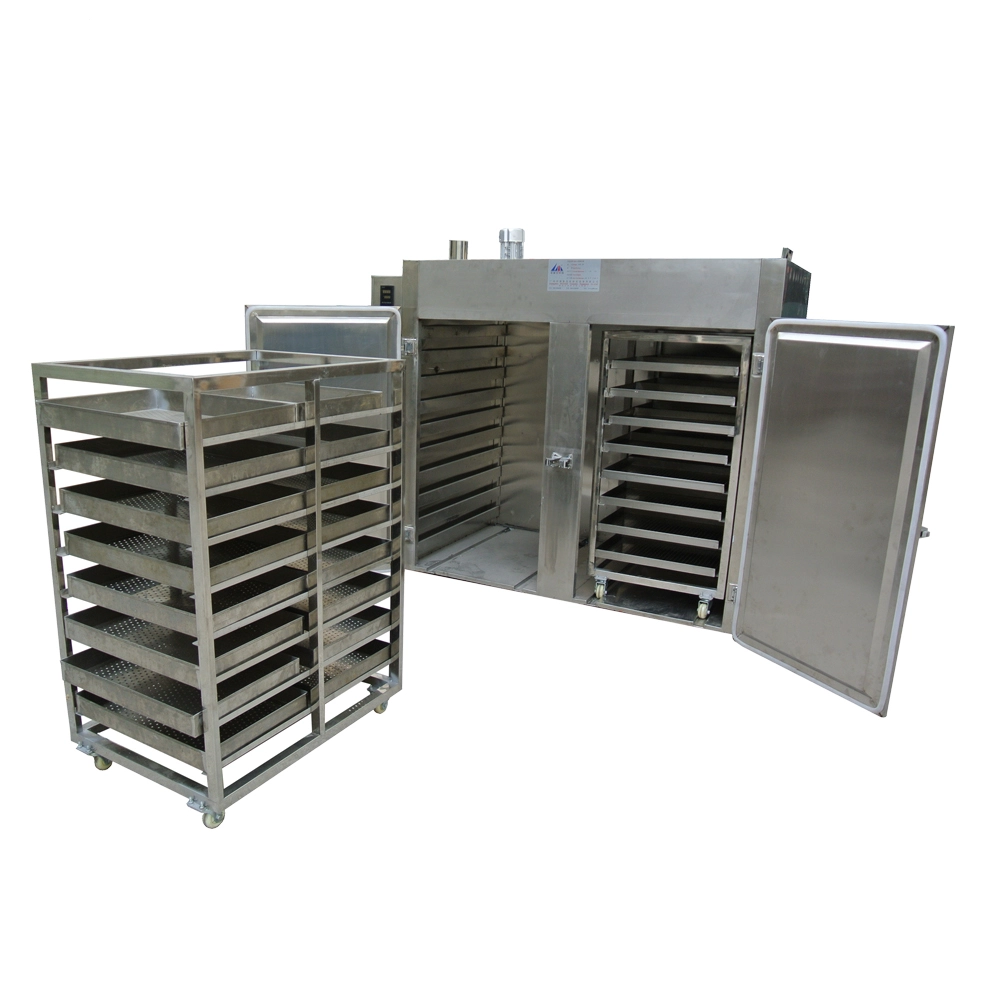
Over for Bottles High Temperature Sterilizer Tray Dryer Large Hot Air Circle Drying Oven for Glass Bottle Jar Cup Can

Automatic Glass Bottle Washing Machine High Quality Glass Bottle Cleaning Washer
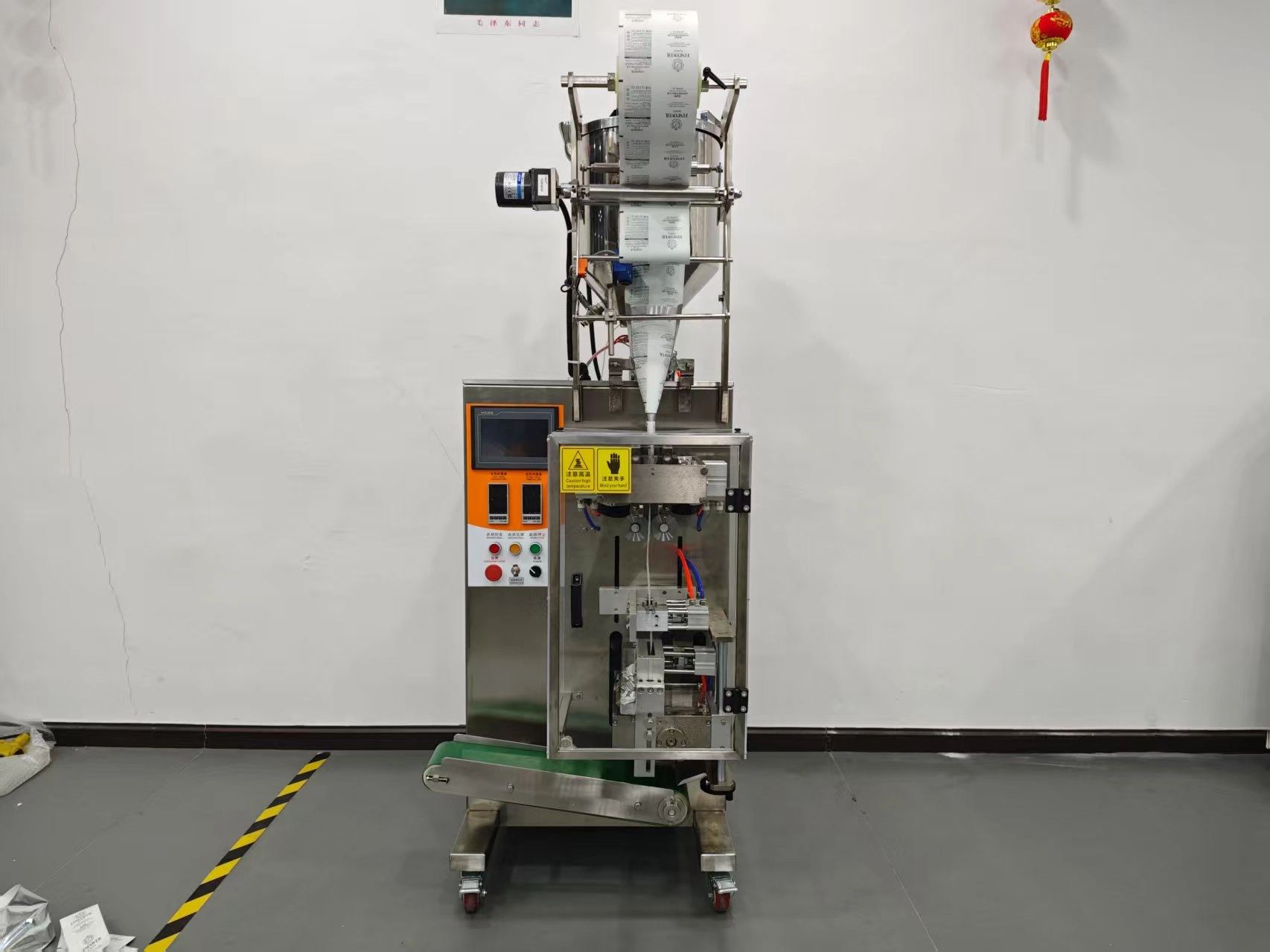
Three-side/four-side sealing bag packaging machine Liquid Paste Jam Cream Sachet Vertical Filling Pouch Packing Machine

A leading manufacturer specializing in advanced machinery and complete production lines for the cosmetics, food, pharmaceutical, and chemical industries worldwide.
Contact FULUKE
Facebook
Instagram
YouTube