
How to reduce product waste during filling?
- 1. How do I choose between a volumetric piston filler and a loss-in-weight (mass) filler to minimize product giveaway in cosmetics?
- 2. What are realistic target waste rates (overfill + rejects) per 10,000 cosmetic bottles, and how can I lower them without sacrificing speed?
- 3. How do I prevent stringing, foam, and dripping when filling viscous serums and lotions at high speed?
- 4. How can I set up CIP/SIP and changeover procedures that minimize product loss and microbiological risk during cosmetic filling?
- 5. How do I design quick-change parts and SOPs to reduce scrap when switching between multiple bottle sizes and viscosities?
- 6. Which sensors and automation are most effective for real-time fill correction to cut waste and how should they be integrated?
1. How do I choose between a volumetric piston filler and a loss-in-weight (mass) filler to minimize product giveaway in cosmetics?
Choosing the correct filling technology is the single biggest lever to reduce product giveaway (overfill) while maintaining throughput. For aqueous serums and low-viscosity lotions, a high-accuracy volumetric rotary or servo-driven piston filler can deliver consistent volume with fill accuracy often within a narrow tolerance band when calibrated and temperature-compensated. For high-value formulas, emulsions, or multi-SKU lines where density varies, a loss-in-weight (LIW) system or gravimetric filler measures mass per dispense and directly reduces giveaway because it controls actual product mass rather than assumed volume.
Practical selection checklist:
- Product value and variability: For high-cost actives or density changes, prefer loss-in-weight or gravimetric fillers.
- Viscosity and shear sensitivity: Piston fillers (servo-driven piston filler or rotary piston machine) handle mid- to high-viscosity creams better than gravity fillers; gear or progressive cavity pumps are alternatives for shear-sensitive materials.
- Throughput (bph): Rotary volumetric machines give higher speeds for single-SKU high-volume runs; LIW systems suit moderate speeds with frequent SKU switches because recipes are mass-based.
- Integration: Ensure the filler integrates with inline checkweighers and PLC recipe control for closed-loop correction.
- Closed-loop control: Pair the filler with an inline checkweigher and configure automatic micro-adjustments to the filler stroke or pump speed when systematic under/overfill is detected.
- Servo-driven metering: Use servo motors for repeatable travel profiles and faster, precise dose adjustments between cycles.
- Recipe management: Save calibrated recipes (fill volume, fill speed, nozzle position) per SKU in the PLC to eliminate manual adjustments during changeovers.
- Reject & recapture: Use a validated rejected-bottle system and product recirculation (where regulatory-compliant) to capture losses from spillage or end-of-run purge.
- Lean changeovers (SMED): Reduce downtime and transient rejects when switching SKUs by organizing quick-change parts and preloaded recipes.
- Nozzle geometry: Use bottom-up filling nozzles or submerged nozzles for foamy or shear-sensitive emulsions. Anti-drip shut-off nozzles or spring-loaded ball valves prevent dripping.
- Fill profile tuning: Use a multi-stage fill cycle—fast approach, slow finish—to reduce final meniscus pull and minimize shear. Servo-driven piston or servo-controlled gear pumps enable complex fill profiles.
- Vacuum/return & degassing: For foam-prone formulas, degas the product in tank and maintain gentle recirculation; for closed systems, use deaeration steps before filling.
- Low-shear pumps: Replace high-shear peristaltic or high-speed centrifugal pumps with progressive cavity or gentle gear pumps to reduce aeration.
- Anti-stringing accessories: Retractable nozzles, nozzle tip cutters, or timed reverse micro-flow just before nozzle lift-off reduce strings.
- Segmented piping and valves: Design piping so the product can be drained and recovered to a holding tank before CIP; avoid flushing product to drain when possible.
- Validated recovery: Use a low-dead-volume pump to reclaim last liters into drums or tanks; validate that recovered product meets quality and can be reprocessed legally and safely.
- CIP recipes: Create dedicated CIP cycles for different product classes (oily vs. water-based) with defined chemicals, temperatures, and flow rates. Document and log each cycle for traceability consistent with GMP practices.
- Use SIP where required: For microbiologically sensitive products, consider steam-in-place (SIP) for vessels and critical lines; this reduces rework but increases capital and cycle time.
- Time-saving changeovers: Pre-stage spare sets of quick-change parts (nozzles, manifolds) and use color-coded components to reduce human errors and losses during changeovers (SMED techniques).
- Modular filler heads: Use interchangeable filling heads and nozzle banks that bolt on without tools (quick clamps and hygienic tri-clamp fittings). Keep pre-calibrated assemblies for each SKU.
- Preset recipes & teach modes: Use PLC HMI recipes that automatically set fill volume, stroke length, nozzle position, and conveyor speed when a SKU is selected.
- Quick-connect utilities: Design pneumatic and electrical quick-disconnects for sensors and actuators to reduce re-assembly time and mistakes.
- Operator SOPs & checklists: Implement a standardized checklist covering verification of recipe, nozzle selection, viscosity checks, and test-run sample counts before ramping to full speed.
- Training & 5S: Regular operator training, visual cues, and organized spare parts bins shorten changeover time and cut the number of out-of-spec bottles produced.
- Inline mass flow meters or mass-loss feeders: For LIW systems, a high-resolution load cell provides immediate mass feedback per cycle for servo correction.
- Inline checkweighers: Place a checkweigher downstream of the filler and tie its data to the PLC or MES. Use aggregated weight drift to command micro-corrections to the filler.
- Vision systems: Use top-down or oblique cameras to check fill level and detect overflow, stringing or missing caps; trigger automatic reject and learning adjustments.
- Telemetry & MES integration: Log per-bottle weights, reject rates, and reasons; use analytics to predict maintenance (e.g., pump wear causing drift) and optimize RPM/stroke parameters.
- Alarm & auto-stop thresholds: Define tight but practical limits; auto-stop for excursions beyond quick corrective range to avoid producing large numbers of bad bottles.
Implementation tips: start with factory-accepted performance tests (FAT) and on-site SAT using your actual cosmetic formulations. Validate fill accuracy with statistical sampling rather than single-piece checks to quantify giveaway per batch.
2. What are realistic target waste rates (overfill + rejects) per 10,000 cosmetic bottles, and how can I lower them without sacrificing speed?
Target rates depend on product type, packaging, and equipment. Rather than a single number, work with targets by category: low-viscosity lotions typically achieve much lower giveaway than high-viscosity creams. A practical approach is to set progressive targets: initial baseline measurement, then a 30–50% reduction target in 3–6 months by applying process controls and finishing with a continuous improvement program.
Techniques to lower waste without lowering throughput:
Measure results using a simple KPI: total grams of product dispensed minus theoretical grams per filled bottle, normalized per 10,000 bottles. Track trend lines monthly to validate gains.
3. How do I prevent stringing, foam, and dripping when filling viscous serums and lotions at high speed?
Stringing and foam are common when the nozzle and pump dynamics mismatch your product's rheology. Fixing these issues reduces both visible defects and product waste.
Design and process actions:
Validate on-line by photographing fills at line speed and performing tens-to-hundreds sample inspections; adjust nozzle retraction timing and micro-flow as needed.
4. How can I set up CIP/SIP and changeover procedures that minimize product loss and microbiological risk during cosmetic filling?
Cosmetic lines must balance product recovery and sanitary cleaning. A robust CIP (clean-in-place) program reduces risk and product loss when correctly designed.
Best practices:
Validation: Regular ATP swabs, microbial testing of reclaimed product, and cycle logs ensure the CIP strategy protects product safety and minimizes waste.
5. How do I design quick-change parts and SOPs to reduce scrap when switching between multiple bottle sizes and viscosities?
High SKU diversity is a leading cause of transient rejects. Design for modularity and operator-friendly changeover to lower scrap.
Actionable steps:
Measure changeover effectiveness with two KPIs: changeover time (target minutes) and first-pass yield (percent of good bottles in the first 100 after changeover).
6. Which sensors and automation are most effective for real-time fill correction to cut waste and how should they be integrated?
Real-time sensing and automation close the loop between dispensing and quality, allowing the system to correct for drift and reduce cumulative giveaway.
Effective sensor suite and integration approach:
Integration tip: Use OPC-UA or standard fieldbus to connect filler PLC, checkweigher, and vision system. Implement an auto-tune routine during scheduled production windows to recalibrate setpoints under real product conditions.
Concluding summary — advantages of investing in optimized bottle filling machines and waste-reduction strategies
When you pair the right bottle filling machine (servo-driven piston, rotary volumetric, or loss-in-weight) with nozzle optimization, modular changeover parts, validated CIP/SIP, and inline sensors (checkweigher, vision, mass flow), you reduce product giveaway, improve first-pass yield, and cut operating costs. The result is faster ROI, regulatory compliance, consistent product quality, and more predictable margin on high-value cosmetic formulations.
For tailored recommendations and a competitive quote for filling, capping, or complete production lines, contact us: www.fulukemix.com or email flk09@gzflk.com.

Understanding Servo Capping Machines: The Core Logic of Precise Capping – Understand the Entire Working Process in Seconds
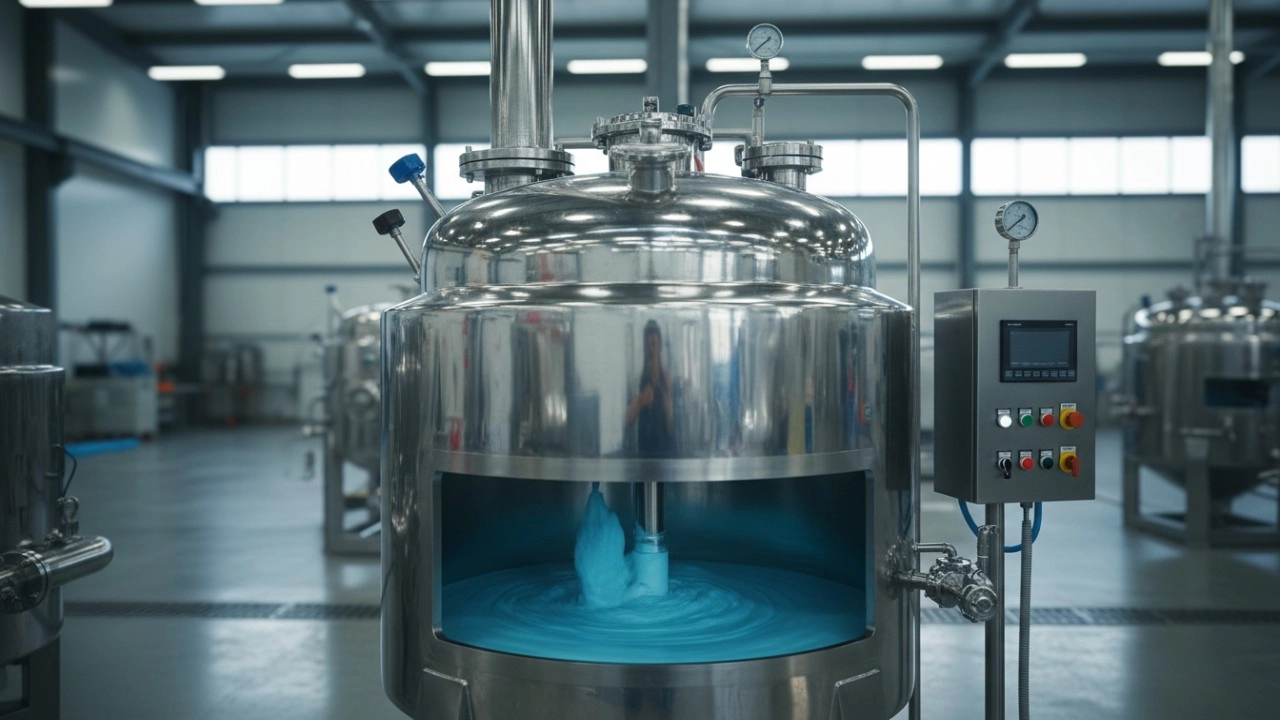
The Future of Industrial Agitation: 5 Smart Mixing Tank Technologies Changing the Game
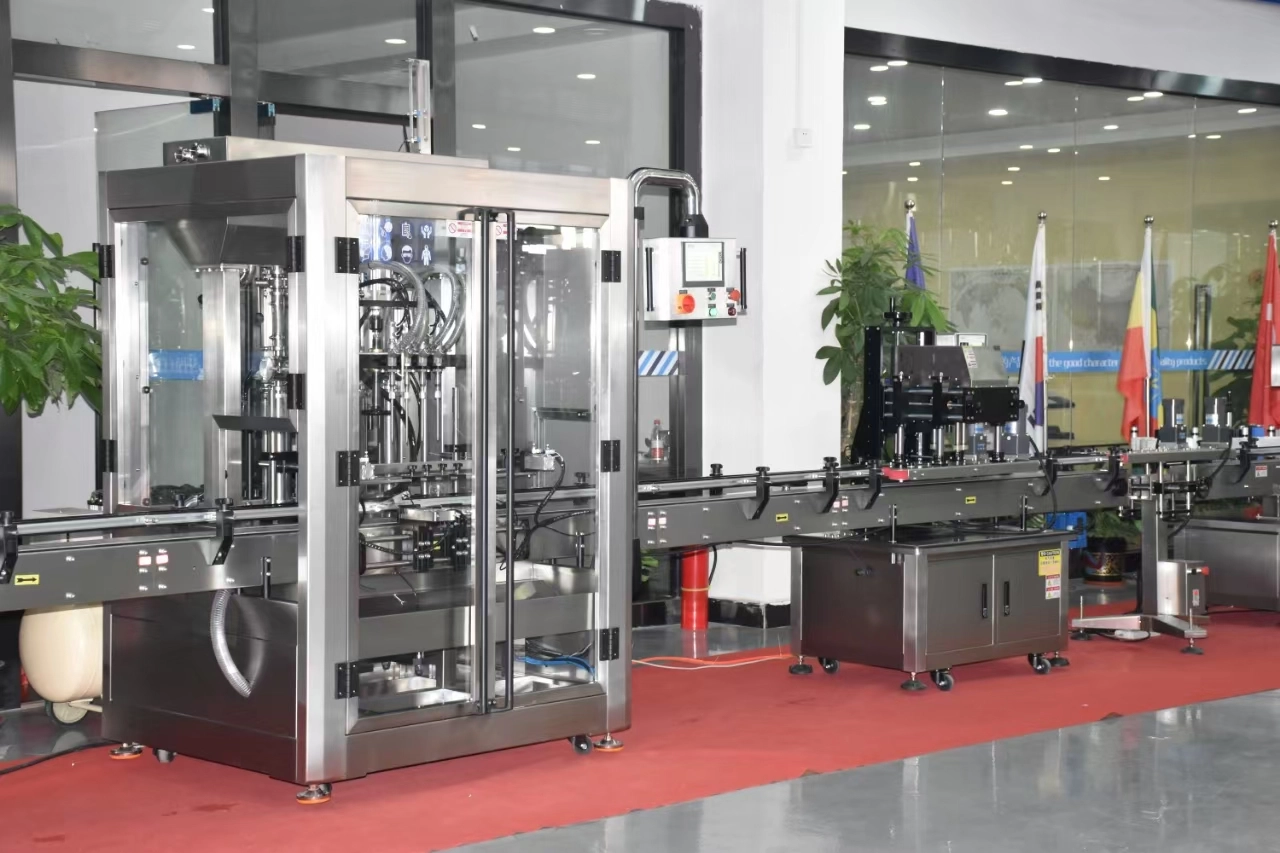
Gear pump filling machine vs. piston filling machine: Key differences broken down to avoid pitfalls in selection.
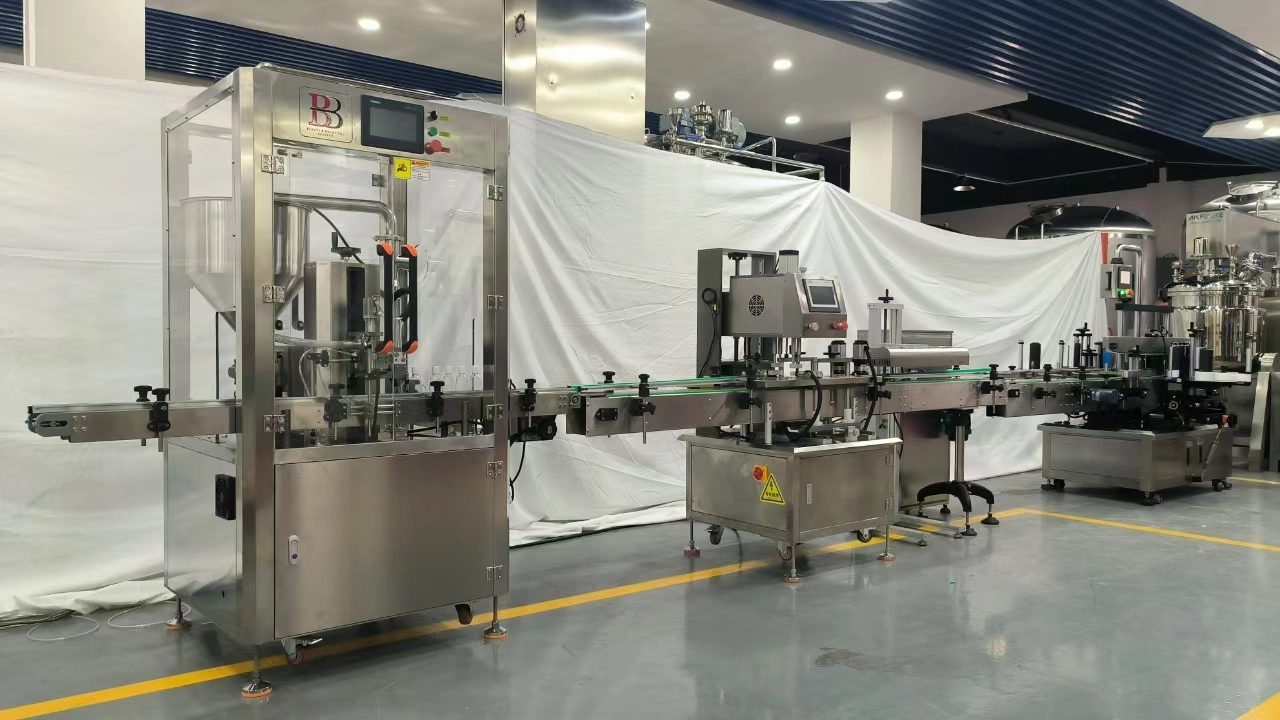
Understand the working principle of a servo gear pump filling machine!
Automatic Filling Machine
How many filling nozzles does your automatic filling machine have?
We have single-, dual-, quad-, six-, eight-, and ten-head filling machines. We can customize the number of filling nozzles to meet your needs.
Can you customize the machine?
Of course, we provide customized services according to customer needs.
The Flip Cover Liquid Wash Mixing Homogenizing Tank
Can flip cover homogenizing mixing tank ensure hygienic safety when handling materials such as food and cosmetics?
Material Compliance: The equipment's pot, agitator, homogenizer, and other material-contacting components are all made of 316L stainless steel, which is corrosion-resistant and easy to clean, meeting food-grade and cosmetic-grade hygiene requirements.
Easy Cleaning: The open-top design allows direct access to corners within the pot, allowing for thorough cleaning by hand or with tools.
Operational Specifications: The equipment can be disinfected before use (e.g., hot water for food processing). After use, cleanup any remaining material promptly to avoid cross-contamination.
Sealed Homogenizing Mixing Tank
Can you make a design for us?
Yes, we can, we provide not only products, but also solutions and designs.
Storage Tank
Can you customize the machine?
Of course, we provide customized services according to customer needs.
Get in touch with FULUKE
If you have any comments or good suggestions, please leave us a message, later our professional staff will contact you as soon as possible.
You May Also Like
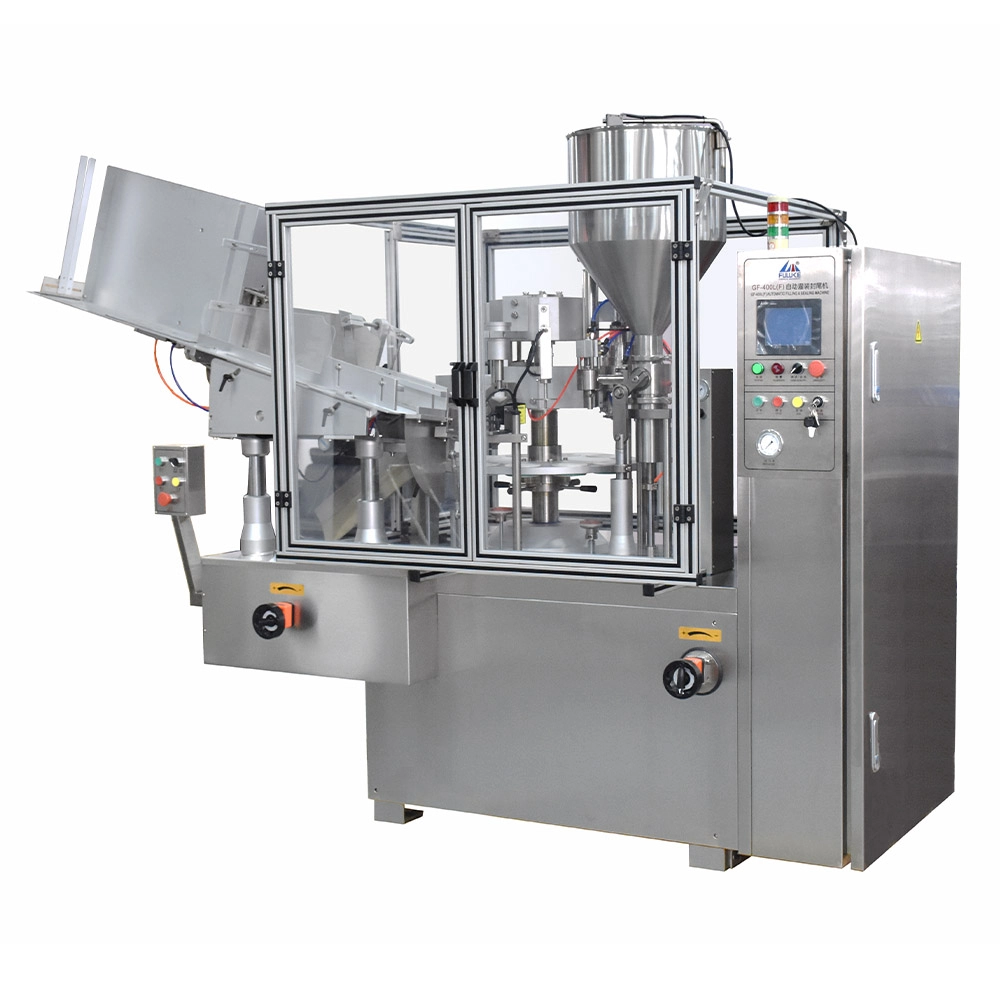
Automatic Tube Filling and Sealing Machine Toothpaste Sunscreen and Facial Cleanser Filling and Sealing Machine for Plastic and Aluminum-plastic Tube
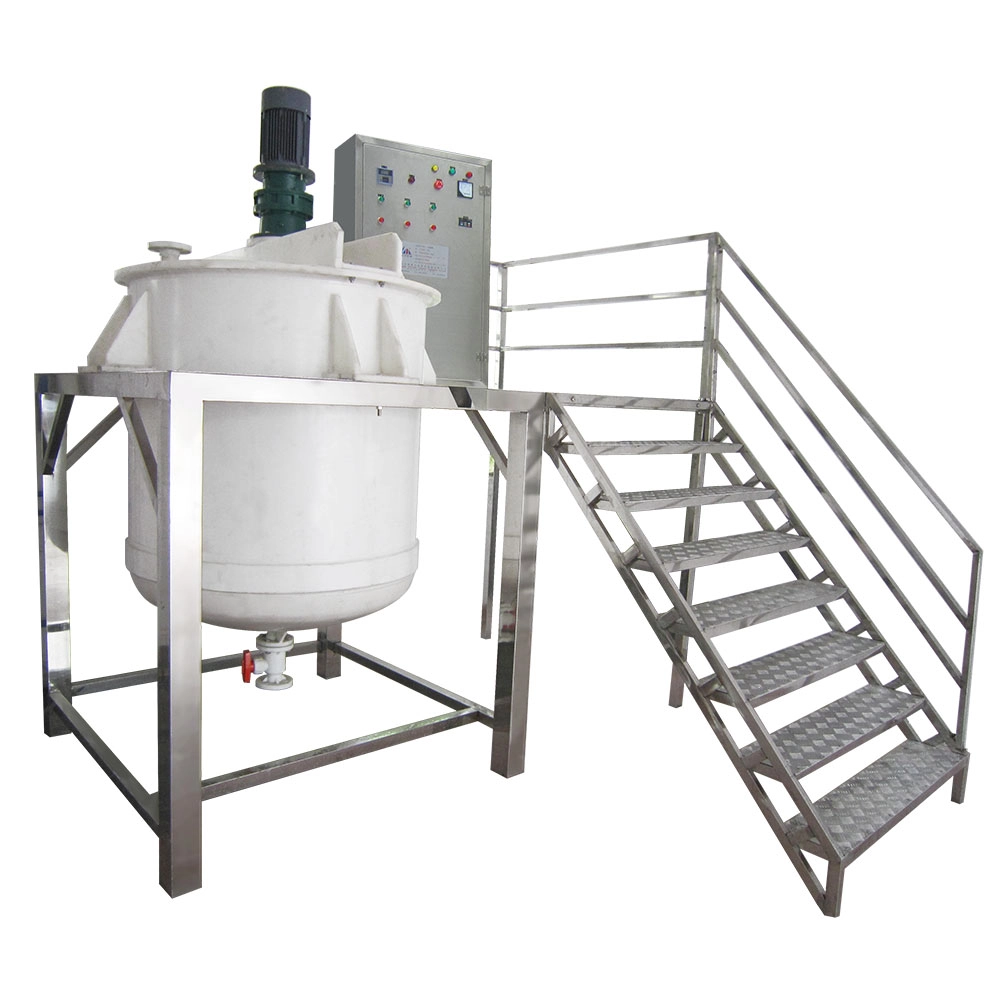
Polypropylene PP Mixing Tank Anti-Corrosion Mixer Reaction Kettle with Agitator Chemical Mixing Vessel
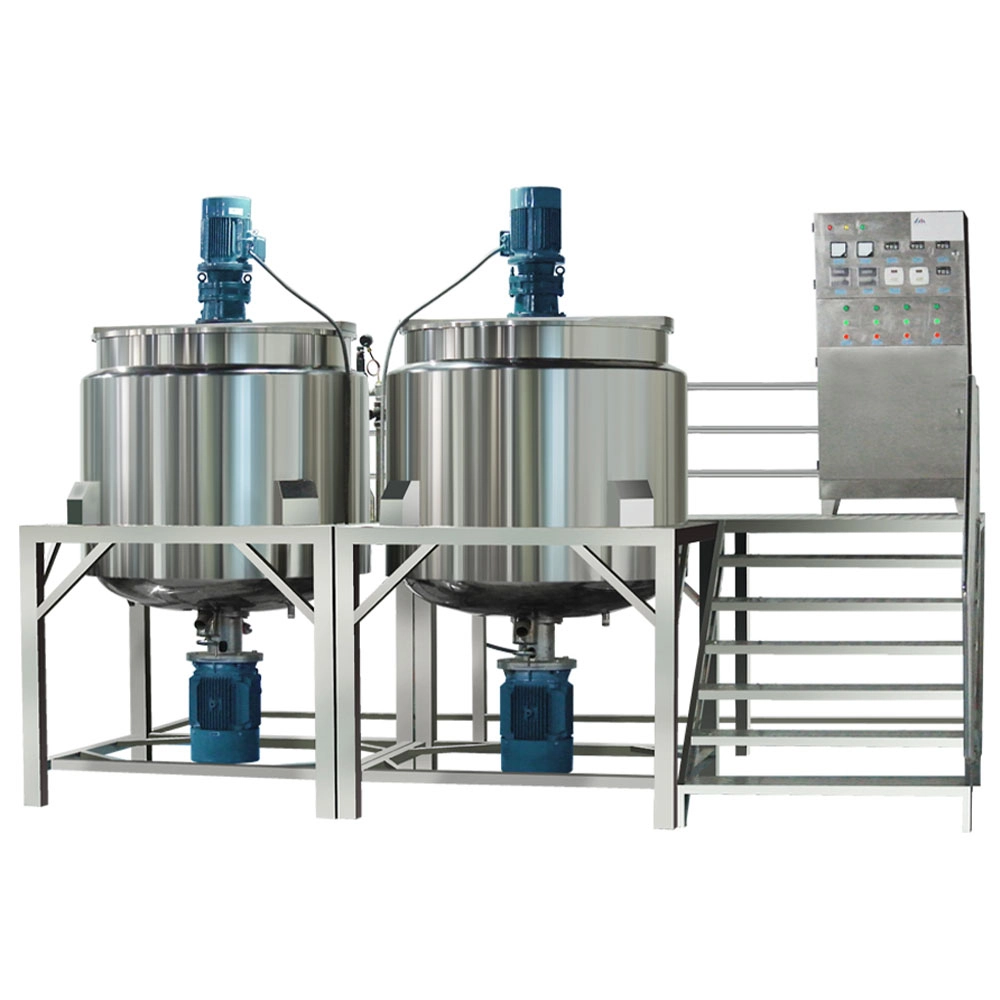
Flip Cover Multi-function Liquid Wash Mixing Tank Blender Liquid Detergent Mixer Homogenization Stirring Tank
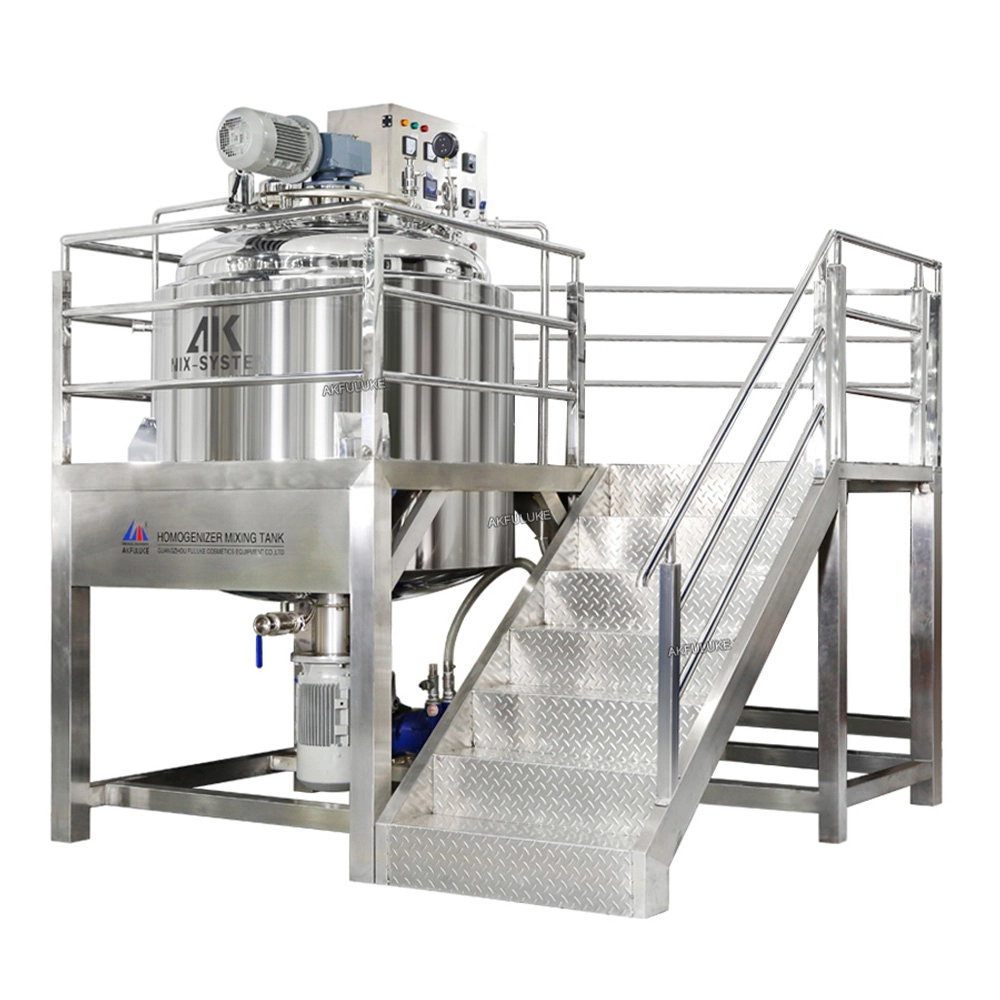
Stainless Steel Mixer Liquid Mixing tank with Agitator Homogenizing Mixing tank Vacuum Sealed Mixer Machine

A leading manufacturer specializing in advanced machinery and complete production lines for the cosmetics, food, pharmaceutical, and chemical industries worldwide.
Contact FULUKE
Facebook
Instagram
YouTube