
How to evaluate sanitary design in filling machines?
- 1) How do I verify a filling machine’s CIP/SIP capability and validate cleaning cycles for viscous lotions?
- 2) What specific sanitary design metrics should I include in a purchase spec to avoid microbial harboring?
- 3) How can I evaluate filling nozzle design and quick-change format parts for cleanability with high-viscosity products?
- 4) How to verify materials, passivation and corrosion resistance for cosmetics with alcohols, acids or preservative systems?
- 5) What validation, FAT/SAT and documentation should I require to satisfy ISO 22716 (cosmetics GMP) and internal quality verification?
- 6) How to decide between a hygienic filling machine and an aseptic/sterile filler for cosmetic products — what extra features justify the cost?
- Concluding summary: Advantages of robust sanitary design in bottle filling machines
How to Evaluate Sanitary Design in a Bottle Filling Machine: 6 Critical Buyer Questions
When buying a bottle filling machine for cosmetics (lotions, serums, creams, gels), vague promises like hygienic or easy to clean aren’t enough. Below are six long-tail, buyer-focused questions beginners often ask — each answered with measurable criteria, test methods, standards references and purchase spec language you can use when comparing rotary and inline piston fillers, volumetric and peristaltic systems, or considering aseptic vs hygienic approaches.
1) How do I verify a filling machine’s CIP/SIP capability and validate cleaning cycles for viscous lotions?
What to ask the vendor: request written CIP/SIP capability, line diagrams for CIP flow paths, tank and pump specifications, recommended chemical concentrations and temperatures, automated CIP recipes in PLC, and CIP return sampling ports.
Measurable criteria and acceptance tests:- CIP flow and coverage: verify documented flow velocity ≥ 1.0 m/s in product-contact piping loops during CIP (industry CIP guidance typically targets 0.9–1.5 m/s to avoid dead legs). Ask for engineering calculations showing achieved Reynolds number for process piping.- Chemical and temperature capability: machine must tolerate 0.5–2% NaOH caustic at 60–80°C and 0.5–1% acid (phosphoric or nitric) at recommended temperatures for cosmetic residues. SIP (if offered) should state maximum steam temperature/pressure (e.g., saturated steam up to 121°C) and materials rated accordingly.- Automated recipes and trace data: CIP recipes should be stored on PLC/SCADA and exportable (time, temp, concentration, pump speed, valve sequence). For validation, demand saved logs and timestamped reports.- Validation protocol: require a CIP validation study (part of OQ/PQ) that includes pre- and post-CIP microbial swabs, ATP rapid hygiene tests, and chemical residue swabs on a representative set of product-contact parts (nozzles, fill valves, holding tubes). Acceptance criteria: ATP RLUs below supplier-specified threshold (agree in contract) or microbial counts consistent with ISO 14698/cleanroom levels if applicable.Why it matters: viscous lotions and emulsions cling to surfaces; only a documented CIP system with measurable flow/temperature/chemistry and validation removes the subjectivity of cleanable claims.
2) What specific sanitary design metrics should I include in a purchase spec to avoid microbial harboring?
Don’t accept vague statements — require explicit numeric and construction criteria in the purchase order (PO):- Surface finish: product-contact stainless steel finish Ra ≤ 0.8 µm (32 µin) as a minimum; for high-risk or aseptic filling specify Ra ≤ 0.4 µm. Request Ra measurement reports for representative components.- Material and certification: 316L stainless steel with EN 10204 3.1 material certificates for product-contact parts. Request passivation evidence per ASTM A967 (or ISO 15730 equivalent) and electropolishing when specified.- Welds and joints: all welds on product-contact surfaces must be full-penetration, ground smooth/flush, and free of undercuts or crevices. Specify dye-penetrant or visual weld inspection and photographic evidence. No internal threaded joints in product-contact areas.- Drainability and slope: product-contact surfaces should be self-draining; horizontal surfaces minimized. Specify slope angles ≥ 3° on internals and housings where liquid collects. Include a drainability test (visual and rinse sample) in SAT/OQ.- Eliminate dead legs: require pipework layout and spool maps showing no dead legs longer than 2× nominal pipe diameter (or define your company standard). Ask for flow simulations or vendor declarations.Include these metrics in your evaluation scorecard so bidders are compared on objective fulfillment, not marketing language.
3) How can I evaluate filling nozzle design and quick-change format parts for cleanability with high-viscosity products?
Nozzle and format part design are frequent sources of product build-up and cross-contamination. What to require:- Nozzle internals: specify springless, positive-displacement or hygienic piston/slide designs that avoid blind cavities. Nozzles should be fully drainable and have internal CIP channels or steam paths for SIP.- Quick-change (format) parts: require tool-less or single-handed changeover with minimal pockets and smooth external profiles. All format parts that contact product must be made of 316L or FDA/USP-conforming elastomers and be autoclavable or compatible with your CIP chemicals.- Pump type suitability: for shear-sensitive serums, consider peristaltic or progressive cavity for low shear; for viscous creams a servo-driven piston or rotary positive displacement pump with adjustable speeds is better. Ask vendors to match pump choice to your product rheology and provide case studies.- Acceptance testing: request a site acceptance test (SAT) or material challenge run using at least one production formulation. The test should include a full cleaning cycle and subsequent microbial/ATP swabs of nozzle bores and format part recesses. Define acceptance (e.g., no visible residue, ATP below agreed threshold, microbial < specified cfu/cm2).Practical tip: ask for video and dismantling demo of the specific nozzle model with the same product class during FAT. That exposure reveals hidden crevices and assembly difficulty.
4) How to verify materials, passivation and corrosion resistance for cosmetics with alcohols, acids or preservative systems?
Cosmetic formulations often contain ethanol, acids (citric), or stabilizers that interact with metals. Requirements to add to PO:- Material grade: 1.4404 / 316L for all product-contact parts. Non-contact structural parts can be 304 if isolated.- Traceable certificates: EN 10204 3.1 material certificates for stainless components; supplier must provide batch traceability.- Passivation and surface treatment: passivation per ASTM A967 or EN ISO 15730; electropolishing recommended for high-alcohol or acid-exposed lines (improves corrosion resistance and reduces Ra).- Corrosion testing: ask for chemical compatibility statements with your representative formulations. For high-risk products, require an accelerated corrosion test (e.g., 30-day cyclical exposure to the worst-case formulation) or provide your product for vendor testing.- Seal and elastomer selection: specify seal materials compatible with your products (EPDM, FKM/Viton, PTFE). Provide expected exposure temperatures and solvents so vendors can recommend elastomer compounds and provide data sheets.Acceptance evidence: request vendor-supplied corrosion resistance data, passivation reports, and examples of long-term installations handling similar chemistries. If critical, negotiate a warranty clause covering corrosion-related failures for a defined period.
5) What validation, FAT/SAT and documentation should I require to satisfy ISO 22716 (cosmetics GMP) and internal quality verification?
Documentation and structured validation are where many cosmetic buyers defer — require it up front.- Mandatory deliverables: detailed equipment manual, P&ID, electrical and pneumatic diagrams, spare parts list, material certificates (EN 10204 3.1), weld inspection reports, surface roughness reports, passivation certificates, and FAT report with video.- Factory Acceptance Test (FAT): should include dry run and wet run with water and a representative product surrogate (or actual product when possible). FAT acceptance criteria must be recorded (mechanical performance, filling accuracy, CIP recipe execution, HMI/SCADA data logging).- Site Acceptance Test (SAT) and Commissioning: repeat FAT tests on-site with production utilities and personnel. Confirm utilities (compressed air, steam, utilities) meet vendor specs.- IQ/OQ/PQ expectations: Inspections and qualifications must be included in the contract. IQ: verify installation against drawings and material lists. OQ: test control loops, sensors, alarm setpoints, and CIP sequences. PQ: full production runs (minimum defined batch size or X continuous hours) demonstrating fill accuracy, cleanability, and product quality.- Data export & traceability: require recipe storage, batch traceability (lot IDs or QR integration), and data export in CSV/XML for quality review.Standards to reference in the PO: ISO 22716 (Cosmetics GMP), EHEDG guidance for hygienic design, and ISO 9001 referenced for manufacturer’s quality system. For sterile or aseptic claims, specify applicable pharmaceutical standards and IQ/OQ/PQ scope explicitly.Negotiation tip: make FAT and OQ scope part of the purchase contract with acceptance criteria and penalties for missed deliverables to avoid ambiguous handoffs.
6) How to decide between a hygienic filling machine and an aseptic/sterile filler for cosmetic products — what extra features justify the cost?
Decision factors:- Product and claim: aseptic or sterile filling is only justified for products that require sterility (e.g., ophthalmic cosmetics or products labeled sterile), or for immunocompromised target groups. Most cosmetics need adherence to ISO 22716, not aseptic sterility.- Process and preservative system: if your formulation has no preservative and is water-based, contamination risk is higher and aseptic measures may be required. Otherwise robust preservative systems and hygienic design (CIP, cleanability) are sufficient.- Additional features and costs for aseptic systems: sterilizable filling valves (SIP-capable), HEPA-filtered laminar flow/isolator enclosures (ISO 5–7), automated sterile closures, validated sterilization (steam/hydrogen peroxide), stricter surface Ra (≤ 0.4 µm), and environmental monitoring. Expect 2–4× higher capital cost and higher validation/operational costs.- Evaluate risk vs. ROI: quantify product loss, recall risk and regulatory exposure versus capex/opex. For many cosmetic lines, investing in superior hygienic design, strict cleaning validation, and robust batch traceability gives the best cost-to-benefit ratio.What to request from vendors: provide clear descriptions of what hygienic vs aseptic variants include, a cost breakdown, and evidence of aseptic performance (e.g., environmental monitoring reports from similar installations or third-party validation). This evidence helps you decide whether aseptic is necessary or over-specified for your product portfolio.
Concluding summary: Advantages of robust sanitary design in bottle filling machines
Investing in measurable sanitary design — specified surface finishes (Ra), 316L materials with passivation certificates, crevice-free welded construction, drainable nozzle and piping geometry, automated CIP/SIP with validation, and complete FAT/IQ/OQ/PQ documentation — delivers lower contamination risk, faster changeovers, validated cleaning, and regulatory confidence (ISO 22716 compliance). For cosmetics manufacturers this results in fewer production stoppages, lower cleaning-related labor, consistent product quality and a defensible position during audits or consumer complaints.
At FulukeMix (www.fulukemix.com) we prepare detailed technical spec sheets, FAT protocols, and IQ/OQ/PQ packages tailored to cosmetic lines. Contact us for a quote and to review spec templates and validation examples: flk09@gzflk.com.

Understanding Servo Capping Machines: The Core Logic of Precise Capping – Understand the Entire Working Process in Seconds
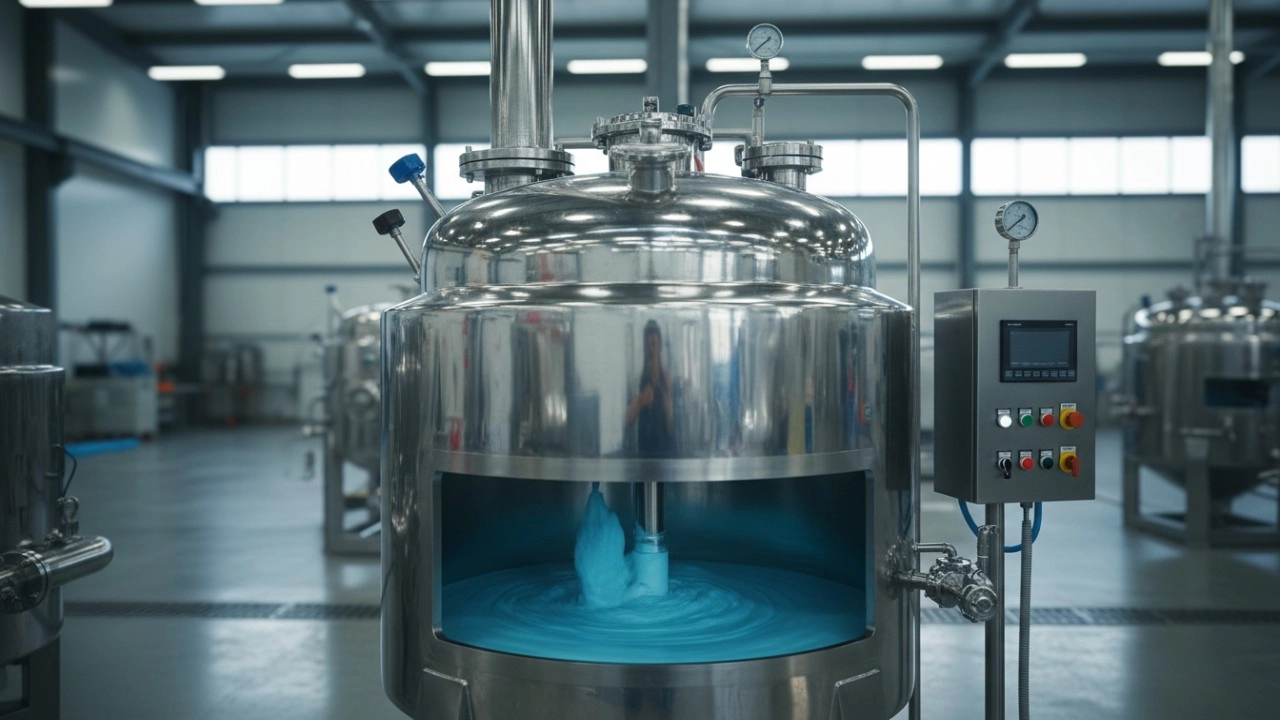
The Future of Industrial Agitation: 5 Smart Mixing Tank Technologies Changing the Game
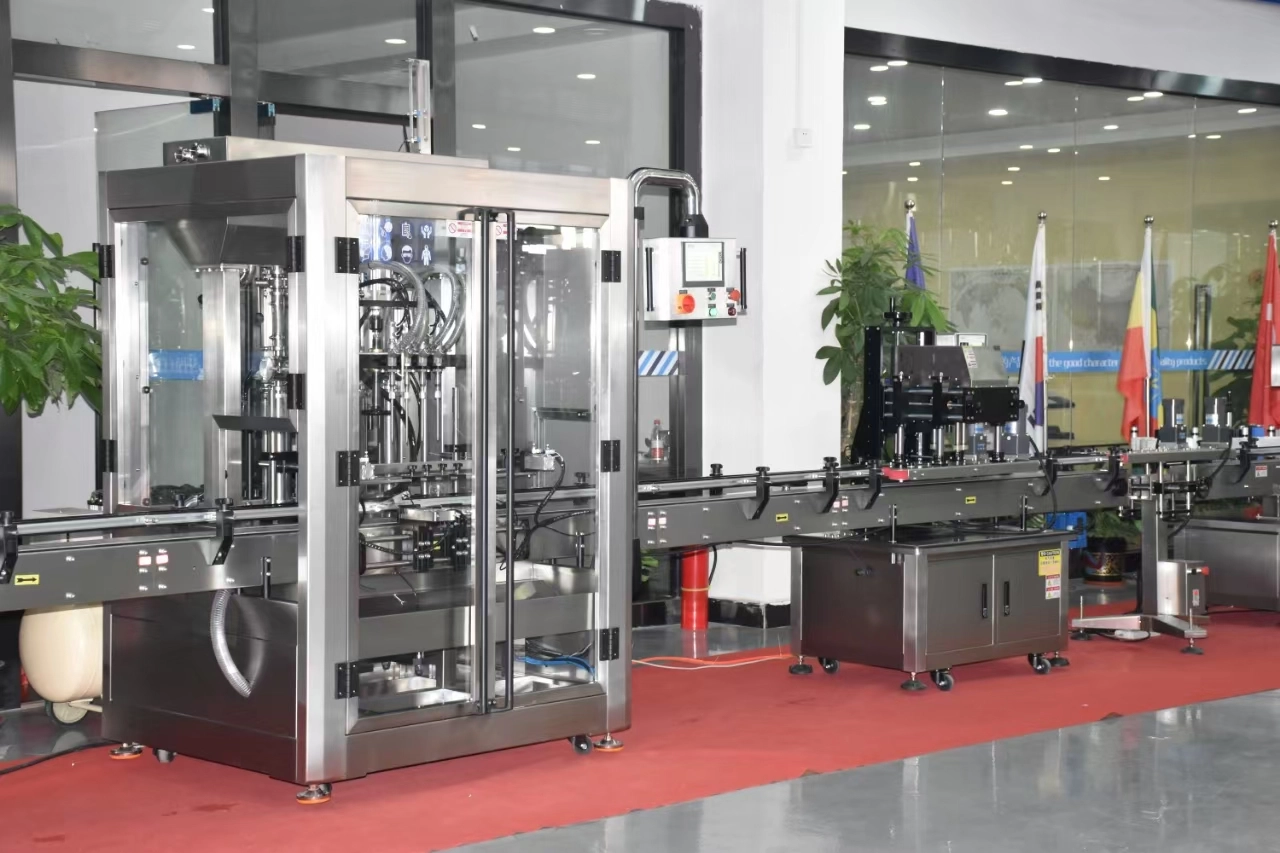
Gear pump filling machine vs. piston filling machine: Key differences broken down to avoid pitfalls in selection.
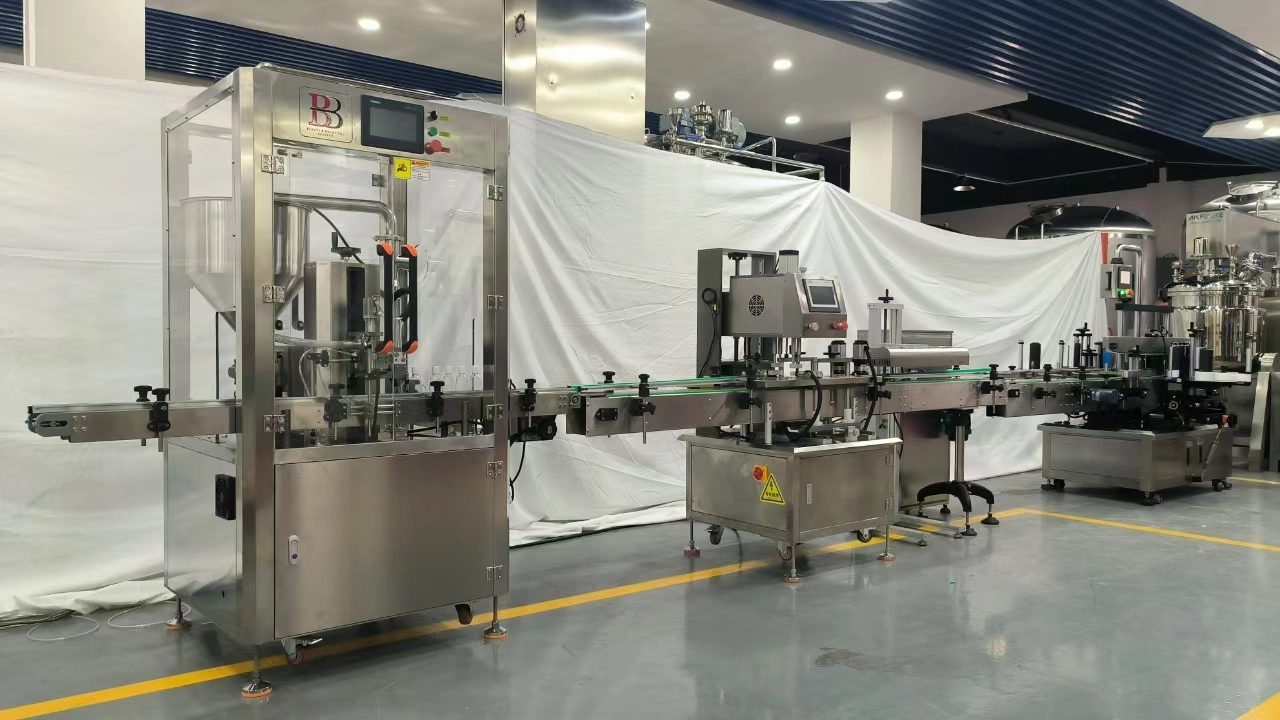
Understand the working principle of a servo gear pump filling machine!
Automatic Facial Mask Filling Machine
What can you buy from us?
RO Water Treatment、Vacuum Emulsifying Machine、Homogenizer Mixing Tank、Filling and Capping、labeling Machine、Packing Machine、Storage Tank,etc.
Sealed Homogenizing Mixing Tank
What can you buy from us?
RO Water Treatment、Vacuum Emulsifying Machine、Homogenizer Mixing Tank、Filling and Capping、labeling Machine、Packing Machine、Storage Tank,etc.
Storage Tank
How can I extend the life of my storage tank?
Avoid storing media that are incompatible with the material to prevent corrosion.
Perform maintenance according to specifications and promptly repair damaged anti-corrosion coatings or seals.
When the tank is idle for an extended period, empty the media and protect it from moisture and dust.
Automatic Tube Filling and Sealing Machine
Do you have a complete production line for facial masks?
Of course, we can also provide high-speed facial mask folding machine + online weighing and rejecting machine + automatic sheet counting machine + automatic cartoning machine + automatic three-dimensional cigarette packaging machine + online inkjet printer, etc.
Vacuum Emulsifying Machine
Who are we?
Our headquarters is located in Guangzhou, Guangdong, China, and our factory is located in Yangzhou, Jiangsu. Our products are sold all over the world. We have approximately 50 employees in our company and factory.
Get in touch with FULUKE
If you have any comments or good suggestions, please leave us a message, later our professional staff will contact you as soon as possible.
You May Also Like
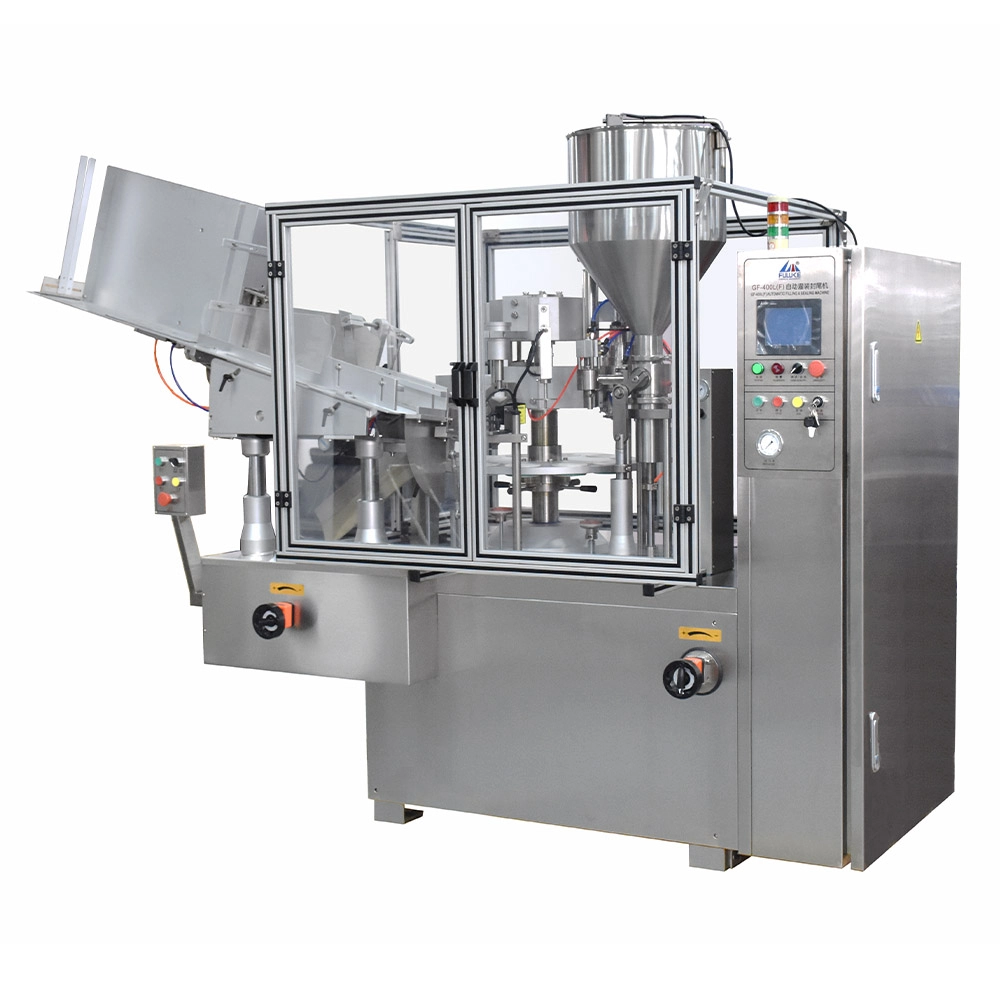
Automatic Tube Filling and Sealing Machine Toothpaste Sunscreen and Facial Cleanser Filling and Sealing Machine for Plastic and Aluminum-plastic Tube
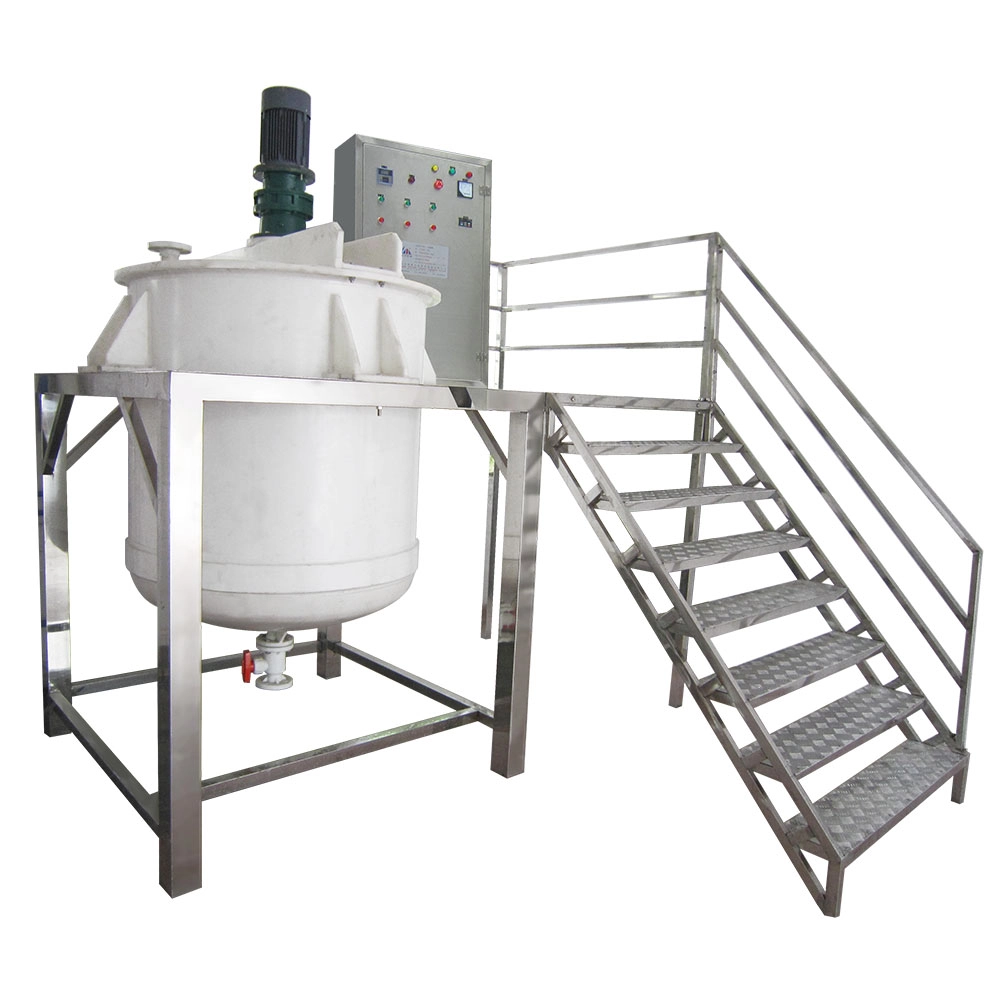
Polypropylene PP Mixing Tank Anti-Corrosion Mixer Reaction Kettle with Agitator Chemical Mixing Vessel
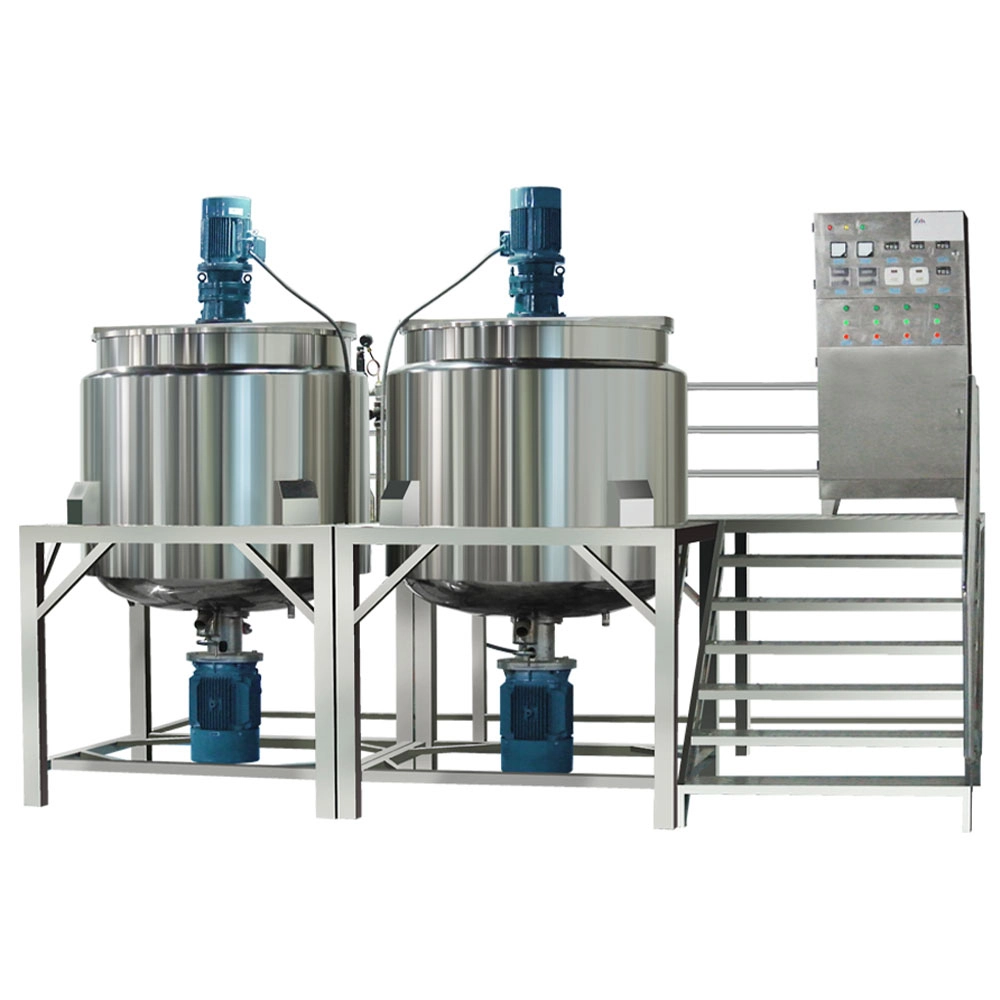
Flip Cover Multi-function Liquid Wash Mixing Tank Blender Liquid Detergent Mixer Homogenization Stirring Tank
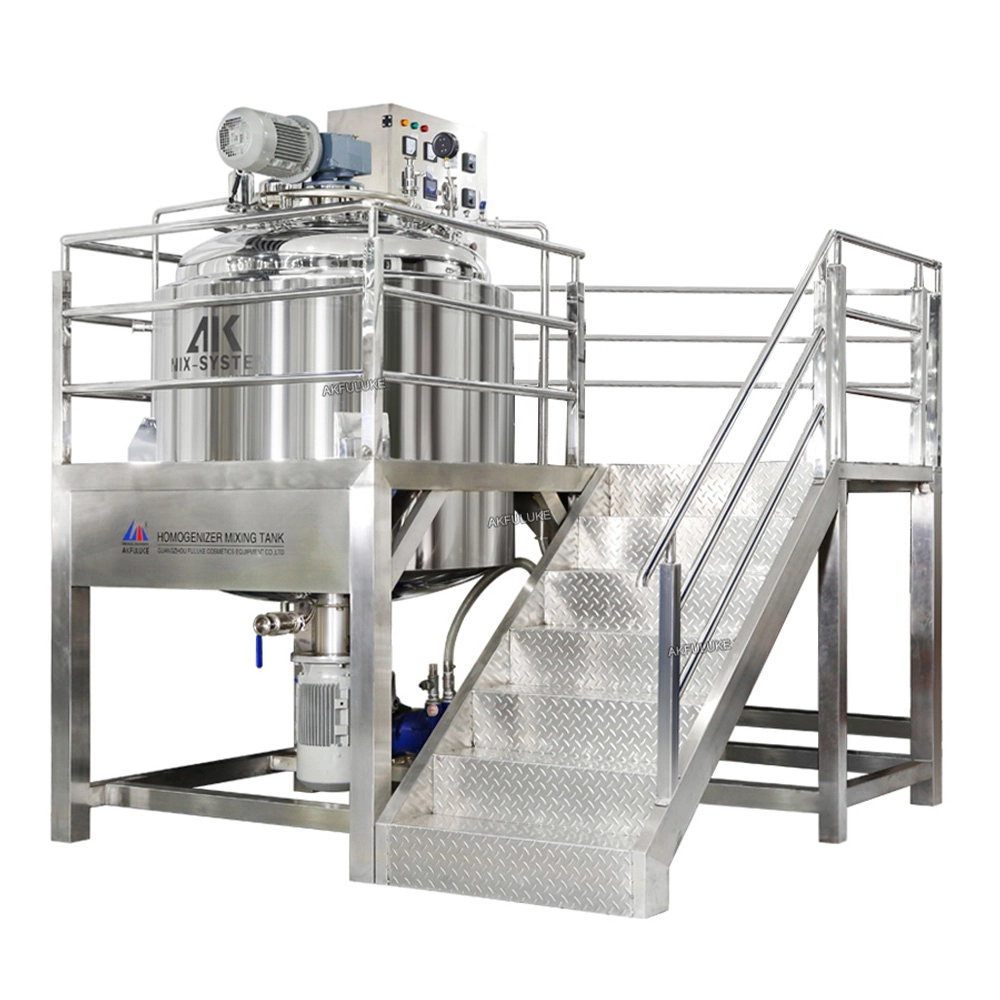
Stainless Steel Mixer Liquid Mixing tank with Agitator Homogenizing Mixing tank Vacuum Sealed Mixer Machine

A leading manufacturer specializing in advanced machinery and complete production lines for the cosmetics, food, pharmaceutical, and chemical industries worldwide.
Contact FULUKE
Facebook
Instagram
YouTube