
What sealing options work with cosmetic bottles?
- 1. What filling accuracy and validation protocol should I expect for low-volume serums (10–50 mL) when using a servo-driven piston bottle filling machine?
- 2. What sealing options work with cosmetic bottles when the formula contains oxygen-sensitive actives (vitamins, peptides) and the container is PET or glass?
- 3. How can I minimize foaming and product waste when filling thick creams and emulsions on a rotary filling machine?
- 4. What is a realistic changeover time and required spare-parts kit when switching between 30 mL, 50 mL, and 100 mL cosmetic bottles on the same automatic bottle filler?
- 5. Which tamper-evident sealing methods align best with EU/US retail expectations for cosmetic jars and small vials?
- 6. How do I integrate induction sealing onto an existing capping line without deforming PE caps or impacting cycle time?
1. What filling accuracy and validation protocol should I expect for low-volume serums (10–50 mL) when using a servo-driven piston bottle filling machine?
Expectation: For a properly specified servo-driven piston filling machine (volumetric piston or servo volumetric filler), realistic accuracy for low-volume cosmetic serums is commonly within ±0.3%–±1.0% of set volume depending on dosing resolution and product rheology. High-precision servo systems with high-resolution encoders and low-dead-volume nozzles will reach the tighter end of that range for clean, low-viscosity serums.
Validation protocol (practical step-by-step):
- Selection: Use a machine designed for low-volume dosing (servo-driven piston or peristaltic for very low volumes) and ensure anti-drip, low-shear nozzles to prevent loss.
- Environmental & material control: Condition product and bottles to production temperature; measure density (g/mL) if filling by mass.
- Sampling plan: For initial factory acceptance test (FAT) and site acceptance test (SAT), run at least 30 consecutive fills per volume point (10 mL, 20 mL, 50 mL). For production qualification, follow ISO/ICH-like statistical approach: 30–100 samples per SKU to estimate mean and standard deviation.
- Measurement: Use an analytical balance (resolution 0.001 g for small volumes). Weigh bottle empty and filled, subtract tare. Convert mass to volume using measured density for product.
- Acceptance criteria: Aim for mean deviation within ±0.5% for High Quality cosmetic serums. Also compute process capability (Cp/Cpk); target Cpk ≥ 1.33 for stable production. If Cpk < 1.33, investigate mechanical backlash, air entrainment, or inconsistent bottle positioning.
- Ongoing control: Implement periodic in-line check weighing (every 100–500 bottles depending on risk), automated reject, and SPC charts on HMI/PLC.
Why this matters: Small volume errors multiply over large runs and cause fill disputes, rework, and ingredient loss. Choosing the correct automatic bottle filler and validating to these steps protects margin and regulatory compliance.
2. What sealing options work with cosmetic bottles when the formula contains oxygen-sensitive actives (vitamins, peptides) and the container is PET or glass?
Best choices for oxygen/moisture barriers and chemical compatibility: induction heat-seal liners, pressure-sensitive liners (PSLs) with EVOH or metallized layers, and heat-sealed inner seals. For PET and glass, induction sealing with an aluminum foil liner plus a suitable polymer laminate gives a reliable hermetic barrier without contacting the product if placed under the cap.
Selection considerations:
- Active sensitivity: For oxygen/ moisture-sensitive actives, choose a multi-layer induction seal (foil + polymer + optional EVOH) that has verified OTR (oxygen transmission rate) and MVTR (moisture vapor transmission rate) values matching shelf-life needs.
- Cap & neck compatibility: Induction sealing requires a caps liner with an aluminum layer—works with plastic and glass bottles if the cap geometry seats the liner flat against the neck.
- Heat sensitivity of formula: Some induction systems generate heat briefly at the foil interface; for extremely heat-sensitive formulas verify with a pilot run. For zero-heat options consider cold-seal adhesives or pressure-sensitive seals with barrier layers applied inside the cap.
- Regulatory & labeling: Maintain traceability of liner lot numbers and test seals for peel force, microbial ingress, and barrier properties as part of your release testing.
Practical tip: Pair an induction sealing head integrated after the capping turret on a rotary filling line using servo synchronization. Run a small stability study (accelerated aging) to confirm that your chosen liner preserves potency over the product shelf life.
3. How can I minimize foaming and product waste when filling thick creams and emulsions on a rotary filling machine?
Key causes of foam: high-shear pump action, high filling speed, poor nozzle design, and entrained air in the product feed hopper. Practical fixes:
- Use low-shear dosing: Piston fillers or metering pumps with low-pulse output reduce entrainment compared with centrifugal pumps. In many cases a rotary piston filling machine with gentle suction and return minimizes foam.
- Nozzle design: Use long-stroke, bottom-mounted nozzles or submerged nozzles that dispense at the bottle bottom to displace product, not air. Anti-drip valves and vacuum recirculation heads reduce stringing and waste.
- Vacuum deaeration: Fit a vacuum deaeration tank/hopper upstream of the filler to remove entrained air in emulsions before dosing.
- Temperature control: Slightly warming thick creams lowers viscosity and reduces shear requirements, but validate stability and microbial controls before use.
- Speed vs. fill cycle: Tune fill profiles—slower initial fill followed by a top-off reduces foam. Many servo-driven fillers allow multi-segment dosing profiles to minimize turbulence.
- CIP considerations: For high-viscosity cosmetics, design the filler for easy disassembly or provide a low-shear CIP loop to remove residues and prevent trap points that create foam and contamination.
Measurement & KPIs: Track rejected bottles due to foam, weight variability, and product loss per run. A properly designed rotary filling machine for viscous creams will reduce rejects and product waste by 60–90% versus non-optimized setups.
4. What is a realistic changeover time and required spare-parts kit when switching between 30 mL, 50 mL, and 100 mL cosmetic bottles on the same automatic bottle filler?
Realistic targets and what affects them: Changeover time depends on machine type (inline vs rotary), whether quick-change change parts are used, and operator skill. For modern servo-driven rotary filling lines with quick-change nozzles and modular star plates, 10–30 minutes is achievable. Older or non-optimized machines may take 60–90 minutes.
Recommended spare-parts kit to minimize downtime:
- Quick-change filling nozzles and seals sized for each SKU (30 mL, 50 mL, 100 mL)
- Interchangeable star plates or bottle guides keyed to neck diameters
- Spare actuators/solenoids and nozzle O-rings (common wear items)
- Set of changeover tools and torque wrench with documented torque values
- Pre-loaded PLC/HMI recipes for each SKU (volumes, fill profiles, servo positions)
Best practice changeover workflow (to hit 10–30 min):
- Stop the line at a designated index; keep product feed isolated.
- Use pre-staged change parts (nozzles, guides) on a trolley. Operators follow a documented checklist.
- Load the new recipe on the HMI and run 5–10 trial bottles for fine tuning.
- Release to production after validation (weight check on trial batch and visual inspection).
Tip: Invest in automation-friendly features—servo-indexed capper, tool-less nozzles, and recipe memory—because small reductions in changeover time multiply into large productivity gains on multi-SKU cosmetic lines.
5. Which tamper-evident sealing methods align best with EU/US retail expectations for cosmetic jars and small vials?
Consumer & retailer expectations: Tamper evidence is a major retail and consumer trust driver. Common and effective tamper-evident methods for cosmetics include induction seals, shrink bands (heat-shrink tamper bands), tamper-evident caps with breakaway rings, and sealed inner liners (PSL). Each has pros/cons:
- Induction seals: Provide an inner foil barrier and obvious broken seal once opened. Widely accepted in retail and e-commerce. They also offer barrier benefits beyond tamper evidence.
- Shrink bands: Visual and tactile break indicator. Easy to add post-cap and good for jars and bottles. Consider material (PVC vs PETG) for sustainability goals.
- Breakaway caps: Integrated tamper ring that snaps at first open. Suitable for low-to-medium price points and simple packaging.
- Pressure-sensitive liners (PSL): Provide inner seal and a strong customer perception of freshness when peeled. Not always tamper-evident unless combined with an outer band or cap.
Regulatory note: While cosmetics in the EU (Regulation (EC) No 1223/2009) and in many markets require safe labeling and stability data, tamper-evidence is typically a market and retailer requirement rather than a single harmonized legal mandate. Always confirm retailer-specific specs and regional distribution requirements.
Implementation checklist: Verify compatibility of the tamper system with your cap design and filling line speed, run retention/peel testing, and document lot traceability for liners/bands to align with quality audits and retailer vendor compliance.
6. How do I integrate induction sealing onto an existing capping line without deforming PE caps or impacting cycle time?
Integration challenges: Induction sealing introduces a localized high-frequency magnetic field that heats the aluminum layer in the liner. The two main risks are cap deformation (for low-melting-point plastics) and cycle-time bottlenecks if the head dwell time is long.
Integration approach:
- Assess cap material and geometry: PE caps can deform if excessive energy or dwell time is used. Consider switching to caps with higher heat tolerance or using liners with lower activation energy.
- Select the right induction head: Use an induction head with adjustable power and dwell, flat coil geometry matched to cap diameter, and servo-synchronized positioning to ensure consistent sealing without prolonged dwell.
- Synchronize with PLC/HMI: Integrate induction head control into the filler’s PLC so that sealing is sequenced, not paused. Use a continuous-motion induction head or a short-stroke indexing arrangement on rotary systems to maintain throughput.
- Cooling & dwell mitigation: If caps are marginal, provide a short active air-cooling tunnel post-seal or use intermittent cooling nozzles to quickly lower cap temperature below deformation thresholds.
- Pilot testing: Run a production-simulated pilot with filled, capped bottles at target speed and measure cap temperature, seal integrity, and cycle time impact. Adjust power and speed until you achieve reliable seals without cap distortion.
Outcome: With a properly matched induction head and process controls (servo timing, adjustable power, and cooling), many cosmetic lines add induction sealing with minimal or zero net change in line throughput.
Closing summary
Choosing the right bottle filling machine (automatic bottle filler, rotary filling machine, piston filling machine) and matching sealing options (induction liners, shrink bands, PSLs, ultrasonic seals) reduces waste, ensures product stability, and meets retailer and consumer tamper-evidence expectations. Key advantages include improved filling accuracy and consistency, lower product loss, quicker validated changeovers, and scalable integration of sealing systems that protect oxygen- or heat-sensitive active ingredients. Fulukemix’s equipment specs prioritize servo-driven control, hygienic design, and modular changeover parts to meet these goals.
Contact us for a tailored quote and equipment recommendation at www.fulukemix.com or flk09@gzflk.com.
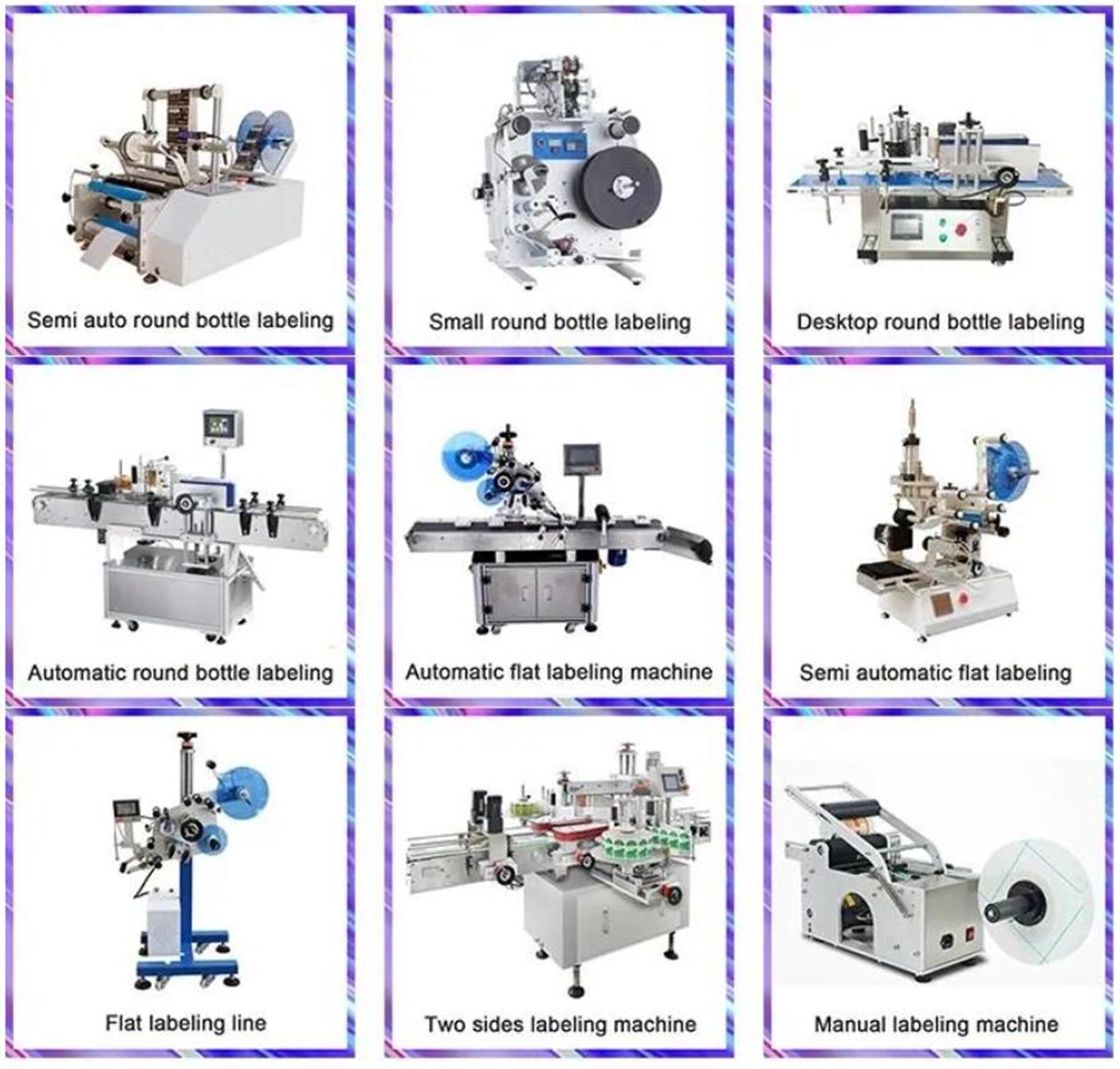
Improving Packaging Efficiency: Applications and Advantages of Fully Automatic Labeling Machines in Production Lines

Understanding Servo Capping Machines: The Core Logic of Precise Capping – Understand the Entire Working Process in Seconds
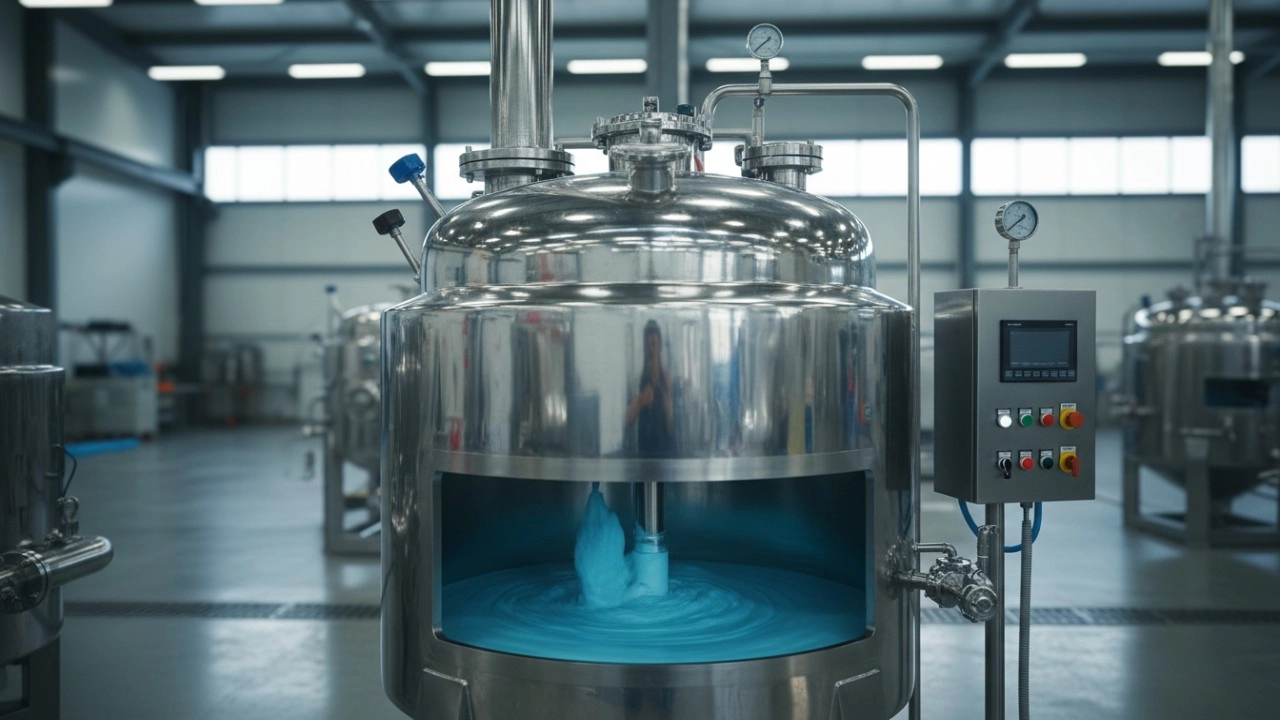
The Future of Industrial Agitation: 5 Smart Mixing Tank Technologies Changing the Game
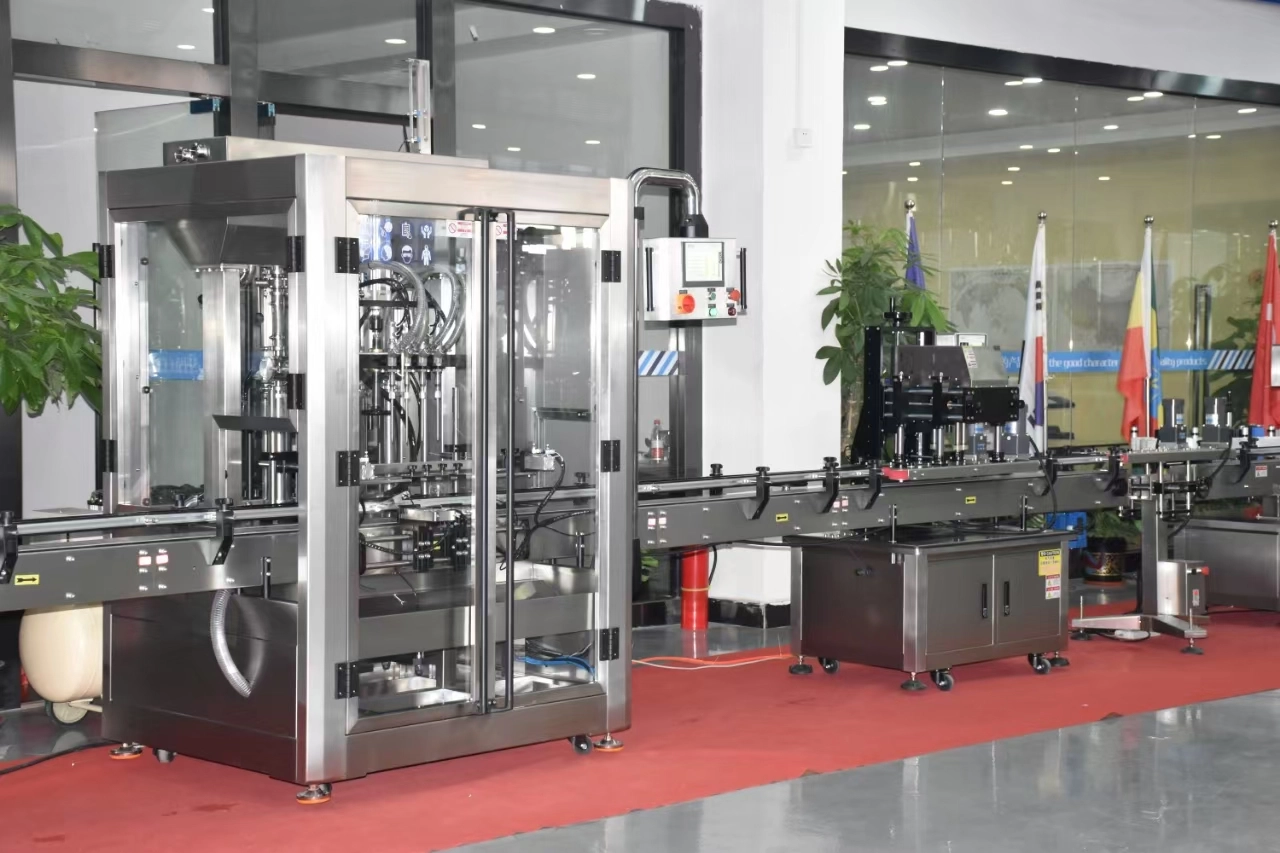
Gear pump filling machine vs. piston filling machine: Key differences broken down to avoid pitfalls in selection.
The Flip Cover Liquid Wash Mixing Homogenizing Tank
Can you customize the machine?
Of course, we provide customized services according to customer needs.
Automatic Tube Filling and Sealing Machine
Can the device accommodate tubes of different materials and specifications?
Yes. The device supports plastic (PE, PP) and aluminum-plastic composite hoses. The compatible hose diameter range is typically Φ10-Φ60mm (customizable to user specifications), and the capacity range is 2.5ml-400ml. By replacing specialized molds (such as cylinders and filling heads), the device can be adapted to meet different filling volumes, providing flexible adaptability.
Automatic Facial Mask Filling Machine
How many filling nozzles does your facial mask filling machine have?
We have dual-, six-, eight-, and ten-head facial mask filling machines. We can customize the number of filling nozzles to meet your needs.
Perfume Filling Machine
Can the perfume filling machine accommodate perfume bottles of varying materials and shapes?
Yes. The machine utilizes adjustable mold positions and a PLC control system that allows for one-touch parameter switching, allowing it to accommodate a wide range of bottle shapes, including round, square, and special-shaped ones. The filling capacity range can be flexibly adjusted, and format changeovers take as little as 10 minutes, meeting diverse production needs.
Automatic Labeling Machine
After a few years of use, the equipment's labeling accuracy has decreased. What could be the problem?
Decreased accuracy is often related to component wear. Focus on inspecting three areas.
Inspect the labeling roller: Surface wear or adhesive buildup can cause unstable label feeding and require replacement.
Inspect the servo motor: Motor aging can cause unstable speed. Contact maintenance personnel to inspect the motor's performance.
Inspect the photoelectric sensor: Dust accumulation or reduced sensitivity on the lens can affect positioning. Clean the lens or recalibrate it.
Get in touch with FULUKE
If you have any comments or good suggestions, please leave us a message, later our professional staff will contact you as soon as possible.
You May Also Like
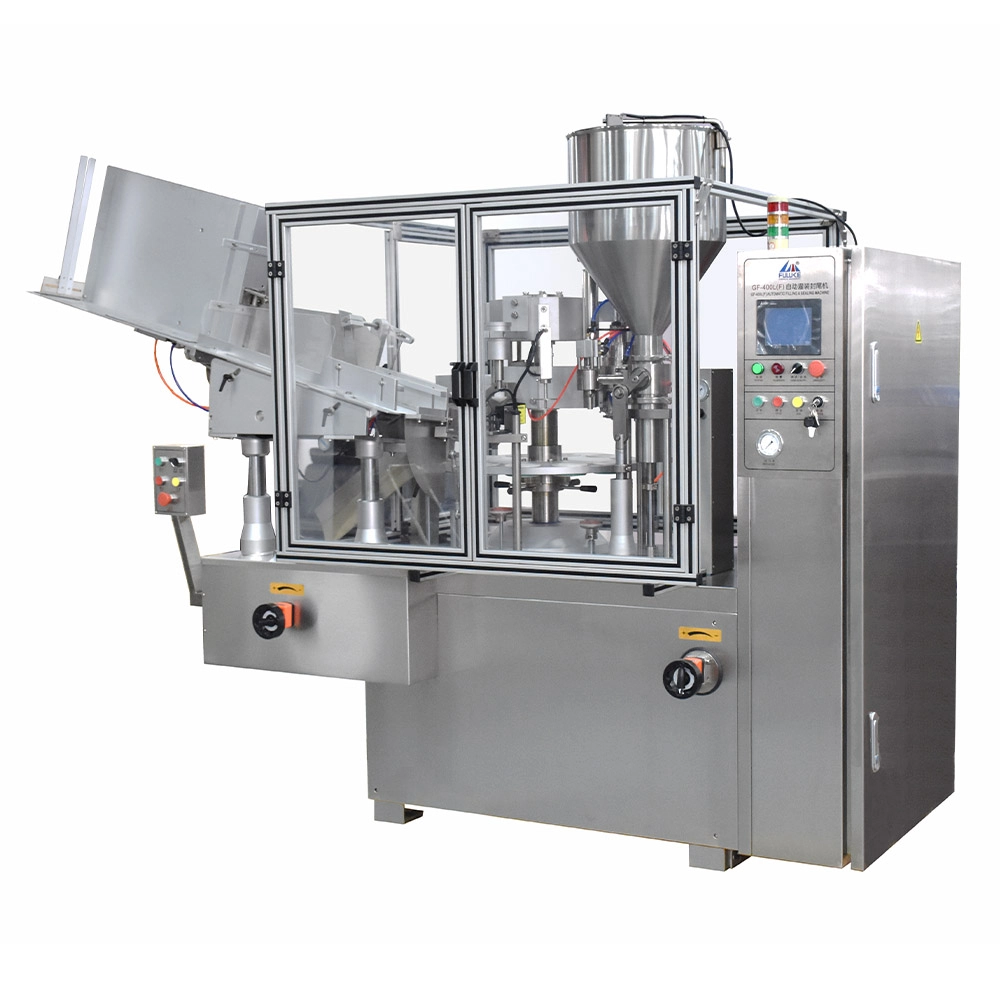
Automatic Tube Filling and Sealing Machine Toothpaste Sunscreen and Facial Cleanser Filling and Sealing Machine for Plastic and Aluminum-plastic Tube
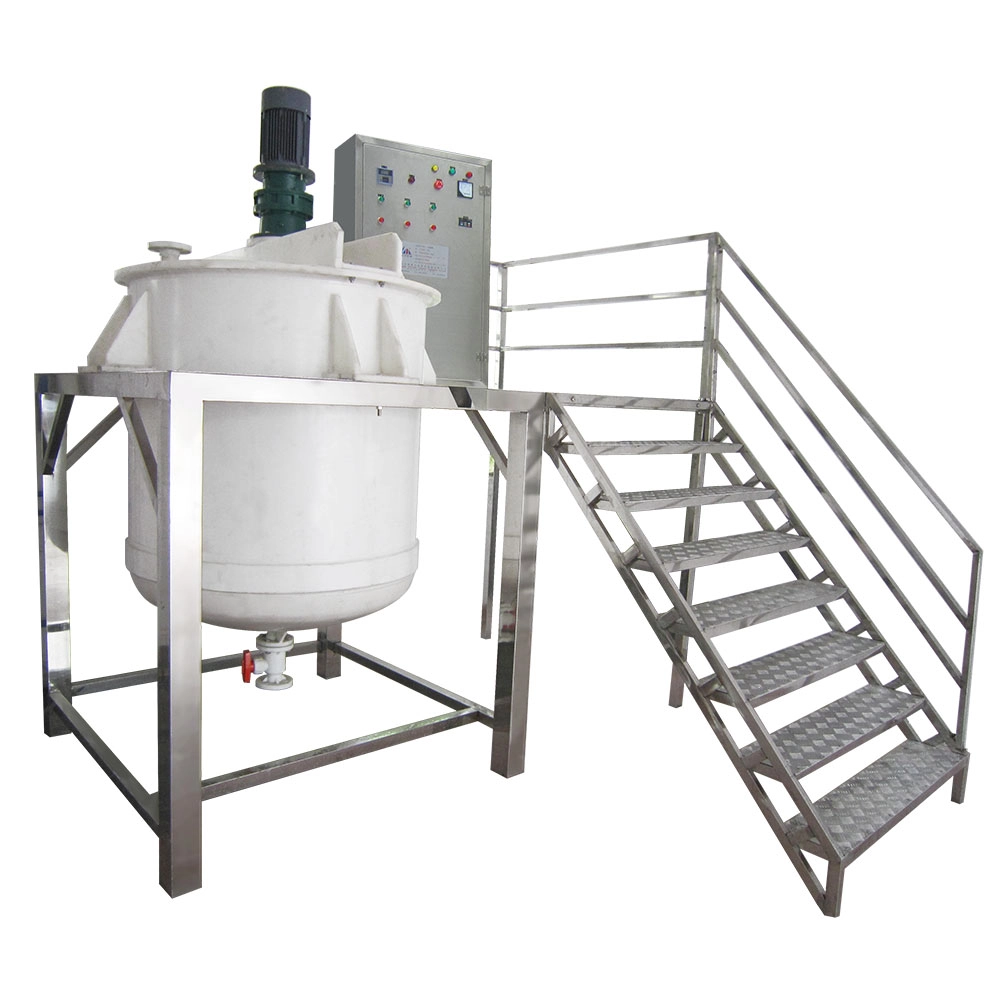
Polypropylene PP Mixing Tank Anti-Corrosion Mixer Reaction Kettle with Agitator Chemical Mixing Vessel
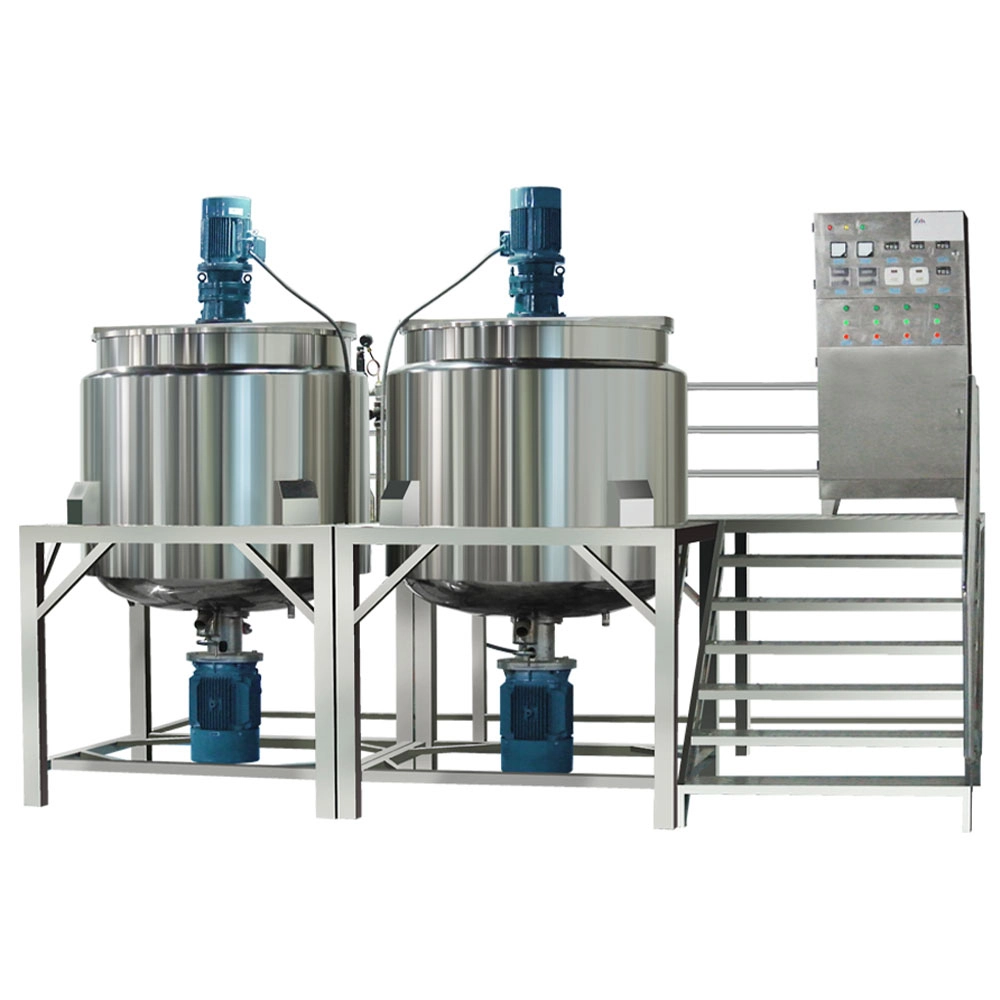
Flip Cover Multi-function Liquid Wash Mixing Tank Blender Liquid Detergent Mixer Homogenization Stirring Tank
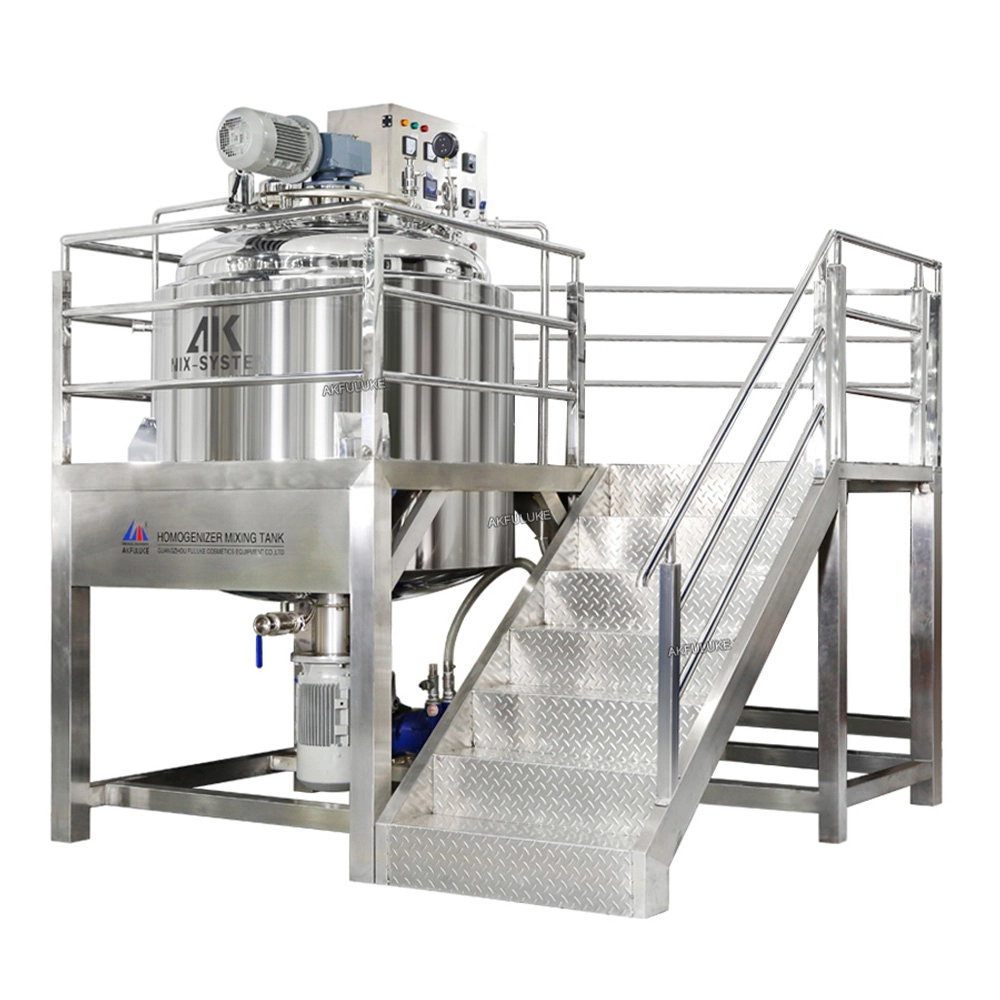
Stainless Steel Mixer Liquid Mixing tank with Agitator Homogenizing Mixing tank Vacuum Sealed Mixer Machine

A leading manufacturer specializing in advanced machinery and complete production lines for the cosmetics, food, pharmaceutical, and chemical industries worldwide.
Contact FULUKE
Facebook
Instagram
YouTube