
What are the benefits of servo-driven fillers?
- 1. How do I choose a bottle filling machine for shear-sensitive emulsions and foam-prone cosmetic lotions?
- 2. What are the benefits of servo-driven fillers for small-batch cosmetic production lines?
- 3. How do I calculate total cost of ownership (TCO) when comparing pneumatic vs servo-driven fillers for cosmetics?
- 4. What sanitary and cleaning features should a filling machine have to prevent cross-contamination between scented or colored cosmetic SKUs?
- 5. How do I integrate a bottle filling machine into an existing cosmetic packaging line (cappers, labelers, conveyors, PLCs)?
- 6. What are realistic spare parts, maintenance intervals and service plans to minimize downtime for servo-driven fillers?
- Concluding summary: advantages of choosing the right bottle filling machine and adopting servo-driven fillers
6 Critical Questions Beginners Ask About Bottle Filling Machines and Servo-Driven Fillers
As cosmetic equipment specialists with production-line experience and compliance knowledge (ISO 22716, CE, ISO 9001), we answer six long-tail, buyer-focused questions about choosing and operating a bottle filling machine — with emphasis on What are the benefits of servo-driven fillers? These answers are written for line engineers, production managers, and buyers aiming to reduce downtime, prevent product waste, and ensure regulatory compliance.
1. How do I choose a bottle filling machine for shear-sensitive emulsions and foam-prone cosmetic lotions?
Problem: Foam, product breakdown and inconsistent fills destroy yields and batch quality. The wrong filler increases rework and product rejection.
Actionable selection criteria:
- Choose positive-displacement or low-shear pump technologies: hygienic piston fillers with gentle fill profiles, progressive cavity (Moineau) pumps, or peristaltic pumps preserve emulsion structure for shear-sensitive serums and creams. Rotary piston fillers can work but check stroke speed and valve design.
- Specify adjustable fill ramp and anti-foaming strategies: look for machines that allow a slow initial fill, short dwell, then a fast completion (programmable via PLC/HMI). This reduces entrained air for foam-prone formulations.
- Consider bottom-up or overflow filling heads: bottom-up filling greatly reduces splashing and foam for thin-to-medium viscosity lotions. Overflow filling ensures precise cosmetic appearance for transparent products, but requires recirculation and higher cleaning considerations.
- Match pump materials and seals to formulation chemistry: food-grade 316L stainless steel contact parts, FDA-approved PTFE/EPDM/Viton seals as appropriate for surfactants and parfum content. Ask vendors for material compatibility charts.
- Test samples on-site or request a full-scale factory acceptance test (FAT) with representative viscosity (measured in mPa·s) and temperature. Typical viscosity guidance: serums 1–100 mPa·s, lotions 500–10,000 mPa·s, creams 10,000–200,000 mPa·s — but always test with your actual product.
Takeaway: Insist on product trials, programmable fill profiles, and low-shear pump options when buying a bottle filling machine for shear-sensitive cosmetics.
2. What are the benefits of servo-driven fillers for small-batch cosmetic production lines?
Problem: Small-batch and multi-SKU cosmetic plants need rapid changeovers, high accuracy at low volumes, and minimal waste — traditional pneumatic or mechanical systems struggle here.
Key benefits of servo-driven fillers:
- Precision and repeatability: servo systems provide electronic control of stroke and speed, delivering consistent fills — many cosmetic manufacturers see accuracy within ±0.5% of target volume for typical lotions. This reduces giveaway and product loss, especially important with high-cost actives.
- Fast, tool-less changeovers: programmable recipes allow immediate recall of stroke lengths, speeds and dosing curves for different SKUs, cutting physical changeover time to minutes instead of tens of minutes.
- Energy efficiency and lower maintenance: servo motors consume power only when moving and eliminate pneumatic compressors for those axes, often reducing utility load and maintenance associated with air systems. Industry reports indicate meaningful reductions in compressed-air usage when converting axes to servo control.
- Advanced motion profiles: you can program gentle start/stop ramps for shear-sensitive fluids, segmented fills (pre-fill + main fill + top-off), and anti-foam sequences, enabling better cosmetic product handling without mechanical modifications.
- Digital integration and data logging: servos often integrate natively with PLCs and SCADA for OEE, traceability and batch records required by ISO 22716 GMP documentation. You can capture torque, cycle counts and fault logs for predictive maintenance.
Practical note: specify closed-loop servo systems with encoders, IP65-rated drives for washdown environments, and spare-driver support. For very high-viscosity creams, combine servo dosing with piston or progressive cavity pumps for best results.
3. How do I calculate total cost of ownership (TCO) when comparing pneumatic vs servo-driven fillers for cosmetics?
Problem: Purchase price is only one factor. Beginners often underestimate lifetime costs: energy, maintenance, product giveaway, changeover labor and downtime.
Recommended TCO model (annualized):
- Capital cost amortized per year = (Purchase price − Residual value) / Useful life (years)
- Energy cost = annual electricity + compressed air costs. (Compressed air can be a large hidden cost — estimate compressor kW and duty cycle.)
- Maintenance & consumables = yearly parts (seals, valves, motor brushes), labor hours for preventive maintenance, and external service contracts.
- Product giveaway = average overfill per bottle × production volume × product cost. Servo fillers reduce giveaway through accuracy.
- Changeover labor = average minutes per SKU change × hourly labor rate × number of SKU changes per year.
- Downtime cost = estimated downtime events per year × average minutes lost × production value per minute.
Example approach (simplified): compute two scenarios (pneumatic vs servo) using the model above. In many small-to-medium cosmetic lines, reduced giveaway and faster changeovers offset higher capital outlay within 12–36 months. Always validate with your actual energy rates and SKU mix.
4. What sanitary and cleaning features should a filling machine have to prevent cross-contamination between scented or colored cosmetic SKUs?
Problem: Cross-contamination destroys brand quality, causes customer returns, and can trigger regulatory issues. Cosmetics must follow hygiene standards (ISO 22716) and often retailer specifications.
Must-have hygienic features:
- 316L stainless steel contact parts and polished surfaces (Ra ≤ 0.8 μm where required) to prevent product traps and staining.
- Clean-In-Place (CIP) or easy-disassemble filling heads: CIP allows rapid internal cleaning with validated protocols, while modular quick-release nozzles speed manual changeovers for a wide SKU mix.
- Minimize dead legs and use sanitary fittings (tri-clamp) and hygienic valves. Design heads to avoid internal cavities where color or perfume can accumulate.
- Dedicated rinse and air-blow stations after filling to remove residual product from nozzles. Use filtered compressed air (ISO 8573-1 class 1-2) if air-blowing contact surfaces.
- Validation and swabbing procedures: define ATP/visual inspection limits and sample intervals to validate cleaning efficacy between color or fragrance changes.
Operational tip: for high-changeover environments, combine quick-release manifolds with color-coded spares and documented SOPs. Keep a fail-safe purge or flush recipe in the PLC for high-risk transitions (e.g., dark pigment to white cream).
5. How do I integrate a bottle filling machine into an existing cosmetic packaging line (cappers, labelers, conveyors, PLCs)?
Problem: Incompatible communications, mismatched speeds and mechanical alignments cause squawks, stoppages and inefficiencies during integration.
Integration checklist:
- Electrical & communications: ensure the filler supports your plant network protocols — common industrial protocols include EtherNet/IP, Profinet, Modbus TCP, OPC UA and discrete I/O. Confirm PLC vendor compatibility and HMI recipe exchange methods (CSV, OPC tags).
- Mechanical alignment: match conveyor width, bottle pitch and starwheel timing. Provide 3D CAD/line-layout to vendors to validate footprint and transfer geometry to capping/labeling machines.
- Speed matching and buffering: use accumulating conveyors or infeed buffers if the filler’s optimal speed differs from downstream equipment. Servo-driven fillers can flex speed dynamically to sync with labelers or cappers during transient conditions.
- Control recipes and traceability: configure batch numbers, timestamps and fill volumes to be written to MES or SCADA. ISO 22716-style documentation requires traceable records for cosmetic batches.
- Safety and guarding: align machine guarding (interlocks, safety PLC) and certify as an integrated cell under CE machine directives. Verify E-stops and safety circuits across the line.
Integration tip: request a FAT (factory acceptance test) with your downstream equipment or a site acceptance test (SAT) before shipment to minimize field surprises.
6. What are realistic spare parts, maintenance intervals and service plans to minimize downtime for servo-driven fillers?
Problem: Beginners often lack a spare-parts plan. Waiting for a custom part or specialist technician causes long MTTR and lost production.
Recommended spare parts and inventory levels:
- Consumables: sets of O-rings, gaskets, seals (for diaphragms, piston sleeves), and quick-change nozzles. Keep at least a 3–6 month usage stock based on run-rate.
- Critical spares: one spare servo drive/module, encoder, and a replacement PLC backup battery. These parts are common failure points with longest lead times.
- Wear parts: piston barrels, pump stators (progressive cavity), valve seats. Forecast replacement life by runtime hours and plan scheduled swaps during planned downtime.
- Maintenance schedule: daily washdown and visual checks, weekly lubrication points (where applicable) and monthly detailed checks (belts, couplings, torque checks). Annual preventive maintenance including servo drive calibration and encoder checks.
- Service plan: obtain an OEM or certified integrator service contract that includes priority support, spare parts kit, remote diagnostics capability, and defined SLA (response times). For multi-shift operations, 24/7 escalation is recommended.
Operational metric to track: Mean Time To Repair (MTTR) and Mean Time Between Failures (MTBF). Use machine data (servo hours, fault logs) to build a predictive maintenance plan and reduce unplanned downtime.
Concluding summary: advantages of choosing the right bottle filling machine and adopting servo-driven fillers
Choosing the correct bottle filling machine for cosmetics means balancing product handling (shear sensitivity, viscosity), sanitary design, integration needs, and lifecycle costs. Servo-driven fillers offer superior dosing accuracy, rapid recipe changeovers, energy efficiency, and digital traceability — benefits that pay back through reduced product giveaway, faster SKU changeovers and easier line integration. For shear-sensitive or high-value cosmetic formulations, pair servo motion control with gentle positive-displacement or progressive cavity pumps to preserve formula integrity.
If you need specification support, FAT testing, or a quote tailored to your SKU mix and line layout, contact us for a personalized quote: www.fulukemix.com or flk09@gzflk.com.
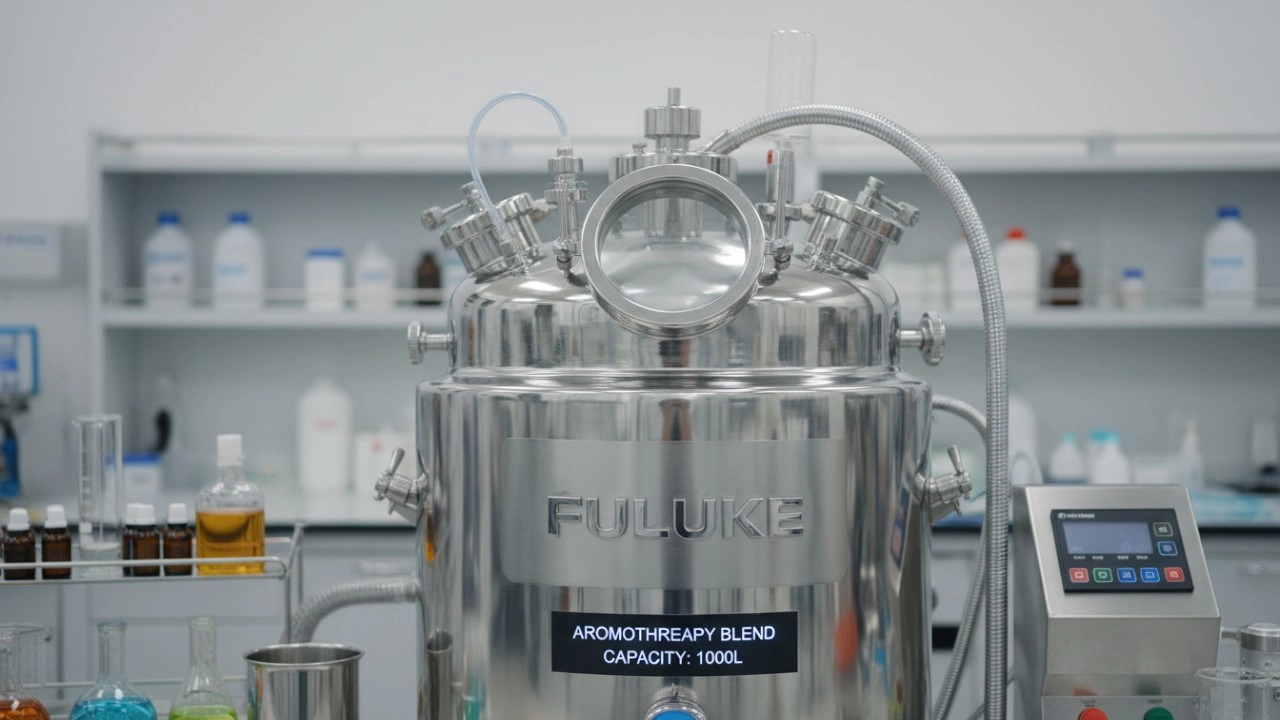
How Mixing Tanks Are Used in Aromatherapy & Cosmetics: The 2026 Guide
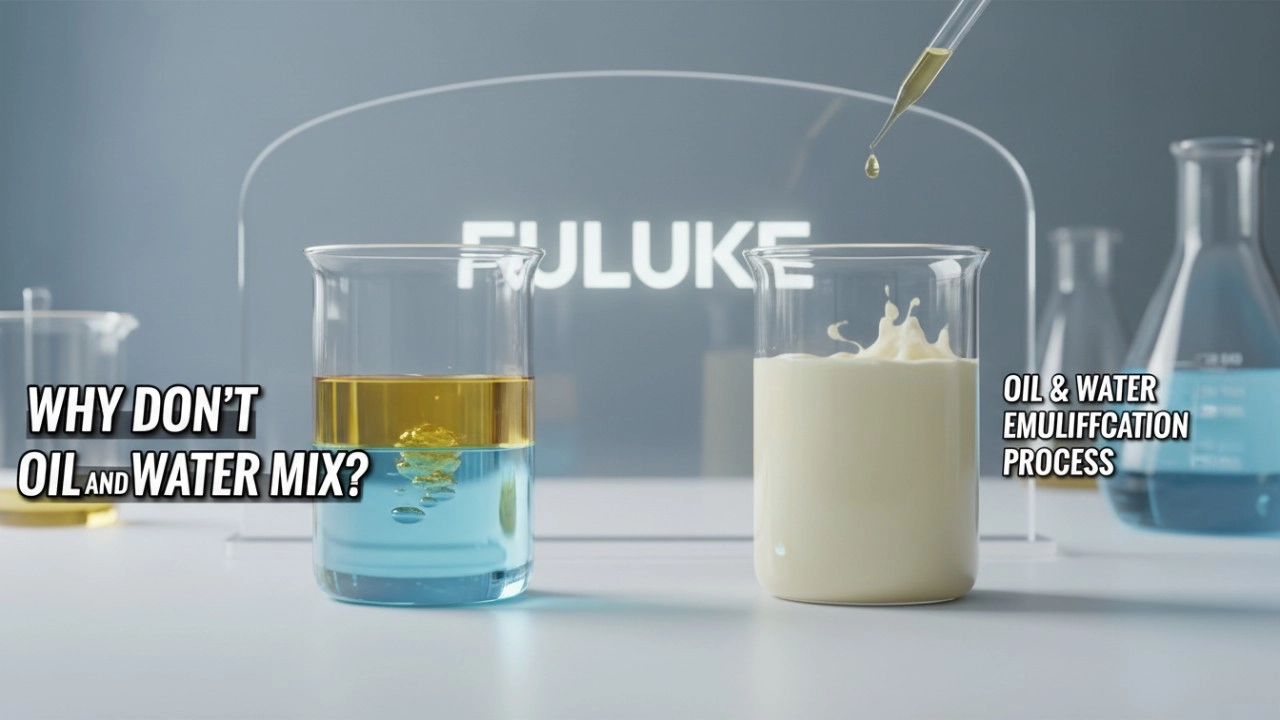
5 Revolutionary Methods to Mix Oil and Water: A Deep Dive into Advanced Emulsification (2026 Guide)
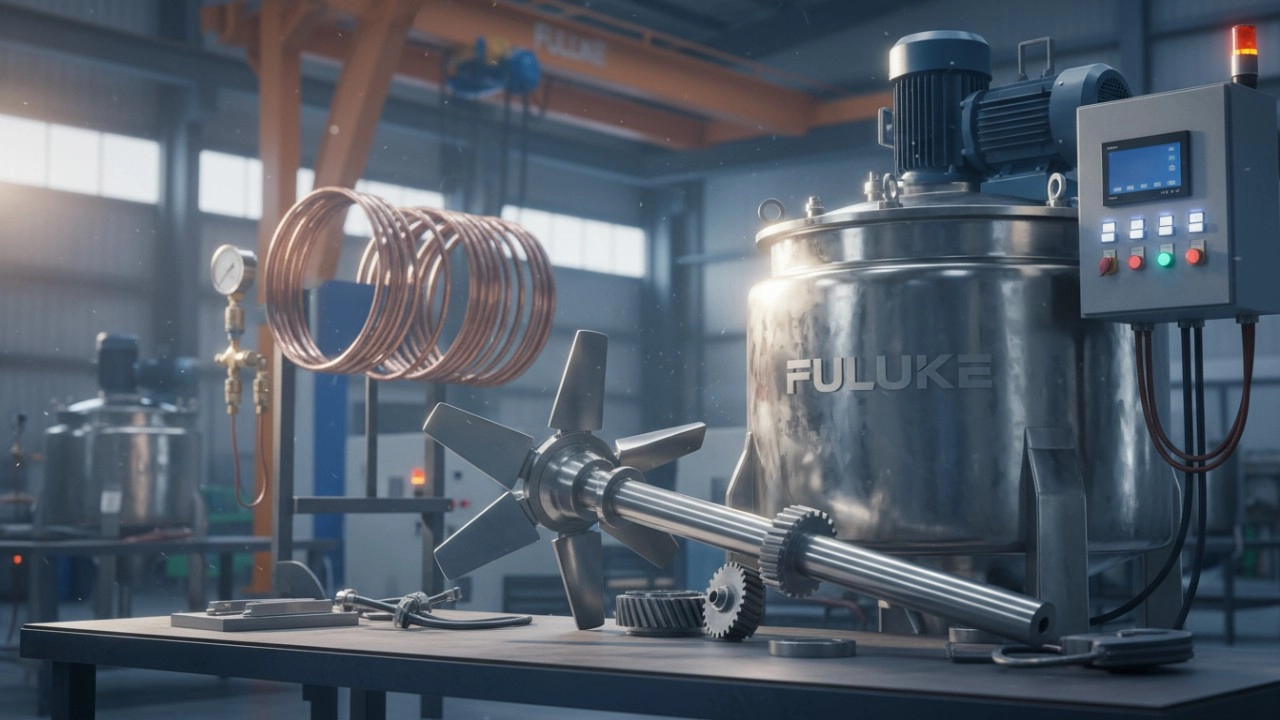
Top 7 Mixing Tank Component Failures (And How to Prevent Costly Downtime) in 2026
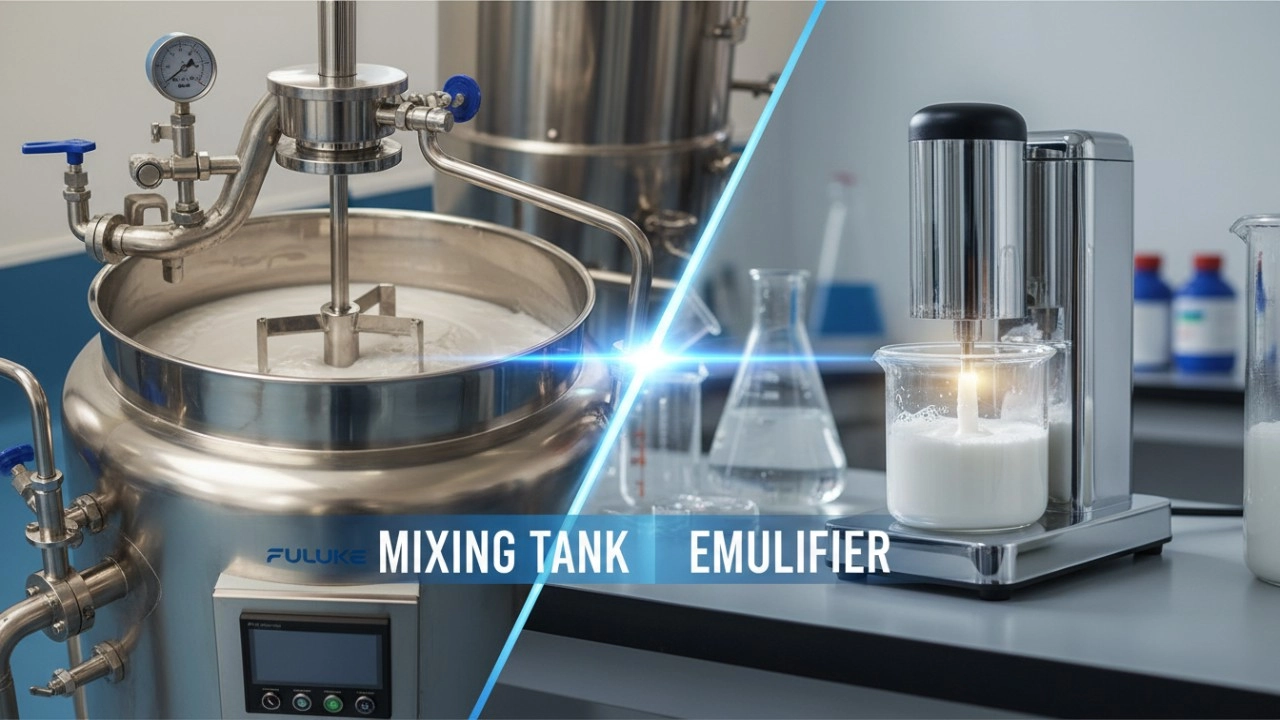
High-Shear Emulsifier vs. Standard Mixing Tank: A Deep Dive into Process Efficiency
Oven machine
What sizes of glass bottles can this glass bottle drying oven accommodate?
It can accommodate various types of glass bottles, including small-mouth bottles, wide-mouth bottles, irregularly shaped bottles, thin-walled bottles, oral liquid bottles, essential oil bottles, etc., meeting the needs of the food, pharmaceutical, and cosmetic industries.
The Flip Cover Liquid Wash Mixing Homogenizing Tank
Can you customize the machine?
Of course, we provide customized services according to customer needs.
Polypropylene PP Mixing Tank
Can you customize the machine?
Of course, we provide customized services according to customer needs.
FAQs
Does FULUKE offer customized machinery solutions?
Automatic Tube Filling and Sealing Machine
Can you customize the machine?
Of course, we provide customized services according to customer needs.
Get in touch with FULUKE
If you have any comments or good suggestions, please leave us a message, later our professional staff will contact you as soon as possible.
You May Also Like
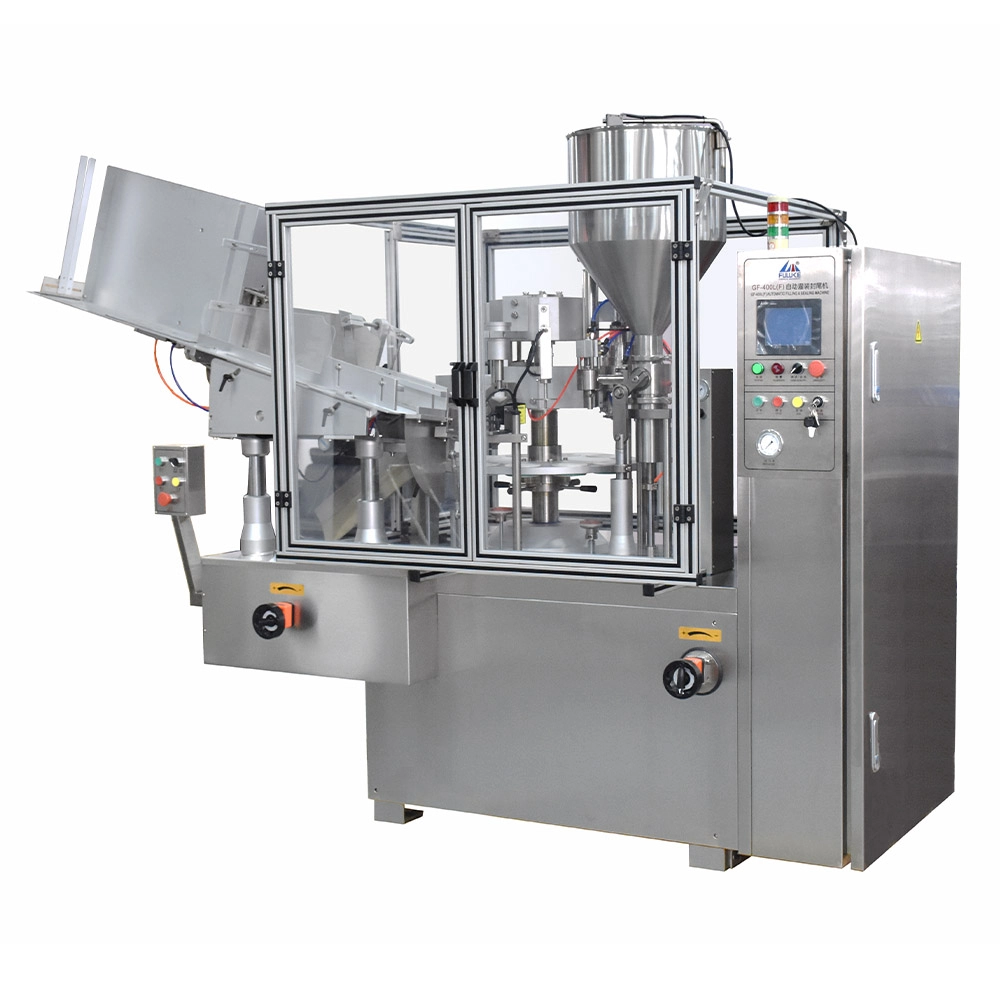
Automatic Tube Filling and Sealing Machine Toothpaste Sunscreen and Facial Cleanser Filling and Sealing Machine for Plastic and Aluminum-plastic Tube
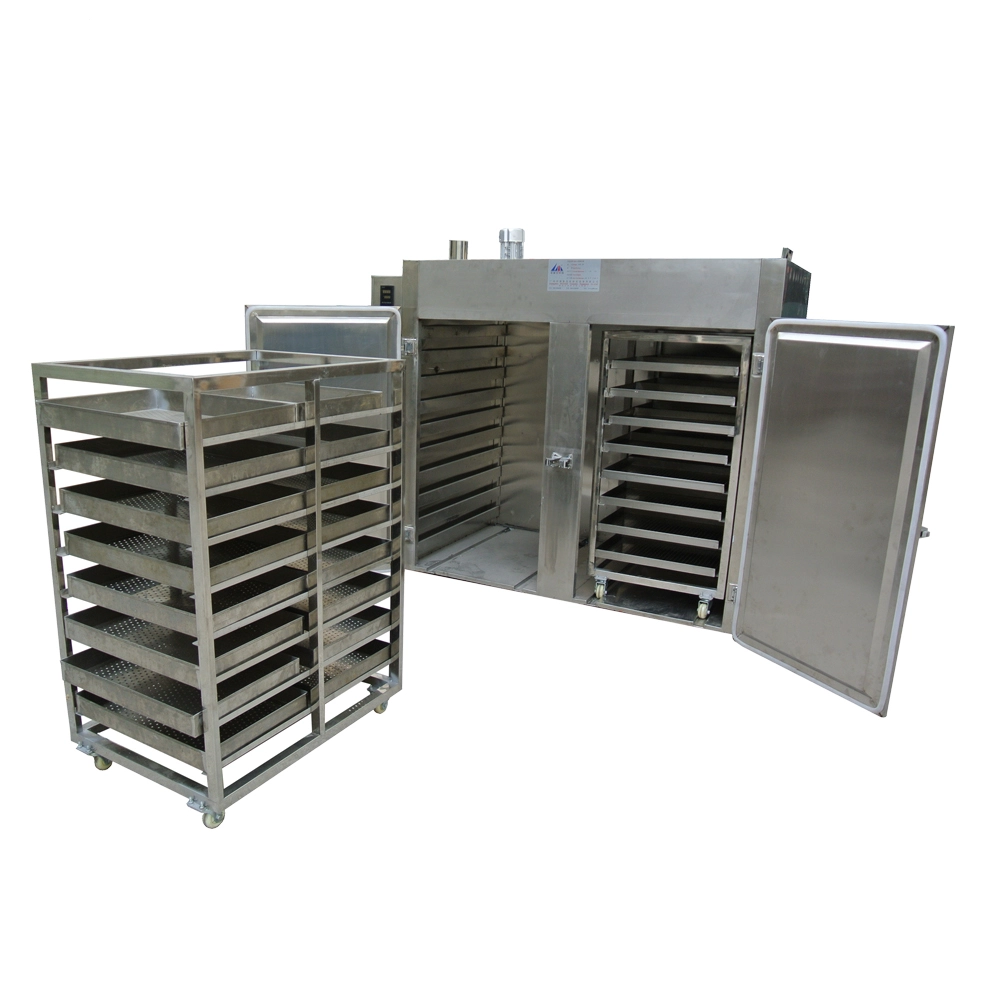
Over for Bottles High Temperature Sterilizer Tray Dryer Large Hot Air Circle Drying Oven for Glass Bottle Jar Cup Can

Automatic Glass Bottle Washing Machine High Quality Glass Bottle Cleaning Washer
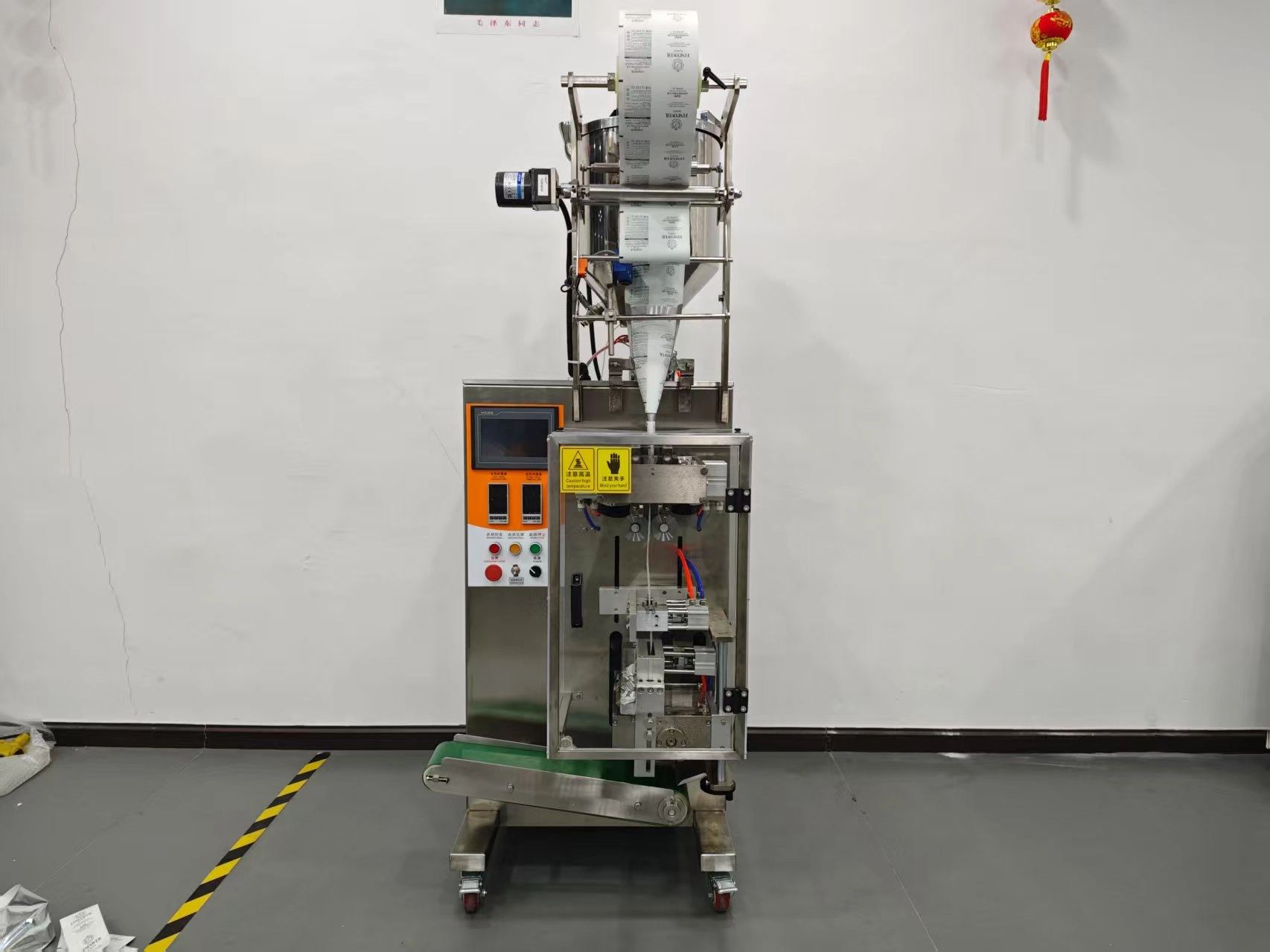
Three-side/four-side sealing bag packaging machine Liquid Paste Jam Cream Sachet Vertical Filling Pouch Packing Machine

A leading manufacturer specializing in advanced machinery and complete production lines for the cosmetics, food, pharmaceutical, and chemical industries worldwide.
Contact FULUKE
Facebook
Instagram
YouTube