
What documentation aids supplier qualification?
- 1. How do I verify a bottle filling machine's claimed filling accuracy for low-volume cosmetic serums (1–5 ml) before purchase?
- 2. What documentation proves hygienic design and material compatibility for alcohol-based or corrosive cosmetic liquids?
- 3. Which Factory Acceptance Tests (FAT) and sample runs must be written into contracts to prevent production delays?
- 4. How should I evaluate changeover time, tooling costs and format parts for multi-size cosmetic bottle lines?
- 5. What validation and traceability records (IQ/OQ/PQ) are essential for cosmetic equipment to meet ISO 22716 and buyer audits?
- 6. What supplier quality documents definitively prove a manufacturer’s quality system and machine safety for EU/US markets?
1. How do I verify a bottle filling machine's claimed filling accuracy for low-volume cosmetic serums (1–5 ml) before purchase?
Filling accuracy claims for small-volume cosmetics (1–5 ml) are highly dependent on the filling principle and the test protocol. Volumetric piston fillers and precision rotary volumetric fillers typically deliver the tightest tolerances, while peristaltic pumps and gravity fillers can be less consistent at high speeds. Instead of accepting a vendor spec, require these items in writing and in contract:
- Detailed accuracy specification tied to real test conditions: e.g., ±0.5% at 30 cycles/min with a specific serum viscosity range (mPa·s or cP) and temperature.
- FAT (Factory Acceptance Test) protocol that includes at least a 15–30 minute continuous run at target throughput using your product or a matched test fluid. The protocol should specify sample size (minimum 30 consecutive fills per nozzle at production speed), statistical acceptance criteria (e.g., mean, standard deviation, % out of tolerance) and how measurement is performed (gravimetric balance class and calibration traceability).
- Calibration certificates for volumetric references and load cells used during FAT—traceable to national standards (e.g., ISO/IEC 17025 labs or equivalent local labs).
- Demonstration of performance across the intended nozzle/filling head range and bottle sizes. Ask the supplier to run the smallest and largest bottle/nozzle combinations to show worst-case accuracy.
Real-world tip: specify the measuring equipment class (e.g., analytical balance 0.1 mg or better for 1–5 ml serum) and require the supplier to provide raw run data from the FAT (CSV). If accuracy is critical for dosing claims or formulation costs, insist on a site acceptance test (SAT) with your product on arrival, and include acceptance gates (e.g., three consecutive SAT runs within tolerance) in the purchase contract.
2. What documentation proves hygienic design and material compatibility for alcohol-based or corrosive cosmetic liquids?
For cosmetics that contain alcohol, essential oils, acids or other potentially aggressive ingredients, the machine’s wetted parts and surface finishes matter. Key documentation to request:
- Material Test Certificates (MTC) per EN 10204:201 (or 3.1 when available) for stainless steel parts in contact with product, confirming grades such as AISI 316L or 316Ti where needed. 316L is widely used for improved corrosion resistance compared to 304.
- Surface finish and roughness data (Ra values) for product-contact surfaces; hygienic equipment generally targets Ra ≤0.8 µm (some critical applications use ≤0.4 µm). Ask for inspection reports showing the measured Ra values.
- Weld documentation and traceability: weld procedure specifications (WPS), welder qualifications and dye-penetrant or bead inspection records for sanitary welds.
- Compatibility statements or chemical resistance charts from hardware (seals, gaskets, pump components). For dynamic seals and diaphragms, request manufacturer datasheets listing resistance to ethanol, fragrances, and selected solvents.
- CIP/SIP capability and validated cleaning procedures if required. If Clean-in-Place is needed, demand validation protocols and temperature/flow requirements used during validation.
If you plan to sell into regulated markets, align machine materials and hygiene documentation with ISO 22716 (Cosmetics — GMP) principles. For stronger assurance, have the supplier include a hygienic design declaration that references accepted standards (e.g., EHEDG guidance for hygienic engineering where applicable).
3. Which Factory Acceptance Tests (FAT) and sample runs must be written into contracts to prevent production delays?
A comprehensive FAT removes ambiguity. Include a detailed FAT checklist in the contract covering process, mechanical, electrical and software acceptance. Essential FAT items for a bottle filling and capping line:
- Throughput verification: run at target production speed (bottles/min) for a sustained period (minimum 1–2 hours) to validate throughput and thermal/electrical loads.
- Accuracy and repeatability tests: defined sample sizes and statistical criteria (see Q1) across all intended bottle sizes and nozzle configurations.
- Changeover and format change validation: time recorded to change from smallest to largest bottle and back using the supplied format parts and tools.
- Integration tests: verify PLC/HMI recipes, communication with upstream/downstream equipment (robotic depalletizer, labeler) and line control (start/stop, E-stops, safety interlocks).
- Safety and compliance checks: verification of guarding, emergency stops, safety light curtains, electrical grounding, and conformity with EN 60204-1 (electrical safety) and ISO 12100 (risk assessment) where applicable.
- Noise/vibration, leakage tests, and visual checks for product contamination risks.
- Documentation handover: as-built drawings, electrical schematics, Bill of Materials (BOM), spare parts list, FAT raw data files (CSV), and operator/maintenance manuals.
Specify what happens if FAT fails (repair, repeat FAT, financial remedies) and require that any software (PLC logic and HMI recipes) be delivered in source or readable form with version records and release notes.
4. How should I evaluate changeover time, tooling costs and format parts for multi-size cosmetic bottle lines?
Changeover is a major operational cost for cosmetic lines that run multiple SKUs. To assess real impact, obtain the following from the supplier and quantify them:
- List of all format parts per SKU (guides, starwheels, filler nozzles, capping chucks), their unit cost and expected lifetime (cycles) under normal use.
- Documented standard changeover procedure and a measured average changeover time performed by a factory technician using the vendor’s standard tools and a trained operator. Distinguish between quick-change adjustments (less than 10 minutes) and full changeovers (30–120 minutes).
- Availability and lead time for spare format parts. For international purchases, confirm shipping times and stocking options; long lead times for custom cams or chucks can halt production.
- Recommendations for optional quick-change systems: servo-driven positioning, HMI recipe-driven offsets, and modular filling head assemblies reduce tooling and time but raise capital cost.
- Estimate the total cost of ownership for multi-SKU operations including downtime cost per minute, spare parts inventory value and expected technician hours per year for changeovers.
Practical metric to include in commercial evaluation: calculate the break-even point for paying extra for quick-change tooling vs. lost production time. Ask the supplier to provide recorded changeover time trials on your actual bottle family during FAT.
5. What validation and traceability records (IQ/OQ/PQ) are essential for cosmetic equipment to meet ISO 22716 and buyer audits?
While cosmetic regulations are less prescriptive than pharmaceuticals, major brand customers and some markets expect formal validation and traceability. Recommended documents and activities include:
- IQ (Installation Qualification): as-built drawings, serial numbers of major components (pumps, PLC, drives), electrical cabinet wiring diagrams, MTCs for product-contact parts, and confirmation that installation matches supplier documentation.
- OQ (Operational Qualification): proof that the machine operates per functional specifications across operational limits—filling accuracy, throughput, alarm behaviors, safety interlocks, recipe recall and HMI controls. Include FAT or SAT raw data as part of OQ evidence.
- PQ (Performance Qualification): demonstration runs using the actual cosmetic formulas and packaging under normal production conditions. PQ should confirm long-run reliability, cleaning effectiveness (CIP if applicable), and repeatability across several production batches.
- Calibration and maintenance records: schedule and calibration certificates for mass/flow meters, torque testers (capping), and temperature probes. Keep traceability to accredited labs when possible.
- Traceability and serial records: unique machine ID, software firmware versions, PLC/HMI recipe version control, and change logs for any hardware or software modifications.
- Training records: operator and maintenance training completion certificates and written SOPs for routine tasks, cleaning and corrective maintenance.
Insist that the supplier provide templated IQ/OQ/PQ protocols and that responsibilities for tests (supplier vs. buyer) are clearly allocated in the contract. For ISO 22716 audits, this documentation demonstrates a controlled manufacturing environment even for non-pharmaceutical cosmetics.
6. What supplier quality documents definitively prove a manufacturer’s quality system and machine safety for EU/US markets?
Ask for originals or certified copies of the following documents to establish a supplier’s capability and compliance:
- Quality Management System certificate: ISO 9001 certificate with scope listing machinery manufacturing or cosmetic equipment. Confirm certificate issuer and expiry.
- GMP for cosmetics: ISO 22716 certification or documented alignment to ISO 22716 practices, especially if the supplier provides GMP-oriented documentation.
- CE Declaration of Conformity (for EU): signed declaration listing applicable directives (e.g., Machinery Directive 2006/42/EC, EMC, Low Voltage) and harmonized standards used (e.g., EN 60204-1).
- Material Test Certificates (EN 10204 type 3.1 preferred) for product-contact stainless steel.
- Electrical panel compliance: UL 508A or equivalent listing for US installations where relevant, and component certifications for motors, drives and controls.
- Risk assessment and machine safety files: risk assessment per ISO 12100, safety component lists, and test reports for safety devices (light curtains, interlocks).
- FAT and SAT reports, calibration certificates and traceable test equipment records (ISO/IEC 17025 labs where applicable).
Verification steps: validate certificate authenticity with the issuing body (many ISO registrars maintain online registries) and cross-check declared standards on the CE DoC with the machine build. If in doubt, require independent inspection or a third-party pre-shipment audit. For US market entry, request documentation that the control panel and components meet local electrical code requirements and that the supplier can support customs and import documentation.
Concluding summary — Advantages of qualified suppliers and properly validated bottle filling machines
Choosing a supplier who provides robust FATs, material traceability (MTC/EN 10204), IQ/OQ/PQ protocols, ISO 9001/ISO 22716 alignment and CE/UL evidence reduces commercial risk, lowers unplanned downtime, improves filling accuracy and protects brand safety. Proper validation and changeover planning shrink SKU change time, minimize waste from overfill or rejects, and accelerate regulatory or retailer approvals.
For a tailored quotation, FAT template, or to schedule a supplier document review and machine demo, contact us for a quote: www.fulukemix.com or email flk09@gzflk.com
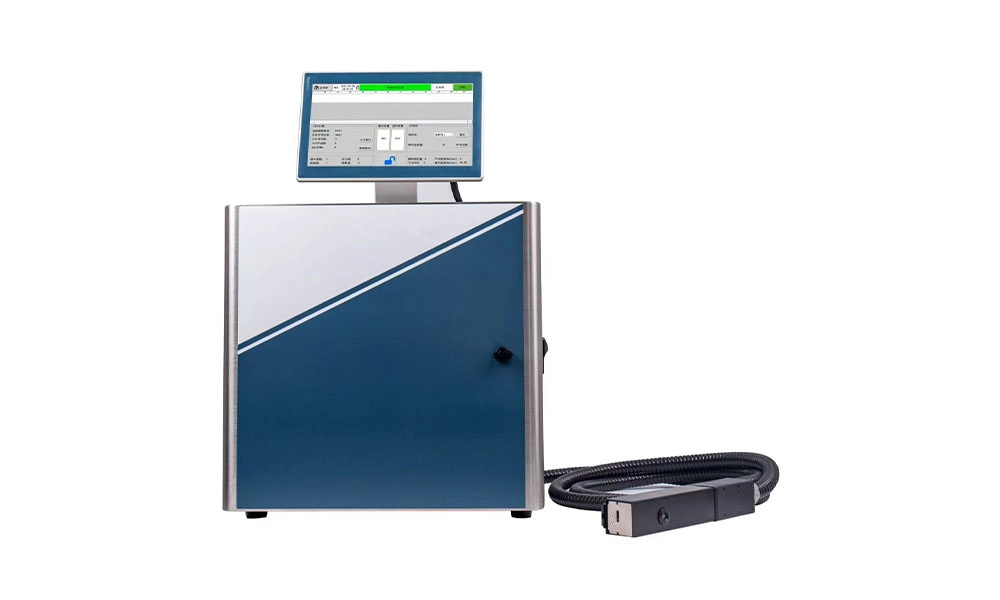
How to quickly resolve issues such as blurry text, broken lines, scattered dots, and non-printing of ink?
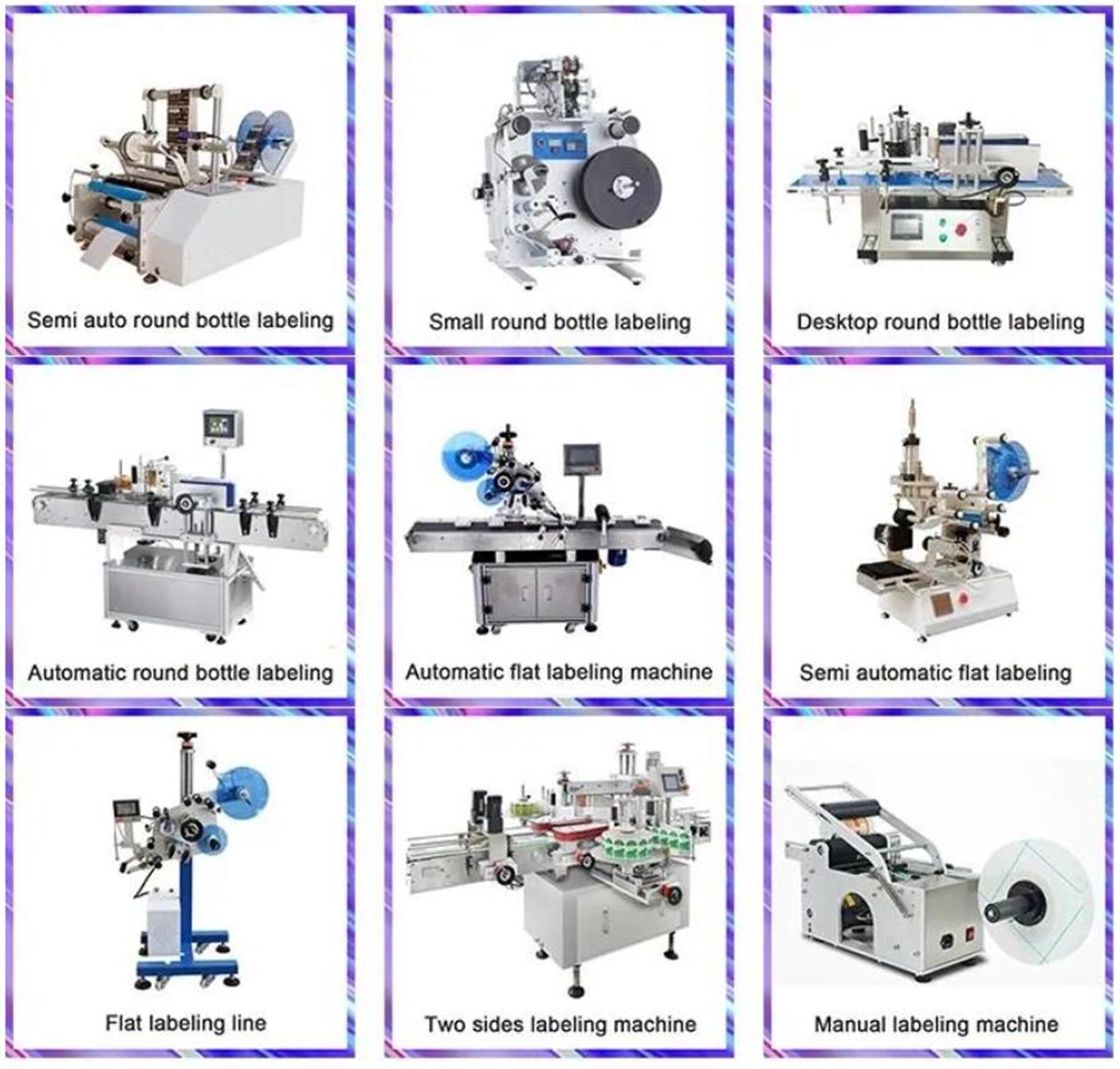
Improving Packaging Efficiency: Applications and Advantages of Fully Automatic Labeling Machines in Production Lines

Understanding Servo Capping Machines: The Core Logic of Precise Capping – Understand the Entire Working Process in Seconds
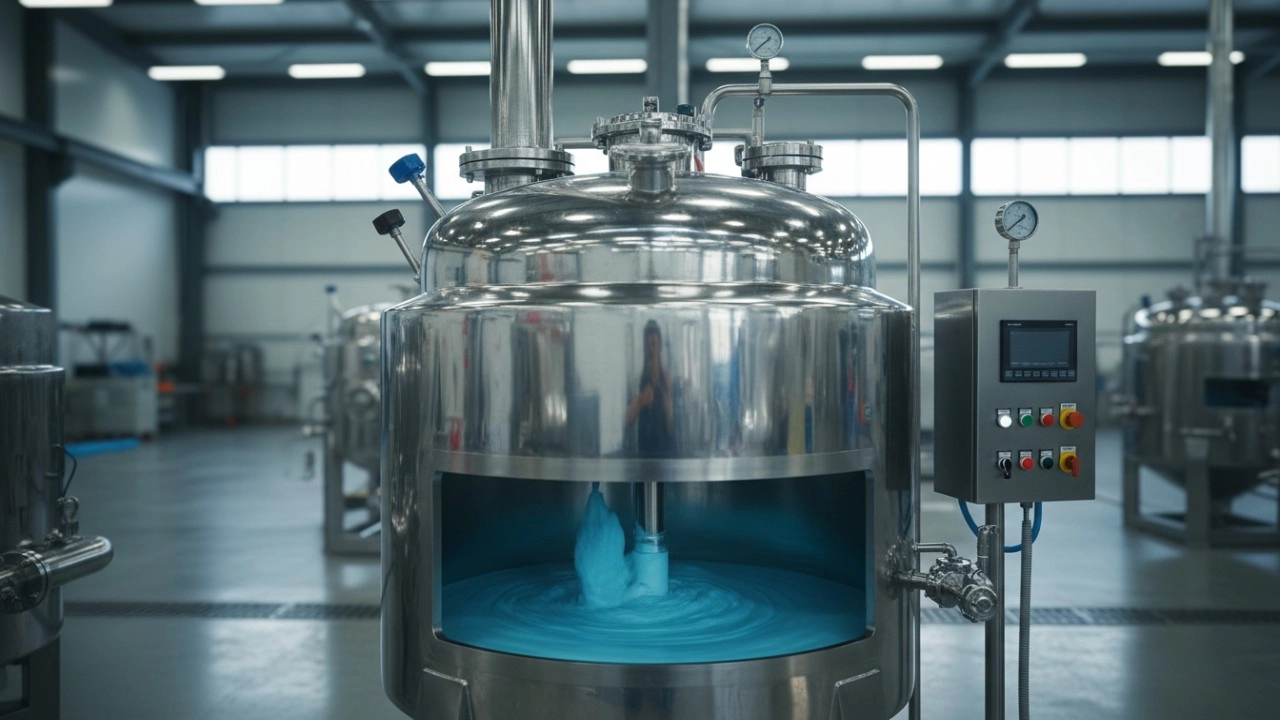
The Future of Industrial Agitation: 5 Smart Mixing Tank Technologies Changing the Game
Sealed Homogenizing Mixing Tank
What is the speed of the high shear homogenizer?
The standard speed is 0-3000 rpm, but higher speeds can be customized upon request.
RO Water Treatment
What can you buy from us?
RO Water Treatment、Vacuum Emulsifying Machine、Homogenizer Mixing Tank、Filling and Capping、labeling Machine、Packing Machine、Storage Tank,etc.
Automatic Labeling Machine
Can you customize the machine?
Of course, we provide customized services according to customer needs.
Automatic bag packaging machine
Does the equipment have any special requirements for the packaging film? Can ordinary packaging films be used normally?
The equipment is compatible with the vast majority of heat-sealing packaging films on the market. There are no special customization requirements, and it will not increase the cost of packaging materials. Common PET/PE composite films, metallized films, nylon composite films, and paper-plastic composite films can all be used normally. The equipment is equipped with an independent PID precision temperature control system, and the longitudinal and transverse sealing temperatures can be adjusted separately. The temperature control accuracy is high, and it can flexibly adjust the temperature and sealing pressure according to the heat resistance and heat-sealing characteristics of different film materials to ensure a flat and tight seal. It will not cause issues such as burns to the packaging film, wrinkled edges, or leakage due to poor sealing. Even thin composite films can be stably adapted.
Automatic Tube Filling and Sealing Machine
After purchasing the equipment, what after-sales services does the supplier typically provide?
General services include on-site installation and commissioning (including workshop layout planning), operator training (theoretical and practical training to ensure workers can operate independently), a one-year full machine warranty, and lifetime technical support (24-hour telephone and video troubleshooting).
Get in touch with FULUKE
If you have any comments or good suggestions, please leave us a message, later our professional staff will contact you as soon as possible.
You May Also Like
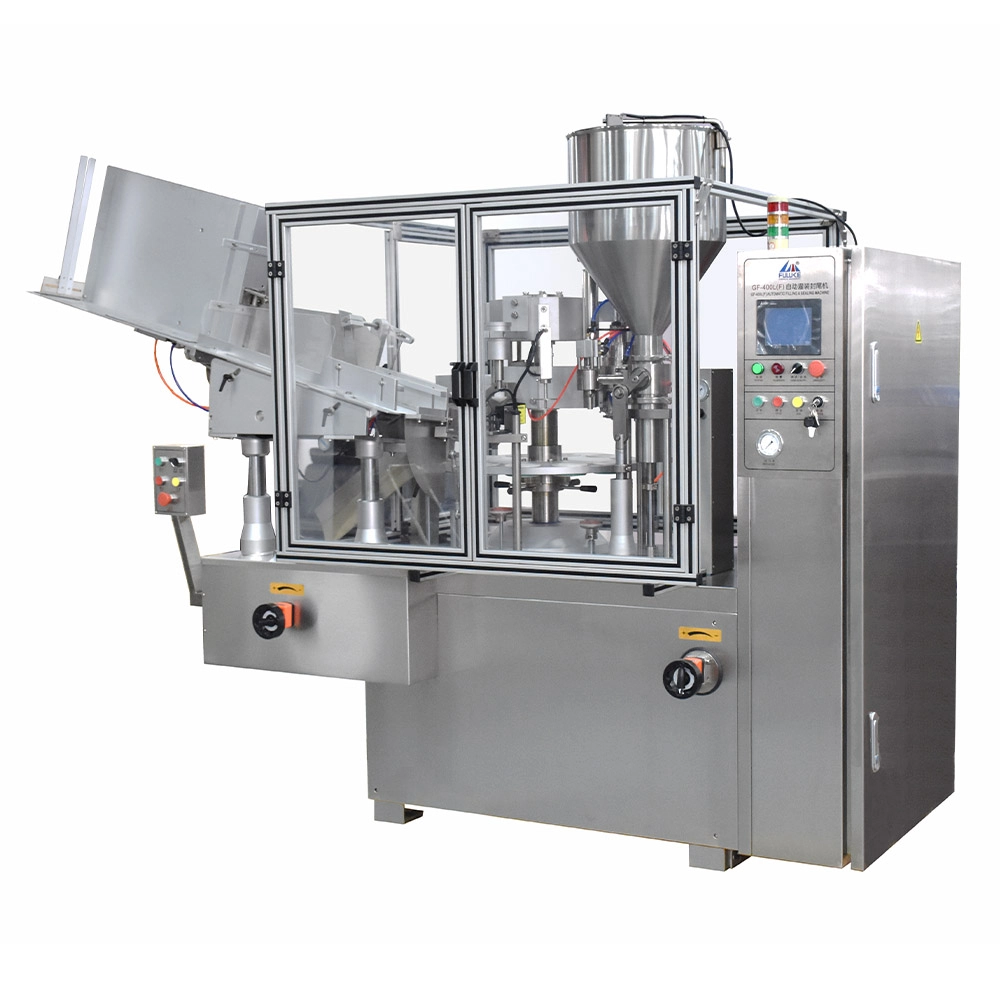
Automatic Tube Filling and Sealing Machine Toothpaste Sunscreen and Facial Cleanser Filling and Sealing Machine for Plastic and Aluminum-plastic Tube
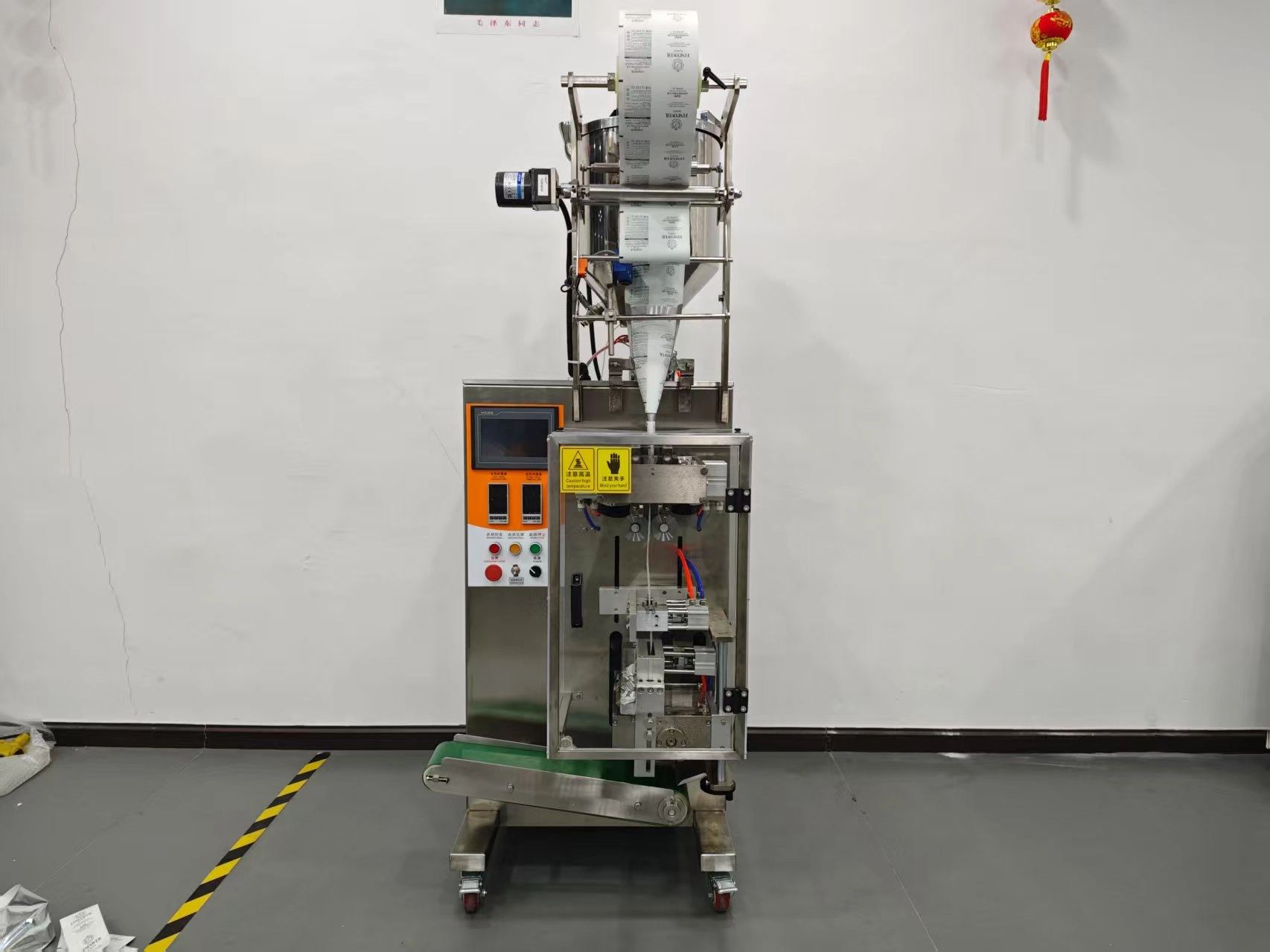
Three-side/four-side sealing bag packaging machine Liquid Paste Jam Cream Sachet Vertical Filling Pouch Packing Machine
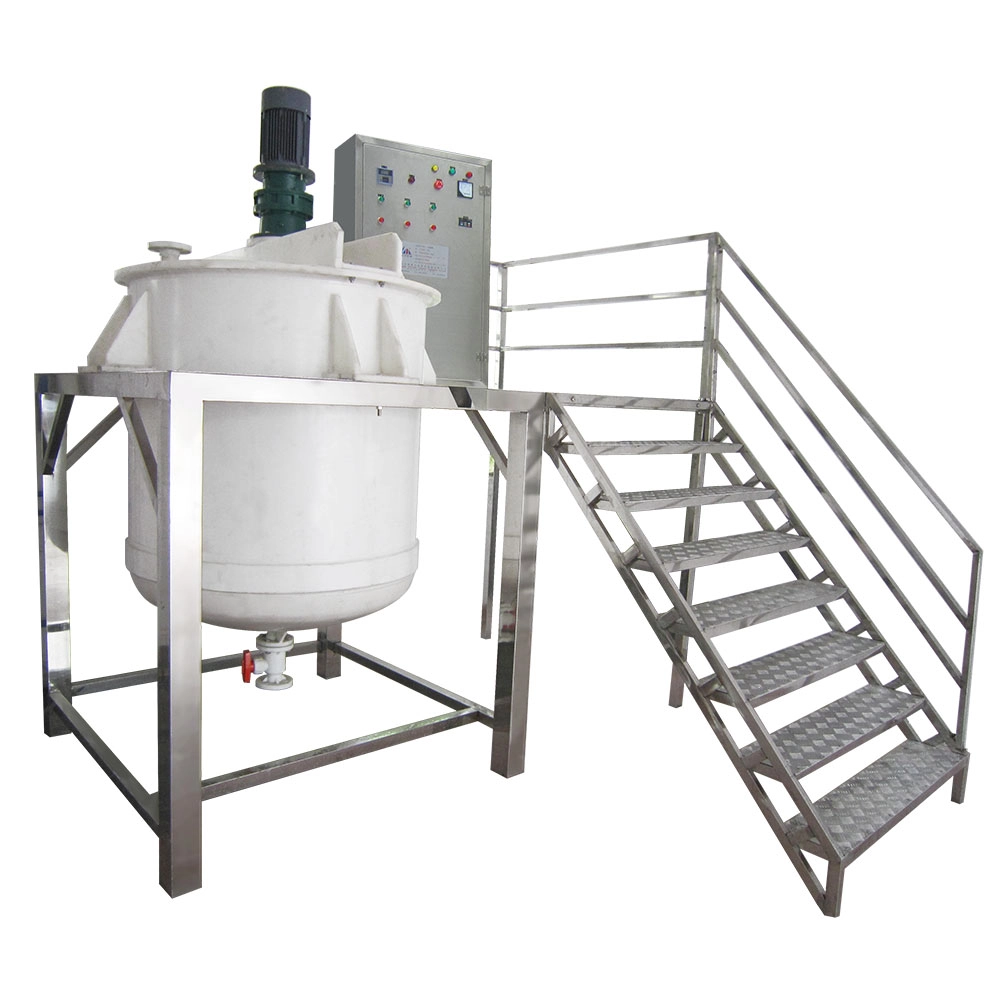
Polypropylene PP Mixing Tank Anti-Corrosion Mixer Reaction Kettle with Agitator Chemical Mixing Vessel
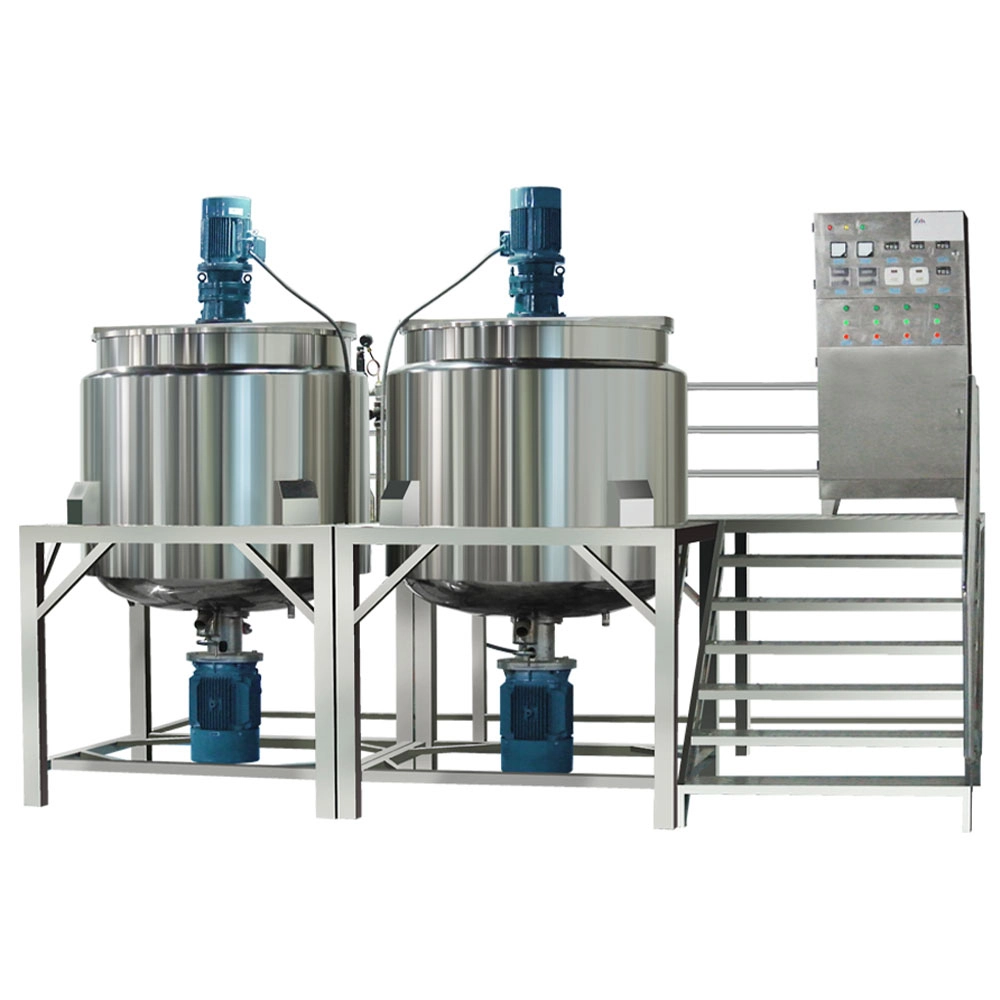
Flip Cover Multi-function Liquid Wash Mixing Tank Blender Liquid Detergent Mixer Homogenization Stirring Tank

A leading manufacturer specializing in advanced machinery and complete production lines for the cosmetics, food, pharmaceutical, and chemical industries worldwide.
Contact FULUKE
Facebook
Instagram
YouTube