
How to implement traceability on filling lines?
- 1) How do I choose the right filling technology for viscous serums that shear and foam, while keeping fill accuracy within ±1%?
- 2) How should a startup size a bottle filling machine line for small-batch cosmetics to scale cost-effectively without overspending?
- 3) How to implement traceability on filling lines so batch codes, GS1 DataMatrix, and MES records are end-to-end and audit-ready?
- 4) How to validate and document filling accuracy and compliance (ISO 22716) for cosmetic production lines?
- 5) How can I minimize product loss and reduce changeover time when switching fragrances or colors on cosmetic filling lines?
- 6) What's the typical retrofit path to add serialization, vision inspection, and IoT sensors to an existing filling line without reducing OEE?
1) How do I choose the right filling technology for viscous serums that shear and foam, while keeping fill accuracy within ±1%?
Choosing the correct filling technology requires matching fluid rheology, target throughput, bottle size, and regulatory expectations. For shear-sensitive, slightly thixotropic serums that foam:
Consider piston (positive displacement) and progressive cavity (rotary lobe) pumps. Piston fillers provide high volumetric accuracy (typical achievable tolerances ±0.5–1.5% depending on setup) and low-shear options when stroke speeds and valve geometries are optimized. Progressive cavity pumps handle shear-sensitive materials gently and maintain metering consistency across viscosity changes.
Avoid time-pressure fillers for foamy fluids as they introduce air. Peristaltic can work for low- to mid-viscosity serums and provide sanitary, easy-clean tubing, but speed is limited (commonly 50–600 bottles/hour per head depending on bottle size).
Use multi-head rotary piston fillers for higher throughput (rotary piston systems can reach from ~600 to several thousand bottles per hour depending on head count and bottle size). Inline piston or timed-diaphragm systems are better for lower speeds with frequent product changes.
Implementation checklist:
- Request machine vendor data: achievable cph (containers per hour) per machine model, validated fill accuracy for your product (ask for test reports with your SKU), recommended filling heads and nozzle types (anti-drip, submerged nozzles).
- Specify CIP/SIP compatibility for sanitary cleaning without disassembly if required.
- Ask for on-line checkweigher and vision integration options to maintain ±1% end-of-line compliance.
Cost/ROI note: piston and progressive cavity systems typically cost more upfront than simple gravity or time-pressure fillers but reduce giveaway and rework, improving product yield for high-value serums.
2) How should a startup size a bottle filling machine line for small-batch cosmetics to scale cost-effectively without overspending?
Startups must balance capital cost, scale flexibility, and time-to-market. Follow these steps:
- Define near-term and 3-year projected volumes (monthly bottles). Example: 5k/month now, 50k/month in 36 months.
- Choose modular equipment: start with a flexible semi-automatic or low-speed automatic filler with expandable head modules (e.g., 2 → 4 heads). This lowers initial CAPEX and allows stepwise investment.
- Prioritize quick changeover features: fast-change nozzle holders, adjustable bottle guides, recipe-driven HMI for format parameters—reduces downtime when running multiple SKUs.
- Opt for standardized interfaces (OPC-UA/Ethernet/IP) so new modules (capping, labeling, serialization) can be added without full replacement.
- Consider contract manufacturing (co-packing) for initial SKUs to validate market fit while acquiring a modular in-house line for core SKUs.
Practical configuration for startups:
- Semi-auto piston filler or modular rotary filler (2–6 heads), elevator conveyor, single-station capping machine, labeling applicator, and a small checkweigher and vision system.
- Estimate payback: decreased per-unit cost when volume grows; modularity defers large capital spend.
3) How to implement traceability on filling lines so batch codes, GS1 DataMatrix, and MES records are end-to-end and audit-ready?
Implementing traceability requires aligning people, process, and technology. Key steps and technologies:
Define traceability scope and granularity
- Decide whether to track at lot/batch level (common for cosmetics) or serialize individual units (pharma-level). For cosmetics, GS1 GTIN + lot number + expiry (and optional serials for High Quality SKUs) is standard.
Adopt identification standards
- Use GS1 standards (GTIN, AI (10) batch/lot, AI (17) expiry) and GS1 DataMatrix or GS1-128 barcodes for compact, machine-read formats.
Equip the filling line
- Inkjet/laser coders for direct lot/date printing with encoder synchronization.
- 2D DataMatrix printers and labelers where required.
- Vision inspection systems to verify code presence, readability (ISO/IEC 15415/15426 for print quality), and OCR/OD reading.
Capture and transmit data
- Integrate PLCs and line devices with MES/SCADA using OPC-UA/Modbus/REST APIs. Ensure time-synchronized event logs (NTP) and record: production order, GTIN, batch number, machine recipe, operator ID, fill weight data, reject counts, and end-of-line inspection results.
Ensure data integrity & compliance
- Implement role-based access, audit trails, and electronic signatures if applicable (align with FDA 21 CFR Part 11 practices for systems that also handle regulated data).
Validation and testing
- Perform FAT/SAT with real SKUs; create traceability test scenarios (recall simulation) to ensure you can locate affected batches in <X minutes.
Long-term: enterprise integration
- Map MES data to ERP for inventory and PIF (Product Information File) linkage. Consider cloud-based batch tracking with APIs for distributors and retailers.
Estimated timeline & cost drivers:
- Basic lot code + vision capture + MES logging: 4–8 weeks hardware + integration, moderate cost.
- Full serialization and blockchain-enabled track & trace: 3–6 months, higher cost and complexity.
Benefits: faster recalls, improved supplier/customer transparency, regulatory alignment with ISO 22716 and EU Cosmetic Regulation. Vendors that support GS1 and OPC-UA accelerate implementation.
4) How to validate and document filling accuracy and compliance (ISO 22716) for cosmetic production lines?
Validation and documentation employ a structured IQ/OQ/PQ approach tailored to cosmetic GMP (ISO 22716). Steps and required deliverables:
Installation Qualification (IQ): verify equipment installed per manufacturer specifications (model, serial, utilities). Deliverables: IQ checklist, wiring diagrams, spare parts list.
Operational Qualification (OQ): test operating ranges (fill volumes, speeds, temperature ranges). Perform repeated runs with inert fluid and measure fill repeatability/accuracy. Deliverables: OQ protocols and test reports showing statistical results (mean, SD, Cpk). Target Cpk depends on tolerance; for ±1% target Cpk > 1.33.
Performance Qualification (PQ): run actual product SKUs across intended shifts and operators. Include challenge tests: start/stop cycles, product changeovers, and worst-case viscosities.
Retain traceability: record batch numbers, operator IDs, machine recipes in MES. Store sample retention policies and keep retained sample bottles per regulation or internal policy.
Calibration and maintenance: document checkweigher calibration, volume calibration using gravimetric methods (weight → volume using product density), and scheduled preventive maintenance.
Use statistical process control (SPC): monitor fill weights over time with control charts; trigger interventions if out-of-control trends appear.
Deliverables for audits: IQ/OQ/PQ reports, calibration certificates, SOPs for cleaning and changeover, deviation logs, corrective action records, and training matrices.
5) How can I minimize product loss and reduce changeover time when switching fragrances or colors on cosmetic filling lines?
Product loss and lengthy changeovers are major cost drivers. Practical measures:
- Implement hygienic, low-dead-volume piping and rotary filling manifolds to reduce product hold-up.
- Use quick-disconnect sanitary fittings and tri-clamp designs for fast flushing and line draining.
- Design recipes and SOPs for color/fragrance changeovers: perform a minimal flush sequence, then use a short purge with a compatible cleaning agent. Validate the number of rinse cycles required for acceptable residual levels using TOC or colorimetric checks.
- Invest in modular product paths or duplicate product manifolds where feasible so small SKUs can be switched without full line purge.
- Use single-use tubing or disposable paths for high-risk cross-contamination products (especially relevant for small-batch or high-allergen fragrances).
- Plan production runs to minimize frequent SKU swaps—sequence by color family or fragrance intensity.
- Automate format changeovers: recipe-controlled servo adjustments for filling stroke length, nozzle height, and starwheel format parts to reduce mechanical adjustments to minutes rather than hours.
Typical results: with well-designed quick-change systems, changeovers can be reduced from 2–4 hours to 15–45 minutes, and product loss per changeover can drop from several liters to <0.5–1% of batch volume depending on product value.
6) What's the typical retrofit path to add serialization, vision inspection, and IoT sensors to an existing filling line without reducing OEE?
A phased retrofit minimizes downtime and risk. Recommended path:
Assessment & mapping
- Conduct an audit of current PLCs, I/O capacity, network topology, and mechanical spare capacity. Identify freeze windows for upgrades.
Add non-invasive data capture first
- Install vision systems and checkweighers with standalone operation and local HMI. Run in parallel (monitor-only) for 2–4 weeks to benchmark performance.
Integrate at the control level
- Add edge devices/gateways supporting OPC-UA/REST to bridge machines to MES. Use buffered data collectors to avoid data loss during network outages.
Serialization and coding
- Mount printers/labelers on the conveyor after stabilization points. Implement verification cameras and code aggregation stations (for cartons/pallets) in subsequent phases.
Commissioning & operator training
- Use FAT/SAT for each subsystem; maintain dual-run period where old and new systems run concurrently until stable.
Cybersecurity & validation
- Secure endpoints, segment the network, and perform access control. Validate data paths and audit trails.
Typical timeline: small additions (vision, sensors) 2–6 weeks; serialization + full MES integration 8–20 weeks depending on line complexity. OEE impact: plan for short planned downtime windows to install mechanical mounts; most IT/edge installs can be done live with careful planning.
Final implementation tips: choose vendors experienced in OPC-UA/Ethernet/IP and who provide robust FAT support; require rollback plans for each phase to protect production SLAs.
Concluding summary:
Implementing robust traceability (GS1 DataMatrix or GS1-128 barcodes, lot codes, MES logging) combined with the right filling technology (piston, rotary, progressive cavity) delivers measurable benefits: faster and less costly recalls, reduced giveaway and waste, faster changeovers, and documented compliance with ISO 22716 and EU regulations. For cosmetic purchasers, these translate into lower total cost of ownership, improved product quality, and stronger supply-chain trust.
Contact us for a tailored quote and line assessment: www.fulukemix.com · Email: flk09@gzflk.com
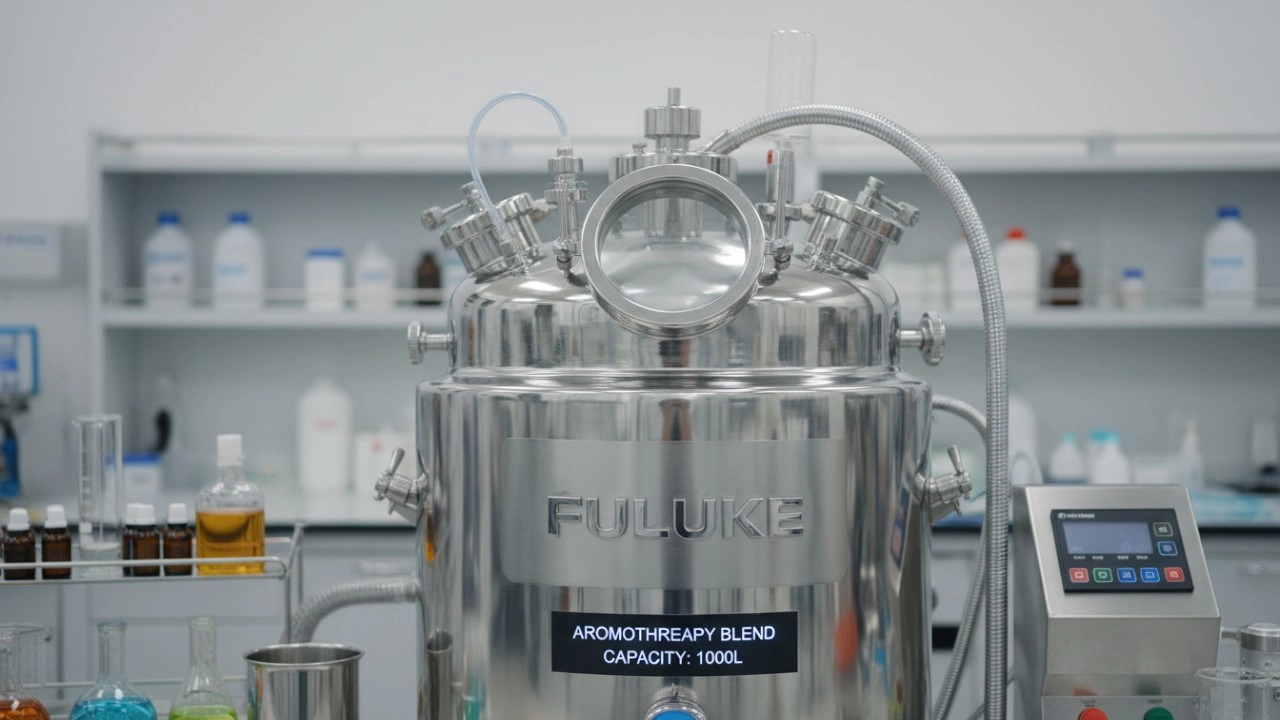
How Mixing Tanks Are Used in Aromatherapy & Cosmetics: The 2026 Guide
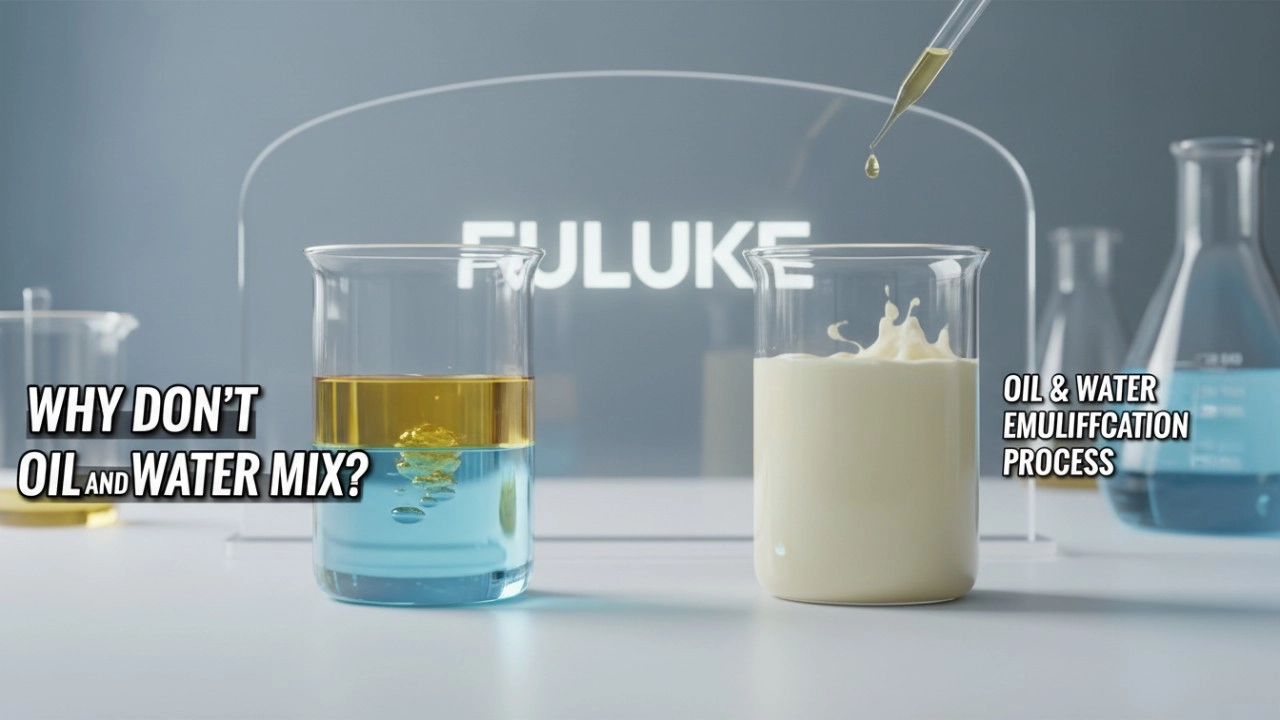
5 Revolutionary Methods to Mix Oil and Water: A Deep Dive into Advanced Emulsification (2026 Guide)
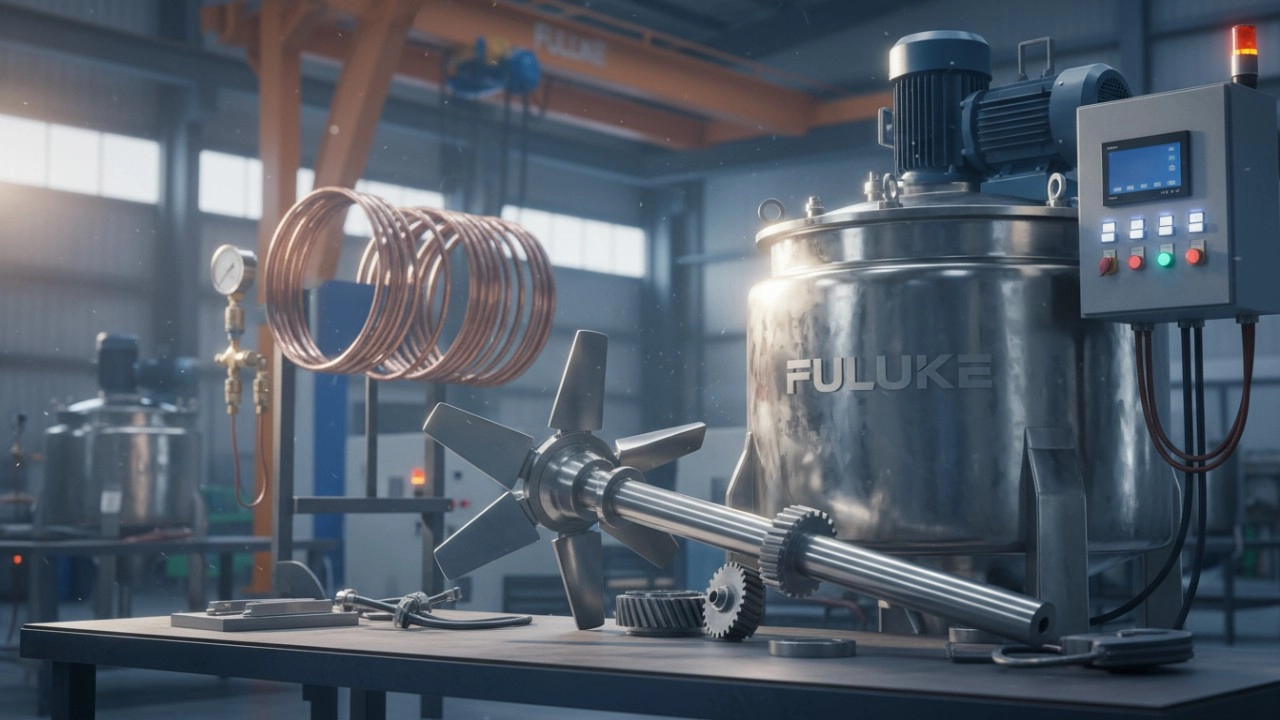
Top 7 Mixing Tank Component Failures (And How to Prevent Costly Downtime) in 2026
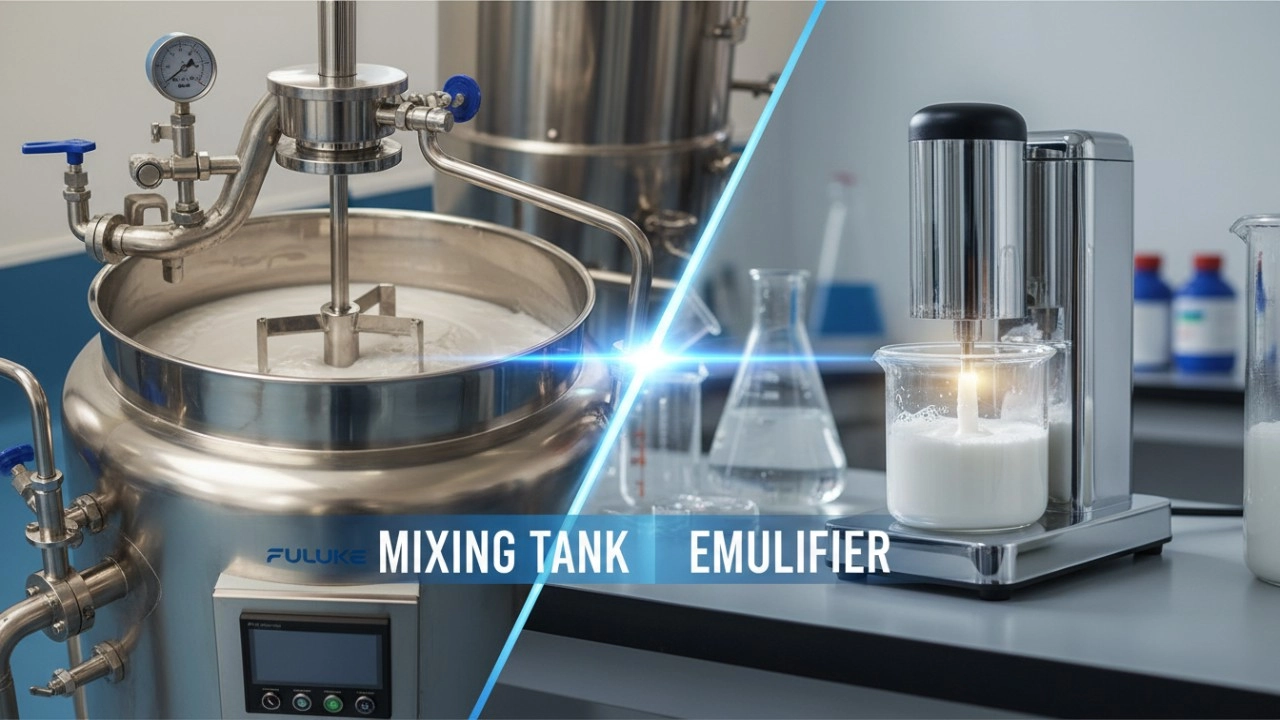
High-Shear Emulsifier vs. Standard Mixing Tank: A Deep Dive into Process Efficiency
Automatic Bag Packaging Machine
What should be done quickly if the equipment experiences dripping, stringing, or inaccurate metering during operation?
These are common minor malfunctions in cream and lotion packaging machines. They can be quickly resolved by following the troubleshooting steps, without the need for major overhaul. If inaccurate metering occurs, first check if the material viscosity is uniform and if the material tank is empty. Then recalibrate the metering pump parameters. The equipment comes standard with a piston or ceramic pump, and the normal metering error can be controlled within ±2%. If dripping or stringing occurs, it is mostly due to solidified residual paste at the nozzle or a mismatch between the filling delay and sealing temperature. First, promptly clean the residual material from the nozzle, then fine-tune the filling delay time and sealing temperature. Combined with the equipment's built-in anti-drip discharge structure, these problems can be completely eliminated. Cleaning the nozzle promptly after each production run can reduce the occurrence of these malfunctions from the source.
Perfume Filling Machine
What can you buy from us?
RO Water Treatment、Vacuum Emulsifying Machine、Homogenizer Mixing Tank、Filling and Capping、labeling Machine、Packing Machine、Storage Tank,etc.
RO Water Treatment
Who are we?
Our headquarters is located in Guangzhou, Guangdong, China, and our factory is located in Yangzhou, Jiangsu. Our products are sold all over the world. We have approximately 50 employees in our company and factory.
Automatic Glass Bottle Washing Machine
How efficient is the equipment at cleaning?
The standard model can clean 2000-3000 bottles per hour, supports variable frequency speed control, and flexibly matches the cycle time of different production lines.
Automatic Filling Machine
We want to fill products in multiple volumes (e.g., 100ml, 250ml, 500ml). Do we need to purchase multiple filling machines?
No, most automatic filling machines support multiple volume adjustments. When purchasing, please confirm the machine's "volume adjustment range" (e.g., 50ml-2000ml) to ensure it covers your desired specifications. Changing volumes simply requires modifying the fill volume parameters on the touchscreen. If the volume difference is significant (e.g., from 100ml to 1000ml), minor adjustments to the filling head height or feed rate may be necessary, without replacing the machine.
Get in touch with FULUKE
If you have any comments or good suggestions, please leave us a message, later our professional staff will contact you as soon as possible.
You May Also Like
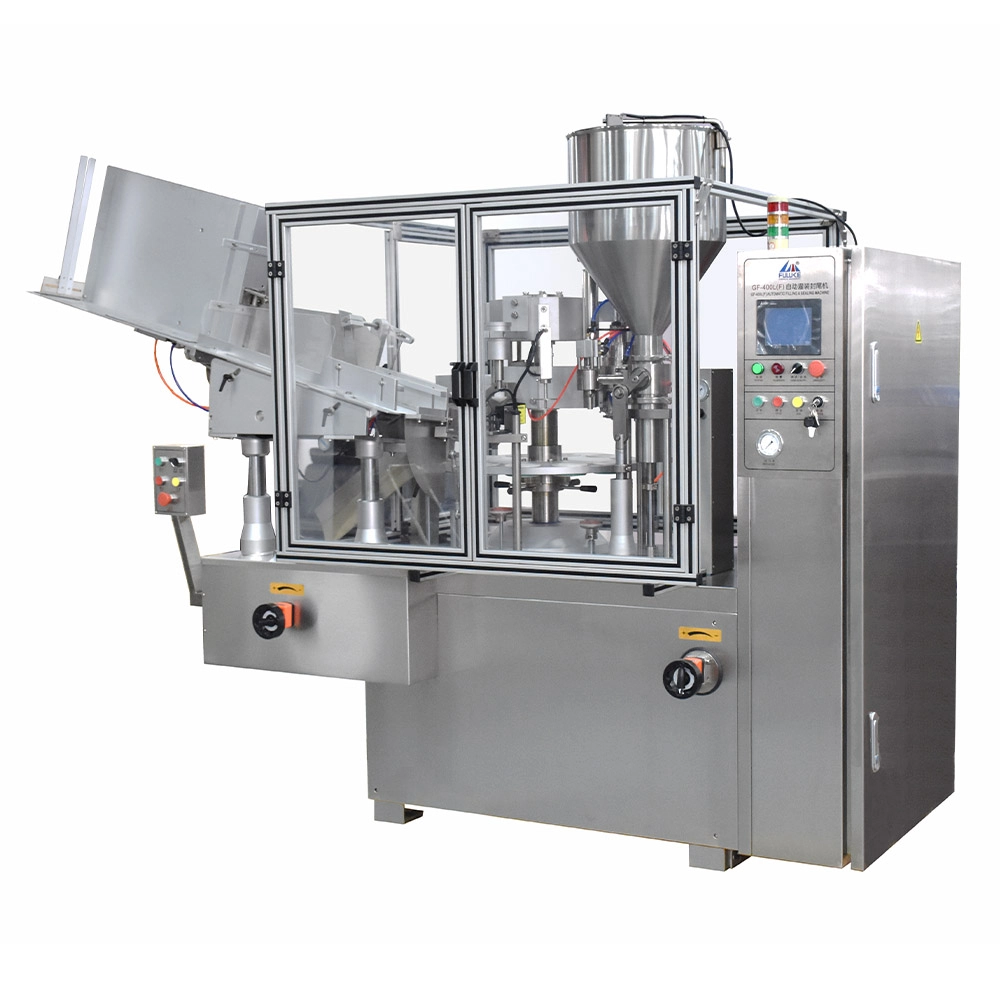
Automatic Tube Filling and Sealing Machine Toothpaste Sunscreen and Facial Cleanser Filling and Sealing Machine for Plastic and Aluminum-plastic Tube
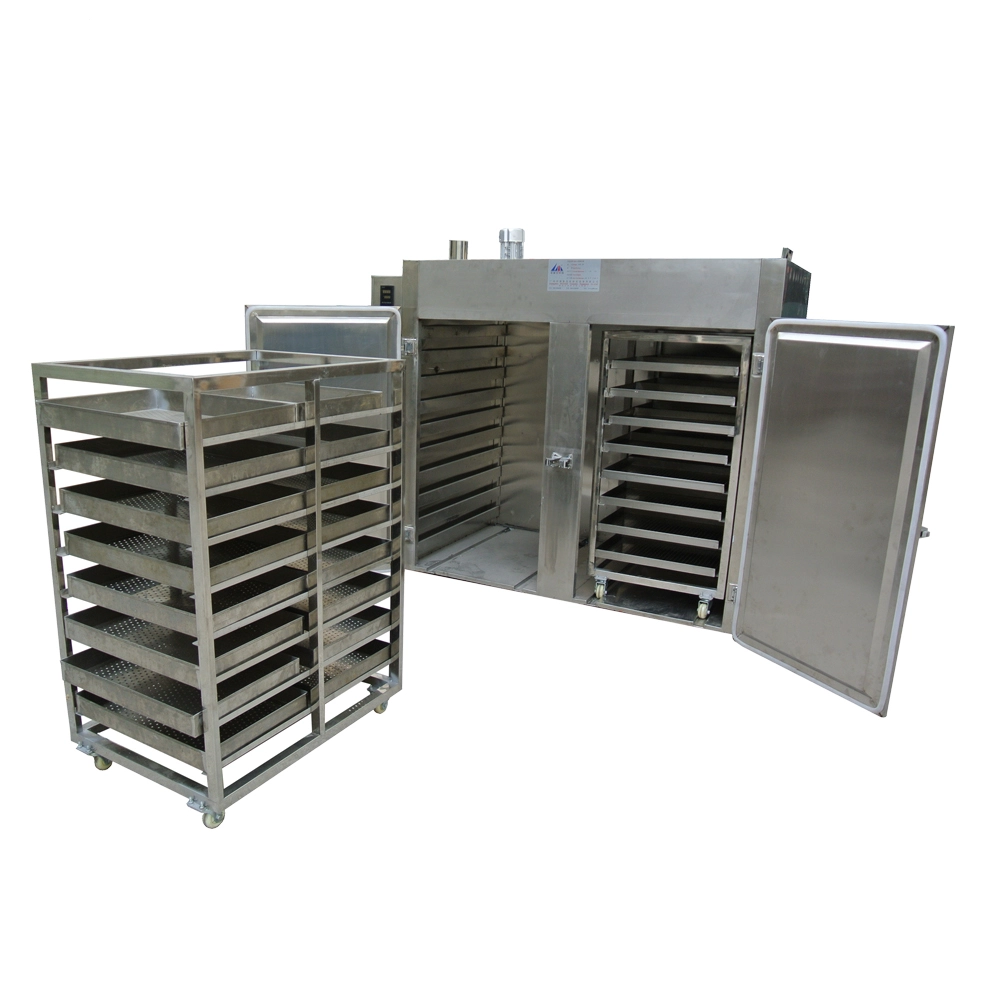
Over for Bottles High Temperature Sterilizer Tray Dryer Large Hot Air Circle Drying Oven for Glass Bottle Jar Cup Can

Automatic Glass Bottle Washing Machine High Quality Glass Bottle Cleaning Washer
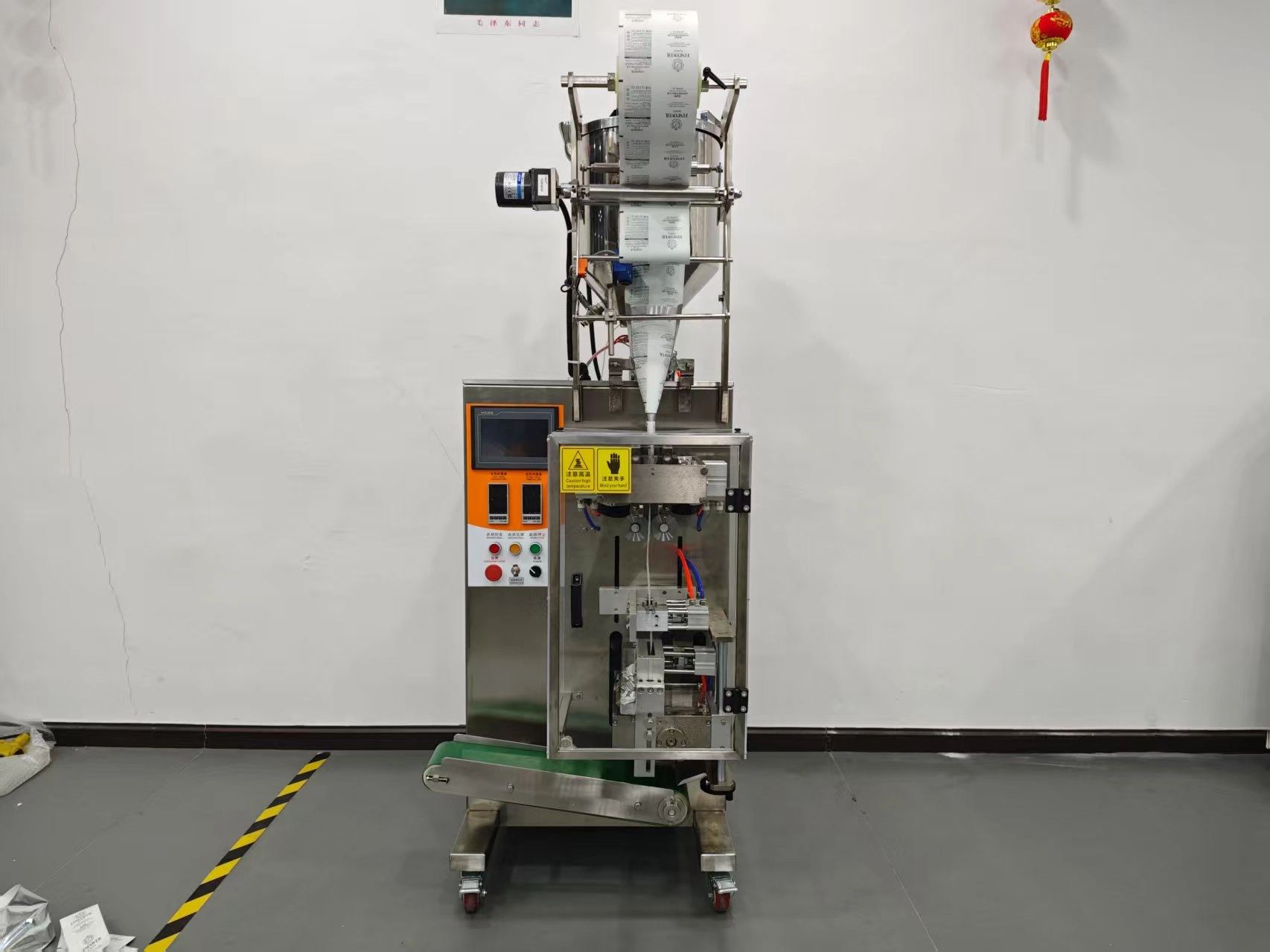
Three-side/four-side sealing bag packaging machine Liquid Paste Jam Cream Sachet Vertical Filling Pouch Packing Machine

A leading manufacturer specializing in advanced machinery and complete production lines for the cosmetics, food, pharmaceutical, and chemical industries worldwide.
Contact FULUKE
Facebook
Instagram
YouTube